Mini Wheat Combine: Durable & Efficient Harvesting Machines for Small-Scale Farming | Niuboshi
Mini Wheat Combine is a key solution in the industry, specifically within agricultural harvesting and small-scale farming operations. This article explores how https://www.hbniuboshi.com supports professionals with durable, high-performance products, and explains why this product is an ideal choice for businesses in these sectors.
Table of Contents
- Mini Wheat Combine Overview
- Benefits & Use Cases of Mini Wheat Combine
- Cost, Maintenance & User Experience
- Sustainability & Market Trends
Mini Wheat Combine Overview
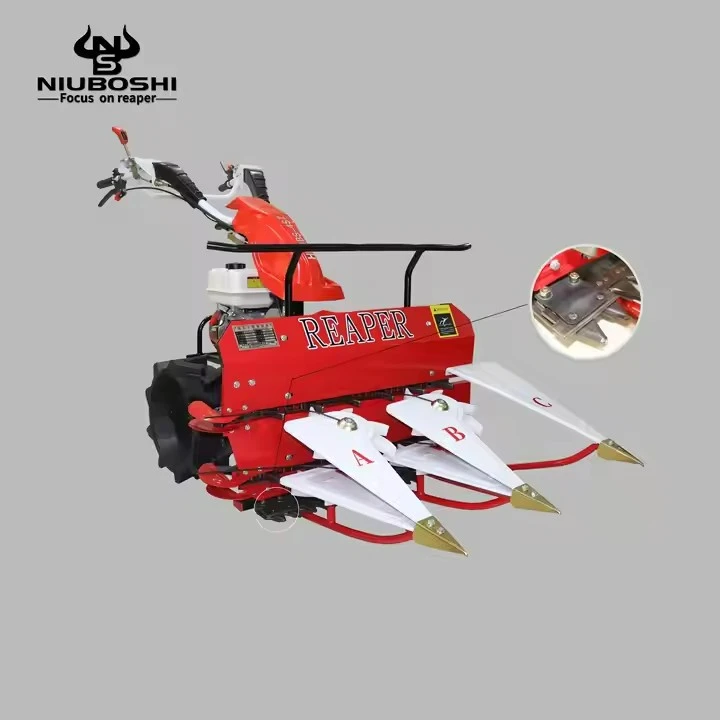
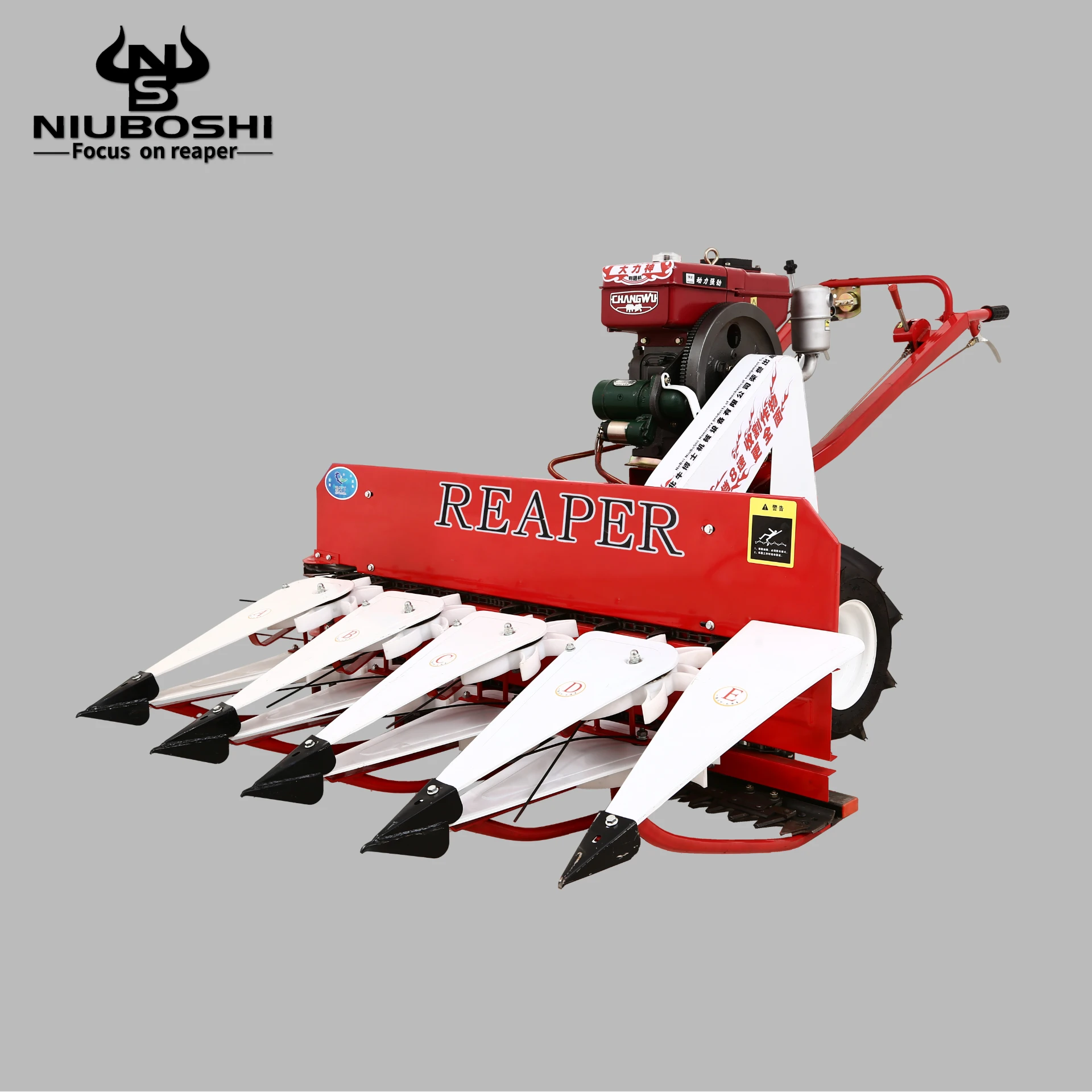
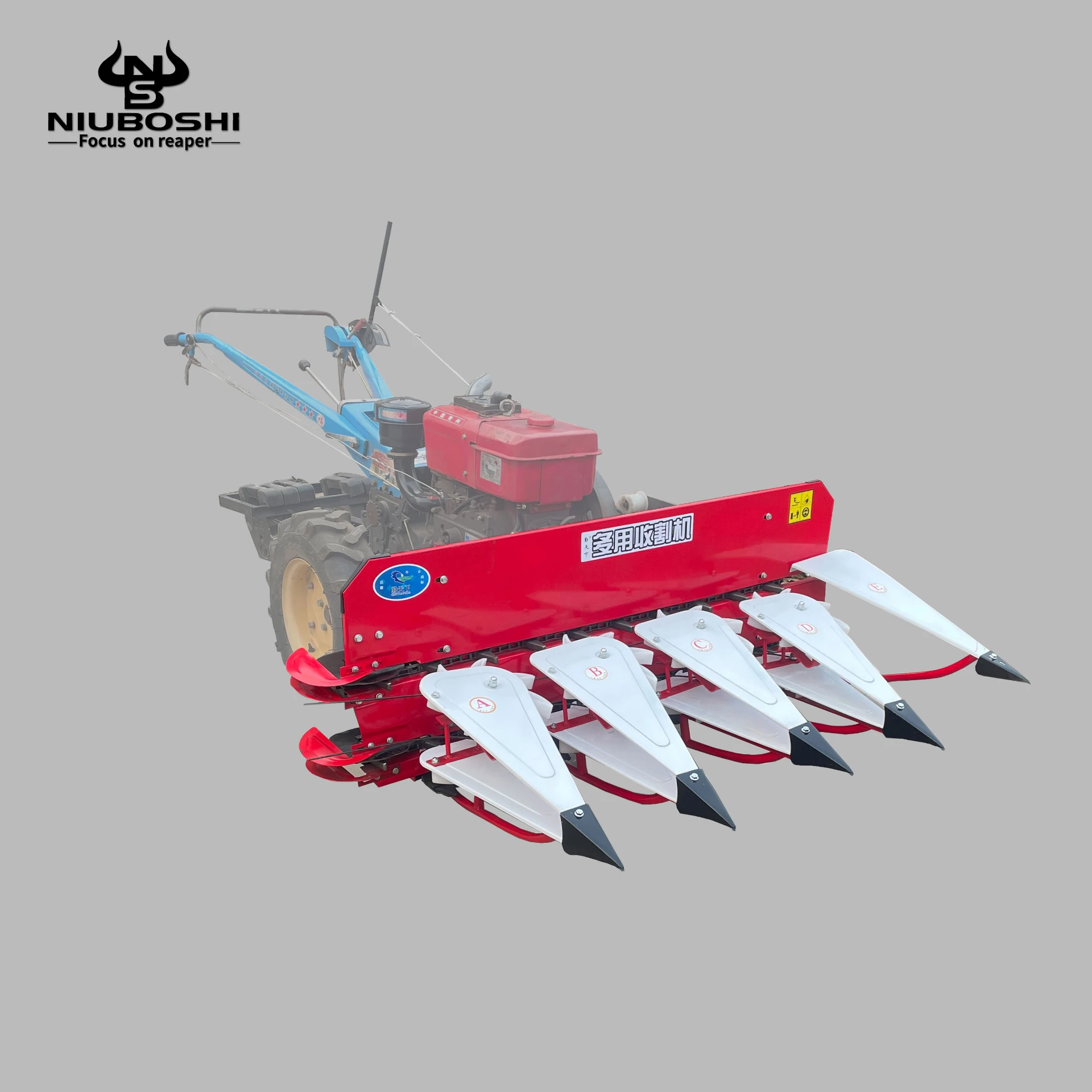
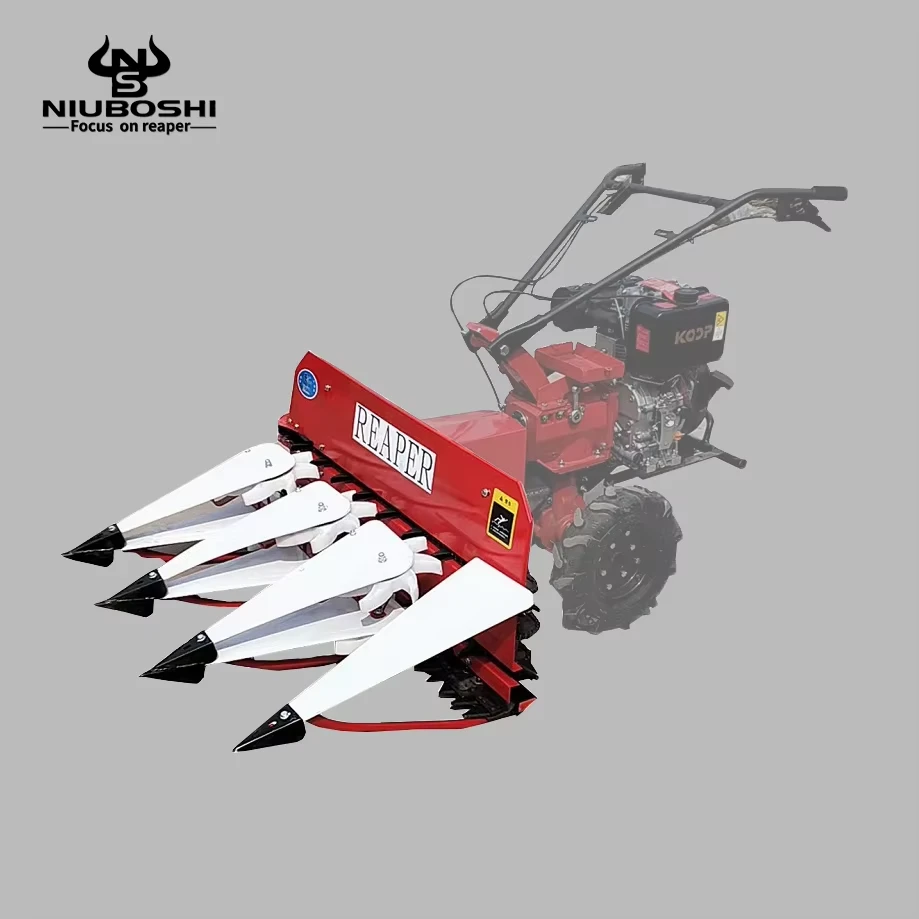
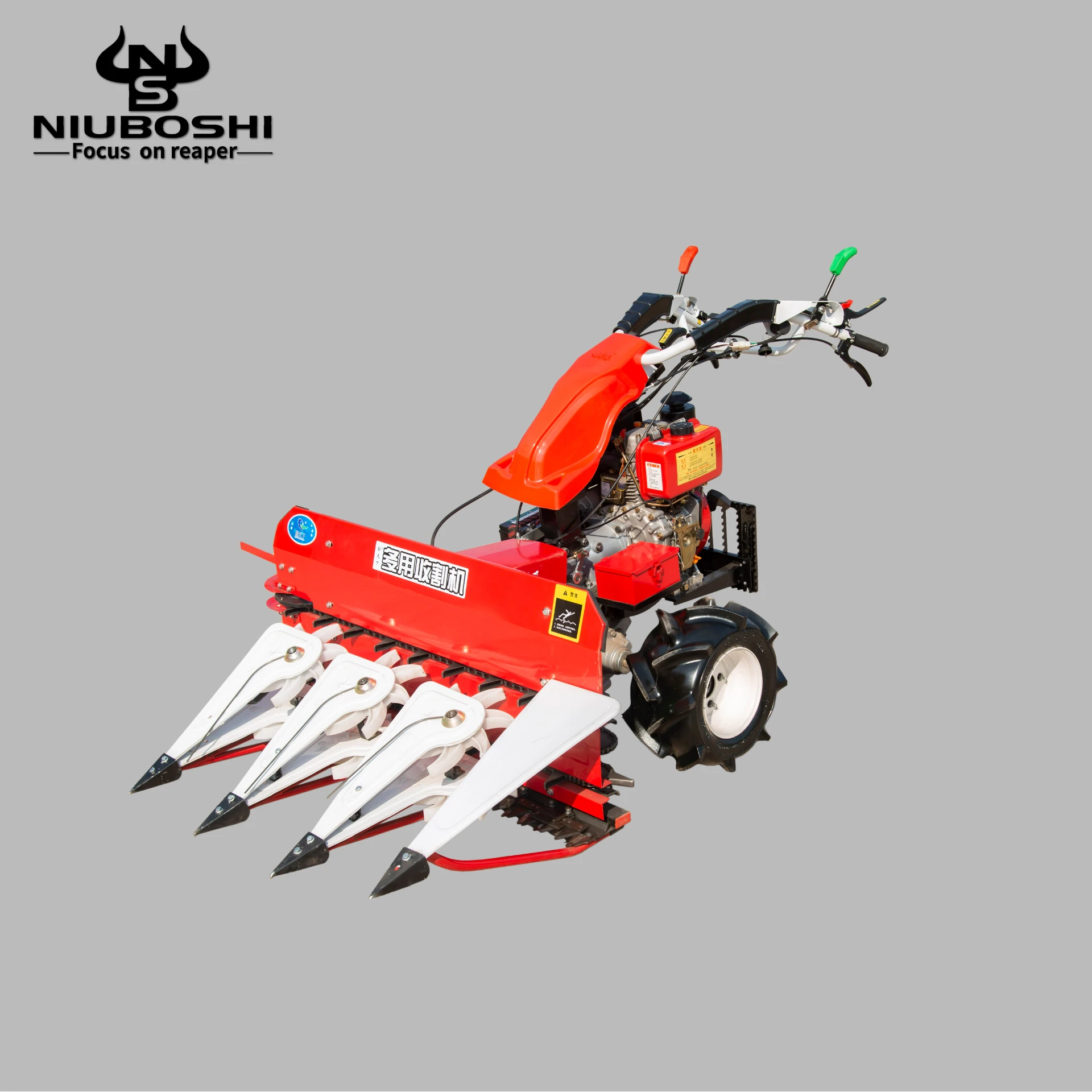
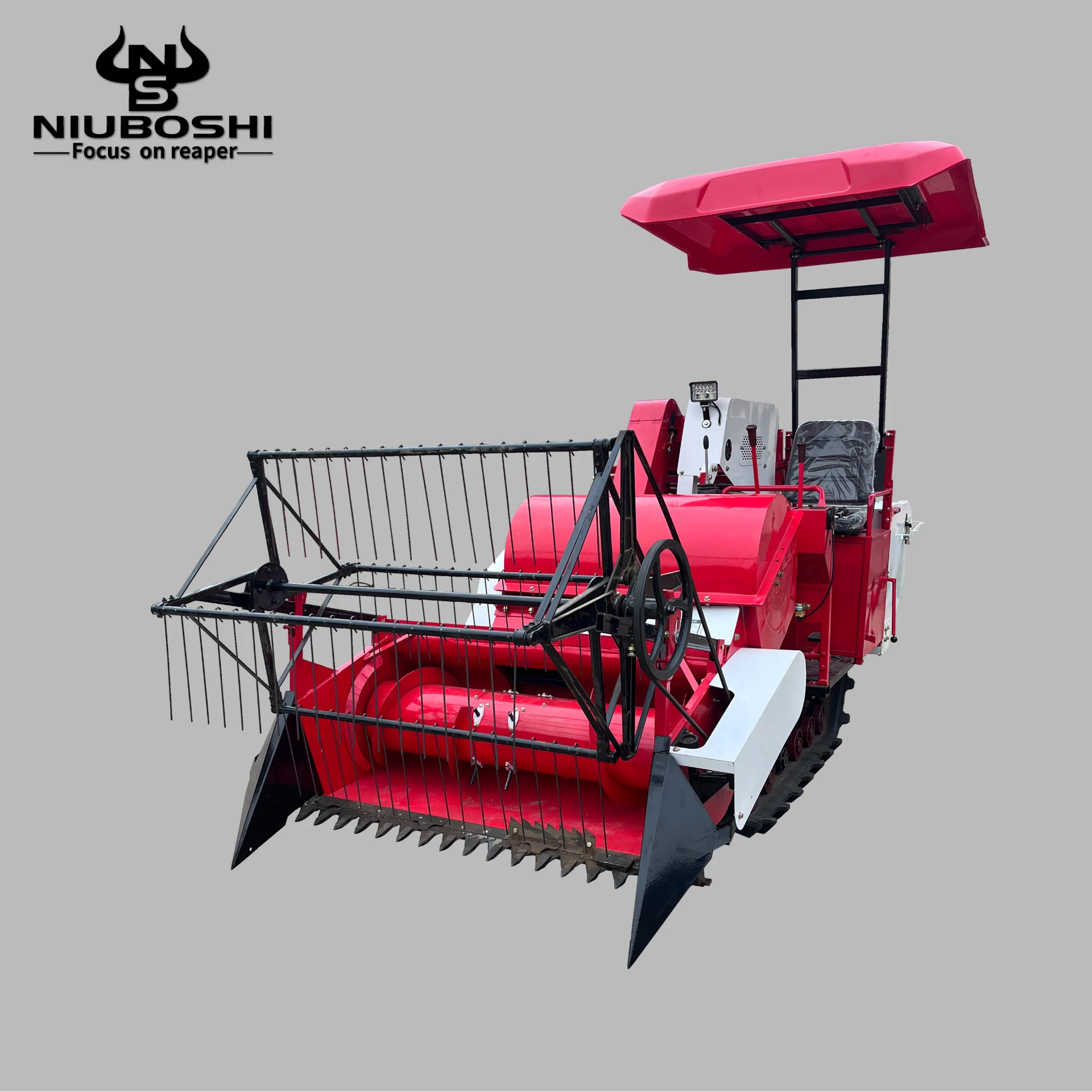
Simply put, a Mini Wheat Combine is a compact harvesting machine designed specifically for efficiently reaping, threshing, and cleaning wheat on smaller or constrained farmlands where large combines just won’t fit. Oddly enough, while it’s ‘mini’ in size, it’s a powerhouse in performance, especially for family-run farms or agro-businesses focusing on precision and cost-saving.
- Typically powered by diesel engines ranging from 20 to 40 HP, these machines balance fuel efficiency with robust power.
- Dimensions usually span 3 to 5 meters in length to maneuver tight fields without compromising throughput.
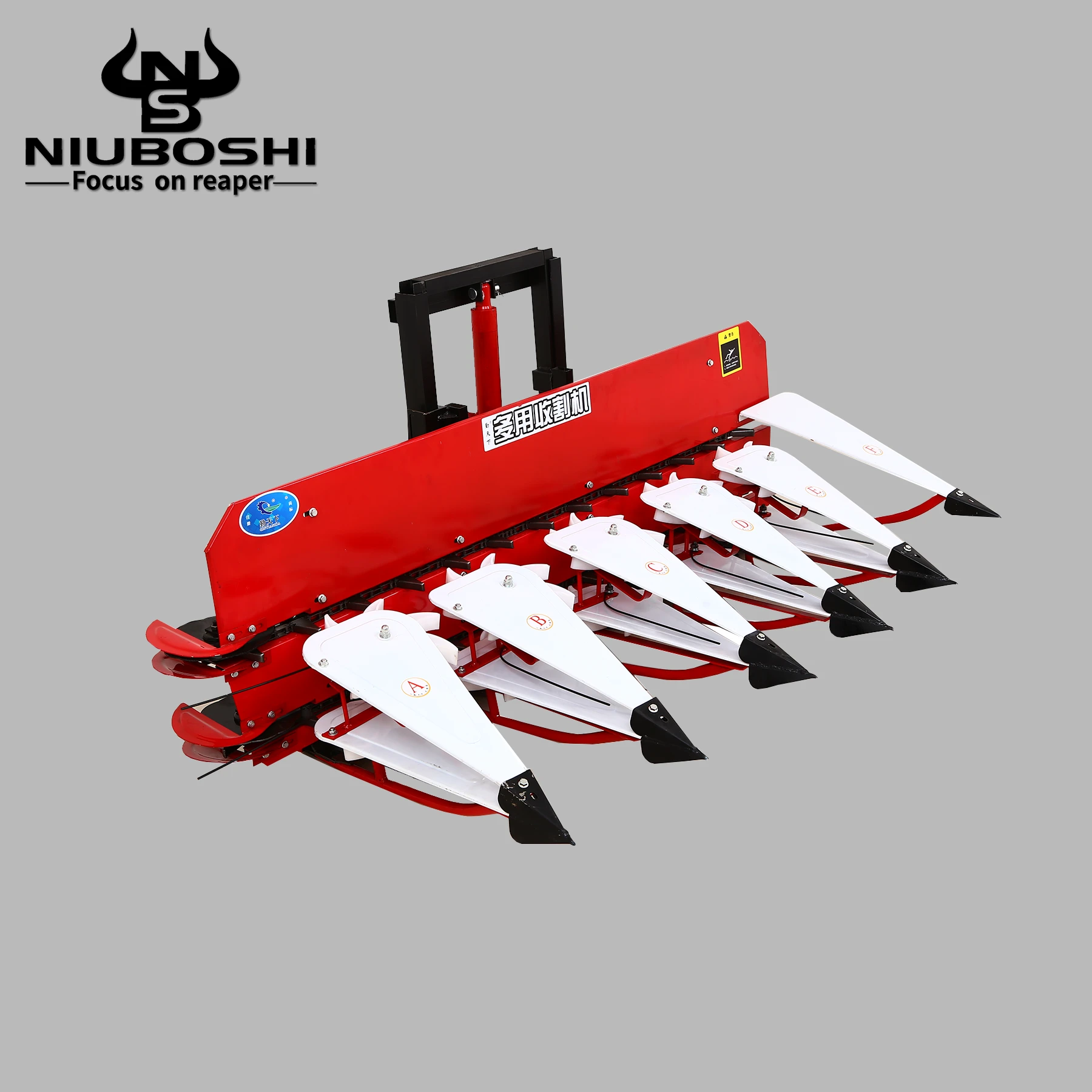
- For instance, Niuboshi’s popular model HN-3030 integrates a 5-stripe cutter bar with a threshing drum optimized for a 95%+ grain separation rate under average conditions.
- This precise engineering helps reduce loss, which frankly can make a sizable difference in yield at harvest time.
| Specification | Niuboshi Mini Wheat Combine (HN-3030) |
|---|---|
| Engine Power | 30 HP Diesel Engine |
| Harvesting Width | 1.5 meters |
| Threshing Drum RPM | 600-800 RPM (adjustable) |
| Grain Tank Capacity | 300 kg |
| Dimensions (LxWxH) | 4.3 x 1.6 x 2.0 meters |
| Weight | 850 kg |
Benefits & Use Cases of Mini Wheat Combine
The beauty of a Mini Wheat Combine lies in its adaptability and efficiency. You know, many small-scale farms wrestle with maximizing yield while keeping costs low, and that’s exactly where these combines shine. Beyond typical wheat harvesting, these units embrace barley and oats too – a little versatility that goes a long way.
- Ideal for strip cropping, hilly terrains, and fields where larger machines would struggle, improving accessibility.
- Features such as adjustable threshing speed and self-propulsion optimize grain quality and reduce losses.
- Many operators appreciate the compact design that enables easy transport and storage — frankly, not a trivial plus for many businesses around the world.
- Compared to traditional combines, these machines offer quicker startup times and superior fuel economy, which translates into real savings.
Cost, Maintenance & User Experience
Cost is often the first thing on any decision maker’s mind, and rightly so. Mini Wheat Combines from trusted vendors like Niuboshi hit a sweet spot: affordable upfront price and low total cost of ownership. Parts are designed for easy replacement and maintenance doesn’t require a team of engineers – a few hours of hands-on time suffices for routine servicing.
- Durability is enhanced by using corrosion-resistant coating on key components, ensuring longevity even in tough environmental conditions.
- Real-world feedback from farming cooperatives praises the machine’s user-friendly interface and reliability over seasons of heavy use.
- Return on investment becomes apparent quickly through improved harvesting speed and reduced labor costs.
| Vendor | Price Range (USD) | Warranty | Maintenance Support | Fuel Efficiency |
|---|---|---|---|---|
| Niuboshi (HN-3030) | $12,000 - $15,000 | 18 months | Global authorized centers | 8-10 L/hr |
| Competitor A | $14,000 - $18,000 | 12 months | Limited regional | 10-12 L/hr |
| Competitor B | $11,000 - $13,500 | 12 months | Independent dealers | 9-11 L/hr |
Sustainability & Market Trends
Sustainability is no longer just a buzzword in agriculture; it’s a necessity. Mini Wheat Combines are gradually playing their part by promoting fuel-efficient operations and reducing environmental footprint, at least compared to older, larger machines. Companies like Niuboshi stay ahead by incorporating compliance with the latest emission standards (think Stage V diesel engines) and using recyclable materials where possible.
- The ongoing trend towards precision farming and smaller-scale sustainable agriculture makes mini combines more relevant than ever.
- Emerging markets in Asia and Africa see growing demand, driven by need for affordable mechanization.
- Regulations on emissions and fuel standards will continue to push manufacturers to innovate and improve.
Frequently Asked Questions about Mini Wheat Combine
- What is Mini Wheat Combine and how does it work?
- A Mini Wheat Combine is a smaller and more compact harvester designed for wheat and other cereal grains. It harvests by cutting the crop, threshing to separate grains from stalks, and cleaning unwanted material, all within a single machine, making the process efficient especially on small or rugged lands.
- What are the main benefits of using Mini Wheat Combine in industrial applications?
- Benefits include maneuverability in tight or uneven fields, cost savings from fuel and labor efficiency, and improved crop handling which reduces losses and improves grain quality – all critical to boosting profitability.
- How does Mini Wheat Combine compare to traditional alternatives?
- Compared to large-scale combines, minis are less costly and more agile. They generally consume less fuel and require simpler maintenance, which can be a major plus for smaller operators, even if they harvest less acreage per hour.
- What industries can benefit most from Mini Wheat Combine implementation?
- Primarily, small to medium size grain farming enterprises, cooperatives in developing countries, and agribusinesses dealing with patchwork or diversified cropping systems. It’s really about where scale and terrain limit the use of larger machinery.
Conclusion on Mini Wheat Combine from china
All things considered, the Mini Wheat Combine embodies the balance between compact design and practical performance crucial to modern smallholder farming. For B2B decision makers looking to optimize yields, reduce costs, and implement cleaner tech, this product from Niuboshi is worth a long look. To discover more, visit our website: https://www.hbniuboshi.com.
Reflecting on industry feedback and market movements, it’s a reminder that scalable technology isn’t always about bigger—it’s about smarter and well-tailored solutions.
- International Journal of Agricultural Engineering, 2022 - Advances in Small-Scale Harvesting Machines
- FAO Report, 2023 - Mechanization Trends in Developing Countries
- Customer Testimonials, Niuboshi Official Dataset, 2023
Latest news
-
Maximize Harvest Efficiency with the Agro Reaper Binder MachineNewsApr.16,2026
-
Boost Harvest Efficiency with the Best Agriculture Reaper MachineNewsApr.09,2026
-
Revolutionizing Agriculture with the Efficient Agriculture Power ReaperNewsApr.07,2026
-
Comprehensive Guide to the 4 Wheel Reaper Binder for Efficient HarvestingNewsApr.04,2026
-
Comprehensive Guide to Reaperbinder Technology for Efficient Hay and Crop HarvestingNewsMar.31,2026
-
Mastering the Art of Reaper Cutting for Enhanced Agricultural EfficiencyNewsMar.28,2026