Mini Rice Paddy Cutting Harvester Machine | Compact & Efficient Rice Harvesters
The Growing Importance of the Mini Rice Paddy Cutting Harvester Machine
If you’ve ever wondered how rice fields—especially smaller, harder-to-reach ones—get harvested efficiently without the huge machinery that dominates large farms, this is where the mini rice paddy cutting harvester machine really shines. Globally, rice sustains over half the world's population as a staple crop, but efficient harvesting in small or remote paddy fields remains a challenge. These compact harvesters address this gap by offering productivity, cost-effectiveness, and accessibility.
Understanding how these machines work and why they’re becoming indispensable shapes not only agriculture in developing countries but also the food security and economic stability of communities worldwide.
Why Mini Rice Paddy Cutting Harvesters Matter on a Global Scale
Rice accounts for about 20% of the calories consumed worldwide, according to the Food and Agriculture Organization. Yet, the problem goes beyond just growing rice. Harvesting remains labor-intensive—especially in tight, terraced or water-logged fields in Asia and parts of Africa. Large machinery often can’t access these plots or risks damaging the delicate ecosystem.
Here’s the crunch: many smallholder farmers operate on less than two hectares and rely on manual labor or animal-driven tools, which limits yield and efficiency. The mini rice paddy cutting harvester machine offers a practical solution by combining mechanization with portability.
This isn't just about productivity — it’s about empowering farmers, shortening harvest times, and reducing post-harvest losses which the World Bank estimates can account for 15–30% in some regions.
What Is a Mini Rice Paddy Cutting Harvester Machine?
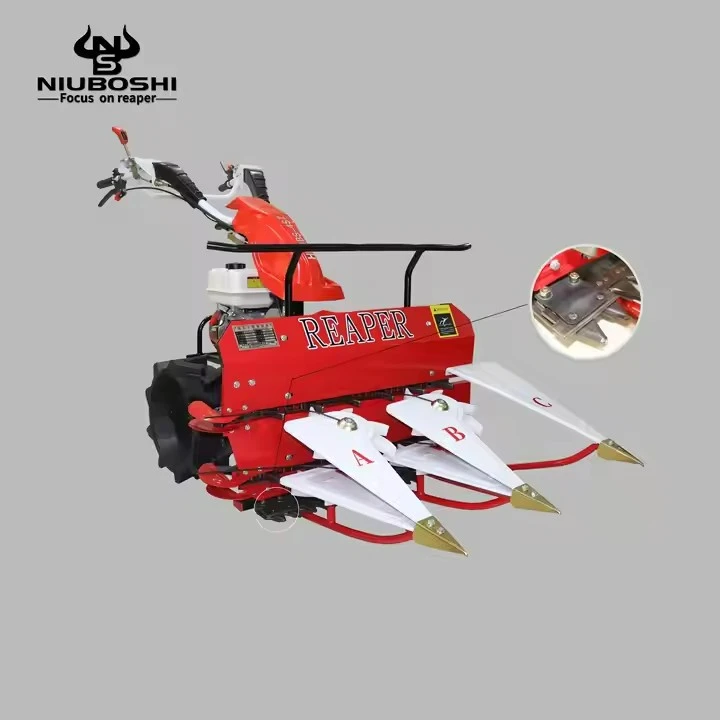
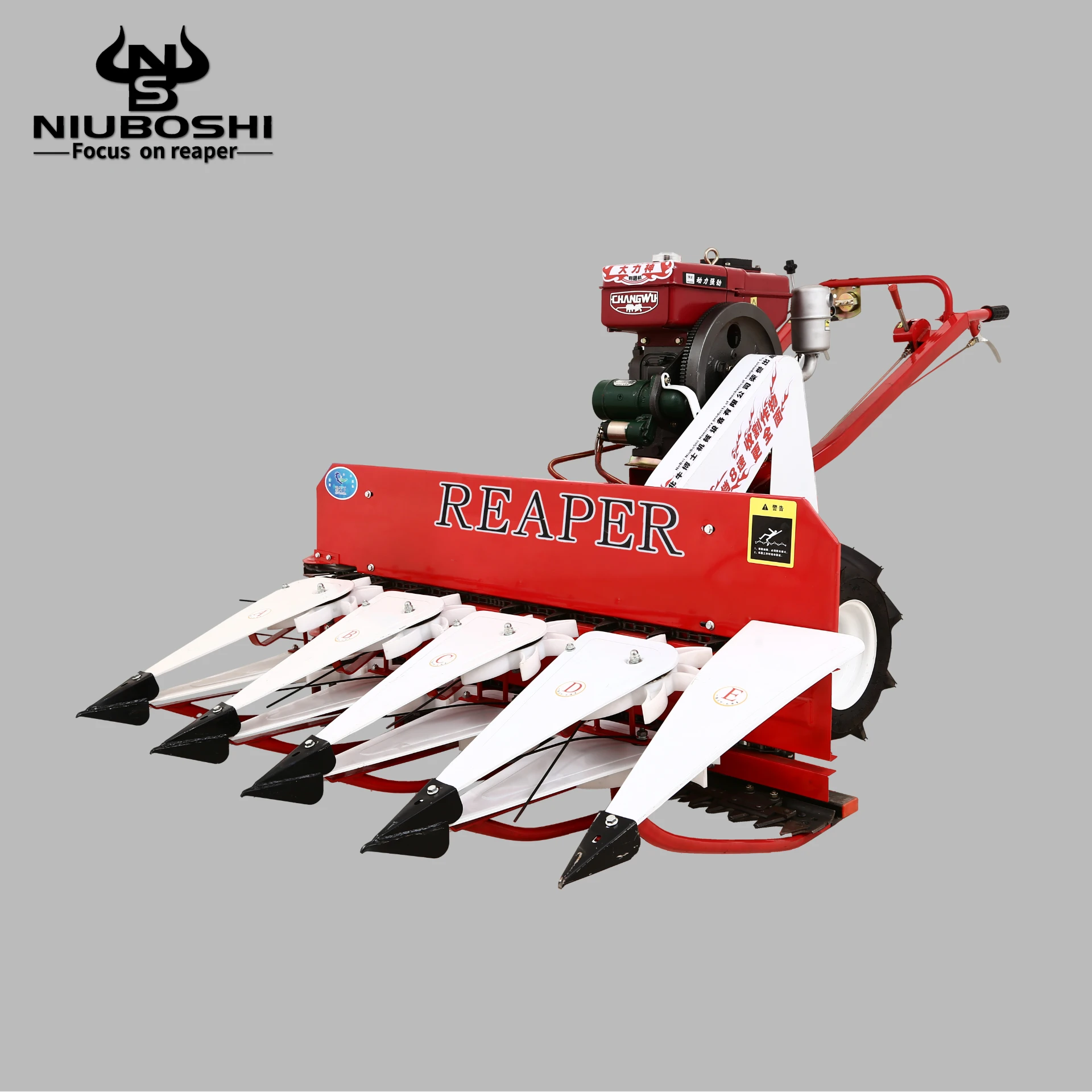
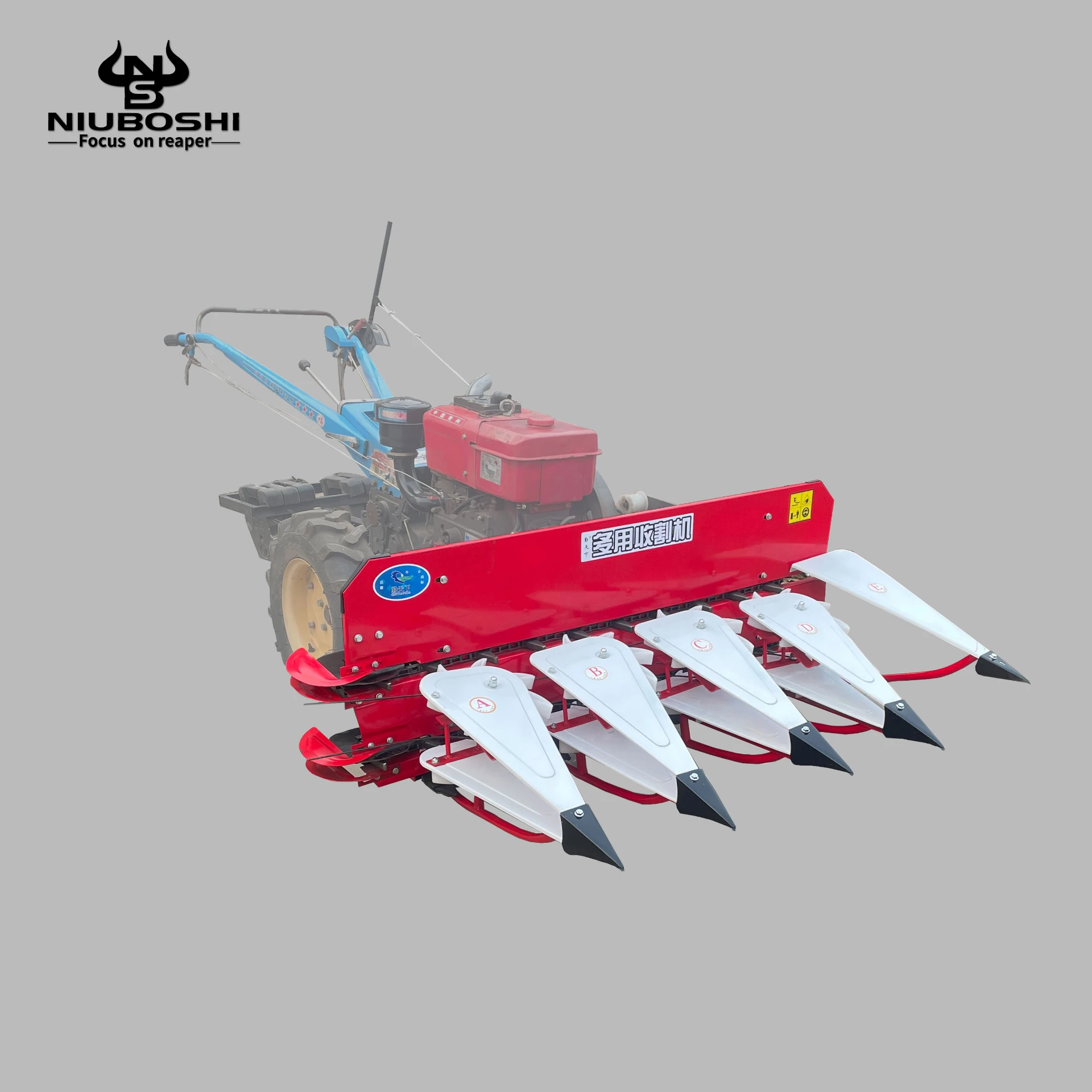
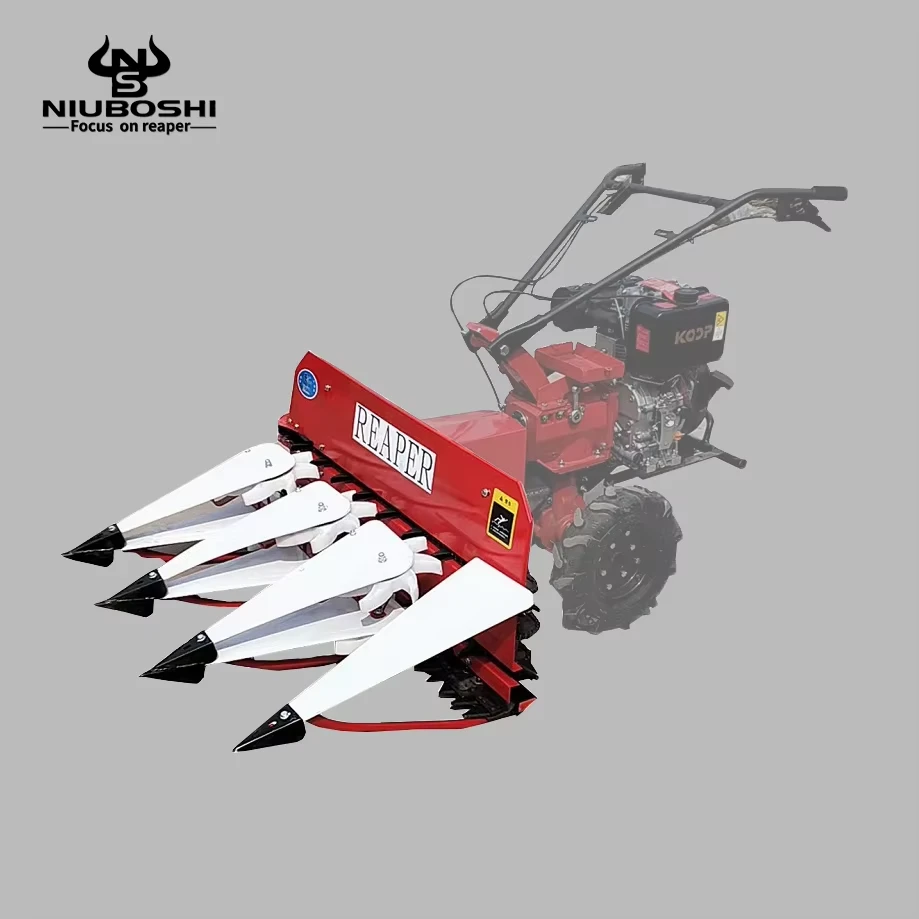
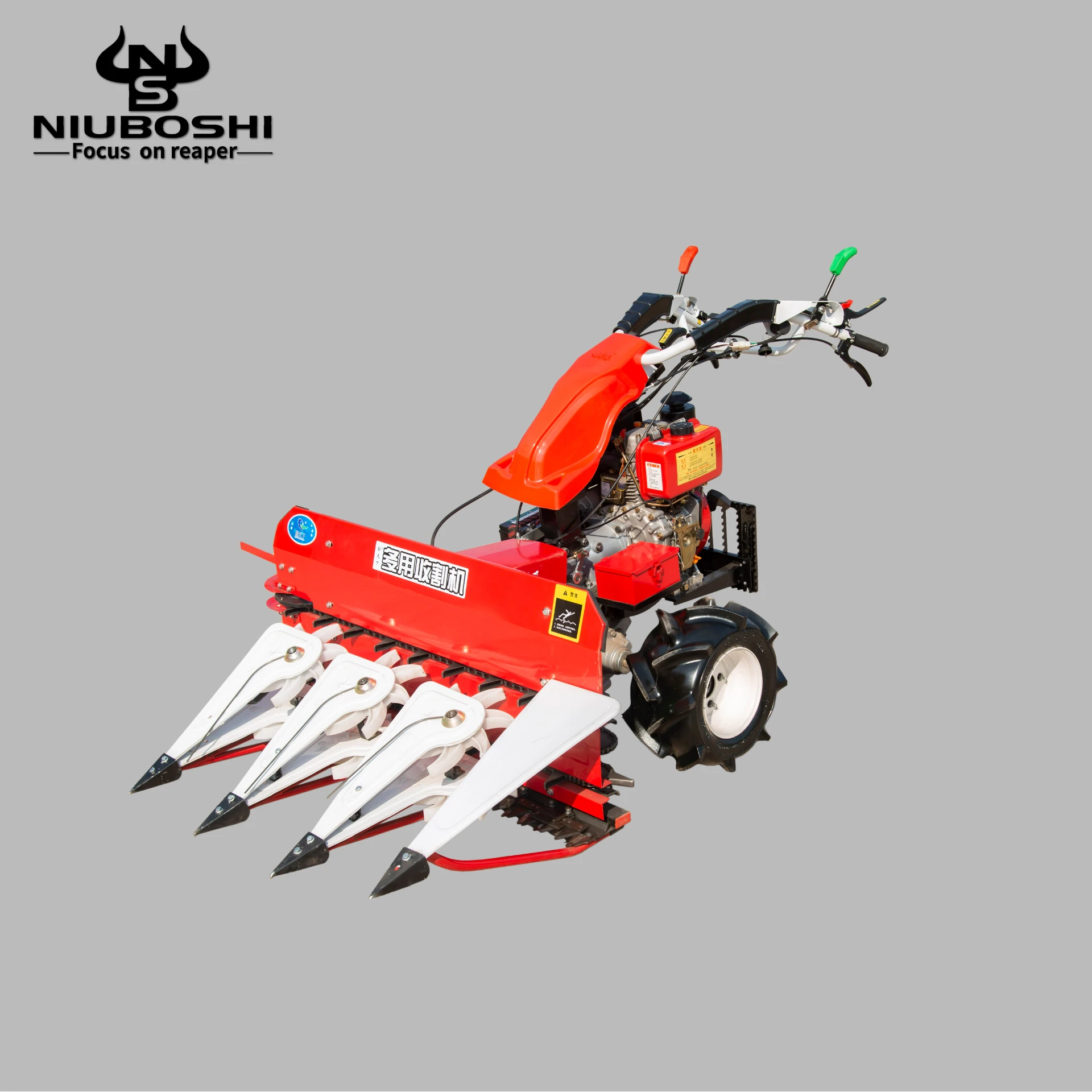
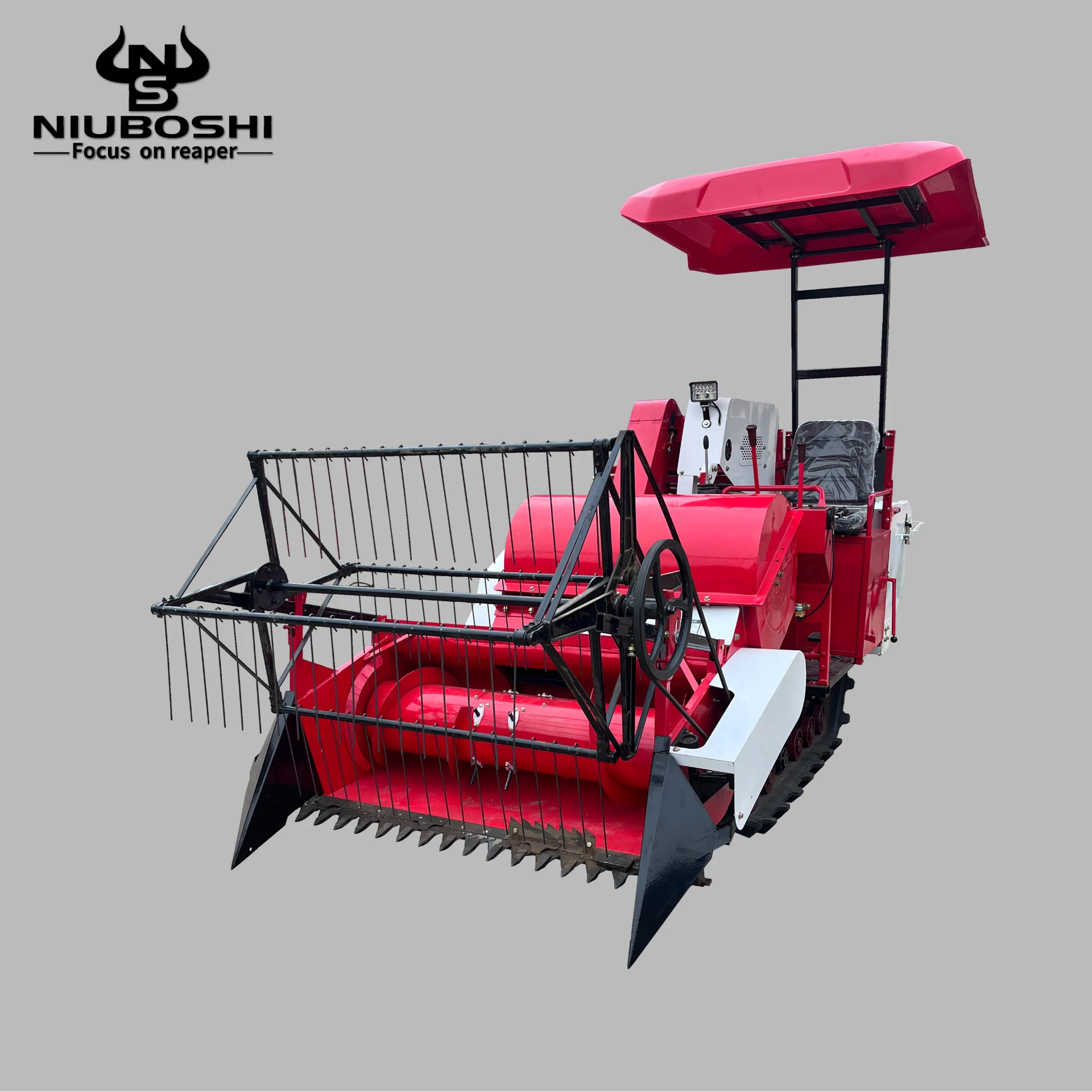
In simple terms, this machine is a smaller, lighter harvest aid designed specifically for harvesting standing rice stalks in paddy fields. Unlike massive combine harvesters, these machines can easily maneuver through soft, muddy terrain and tight spaces. Equipped with cutting blades and a conveyor or catcher, they efficiently separate the grain from the stalk with minimal grain loss.
Think of them as the “compact cars” of rice harvesting—small, nimble, and surprisingly powerful for their size. Their rise aligns with modern agricultural shifts toward sustainable, scalable mechanization that matches farmers’ real-world conditions.
Core Components & Key Factors That Make These Machines Tick
1. Durability & Terrain Adaptability
Rice paddies are wet, uneven, and tricky. Mini harvesters have robust chassis and specially designed wheels or tracks optimized for muddy, slippery soils. The ability to operate where larger machinery falters is critical.
2. Cutting Efficiency
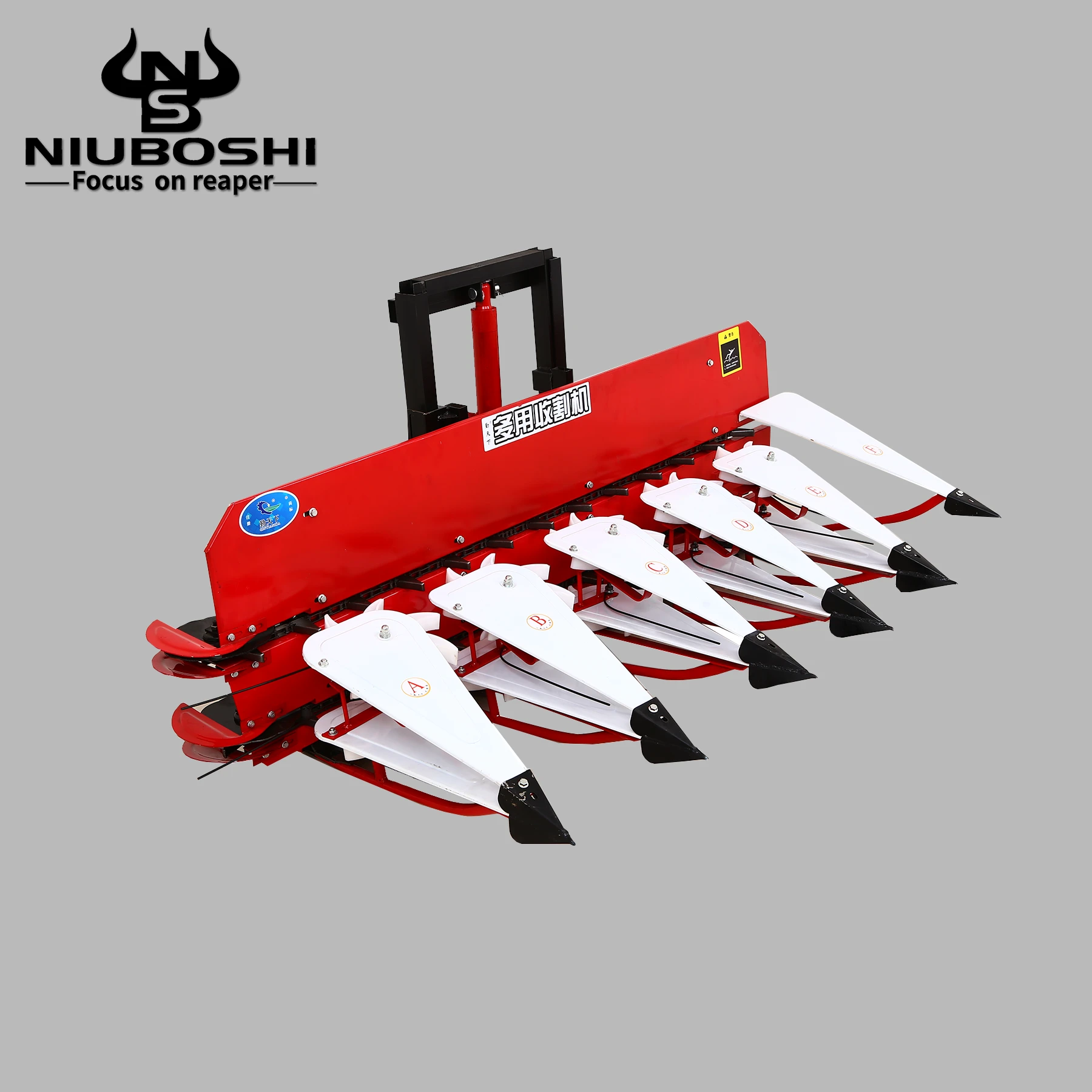
Sharp, adjustable blades powered by efficient engines (often diesel or electric) cut rice stalks cleanly, reducing waste and preventing damage to grains. Engineers continuously refine blade angles to optimize cut quality and speed.
3. Portability & Size
These machines are designed to be lightweight (usually under 500 kg), often towable by small tractors or even carried by a team when disassembled. This portability makes them perfect for hilly or fragmented plots.
4. Fuel Consumption & Eco-Friendliness
Interestingly, many models now integrate electric or hybrid engines to reduce emissions. Given the push for sustainable agriculture, energy-efficient operation can be a game changer.
5. Ease of Use & Maintenance
Simple controls and minimal maintenance requirements empower local farmers with limited technical experience to operate and upkeep the equipment, increasing adoption rates.
6. Cost Efficiency
The initial investment, running costs, and expected lifespan make these machines highly attractive, especially compared to manual labor or larger equipment rentals.
Mini takeaway: The interplay between rugged design, cutting technology, and user-friendly features explains why mini rice paddy cut harvesters are gradually changing traditional agriculture.
How These Harvesters Excel in Global Applications
From the terraced hillside farms of Vietnam to fragmented smallholdings across Africa, these machines find purpose everywhere. Post-disaster regions depend on rapid harvesting to secure food supplies, while NGO-supported farms use them to boost local production with minimal environmental harm.
For instance, in the delta regions of Bangladesh, where flooding complicates mechanized harvests, lightweight harvesters are the only option that preserves soil integrity. Similarly, in mountainous areas of Nepal, farmers use these to avoid importing expensive labor.
Industrial rice producers in Japan and South Korea also employ these machines in trial plots to optimize harvesting in ecologically sensitive zones.
Mini Rice Paddy Cutting Harvester Machine: Key Advantages & Long-Term Value
- Cost Savings: Lower upfront investment compared to full-sized combines, plus reduced labor costs.
- Sustainability: Reduced soil compaction and lower fuel usage support eco-conscious farming.
- Empowerment: Enables smallholder farmers to mechanize harvesting without large capital.
- Reliability: Innovative designs ensure durability under tough field conditions.
- Social Impact: Shorter harvest time means more food security and better livelihoods.
- Innovation & Trust: The blend of tradition and technology fosters confidence among farming communities.
Specifications at a Glance
| Specification | Typical Range / Detail |
|---|---|
| Weight | 250–500 kg |
| Engine Type | Diesel, Electric, Hybrid |
| Cutting Width | 600–1200 mm |
| Fuel Efficiency | Up to 4 L/hour (diesel) |
| Operating Speed | 1.0–1.5 km/h |
| Transportability | Disassembles for trailer transport |
Comparing Leading Vendors of Mini Rice Paddy Harvesters
| Feature | Vendor A: AgriCut | Vendor B: PaddyPro | Vendor C: HarvMini |
|---|---|---|---|
| Weight (kg) | 420 | 350 | 480 |
| Engine Type | Diesel | Electric | Hybrid |
| Cutting Width (mm) | 900 | 600 | 1200 |
| Price (USD approx.) | $3,200 | $3,800 | $4,500 |
| Warranty Period | 1 Year | 2 Years | 3 Years |
| Best for | General small farms | Eco-conscious farmers | Large acreage mini-farming |
Looking Ahead: Future Trends in Mini Rice Paddy Cutting Harvesters
The future’s quite bright, frankly. Electrification trends continue, with many developers focusing on battery-powered harvesters to lower emissions and reduce noise pollution. Connected agriculture is another buzzword: some machines now integrate IoT sensors for harvesting efficiency monitoring and remote diagnostics. Given climate pressures, sustainability will only drive more innovation — imagine solar-hybrid mini harvesters or automated drones assisting crop monitoring alongside them.
Challenges and How Industry Leaders Are Responding
Like any tech, challenges persist. One is the tradeoff between power and size—smaller machines can’t always match the speed or capacity of bigger ones. Then there’s the issue of cheap knock-offs flooding markets, leading to reliability issues. Maintenance infrastructure in rural areas remains patchy. To counter this, many companies now offer modular parts, rigorous user training, and digital support tools.
Plus, partnerships between governments and manufacturers aim to subsidize machines for poorer regions, closing the accessibility gap. That’s no small deal—it takes a community, honestly.
FAQs About Mini Rice Paddy Cutting Harvester Machines
Q1: How much land can a mini rice paddy cutting harvester cover in a day?
A: Typically, these machines cover between 0.5 to 2 hectares per day, depending on field conditions and operator skill. Although slower than large combines, their ability to work in difficult terrain compensates well.
Q2: Are mini rice harvesters suitable for terraced or hilly paddy fields?
A: Yes, their lightweight and compact design are perfect for terraced or uneven land where larger machines cannot operate safely. They reduce soil damage and allow precise cutting.
Q3: What kind of maintenance is required for these machines?
A: Routine checks include blade sharpening, engine oil changes, and track or wheel inspections. Many models come with easy-to-use manuals, and parts are often locally available to minimize downtime.
Q4: Can these machines be used by farmers with no prior mechanization experience?
A: Absolutely. Most are designed with simple controls, and manufacturers often provide training sessions or videos. The learning curve is usually manageable within a few days.
Q5: Where can I find reliable mini rice paddy cutting harvester machines?
A: Trusted vendors specialize in agricultural machinery; manufacturers like those compared above are a good start. For detailed info and procurement, visit mini rice paddy cutting harvester machine.
Wrapping It Up: The Mini Harvester’s Role in Sustainable Agriculture
The mini rice paddy cutting harvester machine isn’t just a tool—it represents a bridge to more sustainable, inclusive agriculture and food security. While it may never replace large machines on vast farms, its niche—small fields, eco-sensitive areas, emerging markets—is crucial. The benefits in cost, efficiency, and accessibility add up to a real economic and social impact. For farmers who’ve historically had to make do with laborious manual cutting, these machines bring not just ease but dignity.
Curious to see one up close? Looking for specifications or a quote? Do yourself a favor and check out mini rice paddy cutting harvester machine. Small machine, big difference.
Mini takeaway: Whenever we think of agricultural mechanization, it's worth remembering that sometimes, smaller really is better.
References
Latest news
-
Maximize Harvest Efficiency with the Agro Reaper Binder MachineNewsApr.16,2026
-
Boost Harvest Efficiency with the Best Agriculture Reaper MachineNewsApr.09,2026
-
Revolutionizing Agriculture with the Efficient Agriculture Power ReaperNewsApr.07,2026
-
Comprehensive Guide to the 4 Wheel Reaper Binder for Efficient HarvestingNewsApr.04,2026
-
Comprehensive Guide to Reaperbinder Technology for Efficient Hay and Crop HarvestingNewsMar.31,2026
-
Mastering the Art of Reaper Cutting for Enhanced Agricultural EfficiencyNewsMar.28,2026