Mini Rice Cutting Machine – Portable Solutions for Efficient Rice Harvesting
Understanding the Mini Rice Cutting Machine and Its Global Significance
Rice is a staple food for more than half the world’s population — literally billions of people rely on it daily in Asia, Africa, and beyond. But harvesting and processing rice efficiently has long been a challenge especially for small-scale farmers and remote communities. This is where the mini rice cutting machine steps in. Compact, affordable, and user-friendly, these small-scale machines are transforming rice processing globally, reducing labor, increasing yield, and boosting local economies.
Why should you care? Well, because rice feeds the world. According to the Food and Agriculture Organization (FAO), rice accounts for about 20% of human calorie intake worldwide. Increasing efficiency in processing means less waste, more food security, and sustainable livelihoods. Understanding mini rice cutting machines helps anyone interested in agriculture, food technology, or humanitarian aid appreciate the ripple effects a small device can have.
The Global Context: Why Mini Rice Cutting Machines Matter More Than Ever
Rice production is heavily concentrated in Asia, where roughly 90% of the world's rice is grown. However, many small farms still lack mechanized tools, depending heavily on manual cutting which is time-consuming, physically demanding, and prone to losses. The mini rice cutting machine addresses this gap by offering a scalable, affordable mechanization option for rural farmers who cannot invest in large industrial machines.
The United Nations estimates that over 700 million people live below the global poverty line, many in rural agricultural regions. Introducing such machines not only increases productivity but also enhances food security. According to a World Bank report on agriculture, every 1% increase in crop processing efficiency can increase farmer incomes by up to 3%. So this isn’t trivial—a small machine can impact lives in big ways.
Yet, challenges remain. Traditional processing methods dominate in many rural locations due to lack of awareness, credit access, or technical training. That’s the bottleneck the mini rice cutting machine tries to break.
What Exactly Is a Mini Rice Cutting Machine?
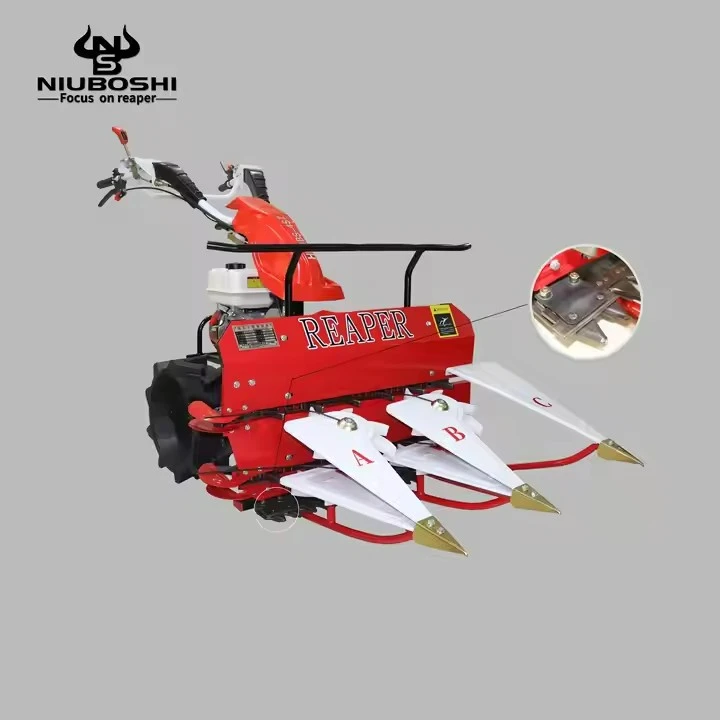
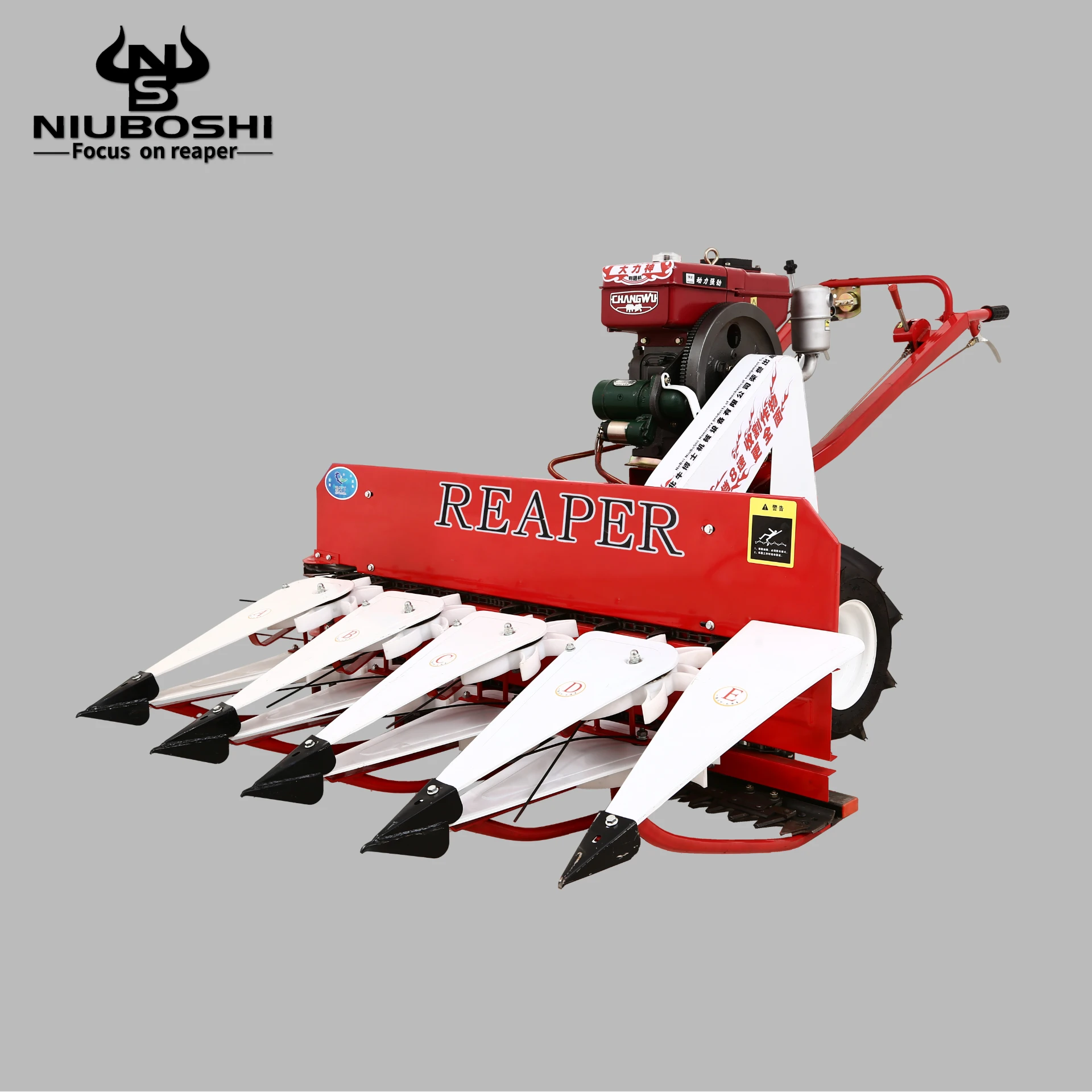
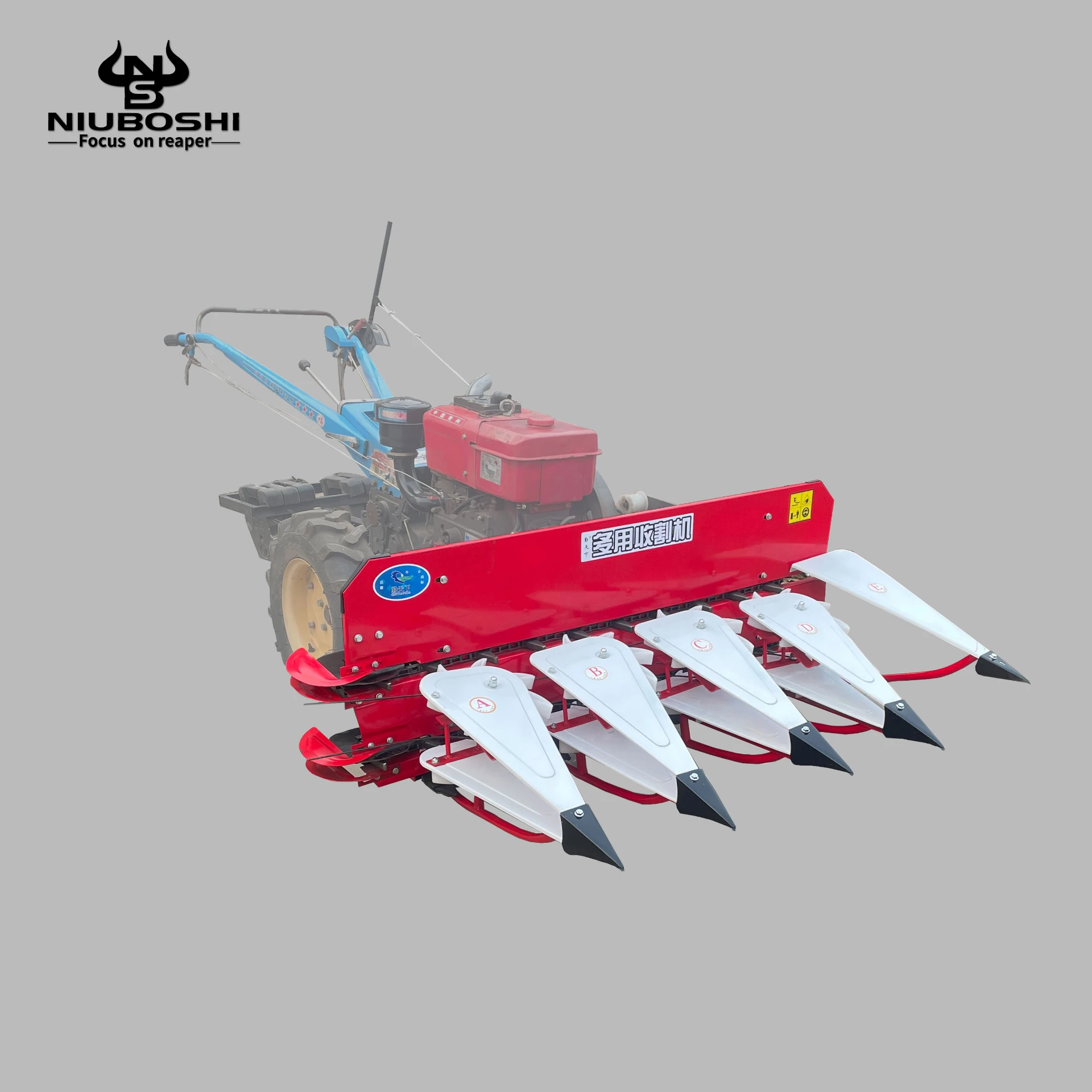
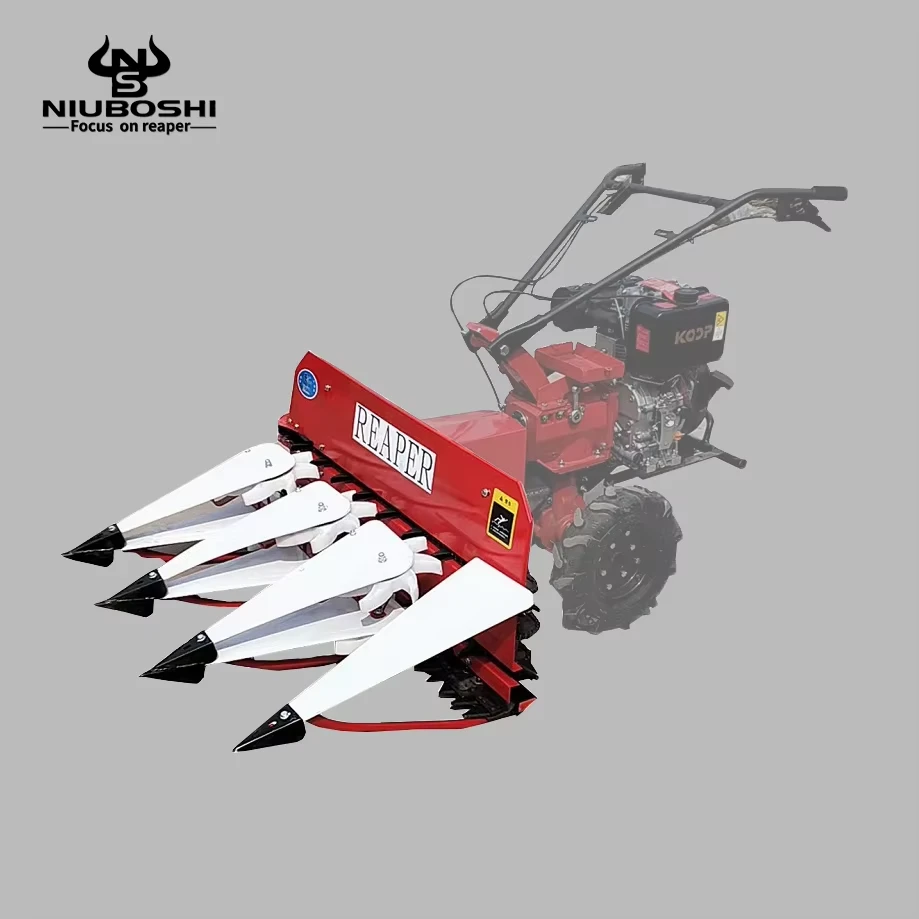
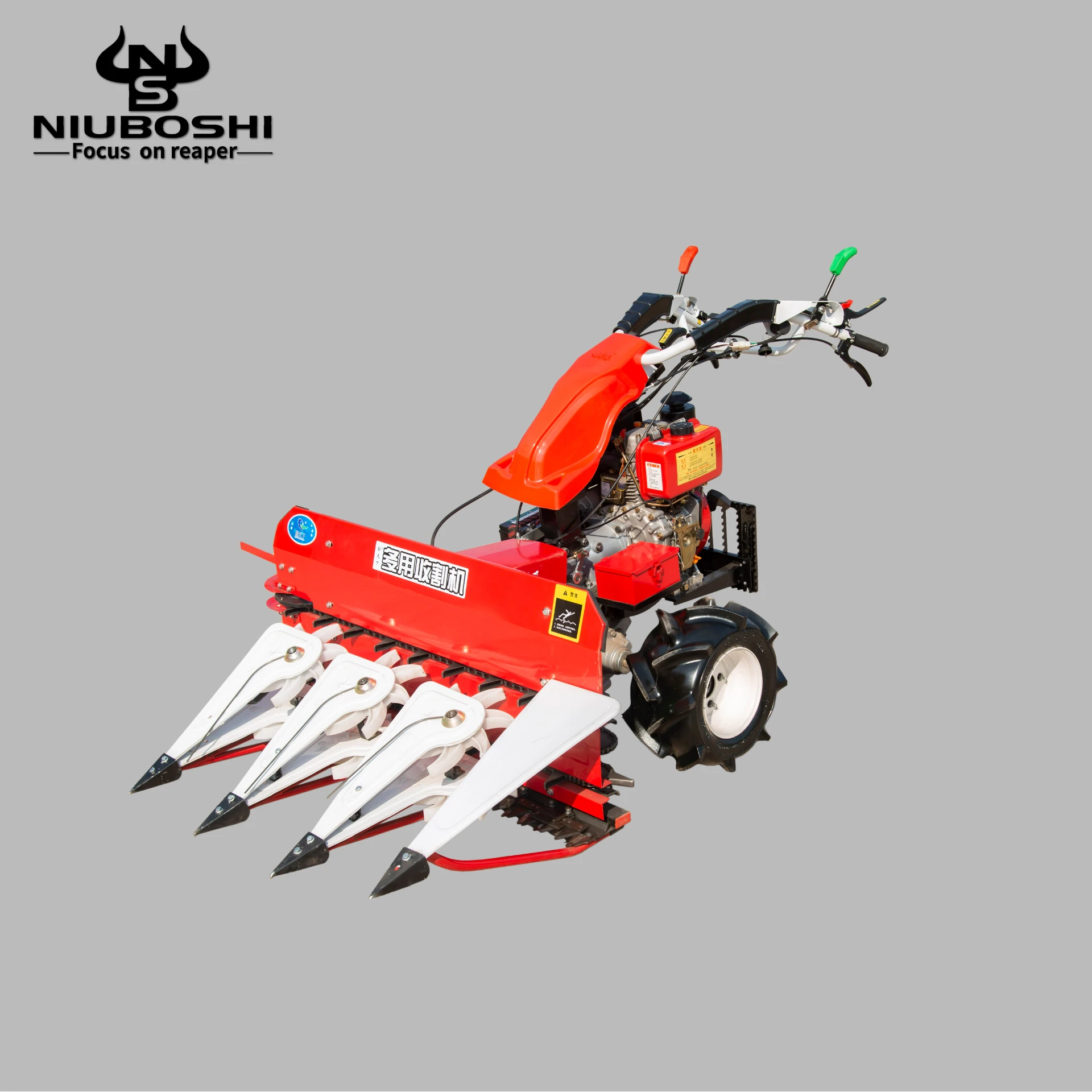
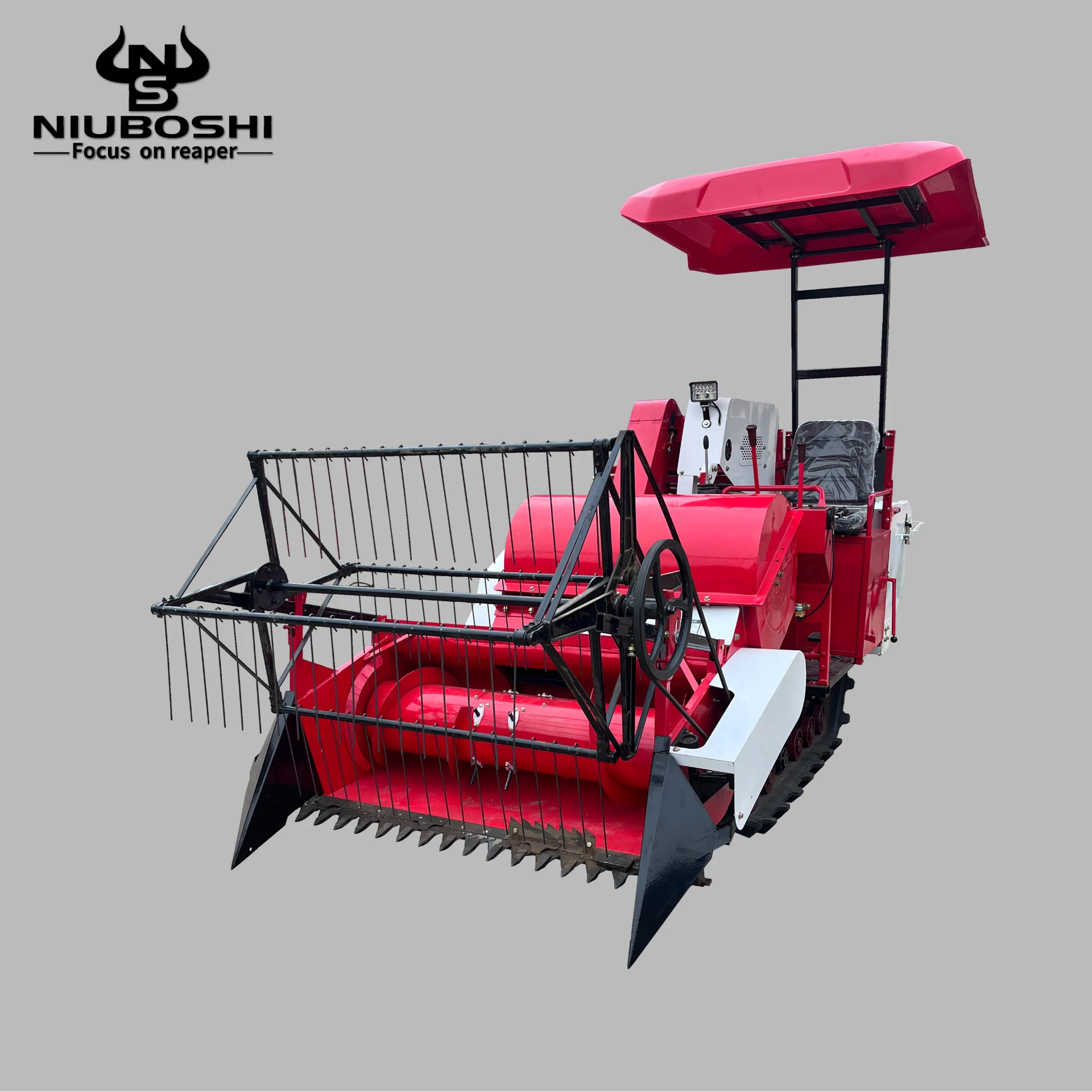
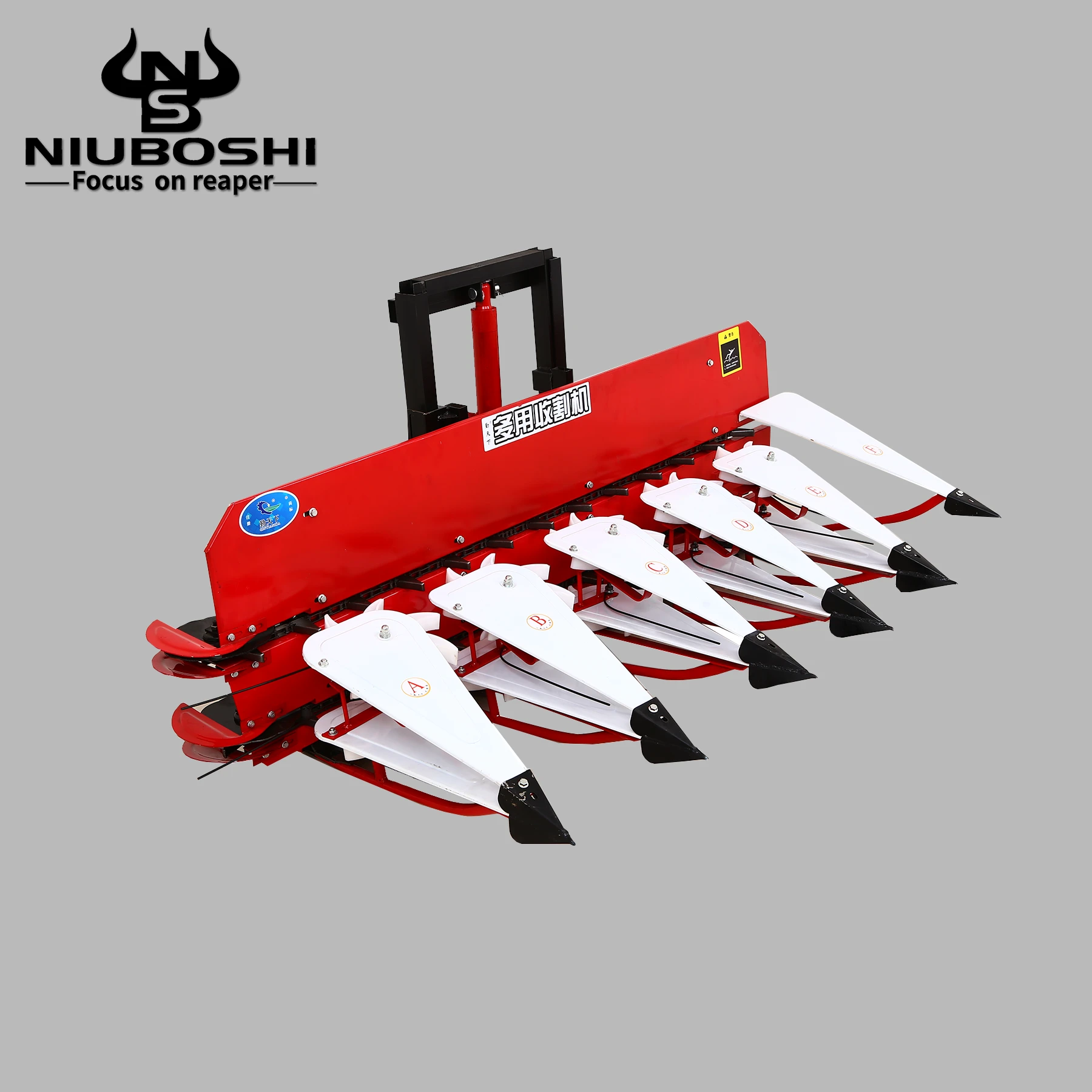
In the simplest terms, a mini rice cutting machine is a small, portable device designed to cut rice stalks efficiently during harvest. Unlike large, expensive combines that combine cutting and threshing in one machine, these minis focus on just the cutting part — making them more affordable and manageable for small farms.
They usually operate either manually, with a small motor, or by lightweight battery power. Often fabricated with durable metals and sharp blades, they slice through stalks cleanly, reducing damage to the plant and improving the speed of harvest.
Technologically, these machines reflect a broader move toward “appropriate technology” — equipments designed to fit the socio-economic context of users, rather than imposing heavy, complex machinery. This hands-small but smart approach is highly valued especially in developing regions or humanitarian crises.
Core Components and Key Features
1. Durability
The cutting tools and materials must be rust-resistant and robust. Many manufacturers use stainless steel blades with hardened edges, encased in lightweight but tough frames. Durability is essential for season-long use without frequent repairs.
2. Portability
Mini rice cutting machines should be easy to transport across fields or between farms. Handheld or trolley-mounted designs help. For example, some models weigh under 5 kg — roughly the weight of a small backpack — making them perfect for smallholders.
3. Power Source & Efficiency
Various power options are available: manual (hand-cranked), electric motors, or even solar-powered variants. Each has pros and cons in terms of cost, maintenance, and availability of fuel or electricity in remote areas.
4. Cutting Precision
Blades must slice cleanly to prevent grain loss and damage to stalks. Adjustable blade heights and speeds allow customization depending on crop type and maturity.
5. Cost Efficiency
Mini rice cutting machines are designed to minimize upfront and operational cost. Compared to large combines that can cost thousands of dollars, minis often retail at a fraction — around $100 to $400 — making them accessible to smallholder farmers.
Mini Rice Cutting Machine: Product Specification Overview
| Specification | Typical Value | Notes |
|---|---|---|
| Weight | 4.5 - 6 kg | Portable enough for one person |
| Power Source | Electric Motor / Manual / Solar | Varies by model & region |
| Cutting Speed | 150-250 m/min | Adjustable blade speed |
| Blade Material | Stainless Steel | Corrosion-resistant |
| Operational Capacity | 0.8 - 1.2 ha/day | Depends on operator skill |
| Price Range | $100 - $400 USD | Affordable for small-scale farmers |
Real-World Applications and Use Cases of Mini Rice Cutting Machines
Around the world, mini rice cutting machines have found homes in small farm fields, community cooperatives, and even NGOs distributing farming aid. In Southeast Asia — think Vietnam, Thailand, and the Philippines — these devices have been credited with reducing harvest time by 30%, according to a ISO agriculture machinery standard report. They’re not just machines; they’re labor-saving tools that enable farmers to focus on cultivation quality and marketing.
In post-disaster relief operations — places struck by floods or typhoons — NGOs use these machines to quickly process affected crops helping communities salvage food and income. It’s a critical lifeline that brings dignity through self-reliance rather than handouts.
In remote industrial zones or hilly regions, where large combines are impractical, the mini rice cutting machine fills the mechanization void perfectly. Its compact design allows easy transport and use on uneven terrain, making it versatile for many farming styles.
Vendor Comparison: Leading Mini Rice Cutting Machines
| Brand/Model | Weight | Power Source | Cutting Speed (m/min) | Price (USD) |
|---|---|---|---|---|
| AgroCut Mini 3000 | 5.0 kg | Electric | 250 | 350 |
| FieldQuick Cutter | 4.7 kg | Manual | 180 | 120 |
| SolarHarvest Mini | 6.0 kg | Solar-powered Electric | 220 | 380 |
Long-Term Benefits of Using Mini Rice Cutting Machines
When you think about benefits, it’s not just about cutting rice faster. The mini rice cutting machine offers social sustainability by reducing drudgery for laborers, especially women who often do most of the harvesting manually. It promotes food security by minimizing grain loss and facilitating timely processing.
Economically, these machines help smallholders increase income by enabling them to harvest more efficiently, freeing time to diversify crops or engage in value-added activities. The environmental impact is also positive with less fuel consumption compared to full-sized combines and often the possibility to integrate renewable energy sources.
In a way, investing in these machines supports not just productivity but trust in technology designed with real-world constraints in mind — fostering innovation where it’s needed most.
What’s Next? Future Trends in Mini Rice Cutting Machines
The future is bright and somewhat “smart.” One major trend is the integration of IoT (Internet of Things) sensors that monitor cutting performance and send data to farmers via apps — allowing adjustments for better yield. There’s also movement towards greener power, including solar charging capabilities and more efficient batteries.
New materials like carbon fiber frames promise lighter machines without sacrificing durability. Plus, modular designs that allow farmers to swap blades or power units based on task or crop type are gaining traction. These innovations will make mini rice cutting machines even more accessible and effective.
Challenges and How the Industry Is Tackling Them
Of course, the road isn’t perfectly smooth. Common issues include:
- Limited technical knowledge among farmers to maintain or repair machines.
- Access to spare parts in remote areas.
- Initial purchase affordability despite being cheaper than industrial machines.
To overcome these, manufacturers and NGOs have started offering training programs, localized repair hubs, and microfinancing options. Many models are designed to be user-serviceable with simple tools, reducing downtime.
Frequently Asked Questions (FAQ) About Mini Rice Cutting Machines
- Q1: How does a mini rice cutting machine compare with traditional manual harvesting?
- A1: It significantly reduces the time and physical effort needed to cut rice stalks. Manual harvesting may take twice as long and causes more grain loss. The machine’s precision also results in less damage to plants, improving overall yield quality.
- Q2: Can these machines be used on different types of rice, or are they crop-specific?
- A2: Most mini rice cutting machines come with adjustable settings to accommodate different stalk sizes and rice varieties. Farmers can tweak blade height and speed, making them versatile across types.
- Q3: What maintenance does a mini rice cutting machine require?
- A3: Regular cleaning, blade sharpening or replacement, and periodic motor checks if electric-powered. Many models are designed for easy servicing to minimize downtime.
- Q4: Are mini rice cutting machines effective in hilly or uneven terrains?
- A4: Yes, their lightweight and portable design makes them suitable for diverse terrains where large combines cannot operate effectively.
- Q5: Where can I purchase reliable mini rice cutting machines?
- A5: Trusted suppliers often include local agricultural equipment stores or manufacturers' online platforms. For example, you can explore options at mini rice cutting machine vendors who specialize in small-scale farming solutions.
Conclusion: Why Mini Rice Cutting Machines Are Worth Considering
To wrap up, the mini rice cutting machine isn’t just a tool; it’s a small catalyst for big changes. It embodies the marriage of technology with practical, local needs — helping farmers increase productivity, preserve dignity, and secure livelihoods sustainably. Its affordability, adaptability, and enduring value make it an ideal choice for many around the globe.
If you’re involved in agriculture, food technology, or rural development, I highly recommend checking out the latest models and innovations — maybe starting with a visit to our trusted mini rice cutting machine resource. The future of smarter, kinder, and more sustainable rice harvesting is just a click away.
Latest news
-
Maximize Harvest Efficiency with the Agro Reaper Binder MachineNewsApr.16,2026
-
Boost Harvest Efficiency with the Best Agriculture Reaper MachineNewsApr.09,2026
-
Revolutionizing Agriculture with the Efficient Agriculture Power ReaperNewsApr.07,2026
-
Comprehensive Guide to the 4 Wheel Reaper Binder for Efficient HarvestingNewsApr.04,2026
-
Comprehensive Guide to Reaperbinder Technology for Efficient Hay and Crop HarvestingNewsMar.31,2026
-
Mastering the Art of Reaper Cutting for Enhanced Agricultural EfficiencyNewsMar.28,2026