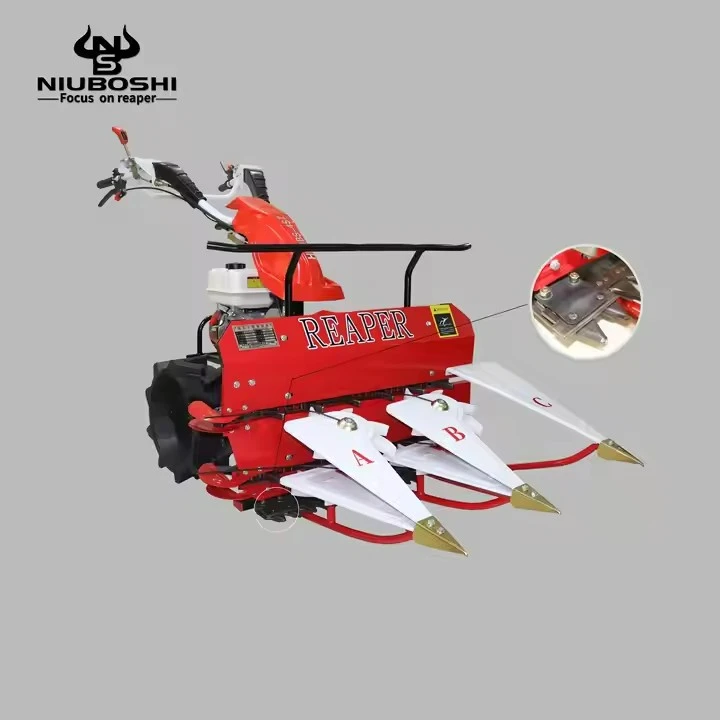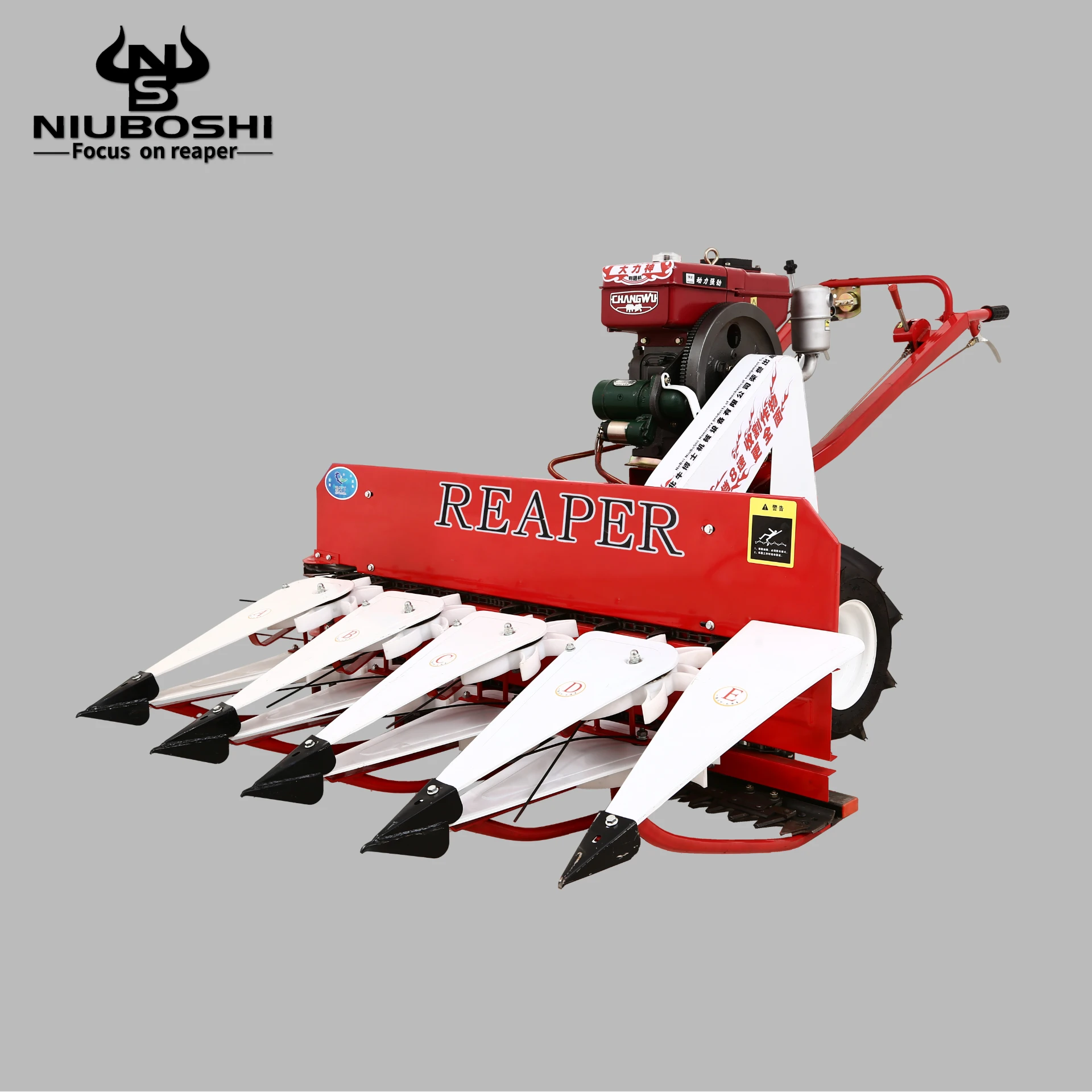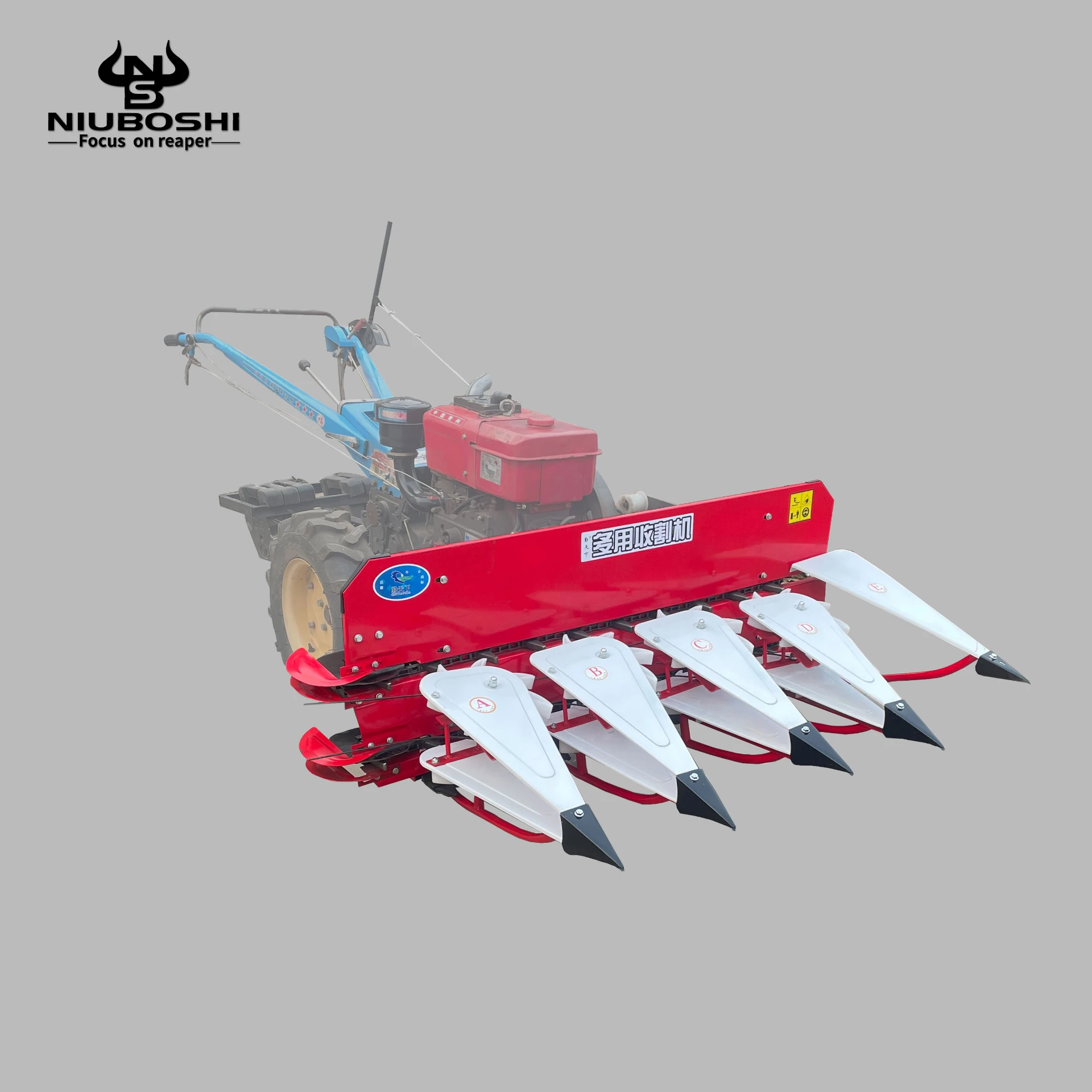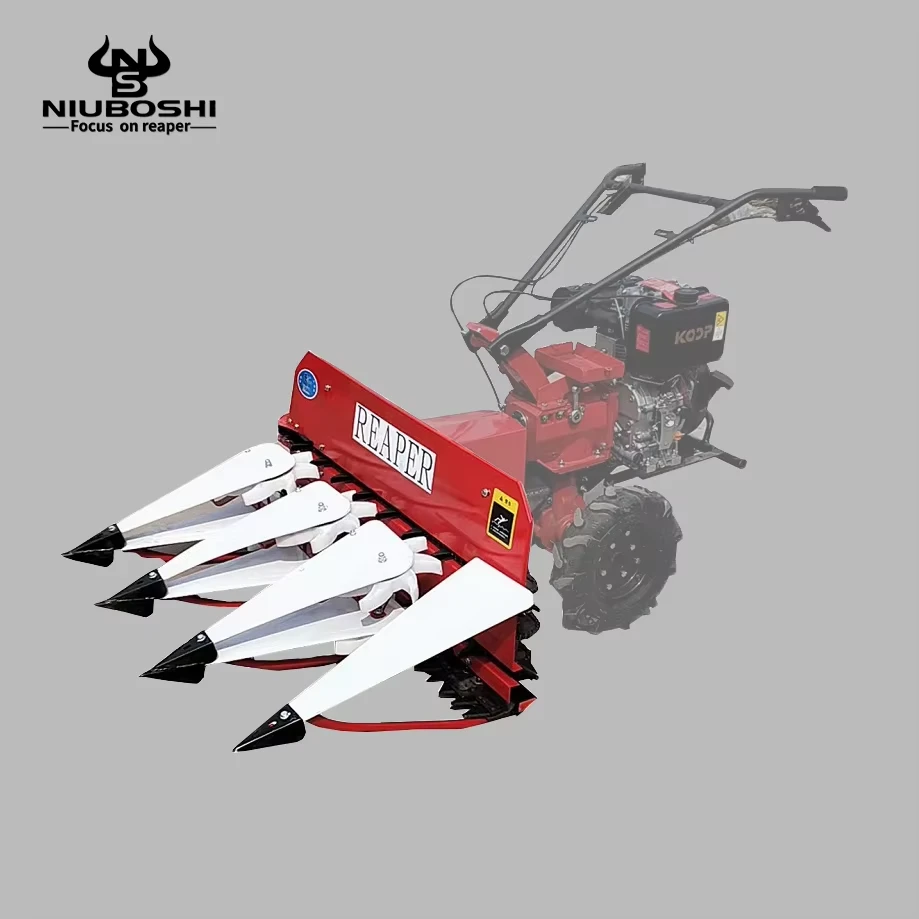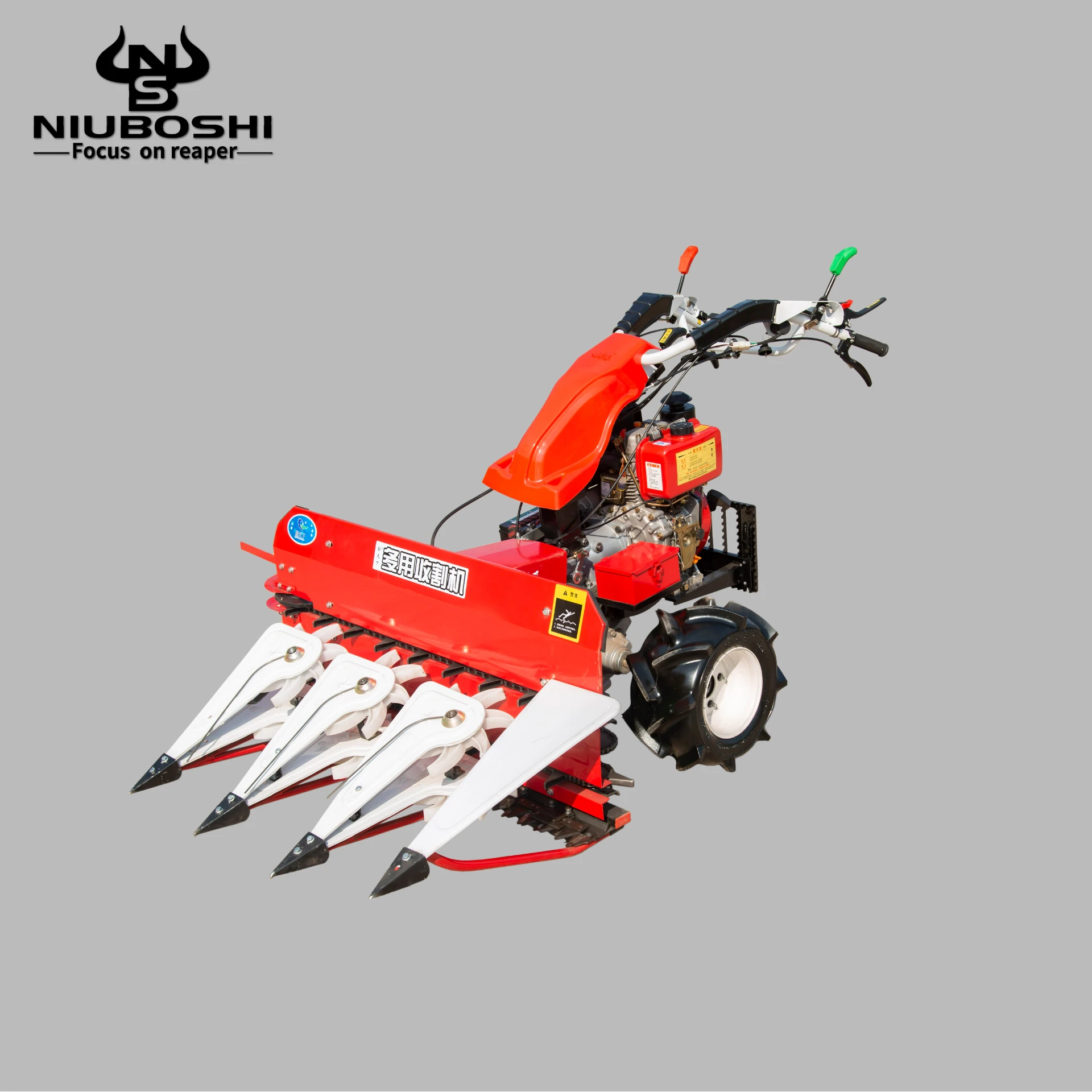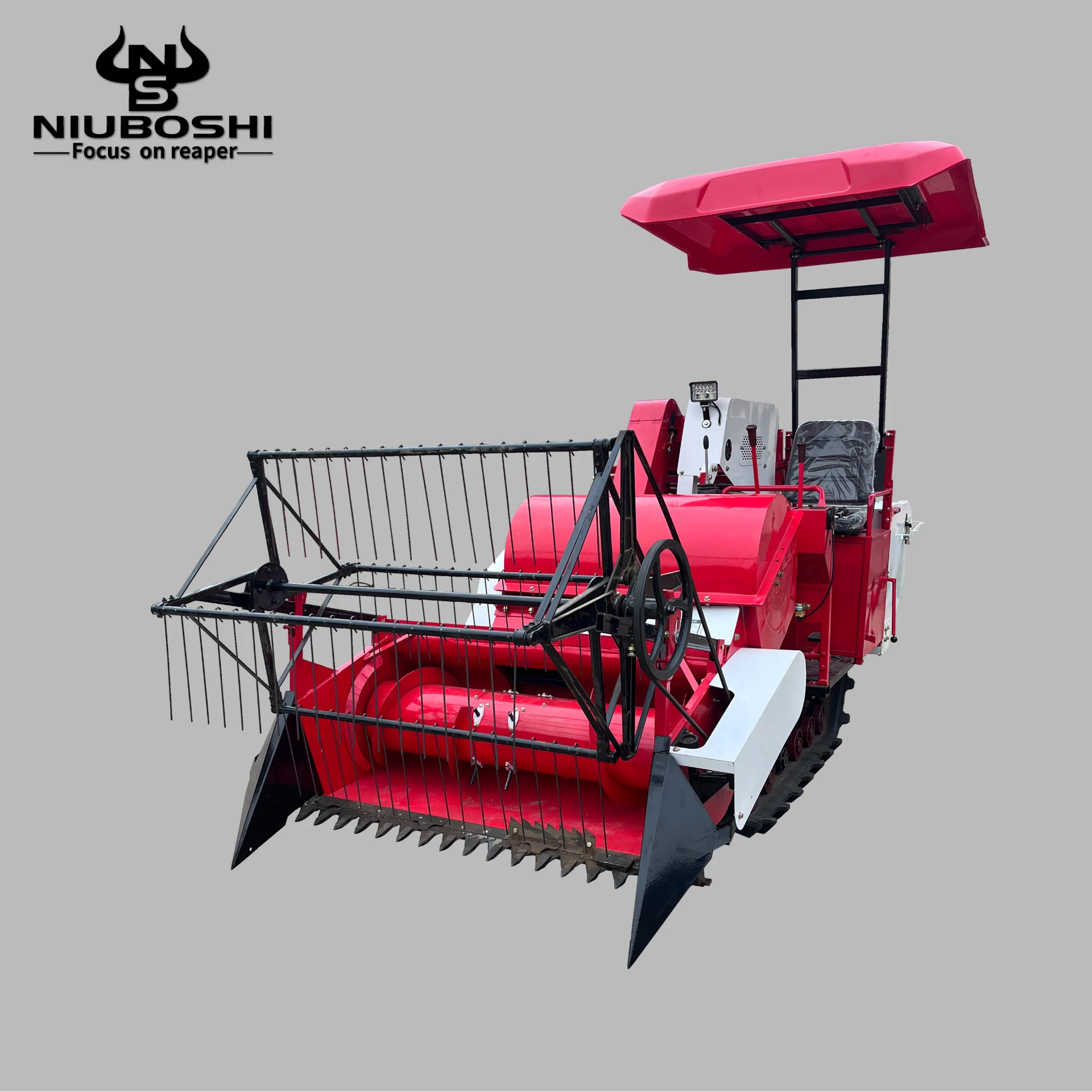
Comprehensive Guide to the Price of Mini Combine Harvester: Factors, Benefits, and Global Trends
Understanding the Price of Mini Combine Harvester: Why it Matters Globally
At first glance, the price of a mini combine harvester might just seem like a straightforward cost figure — a number farmers see before purchasing a piece of equipment. But the reality is far richer and more layered. Globally, mini combine harvesters are essential for smallholder farmers, especially in developing regions, due to their affordability and adaptability. Understanding their price isn't just about dollars spent; it ties directly to food security, sustainable agriculture, and rural economies.
Why such wide interest? Well, roughly 500 million smallholder farmers worldwide depend on mechanization to improve yields and reduce labor intensity, according to the Food and Agriculture Organization (FAO). The price of mini combine harvester directly influences their accessibility and ultimately impacts upstream global food supply chains.
Introduction: Global Context of Mini Combine Harvester Pricing
Mechanization is often heralded as the backbone of modern agriculture. Over the last decade, there has been a significant push by international development agencies and governments to promote mechanized farming. Mini combine harvesters — smaller, more affordable, and easier to operate — are central to this push. The UN’s Food and Agriculture Organization highlights that mechanization can increase productivity by up to 30% for small farms, which helps combat poverty and hunger in rural areas.
Yet, the challenge lies in the price. Mini combine harvesters vary broadly — from a few thousand to tens of thousands of dollars. For many small farmers, this is still a hefty investment. Variations in price are driven by several factors, which we’ll explore. Figuring out how to make these machines affordable without compromising on quality and durability is an ongoing challenge for manufacturers and policy makers alike.
What Exactly is the Price of Mini Combine Harvester?
In simple terms, the price of a mini combine harvester refers to the overall cost a buyer incurs to acquire this compact farming machine. This includes the base price of the machine, any additional attachments, shipping and import fees, and sometimes after-sales service costs.
Mini combine harvesters are scaled-down versions of traditional combines, designed for smaller farms, often less than five hectares, or difficult terrain. The connection to humanitarian and industry needs is strong — enabling efficient harvesting in regions where large, expensive machines simply don’t make sense. This makes the price a crucial factor in the adoption and spread of mechanized farming.
Key Factors Influencing the Price of Mini Combine Harvester
1. Build Quality and Durability
If a machine’s not tough enough to handle dusty fields or inconsistent weather, it won’t last. Durable materials and smart engineering bump up the price but pay off in the long run.
2. Engine Power and Efficiency
Engines that pack more punch but sip fuel efficiently tend to cost more upfront but can save money over time — a classic tradeoff.
3. Features and Technology
Hydraulic controls, easy-to-use interfaces, and harvesting sensors add to cost. But such features improve productivity, reduce labor fatigue, and minimize crop damage.
4. Scalability and Size
The price correlates with capacity. Larger mini combines for bigger plots will naturally be pricier than basic models designed for tiny farms.
5. Brand Reputation and After-Sales Support
Trusted brands with good service networks cost more but tend to be safer bets. Smaller or local brands might offer competitive pricing but less warranty protection.
Mini Combine Harvester Specifications to Consider
| Specification | Typical Range | Notes |
|---|---|---|
| Engine Power | 15–35 HP | Higher power for tougher crops |
| Cutting Width | 900-1400 mm | Affects field coverage per pass |
| Fuel Type | Diesel/Petrol | Diesel more common for efficiency |
| Threshing Capacity | 0.5–1.5 tons/hr | Varies by crop type |
| Weight | 350-900 kg | Affects maneuverability |
Mini takeaway: Price tends to reflect engine specs, feature sophistication, and brand. But the 'best buy' is often measured in how these specs translate to real-world efficiency.
Global Applications and Use Cases
Mini combine harvesters shine in small and medium-sized farms, especially across Asia, Africa, and parts of Latin America. For example, in Vietnam’s Mekong Delta, tiny farms use these machines to harvest rice efficiently, radically cutting manual labor hours. In Africa, NGOs have deployed affordable mini combines in post-disaster relief efforts to ensure crops don’t rot, safeguarding food supplies.
Industrial zones or remote areas with uneven terrain—like hilly Ethiopian farms—benefit from smaller, more agile harvesters that bigger models cannot handle. Oddly enough, even some organic farms prefer mini combines due to their gentle threshing technology, better preserving the crop quality.
Vendor Comparison: Mini Combine Harvester Models
| Vendor | Price Range (USD) | Engine Power (HP) | Warranty | After-Sales Service |
|---|---|---|---|---|
| Niubo Mini | $3,500 - $5,000 | 22-30 | 2 years | Global spare parts |
| Agrimac Lite | $4,000 - $6,200 | 25-35 | 1.5 years | Regional support |
| EcoFarm Mini | $2,800 - $4,500 | 15-22 | 1 year | Limited |
Mini takeaway: When considering price of mini combine harvester, it’s wise to balance engine strength, warranty, and after-sales capacity. Sometimes a slightly higher price nets much better long-term value.
Advantages and Long-Term Value
The benefits of investing in mini combine harvesters are tangible and often overlooked. Economically, they reduce manual labor costs drastically, freeing farmers to focus on cultivation quality rather than backbreaking labor. Environmentally, many newer models are designed to be fuel-efficient and quieter, supporting more sustainable farming practices.
Socially, mechanization empowers farmers with dignity and safety—no more harvesting injuries and sheer exhaustion from manual practices. Innovation also plays a role: newer models offer ergonomic design and easy maintenance, fostering trust in technology and encouraging adoption.
Future Trends and Innovations
The industry is rapidly evolving. Green technologies are arriving, such as hybrid and electric mini combine harvesters aimed at cutting emissions. Digitally, more machines come equipped with IoT sensors to monitor performance and remotely schedule maintenance — boosting uptime.
Policy efforts worldwide, including subsidies and credit programs, increasingly support small-scale mechanization access. This could shift the price landscape, making mini combines even more affordable. Automation and AI may eventually create self-driving mini harvesters, oddly enough reducing labor even further.
Challenges and Solutions
Still, obstacles remain. Affordability is a major hurdle—many farmers lack upfront capital. Additionally, availability of spare parts and technical know-how in remote regions can stall usage. Weather variability also affects machine lifespan.
Common solutions include microfinancing options, training programs for local technicians, and modular designs that simplify repairs. Organizations often collaborate with manufacturers to customize machines for local crops and conditions, blending cost efficiency with high durability.
FAQ: Frequently Asked Questions About Price of Mini Combine Harvester
-
Q: What factors most influence the price of a mini combine harvester?
A: Primarily, engine power, build quality, included features, and brand reputation affect pricing. Additional costs include shipping and warranty coverage. -
Q: How can small farmers afford these machines if prices are high?
A: Financing programs, cooperative purchasing, and government subsidies often help offset upfront costs. Renting or sharing machines is also common in tight-budget areas. -
Q: Are mini combine harvesters suitable for all crops?
A: Generally yes, but some are optimized for rice, wheat, or maize specifically. Choosing the right model ensures efficient harvesting and less crop loss. -
Q: Can the price vary based on location?
A: Absolutely. Import taxes, transportation, and local dealer markups can raise costs significantly depending on the region. -
Q: What warranty terms should be expected?
A: Most manufacturers offer between 1-2 years of warranty covering defects and major repairs. Extended warranties may be available at extra cost.
Conclusion: The Price of Mini Combine Harvester and Why it’s a Smart Investment
To sum up, the price of a mini combine harvester is more than just a number on a price tag — it’s a gateway to improved agricultural productivity, rural empowerment, and sustainable practices worldwide. By weighing factors like durability, engine specs, and vendor support, buyers can make savvy decisions that pay dividends beyond the fields.
If you’re considering a mini combine harvester for your farm or cooperative, now’s a great time. Advances in technology and supportive policies are making these machines more accessible every day. For precise pricing details and tailored advice, don’t hesitate to visit our site: price of mini combine harvester.
Brief reflection: Diving into the economics and engineering behind mini combine harvesters was eye-opening. The balance between keeping costs manageable yet ensuring durability and efficiency is delicate. As global demand grows, we’ll likely see even more innovation focused on affordability and sustainability — which frankly, feels like a win for everyone.
References
Latest news
-
Maximize Harvest Efficiency with the Agro Reaper Binder MachineNewsApr.16,2026
-
Boost Harvest Efficiency with the Best Agriculture Reaper MachineNewsApr.09,2026
-
Revolutionizing Agriculture with the Efficient Agriculture Power ReaperNewsApr.07,2026
-
Comprehensive Guide to the 4 Wheel Reaper Binder for Efficient HarvestingNewsApr.04,2026
-
Comprehensive Guide to Reaperbinder Technology for Efficient Hay and Crop HarvestingNewsMar.31,2026
-
Mastering the Art of Reaper Cutting for Enhanced Agricultural EfficiencyNewsMar.28,2026