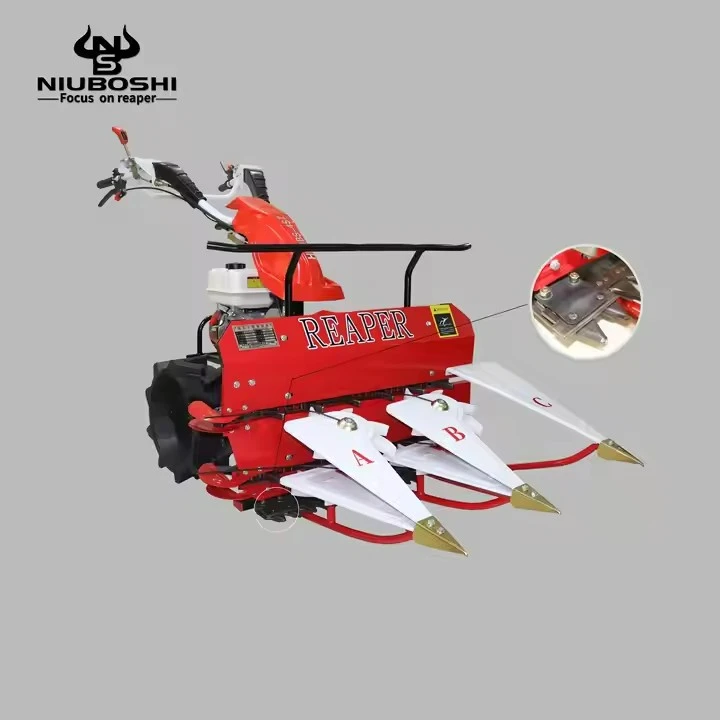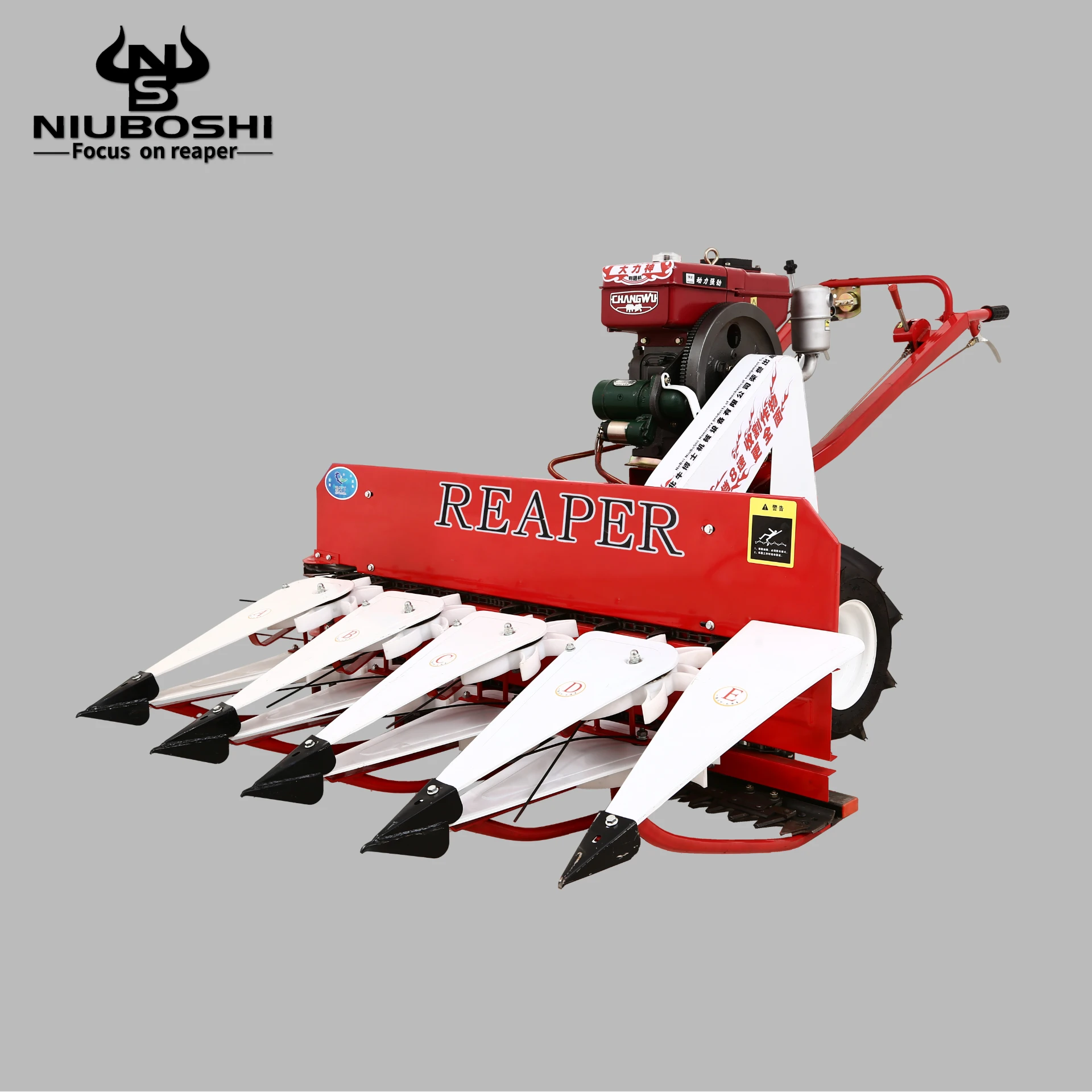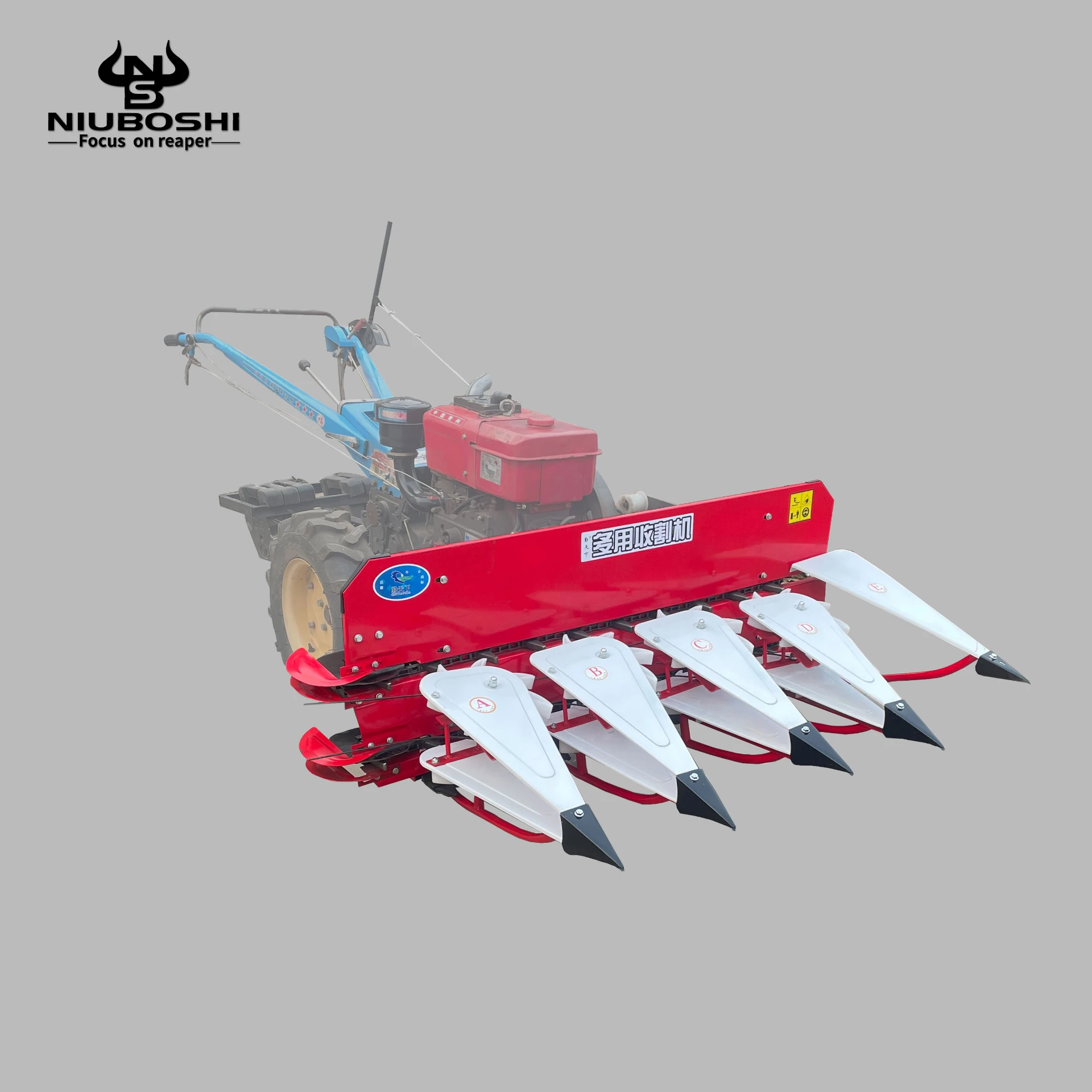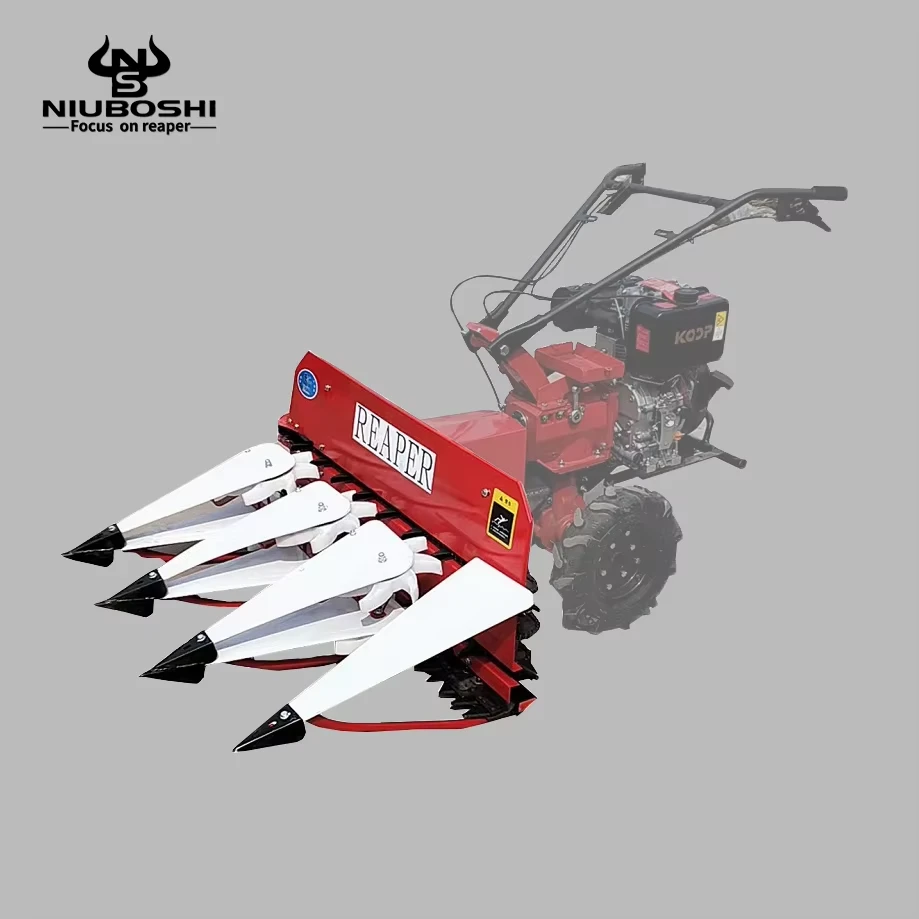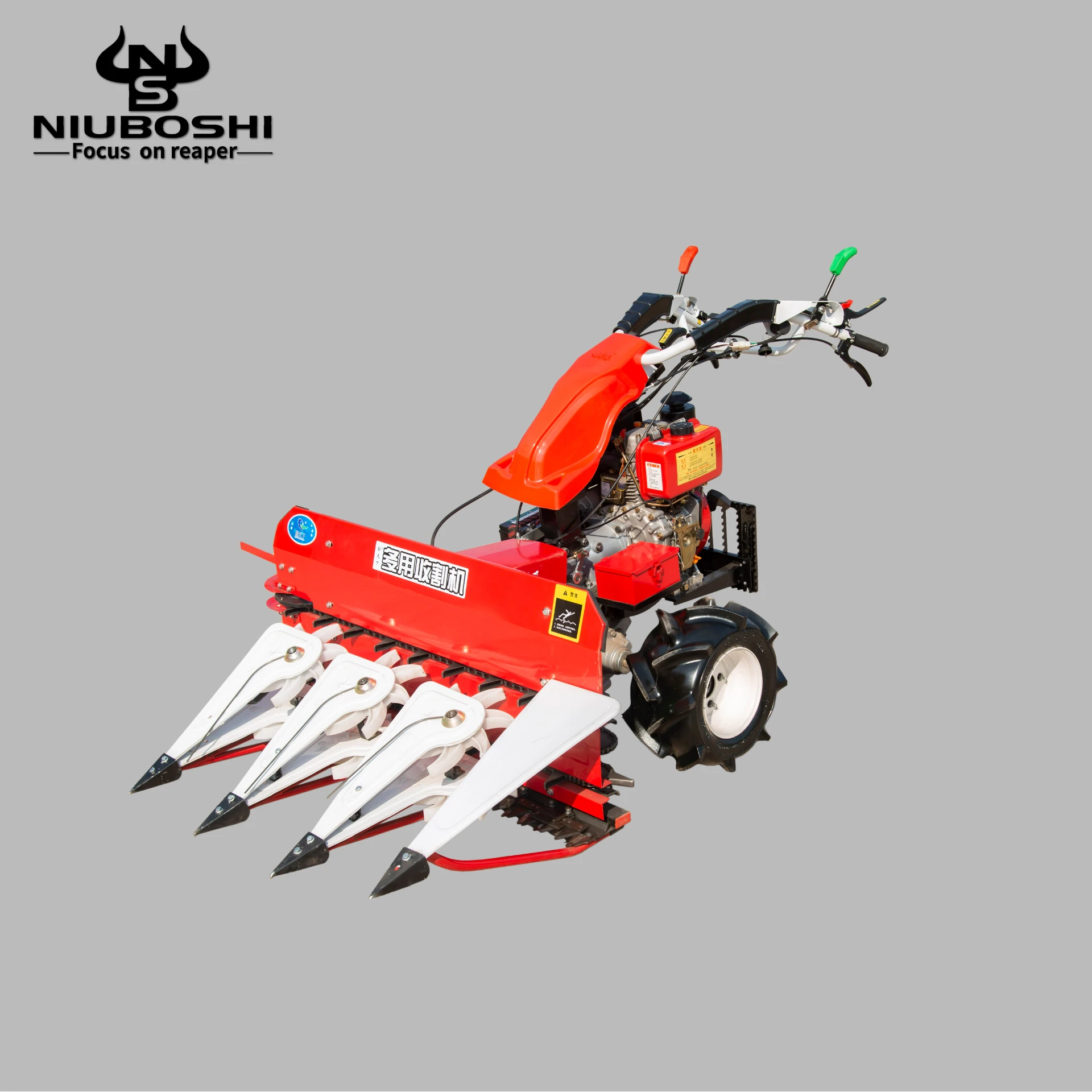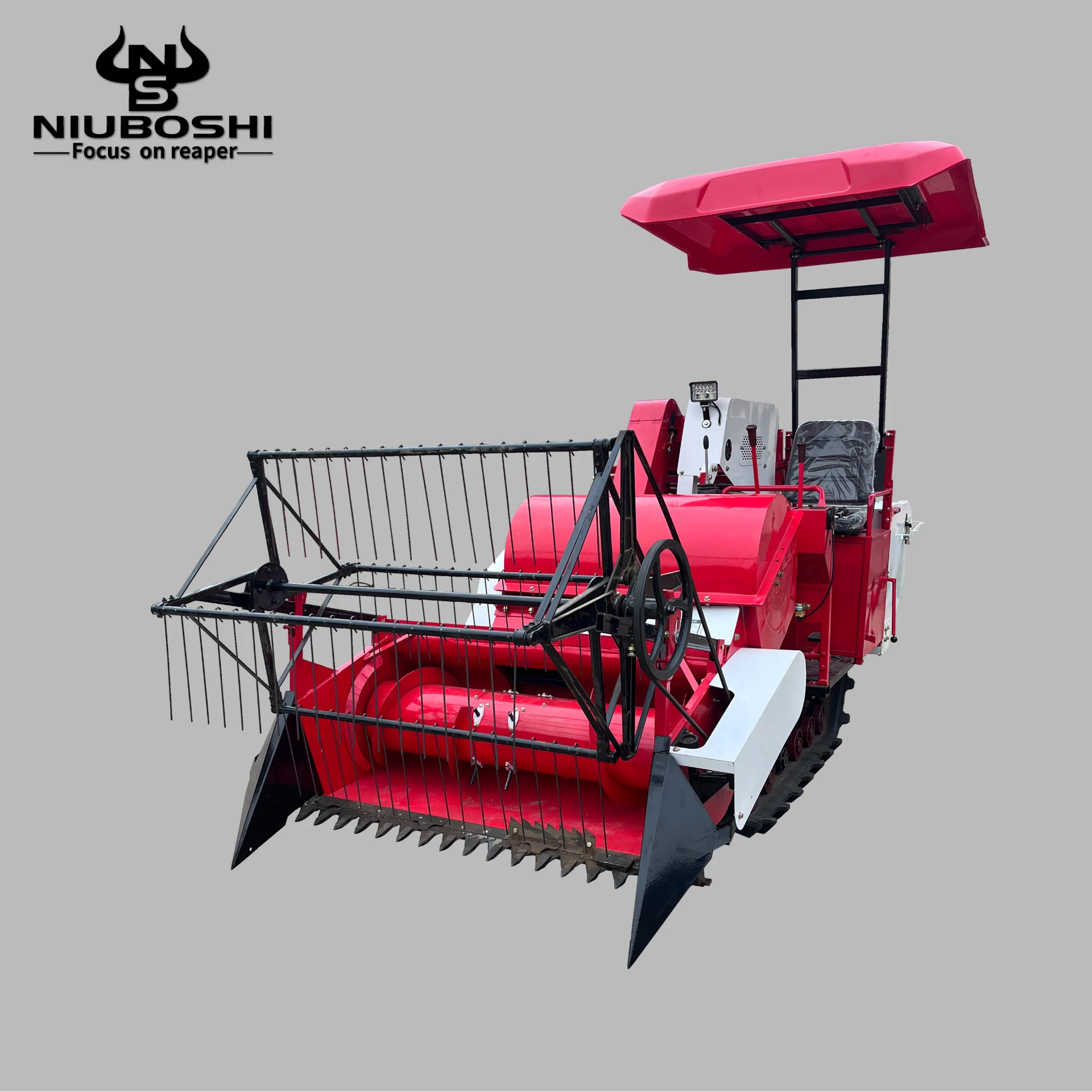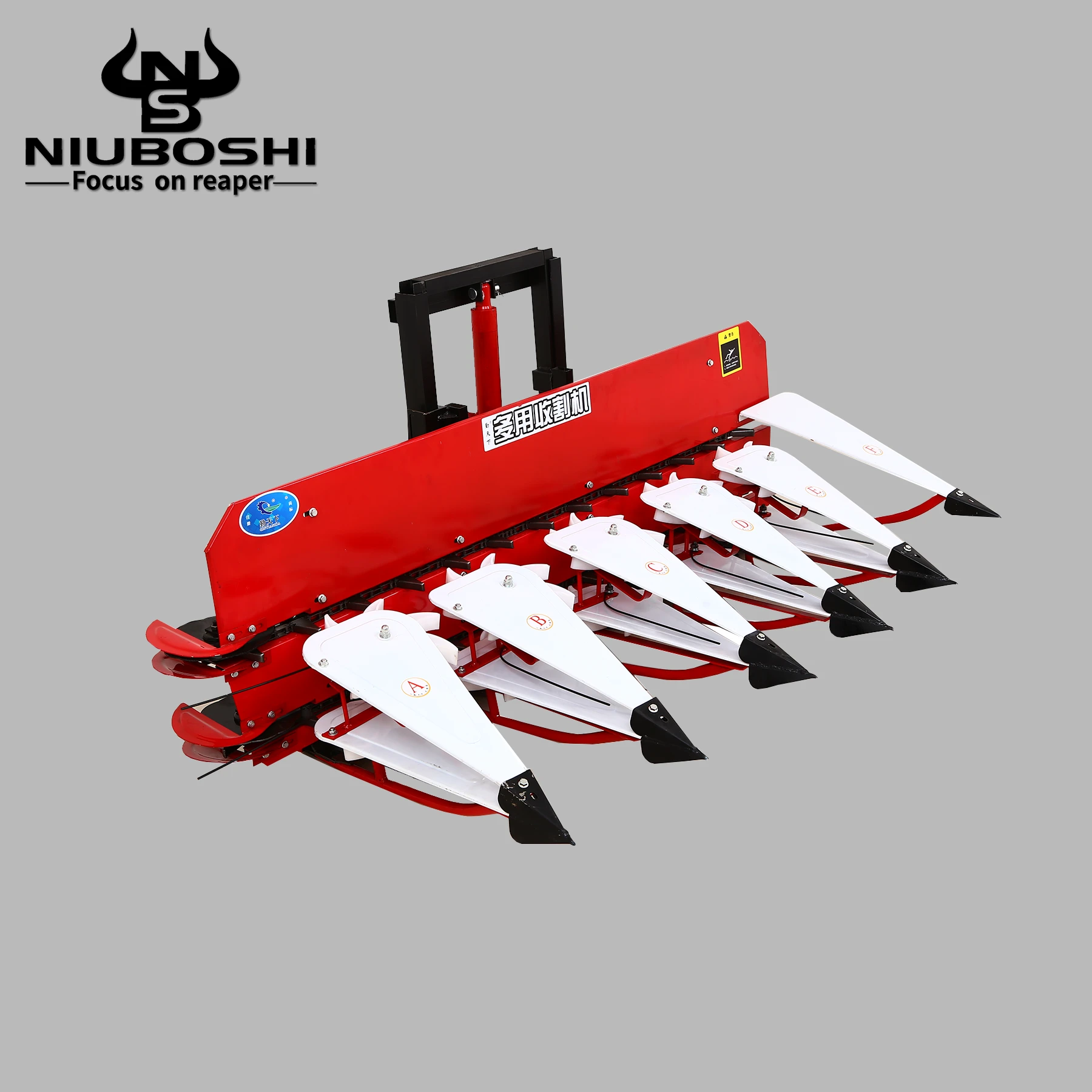
Compact Small Wheat Harvester Machine – Efficient & Reliable
Small Wheat Harvester Machine: Compact Power on the Field
Having spent over a decade in the industrial equipment sector, I can say one thing for certain: not all harvesters are built equal, especially when it comes to the compact models aimed at small-to-medium wheat farms. In real terms, a small wheat harvester machine can be a game changer if you know what to look for. I remember the first time I got to test one — it was on a modest farm with tight rows and occasional muddy spots. What struck me immediately was how nimble yet robust these machines can be, designed with real conditions in mind.
Oddly enough, many people overlook the importance of the machine's build materials and how that impacts performance over time. Most of these compact harvesters use high-grade steel alloys for their cutting blades and threshing drums, which means they’re not just making a quick job easier—they’re built to last through seasons. I once chatted with an engineer who stressed how crucial corrosion-resistant coatings are, especially for farmers in humid or coastal regions. It’s these little details that separate the run-of-the-mill equipment from the trustworthy stuff.
Customization? Absolutely. It feels like smaller manufacturers have really embraced adaptable configurations – from adjustable sieves to variable cutting width settings. Farmers I've spoken with appreciate this because no two fields are quite the same. And frankly, when the equipment fits the job instead of forcing the job to fit the equipment, it all goes smoother.
Small Wheat Harvester Machine Specifications
| Specification | Details |
|---|---|
| Engine Power | 25–35 HP Diesel Engine |
| Cutting Width | 1.2 to 1.5 meters (adjustable) |
| Threshing Drum Diameter | 500 mm |
| Grain Tank Capacity | 0.5 cubic meters |
| Operational Weight | 650–750 kg |
| Fuel Tank Capacity | 30 liters |
| Overall Dimensions (L×W×H) | 3200 × 1700 × 1800 mm |
One of the small but powerful nicknames for these machines is “the little beast” — I suppose it’s because it manages to pack quite a punch despite its size. It’s worth taking a moment to compare them across different vendors because price, after-sale service, and parts availability vary widely, which in the end matters as much as specs.
Vendor Comparison: Small Wheat Harvester Machine Options
| Vendor | Engine Power | Cutting Width | Grain Tank Capacity | After-Sales Support | Average Price (USD) |
|---|---|---|---|---|---|
| HbNiuboshi | 30 HP | 1.3 m (adjustable) | 0.5 m³ | Local Dealer Network + Online Support | 4,500 |
| FieldMaster Pro | 28 HP | 1.2 m | 0.45 m³ | Limited Local Service | 4,200 |
| AgriLite Harvesters | 35 HP | 1.5 m | 0.55 m³ | Comprehensive Warranty + 24/7 Support | 5,200 |
I recently heard from a small-scale farmer named Jacob, who claimed that switching to a small wheat harvester from HbNiuboshi saved his family several hours a day during harvest season. The machine handled tight corners and uneven terrain far better than their older, bulkier models — and honestly, stories like his remind me why innovation in this ‘smaller’ segment is so crucial. The joy of a piece of equipment that just ‘gets it’ is hard to overstate.
To sum up, when considering a small wheat harvester machine, look beyond just specs and price. Think about longevity, local support, adaptability, and, most importantly, how well it fits the real challenges of your fields. It’s those quieter strengths that often save the day.
References:
1. Field Engineer insights from industry forums
2. Manufacturer specification sheets and user manuals
3. Farmer testimonials and product reviews (2023–2024)
Latest news
-
Maximize Harvest Efficiency with the Agro Reaper Binder MachineNewsApr.16,2026
-
Boost Harvest Efficiency with the Best Agriculture Reaper MachineNewsApr.09,2026
-
Revolutionizing Agriculture with the Efficient Agriculture Power ReaperNewsApr.07,2026
-
Comprehensive Guide to the 4 Wheel Reaper Binder for Efficient HarvestingNewsApr.04,2026
-
Comprehensive Guide to Reaperbinder Technology for Efficient Hay and Crop HarvestingNewsMar.31,2026
-
Mastering the Art of Reaper Cutting for Enhanced Agricultural EfficiencyNewsMar.28,2026