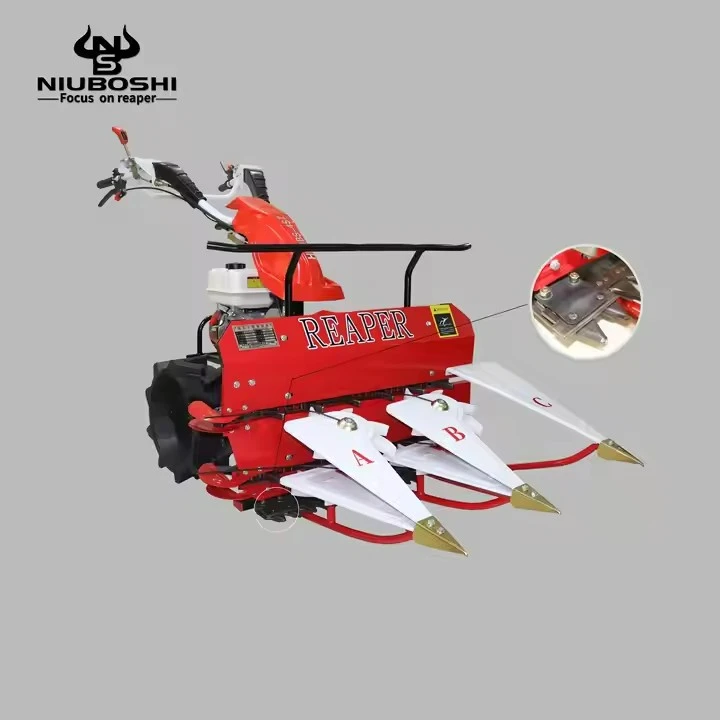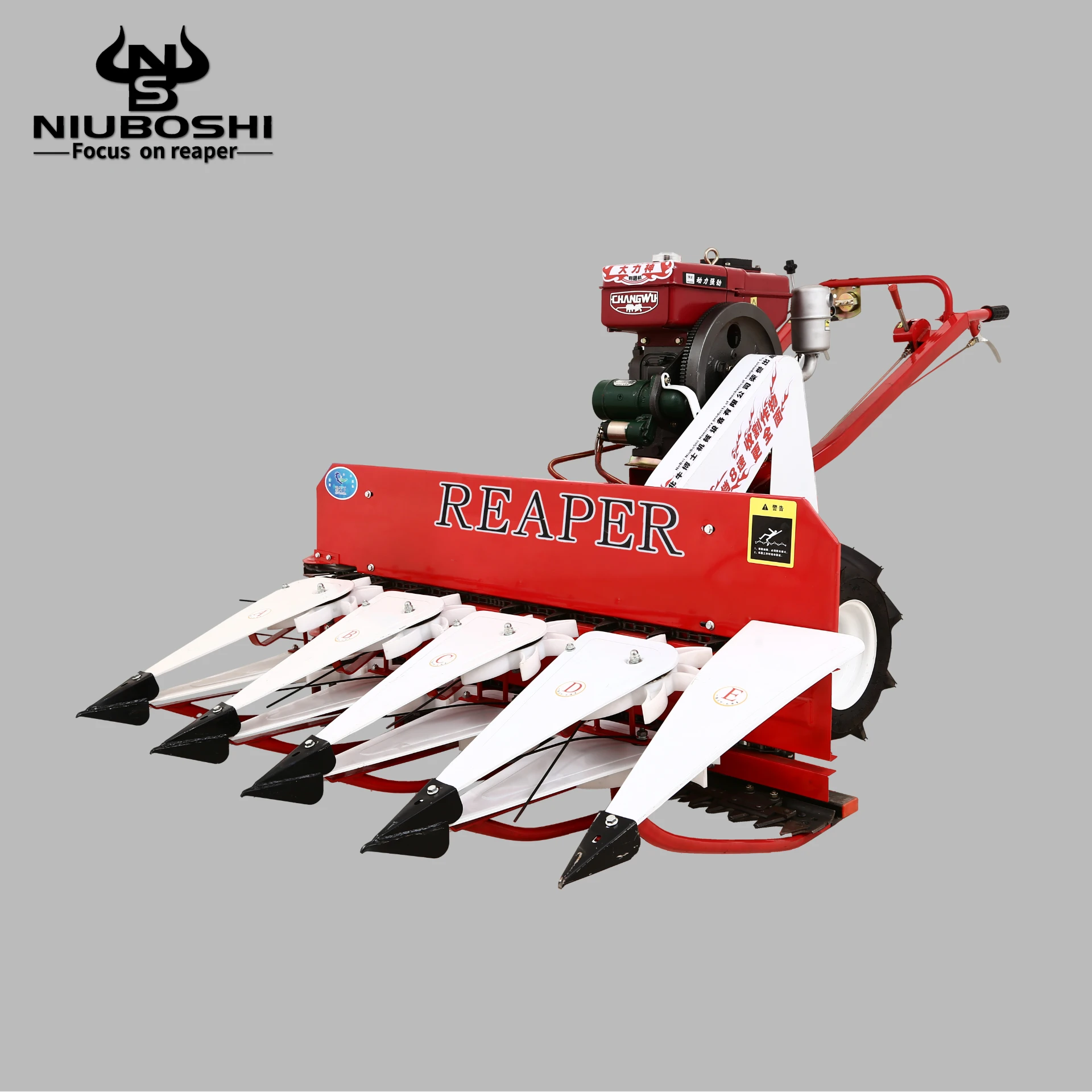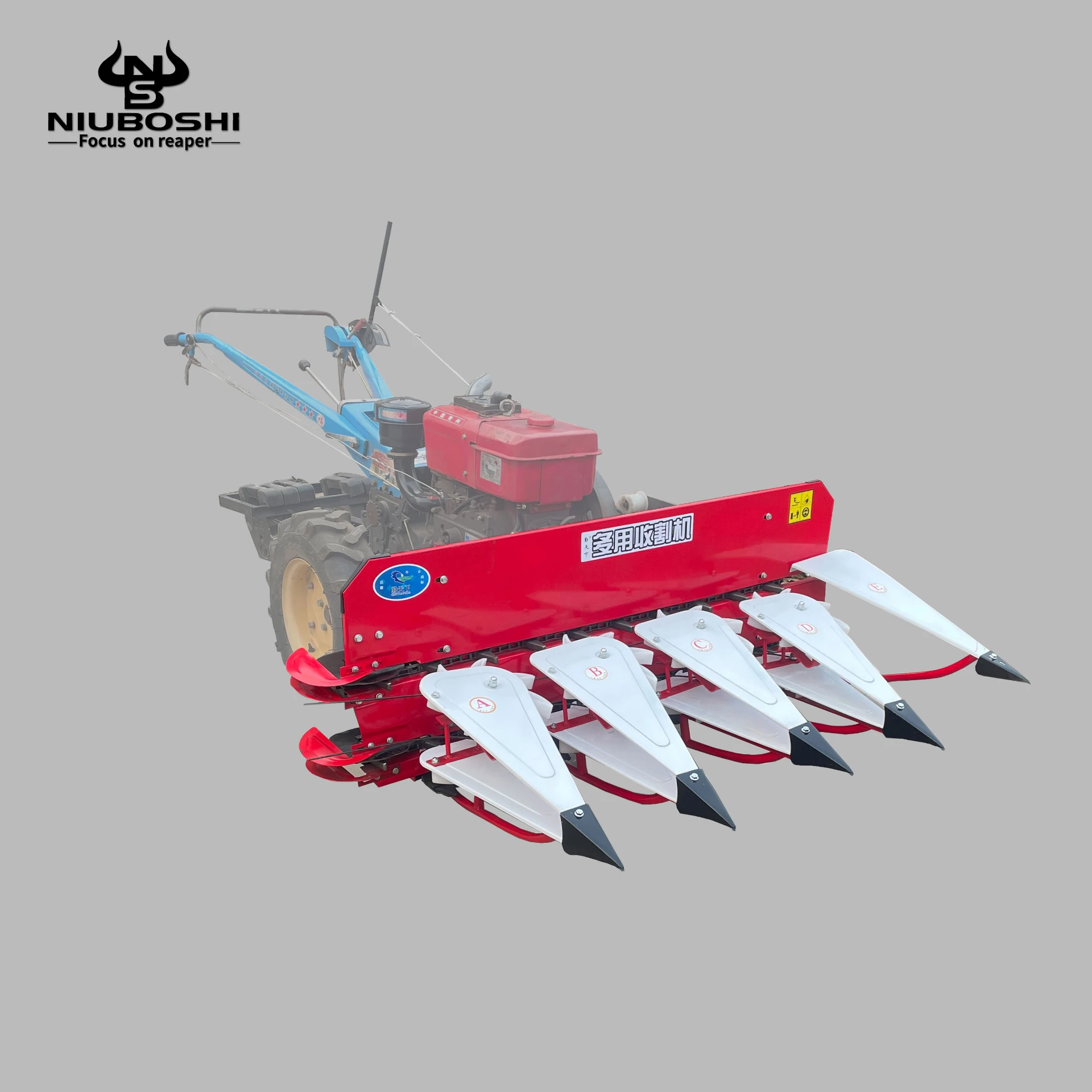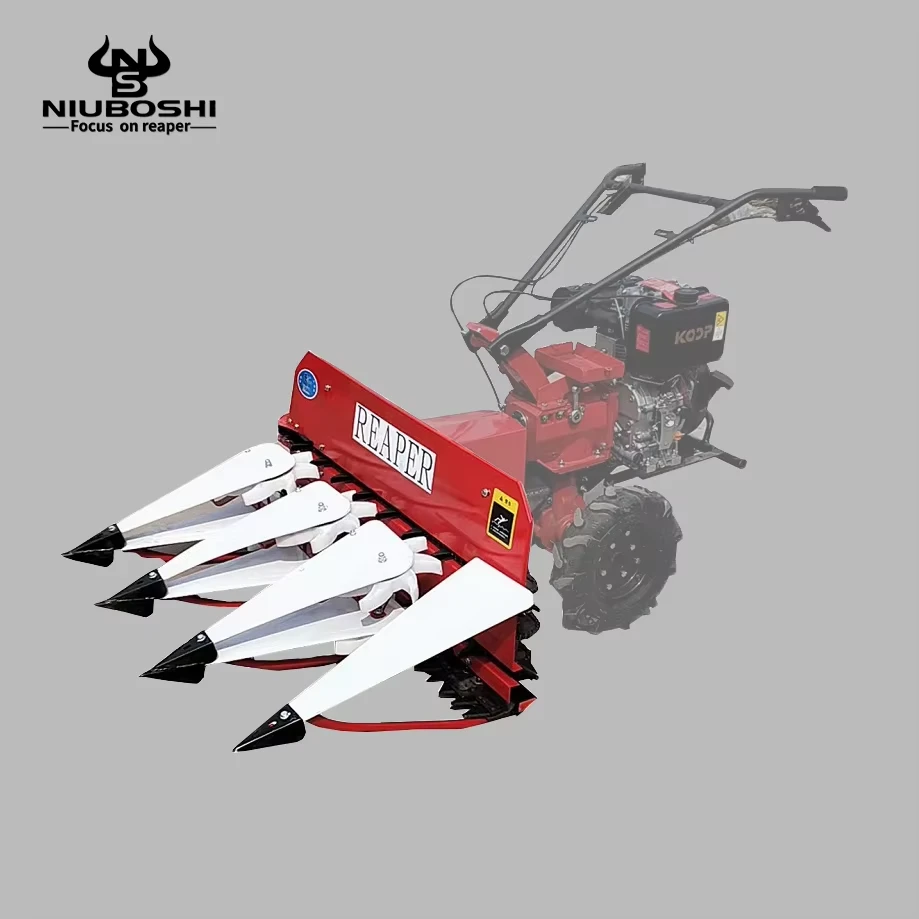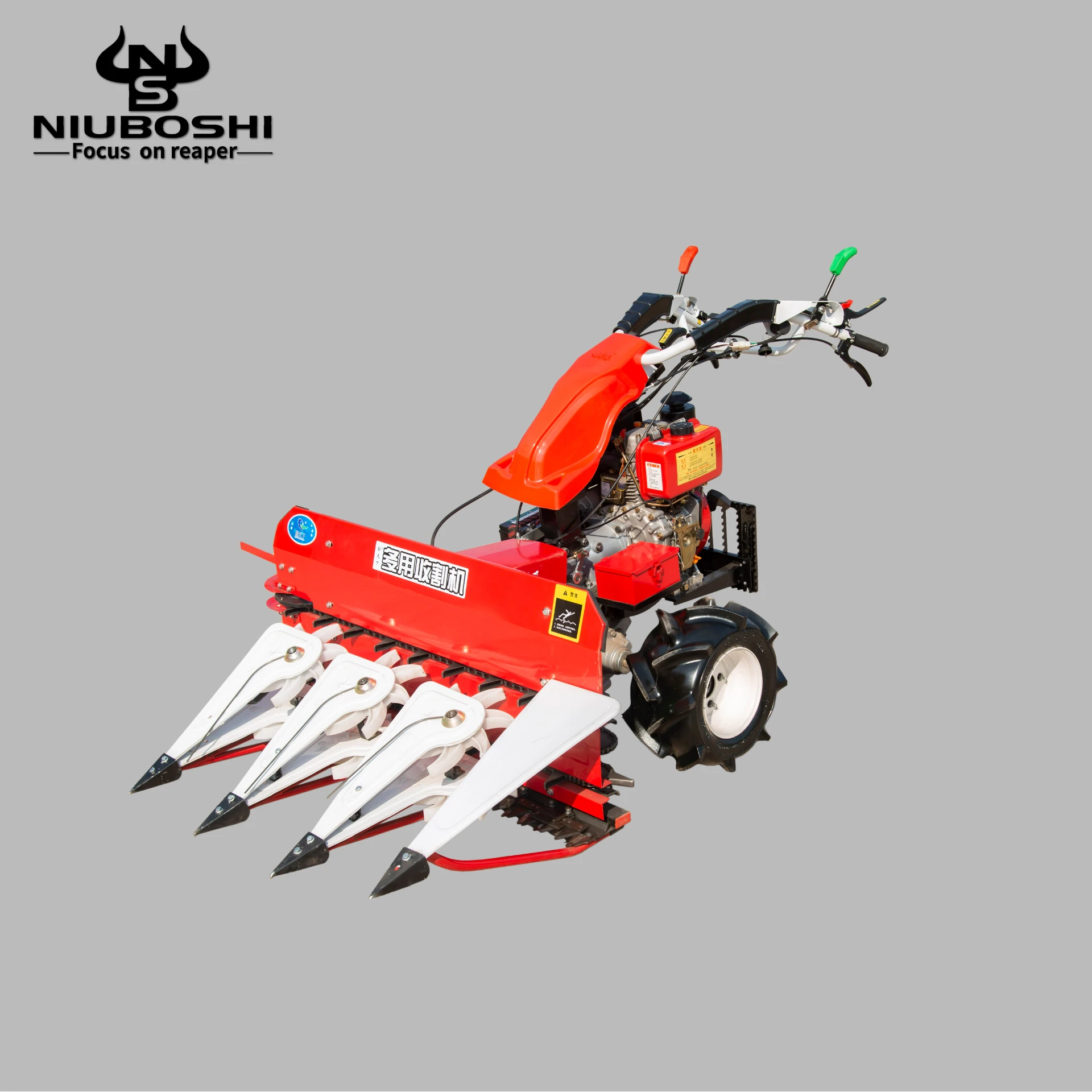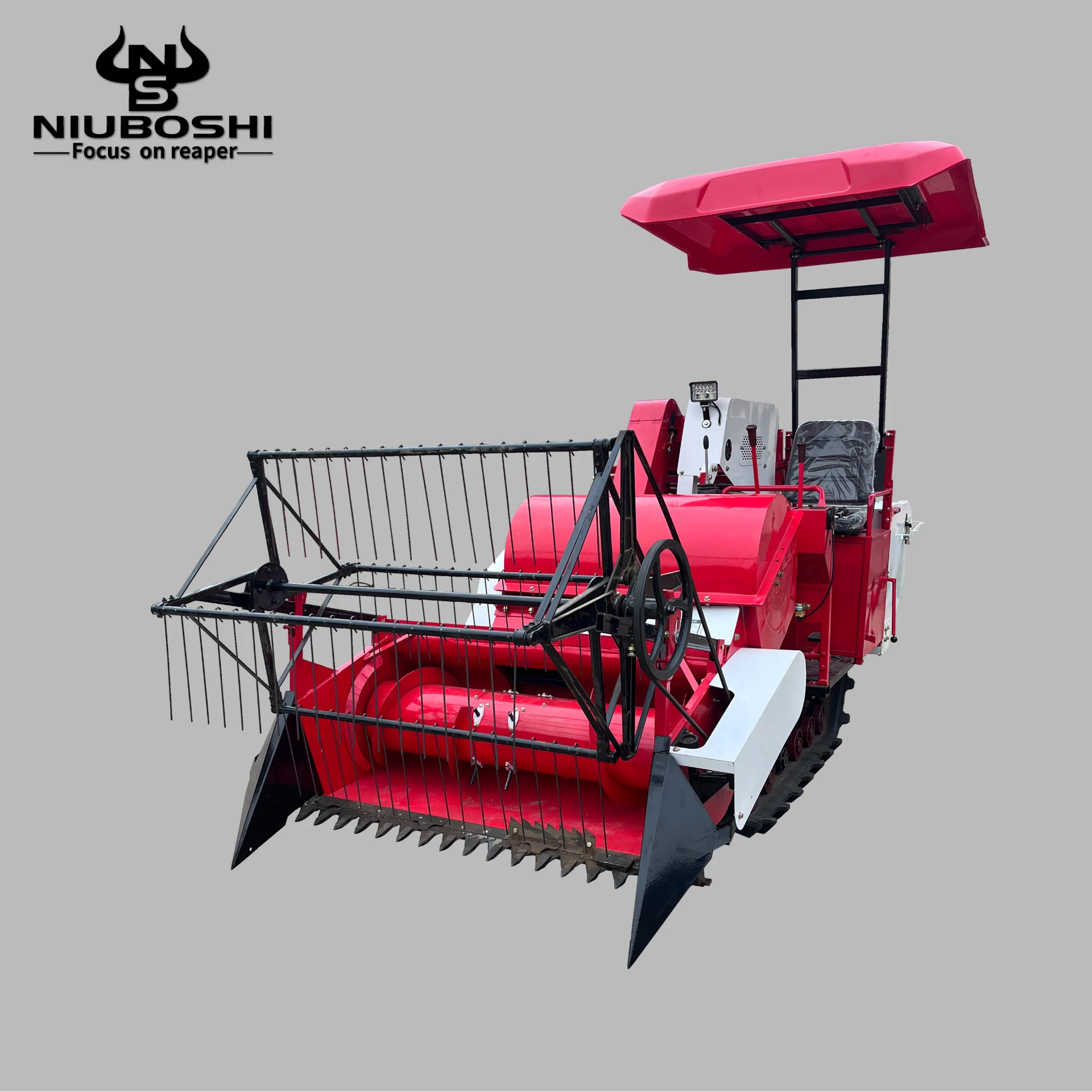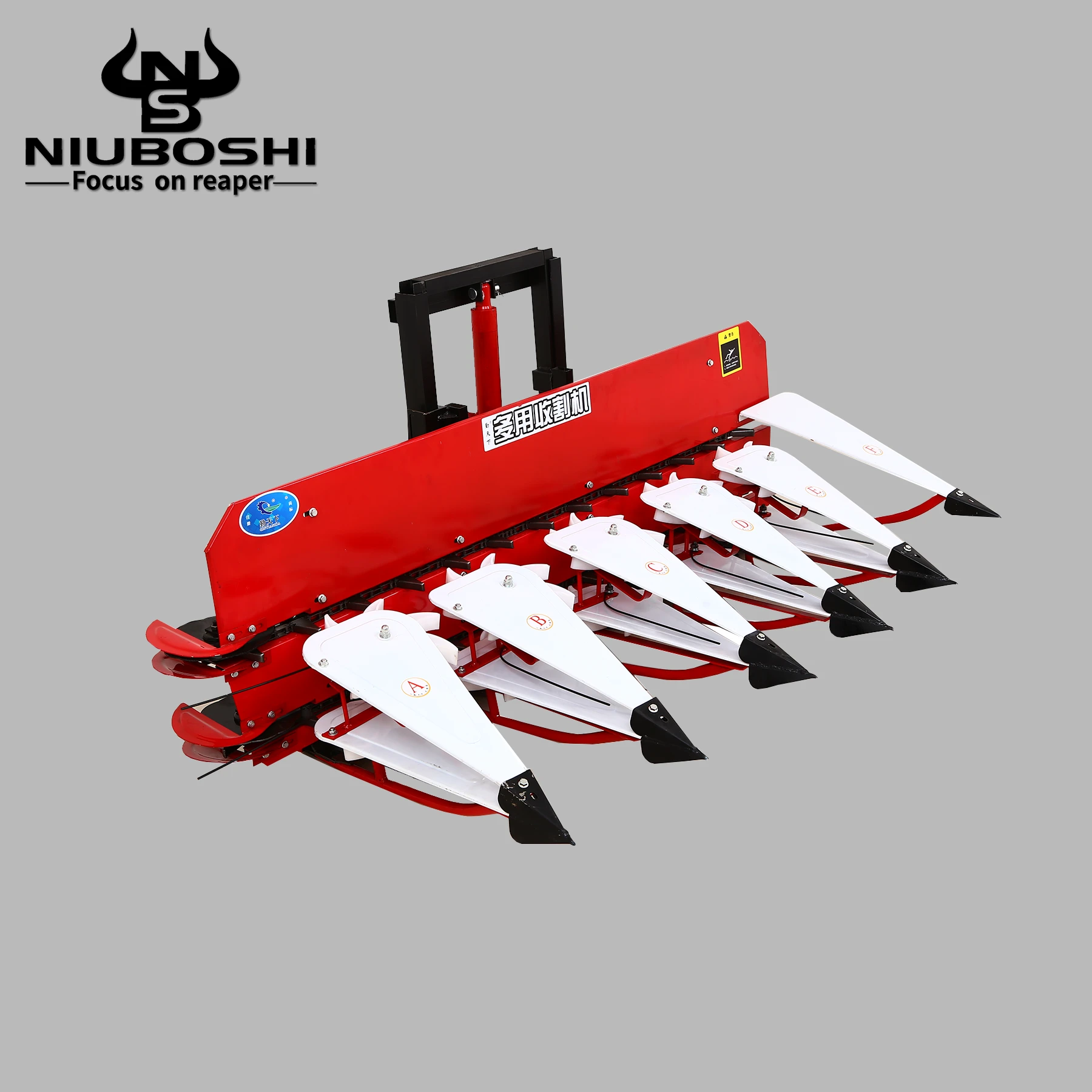
Mini Combine Harvester for Wheat – Compact Power & Efficiency
Mini Combine Harvester for Wheat: A Veteran’s Take
Having worked in the industrial equipment sector for over a decade, I’ve seen all sorts of harvesters come and go. But one machine that’s quietly reshaping small-to-mid-sized wheat farms is the mini combine harvester for wheat. It’s odd — these smaller beasts don’t always get the spotlight, but in real terms, they’re game-changers for many growers.
What struck me early on about mini combine harvesters is their design philosophy. Unlike the bulky giants that dominate large enterprises, these compact machines pack smart engineering into a smaller frame. The build is surprisingly robust, crafted from durable steel alloys with high tensile strength, ensuring they stand up to the usual dirt, dust, and rough handling on uneven terrain. Plus, they manage to keep weight low enough for decent maneuverability without sacrificing power — a tricky balance, frankly.
Many engineers and operators I know appreciate the modular design. Parts can be swapped out or upgraded without sending the whole machine back to the factory. That means less downtime during harvest season, which you know is the last thing farmers want. Manufacturer testing includes field trials across different climates and wheat varieties, which explains why these machines perform reliably even in tough conditions.
Key Specifications of a Typical Mini Combine Harvester for Wheat
| Feature | Specification |
|---|---|
| Engine Type | Diesel, Turbocharged 3-cylinder |
| Power Output | 30-55 HP (varies by model) |
| Cutting Width | 1.5 to 2.2 meters |
| Grain Tank Capacity | 200–400 liters |
| Fuel Tank Capacity | 40–60 liters |
| Threshing Cylinder | Adjustable speed, 450–650 RPM |
| Weight | 900-1400 kg |
One of the things I noticed during a recent farm visit was how farmers valued the ease of use. For wheat harvesting, timing and grain quality are everything; this machine helps balance both due to its nimbleness and refined threshing settings. It’s almost like having a well-trained assistant who doesn’t call in sick.
Customization is another sweet spot. Depending on regional needs, these harvesters can be equipped with different headers, grain separators, and even GPS guidance systems, though that last bit is still a luxury for many users on a budget. I suppose this flexibility reflects the diverse ranges of wheat farms worldwide – from terraced hillsides to flat plains.
Vendor Comparison: Popular Mini Combine Harvesters for Wheat
| Brand | Power (HP) | Cutting Width | Weight (kg) | Special Feature |
|---|---|---|---|---|
| Niuboshi | 45 | 2.0 m | 1200 | Modular parts + local service |
| Kubota | 50 | 1.8 m | 1350 | High fuel efficiency |
| Yanmar | 40 | 1.6 m | 1100 | Compact and easy to maneuver |
On a personal note, I recall a customer in Northern China who switched to a mini combine harvester primarily for wheat after struggling with larger, harder-to-maintain machines. They mentioned how the turnover time during harvest shortened dramatically, and grain loss dropped significantly. It’s no small thing when you’re talking about getting the most out of a single growing season.
In the end, whether you’re a smallholder or working on a modest commercial farm, these mini combine harvesters deserve a good look. They blend practicality, performance, and price in ways that frankly make a lot of sense in today’s evolving agriculture.
Feel free to explore more about the mini combine harvester for wheat and see how one might fit your needs.
Takeaway? Sometimes, smaller is smarter.
- Field trials from equipment manufacturers ensure reliability under different conditions.
- Customized attachments help adapt machines to local terrain and crop specifics.
- User feedback remains critical in improving modular design and service offerings.
Latest news
-
Maximize Harvest Efficiency with the Agro Reaper Binder MachineNewsApr.16,2026
-
Boost Harvest Efficiency with the Best Agriculture Reaper MachineNewsApr.09,2026
-
Revolutionizing Agriculture with the Efficient Agriculture Power ReaperNewsApr.07,2026
-
Comprehensive Guide to the 4 Wheel Reaper Binder for Efficient HarvestingNewsApr.04,2026
-
Comprehensive Guide to Reaperbinder Technology for Efficient Hay and Crop HarvestingNewsMar.31,2026
-
Mastering the Art of Reaper Cutting for Enhanced Agricultural EfficiencyNewsMar.28,2026