Mini Rice Harvester Machine - Affordable Mechanization for Smallholder Farmers
Understanding the Mini Rice Harvester Machine: A Small Device with Global Impact
At first glance, the term mini rice harvester machine might just sound like a garden tool or a niche gadget for farmers with tiny fields. Yet, its reach extends far beyond—touching the lives of smallholder farmers worldwide, improving food security, and reshaping how rice is harvested in some of the most challenging terrains. Rice, after all, feeds more than half the world’s population, according to the UN Food and Agriculture Organization. Harvesting this staple crop efficiently and affordably could mean the difference between a bountiful season and food scarcity for millions.
So why does understanding this little machine matter? Because mechanized harvesting has traditionally been something out of reach for small-scale farmers: expensive, complex, and often unsuitable for tight paddies or hilly landscapes. Enter the mini rice harvester—a nimble, cost-effective, and scalable solution that’s quietly transforming agriculture across Asia, Africa, and beyond.
Key takeaway: The mini rice harvester machine combines practicality with affordability, offering a timely fix for small farmers and sustainable agriculture initiatives worldwide.
The Global Context: Why Mini Rice Harvesters Are Gaining Ground
Over half of the world’s rice is grown by smallholder farmers who operate on plots smaller than two hectares. According to the World Bank agricultural stats, mechanization levels in these farmers’ regions lag behind industrial farms by a large margin. That's where mini rice harvesters come in: they bridge the mechanization gap by addressing specific constraints like field size, labor availability, and capital.
However, human labor shortages due to migration and aging rural populations, coupled with growing demand for rice, have put extra pressure on traditional harvesting methods. Manual harvesting is time-consuming and prone to post-harvest losses—a challenge that mini harvesters can efficiently mitigate. They also reduce drudgery and increase productivity, which has a ripple effect on food security and economic stability.
Mini takeaway: These machines answer real-world problems by putting affordable mechanization directly into the hands of those who need it most.
Defining the Mini Rice Harvester Machine
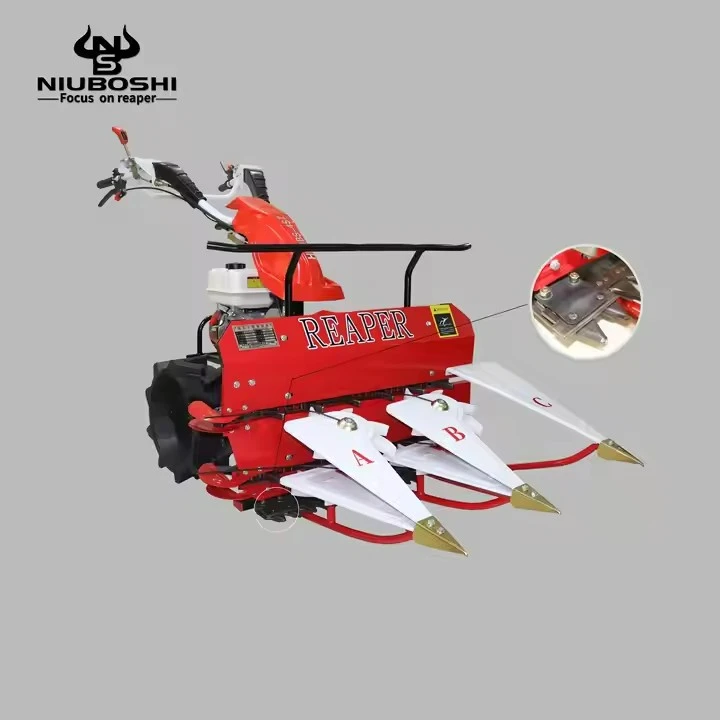
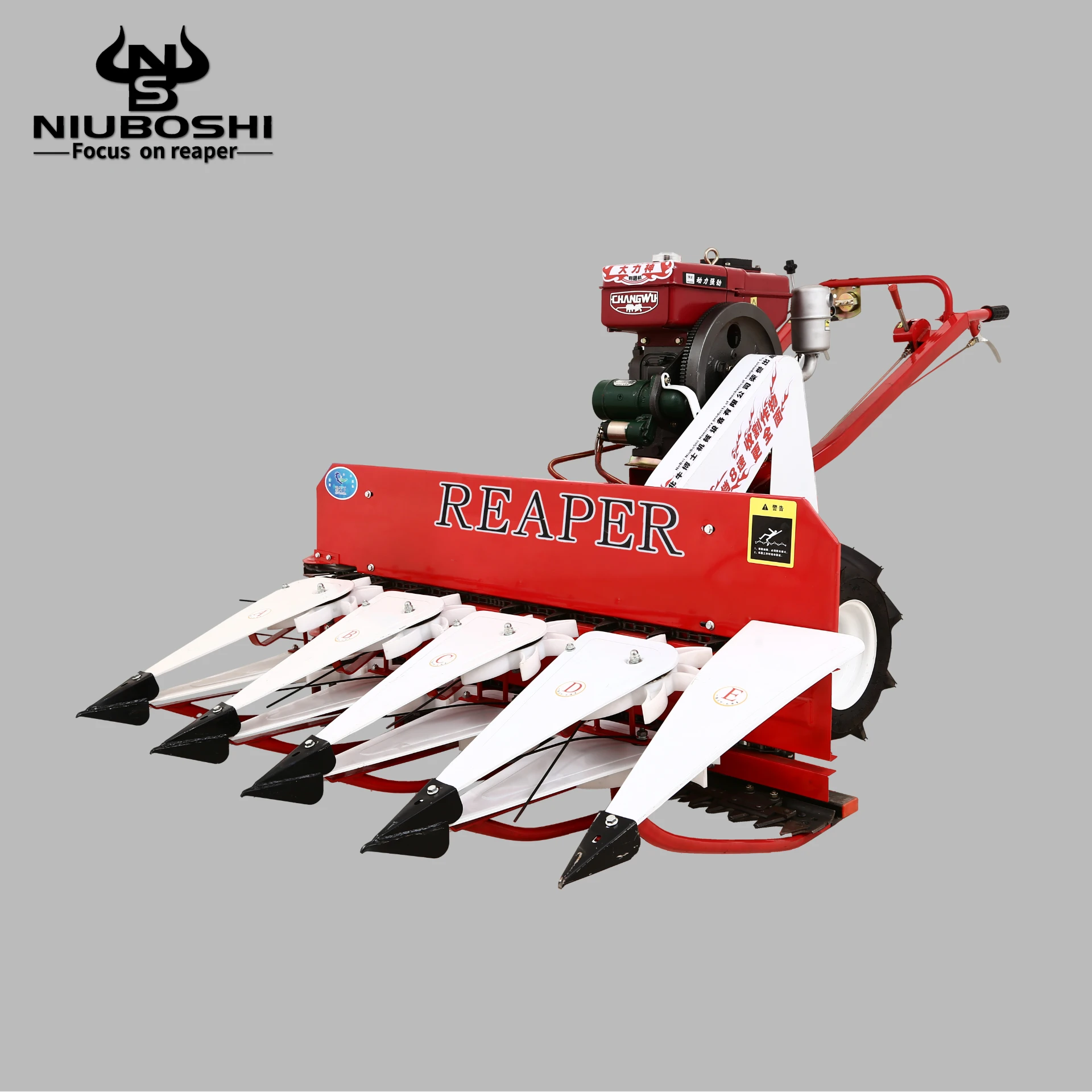
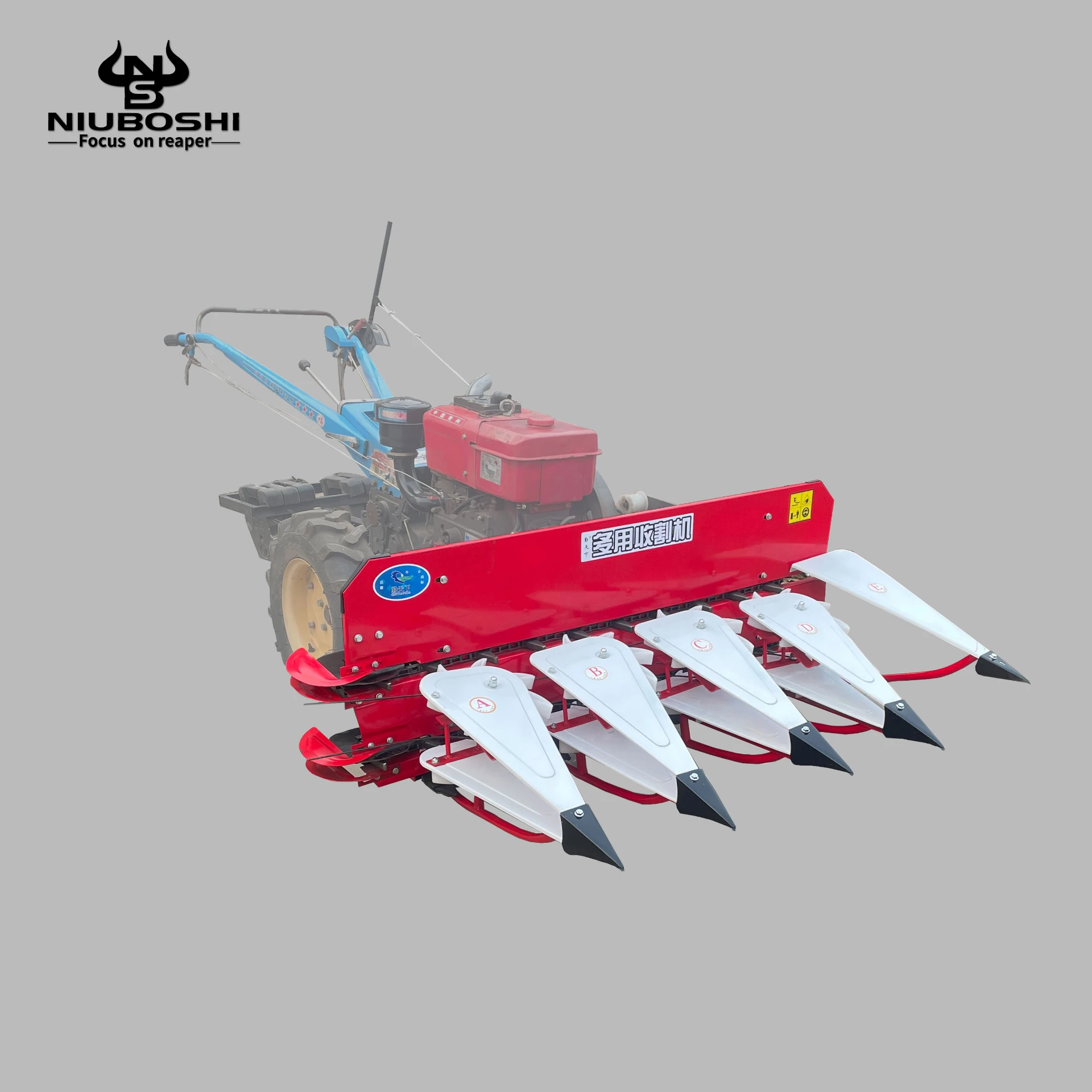
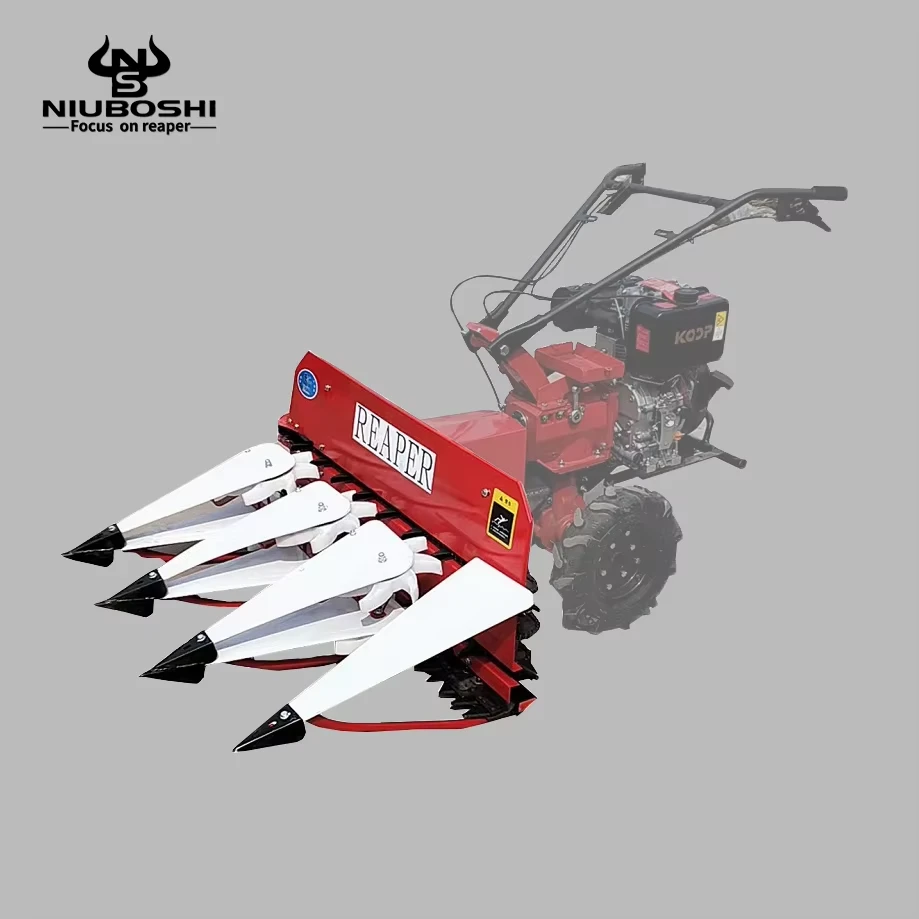
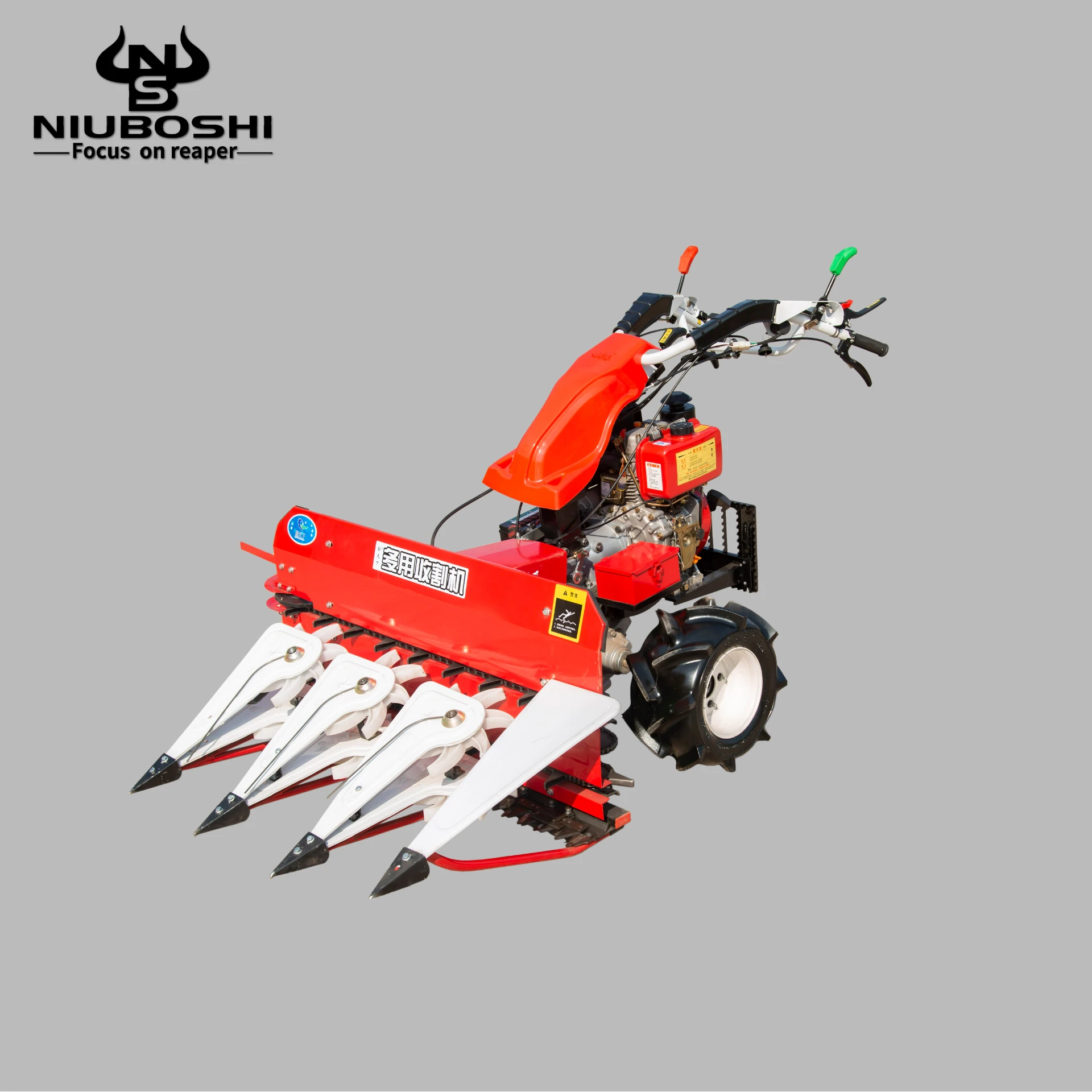
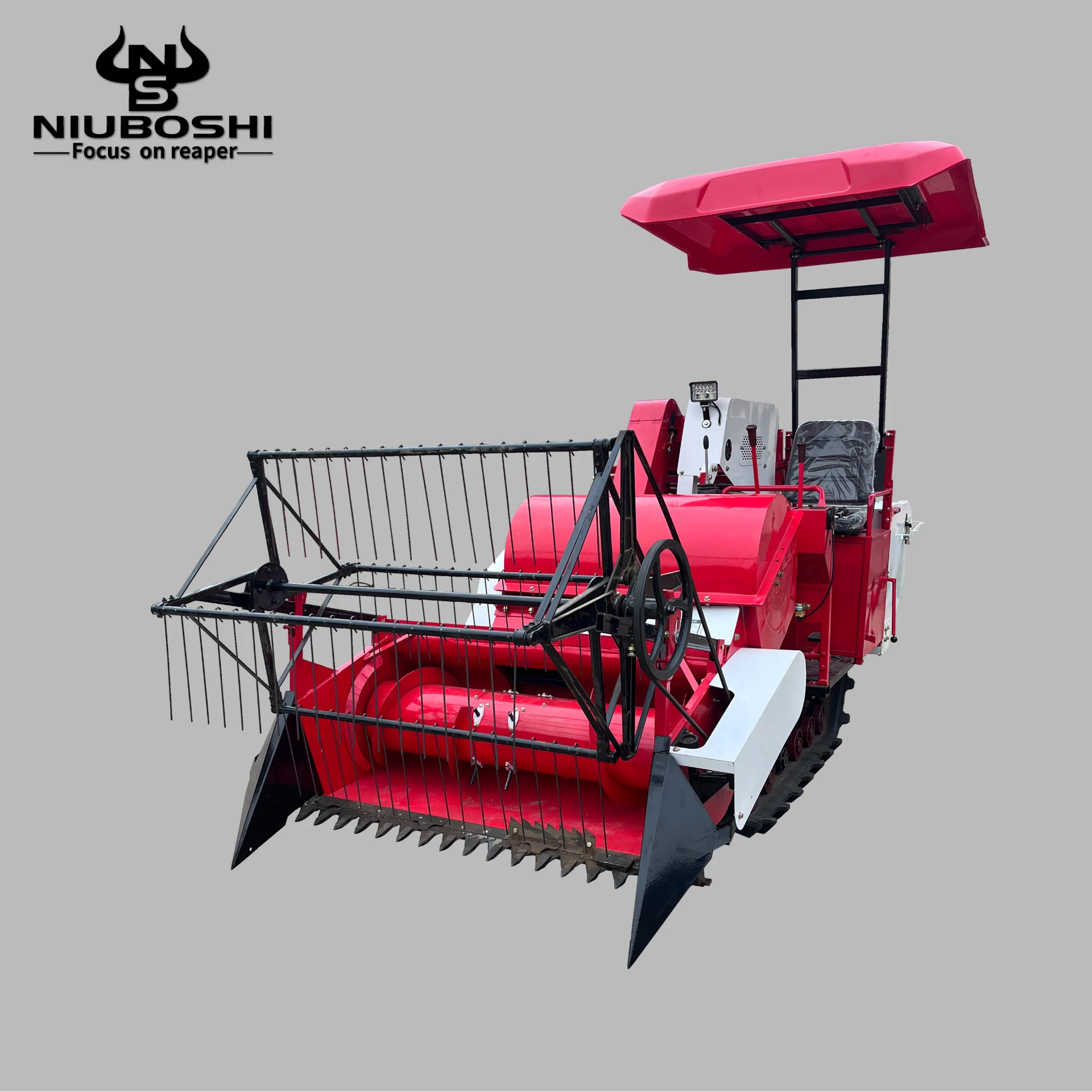
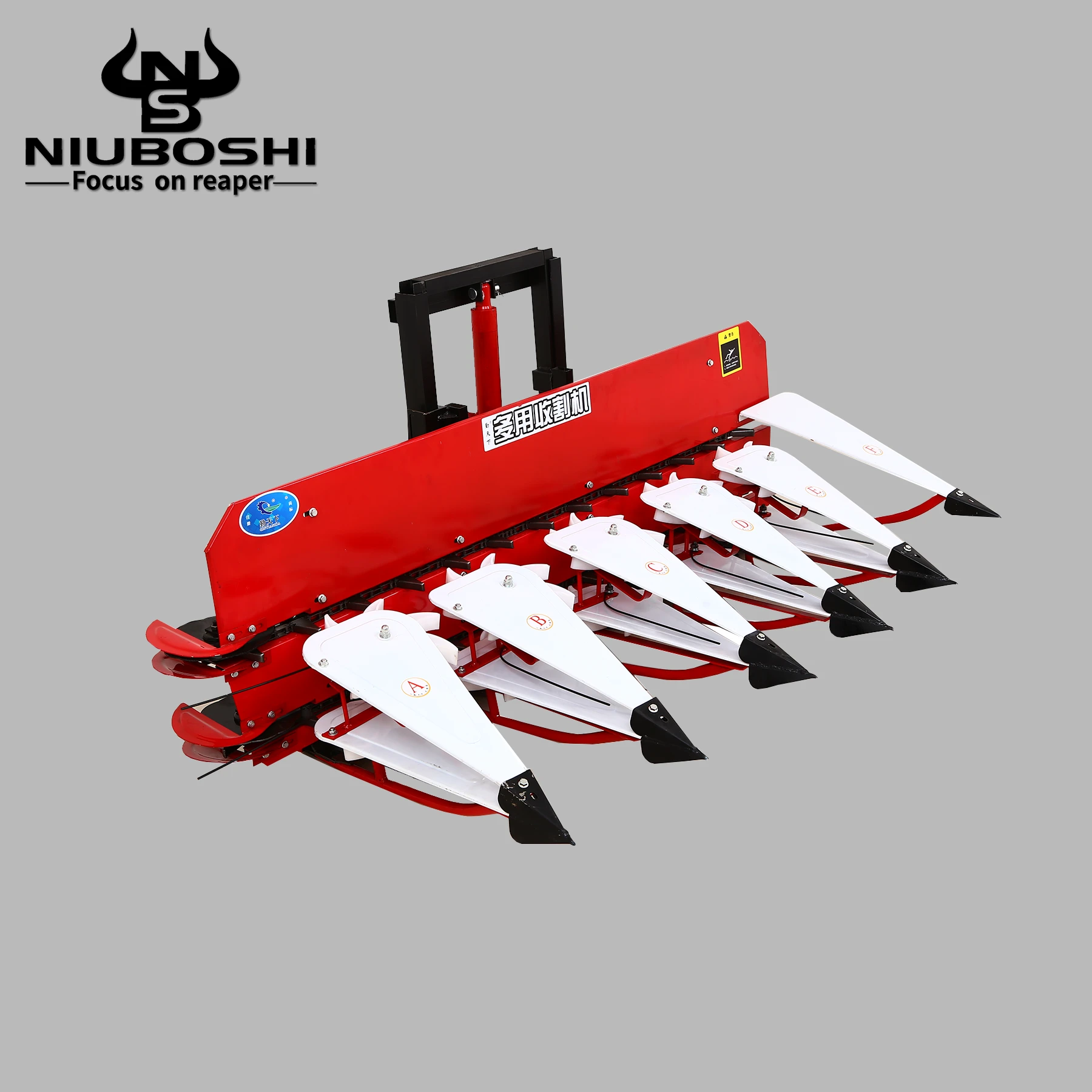
So what exactly is this device? Simply put: it’s a compact, often motorized, machine designed to cut and gather rice stalks efficiently on small plots or uneven terrains unsuitable for large combines. Unlike massive, expensive harvesters, mini rice harvesters typically weigh less, consume minimal fuel, and are operable by a single person.
Think of it as the difference between a tractor and a riding lawnmower, but for rice paddies. Its simplicity and maneuverability make it ideal not only for farmers but also for development organizations working on sustainable agriculture or post-disaster recovery efforts, where quick replantation and harvest timing are critical.
Interestingly, these machines often come with interchangeable heads to handle various crops or terrains, which adds versatility to their use.
Mini takeaway: Mini rice harvesters are compact, economical, and versatile machines helping to mechanize rice farming on a smaller, more personal scale.
Core Components and Features Driving Their Effectiveness
1. Portability & Weight
Many models weigh under 60 kg, meaning they’re easy to carry between fields or up slopes. This portability allows farmers to reach places large harvesters cannot access.
2. Cutting and Threshing Mechanisms
While some mini harvesters perform just cutting, others combine cutting and threshing—separating grain from stalk—saving additional labor.
3. Power Source
Options range from small diesel engines, petrol motors, to electric battery packs in newer eco-friendly designs. Diesel remains popular but electric models are gaining traction due to sustainability efforts.
4. User-Friendliness
Simple controls and minimal maintenance requirements let farmers with little mechanical background operate them effectively.
5. Cost Efficiency
Prices often range between $700-$2500, making mechanization accessible for many farmers and organizations without large capital outlays.
6. Durability and Maintenance
Durability varies, but many come with straightforward repair parts and manuals, enabling easy field servicing.
Mini takeaway: A well-designed mini rice harvester balances lightweight, multifunctionality, and affordable upkeep to suit small-scale farming realities.
Where Are Mini Rice Harvesters Making a Difference?
Across Southeast Asia — countries like Vietnam, Thailand, and the Philippines — mini harvesters help smallholders maintain productivity amid labor shortages. Meanwhile, in sub-Saharan Africa, NGOs use them to empower women farmers and enhance local food systems.
For example, in the flood-prone areas of Bangladesh, these machines allow farmers to harvest quickly before fields become inaccessible. In remote mountainous zones, mini harvesters handle terraced paddies that large combines simply can’t traverse.
Mini rice harvester machine also find a niche with agricultural cooperatives and rental programs, spreading mechanization beyond individual ownership.
| Specification | Typical Value | Notes |
|---|---|---|
| Weight | 50–70 kg | Enables manual transport |
| Engine Type | 1.5–3.0 HP diesel or petrol | Fuel efficiency varies |
| Cutting Width | 600–1000 mm | Depends on model and terrain |
| Threshing Function | Available in select models | Can reduce post-harvest losses |
| Price Range (USD) | $700–$2500 | Varies by brand and features |
Mini takeaway: Looking at the specs helps you understand why these devices fit the niche between manual labor and heavy machinery.
Comparing Popular Mini Rice Harvester Vendors
| Feature | Brand A | Brand B | Brand C |
|---|---|---|---|
| Weight | 55 kg | 60 kg | 65 kg |
| Engine | 2 HP diesel | 3 HP petrol | 2.5 HP diesel |
| Threshing | Yes | No | Yes |
| Price (USD) | $1200 | $700 | $1800 |
| Warranty | 1 year | 6 months | 1 year |
Advantages and Long-Term Value of Mini Rice Harvesters
The benefits extend beyond simply being a “machine.” For many farmers, it symbolizes dignity—replacing backbreaking sickle work with safer, faster mechanical harvesting. The social impact ripples to improved household incomes and food security at the community level. Financially, owners report faster ROI compared to manual labor or larger machines requiring complex logistics and fuel.
Environmentally, many models have improved fuel economy, and hybrid electric versions reduce emissions. A smaller footprint means less soil compaction and better soil health in the long run.
Summing up:
- Cost efficiency: Affordable and lower maintenance than large combines.
- Sustainability: Supports more frequent, timely harvests.
- Social upliftment: Reduces drudgery, empowers marginalized farmers.
- Reliability: Simple design means fewer breakdowns.
Emerging Trends and Innovations on the Horizon
The future is bright—and frankly, a bit exciting. Electrification is shaking up fuel-powered engines, with battery and solar integration becoming more realistic even for remote regions. Add to that IoT-enabled sensors tracking crop yield and machine performance, and you get smart mini harvesters that can optimize routes and maintenance schedules.
Materials science improvements have led to lighter alloys and reinforced plastics, reducing wear and tear. Some companies are exploring modular designs, where farmers can upgrade parts instead of buying new units.
Policy-wise, governments and NGOs are promoting mechanization subsidies and training programs, recognizing that tech adoption is key to sustainable food systems.
Common Challenges and How Industry Players Are Tackling Them
One persistent issue is the mismatch between machine capacity and diverse field conditions. Small paddies, irregular shapes, and soft soil make it tough to design a one-size-fits-all. However, manufacturers are offering customizable cutting heads and adjustable settings to improve adaptability.
Cost remains a barrier for the very poorest farmers, but rental services and cooperative ownership models are proving effective solutions.
Finally, spare parts availability and repair know-how sometimes leave machines idle. This is changing as training programs spread and local workshops gain certification from manufacturers.
FAQ: Quick Answers on Mini Rice Harvester Machines
- How much land can a mini rice harvester cover in a day?
- Typically, a mini rice harvester can cover 0.2 to 0.5 hectares per hour depending on model, terrain, and operator skill, making it practical for small farms.
- Can these machines harvest other crops besides rice?
- Yes! Many mini harvesters feature interchangeable heads suitable for crops like wheat, barley, or sugarcane, increasing their annual utility.
- What maintenance is required to keep the machine running?
- Regular cleaning, lubrication, and periodic engine checks are essential. Most models come with manuals and offer replacement parts within local markets.
- Are mini rice harvesters suitable for hilly or rugged terrain?
- They're designed for better maneuverability than large combines, so they handle terraced or uneven fields quite well—though steep slopes still pose risks.
- Where can I learn to operate a mini rice harvester?
- Many vendors provide training sessions, and NGOs often conduct farmer workshops. Instructional videos are increasingly available online as well.
Wrapping Up: Why Mini Rice Harvesters Matter Now More Than Ever
Ultimately, the mini rice harvester machine symbolizes a practical leap forward—one that respects scale, cost, and human factors while still delivering modern agricultural productivity. Whether for a farmer in a floodplain in Bangladesh or a cooperative in rural Nigeria, these machines level the playing field with powerful, affordable tech. If you’re curious to explore or invest in this growing niche, I strongly recommend visiting our website where you’ll find detailed specs, user testimonials, and help navigating the right choice for your needs.
Because, honestly, it’s a small machine that could make a giant difference.
References:
Latest news
-
Maximize Harvest Efficiency with the Agro Reaper Binder MachineNewsApr.16,2026
-
Boost Harvest Efficiency with the Best Agriculture Reaper MachineNewsApr.09,2026
-
Revolutionizing Agriculture with the Efficient Agriculture Power ReaperNewsApr.07,2026
-
Comprehensive Guide to the 4 Wheel Reaper Binder for Efficient HarvestingNewsApr.04,2026
-
Comprehensive Guide to Reaperbinder Technology for Efficient Hay and Crop HarvestingNewsMar.31,2026
-
Mastering the Art of Reaper Cutting for Enhanced Agricultural EfficiencyNewsMar.28,2026