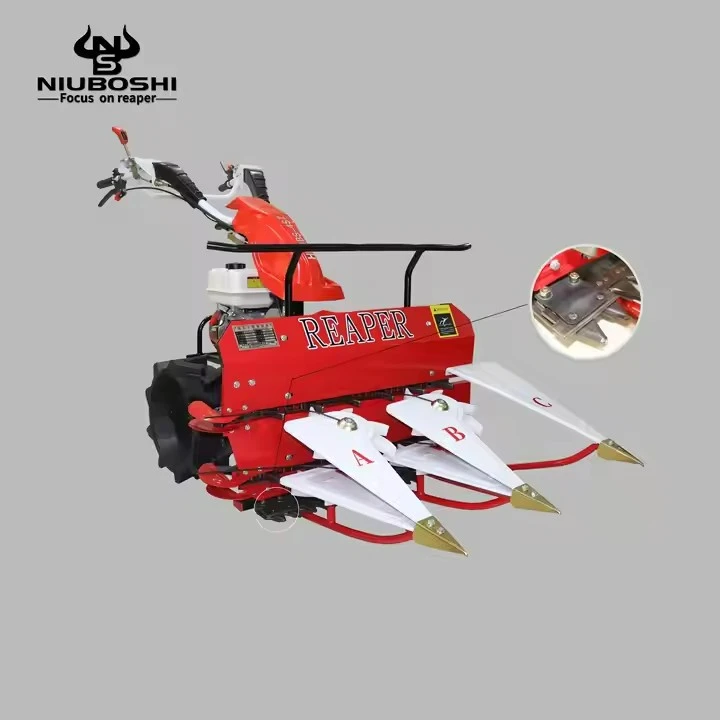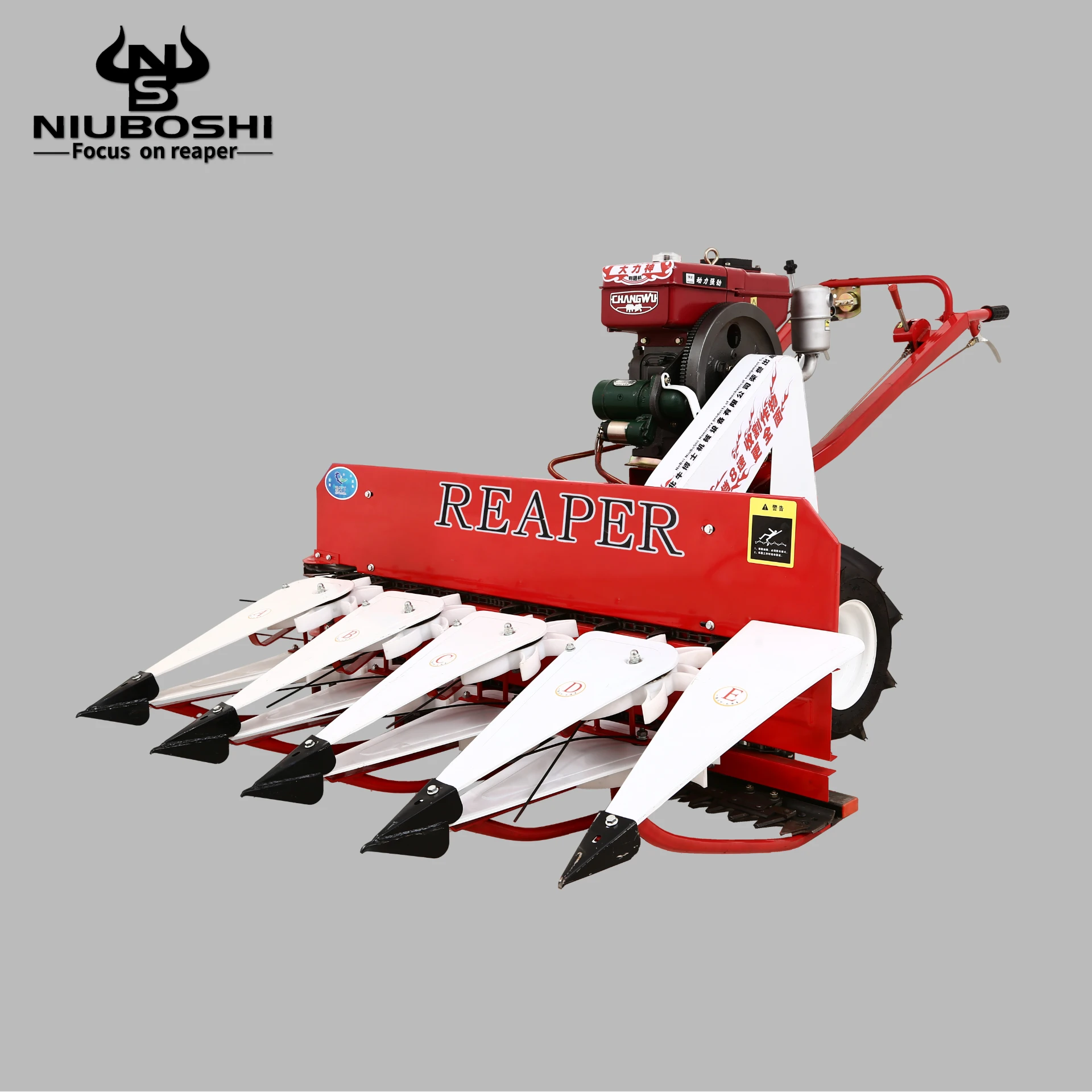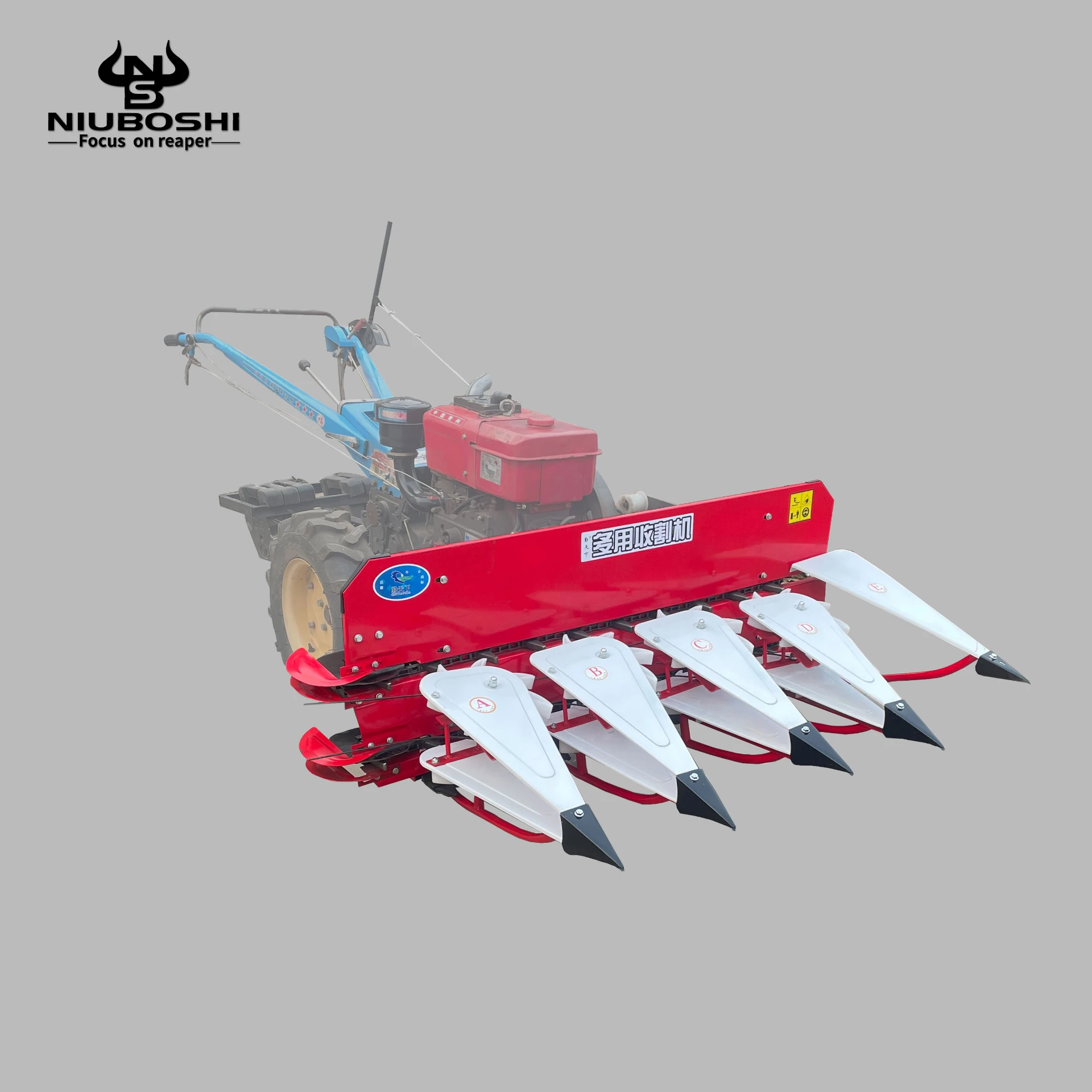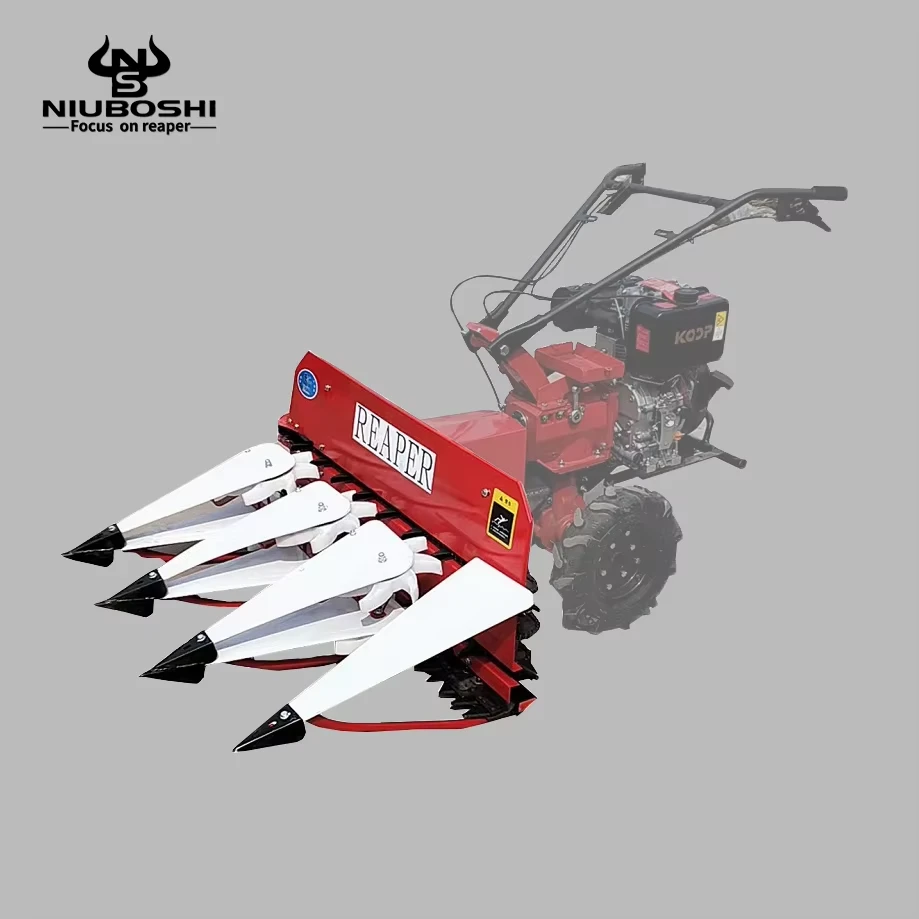
Mini Tractor Combine Harvester: Compact Powerhouse for Small-Scale Farming
The Rising Importance of the Mini Tractor Combine Harvester
Farming — the backbone of global nourishment — keeps evolving with technology and ingenuity. Among modern tools, the mini tractor combine harvester has quietly but steadily carved a niche for itself. It’s a compact, versatile workhorse that’s reshaping agricultural practices, especially in regions where big machines just won’t play nicely. Why does this matter? Because globally, small-scale farmers produce a vital chunk of the world's food supply. Improvements in their tools mean better yields, more efficient harvesting, and ultimately, enhanced food security.
Introduction: Why Mini Tractor Combine Harvesters Matter Globally
The United Nations data shows that over 570 million farms exist worldwide, the vast majority under 2 hectares in size. For these small-scale farmers, large combine harvesters are either too expensive or downright impractical. This is where the mini tractor combine harvester offers a lifeline. Smaller than traditional combines, it’s easier to maneuver, cheaper to maintain, and perfectly suited for fragmented, uneven, or small farm plots.
World Bank reports emphasize that increasing smallholder productivity is crucial for reducing poverty and hunger. Farms in Asia, Africa, and Latin America benefit the most from miniaturized harvesting equipment—helping to overcome labor shortages, reduce post-harvest losses, and slash operational costs.
Still, challenges abound: traditional manual harvesting remains prevalent, often painstakingly slow and inefficient. The mini tractor combine harvester steps right into this gap, offering a blend of mechanization and affordability that’s still rare but growing rapidly.
Mini takeaway:
Small-scale farms are the hidden giants of agriculture, and their productivity depends increasingly on smart, affordable mechanization. That’s the niche the mini tractor combine harvester fills.
What Exactly Is a Mini Tractor Combine Harvester?
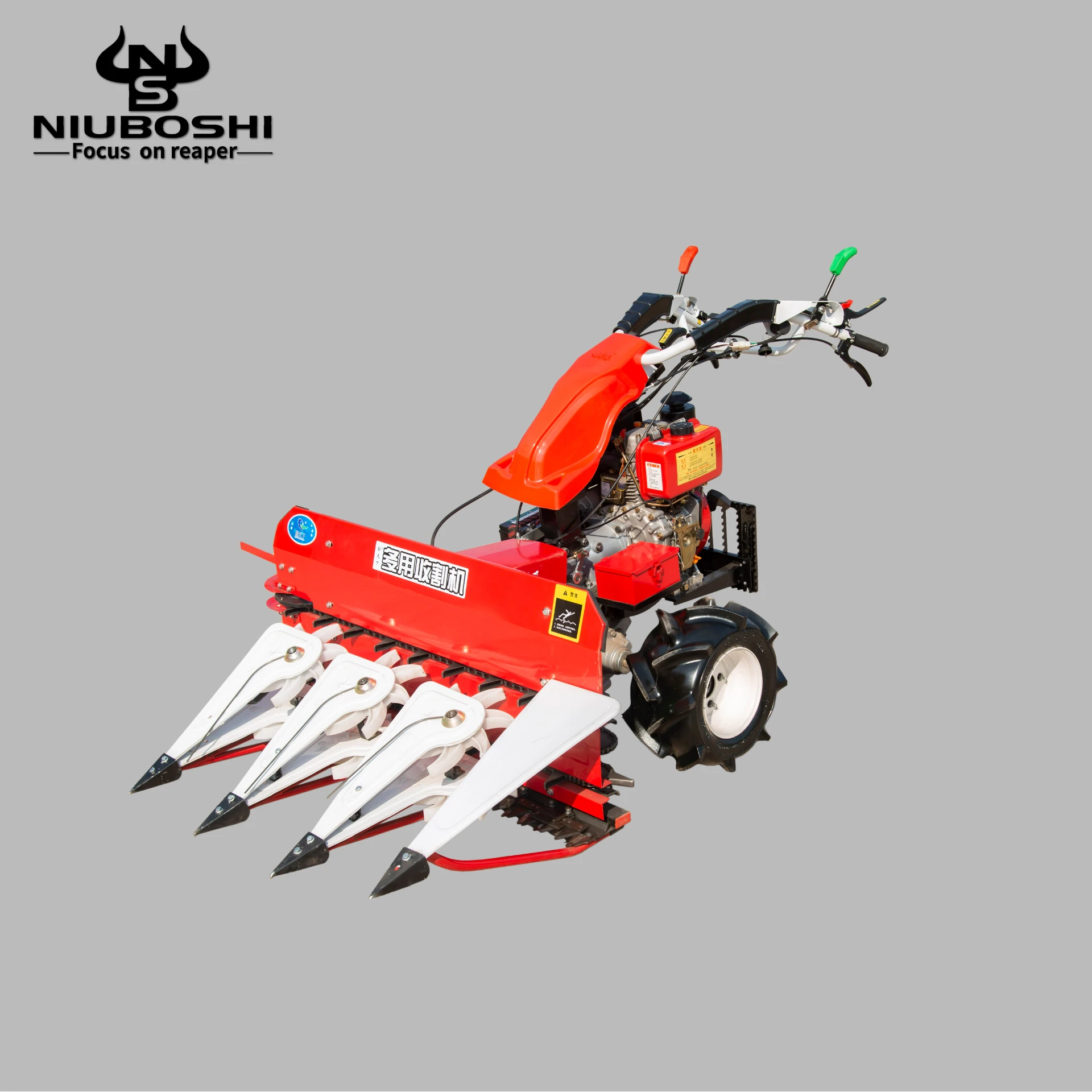
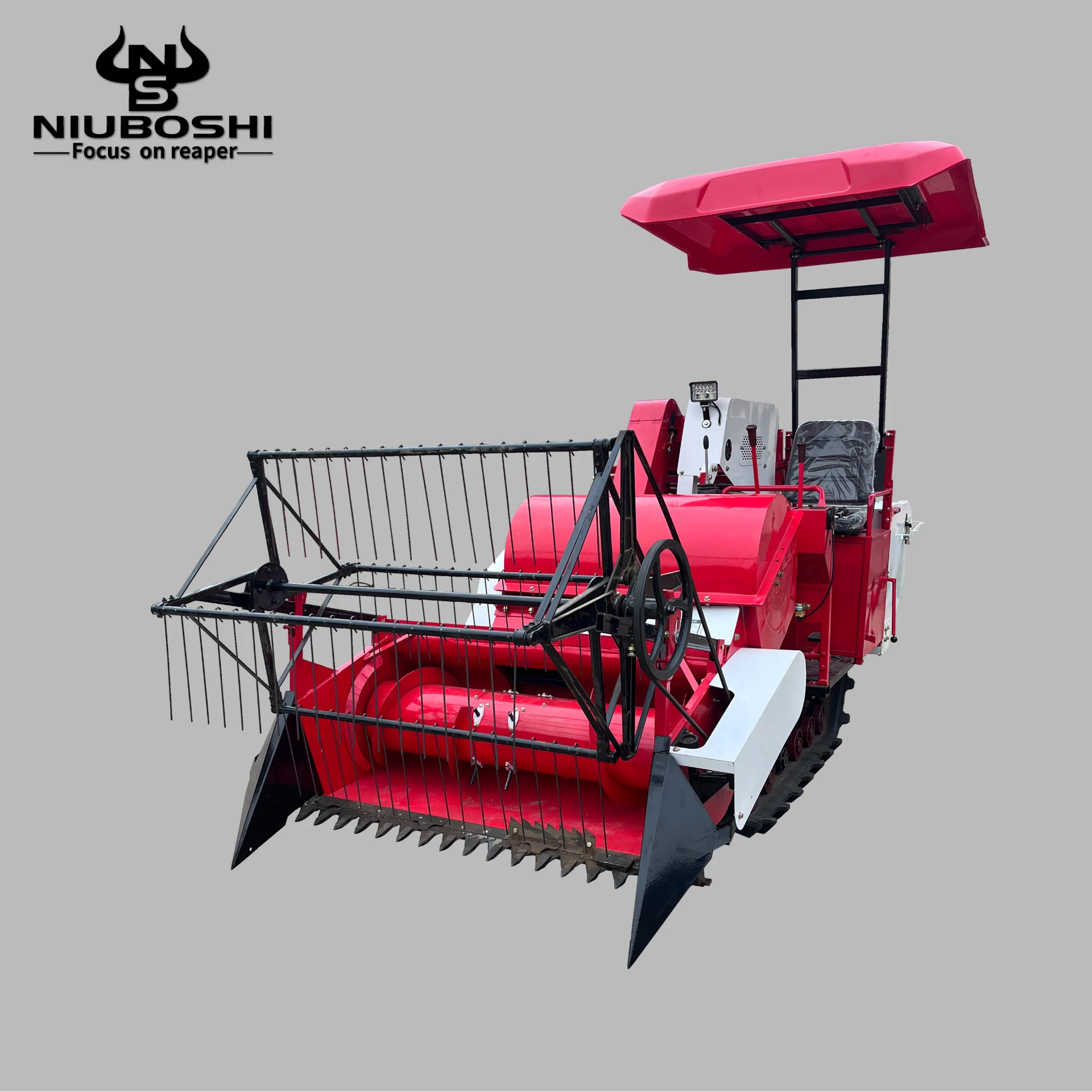
At its core, a mini tractor combine harvester is a smaller, often self-propelled machine that combines three critical harvesting tasks: reaping, threshing, and winnowing. Unlike massive combines used in large commercial farms, these mini variants weigh less, consume less fuel, and operate in tighter spaces.
Think of it as the compact SUV of agricultural machinery—versatile, rugged, and easier on the wallet. These machines help smallholder farmers mechanize without overcapitalizing on huge gear they might struggle to use or maintain.
Plus, their connection to broader humanitarian needs can’t be overstated: by increasing food output and reducing labor intensity, mini tractor combine harvesters directly contribute to global goals like zero hunger and sustainable agriculture (UN Sustainable Development Goals, SDG 2).
Mini takeaway:
This is not just a farming gadget. It’s a practical tool that connects farming tradition with modern needs, helping ensure food availability and rural livelihood.
4 Core Components of a Mini Tractor Combine Harvester
1. Compact Design
Size matters tremendously when fields are small or terraced. These harvesters must navigate narrow paths and uneven terrain without getting stuck or damaging crops. The compact chassis and reduced turning radius ensure accessibility where traditional machines fall short.
2. Efficient Threshing Mechanism
The heart of any combine harvester lies in the threshing drum or rotor, which separates grains from straw. Mini models often employ a simplified but effective threshing system optimized to handle local crop varieties like rice, wheat, or maize.
3. Power Source and Fuel Efficiency
These machines typically use small diesel engines ranging from 20 to 50 horsepower. The emphasis is on fuel economy since many small farmers budget fuel tightly, and in remote areas, fuel availability can be patchy.
4. Grain Collection and Storage
Storage bins are scaled to harvest enough in one pass without interrupting work for frequent unloading. Some models even include grain bags or trailer hookups for easy transport.
Mini takeaway:
Mini tractor combine harvesters strike a delicate balance: power, size, and feature set are all tuned carefully to meet real-world farming needs.
Real World Use Cases That Show Their Worth
Around the world, mini tractor combine harvesters are making tangible impacts. Let’s travel, at least conceptually:
- Asia’s Paddy Fields: In countries like Vietnam, Thailand, and India, small, flooded rice paddies have long been too patchy or wet for large combines. Mini tractor combines adapted for wet conditions increase efficiency by 30-40%.
- Africa’s Mixed Crop Farms: Smallholder farmers growing maize and sorghum benefit from the machine’s versatility. NGOs working in post-conflict zones encourage their adoption to boost food security and reduce hunger.
- Latin America’s Highlands: Terraced farms in Ecuador and Peru are a tough nut, but mini combines with ruggedized wheels and hydraulic steering make a difference.
For many farming communities, “going mechanical” is a leap into the future, often aided by microfinancing or government subsidies. The machines’ scale helps overcome barriers like fuel availability and ongoing maintenance.
Mini takeaway:
Mini tractor combine harvesters are transforming diverse farming environments worldwide, with adaptability and localized design key to their success.
Examining Specifications: What to Look for in a Mini Tractor Combine Harvester
| Specification | Typical Range | Why It Matters |
|---|---|---|
| Engine Power | 20-50 HP | Balances fuel use and performance for small plots |
| Weight | 600-1200 kg | Light enough for soft soils, heavy enough for stability |
| Cutting Width | 1.2–1.8 m | Maximizes output without losing maneuverability |
| Threshing Capacity | 0.4–0.8 tons/hour | Efficient grain processing for small to medium farms |
| Fuel Consumption | 2 - 4 l/h | Keeps operational costs manageable |
Comparing Popular Mini Tractor Combine Harvester Vendors
| Vendor | Price Range | Key Feature | Support & Warranty |
|---|---|---|---|
| AgriMiniTech | $7,000 - $9,000 | Customizable attachments & fuel economy | 2 years + on-site support |
| HarvestPro | $6,500 - $8,500 | Lightweight with ergonomic controls | 1.5 years, remote diagnostics |
| FarmSwift | $8,000 - $10,500 | High threshing capacity & durability | 3 years, comprehensive warranty |
Advantages & Long-Term Value for Farmers
Mini tractor combine harvesters don't just speed up harvesting; they redefine farming economics on small scales. By mechanizing labor-intensive work, they save hours and reduce drudgery. This means farmers get to spend less time in the hot sun and more time managing overall farm health or family.
From a sustainability standpoint, smaller machines use less fuel and inflict less soil compaction — both critical for long-term soil vitality. Socially, by empowering smallholders, these machines foster greater independence and dignity, which feels like a big deal in rural areas often overlooked by mechanization trends.
What’s on the Horizon? Trends & Innovations
Oddly enough, the mini tractor combine harvester segment is seeing a wave of green innovation. Some vendors now offer electric or hybrid variants to slash emissions and cut operating costs further. Digital integration — think GPS-enabled harvesting guidance and IoT-powered maintenance alerts — is not far behind.
Also, modular designs allow easier repair and customization, critical for farmers who can’t just send their machine off for weeks when it breaks down. Sustainability increasingly drives the conversation, with biodegradable hydraulic fluids and eco-conscious materials making appearances.
Challenges & Practical Solutions
It's fair to say that even these nifty machines have hurdles. Maintenance knowledge is often limited among smallholders, spare parts availability can be patchy in remote areas, and upfront costs — while smaller than full-sized combines — still represent a significant investment.
Many experts recommend pairing purchase programs with robust training and microfinancing plans. Local assembly or partnerships with trusted vendors often reduce downtime. Plus, manufacturers focusing on simplicity over complexity tend to see better adoption rates.
FAQ: Answers to Your Mini Tractor Combine Harvester Queries
- How does a mini tractor combine harvester compare to manual harvesting in cost and speed?
- Mechanized harvesting can be 3 to 5 times faster than manual methods and, over time, reduces labor costs significantly despite the initial investment. Mini combines are particularly efficient in small plots, cutting harvesting time and minimizing crop loss.
- Are mini tractor combine harvesters suitable for hilly or uneven terrain?
- Yes, their compact size and specialized tires or tracks make them effective in non-flat areas. Some models include hydraulic steering and suspension systems designed for terraces or uneven plots.
- What maintenance is required to keep these machines running?
- Regular cleaning, engine oil changes, and timely replacement of belts and threshing parts are essential. Many vendors offer user-friendly manuals or training sessions. Quick access to spare parts is crucial for minimizing downtime.
- Can mini tractor combine harvesters be used on multiple crop types?
- Most mini combines are adaptable, handling cereals like wheat and rice or maize. However, it’s best to verify compatibility with specific crop varieties due to threshing mechanism differences.
- Where can I learn more and purchase a reliable mini tractor combine harvester?
- Visit trusted suppliers and manufacturers online. For more details and the latest models designed for small farms, check out mini tractor combine harvester providers.
Wrapping It Up: Why This Matters for Today's Farmer
The mini tractor combine harvester isn’t just a piece of equipment — it’s a doorway to improved productivity, sustainability, and farmer wellbeing globally. For those managing smaller lands but eager to keep pace with progress, these machines offer a practical and powerful stepping stone.
If you’re curious to explore more or to find a model that fits your needs, don’t hesitate: visit mini tractor combine harvester specialists online. The future of farming is compact, efficient, and just a click away.
Final takeaway:
Embracing the mini combine harvester means embracing a future where small farms thrive, hands are freed from backbreaking labor, and the world inches closer to food sustainability—one harvest at a time.
References:
1. United Nations Food and Agriculture Organization (FAO): www.fao.org
2. World Bank Data on Agriculture: data.worldbank.org
3. UN Sustainable Development Goals — Goal 2 (Zero Hunger): sdgs.un.org
Latest news
-
Maximize Harvest Efficiency with the Agro Reaper Binder MachineNewsApr.16,2026
-
Boost Harvest Efficiency with the Best Agriculture Reaper MachineNewsApr.09,2026
-
Revolutionizing Agriculture with the Efficient Agriculture Power ReaperNewsApr.07,2026
-
Comprehensive Guide to the 4 Wheel Reaper Binder for Efficient HarvestingNewsApr.04,2026
-
Comprehensive Guide to Reaperbinder Technology for Efficient Hay and Crop HarvestingNewsMar.31,2026
-
Mastering the Art of Reaper Cutting for Enhanced Agricultural EfficiencyNewsMar.28,2026