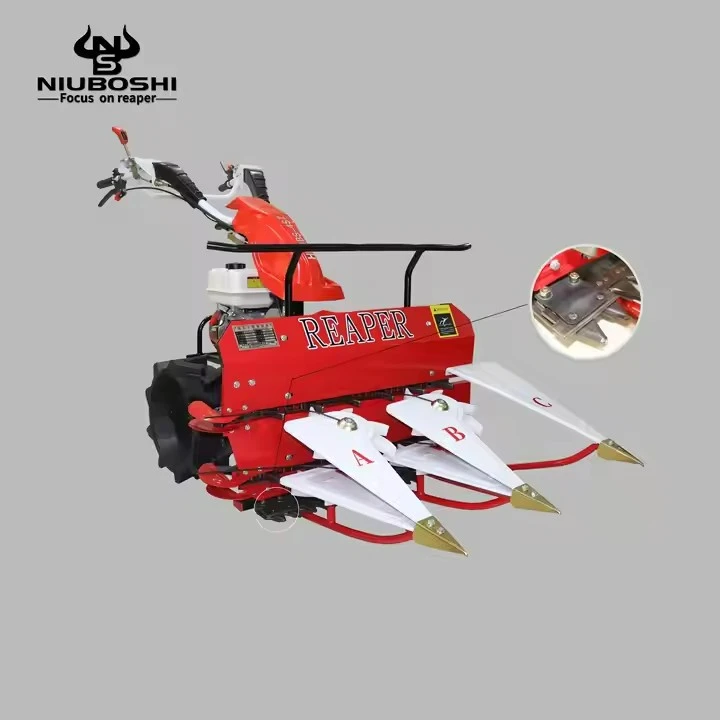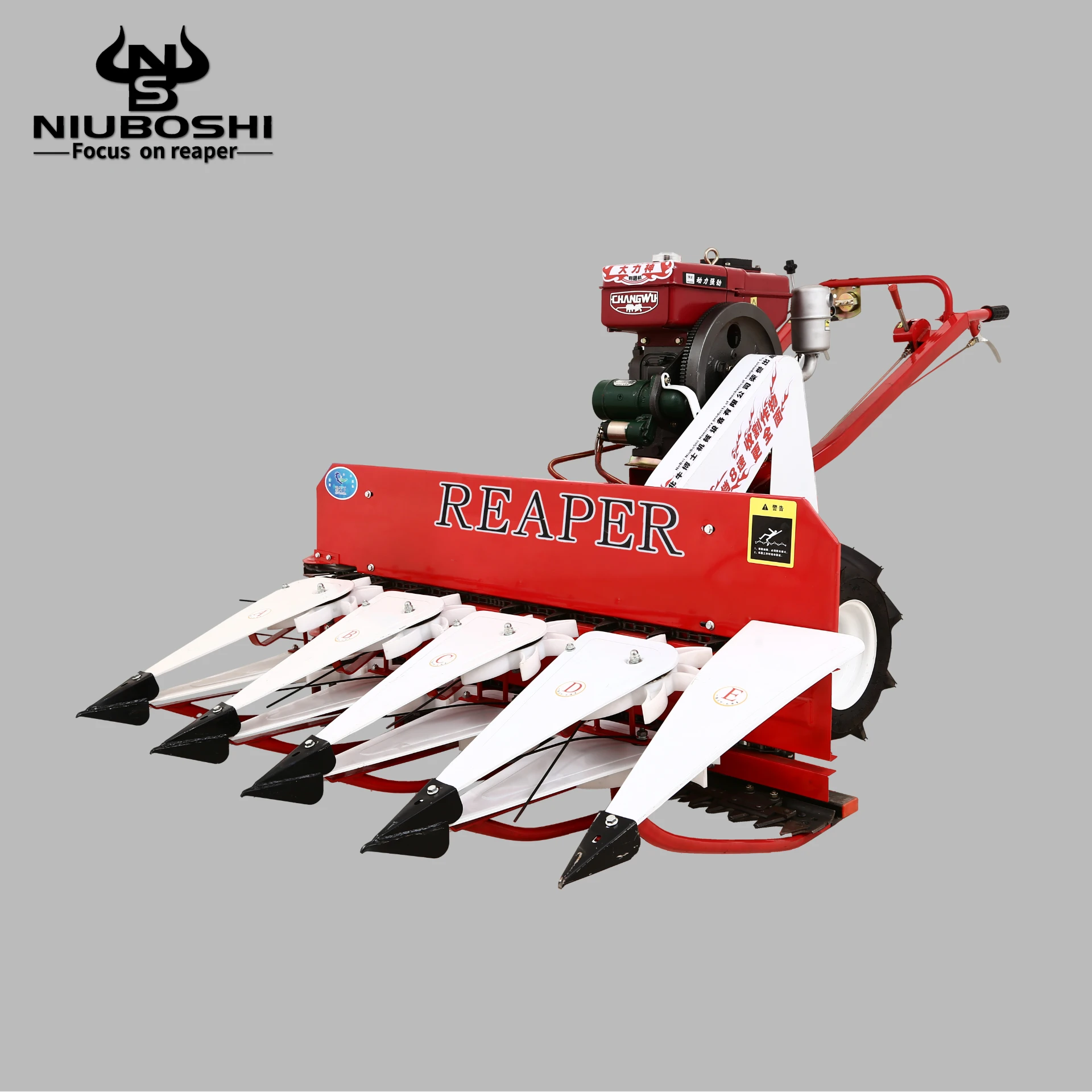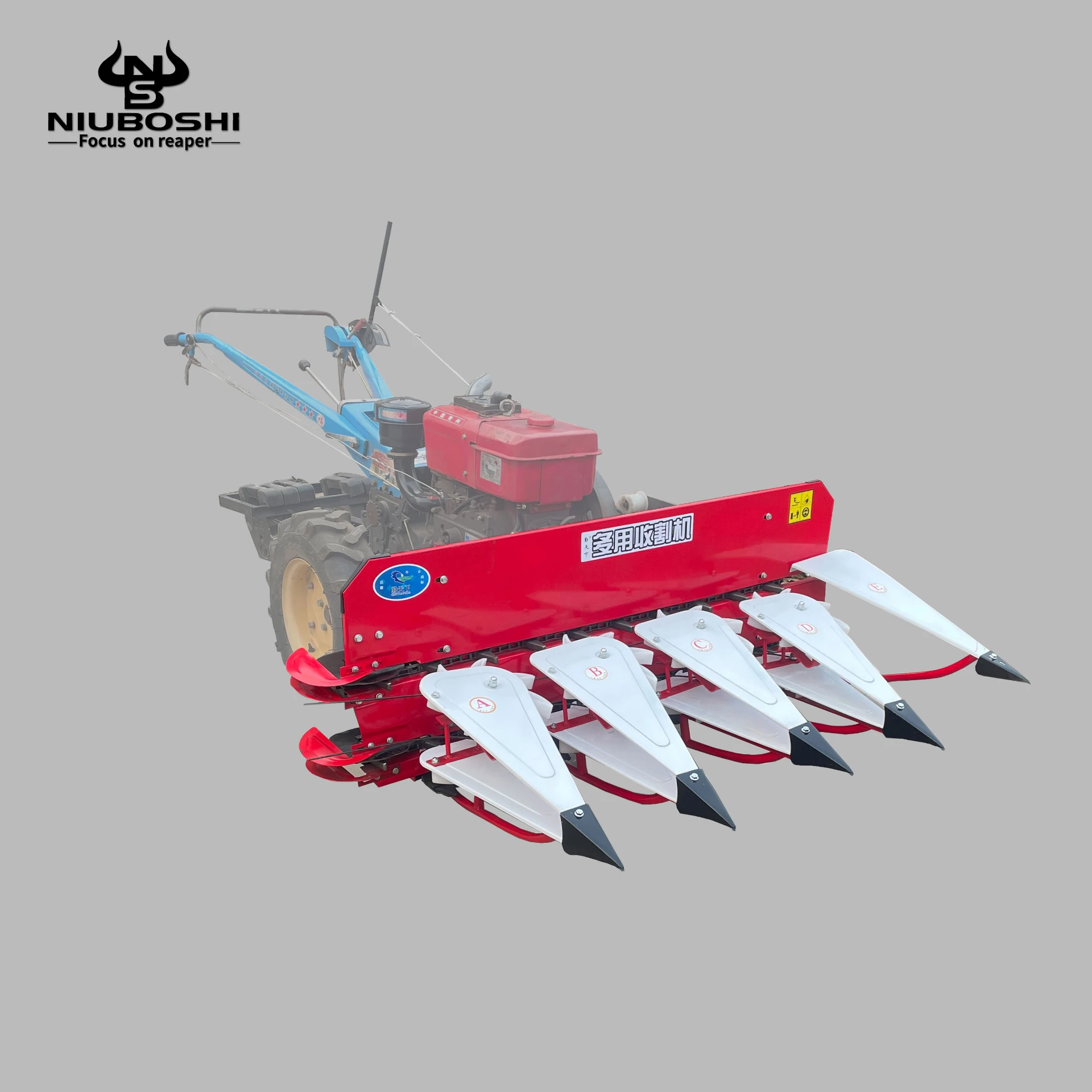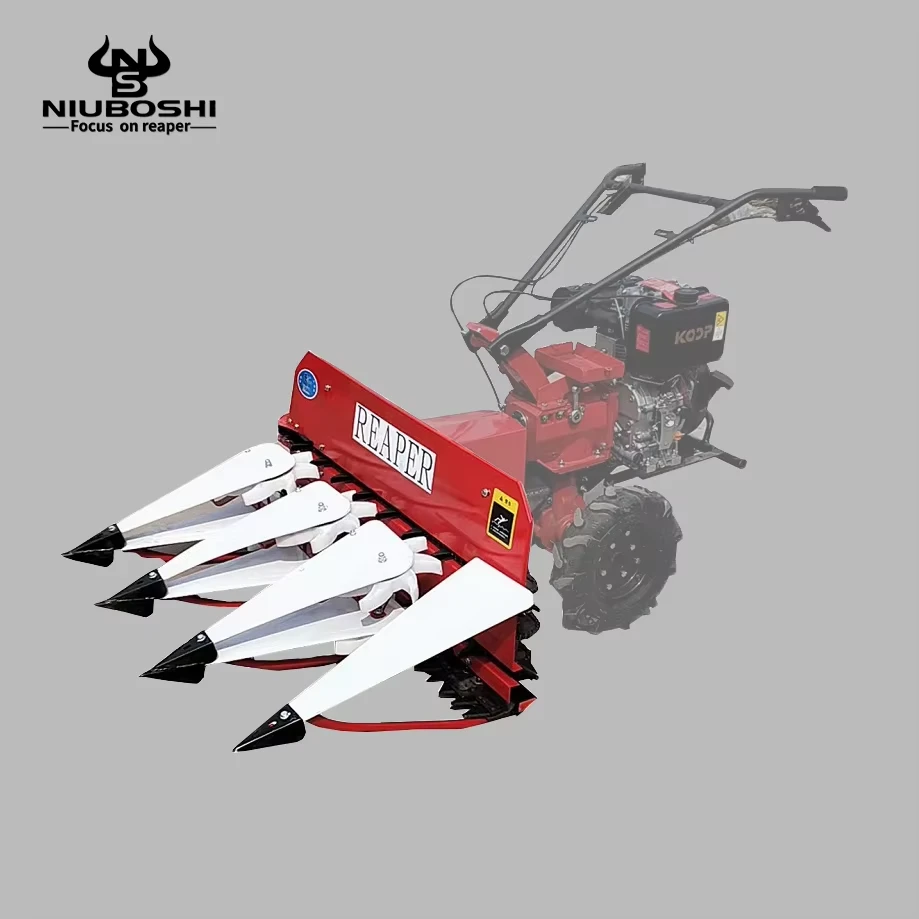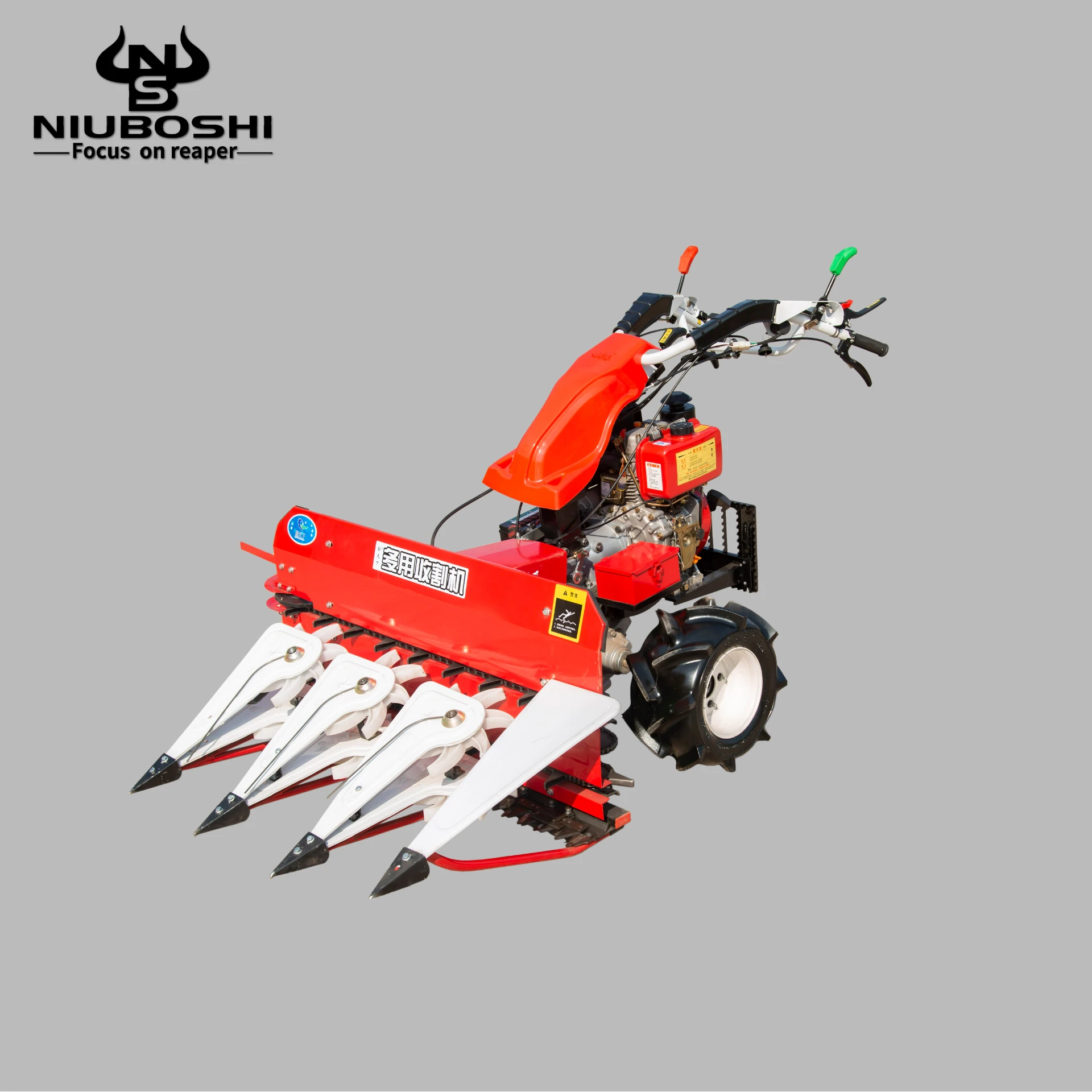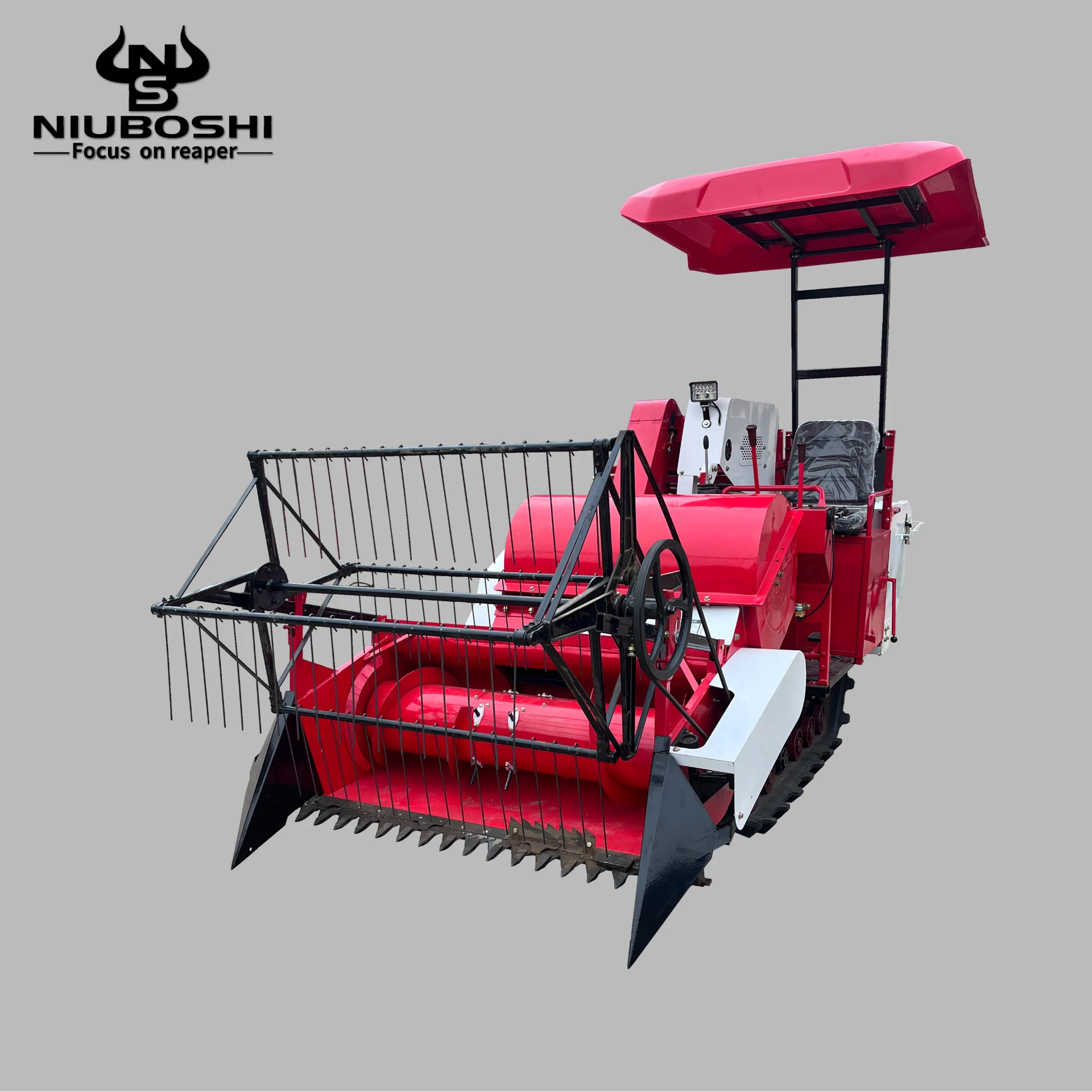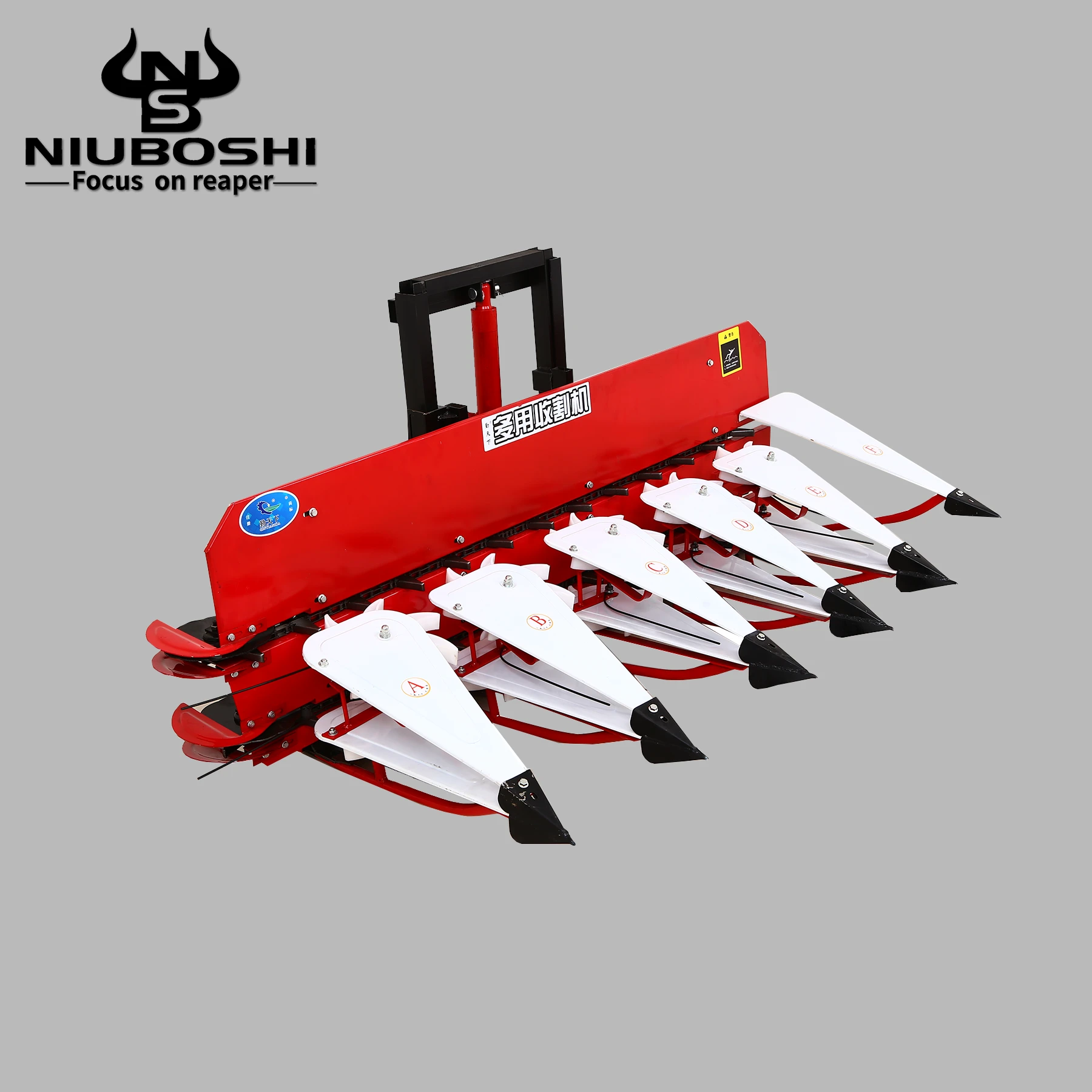
Small Paddy Harvester Machines – Efficient, Affordable Rice Harvesting Solutions
The Small-Scale Revolution: Understanding Paddy Harvester Machine Small
Harvesting rice, especially in small to medium-sized fields, has traditionally been a laborious, time-consuming task. But as populations swell and food demand rises — especially in Asia and parts of Africa — the paddy harvester machine small has emerged as a game-changer. Not only does it speed up harvesting, but it also cuts down manual labor and wastage, contributing to global food security efforts in a tangible, hands-on way. Frankly, it’s remarkable how something seemingly modest in size can have such outsized importance on the global agricultural stage.
Why Small Paddy Harvester Machines Matter Globally
The United Nations reports that rice feeds more than half the world’s population, making it a critical staple food item. Yet, harvesting rice efficiently remains a challenge, especially for smallholder farmers who operate on fragmented land plots. According to the Food and Agriculture Organization (FAO), nearly 80% of rice farmers worldwide own less than 2 hectares of land.
Here’s the rub: large, bulky harvesters aren’t suitable or economically viable for these small fields. Enter the paddy harvester machine small. These compact machines are tailored for tiny plots, making mechanization accessible to millions who would otherwise rely on backbreaking manual labor. This boost in efficiency is no small feat — it’s estimated that mechanized harvesting can double productivity and reduce post-harvest losses by up to 20% (source: World Bank Agricultural Reports).
But the challenge remains: how to design these machines to be affordable, efficient, and easy to maintain? That’s where innovation kicks in.
Mini takeaway: Small paddy harvesters are more than machines — they’re bridges connecting farmers to better yield, less drudgery, and food security.
What Is a Paddy Harvester Machine Small?
Put simply, a paddy harvester machine small is a compact, mechanized tool designed to cut, thresh, and separate rice grains from stalks on smaller landholdings. Unlike large, tractor-drawn harvesters that dominate big farms, these smaller units often weigh under a ton, can be operated by one person, and are optimized to maneuver easily in tight or uneven fields.
They speak to the modern agricultural era’s needs: mechanization without massive upfront infrastructure; ease of use without expert operators; and portability without sacrificing yield quality. Oddly enough, their influence goes beyond farming subsidies — they also support humanitarian goals by improving food availability in vulnerable rural regions.
Core Components and Key Factors of Small Paddy Harvesters
1. Durability
Given harsh agricultural conditions, these machines need to withstand humidity, mud, and constant vibration. Durable steel frames and rust-resistant coatings are standard to guarantee a longer service life.
2. Scalability & Portability
Small paddy harvesters are designed with modular parts and compact builds, so they’re easy to transport and repair locally. Some units can be attached to small tractors or pulled manually — versatility that farms love.
3. Cost Efficiency
Farmers managing tiny plots don’t have loads of cash to spend. These machines keep production costs low with fuel-efficient engines and easy-to-maintain mechanisms. Plus, affordable spare parts make upkeep manageable.
4. User-Friendliness
Simple controls mean operators with minimal training can run these machines safely. This is a huge plus in areas lacking technical expertise.
5. Grain Quality & Waste Reduction
Modern small harvesters are precision-tuned to minimize grain breakage during threshing and reduce loss caused by traditional manual methods.
| Specification | Details |
|---|---|
| Weight | 500 - 900 kg |
| Engine Type | Diesel/Petrol 6-12 HP |
| Cutting Width | 0.8 - 1.2 meters |
| Fuel Efficiency | 2 - 4 liters per hour |
| Operating Speed | 3 - 5 km/h |
| Threshing Capacity | 500-800 kg/hour |
Mini takeaway: These specs highlight the balance of efficiency, ease, and power that defines small paddy harvesters.
How Small Paddy Harvesters Are Used Worldwide
Small paddy harvesters shine in South and Southeast Asia — think Bangladesh, Vietnam, Thailand, and certain Indian states — where the patchwork of small farms demands agile equipment. But their usefulness doesn’t stop there:
- Post-disaster relief: After floods or typhoons, local cooperatives use compact harvesters to expedite recovery of damaged crops.
- Remote rural communities: In parts of Sub-Saharan Africa, these machines are becoming essential learning tools to introduce mechanized farming gradually.
- Organic and specialty rice farms: Here, maneuverability allows careful harvesting without compromising delicate plant structures.
And yes, many farmers still rely on manual harvesting — but these machines are steadily changing the narrative, shifting how rice is farmed and harvested around the globe. If you’re curious about the technical specs or real-life examples, check out this resource on paddy harvester machine small.
Advantages That Last: Why Choose a Small Paddy Harvester Machine?
Here’s the real kicker: these machines don’t just speed things up; they also improve lives and strengthen communities. Some benefits to keep in mind:
- Cost Savings: Lower labor costs and fewer post-harvest losses add up over time.
- Sustainability: Smaller engines and precision harvesting reduce fuel use and wastage.
- Social Impact: Less physical labor translates to better health outcomes for farm families.
- Reliability: Durable design means less downtime, vital when every day counts.
Emotionally speaking, there’s something quietly empowering about giving farmers tools that respect their scale but not their ambition — tools that invite dignity, innovation, and trust.
Future Trends in Small Paddy Harvester Machines
Looking ahead, innovation is steering small paddy harvesters toward greener, smarter horizons. Think electric or hybrid engines, solar-assisted propulsion, and IoT sensors tracking harvest efficiency in real-time. Automation is sampled cautiously—after all, these machines serve farmers who want simplicity, not complexity.
Material science is also key: lightweight alloys and wear-resistant polymers reduce weight and increase durability. And policy shifts encourage subsidies for sustainable machinery to promote adoption among smallholders.
Common Challenges and How to Overcome Them
No tech is perfect. Current small paddy harvesters face:
- Maintenance hurdles: Spare parts can be scarce in remote areas.
- Operator training: Users sometimes struggle with efficient operation or repairs.
- Initial Cost: Even affordable models can be pricey for tiny farmers.
Solutions? NGOs and local governments often collaborate to set up repair workshops and training sessions. Some manufacturers are exploring financing schemes and pay-as-you-harvest models, which spread the cost and risk.
Vendor Comparison: Popular Small Paddy Harvester Brands
| Brand | Price Range (USD) | Engine Type | Warranty | Special Feature |
|---|---|---|---|---|
| EcoHarvest Mini | $1,200–$1,800 | Diesel, 8 HP | 1 year | Fuel-efficient engine |
| AgriSwift Compact | $1,500–$2,000 | Petrol, 10 HP | 2 years | Easy maintenance design |
| FieldMate Lite | $1,000–$1,400 | Diesel, 6.5 HP | 1 year | Lightweight, portable body |
Frequently Asked Questions About Paddy Harvester Machine Small
Q1: Is a small paddy harvester machine suitable for terraced or uneven fields?
A1: Yes, many small paddy harvesters are specifically designed to handle terraced or uneven lands thanks to their compact build and flexible cutting mechanisms. However, it’s important to select a model with good ground clearance and adequate maneuverability. Some models also offer adjustable cutting widths for tighter spots.
Q2: How much training is required to operate these machines safely?
A2: Generally, operators can learn basic controls and safety in a day or two of hands-on training. Manufacturers and NGOs sometimes provide simple manuals and on-field demonstrations. Ongoing maintenance training might require a bit more time but is crucial for machine longevity.
Q3: Can small paddy harvesters reduce rice grain loss compared to manual harvesting?
A3: Indeed. Mechanized harvesting reduces grain wastage through consistent cutting height and efficient threshing, which manual methods often lack. Field studies show a reduction in losses of up to 20% when shifting from manual to machine harvesting.
Q4: Are there financing options available for small-scale farmers to purchase these machines?
A4: Yes. Various governments, NGOs, and microfinance institutions offer credit schemes or subsidies to help small-scale farmers access mechanized tools. Some vendors also provide installment plans or rent-to-own models to ease upfront costs.
Wrapping Up – Small Machines, Big Impact
To put it mildly, the paddy harvester machine small category is quietly transforming global rice farming — often without much fanfare. These compact machines combine thoughtful engineering with accessible cost and usability to empower smallholders and secure food supplies. For anyone curious about the nitty-gritty, the innovations continue to roll out rapidly — advancing sustainability, affordability, and mechanization all at once.
If you want to explore reliable options or technical details, don’t hesitate to visit our site at paddy harvester machine small to learn more. It’s the small things that sometimes change everything.
References:
Latest news
-
Maximize Harvest Efficiency with the Agro Reaper Binder MachineNewsApr.16,2026
-
Boost Harvest Efficiency with the Best Agriculture Reaper MachineNewsApr.09,2026
-
Revolutionizing Agriculture with the Efficient Agriculture Power ReaperNewsApr.07,2026
-
Comprehensive Guide to the 4 Wheel Reaper Binder for Efficient HarvestingNewsApr.04,2026
-
Comprehensive Guide to Reaperbinder Technology for Efficient Hay and Crop HarvestingNewsMar.31,2026
-
Mastering the Art of Reaper Cutting for Enhanced Agricultural EfficiencyNewsMar.28,2026