Small Grain Harvester - Efficient, Sustainable Grain Harvesting Solutions
The Small Grain Harvester: Unlocking Potential in Global Agriculture
If you’ve ever wondered what keeps the world’s breadbasket fields humming every harvest, the small grain harvester is a pretty good place to start. In a world where feeding a growing population becomes increasingly urgent, understanding this machine’s role — and how it’s evolving — matters. These harvesters, designed primarily for grains like wheat, barley, oats, and rye, help transform golden fields into the staple foods we often take for granted. Plus, they bring efficiency, sustainability, and resilience to environments where small-scale farming is the backbone of rural economies.
To say small grain harvesters are just “farm machinery” would be doing them a disservice. They’re central to agricultural productivity and food security worldwide.
Setting the Stage: Why Small Grain Harvesters Matter Globally
Every year, close to 765 million tons of small grains are harvested globally, with wheat alone accounting for over 730 million tons (FAO, 2023). That’s a massive load of food to bring in — and harvesters have to be up to the task. Especially in regions where smallholder farms dominate, mechanization is not just about speed, it’s a matter of survival.
However, there’s a challenge: many farmers still rely on manual or outdated tools, limiting productivity and increasing post-harvest loss. The small grain harvester helps overcome these bottlenecks by speeding up harvest times and reducing grain waste — a win-win when food security is at stake.
What Exactly Is a Small Grain Harvester?
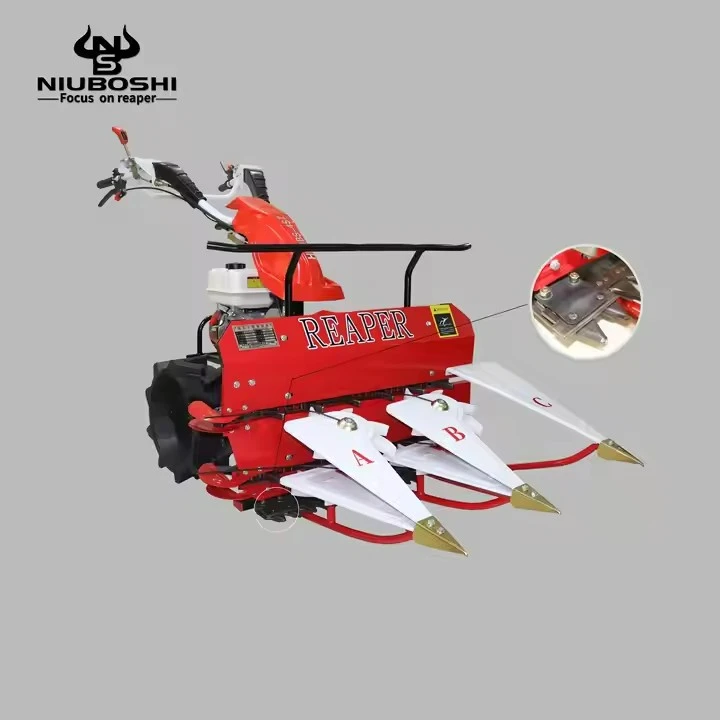
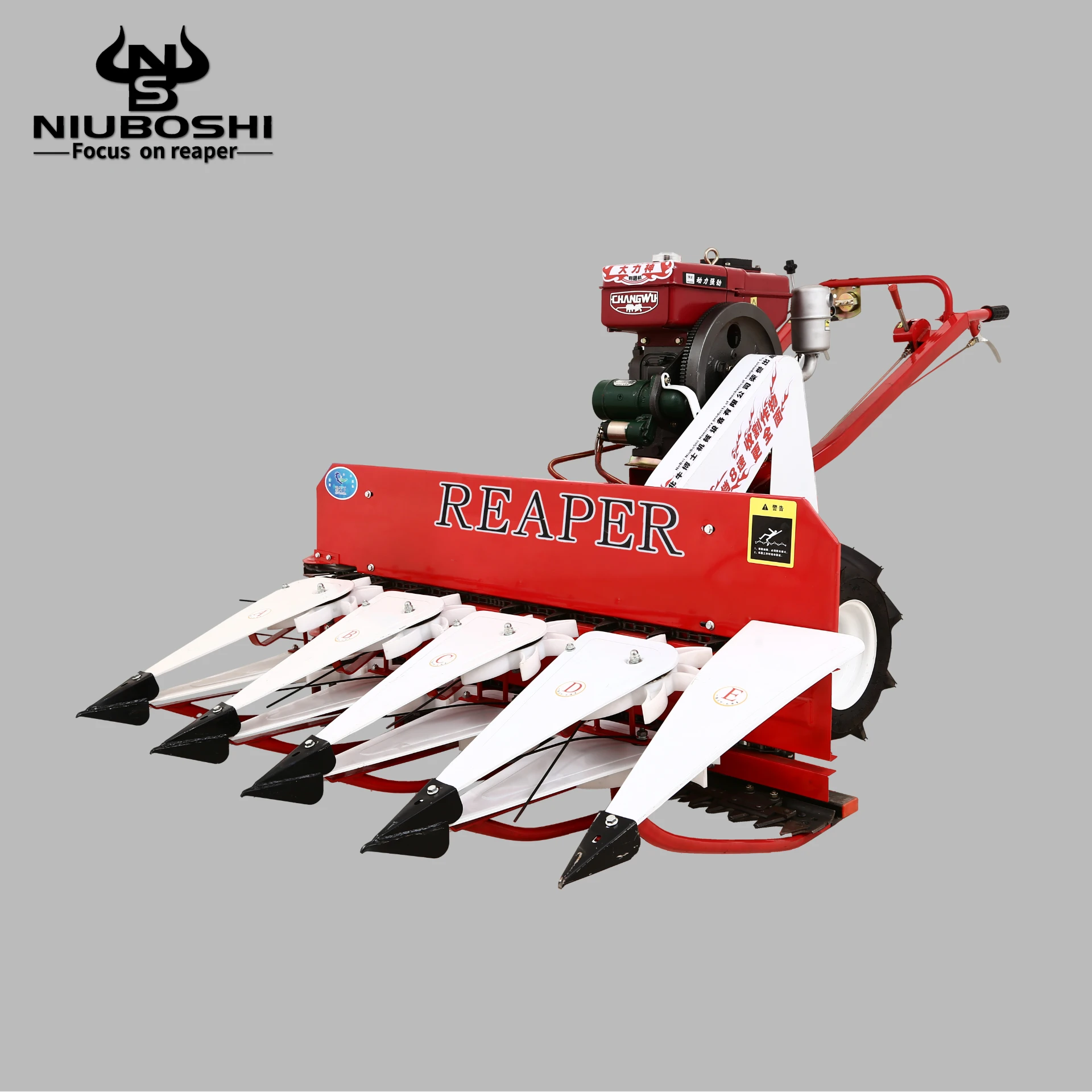
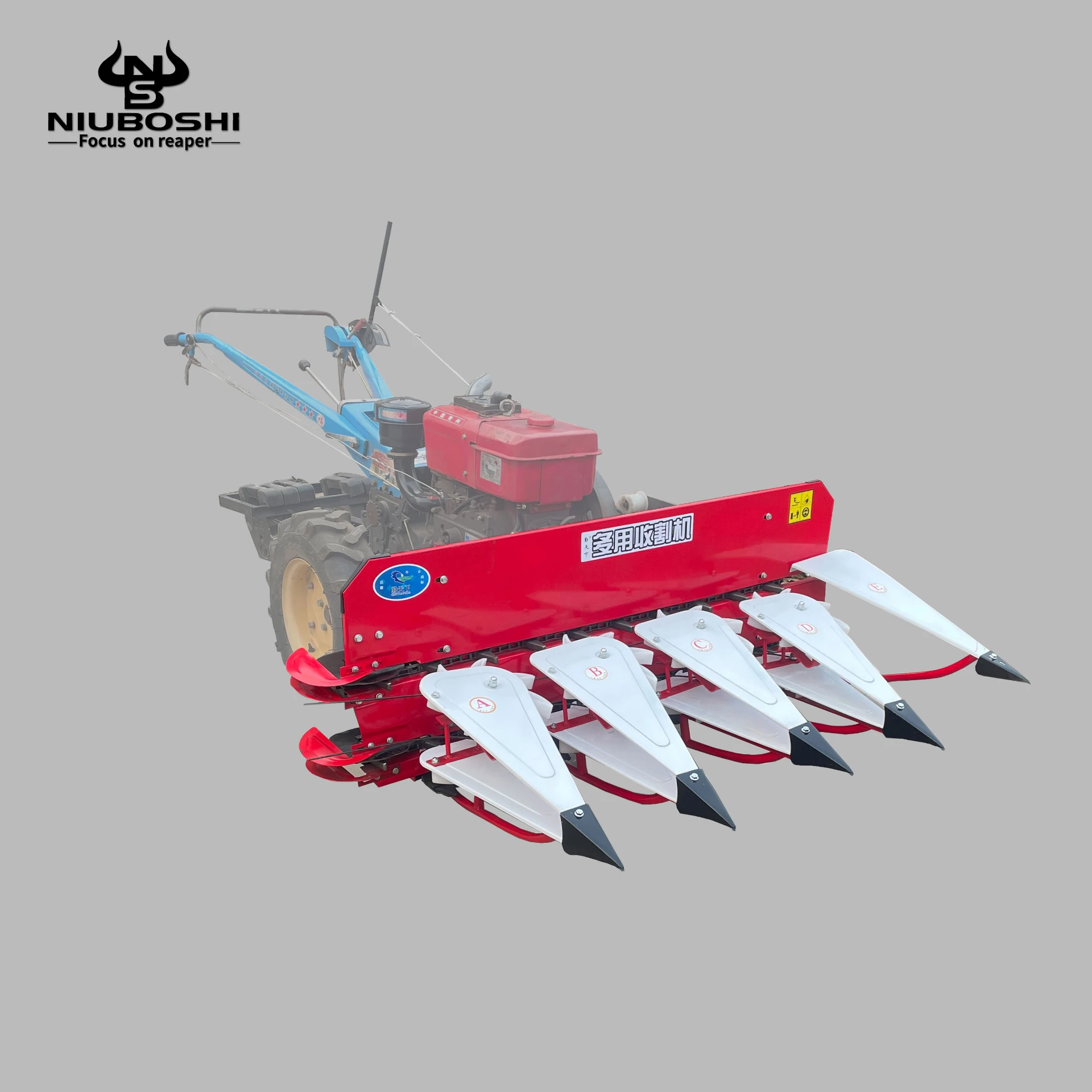
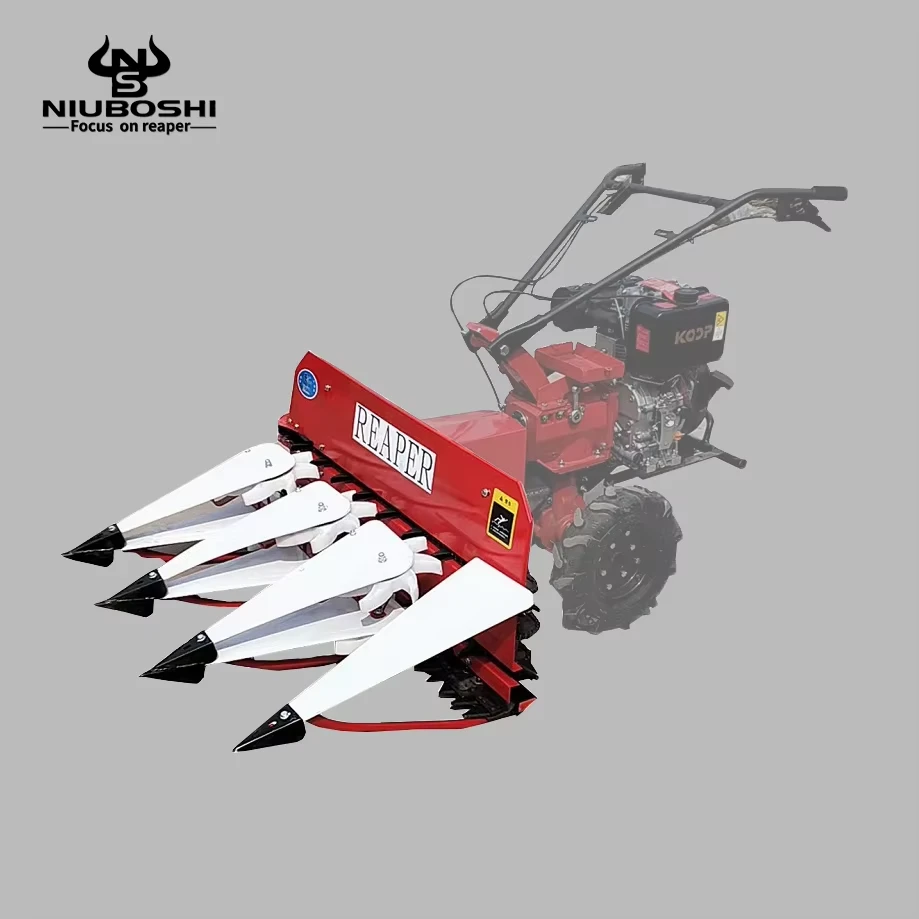
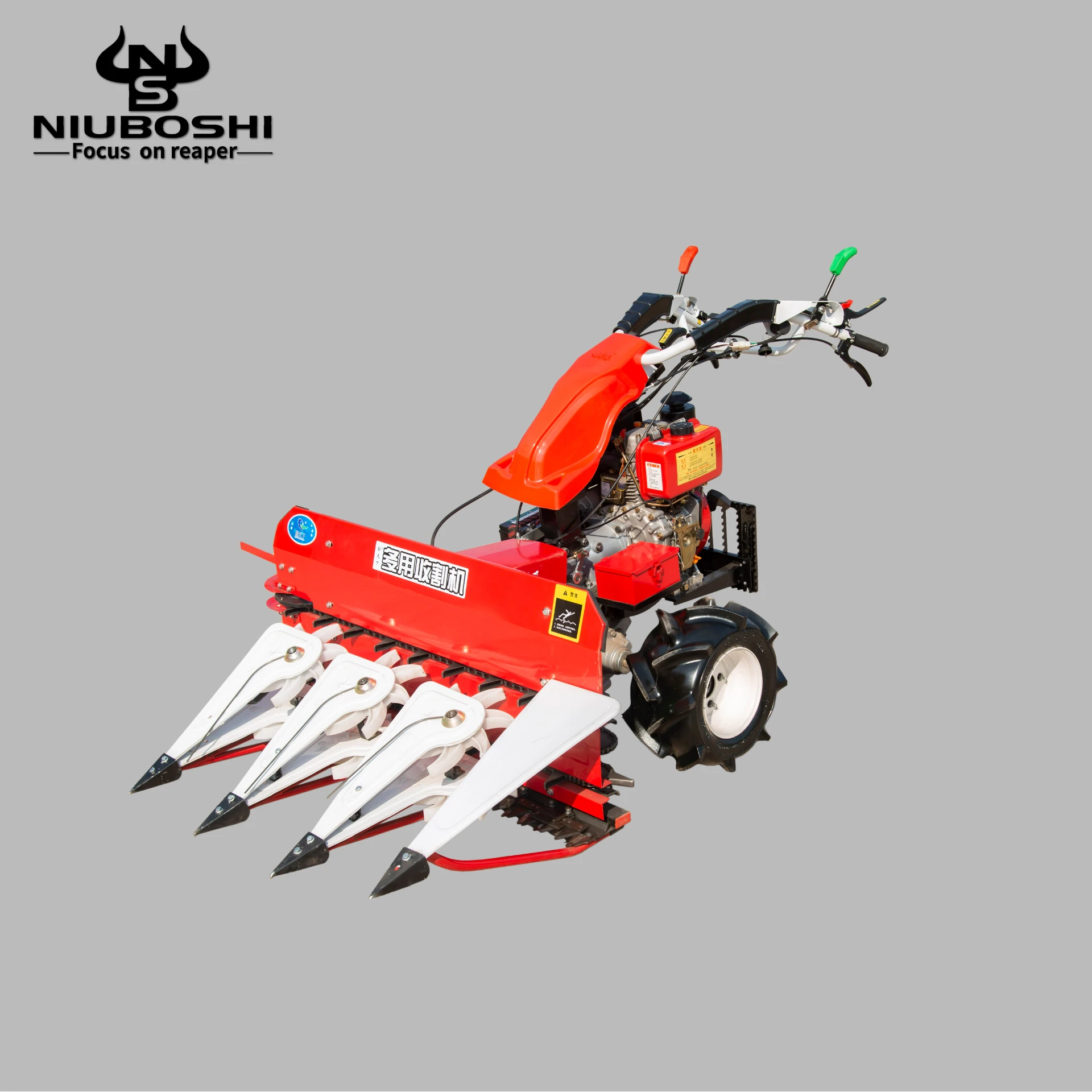
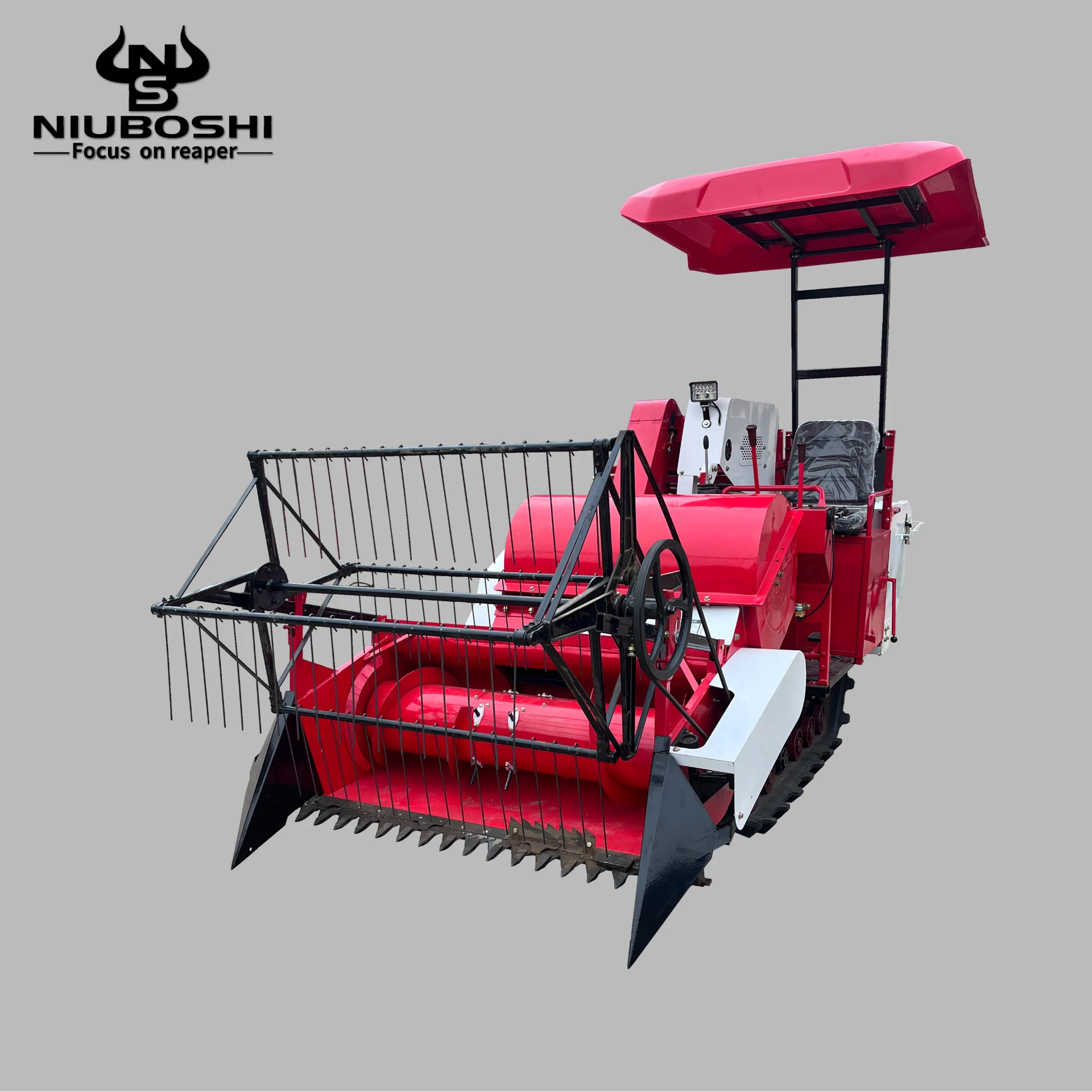
Put simply, a small grain harvester is a machine designed to cut, thresh, and separate grains like wheat and barley from the stalks, all in one streamlined operation. Unlike large, heavy-duty combines used for extensive commercial farming, small grain harvesters are often designed for flexibility, ease of use, and adaptability on smaller plots or in less mechanized regions.
These machines bridge the gap between manual labor and large-scale industrial farming. They’re vital tools for modern agriculture, humanitarian efforts, and rural development, ensuring that even small or remote farms can harvest effectively and efficiently.
Takeaway:
The small grain harvester is an agricultural linchpin that packs powerful productivity into manageable, accessible machinery.
Core Components That Make Small Grain Harvesters Tick
1. Durability
The best small grain harvesters are built tough to cope with variable terrain, weather, and grain types. Rust resistance and sturdy frames matter because, frankly, farmers depend on these machines season after season with minimal downtime.
2. Scalability and Size
Compact enough to navigate narrow fields yet scalable to various capacities, these machines strike a balance that suits diverse farm sizes — from small family plots to mid-sized commercial farms.
3. Cost Efficiency
Many operators look for harvesters that deliver high performance without breaking the bank. Innovative design and local manufacturing often reduce costs, making machinery accessible to emerging economies.
4. Ease of Operation
Simple controls and straightforward maintenance keep the machines user-friendly, even where technical skills are limited. I’ve met farmers who swear by models that anyone can fix with just a set of basic tools.
5. Grain Quality Preservation
What’s the point of speed if the grains are shredded or tainted? Modern small grain harvesters use optimized threshing systems that minimize grain breakage and contamination, preserving quality from field to storage.
Mini Summary
Durability and user-friendliness, combined with cost and quality considerations, define what makes a small grain harvester shine in real-world conditions.
Real-World Impact: Where Small Grain Harvesters Make a Difference
The reach of these machines is wide — from the golden wheat fields of Eastern Europe, where mechanization has revolutionized rural livelihoods, to the terraced farms of Asia, and even remote African areas where NGOs deploy them to boost food security.
- Post-Disaster Relief: After floods or droughts, quick harvest can mean the difference between food shortages and survival. Portable small grain harvesters have been used effectively by relief agencies to expedite harvesting in vulnerable zones.
- Smallholder Farms: Especially in developing countries, where fields average less than 2 hectares, compact harvesters increase yield without the cost or complexity of large equipment.
- Research & Innovation Centers: Agricultural research stations often employ these harvesters to trial new grain varieties under varied conditions.
Oddly enough, some of the most rugged, no-frills models still find favor because they can be maintained with minimal infrastructure. It’s a bit like choosing a trusty old pickup over a hi-tech sports car when the roads are rough.
Advantages and the Long-Term Value of Small Grain Harvesters
Beyond straightforward farming benefits, these harvesters deliver subtler rewards as well:
- Economic Efficiency: Reduced labor costs and faster harvest times translate into higher net returns.
- Environmental Sustainability: Modern designs focus on fuel efficiency and lower emissions — which is crucial given ISO standards on emissions in many countries.
- Social Impact: By easing the harvest workload, especially for women and older farmers who often do much of the manual work, these machines help maintain dignity and safety.
- Reliability & Innovation: Trusted technology supported by ongoing R&D ensures that small grain harvesters keep pace with climate and market changes.
It almost feels like these machines aren’t just equipment — they’re enablers of sustainable rural futures.
Small Grain Harvester Specification Table
| Specification | Typical Range/Value | Notes |
|---|---|---|
| Engine Power | 15 – 40 HP | Varies by model and scale |
| Cutting Width | 1.2 – 2.0 meters | Affects harvesting speed |
| Threshing Rate | 90 – 98% | Grain separation efficiency |
| Fuel Type | Diesel / Petrol / Electric (in emerging models) | New trends lean toward green options |
| Weight | 500 – 900 kg | Balance of stability and portability |
Comparing Popular Small Grain Harvester Vendors
| Brand | Price Range (USD) | Key Features | Best For |
|---|---|---|---|
| Niuboshi | $5,000 - $8,000 | Robust design, fuel-efficient engine, easy maintenance | Small to medium farms, developers needing reliability |
| Kubota | $7,500 - $12,000 | Advanced automation, wider cutting heads, GPS options | Commercial farms, precision agriculture |
| John Deere | $9,000 - $15,000 | Strong customer support, rugged build, advanced threshing | Large farms, long-term investment |
Innovations and the Future of Small Grain Harvesting
We’re starting to see the fusion of traditional machines with digital tech. GPS-guided harvesters optimize paths, minimizing wasted overlap on fields. Electric and hybrid engines are becoming feasible, trimming down greenhouse gas emissions and running costs. Add-ons like IoT sensors monitor machine health remotely and predict maintenance needs.
Oddly enough, these “smart” harvesters still retain simple interface modes because not every farmer has reliable internet, especially in off-grid areas. That balance between tech and accessibility is the real innovation challenge.
Challenges in the Field — And How They’re Being Tackled
Despite advances, small grain harvesters face hurdles:
- High upfront costs: For many farmers, especially in developing countries, initial purchase price can be prohibitive.
- Maintenance complexity: Lack of local expertise sometimes causes downtime.
- Adaptability issues: Some models don’t perform equally well across all grain types or harsh environments.
Emerging solutions include micro-financing, training programs by vendors, modular designs that simplify repairs, and open-source parts networks. It's a slowly changing landscape but an encouraging one.
FAQ: Your Questions on Small Grain Harvesters Answered
Q1: How do small grain harvesters compare with manual harvesting in terms of efficiency?
A: Small grain harvesters can increase harvesting speed by up to 5–10 times compared to manual methods while dramatically reducing labor fatigue and grain loss, making them highly efficient for small and medium-scale farms.
Q2: Can these harvesters be used on varied terrains?
A: Many models are designed for moderate slopes and uneven fields, but extremely hilly or rocky terrains may require specialized or modified machines to avoid damage and optimize performance.
Q3: Are electric small grain harvesters available and practical?
A: Yes, emerging electric models are entering the market, offering cleaner operation and lower fuel expense. However, their practicality depends on battery range and charging infrastructure, which is improving steadily.
Q4: What kind of maintenance do these machines require?
A: Routine checks include cleaning threshing components, lubricating moving parts, inspecting belts and blades, and ensuring engine health — tasks often manageable with basic mechanical skills.
Q5: How can small farmers finance a small grain harvester purchase?
A: Options include local micro-finance programs, cooperative buying, vendor financing plans, and increasingly, government subsidies designed to promote mechanization.
Wrapping It Up: Why Investing in Small Grain Harvesters Is a Smart Move
If you’ve followed this far, you’ve probably noticed how small grain harvesters represent more than just machines. They’re catalysts for efficiency, sustainability, and rural empowerment. Their ability to bridge the gap between large-scale mechanization and manual farming makes them indispensable for many communities.
Looking toward future trends — smarter, greener, and more accessible harvesters — the agricultural landscape feels poised for meaningful change. Farmers and industry stakeholders should keep an eye on these developments to capitalize on evolving opportunities.
If you want to learn more, including detailed product offerings and support, be sure to visit our website at https://www.hbniuboshi.com.
Mini Reflection
Over the years, I’ve noticed how a durable, simple small grain harvester can drastically boost not only yields but also farmer morale. In many ways, these machines symbolize progress— quiet, steady, and deeply practical.
References:
1. Food and Agriculture Organization of the United Nations (FAO), Grain Statistics 2023.
2. ISO Standards on agricultural machinery emissions.
3. United Nations Food Security Reports.
Latest news
-
Maximize Harvest Efficiency with the Agro Reaper Binder MachineNewsApr.16,2026
-
Boost Harvest Efficiency with the Best Agriculture Reaper MachineNewsApr.09,2026
-
Revolutionizing Agriculture with the Efficient Agriculture Power ReaperNewsApr.07,2026
-
Comprehensive Guide to the 4 Wheel Reaper Binder for Efficient HarvestingNewsApr.04,2026
-
Comprehensive Guide to Reaperbinder Technology for Efficient Hay and Crop HarvestingNewsMar.31,2026
-
Mastering the Art of Reaper Cutting for Enhanced Agricultural EfficiencyNewsMar.28,2026