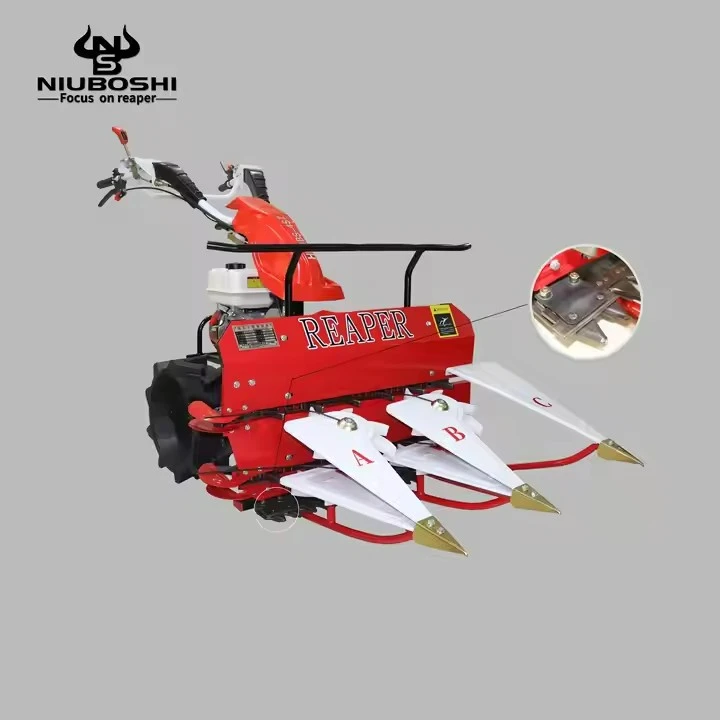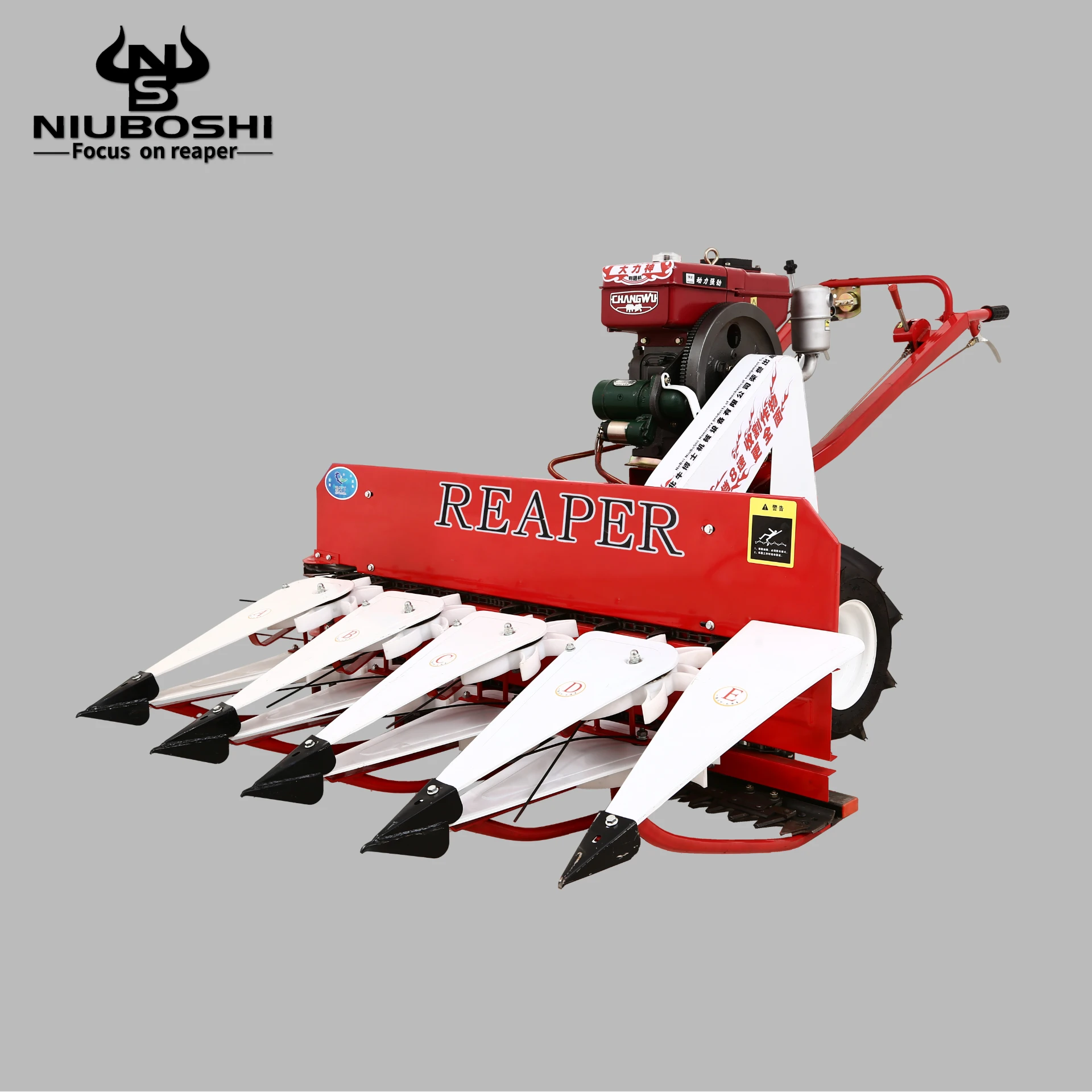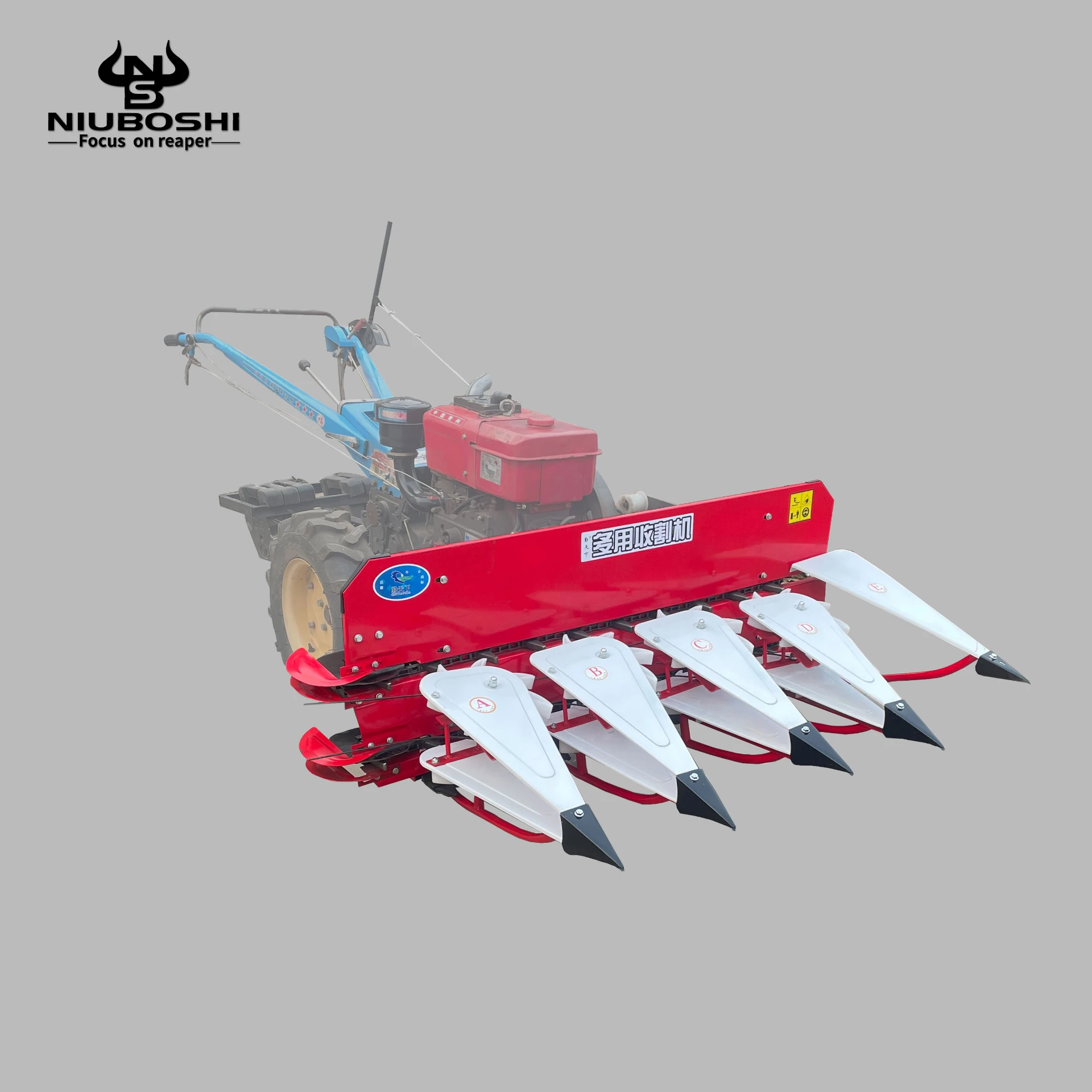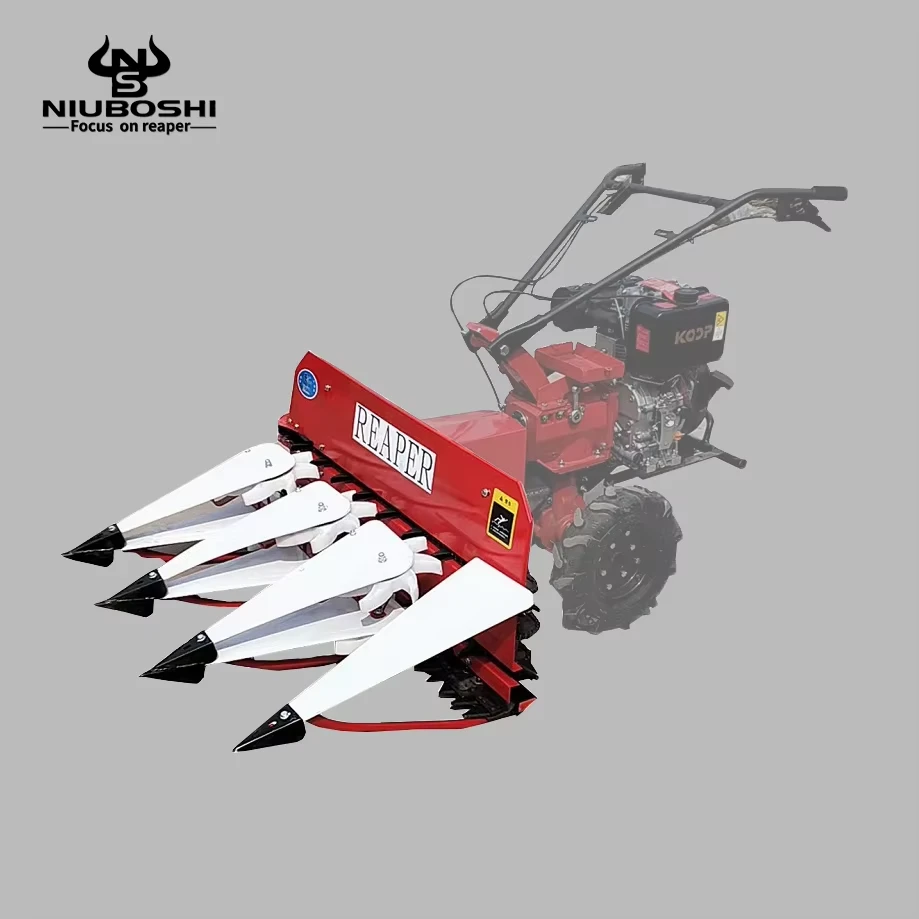
Small Tractor Harvester: Efficient Farming Solutions for Small Scale Agriculture
Understanding the Small Tractor Harvester: Why It Matters Globally
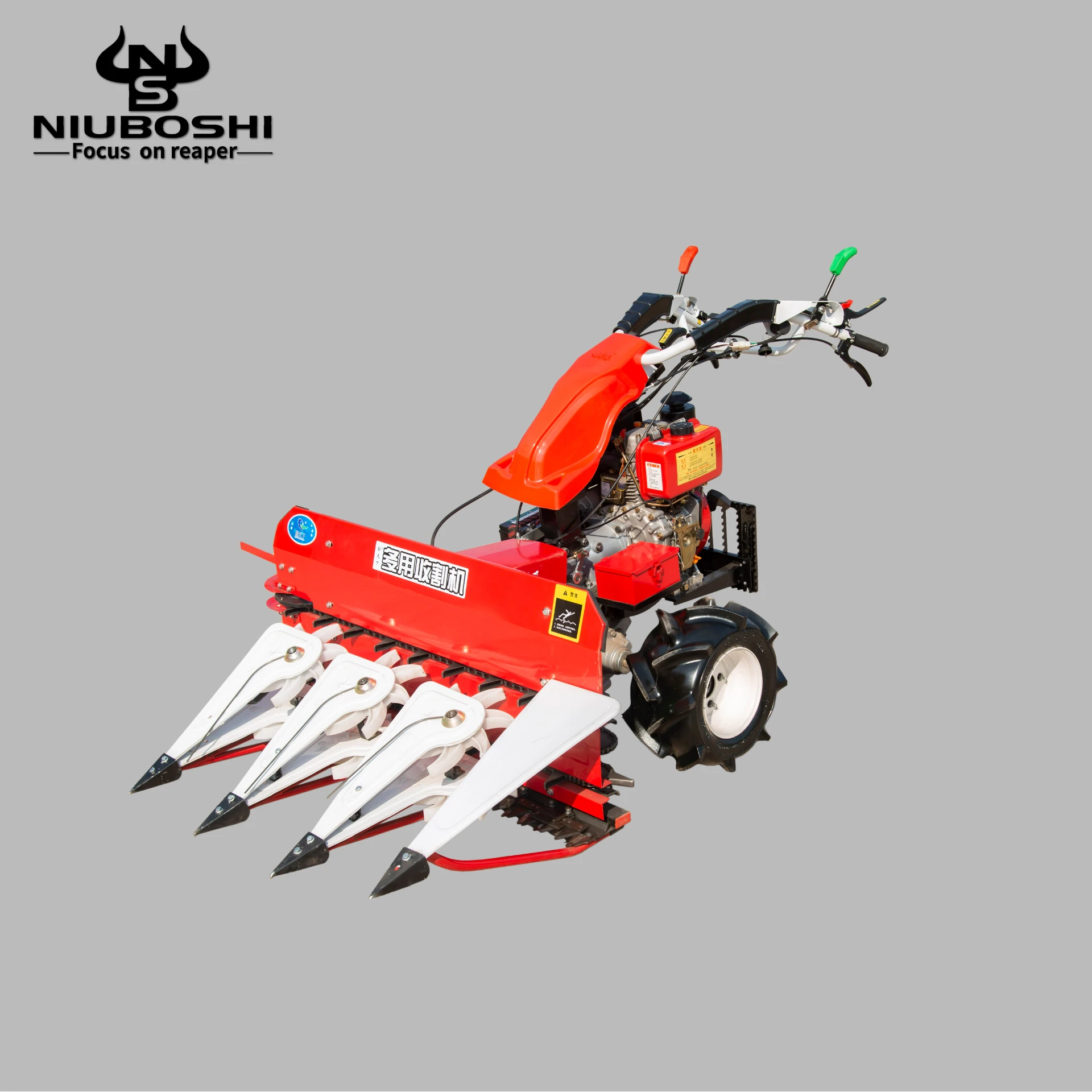
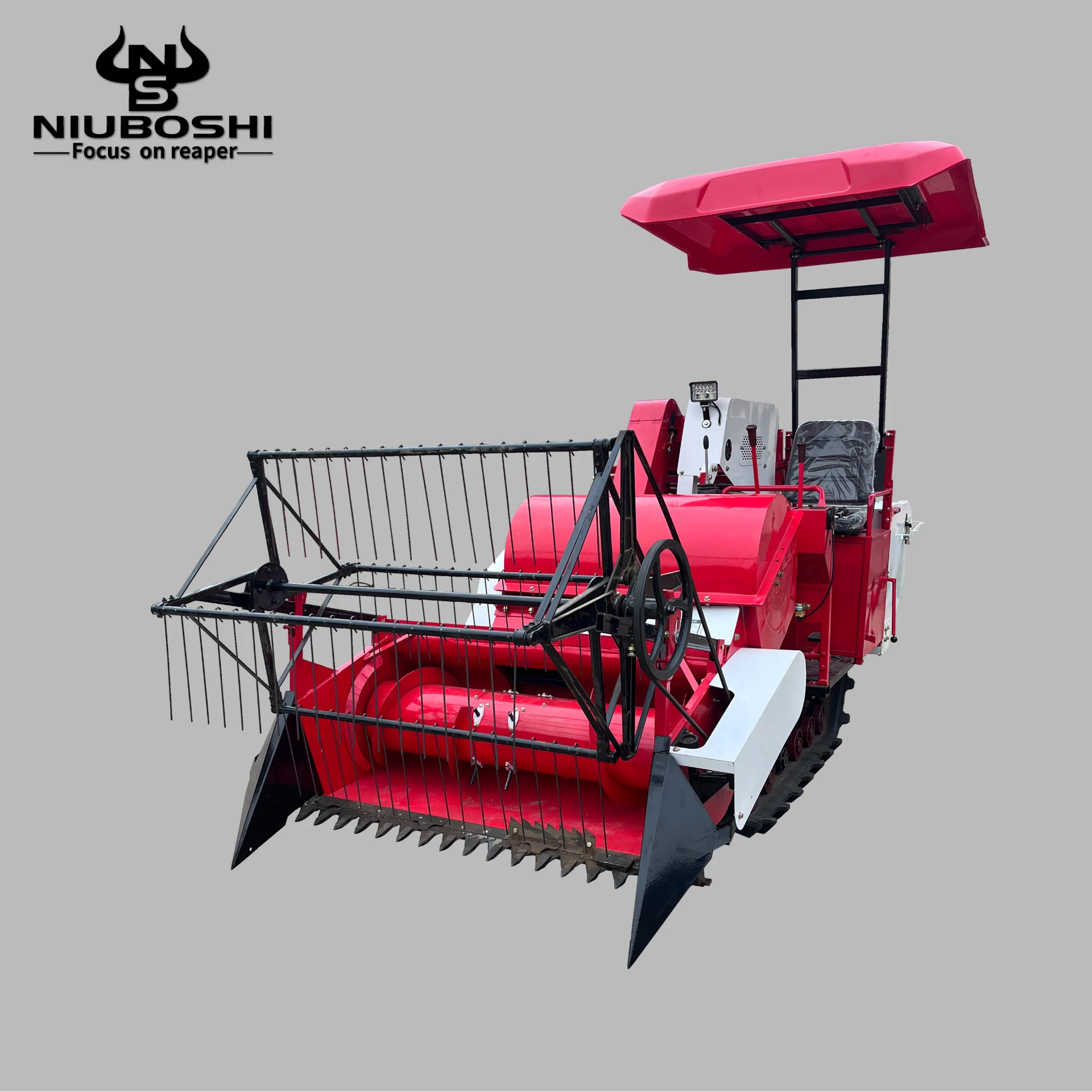
At first glance, the small tractor harvester might not sound like the next big thing everyone’s buzzing about in agricultural technology. But if you stop to think—especially when it comes to feeding an ever-growing population or improving farming efficiency in less industrialized areas—it’s actually quite a crucial piece of equipment. Small tractor harvesters combine the power of traditional tractors with harvesting capabilities, all in a compact form factor that’s accessible to small and medium-sized farms, not just the mega-operations.
Why does this matter? Well, global population projections estimate close to 10 billion people by 2050 (UN Department of Economic and Social Affairs), and feeding them sustainably means innovating how we grow and harvest crops on smaller lands, often in remote or developing regions. Understanding the capabilities and advantages of small tractor harvesters helps unlock productivity, reduces labor burdens, and can even provide a stepping stone towards modern mechanized farming.
Mini takeaway: Small tractor harvesters are at the intersection of practicality and innovation—compact, efficient, and crucial for future food security.
Global Context: The Rising Need for Efficient Small Tractor Harvesters
According to recent World Bank agricultural reports, nearly 80% of farms worldwide are small-scale holdings. Many operate on less than 2 hectares (about 5 acres), often family-run and historically reliant on manual labor or animal power. That’s a staggering number of farms waiting to be modernized without the capital or infrastructure for large machines.
Here is where small tractor harvesters come in — providing a solution that bridges the gap between outdated tools and expensive, industrial-scale harvesters. They offer better fuel efficiency, easier maintenance, and smaller turning radii perfect for irregular fields or hilly terrain. Plus, they enable farmers to harvest faster and with less physical strain, directly addressing some of the major labor shortages agriculture faces worldwide.
The challenge? Making these machines affordable, robust, and adaptable enough for varied crops and climates—there’s no one-size-fits-all because farming systems are so diverse globally.
What Exactly Is a Small Tractor Harvester?
Put simply, a small tractor harvester is a compact agricultural machine that combines the tractor's mobility with built-in harvesting mechanisms—designed primarily for crops like wheat, barley, corn, and soybeans but also adaptable to various regional staples. Unlike traditional tractors that require separate harvesting implements, these machines streamline operations by harvesting directly, reducing equipment costs and time.
In some senses, they’re the “jack of all trades” in mechanized farming for smallholders or mid-sized operations, offering mobility and harvesting all-in-one but without the massive overhead of combine harvesters. This blend also aligns with humanitarian goals, as NGOs and aid organizations can bring them into regions struck by food insecurity or disaster, swiftly improving local food production capacity.
Core Components and Considerations for Small Tractor Harvesters
1. Durability and Build Quality
Many engineers stress that without durability, a harvester is nearly useless in rural or rugged agricultural zones. Good quality steel frames, corrosion-resistant paint, and reliable engine parts make the difference between a machine surviving five seasons versus one season. It’s especially important where maintenance options are scarce.
2. Scalability and Crop Versatility
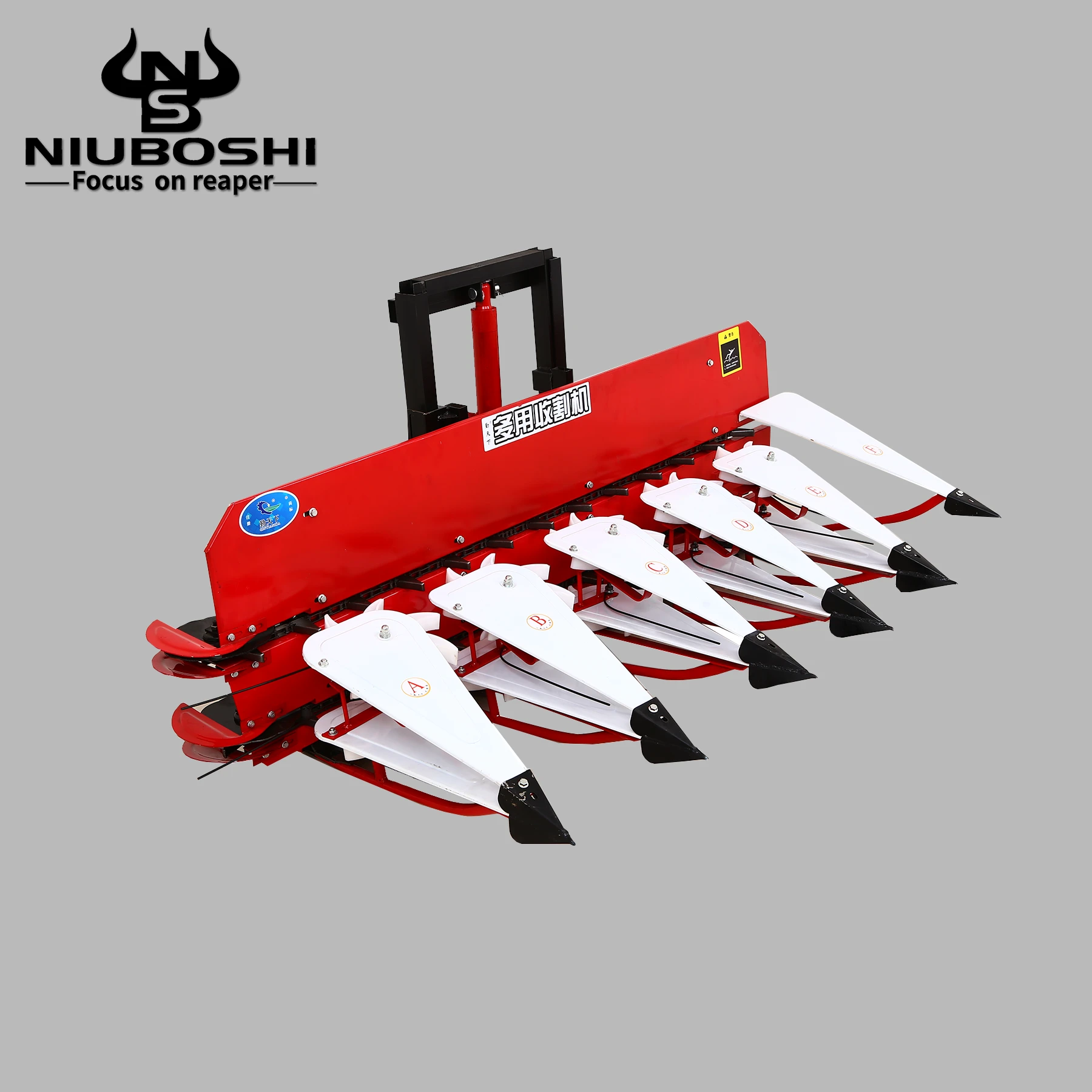
From rice paddies in Southeast Asia to maize fields in Africa, small tractor harvesters must be adaptable. This includes adjustable cutting widths, interchangeable headers, and customizable threshing settings. Multi-crop compatibility allows greater economic sustainability for the farmer.
3. Cost Efficiency and Fuel Consumption
Fuel costs are often the bane of farming mechanization. Efficient diesel or alternative-fuel engines that maximize fuel economy without sacrificing power are vital. When costs stay manageable, long-term adoption skyrockets.
4. Ease of Operation and Maintenance
This is about putting the machine in farmers’ hands without extensive training. Simple mechanical parts, clear controls, and easy service access motivate operators to keep the machine in prime condition.
5. Transportability
Smaller size means easier transport on rural roads and across fields, a huge advantage in fragmented landholdings or mountainous terrain.
Mini takeaway: Small tractor harvesters juggle durability, flexibility, and ease-of-use to really fit into smallholder realities.
Real-World Applications of Small Tractor Harvesters
Globally, these machines are gaining ground in places like India, the Philippines, Ethiopia, and parts of Eastern Europe. Here’s a quick couple of use cases:
- Post-Disaster Food Production: In areas recovering from floods or drought, small tractor harvesters help accelerate harvests so damaged land can quickly return to productivity.
- Remote and Hilly Terrains: Farmers in the mountainous regions of Nepal or the Andes use these machines’ compact forms to navigate terraces that big harvesters can’t access.
- Agri-Cooperatives: Small-scale farmers pool resources to buy or lease these machines, boosting collective harvest efficiency and profits.
Oddly enough, in some communities, using such modern equipment even enhances social status and pride in farming.
Advantages and Long-Term Value
Let’s get the obvious—and less obvious—out of the way. Economically, small tractor harvesters significantly reduce manual labor costs and harvest time. That’s pretty straightforward. Beyond cost, they promote sustainability by cutting crop losses during harvest thanks to precise cutting and threshing.
Socially, these machines empower farmers, often improving safety by reducing physical strain. Trust and innovation blossom when farmers see their landfulness turn from unpredictable manual harvests into consistent yields. And if you squint, these machines even contribute directly to improved food security—an emotional, human-centric benefit.
Product Specification: Typical Small Tractor Harvester
| Specification | Details |
|---|---|
| Engine Power | 30-60 HP (Diesel) |
| Cutting Width | 1.2 - 1.8 meters |
| Fuel Tank Capacity | 30-50 liters |
| Weight | 1,200 - 1,800 kg |
| Transmission | Manual/Mechanical |
| Crop Compatibility | Wheat, corn, barley, soybean, rice |
Comparing Popular Small Tractor Harvester Vendors
| Vendor | Price Range (USD) | Power (HP) | Warranty | Service Network |
|---|---|---|---|---|
| AgroTech Solutions | $12,000 – $15,000 | 35-50 | 2 years | Regional |
| GreenField Equip | $10,500 – $13,500 | 30-45 | 1.5 years | International |
| FarmPro Machinery | $13,000 – $17,000 | 40-60 | 3 years | Limited |
Future Trends and Innovations
The future for small tractor harvesters is looking quite exciting. Green energy, for example, is penetrating even compact machines: battery-electric models or hybrids are beginning to emerge, promising quieter operations and zero emissions. Digital integration is also transforming these machines. With IoT and GPS tech, farmers can track performance, optimize routes, monitor crop yields in real-time, and move toward precision agriculture.
Automation is another horizon—imagine semi-autonomous harvesters that can follow terrain maps and reduce operator fatigue. These innovations will not only further improve productivity but also align well with global sustainability goals set by organizations like ISO and the UN’s Sustainable Development Goals (SDGs).
Challenges & How Experts Are Overcoming Them
No technology is without hurdles. A few sticking points for small tractor harvesters include:
- Initial Capital Outlay: Even “small” machines can be expensive for subsistence farmers.
- Service and Spare Parts Availability: Remote areas sometimes lack access to timely maintenance.
- Crop-Specific Limitations: Some staple crops require specialized attachments not always available.
Experts recommend community purchasing schemes, improved local dealership training, and modular designs that allow attachment swaps to expand usability. Technology sharing between manufacturers and NGOs has also boosted after-sales support.
FAQ: Common Questions About Small Tractor Harvesters
- Q: How do small tractor harvesters compare to traditional combine harvesters?
- A: While combine harvesters handle large-scale operations and generally have higher capacity, small tractor harvesters provide a more affordable, versatile solution ideal for smaller farms or constrained terrain.
- Q: What crops can these harvesters handle efficiently?
- A: Most models are designed for grains like wheat, barley, maize, rice, and soybeans, but some manufacturers offer adjustable headers to accommodate other crops as well.
- Q: Are small tractor harvesters suitable for hilly or uneven land?
- A: Yes, their compact size and maneuverability make them especially useful for terraced farms and uneven fields where larger machinery struggles.
- Q: What kind of maintenance do they require?
- A: Regular oil changes, filter replacements, and seasonal mechanical checks are typical. Many models are designed for easy field servicing with basic tools.
Conclusion: Why Investing in Small Tractor Harvesters Makes Sense
In real terms, small tractor harvesters represent a practical bridge between tradition and modernity. They bring mechanization within reach of small-scale farmers, improve productivity, reduce manual labor, and contribute to more stable food production worldwide. Their ongoing evolution toward greener tech and smarter systems only underscores their relevance.
Ready to explore the options that could transform your farming or agricultural projects? Visit our website: small tractor harvester to learn more about leading solutions designed with real-world needs in mind.
References:
- United Nations, Department of Economic and Social Affairs - World Population Prospects 2022
- World Bank - Agriculture and Rural Development Reports 2023
- International Organization for Standardization (ISO) - Sustainability in Agriculture, 2021
Latest news
-
Maximize Harvest Efficiency with the Agro Reaper Binder MachineNewsApr.16,2026
-
Boost Harvest Efficiency with the Best Agriculture Reaper MachineNewsApr.09,2026
-
Revolutionizing Agriculture with the Efficient Agriculture Power ReaperNewsApr.07,2026
-
Comprehensive Guide to the 4 Wheel Reaper Binder for Efficient HarvestingNewsApr.04,2026
-
Comprehensive Guide to Reaperbinder Technology for Efficient Hay and Crop HarvestingNewsMar.31,2026
-
Mastering the Art of Reaper Cutting for Enhanced Agricultural EfficiencyNewsMar.28,2026