Mini Harvester Tractor Combine – Efficient Farming for Smallholder Success
Understanding the Mini Harvester Tractor Combine and Its Global Impact
At first glance, a mini harvester tractor combine may sound like a crunchy jargon piece reserved for agricultural engineers or farming equipment dealers. But, in reality, it’s a quiet revolution taking place in small-scale farming, food security, and even post-disaster agricultural recovery. Why does it matter? Because as global populations swell and arable land shrinks, efficient farming technologies tailored for smaller plots and diverse environments become crucial. Understanding these compact machines offers insights into a greener, more sustainable agricultural future and supports communities that rely on tight budgets and limited resources.
The Global Context: Why Compact Harvesting Machines Matter More Than Ever
Globally, agriculture consumes about 40% of employment (World Bank) and feeds the majority of the 8 billion people on Earth. Yet, smallholder farms, those less than two hectares, produce roughly 70% of global food — often without access to expensive machinery. Enter the mini harvester tractor combine: designed to bring mechanized efficiency to these often overlooked farms.
With increasing climate unpredictability and labor shortages in rural areas, these machines tackle a pressing challenge: how to optimize yields and reduce manual labor in regions where big combines are impractical due to terrain or cost. For example, the Food and Agriculture Organization (FAO) stresses that mechanization tailored to smallholder needs closes yield gaps and fosters resilience.
In other words, these machines aren’t just niche toys — they serve as essential gear in feeding the planet sustainably.
Defining the Mini Harvester Tractor Combine
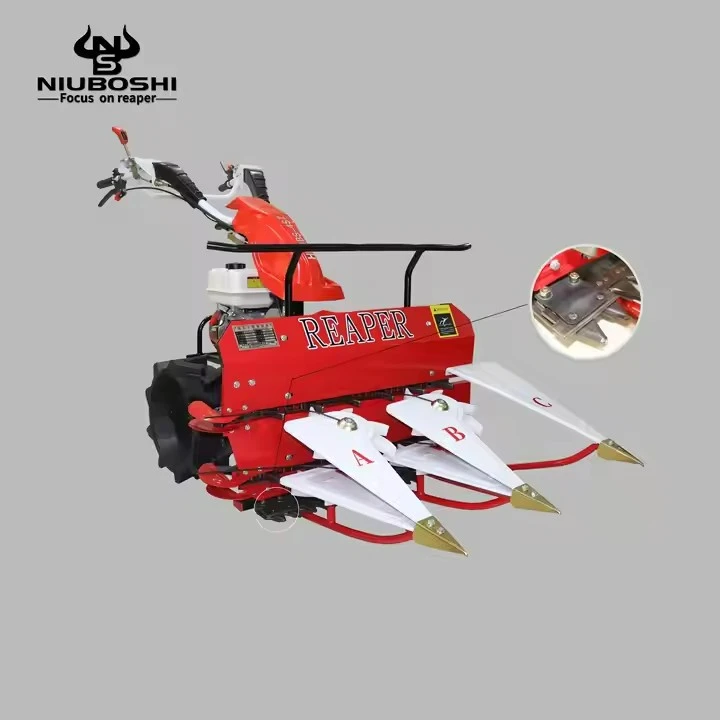
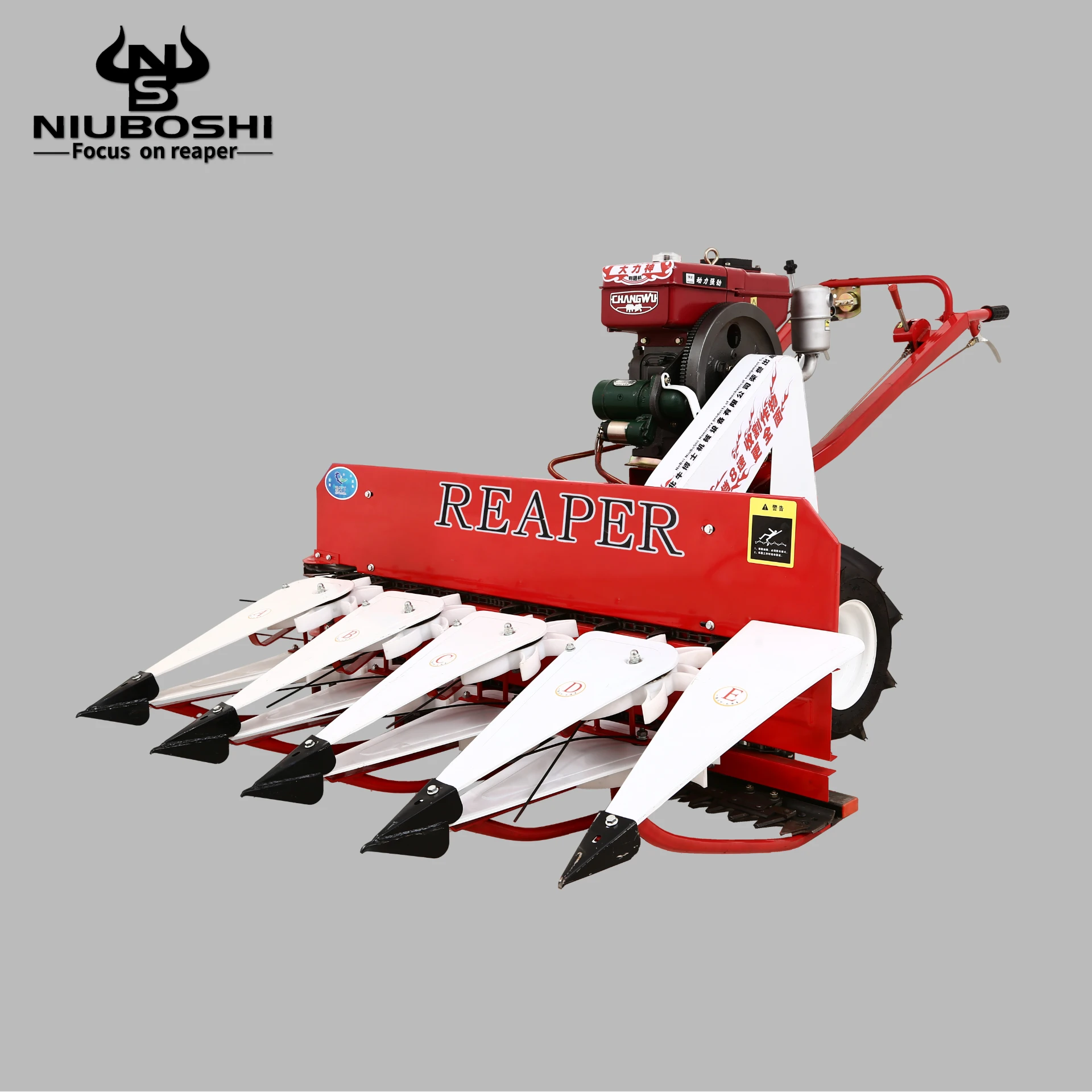
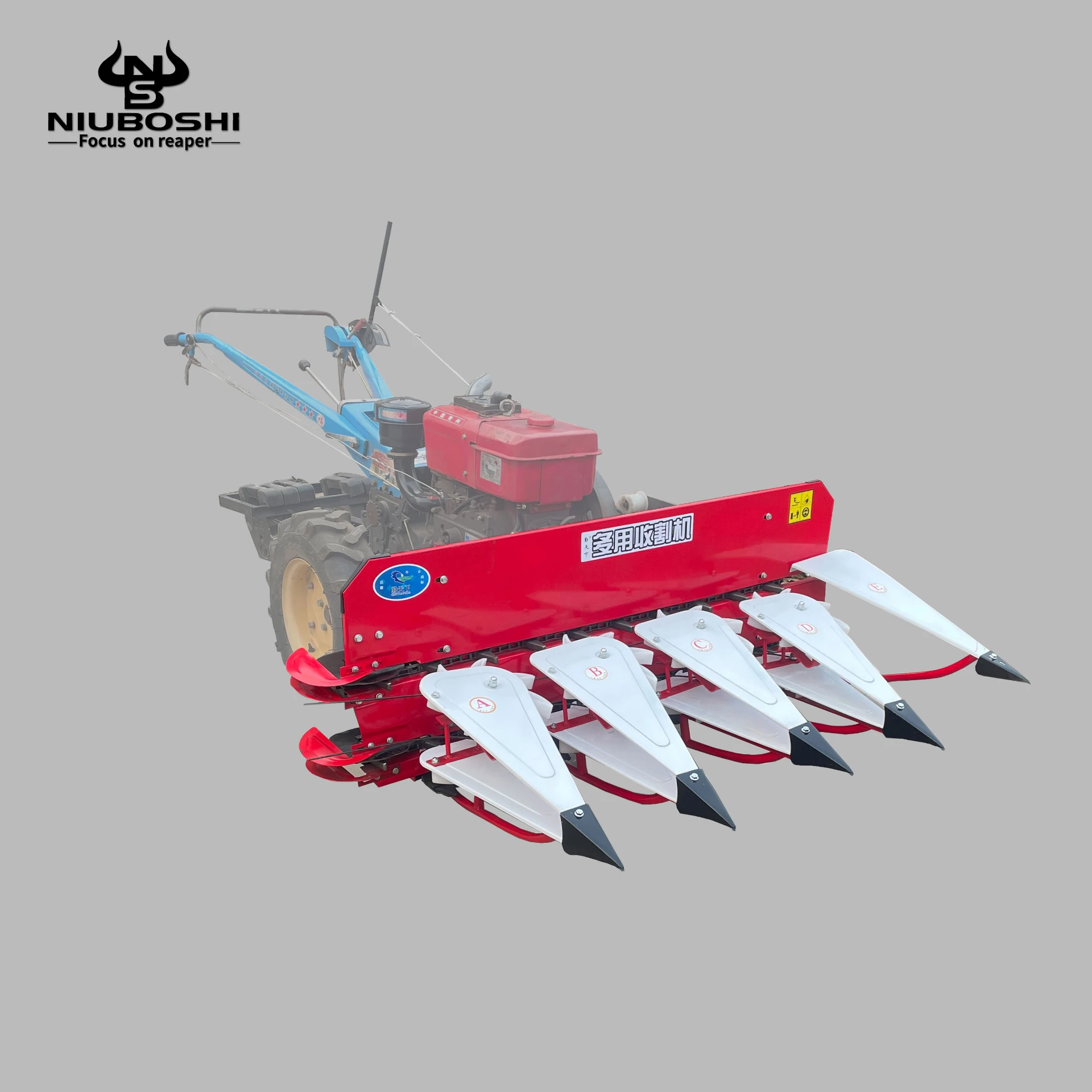
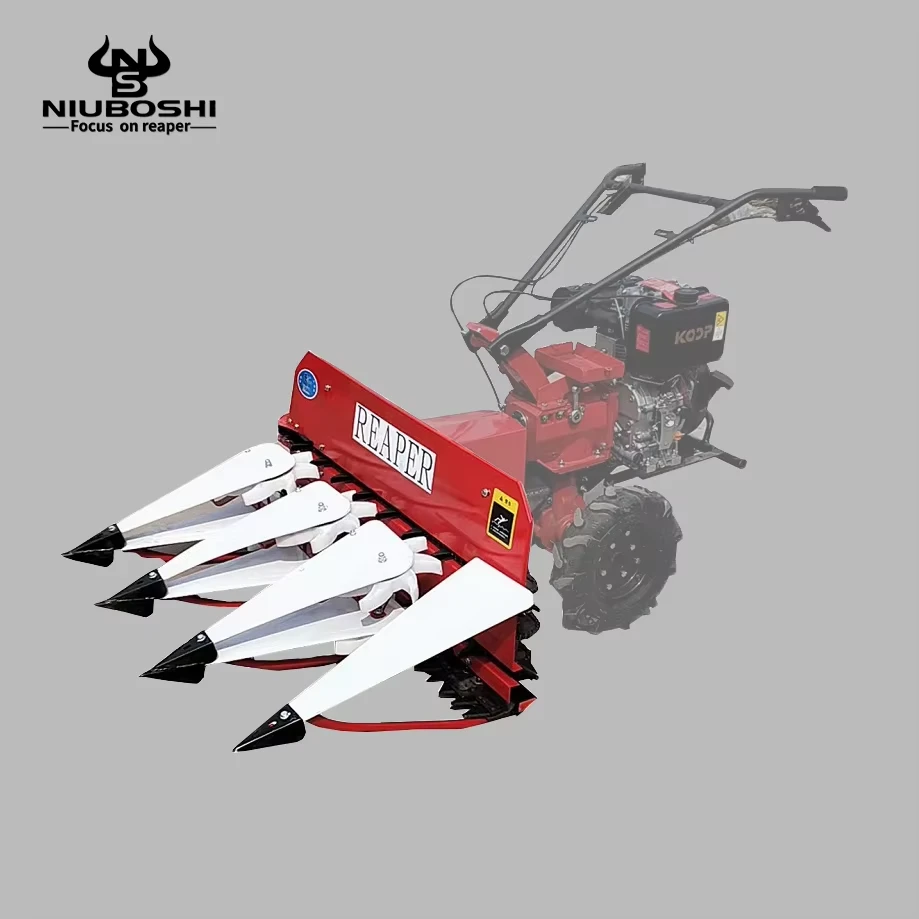
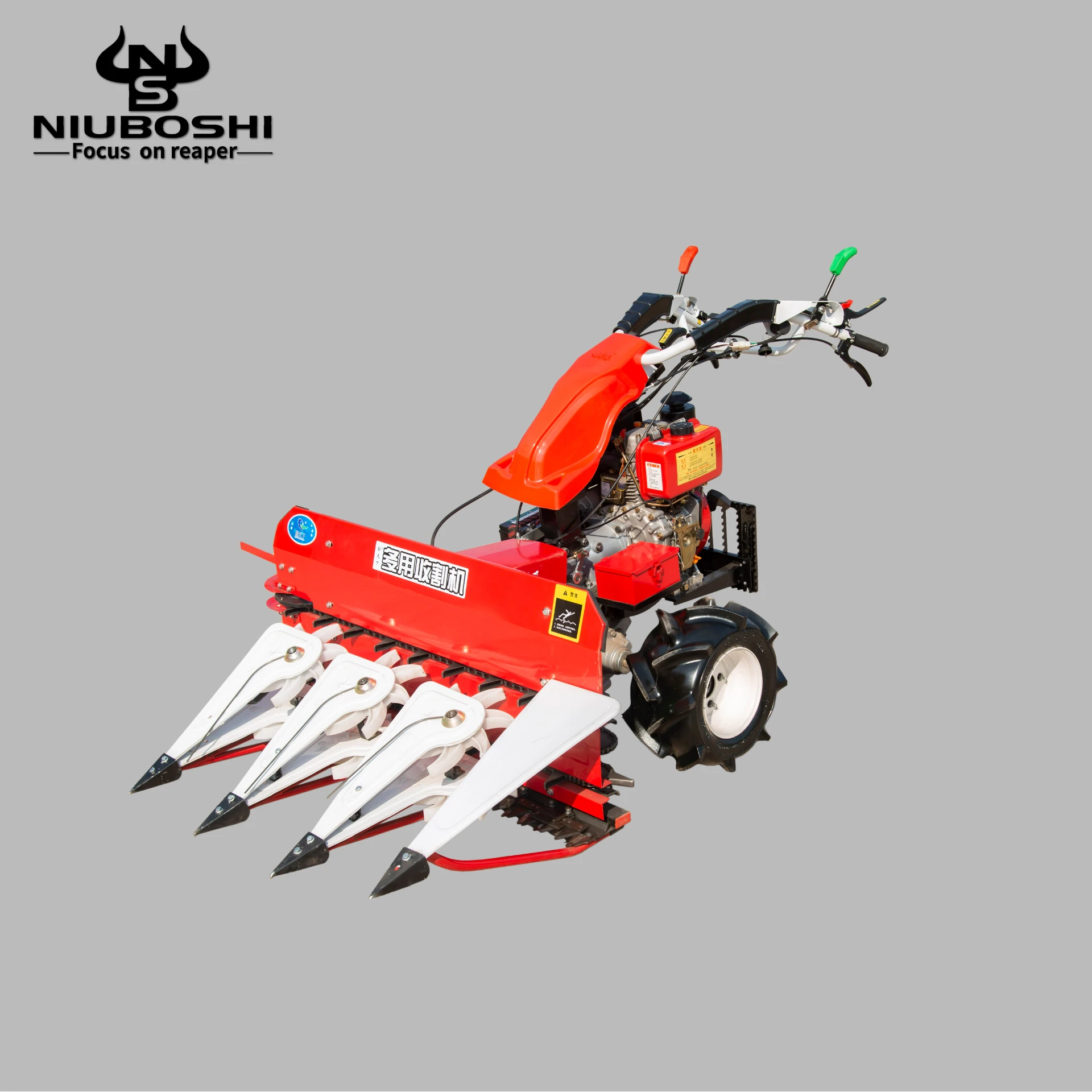
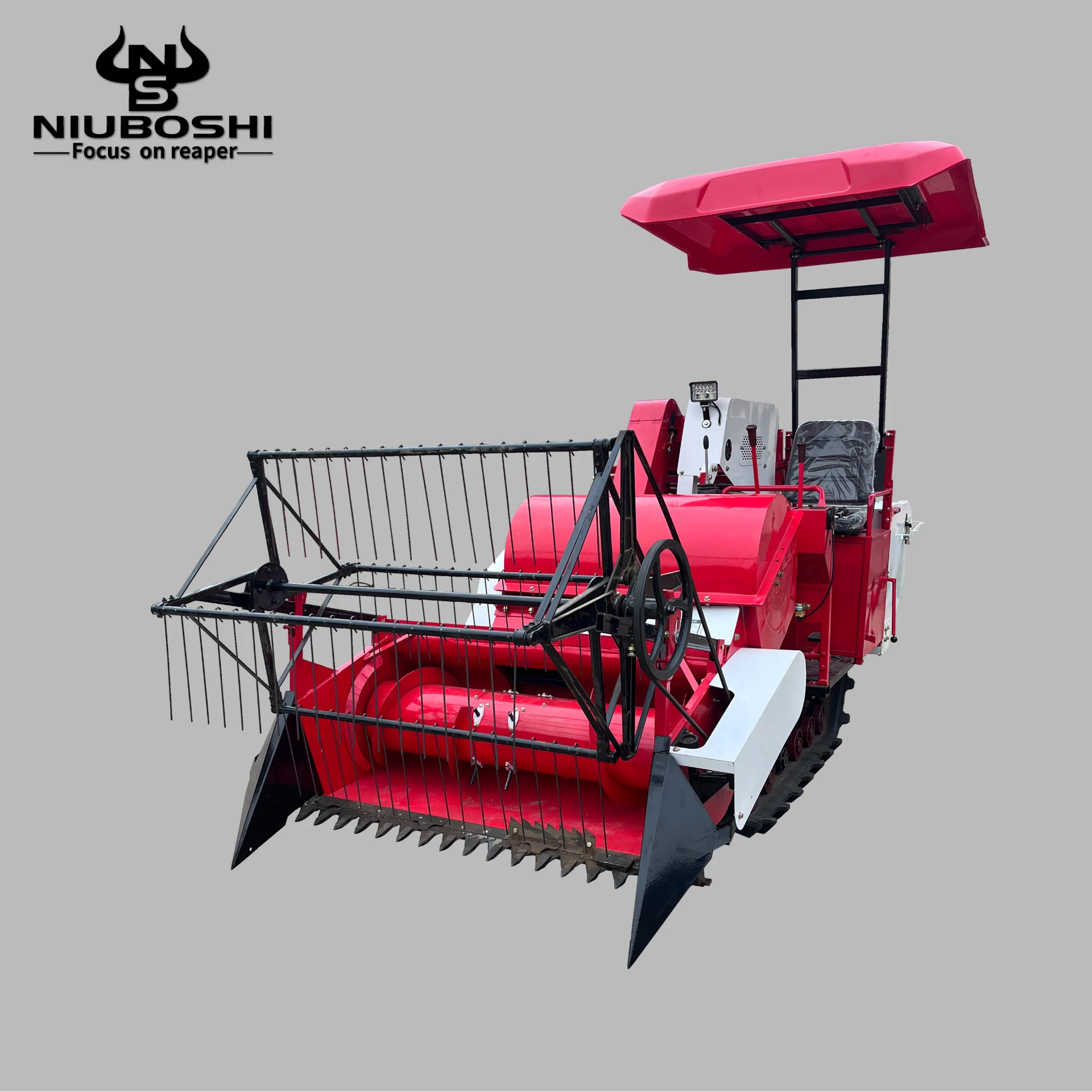
Simply put, a mini harvester tractor combine is a compact agricultural vehicle that integrates the functions of a tractor and a combine harvester—primarily to plant, reap, thresh, and clean grains in one continuous process. Unlike their massive cousins used in vast wheat fields in the US or Russia, mini combines are sized for small to medium plots, often less than 5 hectares, with an emphasis on maneuverability, transportability, and ease of use.
Beyond farming, these machines have humanitarian and industrial roles. In regions recovering from conflict or natural disasters, rapid agricultural restoration is vital to food security. The portability and multi-functionality of mini combines enable NGOs and local agencies to restart crop cycles quickly, sometimes in challenging terrain or tight budgets.
Core Components and What Makes Them Tick
1. Durability and Adaptability
Many mini harvester combines are designed with a mix of rugged steel frames and adaptable attachments. It feels like many manufacturers realize that these machines must handle rough, unpaved terrain and intermittent use, so overbuilt durability often trumps flashy tech.
2. Compact Size and Maneuverability
They are incredibly nimble compared to full-scale combines, able to navigate small fields, hilly areas, and even sometimes side roads. This makes them perfect for regions where farming plots are fragmented or landscapes challenging.
3. Cost Efficiency
Roughly 30-50% less initial investment compared to large combines, with cheaper maintenance and fuel needs. It’s not glamorous but crucial—especially for cooperatives or government programs trying to maximize impact without overspending.
4. Technological Simplicity
While some mini combines come with digital controls or GPS, many prioritize straightforward mechanical parts for ease of repairs in the field. Spare parts and vendor support tend to focus on durability rather than bells and whistles.
5. Power and Output
Despite their size, mini combines pack enough horsepower (often 30-70 HP) to handle a reasonable throughput of common grains — rice, wheat, and barley. This makes them versatile in multiple agro-climatic zones.
Here’s a quick specs snapshot:
| Specification | Typical Range |
|---|---|
| Engine Power | 30 - 70 HP |
| Weight | 900 - 1500 kg |
| Cutting Width | 1.2 - 2 meters |
| Fuel Type | Diesel / Biodiesel |
| Threshing Capacity | 0.5 - 1 ton/hour |
Mini takeaway: Think of these machines as versatile, affordable workhorses tailored for small farms or challenging geographies.
Global Applications: From Remote Farms to Disaster Zones
Real-world use varies: in Southeast Asia’s rice terraces, mini harvester tractor combines help farmers quickly clear and process crops without trampling delicate soil. In Africa, NGOs use them as part of sustainable agriculture initiatives to boost yields without introducing debt-heavy machinery. Oddly enough, in parts of Europe, hobbyist farmers and vineyard owners also find them handy for small-scale grain and seed crops.
One compelling example is in Nepal, where mountainous topography makes big machines a no-go. Compact combines allow villagers to harvest fast and reliably, reducing post-harvest losses significantly.
In post-disaster relief, bringing in full-sized harvesters is impossible due to damaged roads or limited space. Here, lightweight mini combines restore food production within weeks, enabling faster recovery — a prime example of tech supporting dignity and survival.
Vendor Comparison: A Quick Look at Leading Models
| Brand | Engine Power (HP) | Cutting Width (m) | Price (USD) | Special Features |
|---|---|---|---|---|
| AgroMini 350 | 35 | 1.3 | 6,500 | Low fuel consumption, easy repairs |
| MiniHarvest Pro | 50 | 1.8 | 8,200 | GPS compatible, modular parts |
| FieldMate Compact | 42 | 1.5 | 7,400 | Enhanced threshing, quick attach header |
Advantages and Long-Term Benefits
Choosing a mini harvester tractor combine can feel like investing in a humble but reliable friend. Year after year, its cost efficiency reduces pressure on farmers’ wallets while boosting productivity. The green aspect is often overlooked — smaller engines mean lower emissions, and many models now run on biodiesel or more sustainable fuels.
The social impact is significant, too. By cutting manual labor, it improves worker safety and dignity, reducing exhaustion and injury risk. Farmers can spend more time improving soil and planning better crop rotations rather than endless back-breaking harvesting.
Plus, modern mini combines create opportunities for new farming hubs, local maintenance workshops, and skill development programs — fostering rural economies beyond just harvesting.
Looking Ahead: Trends Shaping the Mini Harvester Tractor Combine Landscape
- Automation & Digitalization: More models are integrating GPS, IoT sensors, and smartphone diagnostics — easing maintenance and optimizing harvesting paths.
- Sustainability Focus: Electric or hybrid mini combines are emerging, promising emissions-free harvests in sensitive ecosystems.
- Material Innovation: Lighter, corrosion-resistant alloys help keep weight low without sacrificing strength.
- Customization & Modular Design: Users demand machines tailored to specific crops or terrains, so modular parts for quick swapping become common.
Frankly, this mirrors broader trends in agriculture but with a distinct focus on scaling down technology to fit the smallholder reality.
Challenges and How the Industry Tackles Them
No technology is perfect, especially when constrained by cost, climate, and infrastructure. Common issues include:
- Access to Spare Parts: Remote farms struggle with timely replacement parts — vendors now offer localized stocking or 3D-printed components.
- Operator Training: Machines may be easy to use, but proper training improves uptime and lifespan — NGOs and governments increasingly run workshops.
- Fuel Availability: In some regions, diesel or biodiesel supply can be erratic — electric prototypes are a direct response.
The solutions always circle back to local ecosystems and scalability rather than one-size-fits-all fixes.
FAQ: Quick Answers About Mini Harvester Tractor Combines
- Q: How much land can a mini combine harvest in a day?
- A: Typically, they cover between 1 to 3 hectares per day depending on crop type, terrain, and machine specs. While small compared to full-scale harvesters, this fits well with smallholder needs and multiple shifts can increase output.
- Q: Are mini harvester combines suitable for all grain types?
- A: Most models are optimized for common grains like rice, wheat, barley, and maize. Some manufacturers offer specialized attachments for legumes or oilseeds, but versatility depends on the machine’s modularity.
- Q: Can small-scale farmers afford these machines?
- A: Costs range from $5,000 to $10,000 roughly, which can be high for an individual farmer but manageable for cooperatives or government subsidized programs. Financing options and shared ownership models are becoming more popular.
- Q: How do these combines compare environmentally to manual harvesting?
- A: Though they emit more CO2 than manual labor, mini combines reduce post-harvest losses, improve yield efficiency, and many newer models use cleaner fuels. Overall, the environmental tradeoff tends to favor mechanization for sustainability.
Wrapping It Up: Why Mini Harvester Tractor Combines Are a Smart Investment
In the big picture, mini harvester tractor combines represent a pragmatic bridge between traditional agriculture and modern mechanization. They bring reliable productivity boosts to places constrained by geography, capital, or infrastructure — helping smallholder farmers gain ground on food insecurity and economic development.
If you’re interested in exploring options or learning more about these compact agricultural wonders, why not start at mini harvester tractor combine? Their collection showcases some of the latest and most reliable models built for real-world impact.
It’s a small investment in tech, but potentially a huge one for communities around the world.
References and further reading:
Latest news
-
Maximize Harvest Efficiency with the Agro Reaper Binder MachineNewsApr.16,2026
-
Boost Harvest Efficiency with the Best Agriculture Reaper MachineNewsApr.09,2026
-
Revolutionizing Agriculture with the Efficient Agriculture Power ReaperNewsApr.07,2026
-
Comprehensive Guide to the 4 Wheel Reaper Binder for Efficient HarvestingNewsApr.04,2026
-
Comprehensive Guide to Reaperbinder Technology for Efficient Hay and Crop HarvestingNewsMar.31,2026
-
Mastering the Art of Reaper Cutting for Enhanced Agricultural EfficiencyNewsMar.28,2026