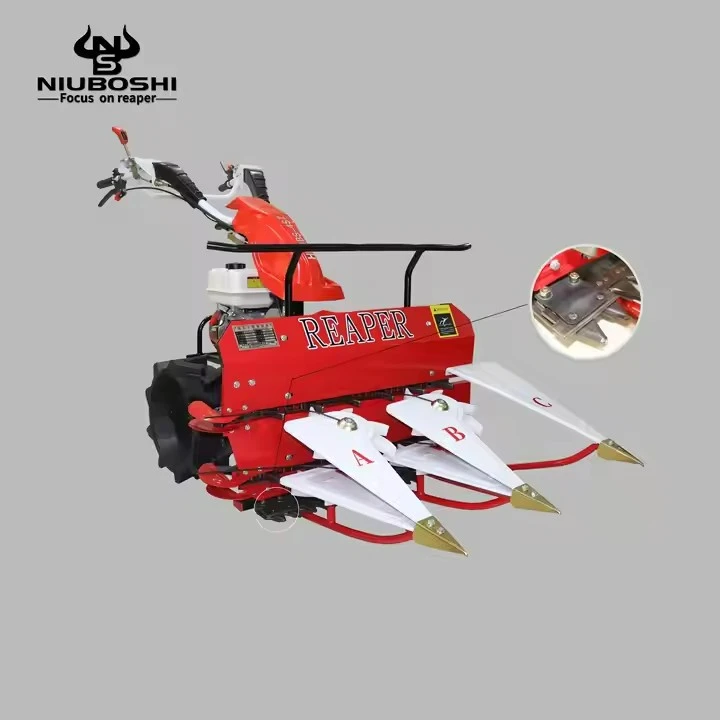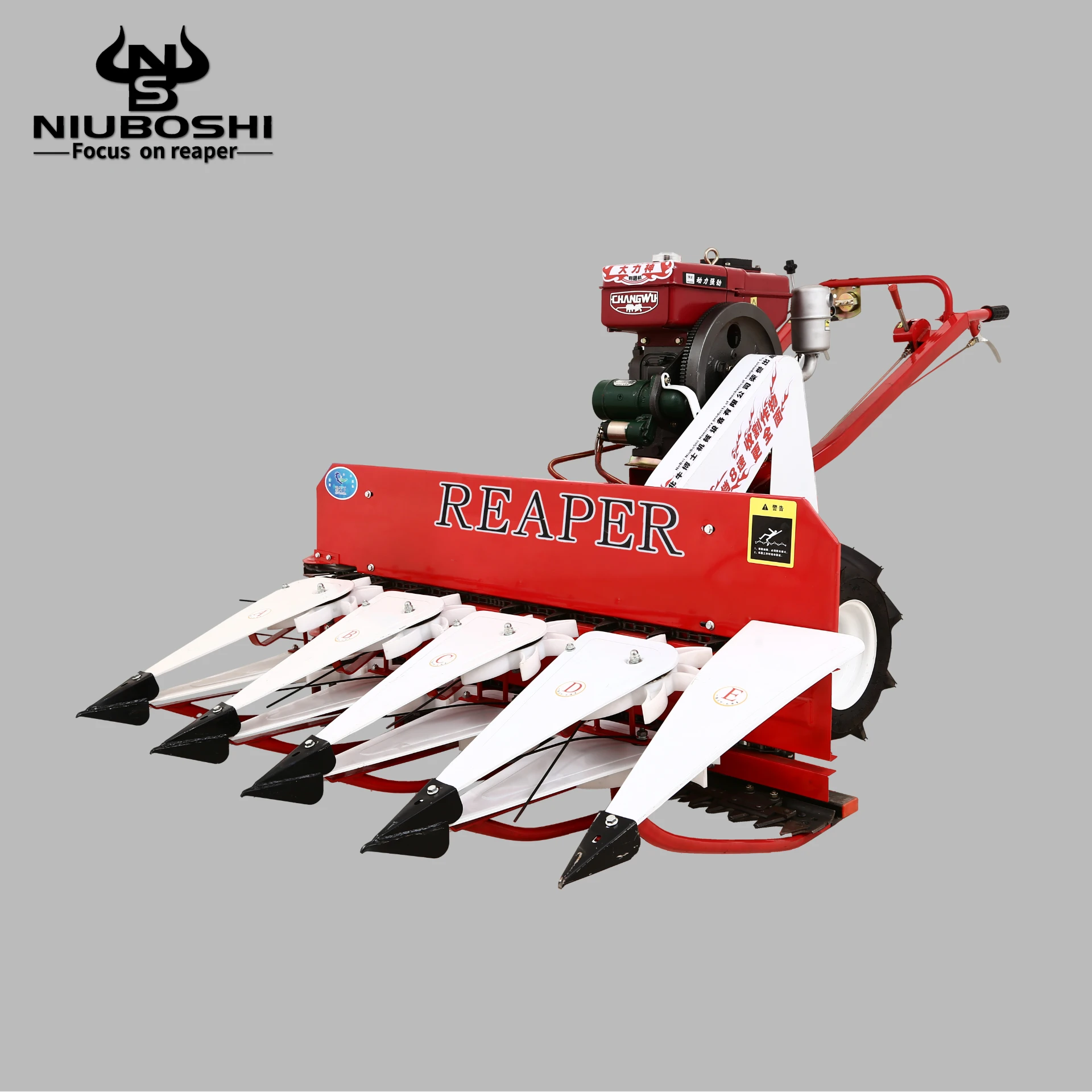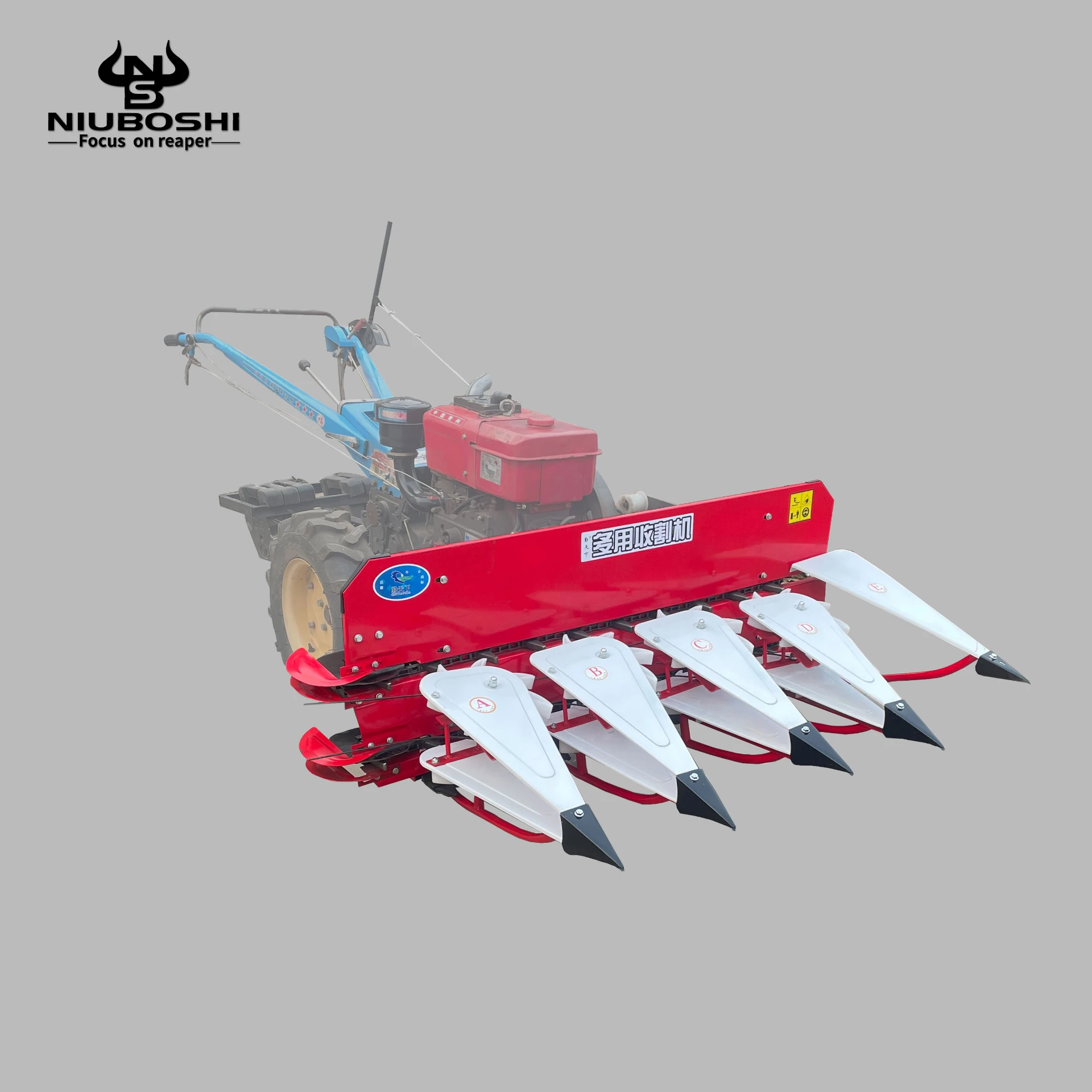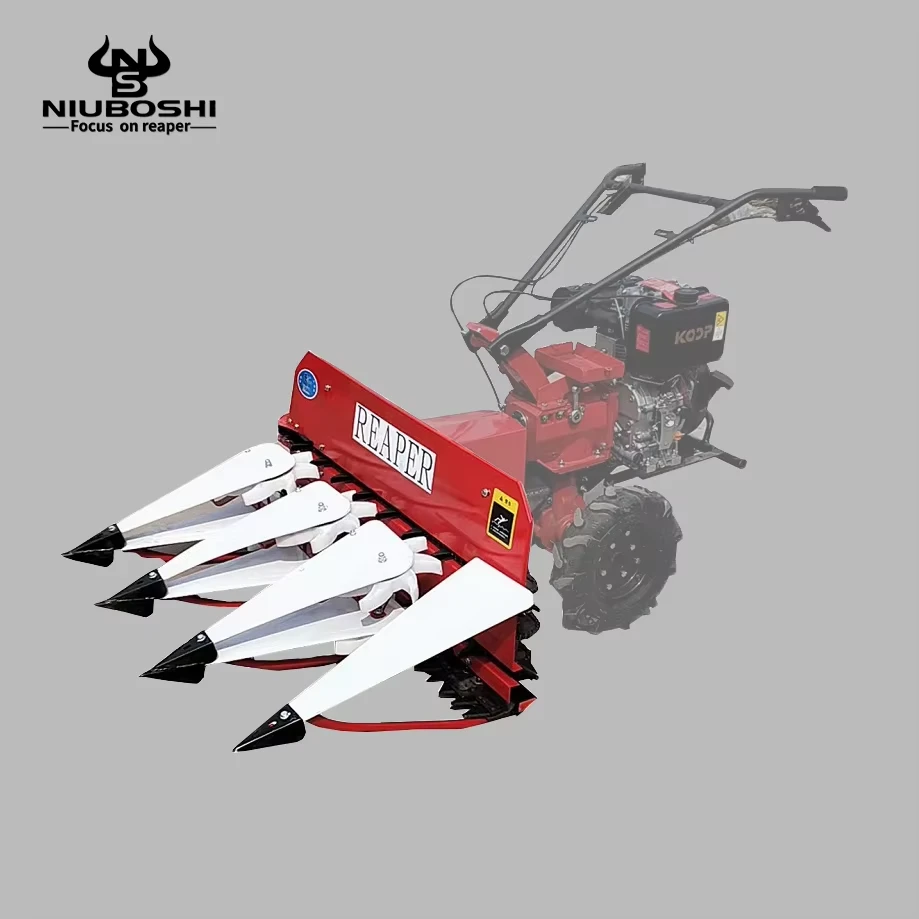
Mini Paddy Combine Harvester – Compact, Efficient Rice Harvesting Solutions
Why the Mini Paddy Combine Harvester is Gaining Global Attention
In the vast tapestry of agriculture, rice remains a staple feeding billions. Yet, the methods of harvesting paddy — especially in smaller fields or hard-to-access areas — have long posed challenges. Enter the mini paddy combine harvester: a compact, efficient, and increasingly vital agricultural machine that’s reshaping how small-scale farmers approach harvesting.
Why does this matter on a global scale? Roughly half the world’s population depends on rice as their main food source, but much of the work is still labor-intensive, slow, and physically demanding. Mini harvesters promise to boost productivity, reduce post-harvest losses, and lift livelihoods. Learning about them means appreciating tech's role in solving agricultural bottlenecks — a story more urgent than ever.
Mini takeaway: Understanding mini paddy combine harvesters connects us directly to food security and rural development worldwide.
Global Context: Agriculture Meets Innovation
Worldwide, rice paddy fields cover over 160 million hectares, with Asia dominating production (FAO, 2023). While large-scale mechanization is common in countries like China and Japan, many nations still rely heavily on manual harvesting, especially in fragmented or sloped fields. The mini paddy combine harvester addresses these gaps — designed for small-scale farmers who need agility, affordability, and reliability.
Data from the World Bank shows that mechanized harvesting can reduce labor costs by up to 50%, with mini harvesters fitting right into this efficiency push. But challenges remain: labor shortages, rising wages, and the urgent need to minimize crop loss. These small machines help but are not a silver bullet. The real win is in accessibility and local adaptation.
What’s the core problem?
How do we mechanize harvesting on small, sometimes irregular plots without breaking the bank? Mini paddy combine harvesters emerge as an elegant solution.
Defining the Mini Paddy Combine Harvester
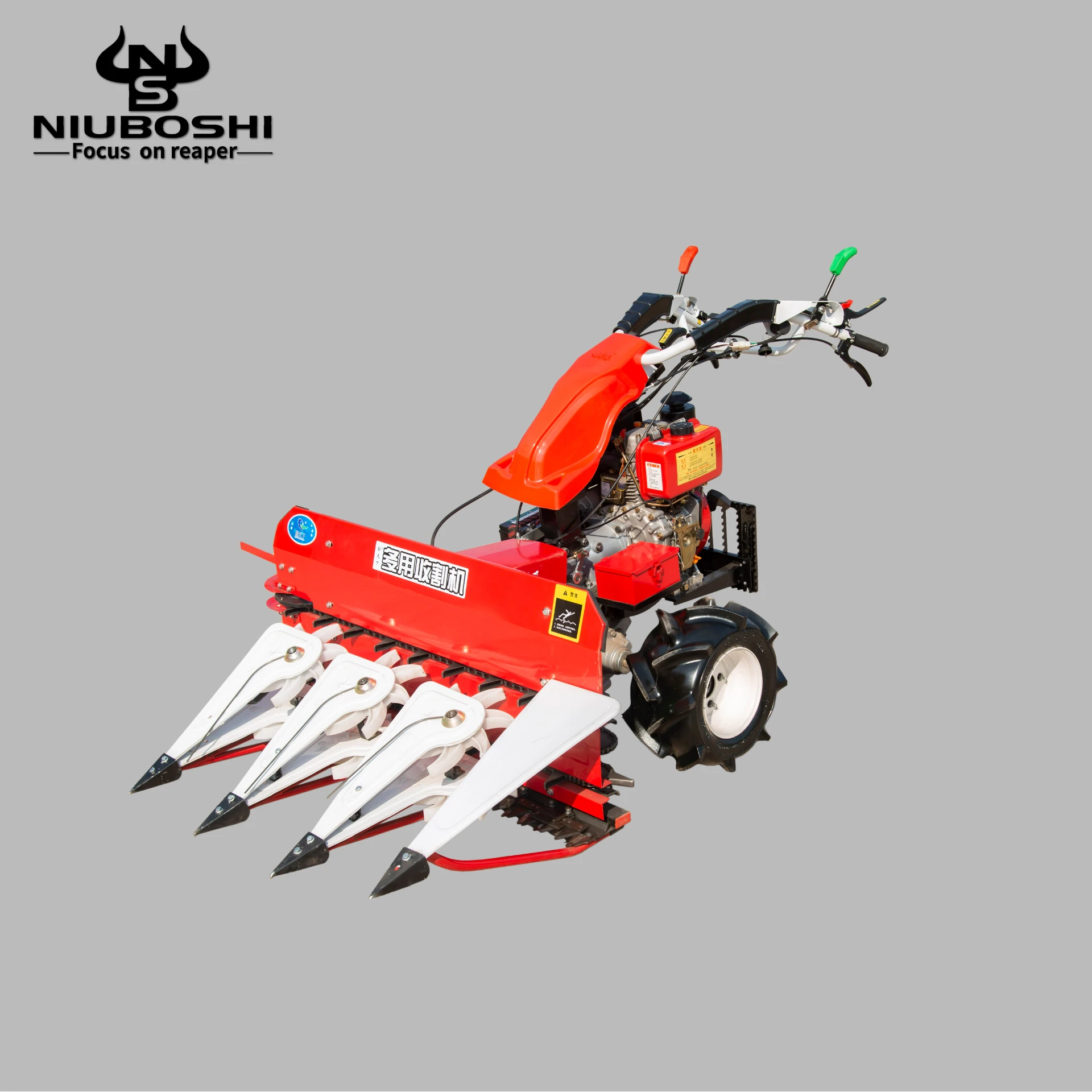
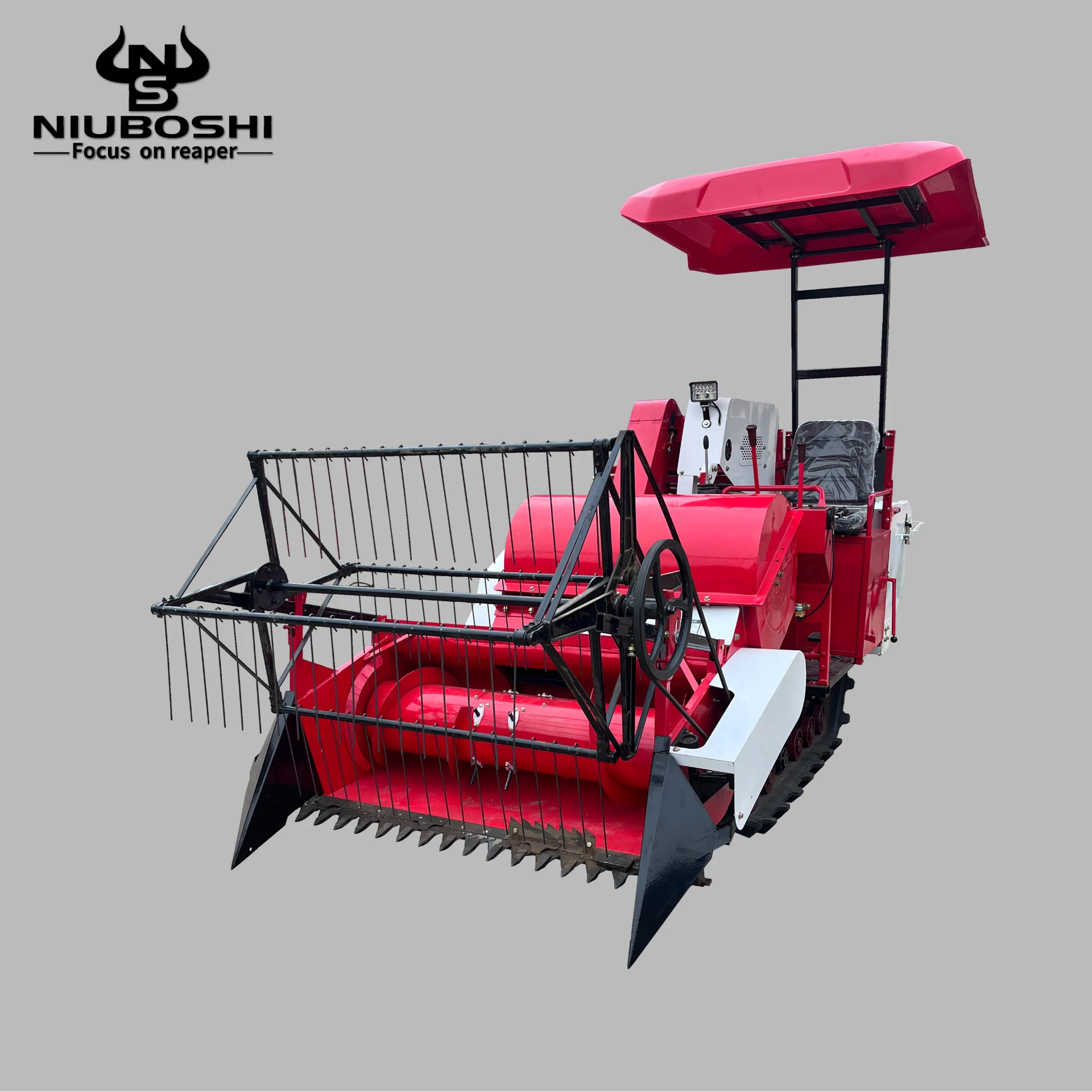
So, what exactly is a mini paddy combine harvester? Simply put, it’s a smaller, more maneuverable version of the traditional combine harvester, explicitly engineered for paddy rice fields. Unlike its massive counterparts that blanket vast farmlands, the mini variant focuses on narrow, small, and often uneven fields.
It combines three major functions: reaping (cutting the crop), threshing (separating grain from stalk), and winnowing (cleaning the grain). All in a compact frame that can be operated easily, often by a single farmer. It’s like a Swiss Army knife for rice harvesting — handling multiple tasks effectively but minus the bulk.
In humanitarian contexts, these machines have shown promise in rebuilding rural economies after disasters by enabling quick and efficient harvests — a critical link in the food supply chain.
Core Components and Key Factors
1. Size and Maneuverability
Most mini paddy combine harvesters weigh under 1 ton and can pass through narrow paths inaccessible to larger machines. This compactness is crucial because many rice fields aren’t big or flat enough for conventional equipment.
2. Power and Engine Type
Typically powered by a diesel engine ranging between 12 to 20 horsepower, these machines balance power needs with fuel economy — quite important since fuel can be costly in remote areas.
3. Durability and Maintenance
Given that many users operate in rough field conditions, build quality needs to be robust yet simple to maintain. Manufacturers often design these machines with fewer moving parts and easily serviceable components.
4. Harvesting Capacity and Efficiency
A reasonable mini harvester cuts roughly between 0.1 to 0.3 hectares per hour depending on conditions — within a scale that matches smallholder farming realities.
5. Cost Efficiency
Affordability drives adoption. Many models retail starting from as low as $3,000 to $8,000 USD, much cheaper than full-size combines, with faster payback periods for owners.
Summary
Each factor highlights why the mini paddy combine harvester is the right tool for many: small, strong, efficient, and affordable — a neat package tailored for real-world challenges.
Mini Paddy Combine Harvester: Global Applications & Real-World Use Cases
From the terraced rice fields of Vietnam to the flood-prone flatlands of Bangladesh, mini paddy combine harvesters are gaining traction. Countries like India, Thailand, and the Philippines have integrated these machines into their smallholder agriculture systems in recent years.
- Post-Disaster Relief: In the aftermath of floods or typhoons, NGOs often distribute mini combines to small farmers to accelerate recovery and secure food stocks.
- Remote Fields: Mountainous or fragmented terrain often blocks large machinery—mini harvesters can slip through such tricky plots.
- Cooperative Farming: Farmer groups pool resources to purchase mini combines — sharing costs and maximizing usage.
- Mechanization Pathways: Governments promoting mechanization for rural employment see mini harvesters as a stepping stone for wider adoption.
Interestingly, these machines also play a role in experimental sustainable farming — where smaller scale and precise harvesting reduce soil compaction and waste.
Product Specification Table
| Specification | Typical Range | Remarks |
|---|---|---|
| Weight | 450–950 kg | Ensures agility in tight spaces |
| Engine Power | 12–20 HP (diesel) | Good balance of power and fuel economy |
| Cutting Width | 0.8 m – 1.2 m | Fits small plots and uneven terrain |
| Harvesting Capacity | 0.1–0.3 ha/hr | Matches smallholder farm sizes |
| Price Range (USD) | $3,000–$8,000 | Varies by brand and features |
Vendor Comparison: What to Look For
| Vendor | Engine (HP) | Warranty | Price (USD) | Key Feature |
|---|---|---|---|---|
| AgriMini Solutions | 15 HP | 2 years | $4,500 | Easy maintenance kit |
| RicePro Harvesters | 20 HP | 3 years | $7,200 | Fuel-efficient engine |
| FieldMate Tech | 12 HP | 1 year | $3,800 | Compact design for steep fields |
Advantages and Long-Term Value
Jumping onto the mini combine harvester bandwagon offers a bouquet of benefits. Financially, smaller machines mean lower upfront investment and reduced fuel consumption, which is a win-win in tight-margin farming. Socially, mechanization can ease the burden on aging farmers and cut back the backbreaking manual reaping work — you know, that stuff that keeps you up at night after long days in the field.
Moreover, better harvesting means less crop loss and improved grain quality. The machines foster rural empowerment by enabling farmers to take control of operations, improving market readiness.
Environmentally, these machines are less intrusive than large combines — causing less soil compaction and fitting well within sustainable farming practices. And emotionally? There’s a dignity in blending traditional farming wisdom with modern efficiency.
Looking Ahead: Future Innovations
As technology advances, you can expect the mini paddy combine harvester to get even smarter. Integration with GPS and IoT could allow precise tracking of harvest data, optimizing yield and maintenance cycles. Hybrid or electric engines are slowly entering the scene, promising lower emissions and quieter operation — quite relevant in densely populated rural areas.
Material science improvements mean lighter, stronger body panels and more durable engine parts — all contributing to longer machine lifespans. Policy shifts emphasize subsidies and rural mechanization programs that include these mini harvesters, especially in South and Southeast Asia.
It feels like this small machine is on the brink of a big leap.
Challenges and Practical Solutions
No machine is perfect, right? Common issues include occasional difficulties working with wet or muddy fields, inconsistent local part availability, and sometimes a learning curve for operators unfamiliar with mechanized tools.
To combat these, many vendors now offer comprehensive training programs and mobile support teams. Spare parts kits tailored for rural areas also bridge gaps in maintenance. Meanwhile, some farmers combine machine use with traditional methods, optimizing for weather and terrain.
FAQs About Mini Paddy Combine Harvester
- Q1: Can a mini paddy combine harvester handle uneven or sloped fields?
- A: Yes, these machines are typically designed with agility and stability to operate on gently sloped and uneven terrain, but extremely steep areas may still require manual harvesting or specialized tools.
- Q2: What is the approximate fuel consumption of a mini paddy combine harvester?
- A: Most models consume between 3 to 5 liters of diesel per hour, depending on engine size and field conditions, which is more economical compared to full-sized combines.
- Q3: How easy is it to maintain and repair these machines locally?
- A: Maintenance is generally straightforward, with many vendors providing manuals and training. Availability of spare parts varies by region but has improved with local dealer networks.
- Q4: Are mini paddy combine harvesters suitable for organic farming?
- A: Absolutely. Since they're smaller and less invasive, they fit well within organic practices, helping reduce soil disturbance while efficiently harvesting crops.
- Q5: Where can I find reliable mini paddy combine harvesters?
- A: Trusted manufacturers and vendors can be found online or via agricultural expos. For a starting point, check out options through mini paddy combine harvester suppliers who often provide detailed specs and customer support.
Conclusion: Harvesting a Better Tomorrow
The mini paddy combine harvester isn’t just a machine — it’s a catalyst for change. It embodies a pragmatic step towards both food security and rural development, bridging the gap where big machinery can’t reach and manual labor hampers progress. Whether you’re a farmer, policymaker, or ag-tech enthusiast, understanding its long-term benefits unveils a powerful tool in the global quest to feed billions sustainably and efficiently.
Thinking about upgrading your equipment or curious about the latest models? Don’t hesitate to visit our website at https://www.hbniuboshi.com to explore options and connect with experts who can help you find the right mini paddy combine harvester tailored to your needs.
References:
Latest news
-
Maximize Harvest Efficiency with the Agro Reaper Binder MachineNewsApr.16,2026
-
Boost Harvest Efficiency with the Best Agriculture Reaper MachineNewsApr.09,2026
-
Revolutionizing Agriculture with the Efficient Agriculture Power ReaperNewsApr.07,2026
-
Comprehensive Guide to the 4 Wheel Reaper Binder for Efficient HarvestingNewsApr.04,2026
-
Comprehensive Guide to Reaperbinder Technology for Efficient Hay and Crop HarvestingNewsMar.31,2026
-
Mastering the Art of Reaper Cutting for Enhanced Agricultural EfficiencyNewsMar.28,2026