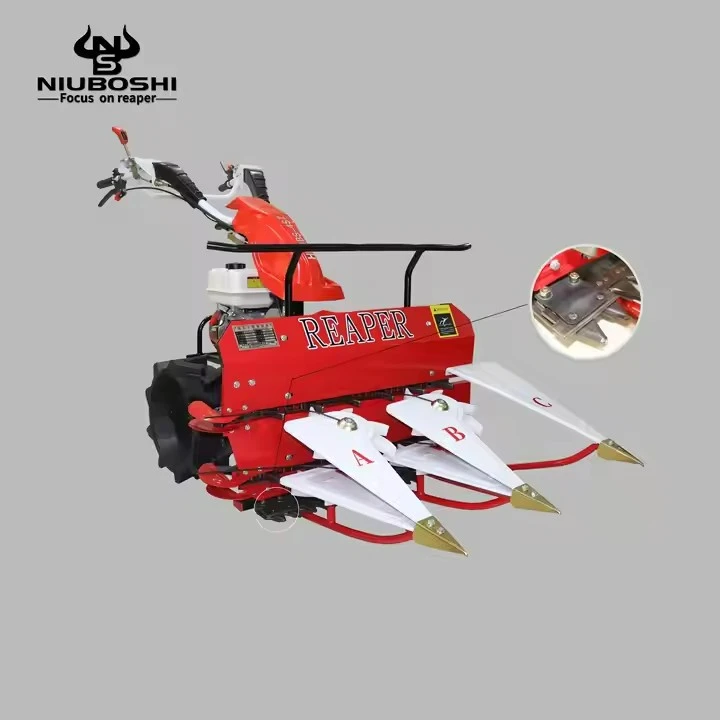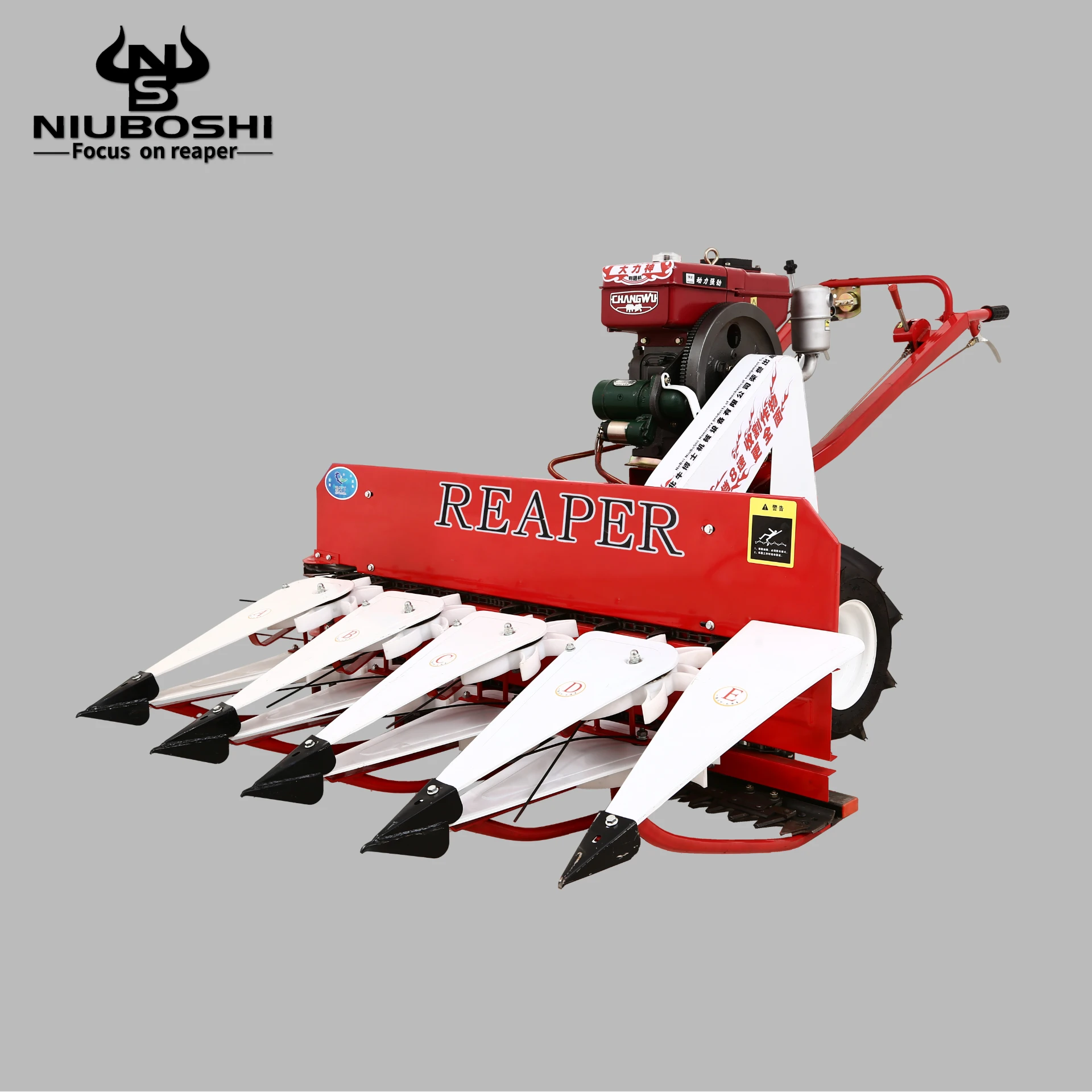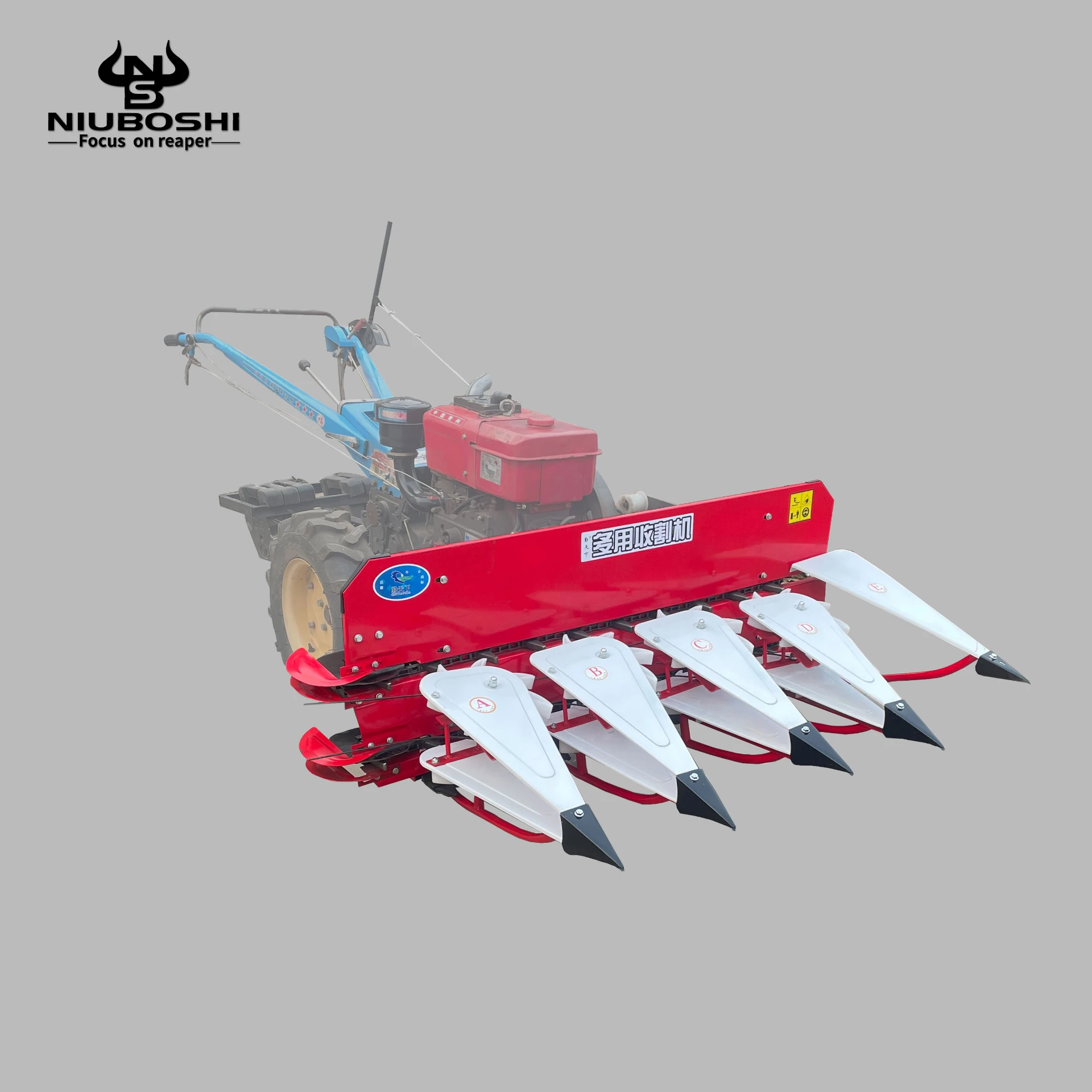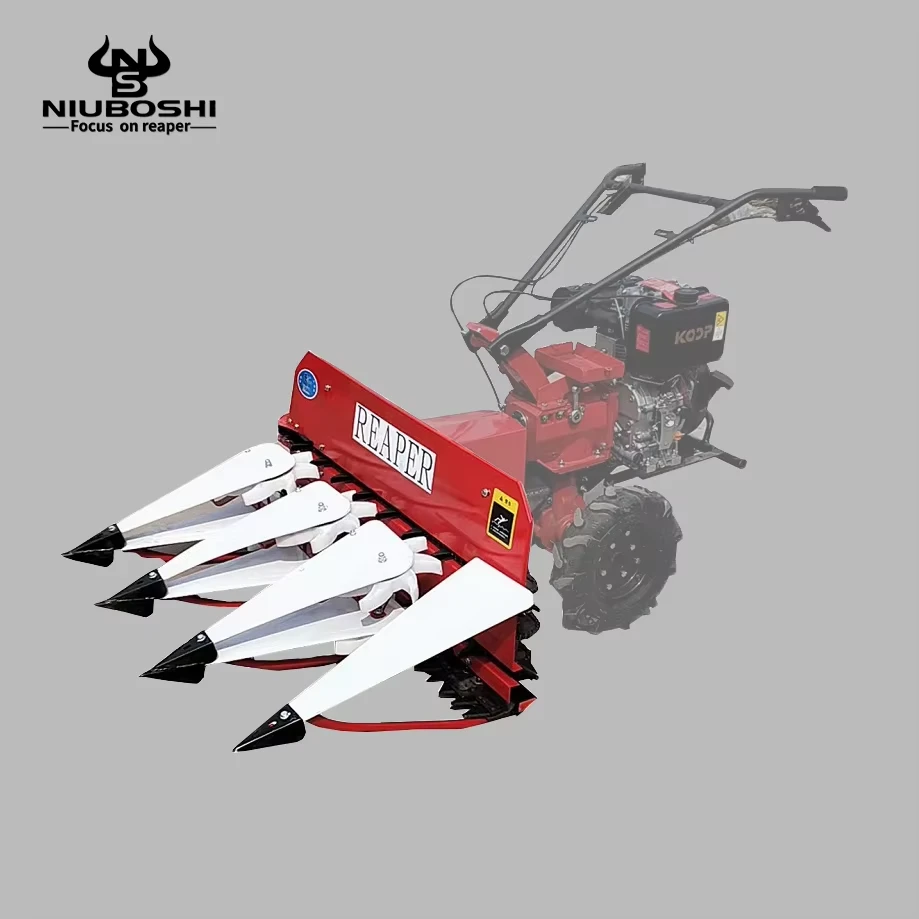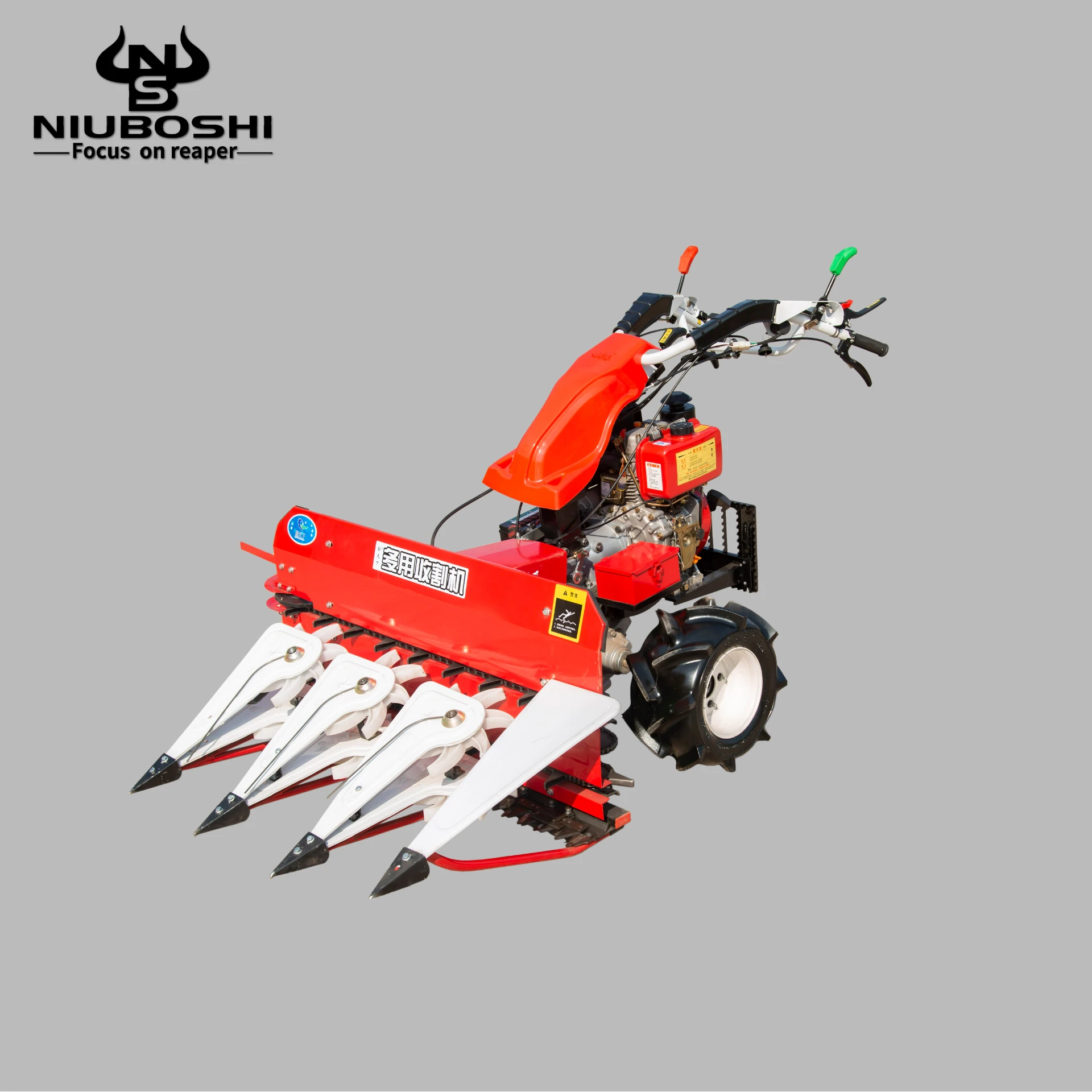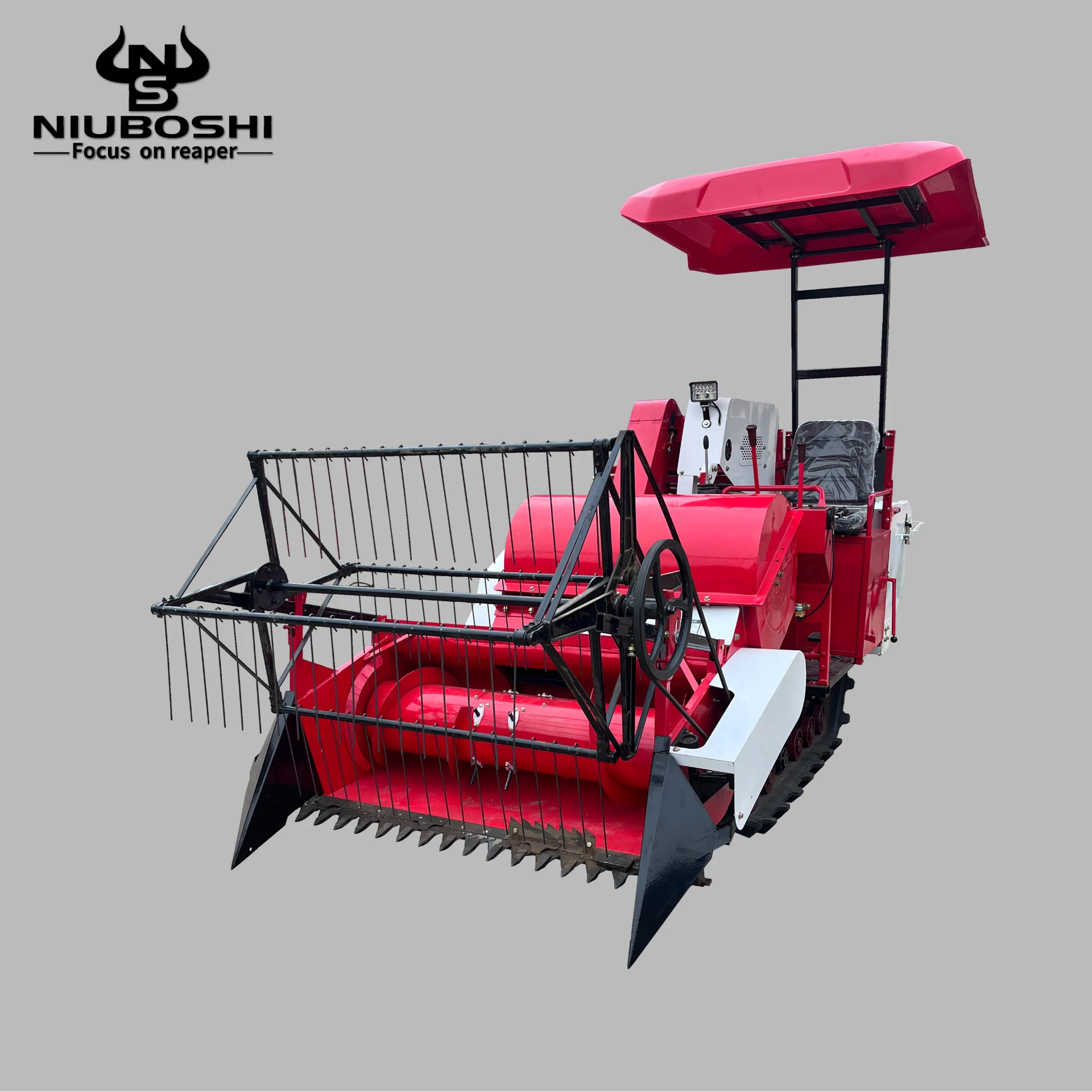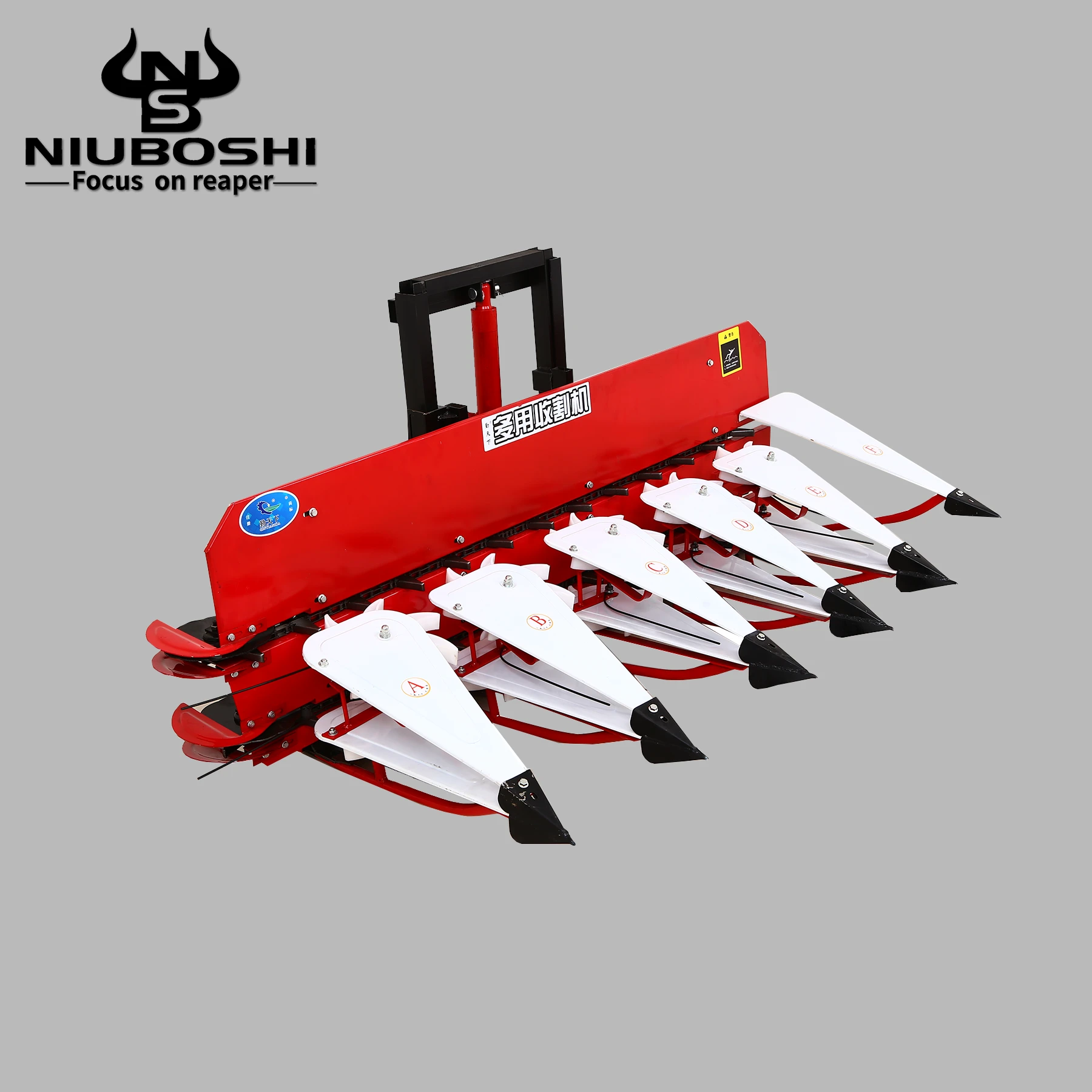
Small Paddy Harvesting Machines – Efficient & Affordable Rice Harvesting Solutions
Small Paddy Harvesting Machines: Why They Matter in Today’s World
If you've ever walked through a rice field during harvest season, you’d probably marvel at the rhythm and coordinated chaos of people busy cutting and bundling paddy. Now, imagine that process streamlined by a small paddy harvesting machine — a compact agricultural marvel that doesn’t just speed up harvesting but revolutionizes how millions of farmers manage their livelihoods. Why does this matter globally? Well, rice feeds over half the world’s population, according to the FAO, and ensuring efficient, affordable harvesting methods can mean the difference between food security and scarcity for entire regions.
Understanding small-scale mechanized harvesting isn’t just a technical exercise but a window into alleviating labor shortages, tackling climate challenges, and empowering smallholder farmers from Southeast Asia to West Africa. Plus, for agribusinesses, knowing these tools means smarter investments and sustainable farming futures.
The Global Context: Why Small Paddy Harvesters Are Gaining Ground
Rice is the staple for more than 3.5 billion people globally, yet nearly 90% of rice cultivation happens on small farms under two hectares, where manual harvesting remains dominant. The United Nations Food and Agriculture Organization estimates that post-harvest losses due to inefficient harvesting reach 10–20% in many regions. This inefficiency translates not only to fewer food supplies but also lost income for farmers.
Small paddy harvesting machines fill an essential gap — offering affordable, scalable mechanization suited to these modest landholdings. For example, in countries like India, Bangladesh, and Vietnam, where rice paddies are fragmented and terraced, traditional large combines just don’t cut it. Plus, labor shortages aren’t theoretical; young people are migrating to cities in droves, leaving an aging farmer population behind.
Addressing these challenges requires tools designed for local realities — small, nimble, cost-effective harvesting machines that reduce reliance on manual labor, minimize grain losses, and enable timely harvests crucial under shifting weather patterns.
What Exactly Is a Small Paddy Harvesting Machine?
At its core, a small paddy harvesting machine is a mechanized agricultural tool specifically designed to harvest rice crops efficiently on small plots, generally less than 3 hectares. Unlike large, industrial combines, these machines are compact, lightweight, and more affordable — making them accessible to smallholder farmers or cooperatives.
These machines generally combine cutting and threshing functions, and some models include grain cleaning and collection. They can be hand-operated or tractor-mounted but, importantly, are tailored for the unique terrain and planting techniques found in rice-growing areas.
From a broader perspective, they’re part of a global trend towards appropriate technology — machines that meet humanitarian needs by increasing productivity while being mindful of resource constraints.
Core Components That Make Small Paddy Harvesters Tick
1. Durability and Build Quality
These machines often work in wet, muddy conditions and need to withstand rough handling. Material choice and sealing against moisture are crucial. Many engineers praise newer models that incorporate rust-resistant alloys or treated steel, trimming downtime and repair costs.
2. Cost Efficiency
Price sensitivity is key. These harvesters aim to be affordable for smallholders yet durable enough to justify investment. Some manufacturers offer leasing options or pay-per-use models to help farmers overcome upfront cost barriers.
3. Scalability and Size
The machine’s size needs to be just right for small or irregular paddies. Too big, and it won’t navigate tight spaces; too small, and it might slow the harvest. Many designs incorporate adjustable headers or modular components to tackle various field sizes.
4. Ease of Operation
Not every farmer is a mechanic or technician, so user-friendliness is essential. Simple controls, minimal maintenance, and clear manuals make a big difference in adoption rates in rural areas.
5. Harvest Quality
The goal: minimize grain loss and damage. Effective threshing, gentle handling, and good separation mechanisms increase yield quality, impacting both market value and seed viability for the next season.
Global Applications & Real-World Examples
Small paddy harvesting machines are not a niche luxury — they’re frontline tools in rice-growing hubs from Asia to Africa. For instance:
- Southeast Asia: In Vietnam’s Mekong Delta, farmers use compact harvesters to cut costs and save precious time during monsoon-sensitive harvest windows.
- South Asia: In India’s Punjab and Bangladesh’s rural districts, cooperative farming communities pool resources to buy shared models, balancing affordability and scale.
- Africa: Countries like Nigeria and Ghana are integrating these machines to modernize rice production and curb import reliance.
- Relief operations: Post-disaster agricultural recovery programs often distribute small harvesters to restart local food systems quickly after floods or droughts.
One case study from a cooperative in northern Thailand reported a 30% decrease in harvest time and a 15% increase in grain recovery after adopting small mechanized harvesters.
Product Specification Table
| Specification | Typical Range / Example |
|---|---|
| Weight | 120–250 kg |
| Engine Type | Petrol or Small Diesel, 5–10 HP |
| Cutting Width | 600–1200 mm |
| Threshing Type | Tangential or Axial Flow |
| Productivity | 0.1–0.25 hectares/hour |
| Price Range | $800–$3000 USD |
Advantages and Long-Term Value of Small Paddy Harvesters
Aside from the obvious time savings, the long-term impacts are profound. First, there's cost reduction — reduced labor costs alone can make a significant dent in a farmer’s annual expenses.
Second, sustainability — efficient harvesting minimizes losses and reduces wasted seed and food. Lower fuel consumption models also promote environmental responsibility. I remember chatting with a farmer who said that using a smaller machine felt “more respectful” to the land, because it didn’t compact his soil excessively or leave large fuel residues.
Then there's social impact: mechanization reduces the brutal physical labor needed during hot harvesting months, improving health outcomes. Plus, the dignity or pride in owning and operating modern equipment can encourage younger generations to stay in agriculture.
Future Trends & Innovations to Watch
Oddly enough, some of the biggest innovations don’t revolve around bigger engines but smarter electronics. We’re seeing:
- Digital integration: GPS-guided navigation and IoT sensors to monitor grain quality or machine health remotely.
- Green energy: Solar-powered or hybrid electric harvesters to reduce fossil fuel reliance.
- Automation: Autonomous small harvesters that can work in difficult terrains without constant supervision.
- Material science advances: Lightweight composites improving durability with less weight.
The combination of these elements signals a gradual but impressive transformation — no longer just “small,” but smart machines contributing to a sustainable cropping cycle.
Challenges & Practical Solutions
Of course, no technology is without hurdles. Challenges include:
- Maintenance difficulty: In remote areas, spare parts and technical support can be scarce.
- Affordability: Even the cheapest machines may be out of reach for many farmers without subsidies or credit.
- Training: Operators need adequate training to avoid misuse or accidents.
Solutions? Analysts suggest partnerships between governments, NGOs, and manufacturers to create training hubs, offer microfinancing, and stock affordable replacement parts locally. Some companies now include remote support via mobile apps — clever, right?
Vendor Comparison Table
| Brand | Price Range (USD) | Engine Type | Special Features | Warranty |
|---|---|---|---|---|
| AgriCompact Pro | $1200 - $1800 | Petrol 7 HP | Adjustable cutting width, lightweight frame | 2 years |
| GreenField Mini-Combine | $2500 - $3000 | Diesel 9 HP | Eco-friendly engine, IoT enabled | 3 years |
| HarvestEase SPH-400 | $850 - $1300 | Petrol 5.5 HP | Simple controls, easy maintenance | 1 year |
Frequently Asked Questions About Small Paddy Harvesting Machines
1. How do small paddy harvesting machines differ from larger combines?
Small paddy harvesters are designed for maneuverability and affordability on small farms (usually under 3 hectares). They are lighter, easier to operate, and more cost-effective compared to large combines, which are better suited for vast, flat fields.
2. Can small-scale farmers afford these machines?
Price is indeed a challenge but many manufacturers offer financing plans, leasing, or cooperative purchasing options. Additionally, government subsidies and NGO programs often support smallholder mechanization, making it more accessible.
3. Do these machines require special training?
Yes, proper operation and routine maintenance are vital for safety and longevity. Simple machines come with straightforward controls, and many vendors provide training or manuals — plus community workshops exist in many rice-growing regions.
4. What is the average lifespan of a small paddy harvesting machine?
With proper care and maintenance, these machines typically last 5–8 years, though this depends heavily on usage intensity, storage conditions, and the availability of spare parts.
5. Are small paddy harvesting machines environmentally friendly?
Compared to manual labor or larger machinery, smaller harvesters consume less fuel and emit fewer pollutants. Upcoming models utilize hybrid or electric engines aiming to further reduce environmental footprints.
Wrapping Up: Why Small Paddy Harvesting Machines Are a Smart Investment
In real terms, going small on paddy harvesting isn’t just a trend — it’s a necessary evolution for feeding a growing population sustainably and equitably. These machines balance affordability, efficiency, and adaptability, directly influencing food security and rural livelihoods.
For farmers, cooperatives, and agribusinesses exploring mechanization, diving deeper into small paddy harvesting machine options is a no-brainer — the right machine can invigorate productivity while respecting local farming traditions.
Explore the latest models, financing schemes, and regional programs to stay ahead — because in the world of rice farming, every grain counts.
Visit our website for more details and expert guidance: https://www.hbniuboshi.com
References
Latest news
-
Maximize Harvest Efficiency with the Agro Reaper Binder MachineNewsApr.16,2026
-
Boost Harvest Efficiency with the Best Agriculture Reaper MachineNewsApr.09,2026
-
Revolutionizing Agriculture with the Efficient Agriculture Power ReaperNewsApr.07,2026
-
Comprehensive Guide to the 4 Wheel Reaper Binder for Efficient HarvestingNewsApr.04,2026
-
Comprehensive Guide to Reaperbinder Technology for Efficient Hay and Crop HarvestingNewsMar.31,2026
-
Mastering the Art of Reaper Cutting for Enhanced Agricultural EfficiencyNewsMar.28,2026