Small Corn Harvester for Sale | Affordable Mechanized Harvesting Solutions
Discovering the Small Corn Harvester for Sale: A Game Changer for Modern Agriculture
When you hear about “small corn harvester for sale,” you’re stepping into the expanding world of agricultural innovation that’s quietly transforming farming across continents. Small corn harvesters are compact machines made for timely, efficient corn harvesting especially suited for small- to medium-scale farms. Their rising global relevance reflects urgent challenges: feeding growing populations, reducing labor shortages, and boosting farm profitability. Understanding these machines isn’t just about gadgets – it’s about how technology bridges food security, environmental sustainability, and farmer livelihoods worldwide.
Introduction: Why Small Corn Harvesters Matter Globally
Worldwide, corn is a staple crop feeding billions — the Food and Agriculture Organization notes that over 1.1 billion tonnes of maize were produced in 2021 alone. Yet, many farmers, especially in developing regions, struggle with manual harvesting, a backbreaking and time-intensive process. Small corn harvester for sale options address this gap by providing affordable, efficient mechanization that helps reduce post-harvest losses and labor costs. Globally, agriculture accounts for nearly 60% of employment in some low-income countries, highlighting the impact mechanized tools could make for rural economies and food systems stability.
But challenges remain — how to supply small-scale farmers with affordable machines that won’t break the bank or the land, and can work in diverse conditions? That’s precisely what this sector is trying to solve.
What Is a Small Corn Harvester?
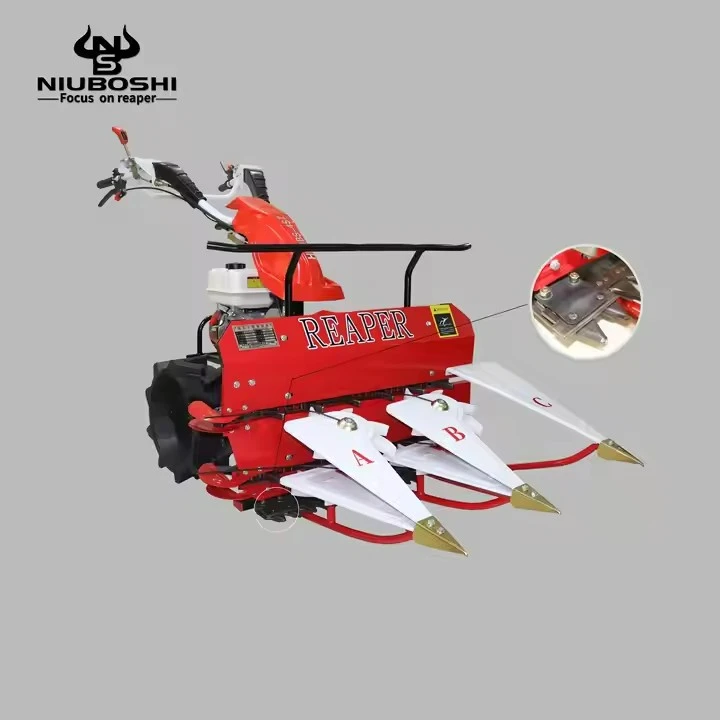
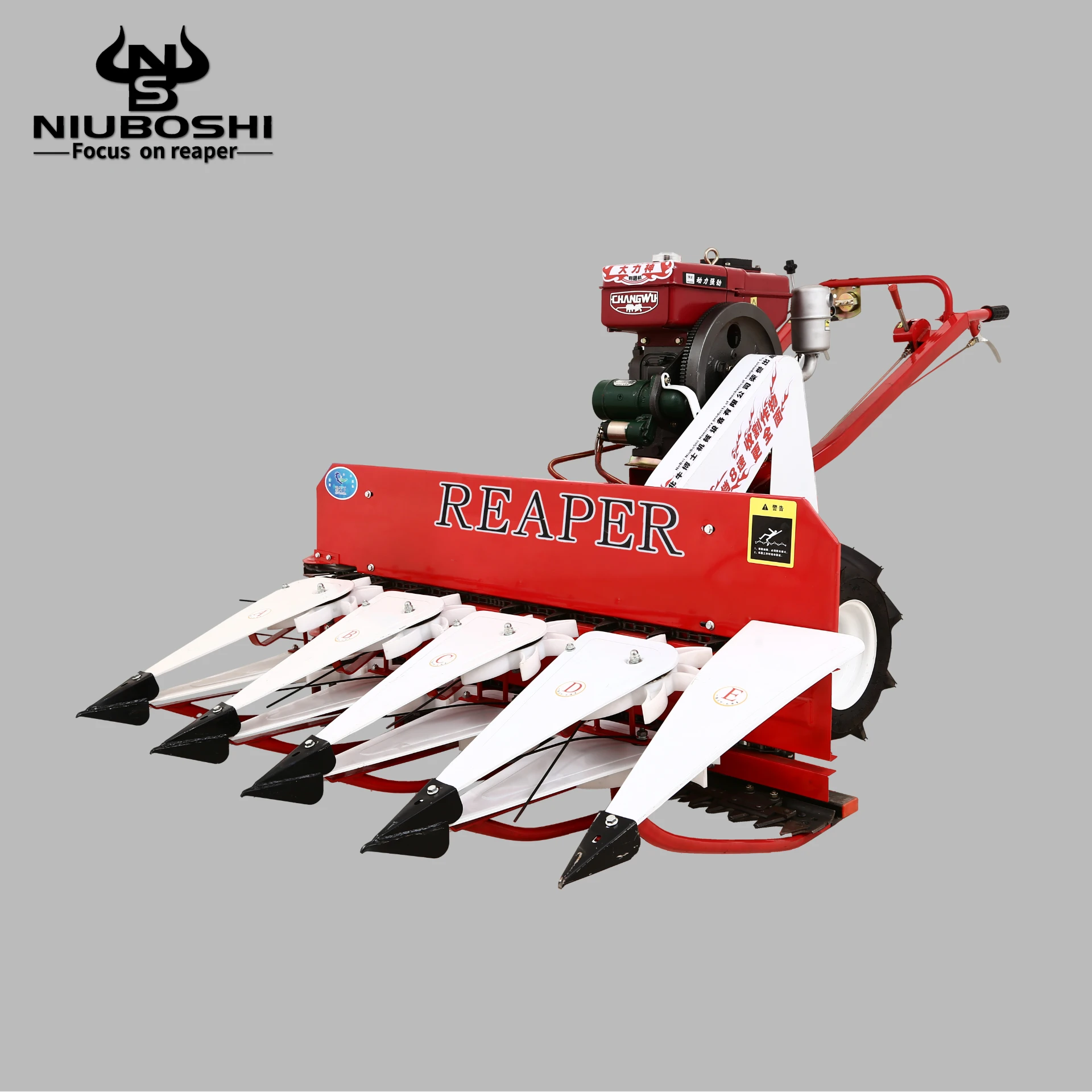
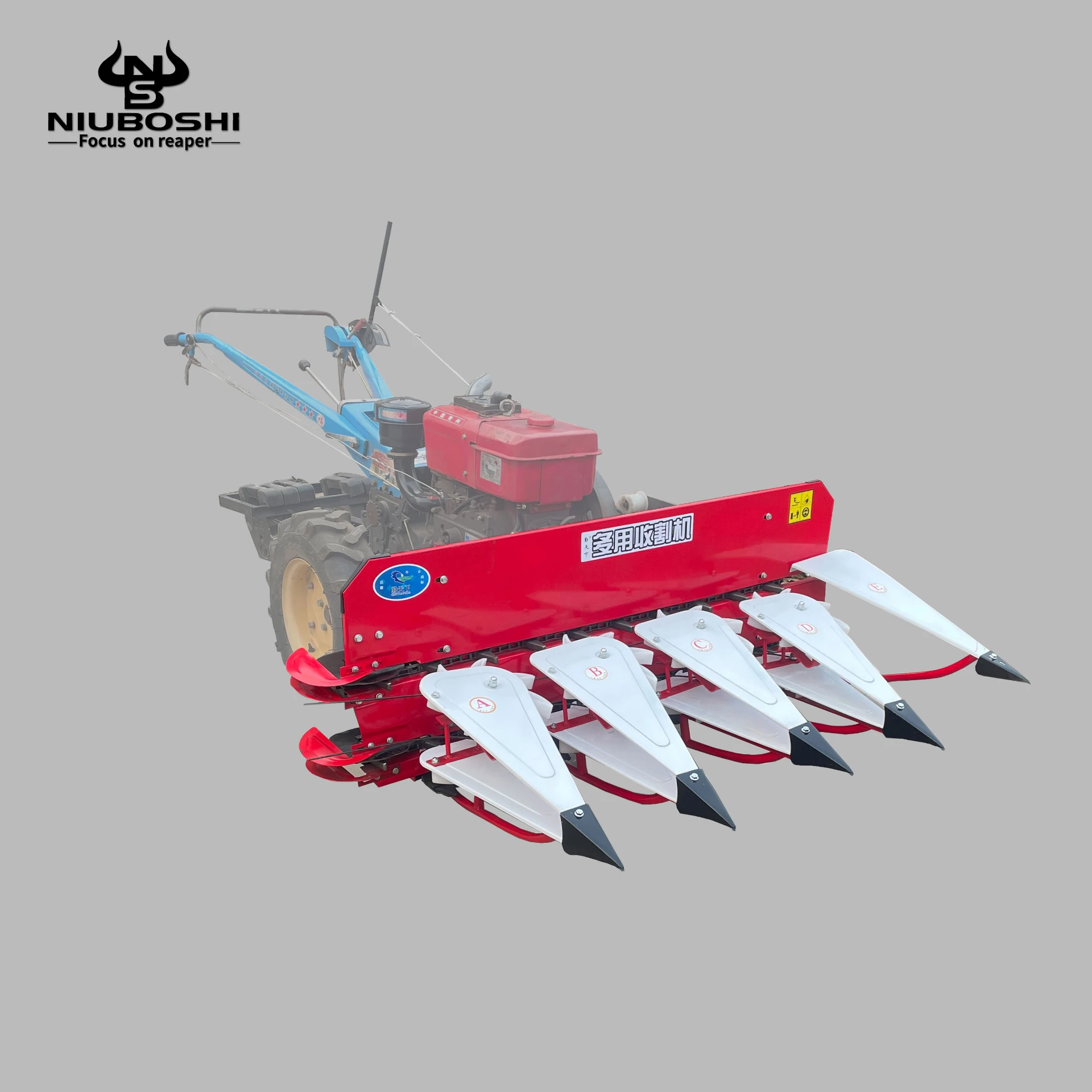
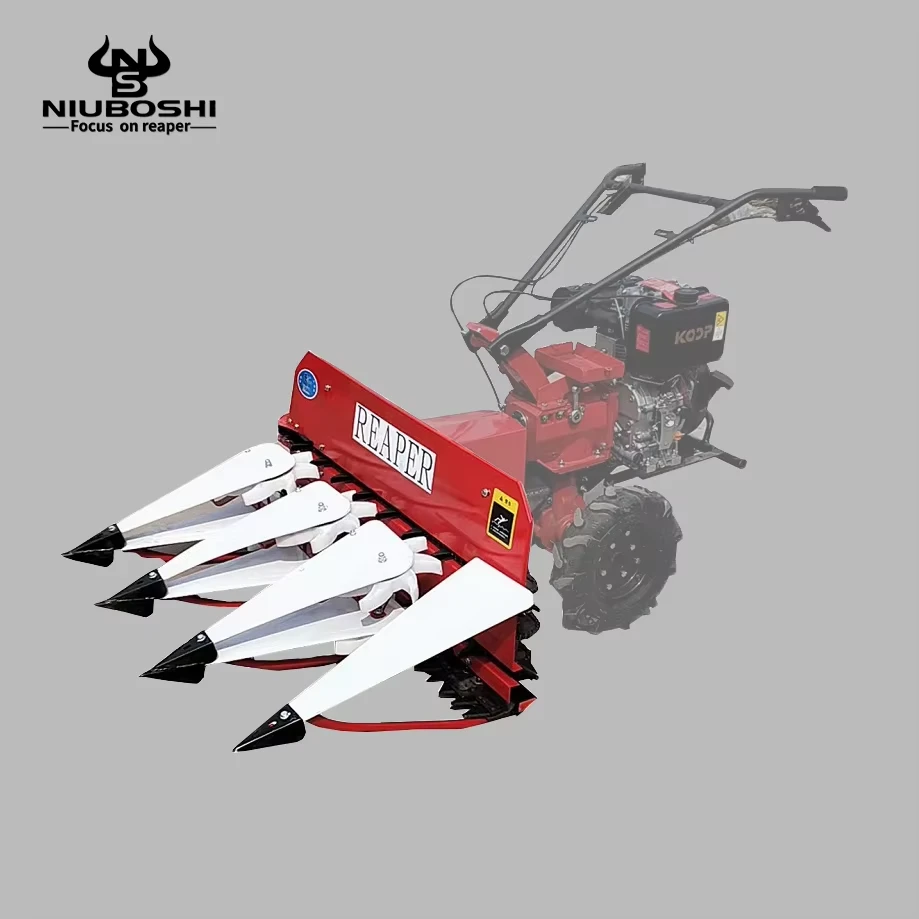
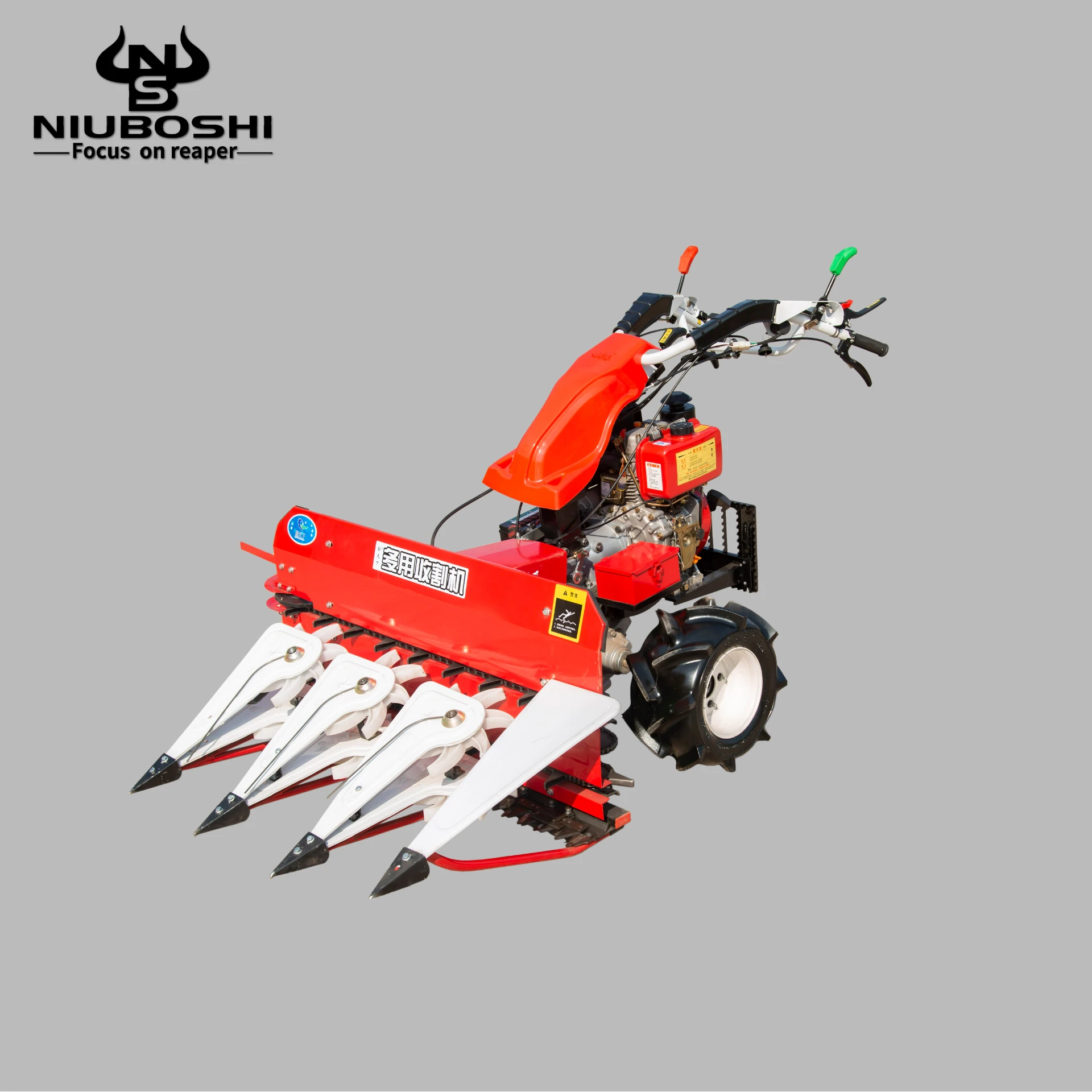
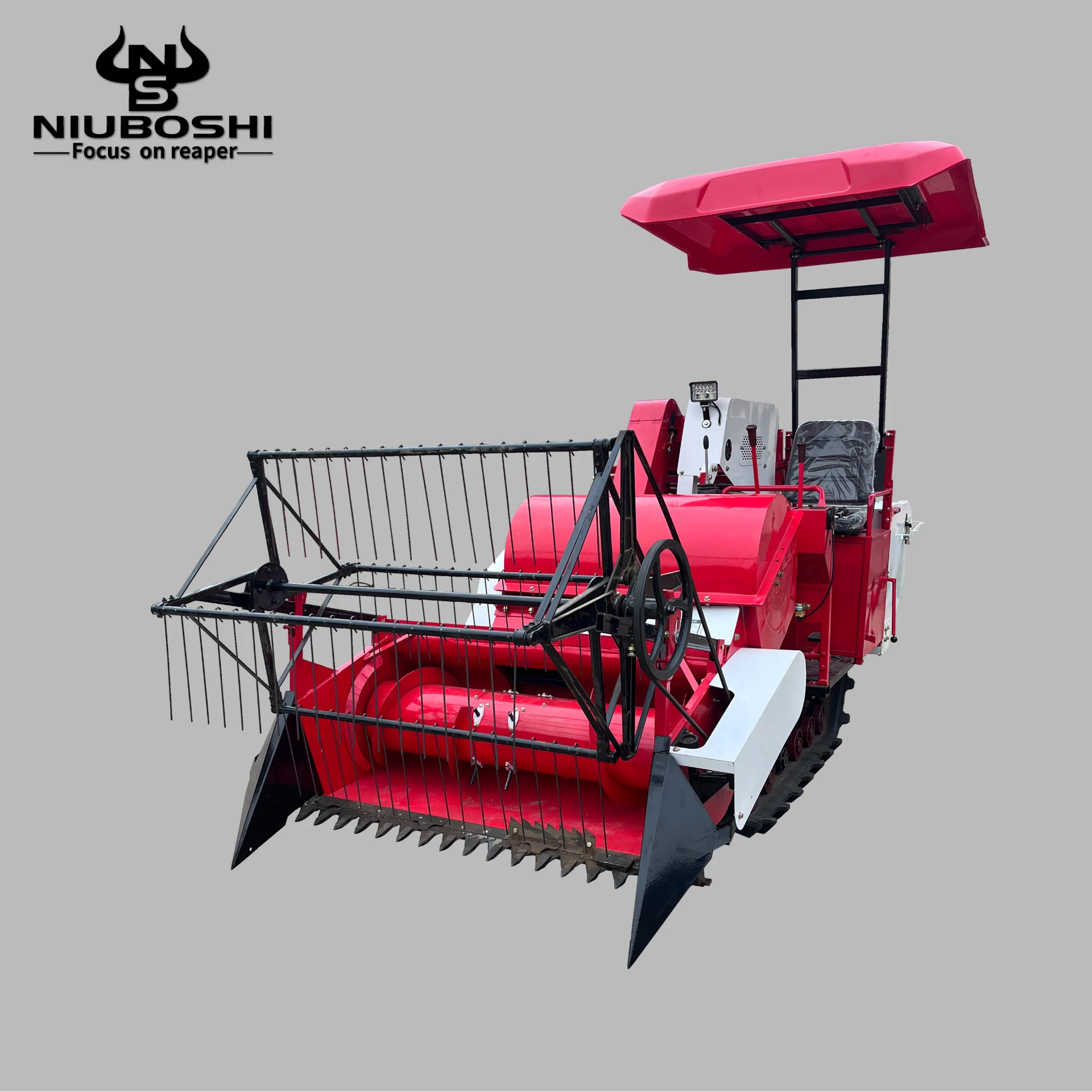
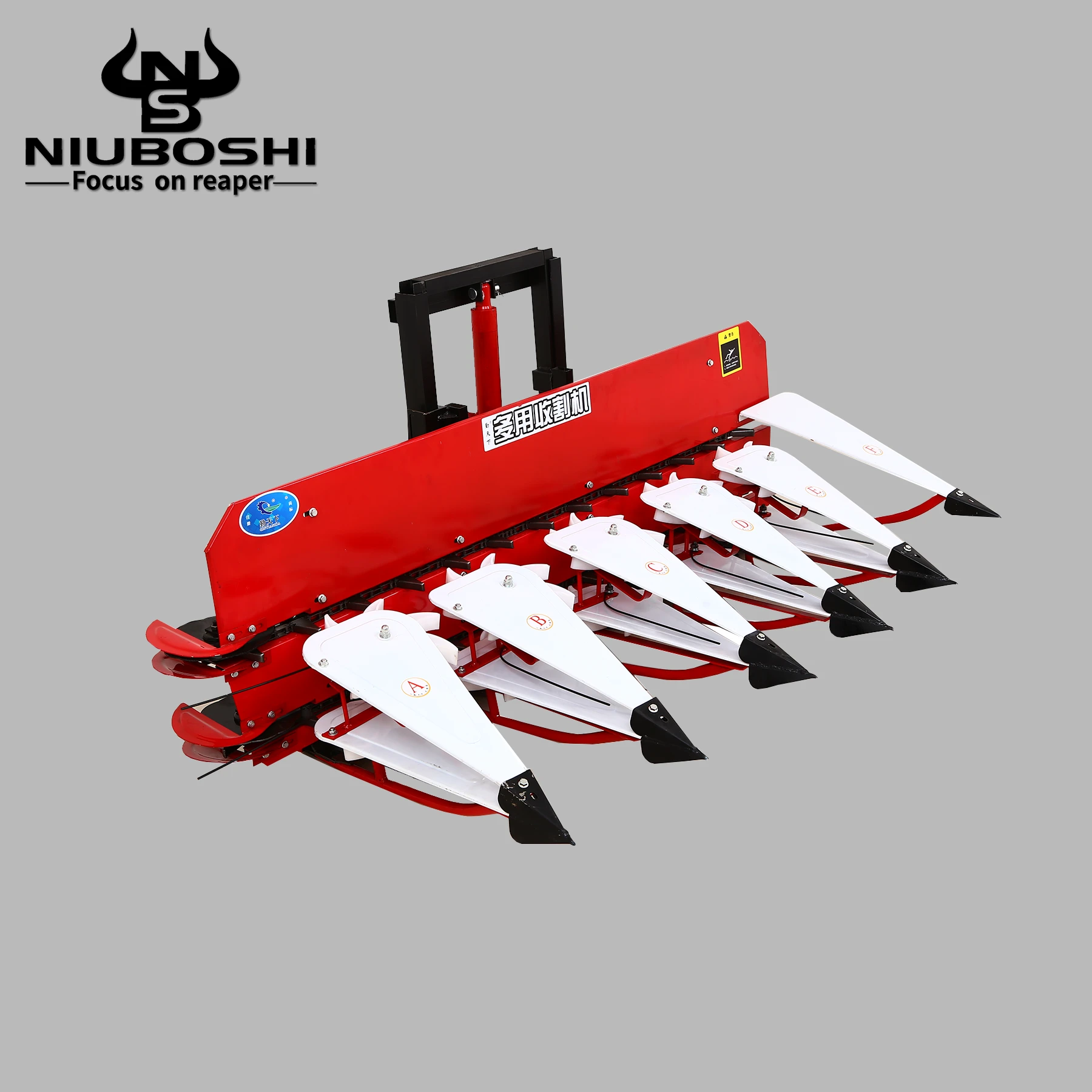
Put simply, a small corn harvester is a machine designed primarily to pick and thresh corn efficiently on small to medium farms. Unlike giant combines, it’s compact, often lightweight, and easier to operate, transport, and maintain. These machines can be as simple as tractor-attached units or self-propelled mini harvesters. They reduce human labor significantly and increase the speed and cleanliness of the harvest—critical for quality and market value. In humanitarian or development contexts, where timely harvests can mean the difference in food availability, these machines play life-changing roles.
Core Components and Key Features
- Durability: Since smallholders often face tough terrain and limited maintenance options, reliability is essential. Many harvesters use robust steel frames and protective gear to withstand dust, moisture, and rough handling.
- Cost Efficiency: Prices generally range from a few hundred to a few thousand dollars, making them accessible. Operational costs like fuel and repairs remain manageable, vital for cash-strapped farmers.
- Scalability: Models come in various sizes — from hand-operated units to motorized machines — allowing farmers to scale use with farm size and labor availability.
- Ease of Use: Intuitive controls and adjustments ensure that owners with minimal technical background can operate the machines effectively.
- Versatility: Some harvesters can adapt to corn varieties or even harvest multiple crops with minor modifications.
- Fuel Efficiency & Sustainability: Recent models emphasize lower emissions and fuel use, responding to global calls for reducing agriculture’s carbon footprint.
Global Applications and Use Cases
Small corn harvesters have found their niche in diverse environments. In sub-Saharan Africa, they’re a boon for smallholder farmers craving timely, efficient harvests without relying excessively on manual labor. In Southeast Asia’s fragmented plots, they allow quick turnaround between harvest and next planting. Oddly enough, even in parts of South America and eastern Europe, where large combines dominate big farms, small corn harvesters fill harvest gaps for family farms.
In post-disaster recovery zones—where labor is scarce and timely food production is critical—organizations have increasingly procured these compact machines to jumpstart agri-recovery efforts, a practical example of mechanization supporting resilience.
Product Specifications: Popular Small Corn Harvester Model
| Specification | Details |
|---|---|
| Engine Type | Single cylinder diesel, 7.5 HP |
| Weight | 280 kg |
| Harvesting Width | 1.2 meters |
| Fuel Consumption | 1.6 liters/hour |
| Operating Speed | 3–5 km/h |
| Price Range | $1,200 - $1,600 USD |
Vendor Comparison: Leading Small Corn Harvester Suppliers
| Vendor | Price | Warranty | After-sale Support | Global Shipping |
|---|---|---|---|---|
| Niuboshi | $1,300 | 12 months | 24/7 online & local partners | Yes |
| AgroTech Co. | $1,100 | 6 months | Email support only | Limited |
| FarmPlus | $1,400 | 18 months | Full in-field service | Yes |
Advantages & Long-Term Benefits of Small Corn Harvesters
Investing in a small corn harvester translates into practical perks: reduced labor strain, accelerated harvest speeds, and lower post-harvest losses. In real terms, this means farmers can save time and money while delivering better crop quality to market. Plus, it offers a social impact dimension – by lightening the burden on rural laborers, preserving dignity, and empowering communities to embrace innovation. Environmental sustainability also emerges since these machines optimize fuel use and cut down wastage.
Looking Ahead: Trends and Innovations
As we move forward, innovation fuels the evolution of small corn harvesters. Automated controls, GPS integration, and data-driven crop yield monitoring are becoming desirable features. Moreover, hybrid or electric-powered small harvesters are being tested, aiming for emission-free farming practices that align with ISO standards on sustainability. The rise of “smart agriculture” suggests future machines might self-adjust based on crop moisture or terrain, making them even more efficient.
Challenges and Solutions
That said, adoption isn’t without hurdles. High upfront costs, spare parts availability, and operator training remain significant barriers, especially in remote rural areas. Some enthusiasts and experts point to strengthening local dealer networks and embedding training programs within rural communities as a way forward. Also, companies like Niuboshi are focused on remote diagnostics and online support to tackle maintenance challenges — a modest but meaningful solution for users far from urban centers.
FAQ: Small Corn Harvester for Sale
- Q: What size farms benefit most from small corn harvesters?
A: Typically, farms ranging from 1 to 20 hectares find these machines ideal due to their compactness and cost-efficiency. They fill a gap where large combines are impractical or too costly. - Q: How much does maintenance cost for these harvesters?
A: Maintenance is relatively affordable, usually under $100 annually for routine servicing, given good usage practices. Fuel and wear parts are the main expenses. - Q: Can small corn harvesters handle different corn varieties?
A: Many models feature adjustable settings to harvest various corn heights and husk tightness, but checking product specs before purchase is advised. - Q: Are electric-powered small corn harvesters available yet?
A: They are emerging but not yet mainstream, largely due to battery capacity limits. Hybrid solutions are more common and expected to grow. - Q: How do I import a small corn harvester to my country?
A: Companies such as Niuboshi offer global shipping and customs support. It’s best to contact vendors directly for assistance with paperwork and logistics.
Conclusion: A Smart Investment for Sustainable Farming
Ultimately, choosing a small corn harvester for sale represents a strategic, socially conscious investment that can unlock greater productivity, sustainability, and rural empowerment. For those ready to explore mechanization options, small corn harvester for sale sources like Niuboshi provide reliable, tested options backed by global warranties and support. Frankly, it’s a small step that can make a big difference in feeding the world’s future.
Oddly enough, I find that once farmers try these machines, many say they can’t imagine going back to manual harvesting — it’s just that transformative.
1. Food and Agriculture Organization of the UN: http://www.fao.org/2. International Organization for Standardization (ISO): https://www.iso.org
3. World Bank Data on agriculture employment: https://data.worldbank.org
Latest news
-
Maximize Harvest Efficiency with the Agro Reaper Binder MachineNewsApr.16,2026
-
Boost Harvest Efficiency with the Best Agriculture Reaper MachineNewsApr.09,2026
-
Revolutionizing Agriculture with the Efficient Agriculture Power ReaperNewsApr.07,2026
-
Comprehensive Guide to the 4 Wheel Reaper Binder for Efficient HarvestingNewsApr.04,2026
-
Comprehensive Guide to Reaperbinder Technology for Efficient Hay and Crop HarvestingNewsMar.31,2026
-
Mastering the Art of Reaper Cutting for Enhanced Agricultural EfficiencyNewsMar.28,2026