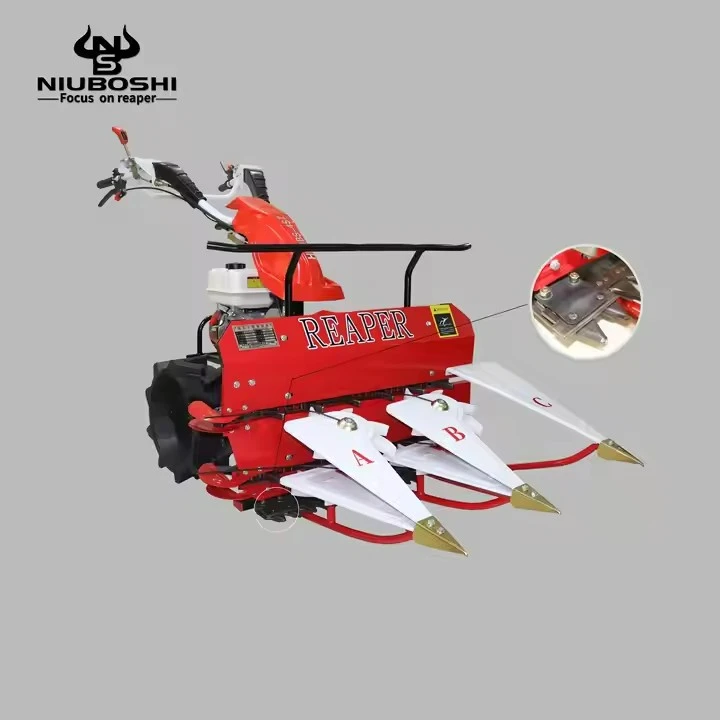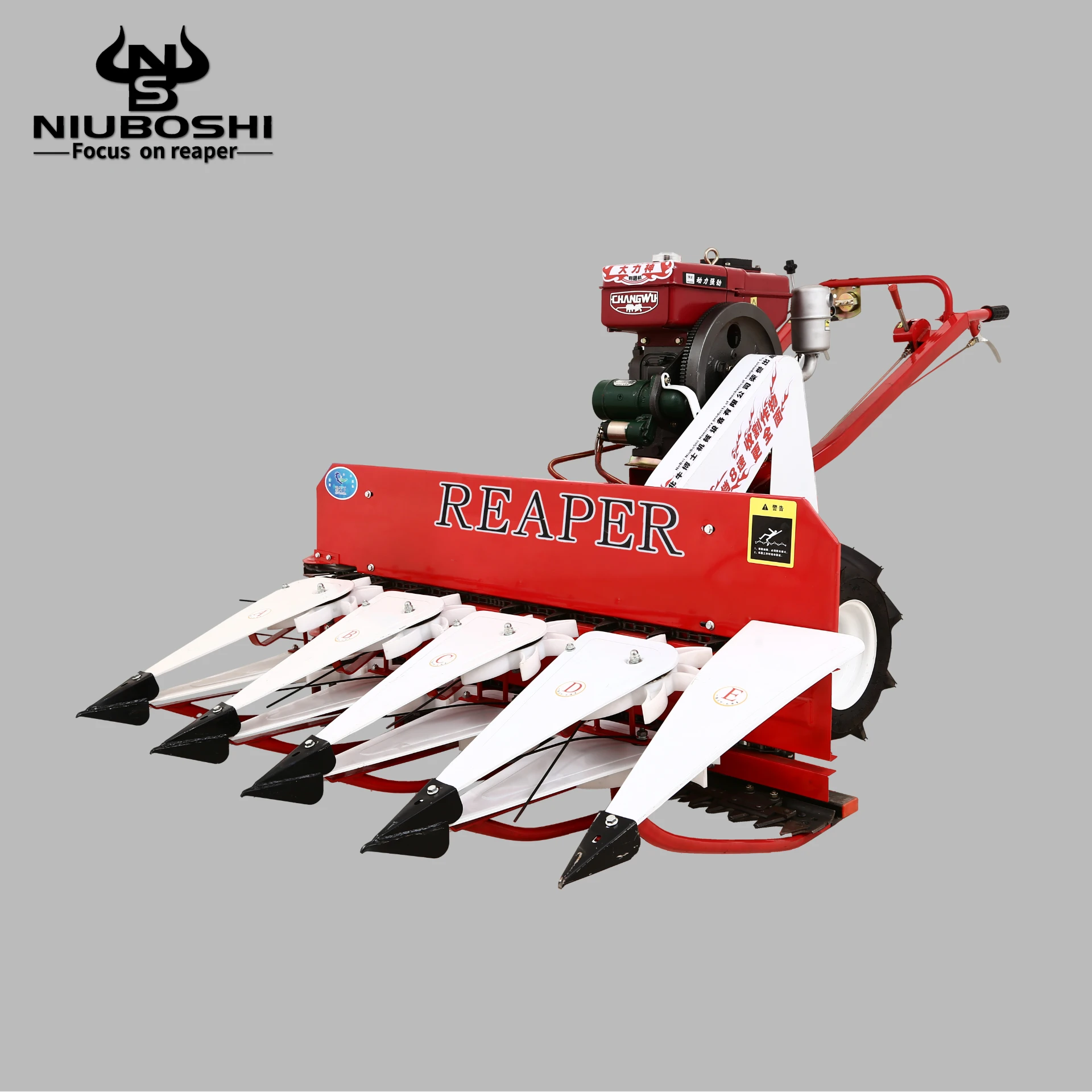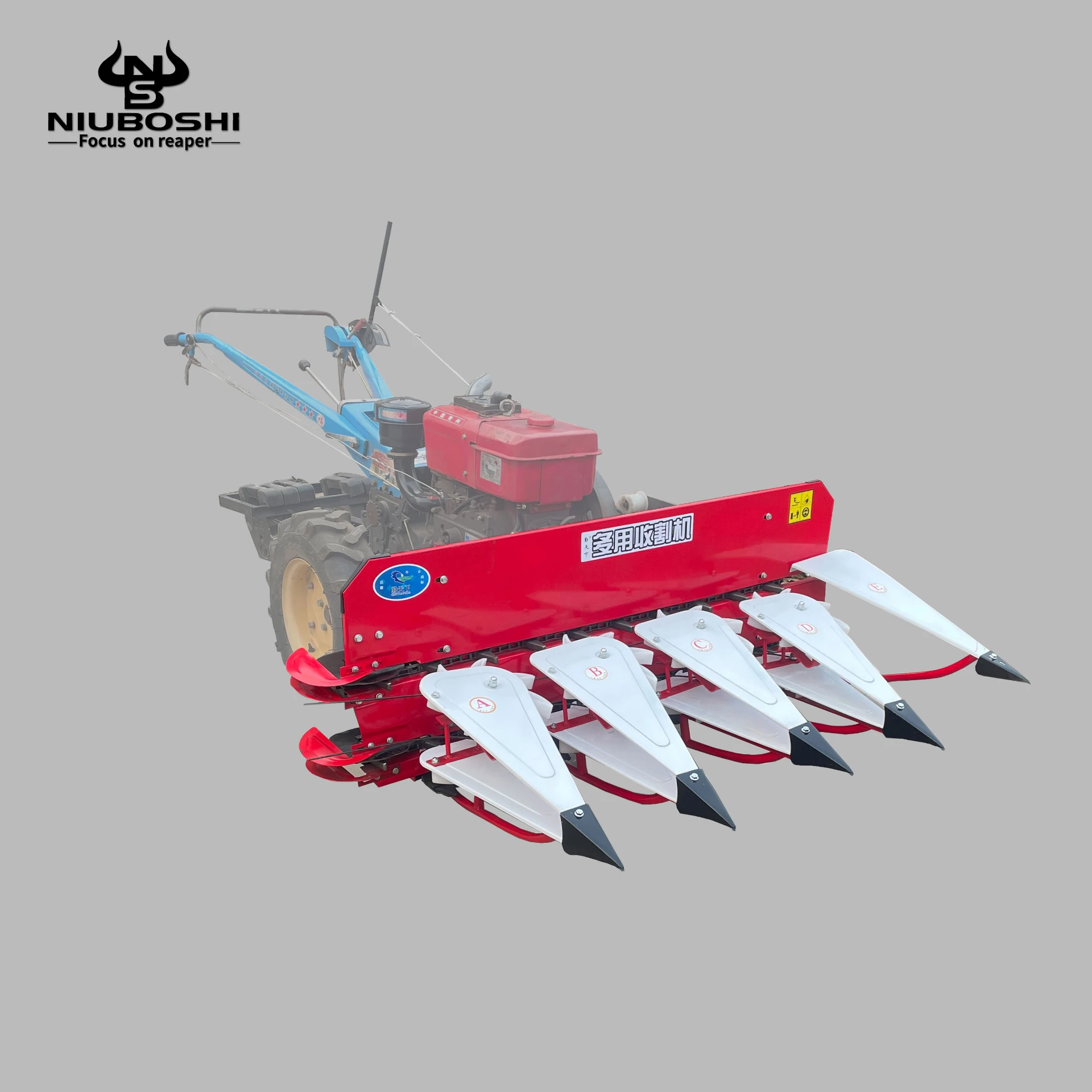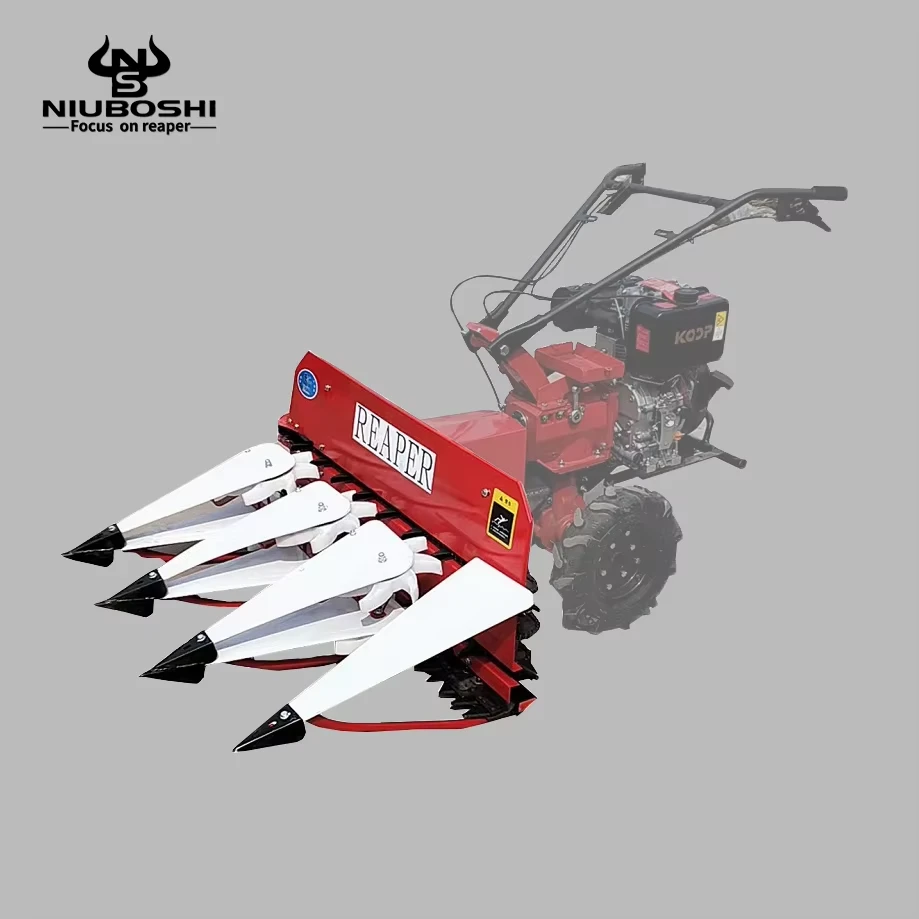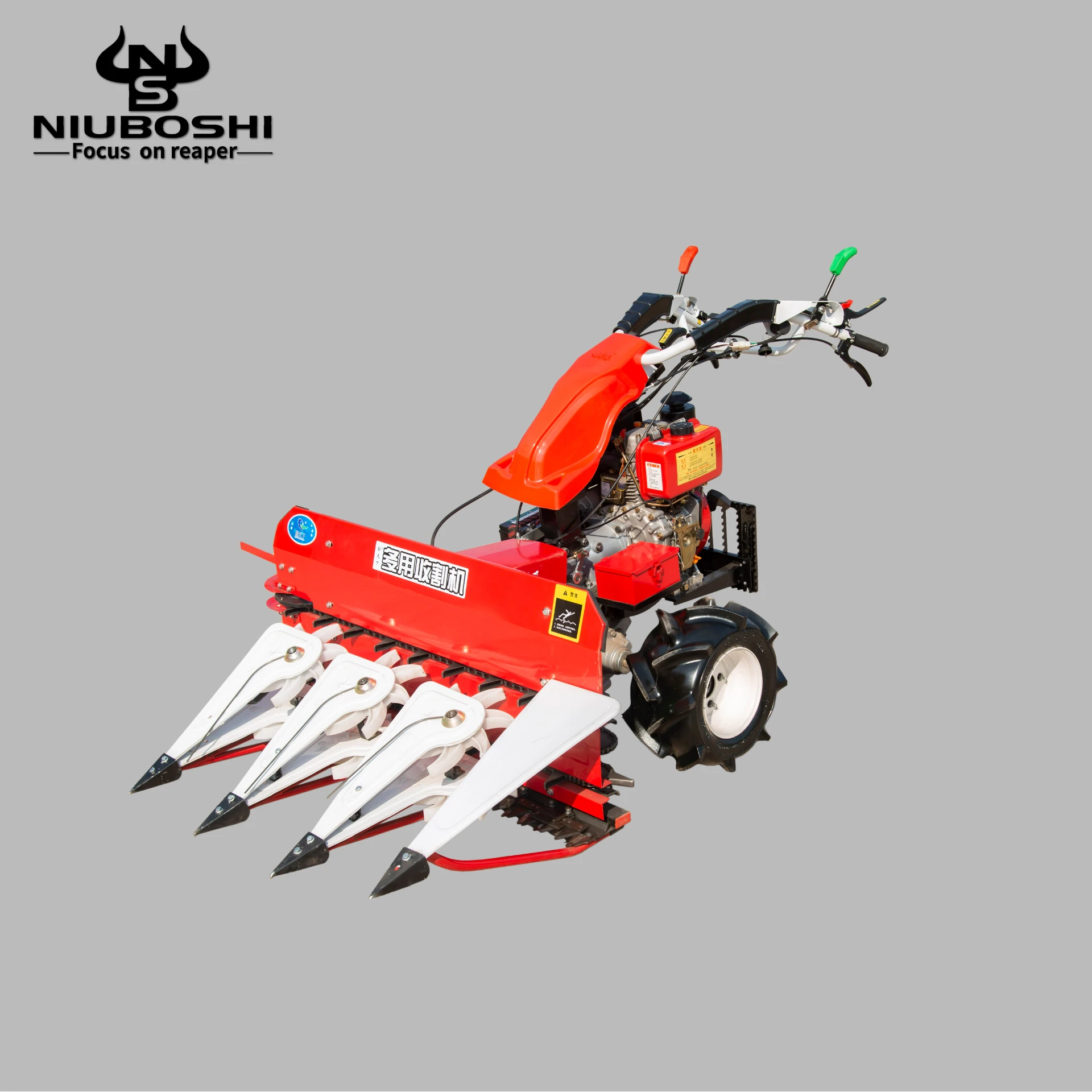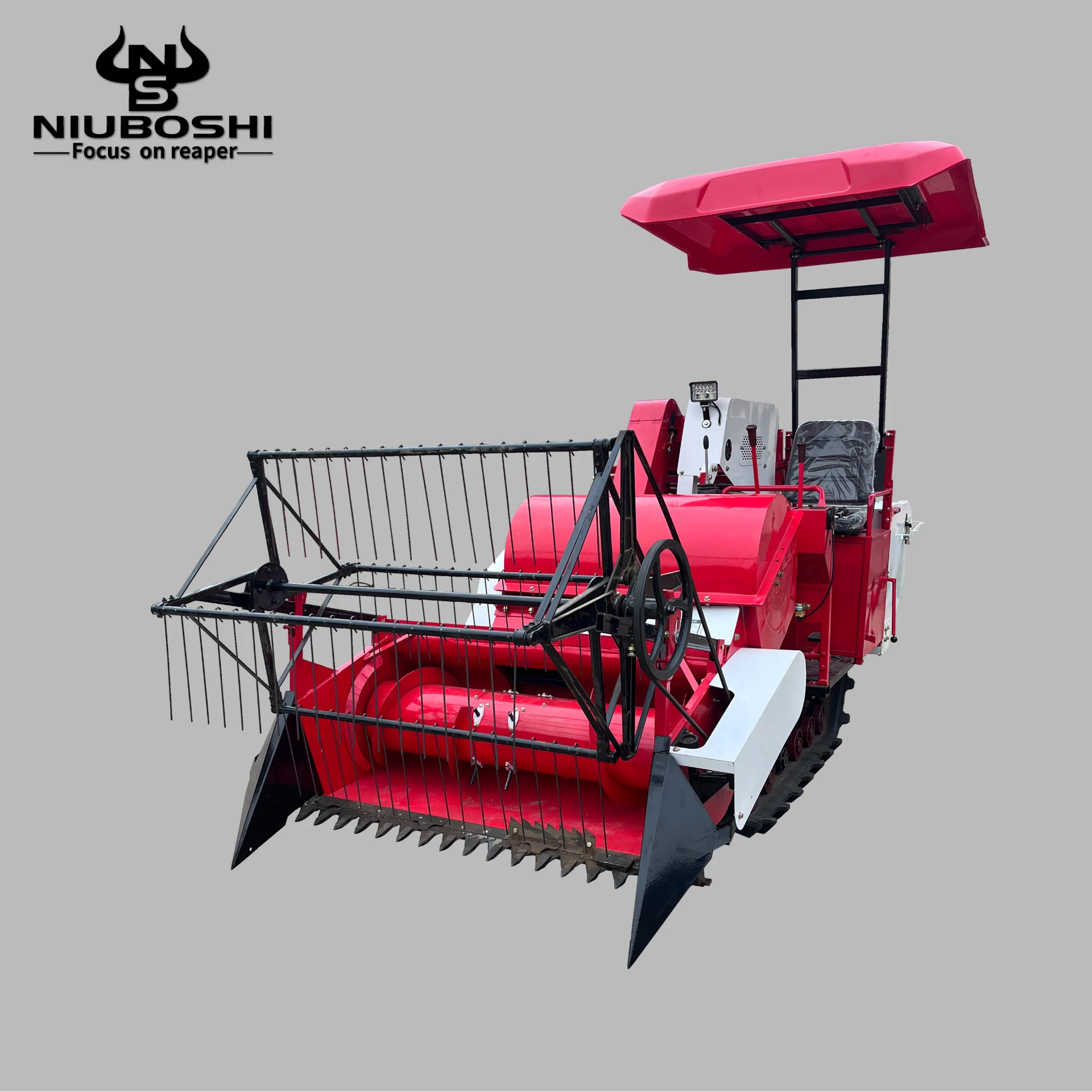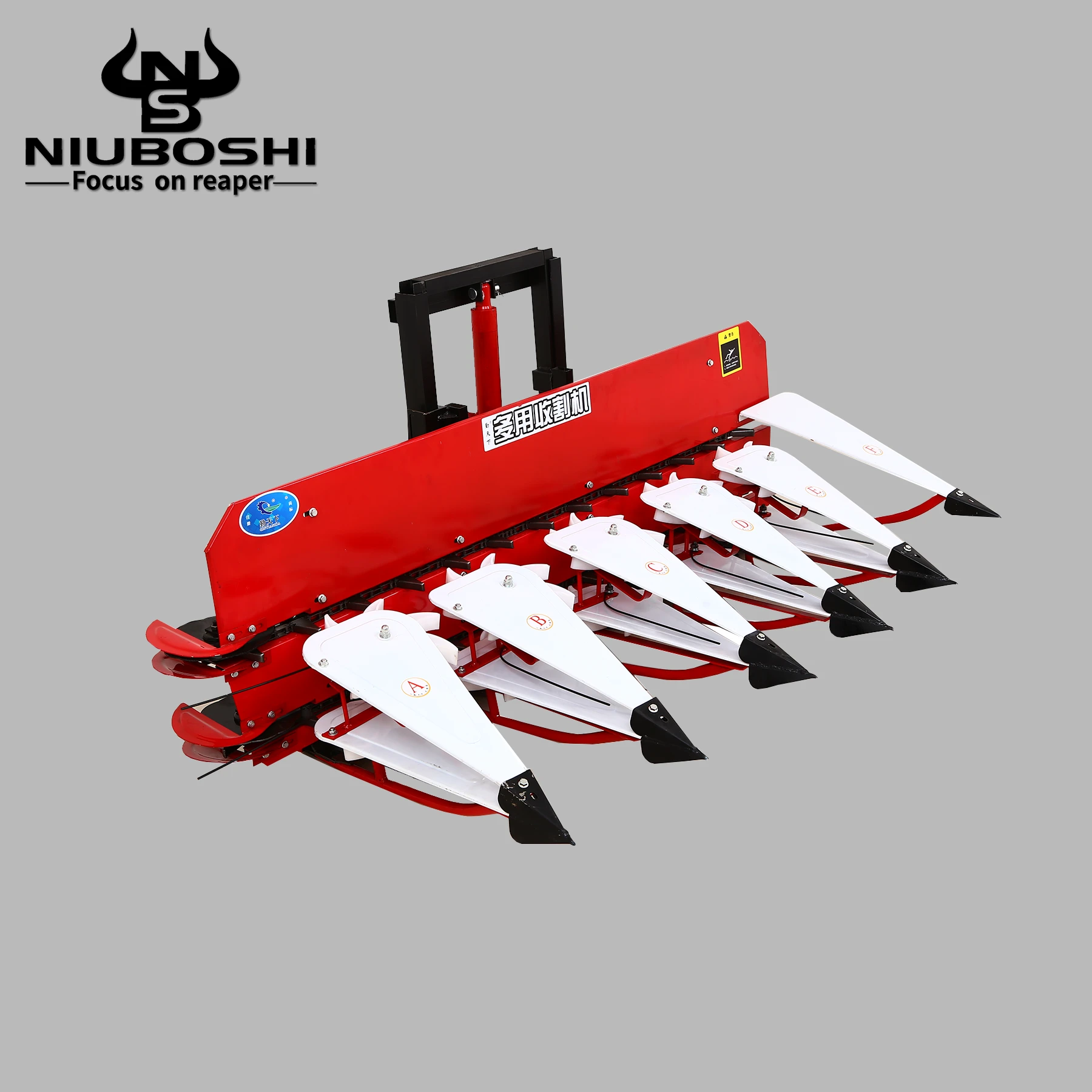
Tractor Mounted Mini Combine Harvester – Efficient Harvesting Solutions for Small Farms
What Is a Tractor Mounted Mini Combine Harvester and Why It Matters Globally
In a world increasingly challenged by food security, labor shortages, and climate unpredictability, the tractor mounted mini combine harvester emerges as an ingeniously compact answer to modern agricultural needs. It’s not just farming tech — it’s a small-scale revolution enabling millions of subsistence and commercial farmers alike to boost productivity, reduce physical strain, and optimize land use.
Understanding this machine unlocks benefits far beyond just harvesting crops. It’s about sustainable agriculture, timely harvests, and empowering rural economies, especially in developing regions where vast, mechanized equipment often isn't viable. But what makes this compact, tractor-attached tool so pivotal? Let’s dig in.
Introduction: Why Tractor Mounted Mini Combine Harvesters Are a Global Priority
Globally, agriculture supports nearly 40% of the workforce (World Bank, 2023) and feeds over 7.9 billion people. But labor migration out of rural zones plus a growing demand for higher yields puts a serious stress on traditional manual methods. That’s where the tractor mounted mini combine harvester plays a crucial role:
- It makes mechanized harvesting accessible to smaller farms that can’t afford massive combines.
- It reduces field losses due to delayed harvesting, a huge deal in regions with narrow harvesting windows.
- Compact enough to be deployed on uneven or fragmented plots common in Asia and Africa.
Despite its undeniable benefits, only a fraction of farms worldwide currently use such compact machinery — a gap we expect to steadily close in the next decade.
Mini Takeaway:
The tractor mounted mini combine harvester is more than equipment; it’s a tool bridging agricultural productivity gaps worldwide.
Defining the Tractor Mounted Mini Combine Harvester
In simple terms, a tractor mounted mini combine harvester is a smaller, lighter version of the classic combine harvester that attaches directly to a tractor to harvest cereals, pulses, and some root crops. Unlike full-sized combines that require a standalone power source, this compact variant leverages the tractor’s power take-off (PTO) for operation.
Functionally, it combines reaping, threshing, and winnowing in one streamlined tool — hence the term “combine.” But it comes in a more agile, user-friendly form designed to fit smaller plots and tight terrains. It’s a game-changer for the many smallholder farmers who form the backbone of food production globally.
Why it matters:
In humanitarian contexts, especially where agricultural systems are vulnerable, this harvester increases resilience by ensuring timely harvest, reducing manual labor burdens, and helping rural communities protect their livelihoods.
Key Features of Tractor Mounted Mini Combine Harvesters
1. Compact and Lightweight Design
This is not your high-horsepower giant. The mini combine harvester is specifically designed to be tractor-mounted without overloading the machine or damaging the soil structure. This means reduced compaction and better soil conservation, which are crucial long-term benefits.
2. Versatility Across Crop Types
These harvesters can handle a mixed bag of crops — from rice and wheat to barley and even some pulses. The adjustability of threshing speeds and sieves allows operators to customize based on crop type, ensuring less grain loss and better quality output.
3. Ease of Operation and Maintenance
No need for specialized training here — most models are designed with user-friendliness in mind for small-scale farmers or co-op workers. Simple controls, fewer moving parts, and straightforward maintenance routines help keep downtime minimal.
4. Cost Efficiency and Affordability
Compared to full-scale combines, these are way more budget-friendly, often costing 40-60% less. This reduces the entry barrier for mechanized harvesting in low-income farming regions, making mechanization feasible for many who otherwise rely on manual labor.
5. Durability and Adaptability to Terrain
Small doesn’t mean fragile. Using robust materials and design optimized for uneven fields means it won’t break down easily — a crucial factor where access to spare parts might be limited.
Mini Takeaway:
The real charm lies in balancing size, performance, and accessibility, making this equipment a practical choice for many global farming realities.
Global Applications & Use Cases
From terraced paddy fields in Southeast Asia to fragmented farmland in Eastern Europe, tractor mounted mini combine harvesters find varied and vital applications. Some notable examples:
- Smallholder Farms in India and Bangladesh: With typical plots under two acres, these farmers benefit hugely from such machines to speed up harvesting during monsoon transitions.
- Post-Disaster Agricultural Rehabilitation: In regions recovering from floods or drought, rapid harvesting can prevent massive losses. NGOs often deploy mini combine harvesters to local partners to boost recovery.
- Organic and Specialty Crop Producers: Where selectivity and gentle handling matter, downsized combines offer gentle harvesting to maintain crop integrity.
- Cooperative Farming Models in Africa: Communities pool resources to buy shared tractor-mounted combines, empowering economically weaker members.
Mini Takeaway:
In real terms, the capability to fit high-tech harvesting into limited spaces enables sustainability and economic growth in many vulnerable agricultural zones.
Advantages & Long-Term Value of Tractor Mounted Mini Combine Harvesters
- Economic Savings: Lower initial investment coupled with reduced labor costs means better ROI for farmers, cooperatives, and organizations.
- Sustainability: Reduced fuel consumption and smaller equipment footprint minimize environmental impact compared to large-scale machinery.
- Labor Safety & Efficiency: Fewer workers exposed to grueling manual tasks, and harvests completed faster, reducing crop exposure to pests and weather damage.
- Social Empowerment: By helping family farms mechanize, these harvesters support rural livelihoods, food security, and even gender equity in agriculture.
Frankly, the emotional relief farmers report—less stress, no backbreaking threshing work—can’t be quantified but is as important as any economic figure.
Product Specification Table
| Specification | Detail |
|---|---|
| Operating Speed | 2-5 km/h (adjustable) |
| Harvesting Capacity | 0.5-1.2 hectares/hour |
| Weight | 350-600 kg |
| Power Source | Tractor PTO, 20-40 HP required |
| Crop Types | Rice, wheat, barley, soybeans, pulses |
| Threshing Mechanism | Rotary cylinder with adjustable speed |
Vendor Comparison: Popular Tractor Mounted Mini Combine Harvester Models
| Vendor | Model | Price Range (USD) | Key Features | Ideal For |
|---|---|---|---|---|
| Niuboshi Machinery | MiniPro 450 | 2,800 – 3,200 | Lightweight, customizable, low fuel use | Small farms, cooperatives |
| AgriTec Solutions | CompactHarv X1 | 3,100 – 3,800 | Easy assembly, rugged chassis | Hilly terrains, mixed crops |
| FarmTech NV | HarvestMate Mini | 2,600 – 3,000 | Low maintenance, efficient threshing | Developing regions, cooperatives |
Future Trends & Innovations in Mini Combine Technology
Oddly enough, what feels like quaint mini-harvesting tech is actually on the cusp of high-tech leaps. The key trends to watch include:
- Digital Integration: IoT-enabled sensors to monitor crop yield, machine health, and fuel efficiency in real-time.
- Electric and Hybrid Power: Experiments with green energy sources to reduce emissions and run quieter operations.
- Advanced Material Use: Lightweight composites replacing steel to further cut weight and improve maneuverability.
- Automation: Semi-autonomous driving and harvest control are emerging, though still in early stages for mini combines.
It feels like a tech renaissance, but carefully scaled so these machines stay affordable and repairable in low-resource areas.
Challenges & Solutions
Of course, not everything is perfect. Among the main challenges:
- Spare Parts Availability: Small farms may struggle with sourcing parts in remote areas.
- Operator Training: While quite user-friendly, some models still require hands-on training for optimal use.
- Durability in Harsh Conditions: Dust, humidity, and rough soils take their toll over years.
Solutions? Companies increasingly offer modular parts kits, remote training tools, and localized service networks. Plus, community cooperatives sharing machine use help keep units in better shape.
FAQ: Answers to Common Questions About Tractor Mounted Mini Combine Harvesters
Q1: Can a tractor mounted mini combine harvester work on steep or mountainous terrain?
A1: Yes, many models are engineered for uneven or sloped lands, especially those with adjustable cutting heights and good ground clearance. However, extremely steep terrain may still require manual harvesting or specialized equipment.
Q2: What types of crops can be harvested with this machine?
A2: Primarily cereals like rice, wheat, barley, oats, and some legumes. Some mini harvesters can be adapted for pulses or specialty grains, but root crops usually require different tools.
Q3: How easy is it to maintain these harvesters in rural settings?
A3: Designed for simplicity, they require basic mechanical skills for maintenance. Regular cleaning, lubrication, and timely replacement of wear parts keep them running smoothly. Manuals and videos from vendors aid local repair.
Q4: Are these machines affordable for smallholder farmers?
A4: Generally yes. They cost a fraction of full-sized combines and offer shared use models. Some NGOs and cooperatives also arrange subsidies or financing to make access easier.
Conclusion
The tractor mounted mini combine harvester represents a subtle but impactful shift in agricultural mechanization. Its ability to deliver efficient, affordable, and adaptable harvesting solutions ensures farms of all sizes can participate more fully in modern food production systems. The future looks bright as innovations continue to refine this humble machine’s efficiency and sustainability.
For those interested in exploring the latest models and innovations, visit tractor mounted mini combine harvester specialists like Niuboshi Machinery, where practical technology meets real farm challenges.
References:
Latest news
-
Maximize Harvest Efficiency with the Agro Reaper Binder MachineNewsApr.16,2026
-
Boost Harvest Efficiency with the Best Agriculture Reaper MachineNewsApr.09,2026
-
Revolutionizing Agriculture with the Efficient Agriculture Power ReaperNewsApr.07,2026
-
Comprehensive Guide to the 4 Wheel Reaper Binder for Efficient HarvestingNewsApr.04,2026
-
Comprehensive Guide to Reaperbinder Technology for Efficient Hay and Crop HarvestingNewsMar.31,2026
-
Mastering the Art of Reaper Cutting for Enhanced Agricultural EfficiencyNewsMar.28,2026