Comprehensive Guide to Mini Harvester Machine Price: Factors, Trends & Benefits
Understanding the Mini Harvester Machine Price: What You Need to Know
Every year, millions of farmers worldwide invest in agricultural machinery that promises to make their work more efficient, less labor-intensive, and ultimately more profitable. But when it comes to purchasing a mini harvester machine, one of the first questions is always about the mini harvester machine price — a detail that can dramatically affect a smallholder farmer’s budget or a business’ operational planning. This topic matters because small-scale mechanization is a key ingredient in improving global food security and sustainability, and understanding price variations can help stakeholders make smarter decisions.
So, why is the mini harvester machine price crucial? Well, it’s often the entry point for many in the agricultural sector to embrace modern technology. Getting this price right—or at least well understood—unlocks a cascade of benefits, from higher crop yields to reduced post-harvest losses, especially in regions where manual labor is scarce or costly. In the following sections, we’ll explore what affects these prices, the factors you should consider, and the broader context behind the numbers.
Setting the Global Stage: Why Mini Harvester Machine Price Matters
Globally, agriculture accounts for nearly 30% of employment according to the World Bank, but a large percentage of farmers operate on small plots with limited access to capital. Mini harvesters come in as a perfect fit for these users—combining affordability with efficiency. It’s rather fascinating how a machine that can cost anywhere between a few hundred to several thousand dollars can transform the economies of rural communities.
However, the challenge lies in balancing quality against affordability. As the United Nations emphasizes through its sustainable development goals, promoting mechanized agriculture is key to increasing food production, but only if the cost structures are manageable for small and medium enterprises alike. The mini harvester machine price essentially signals accessibility, adoption rate, and, indirectly, yields and livelihoods.
Defining Mini Harvester Machine Price
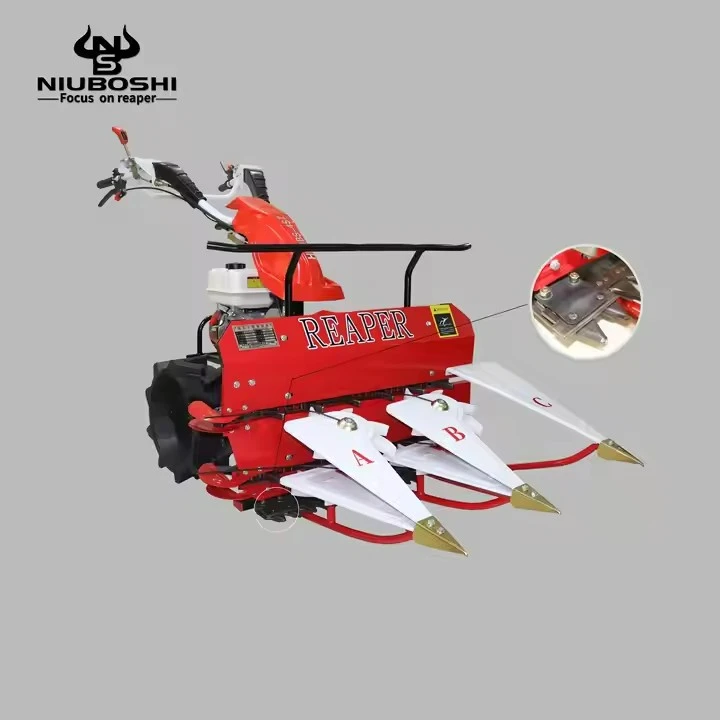
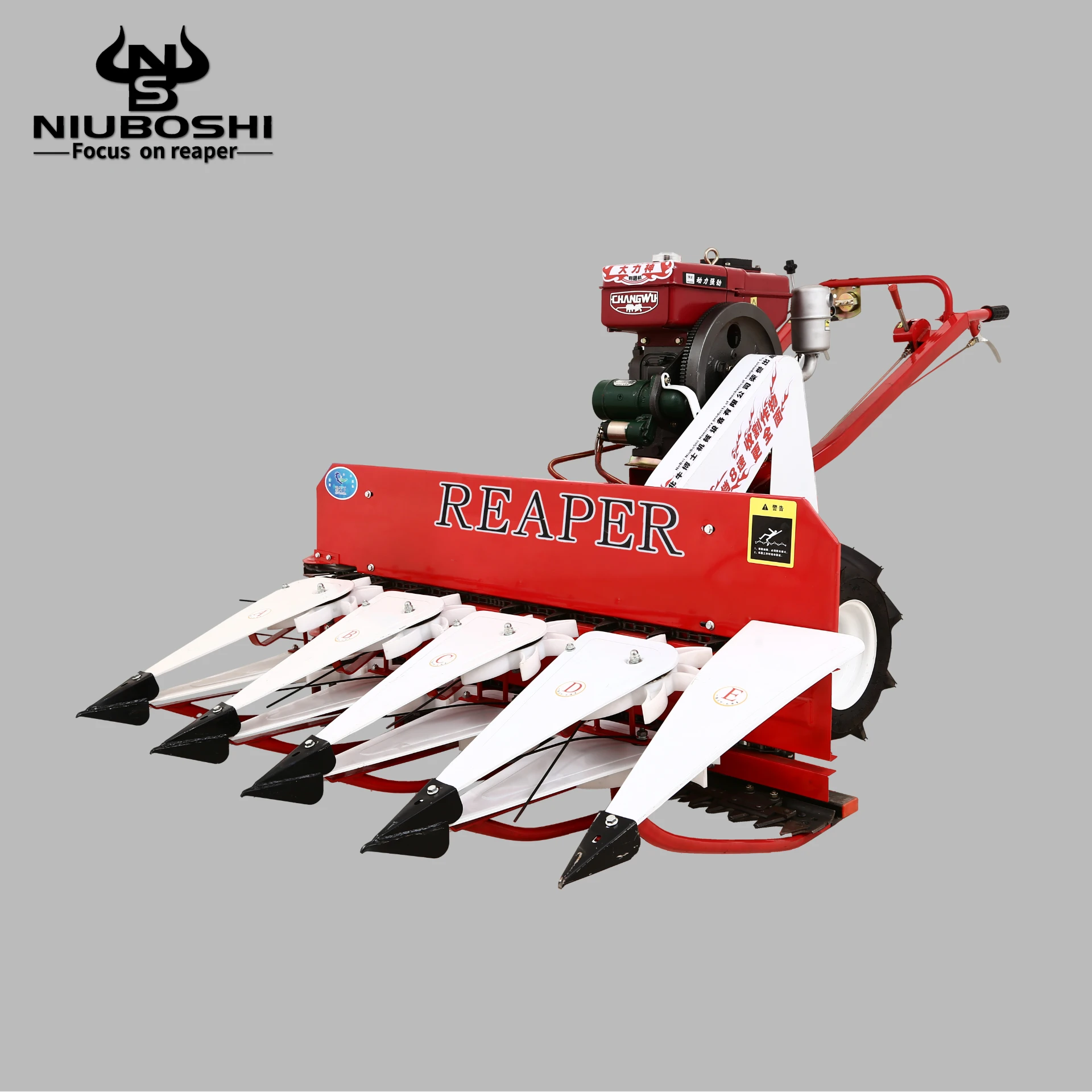
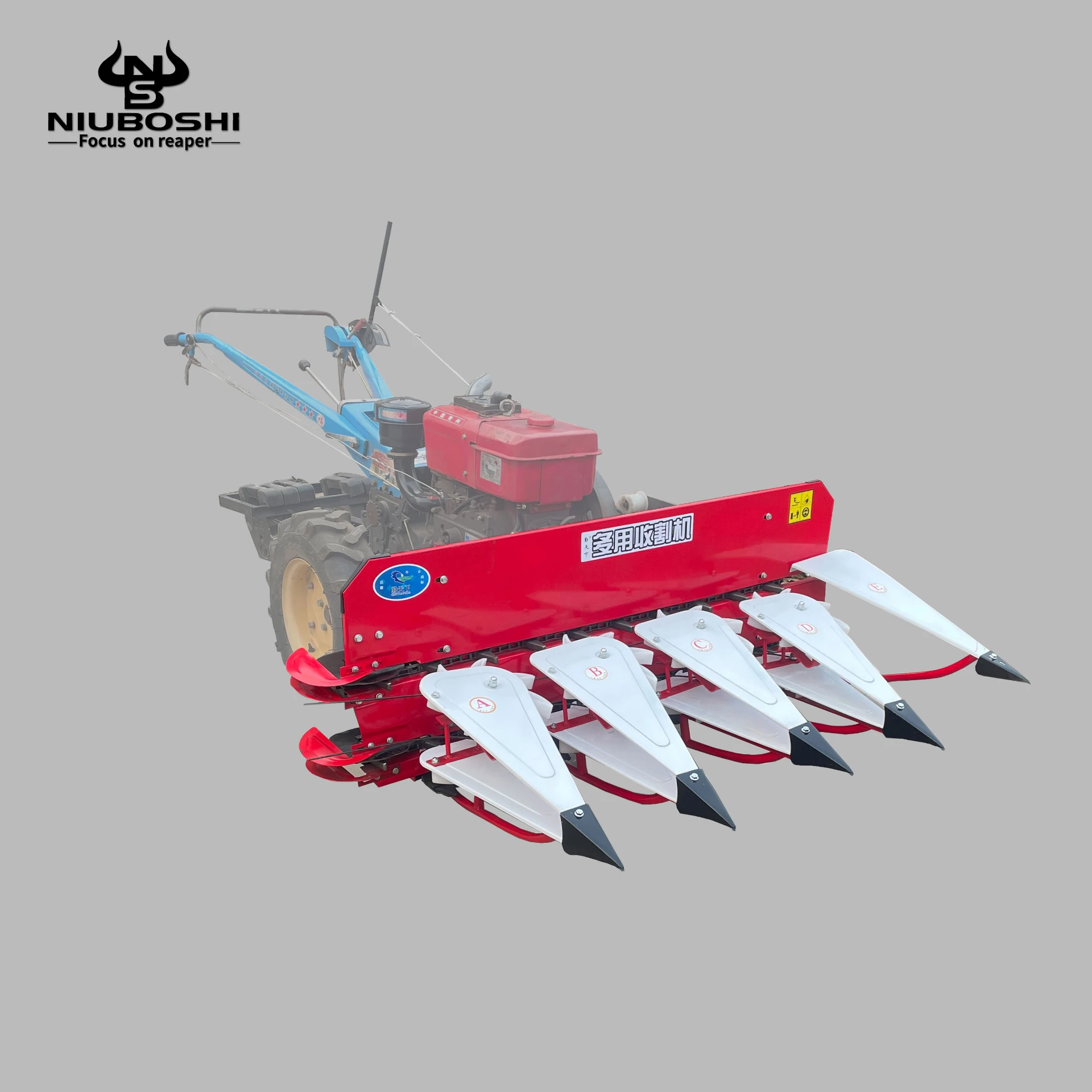
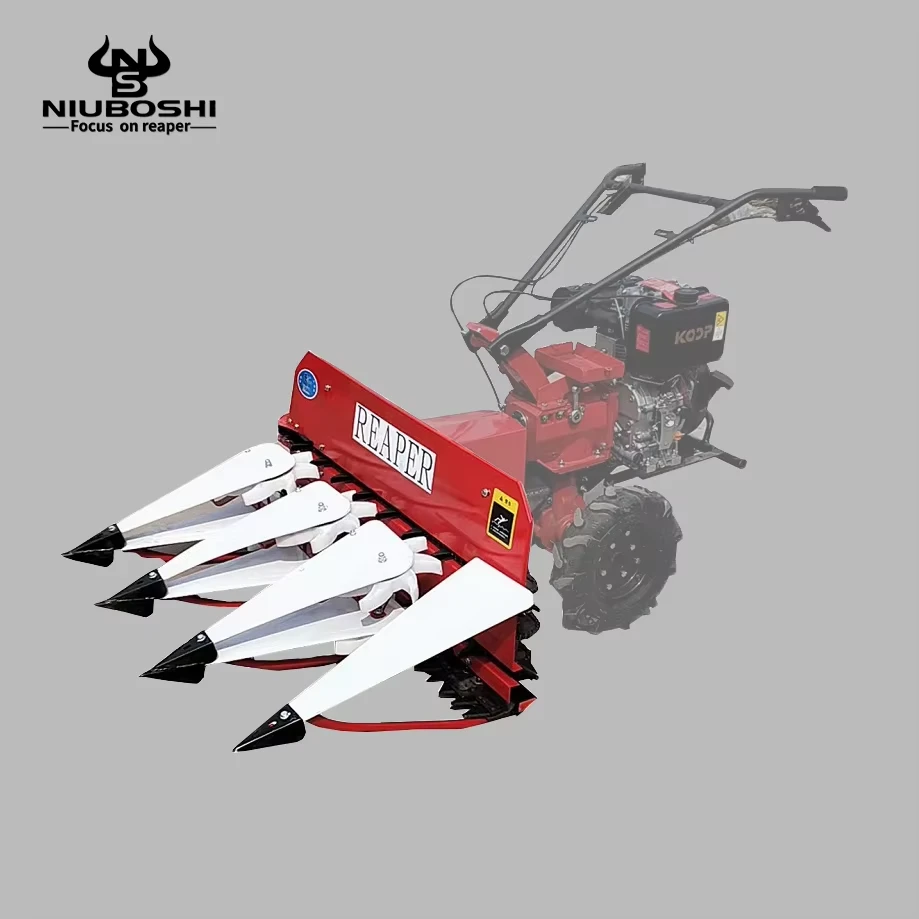
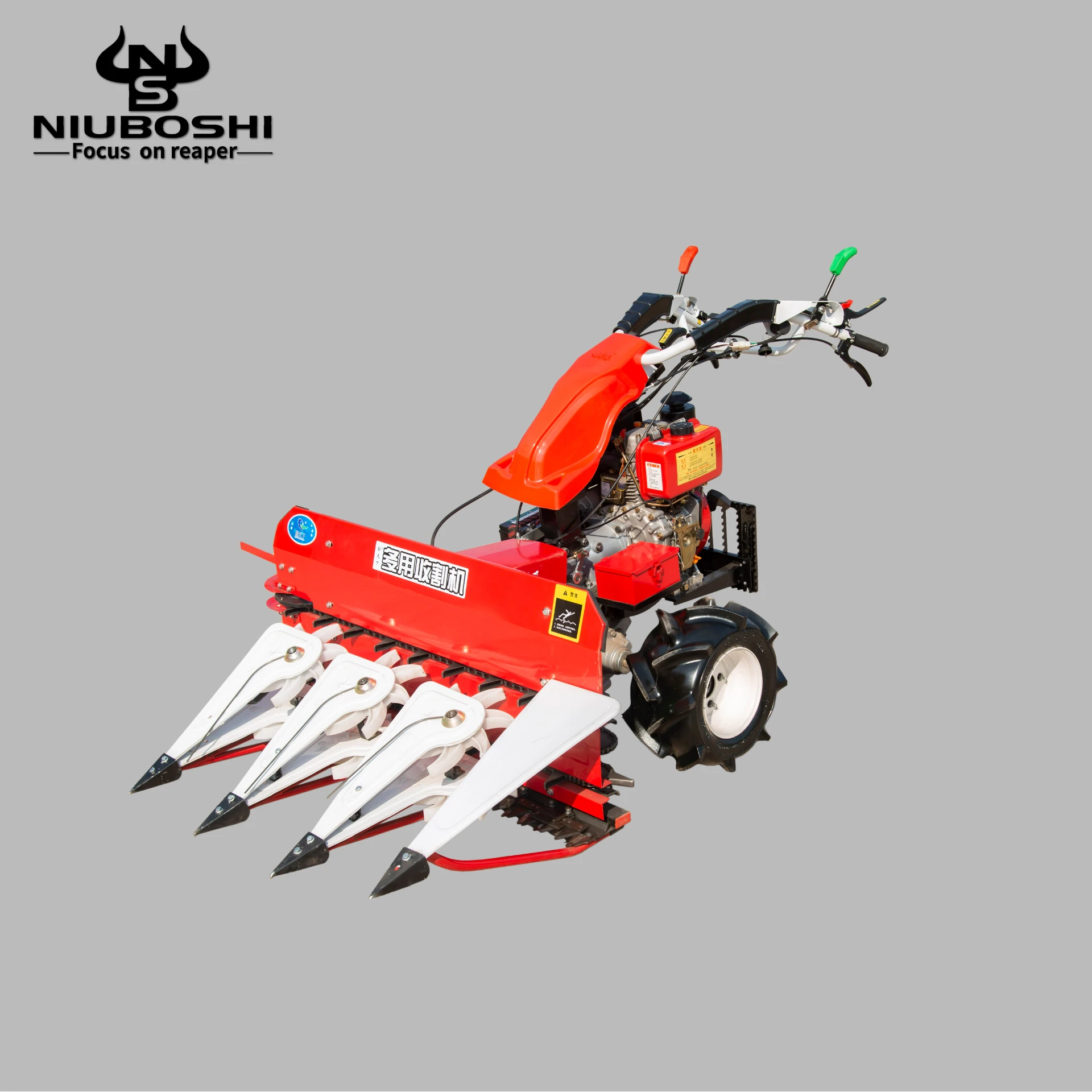
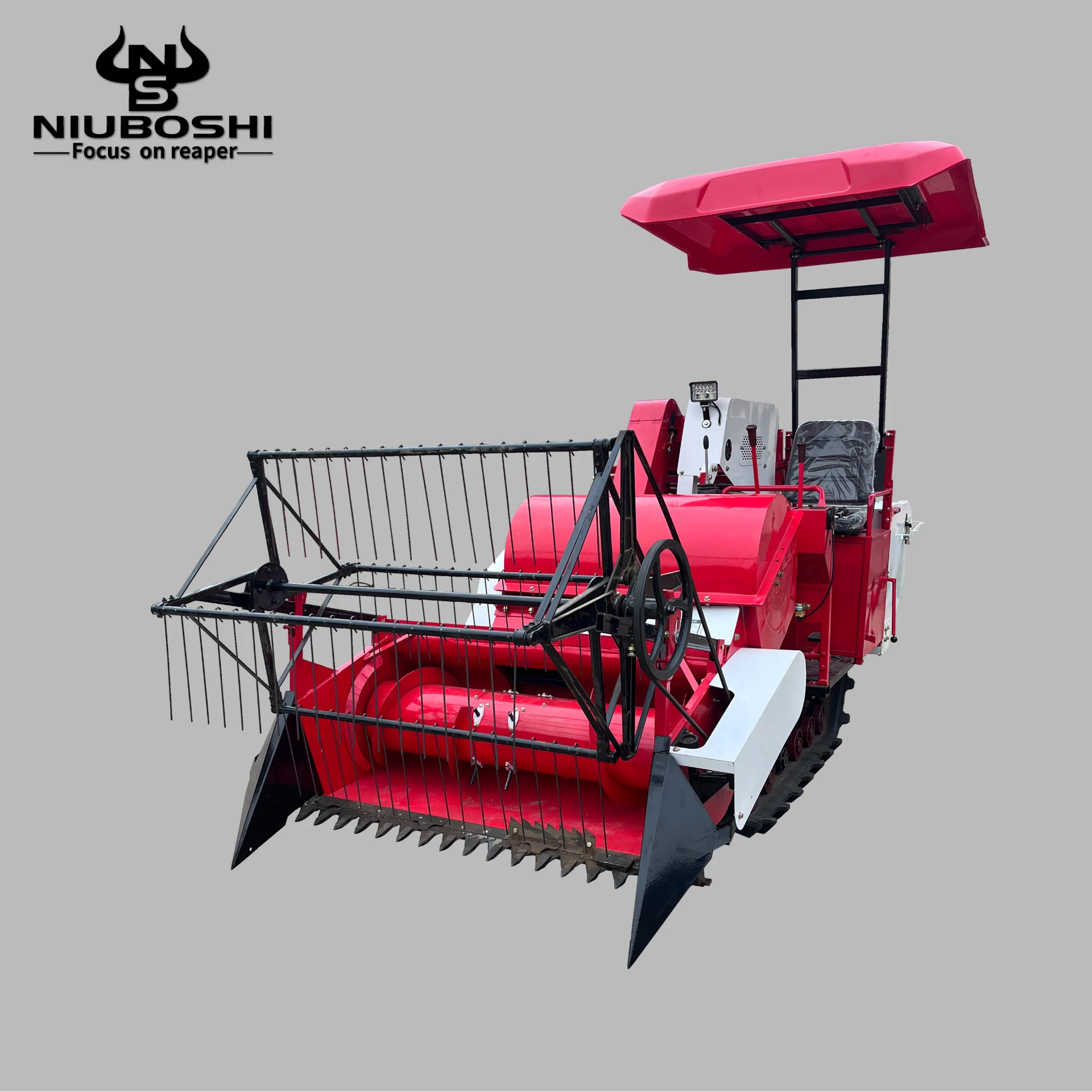
Put simply, the mini harvester machine price refers to the market cost one pays for compact agricultural machinery designed to reap, thresh, and sometimes clean crops like rice, wheat, barley, or corn. These machines are smaller in size compared to traditional large combine harvesters, making them suitable for farms with limited acreage or difficult terrain.
The price tag doesn’t just cover the hardware itself but often reflects factors like technology level, brand reputation, after-sales service, and shipping costs. Beyond economics, these machines embody a shift in farming methods—from manual or animal-powered labor to mechanized processes that can improve efficiency and reduce drudgery.
Key Factors Influencing Mini Harvester Machine Price
1. Build Quality and Durability
The sturdiness of the mini harvester greatly affects its price. Honestly, a machine that uses wear-resistant materials and robust engineering components tends to cost more upfront but saves money by reducing downtime and repairs. For small-scale farmers, reliability is often more valuable than a low purchase price.
2. Size and Power Capacity
Mini harvesters typically range from 1.5 to 4 horsepower with varying working widths. The larger the machine and the more power it has, the higher the price. This balance determines how much area can be harvested within a time frame.
3. Technology Features
Some modern mini harvesters come with features like crop height adjustment, threshing efficiency improvements, or simple automation that make the operation easier and output better. These advancements usually push the price upward.
4. Brand and Warranty
The reputation of the manufacturer and the warranty or support service offered creates variation in pricing. Leading brands with proven track records often charge a premium, but many see this as worth the investment.
5. Distribution & Import Costs
Where you buy from deeply influences the final figure. Shipping, customs duties, and local taxes add layers to the base cost especially when importing from overseas.
Mini Harvester Machine Specifications
| Feature | Typical Range | Comment |
|---|---|---|
| Power (HP) | 1.5 - 4 | Sufficient for small to medium farms |
| Working Width (m) | 0.6 - 1.2 | Influences harvesting speed |
| Weight (kg) | 150 - 250 | Portable but stable |
| Threshing Capacity (kg/hr) | 200 - 500 | Varies with crop type |
| Estimated Price (USD) | $700 - $3,500 | Varies widely by supplier & specs |
Comparing Popular Mini Harvester Brands
| Brand | Price Range (USD) | Warranty | Notable Features |
|---|---|---|---|
| AgriTech | $900 - $2500 | 2 years | Fuel-efficient engines, sturdy build |
| FarmEase | $700 - $1800 | 1 year | Compact design, easy maintenance |
| FieldMaster | $1500 - $3500 | 3 years | Advanced threshing tech, adjustable settings |
How Mini Harvester Machines Are Used Across the Globe
In Asia, especially in countries like India, Vietnam, and the Philippines, mini harvesters have been game changers for small farms with less than 2 hectares. Post-harvest losses have notoriously plagued these regions due to manual threshing inefficiencies and delays. For instance, in the flood-prone areas of Bangladesh, NGOs have provided subsidized mini harvesters to farmers, reducing crop waste and improving income.
In Africa, the appeal is similar but also intertwined with the challenge of labor shortages in rural areas, especially during peak seasons. Countries like Kenya and Nigeria are beginning to integrate mini harvesters into their smart agriculture initiatives to boost productivity.
Even in parts of Europe and North America, where farms are typically larger, mini harvesters have niche applications, such as in vineyards or orchards, where maneuverability is critical.
Advantages and Long-Term Value of Knowing Mini Harvester Machine Price
- Cost Efficiency: Knowing the price range helps farmers budget and plan without overextending.
- Sustainability: Smaller machines consume less fuel and often cause less soil compaction.
- Social Impact: Affordable mechanization can improve working conditions and reduce manual strain.
- Reliability: Investing wisely means fewer breakdowns and steady food supply chains.
- Emotional Confidence: Feeling confident about the price and quality builds trust between manufacturers and farmers.
What’s Next? Future Trends & Innovations
Frankly, the landscape is evolving fast. With the push toward greener energy, many manufacturers are experimenting with electric or hybrid mini harvesters, which promise lower emissions and quieter operation. Digital transformation also plays a role, with GPS integration and IoT sensors becoming more commonplace even in these small-scale machines.
Automation is another buzzword; some startups are working on semi-autonomous harvesters that can reduce the need for skilled operators, an appealing proposition for remote or aging farming communities.
Common Challenges and How Vendors Are Solving Them
One frequent complaint is the limited availability of spare parts in remote areas, which can lead to costly downtimes. Suppliers are addressing this by establishing localized service centers and training technicians regionally. Payment flexibility, including microfinancing and leasing options, also alleviates upfront cost barriers linked with the mini harvester machine price.
Additionally, manufacturers are paying closer attention to machine adaptability — making harvesters suitable for diverse crop types and terrain types, which broadens usability, a clever way of offsetting costs for users.
FAQ: mini harvester machine price
Q1: How much does a basic mini harvester cost?
A1: Basic mini harvesters usually start around $700, but prices vary based on features and brand reputation. Additional costs for shipping or import duties can apply.
Q2: Are there financing options available for purchasing these machines?
A2: Yes, many vendors and NGOs offer payment plans, leasing, or microloans to help small farmers acquire mini harvesters affordably.
Q3: Can mini harvesters be used for multiple crops?
A3: Many models are versatile and can handle various grain crops, but it’s important to check specifications and adapt attachments accordingly.
Q4: What is the average lifespan of a mini harvester with proper maintenance?
A4: With regular servicing, these machines can last 7-10 years, providing a solid return on investment.
Q5: How does the price compare between Chinese and European mini harvester brands?
A5: Chinese brands tend to be more affordable but may differ in warranty and service quality; European brands often cost more but offer longer warranties and advanced features.
To learn more and find tailored options, you can explore mini harvester machine price details and offerings.
Wrapping Up
Understanding the mini harvester machine price goes well beyond just knowing a number. It’s an entry point to a better grasp of mechanized farming’s opportunities and challenges around the world. For anyone serious about agriculture—smallholder or aggregator—appreciating these dynamics leads to smarter investments, better yields, and ultimately a more secure food future.
If you’re considering your options or just starting to explore, don’t hesitate to visit our website for up-to-date pricing, detailed specs, and expert advice.
In the end, it feels like having the right machine at the right price is a small step with enormous impact.
Latest news
-
Maximize Harvest Efficiency with the Agro Reaper Binder MachineNewsApr.16,2026
-
Boost Harvest Efficiency with the Best Agriculture Reaper MachineNewsApr.09,2026
-
Revolutionizing Agriculture with the Efficient Agriculture Power ReaperNewsApr.07,2026
-
Comprehensive Guide to the 4 Wheel Reaper Binder for Efficient HarvestingNewsApr.04,2026
-
Comprehensive Guide to Reaperbinder Technology for Efficient Hay and Crop HarvestingNewsMar.31,2026
-
Mastering the Art of Reaper Cutting for Enhanced Agricultural EfficiencyNewsMar.28,2026