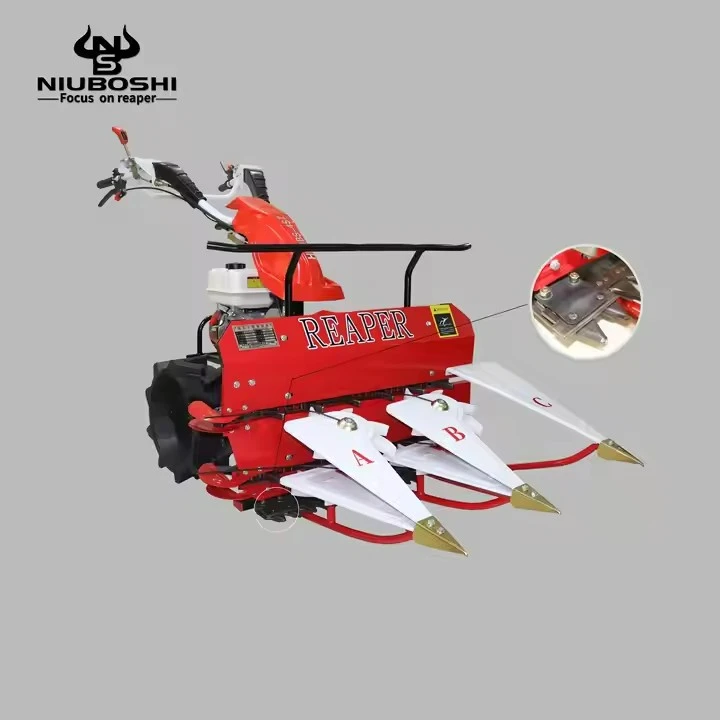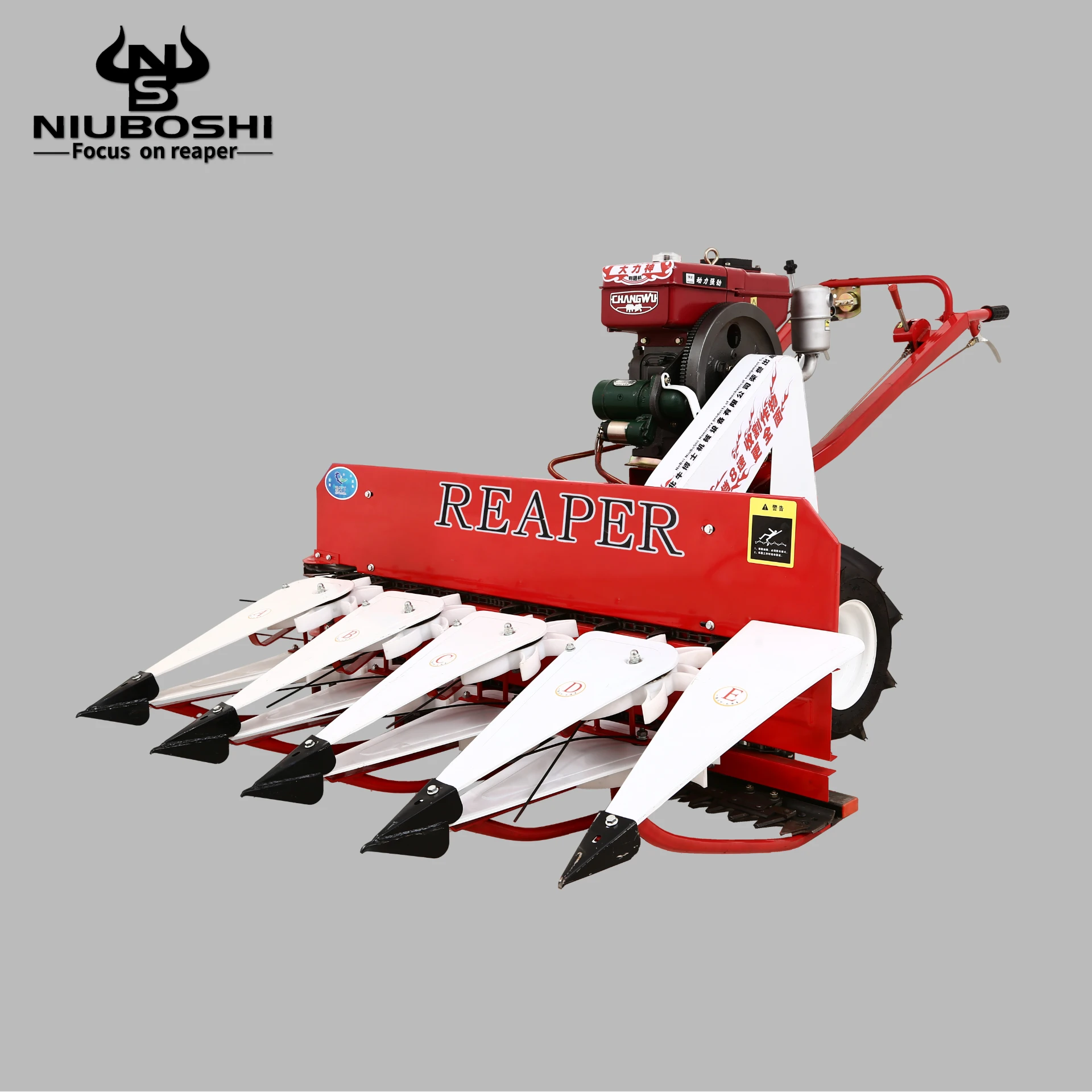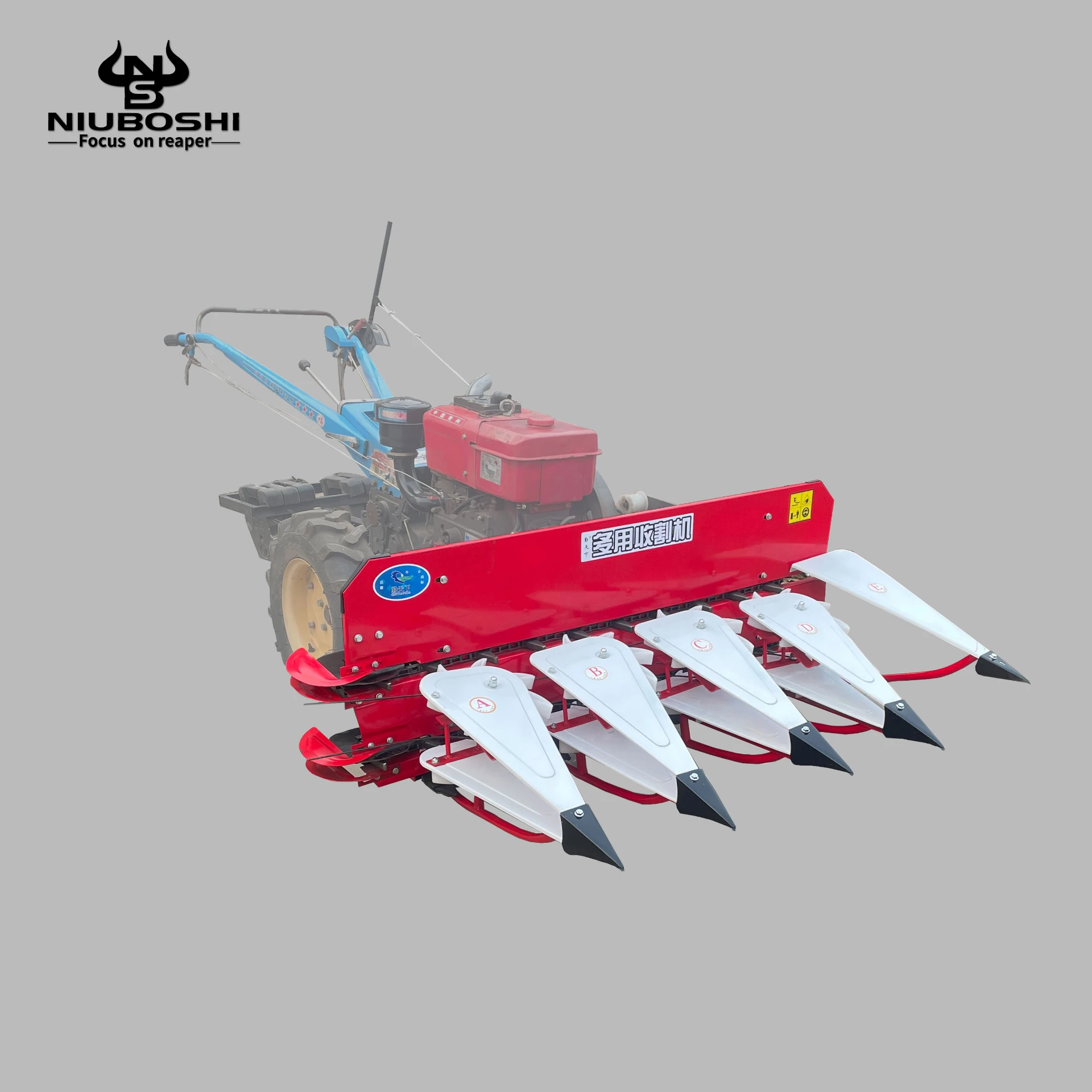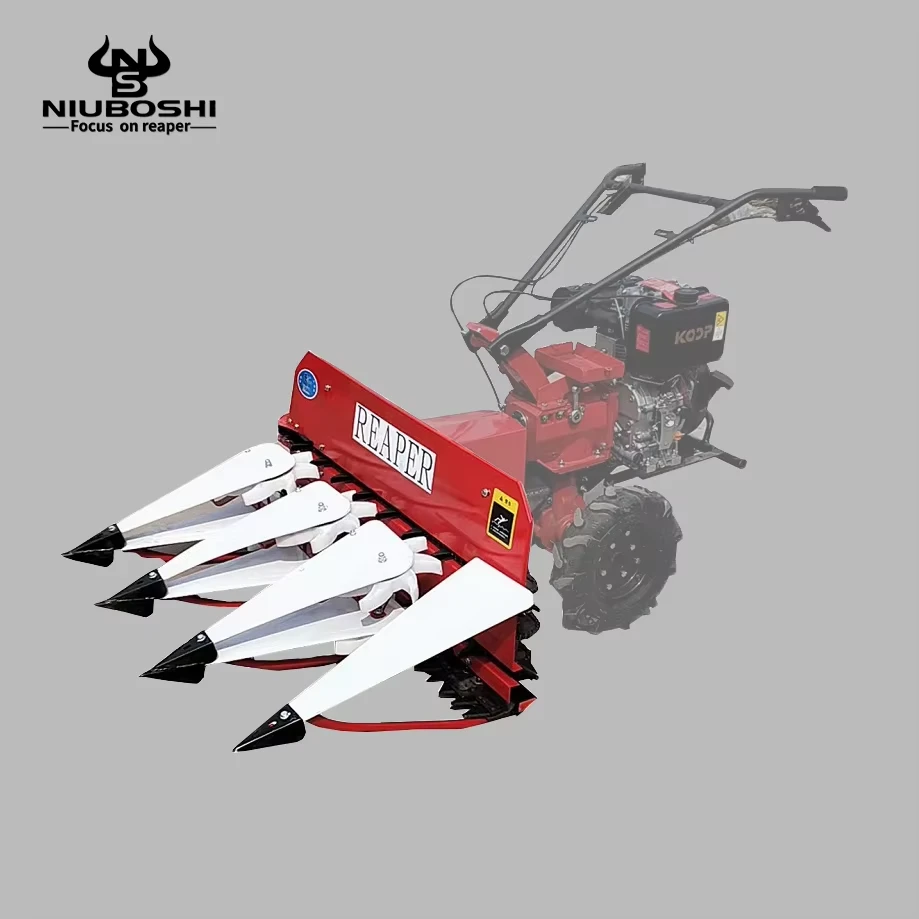
Mini Corn Combine Harvester – Efficient Small-Scale Corn Harvesting Solutions
Why Mini Corn Combine Harvesters Matter More Than You Think
Think about the vast stretches of cornfields sprawling across the Americas, Asia, and parts of Africa — a key staple for food, feed, and fuel. Harvesting corn traditionally involves heavy machinery, costly infrastructure, and often a lot of lost productivity, especially in smaller or fragmented farms. Enter the mini corn combine harvester — a nimble, efficient, and affordable answer transforming agrarian landscapes worldwide. This little machine packs a punch by helping increase crop yields, reduce labor demands, and improve sustainability. And frankly, understanding these machines feels like peering into the future of not just farming but food security on a global scale.
Whether you’re a farmer, an agri-business, or just someone curious about agricultural tech, this overview tackles what mini corn combine harvesters are, why they’re critical today, and how they might evolve tomorrow.
A Global Perspective: Why Mini Corn Combine Harvesters Are Relevant Now
Corn remains the world’s most widely grown grain crop, with over 1.1 billion metric tons produced annually according to FAO. Yet, much of the world’s corn agriculture is performed by smallholders managing less than two hectares. For these farmers, access to conventional large-scale combine harvesters is unrealistic — leasing or owning such machines often means crippling costs relative to their farm size.
Data from the World Bank shows mechanization significantly boosts crop output in developing countries, but only if machines are suitably sized for the farm’s scale. Mini corn combine harvesters fill this niche perfectly. Oddly enough, while big manufacturers keep pushing gigantic equipment, the rise of these compact combines answers a pressing challenge: increasing mechanization without alienating small to medium farmers, especially in Africa, Southeast Asia, and Latin America.
There are hurdles, too — terrain, crop type, maintenance accessibility — but the trend towards smaller, smarter, and more affordable harvesters looks unstoppable.
What Exactly Is a Mini Corn Combine Harvester?
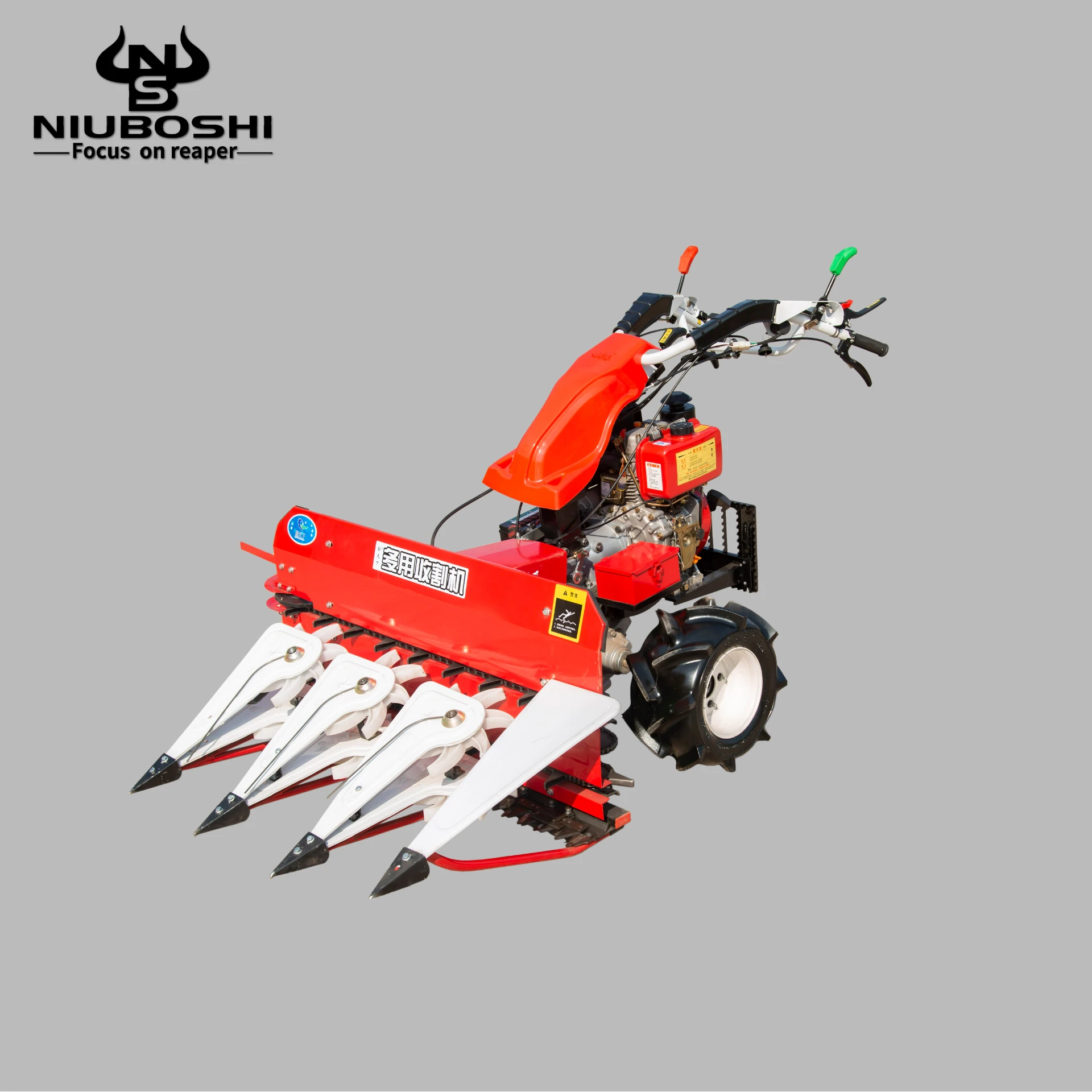
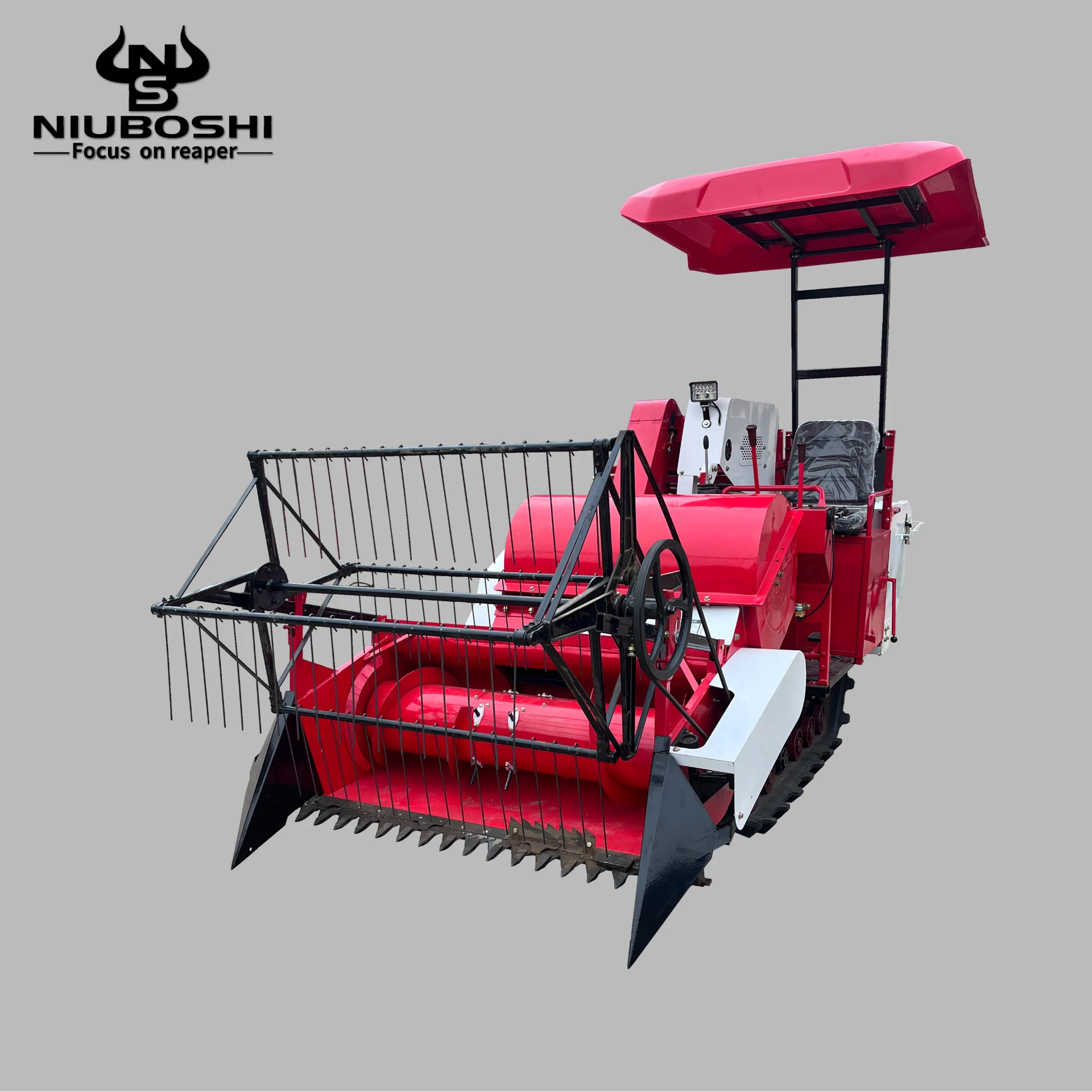
Simply put, a mini corn combine harvester is a scaled-down harvesting machine that cuts, threshes, and cleans corn crops, all in one pass. These machines typically weigh between 500 to 1500 kilograms, significantly lighter and more compact than their full-sized cousins, allowing them to navigate smaller fields, narrow pathways, or uneven terrain with relative ease.
A mini combine can be walk-behind or small tractor-mounted, depending on the model, but the core idea remains: integrate harvesting functions to reduce manual labor and post-harvest losses for smallholder farmers and niche operations.
In humanitarian terms, they support food resilience, enabling efficient harvests in disaster-affected zones or regions where labor shortages prevail. The tech also helps align modern agricultural practices with sustainable development goals related to hunger, poverty, and climate action (UN SDGs).
Key Components of a Mini Corn Combine Harvester
1. Compact Threshing Mechanism
Unlike traditional combines with large threshing drums, these machines employ smaller, yet carefully calibrated threshers designed to minimize kernel damage while efficiently separating corn kernels from cobs.
2. Efficient Cleaning System
A built-in fan and sieve combo filter out stalk residues and dust, ensuring the harvested grain is ready for immediate processing or storage.
3. Lightweight Frame & Maneuverability
Thanks to modern alloys and design optimization, these machines remain sturdy yet light. This way, they don’t compact the soil excessively—a key factor for soil health.
4. Easy Maintenance
Parts are standardized, commonly used, and accessible for repair even in remote locations. Spare parts availability often determines real-world usefulness.
5. Fuel Efficient Engine
Usually diesel or petrol-powered, engines in mini harvesters prioritize fuel economy to keep running costs low for farmers.
| Specification | Value |
|---|---|
| Weight | 700 - 1200 kg |
| Engine Power | 8-15 HP |
| Harvesting Width | 0.8 - 1.2 meters |
| Fuel Type | Diesel / Petrol |
| Grain Tank Capacity | 100 - 250 kg |
| Operating Speed | 3-5 km/h |
Mini takeaway: These core components underscore why these machines balance power and portability, making them an essential tool for small-scale corn harvesting.
How Mini Corn Combine Harvesters Are Changing Agriculture Around the Globe
Mini corn combine harvesters are already in use in diverse regions:
- Asia: In China and India, mini combines have dramatically cut down harvesting time on fragmented farmland, increasing rural incomes.
- Africa: NGOs and agricultural cooperatives use mini harvesters to improve food security, especially in countries like Kenya and Nigeria where smallholder farms dominate.
- Latin America: Countries such as Mexico and Brazil are experimenting with these machines to replace back-breaking manual labor during the tight harvest windows.
In practice, some operators share inspiring stories of mini combine harvesters helping remote farmers snatch a full day's harvest in just a couple of hours — where before, it could take days. Mini corn combine harvester technology allows greater flexibility and quicker turnaround, which is crucial during unpredictable weather patterns.
Long-Term Benefits You Can Count On
Adopting a mini corn combine harvester delivers multiple advantages, both economic and social:
- Cost Efficiency: Lower fuel consumption and affordable maintenance costs make it particularly attractive for smallholders.
- Increased Productivity: Faster harvest cycles mean reduced crop loss and more sales opportunities.
- Sustainability: Less soil compaction and fuel-efficient engines help reduce environmental impact.
- Empowerment: Enables family farmers to compete in the market without relying on large-scale machinery rental.
- Workforce Relief: Reduces physical labor intensity, improving worker safety and well-being.
Emotionally, farmers speak of a renewed dignity in harvesting their land with powerful yet manageable equipment, a leap toward modern agri-practices without losing roots in traditional farming.
Looking Ahead: Innovations Shaping the Future of Mini Combine Harvesters
The future is pretty exciting. Many manufacturers are infusing automation and IoT sensors to boost precision harvesting, giving farmers real-time performance stats and predictive maintenance alerts. Electrification is also a key trend; battery-powered mini combines could reduce emissions in sensitive ecologies.
Moreover, integration with drone technology for field monitoring, and solar-assisted charging stations for remote areas, are gradually becoming realities. Policies encouraging sustainable farming — like ISO standards on agricultural machinery — further push mini combines toward greener, smarter operation.
Common Challenges and How Industry Leaders Tackle Them
Despite their benefits, mini corn combine harvesters face issues:
- Terrain Limitations: Steep or irregular fields still pose a challenge, but advances in suspension and track-drive systems help mitigate this.
- Maintenance Knowledge: Farmers without technical backgrounds may struggle — solutions include localized training sessions and mobile technician services.
- Affordability: Even though much cheaper than large combines, upfront costs remain a hurdle. Innovative leasing models and micro-loans are emerging to ease access.
In real terms, many believe that close collaboration between manufacturers, governments, and farmer associations remains the core solution
| Vendor | Price Range | Key Features | Warranty |
|---|---|---|---|
| AgriMiniTech | $4,000–$6,500 | Compact build, fuel efficient, GPS-ready | 2 years |
| GreenField Harvesters | $5,500–$7,200 | Electric-powered, easy maintenance, low noise | 3 years |
| HarvestPro Minis | $3,800–$5,000 | Simple controls, rugged design, spare parts kit | 1 year |
Frequently Asked Questions About Mini Corn Combine Harvesters
Q1: How much area can a mini corn combine harvester cover in one day?
A1: On average, these machines can harvest between 1 to 3 hectares per day, depending on crop density, terrain, and operator experience. This efficiency is a huge boost compared to manual harvesting, which can take much longer for the same coverage.
Q2: Can mini corn combine harvesters work in hilly or uneven fields?
A2: Many models are built to handle moderately uneven terrain, but quite steep or rocky fields remain challenging. Some vendors offer suspension upgrades or track systems for better stability and traction in such conditions.
Q3: What maintenance does a mini combine harvester require?
A3: Routine checks involve engine servicing, cleaning air and fuel filters, inspecting belts and blades, and maintaining the threshing system. Most machines come with easy-to-follow manuals, and local training programs are often available.
Q4: Is it possible to finance a mini corn combine harvester?
A4: Yes, increasingly manufacturers and dealers offer leasing or micro-financing options, so farmers don’t have to pay large sums upfront. Some NGOs and government programs also provide subsidies or support for mechanization.
Q5: How do mini corn combine harvesters contribute to sustainability?
A5: They reduce post-harvest losses and fuel consumption compared to larger machines. Their lightweight reduces soil compaction, protecting soil health. Plus, newer electric models lower emissions further, aligning with sustainable farming goals.
Wrapping Up: Why Mini Corn Combine Harvesters Are Here to Stay
At the end of the day, mini corn combine harvesters aren’t just convenience gadgets—they're essential tools empowering smallholder farmers to compete, survive, and thrive amid climate challenges and market volatility. They blend affordability, efficiency, and sustainability, serving a broad spectrum of global agriculture and humanitarian needs.
Curious to explore what a mini corn combine harvester could do for your farm or project? Visit mini corn combine harvester — because sometimes, the smallest machines carry the biggest potential.
References:
Latest news
-
Maximize Harvest Efficiency with the Agro Reaper Binder MachineNewsApr.16,2026
-
Boost Harvest Efficiency with the Best Agriculture Reaper MachineNewsApr.09,2026
-
Revolutionizing Agriculture with the Efficient Agriculture Power ReaperNewsApr.07,2026
-
Comprehensive Guide to the 4 Wheel Reaper Binder for Efficient HarvestingNewsApr.04,2026
-
Comprehensive Guide to Reaperbinder Technology for Efficient Hay and Crop HarvestingNewsMar.31,2026
-
Mastering the Art of Reaper Cutting for Enhanced Agricultural EfficiencyNewsMar.28,2026