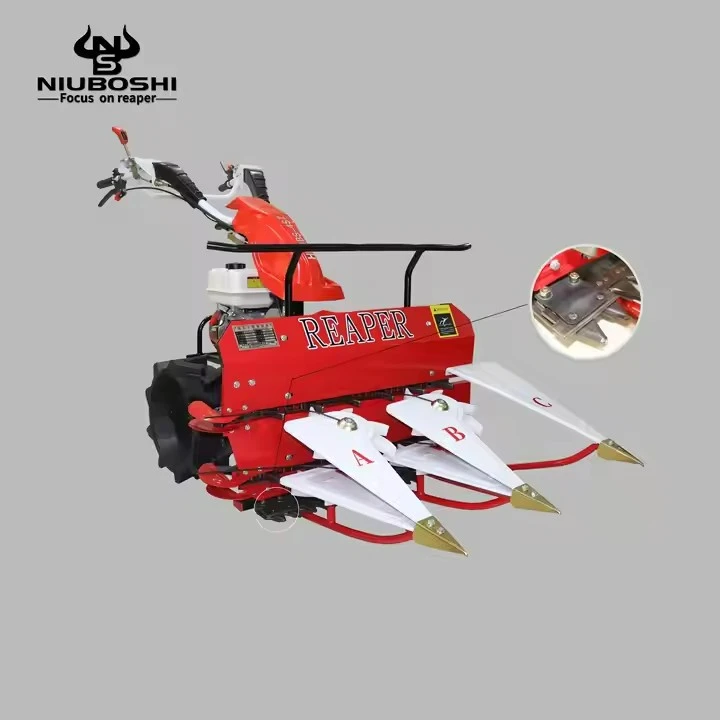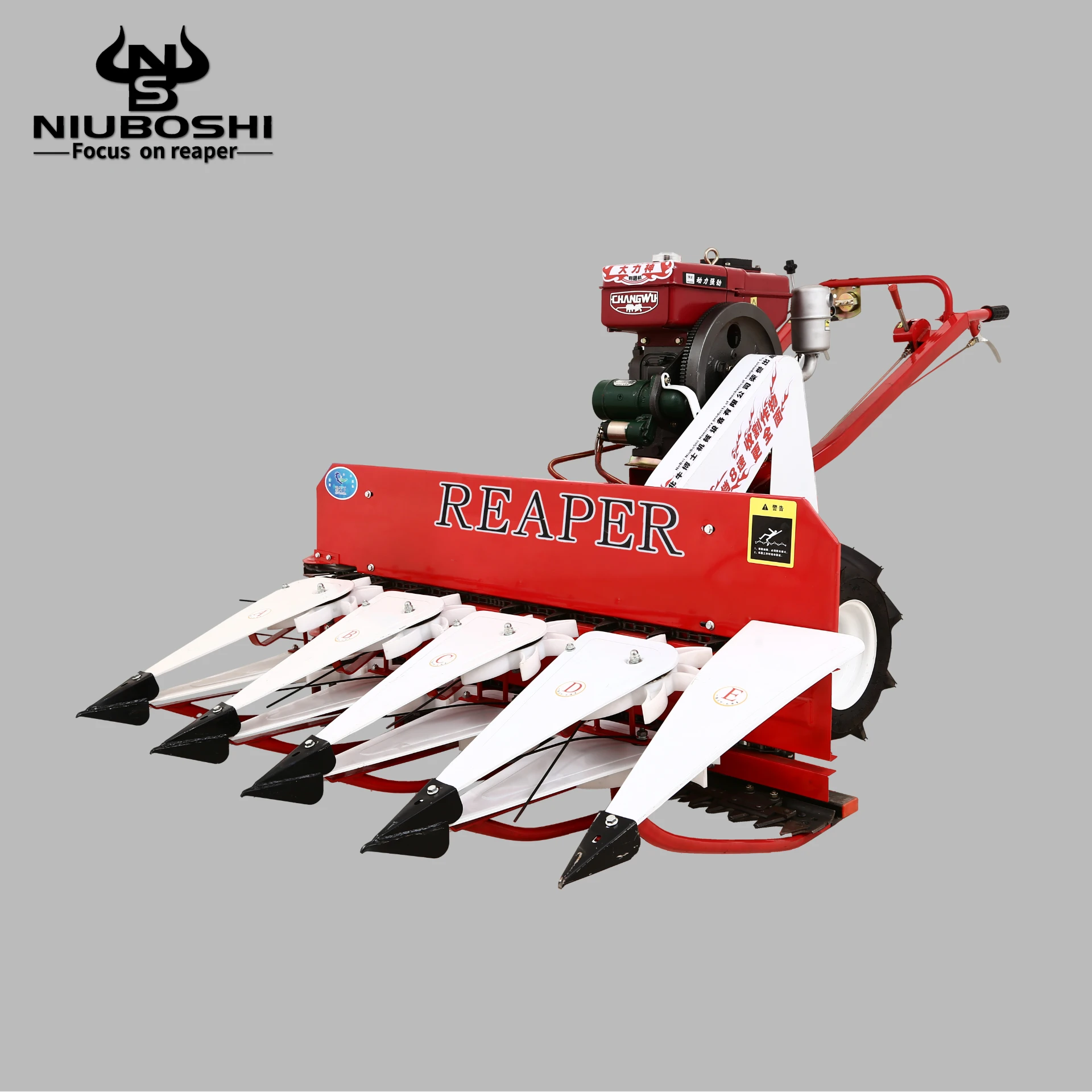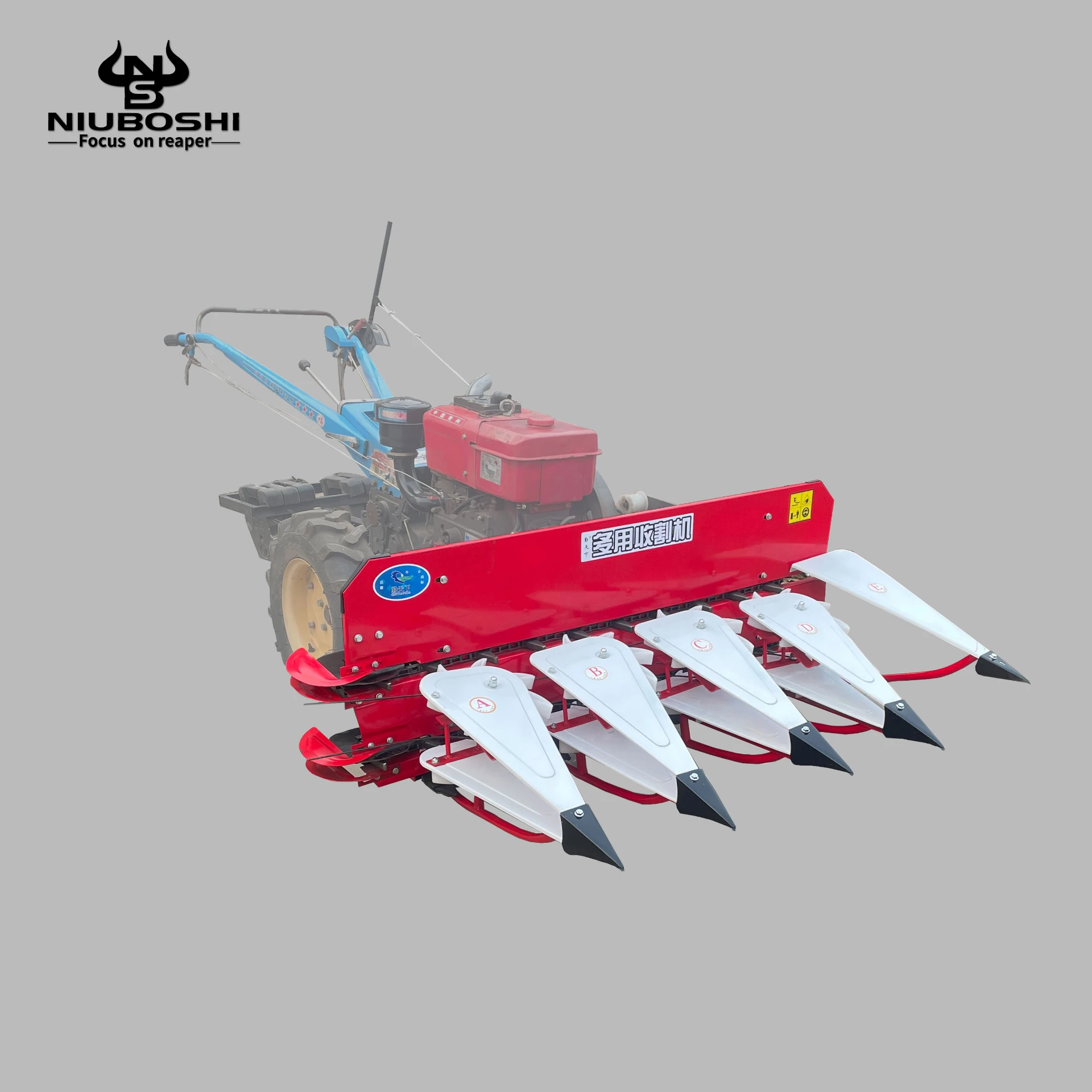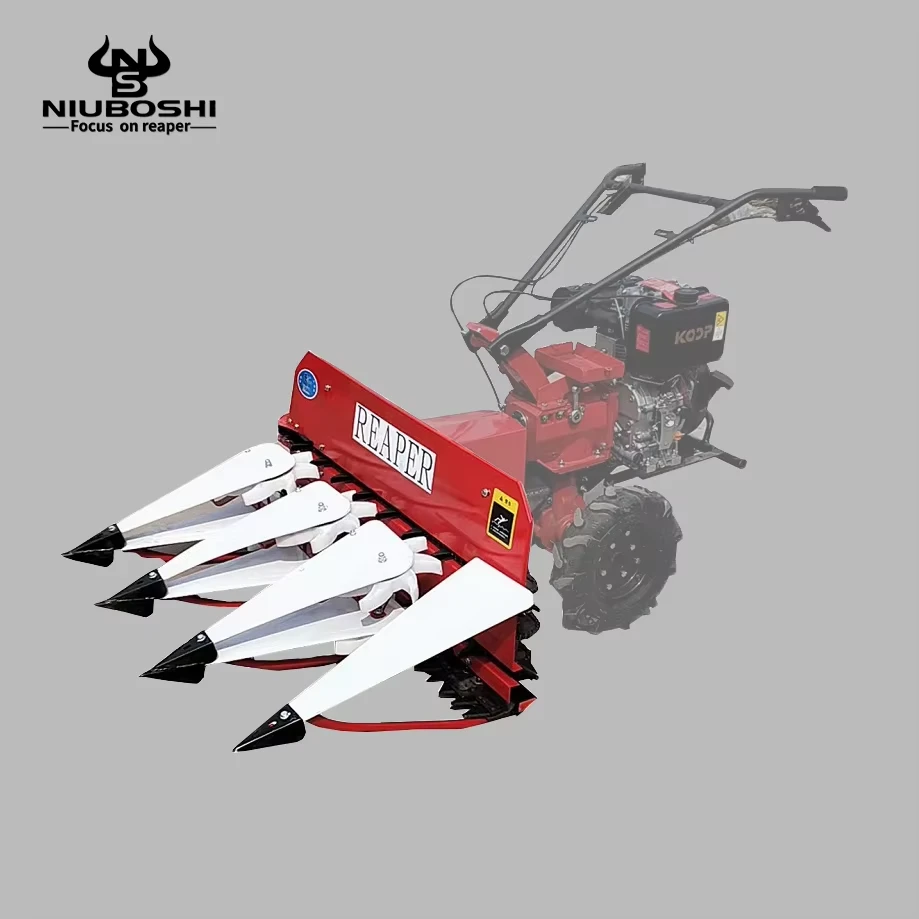
Standard Mini Harvester: Compact, Efficient Machinery for Modern Agriculture
Understanding the Standard Mini Harvester: A Small Machine with Big Global Impact
If you haven’t yet heard about the standard mini harvester, you’re in for a bit of a revelation. Think of a compact, nimble machine designed to tackle harvesting tasks efficiently where larger machines just can’t reach or don’t make financial sense. These mini harvesters, in their standard forms, have become quietly crucial in global agriculture, forestry, and even disaster relief scenarios. They pack big benefits like cost efficiency, versatility, and surprisingly, sustainability — all bundled up in a neat, mobile package.
Why does this matter? Well, with nearly 60% of the world’s population directly or indirectly connected to agriculture and small-scale forestry, innovations that optimize productivity without demanding huge investments or disrupting environments are a big deal. The standard mini harvester provides an answer to complex challenges faced by farmers and field operators, especially in developing regions and rough terrains. It’s like the little Swiss Army knife of heavy machinery — not flashy, but incredibly useful.
The Global Stage: Why Standard Mini Harvesters are Gaining Traction
The demand for adaptable, efficient harvesting solutions is rising. According to the United Nations Food and Agriculture Organization (FAO), smallholder farms produce over 80% of the world's food, yet their access to mechanized equipment is limited due to cost or return on investment concerns. Meanwhile, rough or uneven terrain complicates use of traditional large harvesters.
Enter the standard mini harvester, whose design philosophy addresses this gap. It’s significant in densely forested zones in Southeast Asia, small-scale farms across Sub-Saharan Africa, and even urban agriculture spaces in Europe. These machines meet a need for mobility and resourcefulness — qualities essential for many regions dealing with climate unpredictability, land fragmentation, or economic constraints.
Globally, the agricultural machinery market is expected to grow steadily; however, miniaturized, efficient equipment like these harvesters stands out as an innovative solution to lowering barriers for mechanization. They solve a problem that isn’t often talked about: how to make mechanized harvesting accessible to everyone, not just large-scale industrial farms.
What Exactly is a Standard Mini Harvester?
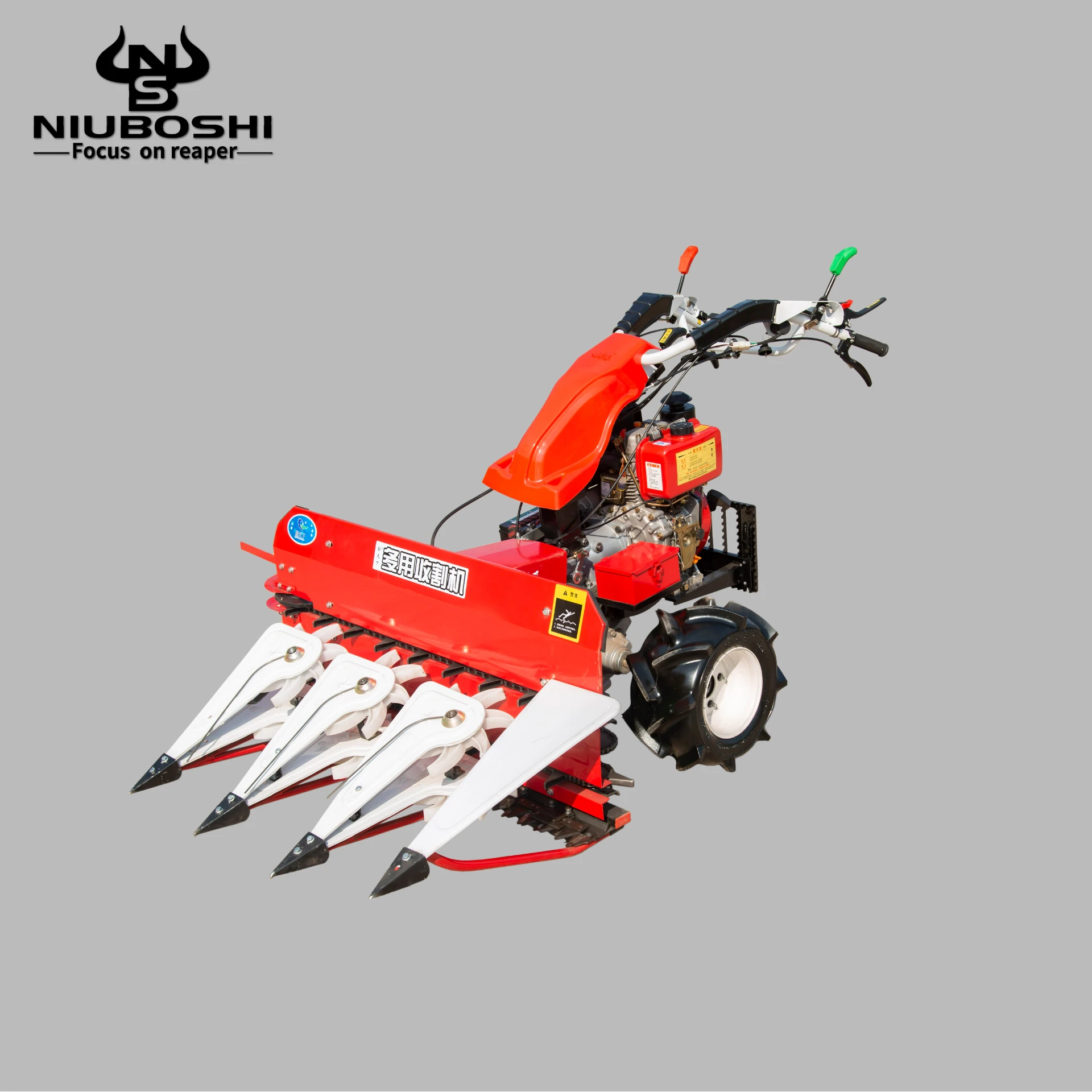
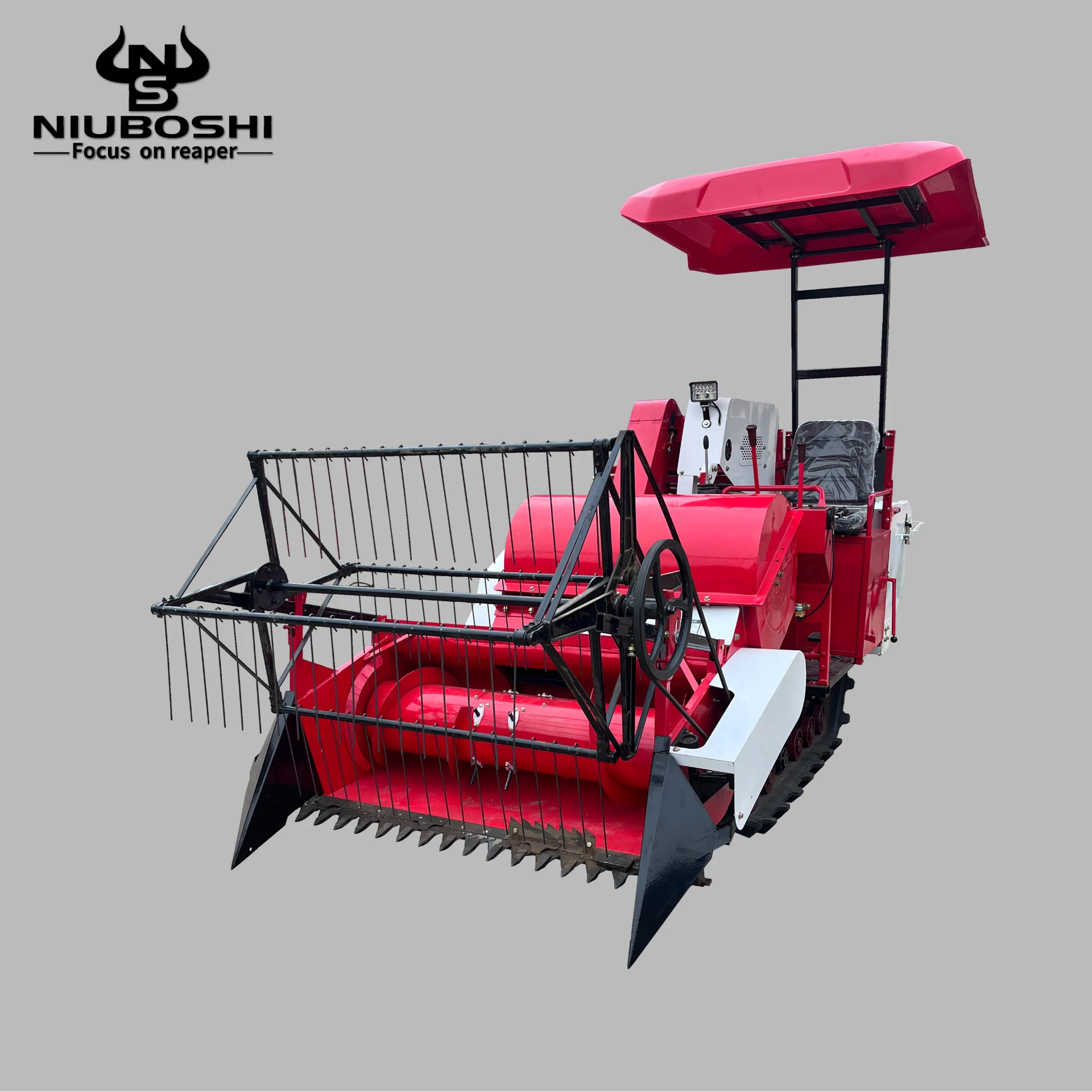
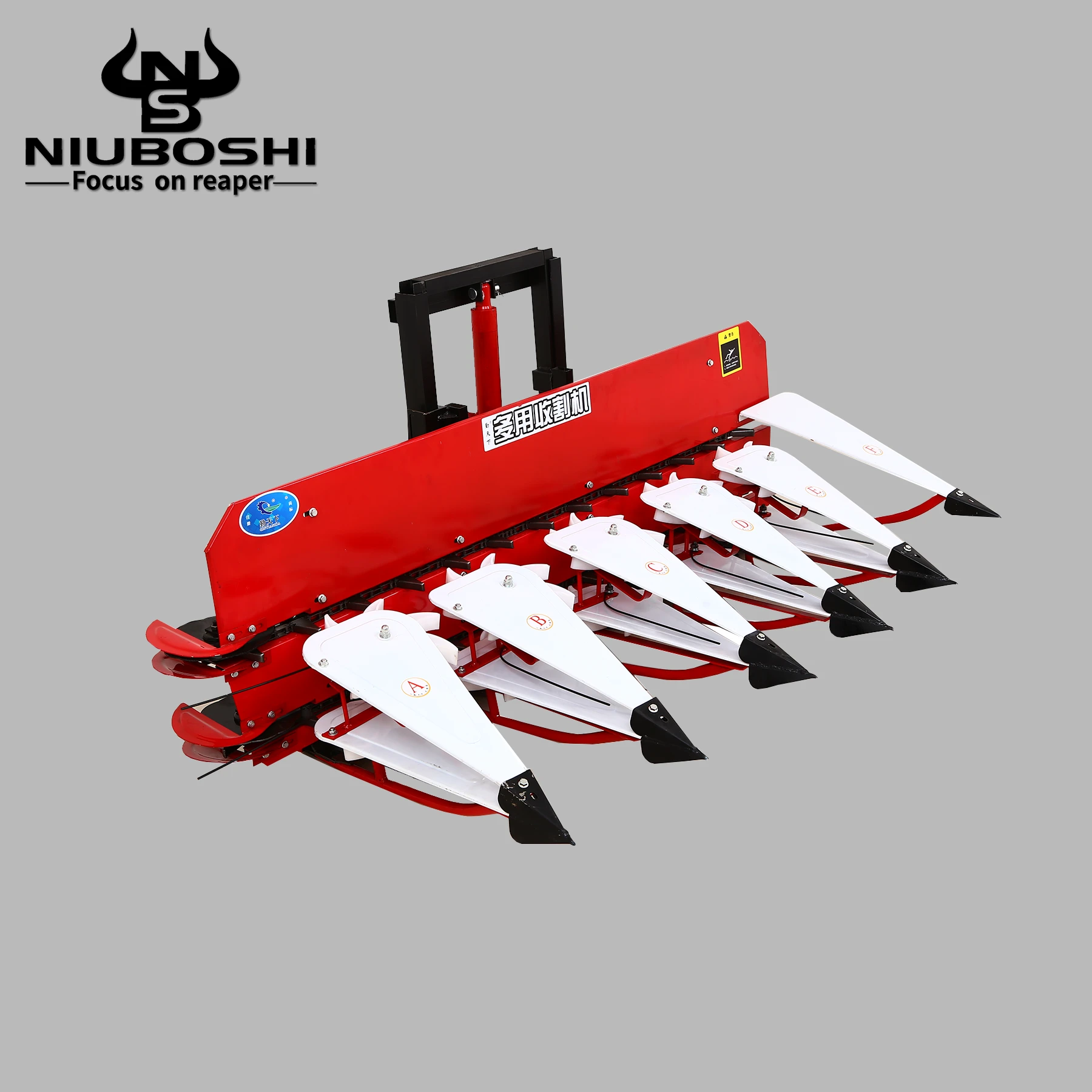
At its core, a standard mini harvester is a compact harvesting machine designed to perform the same essential work as larger harvesters—cutting, gathering, and processing crops or timber—but on a smaller scale. Think of it as a multi-purpose tool for farms and forestry operations that need to maximize efficiency without the bulk or footprint.
These machines usually weigh between 1 to 5 tons, have small clearing widths, and can operate easily on sloped or uneven terrain. Their “standard” designation means they conform to industry benchmarks for safety, durability, and functionality — not makeshift or one-off adaptations, but a tested and reliable category of equipment.
Interestingly, the design of these machines intersects with humanitarian needs too. After natural disasters like floods or earthquakes, quick access to portable, efficient harvesting tools can be vital for restoring food production — a fact sometimes overlooked in crisis response discussions.
Core Elements that Make a Standard Mini Harvester Effective
Durability and Build Quality
Despite their size, these machines are built tough. High-strength steel frames, reinforced joints, and weatherproofed components ensure they stand up to heavy use in challenging environments.
Mobility and Terrain Adaptability
With compact footprints and sometimes tracks instead of wheels, standard mini harvesters can navigate steep slopes, rice paddies, and forest undergrowth where larger harvesters would get stuck or cause damage.
Cost Efficiency
Compared to big harvesters, these machines offer a lower initial investment, reduced fuel consumption, and simpler maintenance — a real boon for small or medium enterprises.
Operator Simplicity
Many come with straightforward controls and ergonomic cabins, minimizing the need for highly trained operators.
Multi-functionality
Some models are modular or configurable — able to swap attachments for harvesting cereals, pruning, or clearing brush.
Real-World Applications: Where and How These Machines Make a Difference
- Southeast Asian smallholder farms: Mini harvesters help with rice and vegetable harvesting, even in flooded or terraced fields.
- African agroforestry projects: Used for pruning, tree harvesting, and clearing forest undergrowth sustainably.
- European urban agriculture and vineyards: Their compact size allows access to tight rows and delicate terrains.
- Post-disaster recovery operations: NGOs use mini harvesters for rapid restoration of farmlands where larger machines can’t be deployed quickly.
For instance, a Ugandan farming cooperative reported a 30% increase in harvest efficiency after introducing a fleet of standard mini harvesters for maize and cassava. Small operators found the machines intuitive, and maintenance downtime dropped sharply.
Specifications to Consider When Choosing a Standard Mini Harvester
| Specification | Typical Range | Notes |
|---|---|---|
| Weight | 1,000–5,000 kg | Light enough for transport on small trucks |
| Engine Power | 20–60 hp (horsepower) | Sufficient for diverse crops & terrains |
| Fuel Type | Diesel / Biodiesel options | Emphasis on efficiency & emission standards |
| Clearing Width | 1.2–2.5 meters | Fits narrow rows and tight spaces |
| Operator Cab | Enclosed / Open options | Cab design affects comfort & safety |
Comparing Top Vendors of Standard Mini Harvesters
| Vendor | Product Range | Key Strength | Price Range |
|---|---|---|---|
| AgriMiniTech | 5 models (20-50 hp) | Great after-sales support globally | $15,000 - $28,000 |
| ForestSwift | 3 models with modular attachments | Designed for steep forestry terrains | $18,500 - $30,000 |
| GreenField Machinery | 7 crop-specialized mini harvesters | Eco-friendly fuel options | $20,000 - $35,000 |
Why Choose a Standard Mini Harvester? Exploring Its Advantages
Beyond the specs, these machines offer striking long-term benefits for farmers and operators:
- Cost Savings: Lower fuel and maintenance costs add up quickly.
- Sustainability: Smaller engines and biodiesel options reduce environmental impact.
- Social Impact: Affordability helps smallholders mechanize, boosting livelihoods.
- Reliability: Simple design means fewer breakdowns and easier repairs.
- Safety & Comfort: Designed cabins improve operator wellbeing during long hours.
Many users share stories about how upfront investments in a mini harvester transformed their cropping cycles — reducing manual labor and opening new business opportunities. It's clear these machines don’t just cut crops; they cut hardship.
Future Directions: Where Mini Harvester Technology is Heading
Looking ahead, a few exciting trends promise to shape the standard mini harvester landscape:
- Digital Integration: GPS, remote monitoring, and IoT sensors for optimized use and maintenance.
- Green Energy: Electric or hybrid engines aiming to reduce carbon footprints.
- Modular Design: Interchangeable tools to increase multi-functionality and cost-effectiveness.
- Automation: Semi-autonomous operation reducing operator fatigue and increasing precision.
Oddly enough, these small machines might spearhead the agricultural industry’s high-tech revolution — proving that good things really do come in small packages.
Common Challenges and Practical Solutions
Despite their appeal, standard mini harvesters aren’t perfect. Some common concerns include:
- Limited Payload: Smaller size means less capacity, requiring more trips or labor augmentation.
- Maintenance Accessibility: In remote areas, parts and skilled technicians can be scarce.
- Initial Cost Barrier: Even the lower price point can be steep for the poorest farmers.
Innovative leasing models, local training workshops, and modular design kits mitigate these problems. As one African cooperative’s leader noted, “Having a machine that breaks down less, and knowing exactly how to fix it, means everything.”
FAQ: Your Questions About Standard Mini Harvesters Answered
- What crops work best with a standard mini harvester?
- Mini harvesters excel with cereals like wheat, rice, small-scale vegetables, and some root crops. Their adjustable attachments also handle forestry tasks such as pruning and clearing, making them versatile across multiple crop types.
- How easy is it to maintain these machines in rural areas?
- They’re designed for simplicity, often with manual controls and widely available parts. Local technicians can be trained, and many suppliers support in-field maintenance programs to keep downtime to a minimum.
- Are mini harvesters eco-friendly?
- Many models support biodiesel fuels and have low emission engines. Their smaller size means less fuel usage compared to larger machines, contributing to a reduced carbon footprint in agricultural operations.
- Can NGOs import these machines for humanitarian projects?
- Yes. Many vendors offer export services tailored to NGO and humanitarian requirements, including quick deployment configurations and training programs for local operators.
- How does a standard mini harvester compare with traditional manual harvesting?
- Mechanization improves efficiency, reduces labor intensity, and shortens harvest windows, which can increase yields and reduce crop loss. For smallholder farmers, this often translates into better income and food security.
Wrapping Up: Why You Should Care About the Standard Mini Harvester Today
The humble standard mini harvester might just be the unsung hero of sustainable, inclusive agriculture. Offering a balance of power, agility, and affordability, it equips farmers and forestry workers with the tools they need to boost productivity while respecting their environment and budgets.
If you’re curious about how a standard mini harvester could fit into your operations — or just want to explore the options currently available — visit our website. Sometimes, the best solution isn’t the biggest machine, but the one that’s just right.
Latest news
-
Maximize Harvest Efficiency with the Agro Reaper Binder MachineNewsApr.16,2026
-
Boost Harvest Efficiency with the Best Agriculture Reaper MachineNewsApr.09,2026
-
Revolutionizing Agriculture with the Efficient Agriculture Power ReaperNewsApr.07,2026
-
Comprehensive Guide to the 4 Wheel Reaper Binder for Efficient HarvestingNewsApr.04,2026
-
Comprehensive Guide to Reaperbinder Technology for Efficient Hay and Crop HarvestingNewsMar.31,2026
-
Mastering the Art of Reaper Cutting for Enhanced Agricultural EfficiencyNewsMar.28,2026