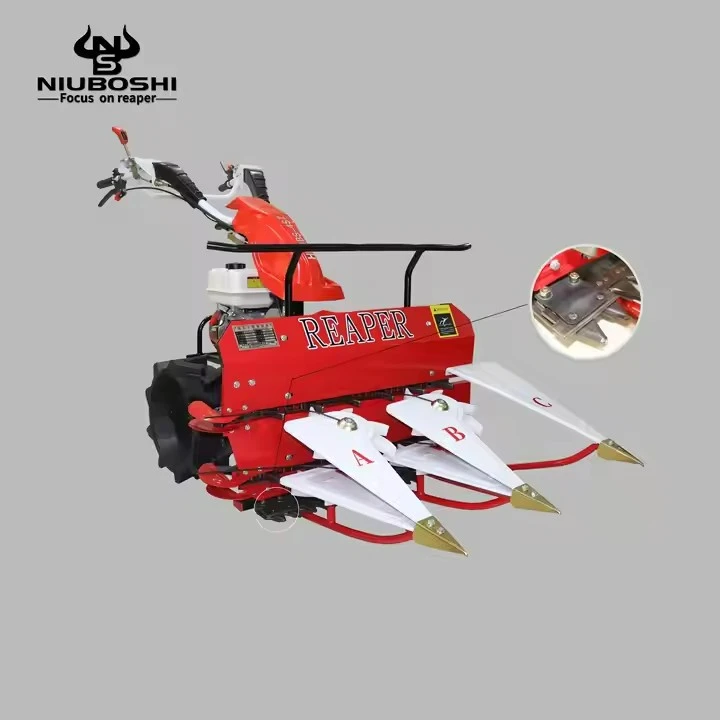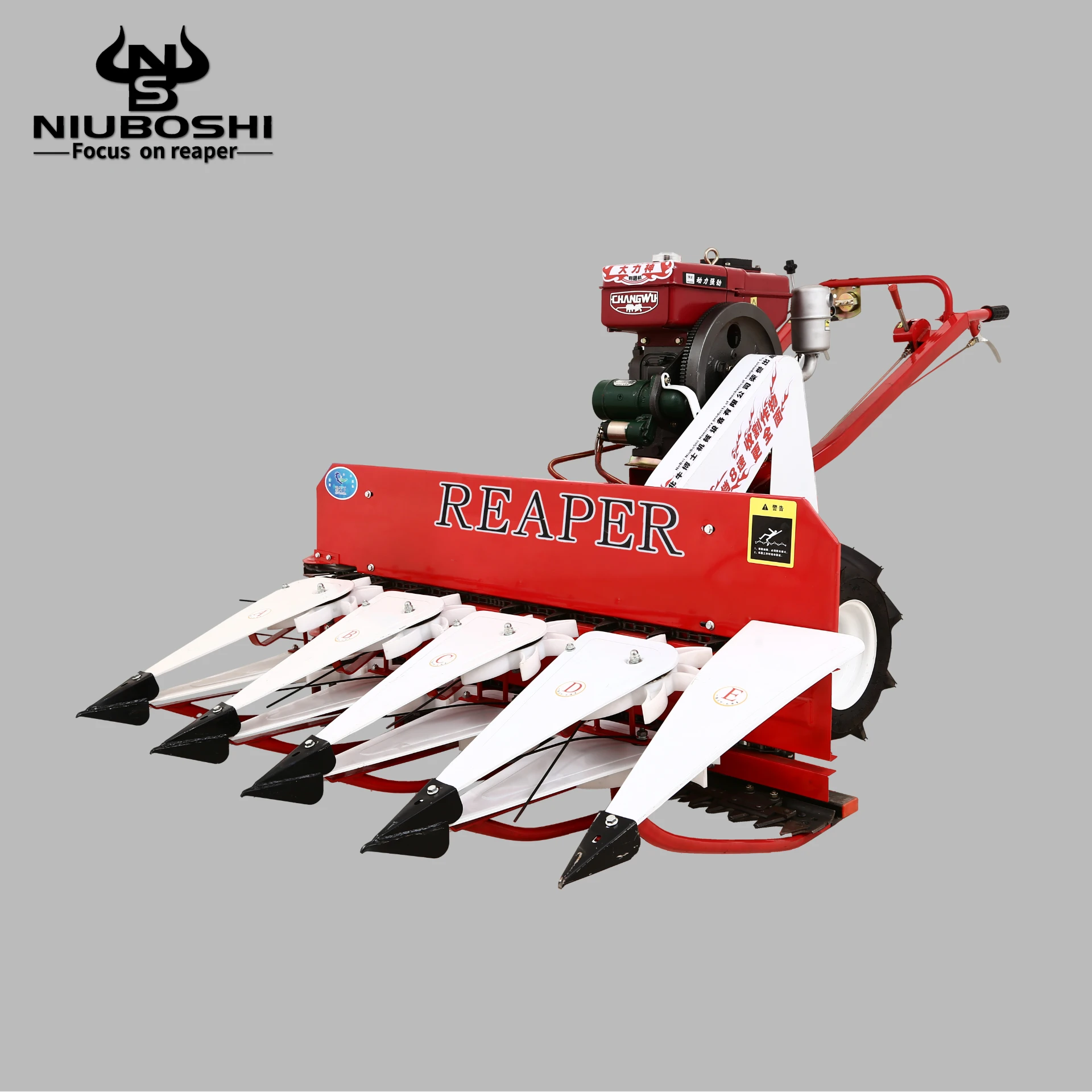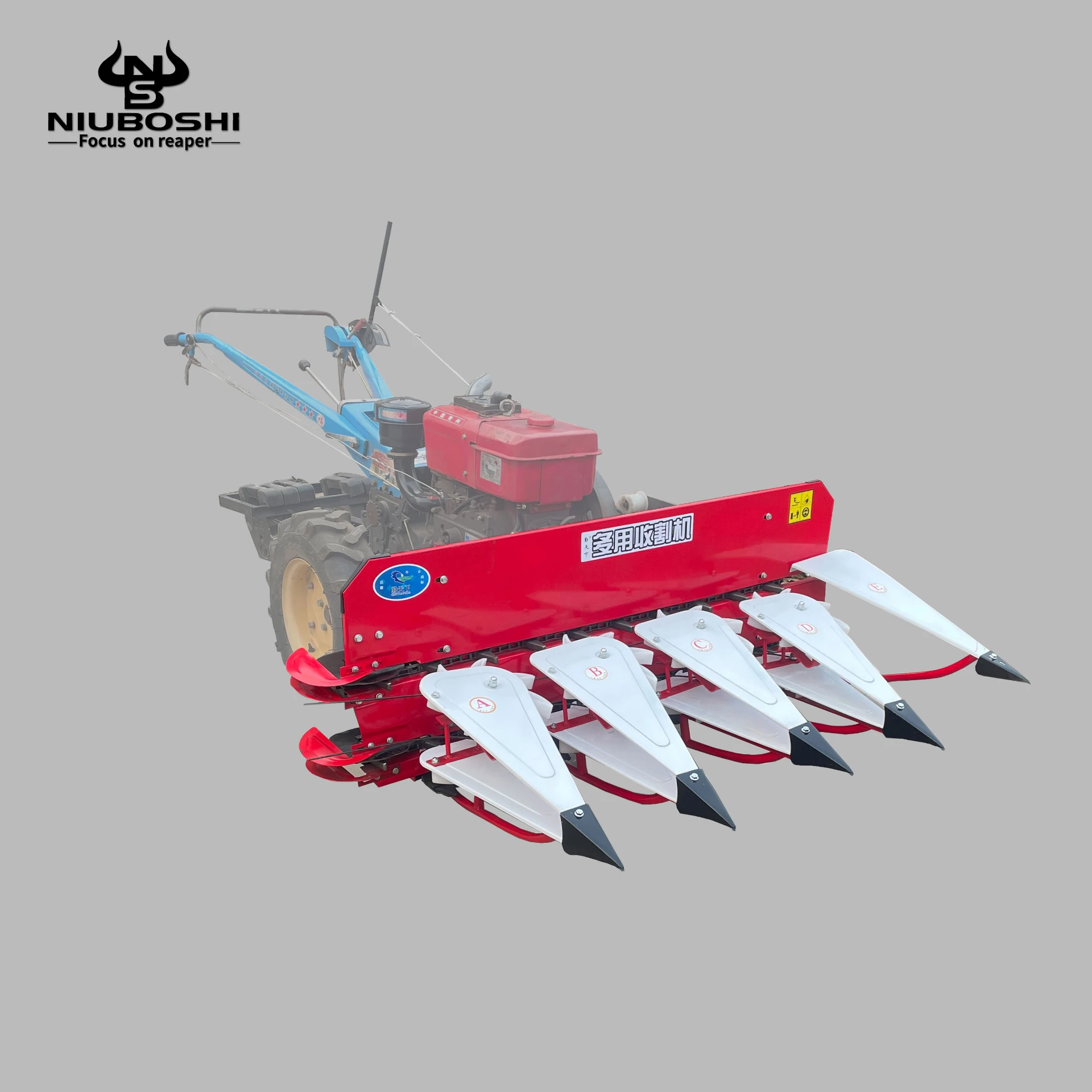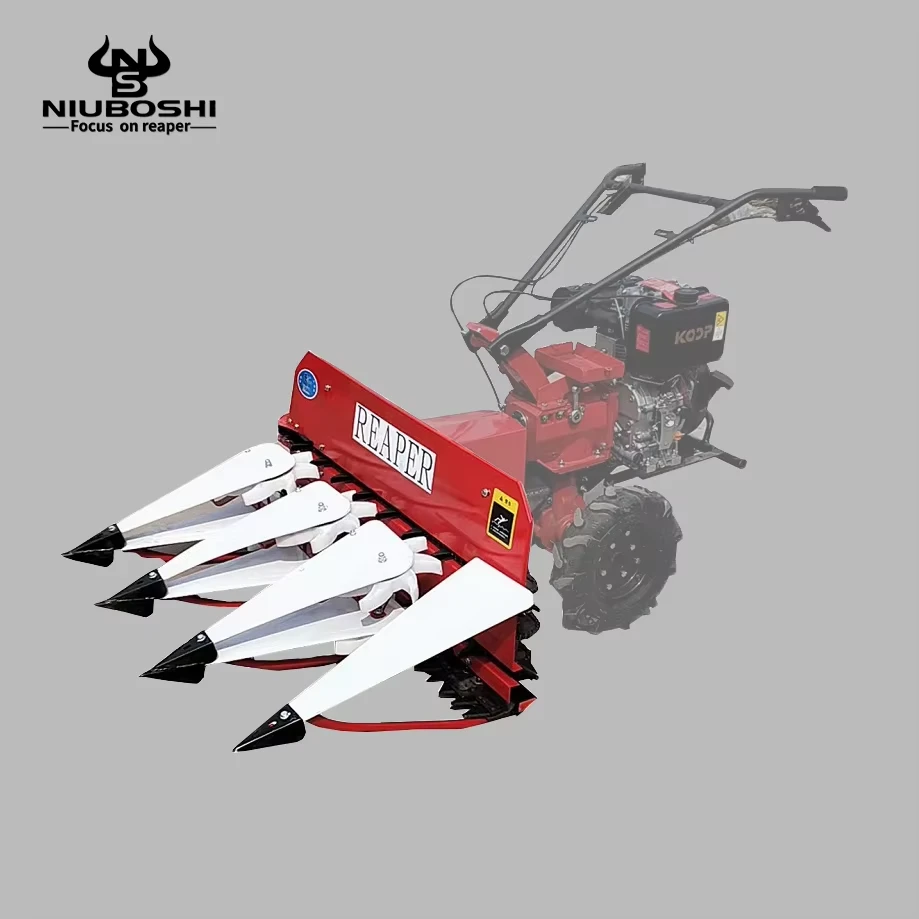
Small Maize Harvesting Machine – Affordable Mechanization for Smallholder Farms
Why the Small Maize Harvesting Machine Matters in Today's World
Maize, or corn, ranks among the world’s most vital staple crops—feeding families, fueling industries, and providing raw material for everything from biofuel to animal feed. But harvesting maize efficiently is no small task, especially for smallholder farms that make up a staggering portion of global agriculture. Enter the small maize harvesting machine: a compact, accessible, and adaptable piece of equipment designed to revolutionize how maize is gathered on farms where large combines simply don’t fit or make economic sense.
Understanding these machines goes beyond gadgets and gears. It’s about food security, economic empowerment, and sustainability, especially for emerging economies and regions struggling with labor shortages or climate stress. Plus, with the ever-shifting challenges of global food demand and sustainable farming, small scale mechanization is becoming the quiet hero in the fields.
The Global Context: Feeding Billions with Precision and Care
According to the Food and Agriculture Organization (FAO) and United Nations reports, smallholder farms produce approximately 70% of the world’s food consumption. Most of these farms rely heavily on manual labor, making harvesting maize a tedious, time-consuming, and physically demanding task. In countries across Sub-Saharan Africa, Asia, and Latin America, where small farms dominate, mechanization rates remain stubbornly low (source).
World Bank data points out that labor shortages and high rural unemployment coexist side by side—an odd paradox that mechanization can potentially resolve by reducing drudgery and increasing farm productivity. The challenge? Large modern combines don’t scale well to small plots or rugged terrain, and purchasing them is simply out of reach.
This gap creates a huge demand for small maize harvesting machines designed specifically to meet these unique constraints — machines that empower farmers without breaking banks or requiring specialized operators.
What Exactly Is a Small Maize Harvesting Machine?
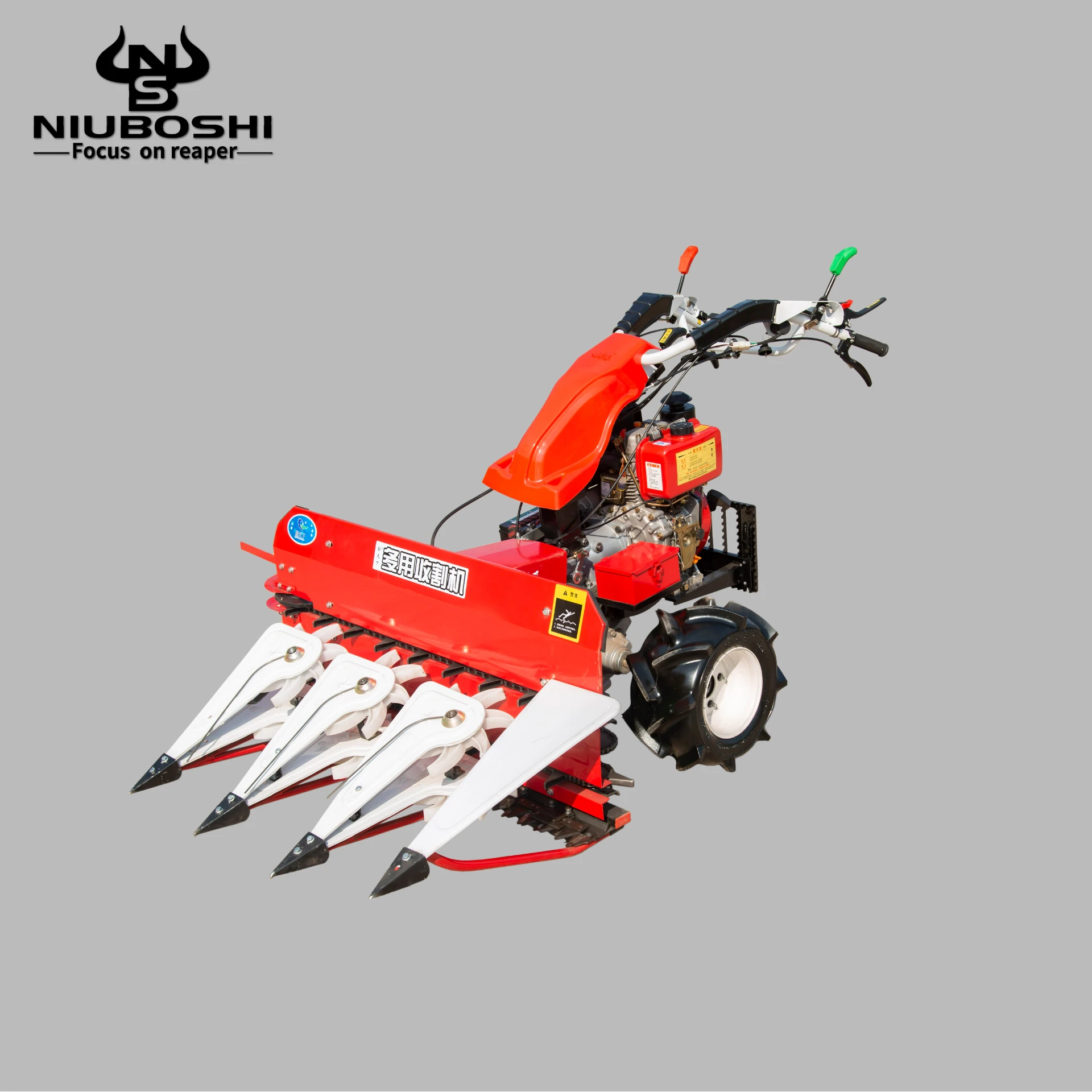
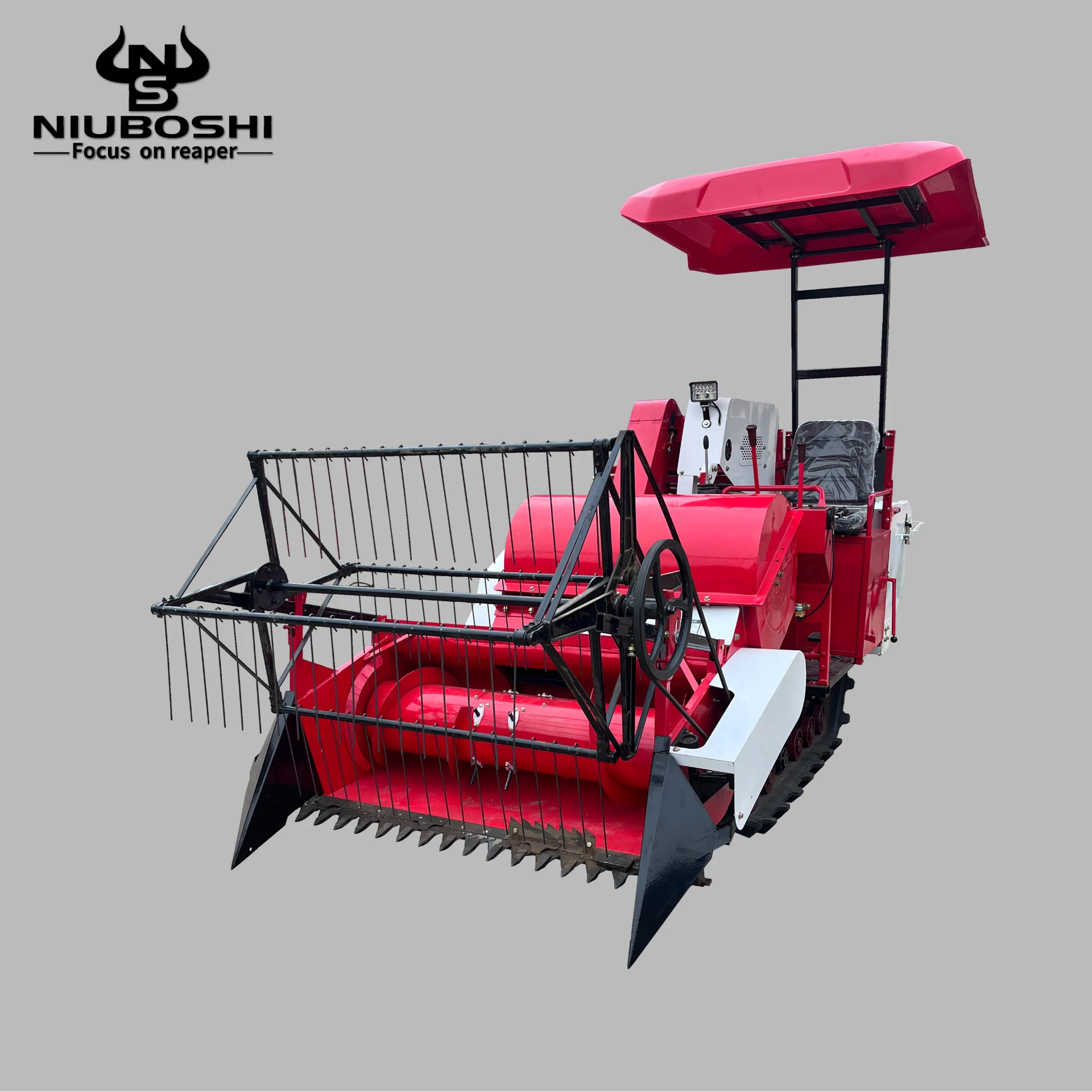
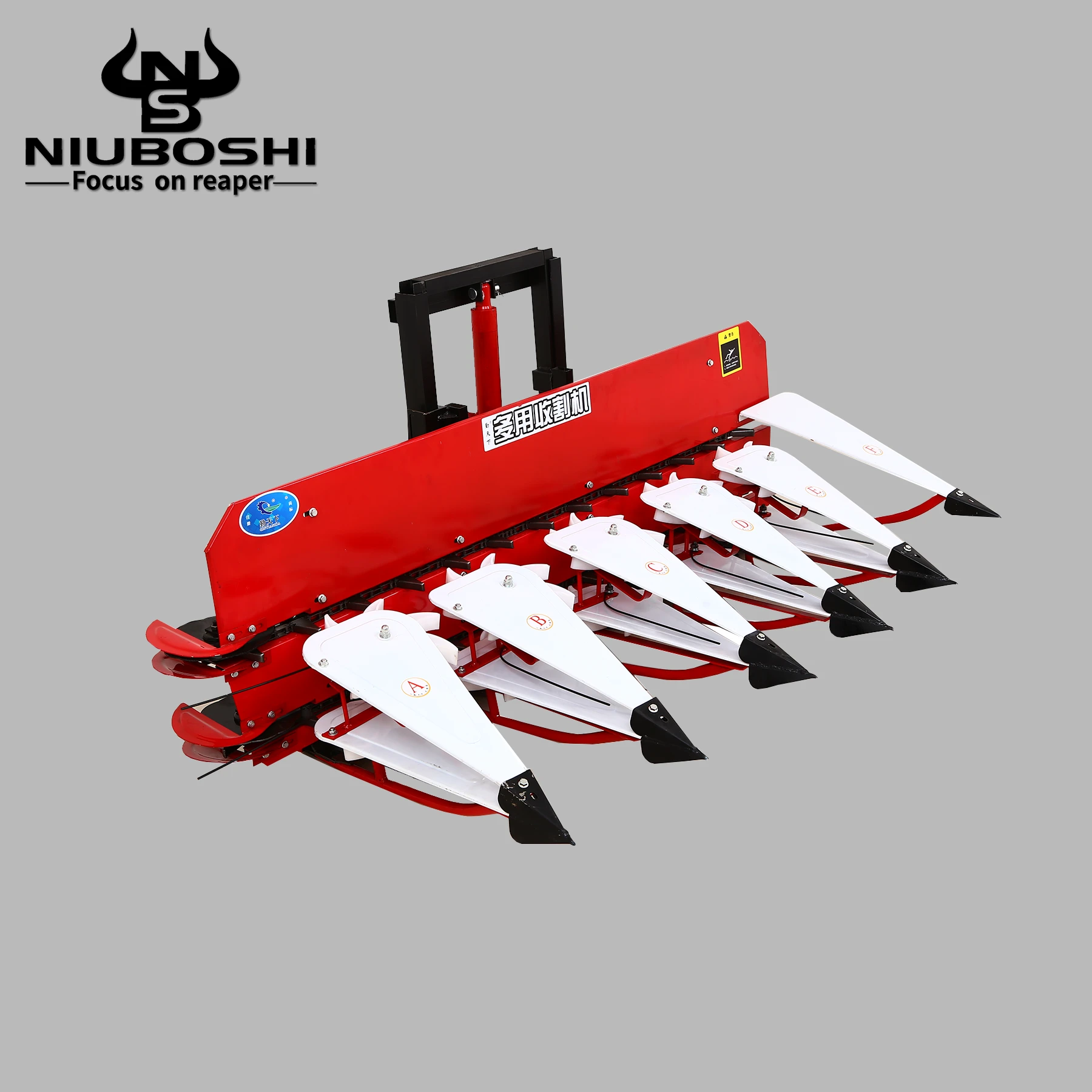
At its core, a small maize harvesting machine is a compact agricultural tool engineered to efficiently harvest maize crops on small to medium-sized farms. Unlike giant combines that cover hundreds of hectares at a time, these machines focus on maneuverability, affordability, and ease of use. Usually powered by a small engine or tractor hitch, they help automate key tasks like cutting stalks, shelling kernels, and separating corn from husks.
From a humanitarian angle, these machines fulfill an urgent need: boosting yield with dignity and speed, reducing post-harvest losses, and improving livelihoods. In regions prone to labor migration or aging rural populations, they essentially keep agriculture alive without forced reliance on manual labor.
Mini Takeaway:
The small maize harvesting machine bridges the gap between manual labor and full-scale mechanization, providing an ideal solution tailored for resource-limited and small-scale farmers worldwide.
Core Components and Key Features to Look For
1. Durability and Build Quality
Many engineers I’ve spoken to emphasize how crucial reliable materials are, especially when these machines encounter dust, humidity, and uneven terrain daily. Components built with corrosion-resistant steel and reinforced gearboxes ensure longevity and reduced maintenance.
2. Scalability and Size
Sizes vary from handheld units to tractor-powered attachments. Scalability matters because it determines which farms a machine suits best. Too big, and smallholders can’t use it; too small, and output is insufficient for commercial sales.
3. Cost Efficiency
Price points need to be realistic—many farmers are cash-strapped and lack access to credit. Machines offering balance between upfront cost and operational efficiency come out ahead in adoption.
4. Ease of Operation and Maintenance
Simple controls, minimal training requirements, and straightforward repair procedures make a huge difference. Local availability of spare parts also plays a vital role.
5. Fuel and Power Source
Some small maize harvesting machines run on petrol or diesel, while newer models integrate electric power or hybrid engines. This shift is especially pertinent given rising fuel costs and environmental concerns.
Mini Takeaway:
Key factors like robustness, affordability, and simplicity define a good small maize harvester — and these in turn shape the machine’s practical impact.
Product Specifications at a Glance
| Specification | Typical Range or Value | Remarks |
|---|---|---|
| Cutting Width | 50 - 120 cm | Depends on model and tractor availability |
| Engine Power | 5 - 15 HP | Petrol, diesel, or electric motor variants |
| Harvest Capacity | 0.3 - 1.2 hectares/hour | Varies by crop density and operator skill |
| Weight | 150 - 400 kg | Light enough for tractor or human maneuvering |
| Price Range | $800 - $3500 | Varies widely by specification & tech |
Who’s Leading the Charge? A Vendor Comparison
| Manufacturer | Model | Price | Power Source | Ideal Farm Size | Notable Features |
|---|---|---|---|---|---|
| AgriTech Solutions | MZ-Compact 150 | $1,200 | Diesel | 0.5 - 2 ha | Easy maintenance kit |
| GreenFields Tech | EcoHarvester 100E | $2,900 | Electric | 0.3 - 1 ha | Low noise, zero emissions |
| HarvestPro Machinery | MiniCombine H250 | $3,400 | Petrol | 1 - 3 ha | Higher capacity, fast harvesting |
How These Machines Are Changing Farming Worldwide
The utility of small maize harvesting machines goes beyond just cutting corn stalks. In post-disaster relief situations, for example, mechanized harvesting can dramatically reduce the time between crop maturity and storage—essential to prevent spoilage when logistics are strained.
In remote agricultural communities of East Africa, small maize harvesting machine models designed for harsh terrain and low-tech handling have empowered farmers, enabling cooperative ownership models and boosting productivity. Latin America’s smallholder farmers also benefit from machines that fit their plot sizes, enabling expanded maize cultivation without needing to hire expensive labor.
Oddly enough, in these regions, the story isn’t just about productivity—it’s about dignity and aspiration. Mechanization means less backbreaking work and more time to innovate or diversify crops.
Mini Takeaway:
The real-world impact of small maize harvesting machines manifests not only in higher yields but in stronger communities and better resource stewardship.
The Bottom Line: Why Invest in Small Maize Harvesting Machines?
- Cost Savings: Reduced labor hours and wastage significantly increase profitability.
- Sustainability: Efficient harvesting lowers environmental footprints, especially when electric or hybrid models are employed.
- Food Security: Timely, efficient harvests translate into less post-harvest loss and enhanced food availability.
- Safety & Comfort: Less manual cutting means fewer injuries and less exhausting work.
- Trust & Innovation: As farmers adopt technology, whole agricultural sectors modernize, attracting investment and knowledge sharing.
Looking Forward: Emerging Trends in Small Maize Harvesting Technology
The digital age is seeping into agricultural machinery with sensors, GPS tracking, and IoT connectivity. Some manufacturers now integrate small maize harvesting machines with mobile apps that monitor performance and maintenance needs in real time. Solar-powered or battery-operated models are also slowly gaining traction, reducing reliance on fossil fuels.
Policies from international bodies like ISO focus on creating standards for small-scale mechanization to promote safety and interoperability—that means more dependable, consistent machines for farmers worldwide. And with the imperative to combat climate change, expect manufacturers to accelerate development of greener models.
Common Challenges and How Experts Suggest Overcoming Them
Though promising, small maize harvesters face hurdles:
- Access to Financing: Many farmers can’t afford upfront costs. Microloans and leasing programs can help.
- Training: Without user knowledge, machines may be misused or abandoned. Local training programs and manuals in native languages are key.
- Maintenance: Spare parts scarcity slows repair. Creating local dealerships or cooperatives for parts distribution is vital.
Ultimately, tackling these bottlenecks requires coordinated efforts from governments, NGOs, and manufacturers alike.
FAQ: Answering Your Top Questions About Small Maize Harvesting Machines
Q1: What size of farm is a small maize harvesting machine best suited for?
A: These machines typically serve farms ranging from 0.3 hectares up to about 3 hectares. That covers a significant slice of smallholder operations where large combines are impractical or too costly.
Q2: How do maintenance costs compare to manual harvesting?
A: While maintenance involves some investment in parts and fluids, overall costs often remain lower than manual labor over time due to increased efficiency and less post-harvest loss.
Q3: Are electric-powered small maize harvesters effective in regions with limited electricity?
A: New battery-operated models with solar charging options are becoming more viable in off-grid locations. However, diesel or petrol versions remain common where energy infrastructure is limited.
Q4: Can these machines be used in hilly or irregular terrain?
A: Many models are designed with flexibility and lightweight construction to navigate difficult terrains, though extremely steep or rocky areas require specialized equipment.
Q5: How can small-scale farmers access these machines affordably?
A: Cooperative buying schemes, rental services, and government subsidies are practical routes. Some manufacturers also partner with NGOs for financing solutions.
Wrapping Up: The Future Feels Efficient and Bright
Small maize harvesting machines are quietly transforming agriculture on a global scale — helping farmers work smarter, feeding communities, and paving the way to a more sustainable future. If you want to explore reliable and affordable options tailored for your needs, do check out our selection at small maize harvesting machine. There’s no better time to embrace innovation in your fields.
References:
Latest news
-
Maximize Harvest Efficiency with the Agro Reaper Binder MachineNewsApr.16,2026
-
Boost Harvest Efficiency with the Best Agriculture Reaper MachineNewsApr.09,2026
-
Revolutionizing Agriculture with the Efficient Agriculture Power ReaperNewsApr.07,2026
-
Comprehensive Guide to the 4 Wheel Reaper Binder for Efficient HarvestingNewsApr.04,2026
-
Comprehensive Guide to Reaperbinder Technology for Efficient Hay and Crop HarvestingNewsMar.31,2026
-
Mastering the Art of Reaper Cutting for Enhanced Agricultural EfficiencyNewsMar.28,2026