Discover the Benefits and Innovations of Soybean Mini Harvester Machines
The Rise and Role of the Soybean Mini Harvester Machine in Modern Agriculture
In an age where efficiency and sustainability are driving forces for global agriculture, the soybean mini harvester machine has quietly emerged as a game changer. What might sound like a niche piece of equipment actually plays a vital role worldwide. Soybeans are widely recognized as a crucial crop—not just for human consumption but also for livestock feed and myriad industrial uses. With global demand predicted to rise significantly, farmers and agribusinesses alike are looking for ways to harvest their crops quickly, efficiently, and with minimal loss. Enter the soybean mini harvester machine—compact, accessible, and surprisingly versatile—helping bridge gaps especially in small to medium-scale farming operations.
Understanding the full spectrum of this machinery helps not only technologists but also policy makers and agricultural NGOs prioritize investment in food security initiatives. After all, even the most innovative planting methods falter if harvesting can’t keep pace.
Global Context: Why Does the Soybean Mini Harvester Matter?
The soybean sector accounts for a significant chunk of global agricultural output. According to FAO statistics, the world produces over 350 million metric tons of soybeans annually—mostly exported and processed across continents. Yet, harvesting remains a bottleneck, especially in emerging economies where smaller plots of land make using large combines impractical.
Modern agriculture isn’t just about giant tractors roaming vast fields anymore. In many regions, particularly Asia, Africa, and parts of Latin America, farmers work on parcels so small traditional combines can’t access them effectively. The mini harvester adapts to these needs — it’s small, nimble, and economical.
Moreover, labor shortages and increasing labor costs worldwide compound the challenge. Soybean mini harvesters speed up the process, reducing dependency on manual labor while preserving bean quality.
Mini takeaway:
To meet the rising global demand for soy and address the challenges of land fragmentation and labor shortages, the soybean mini harvester machine offers practical, scalable solutions.
What Exactly Is a Soybean Mini Harvester Machine?
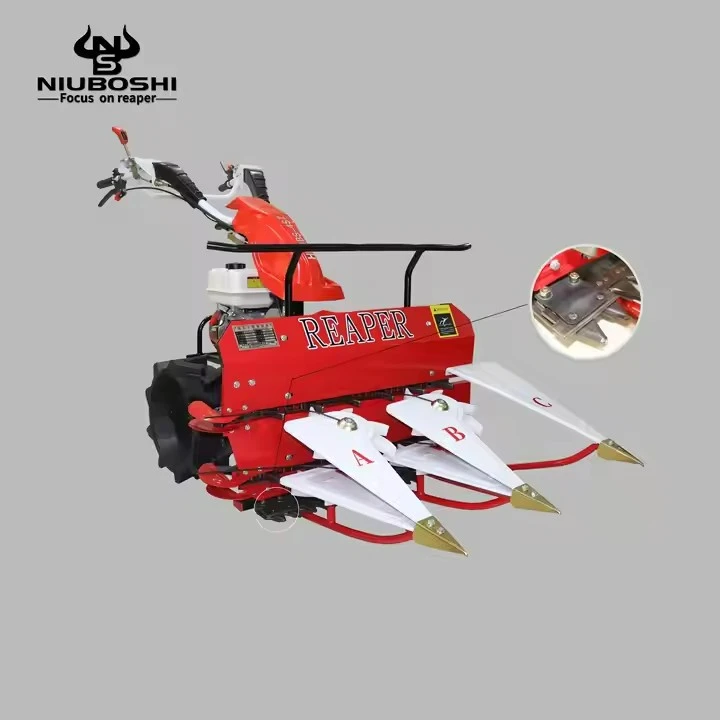
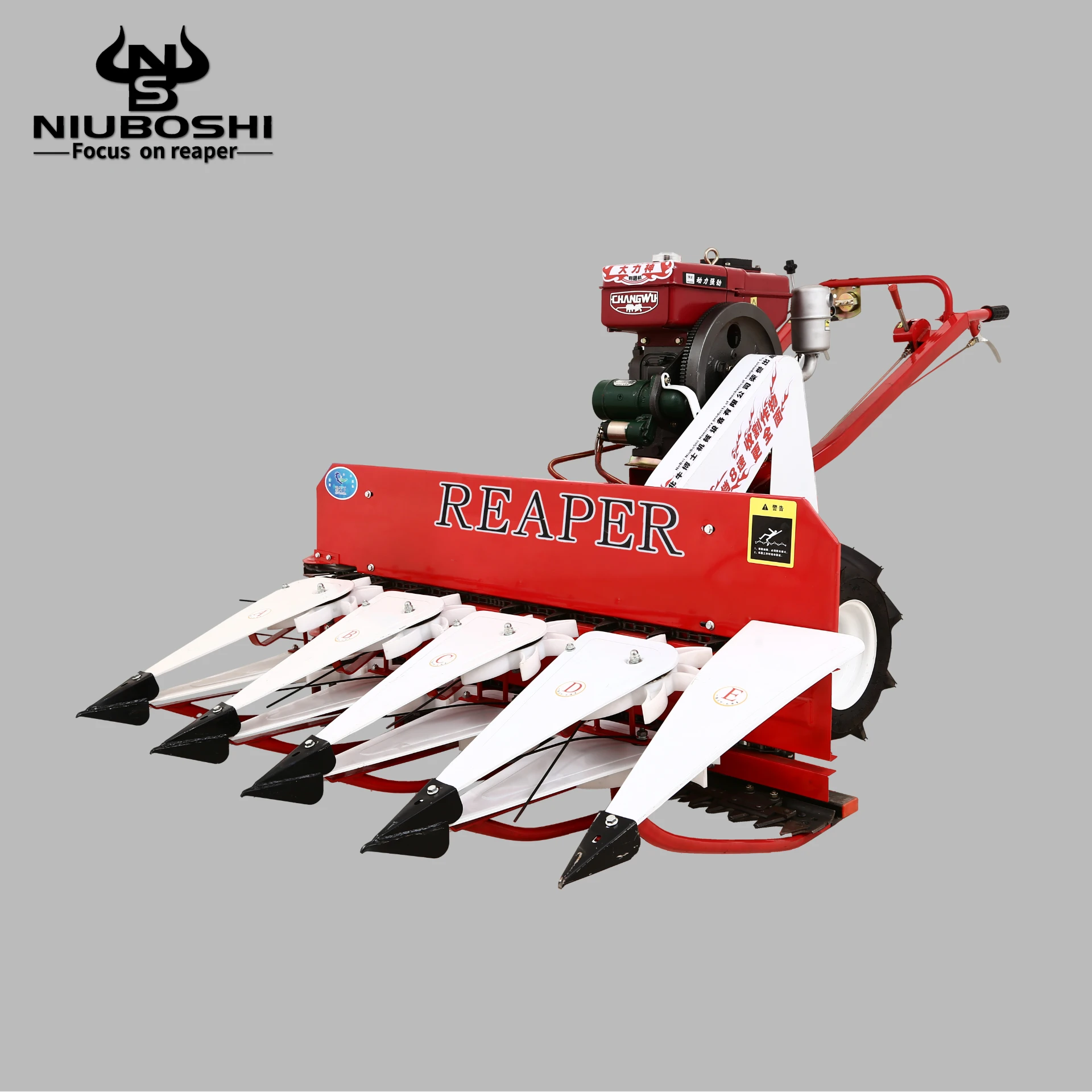
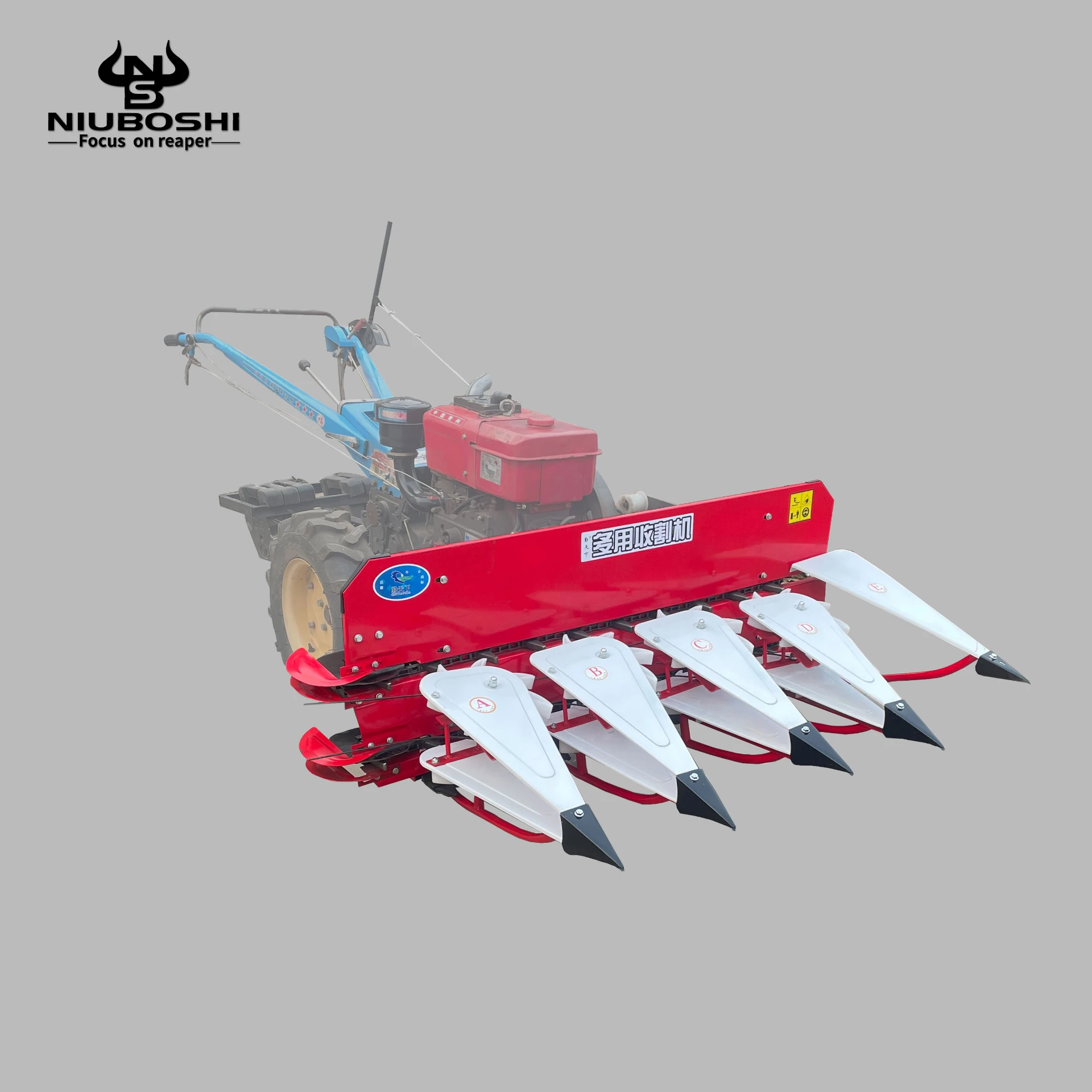
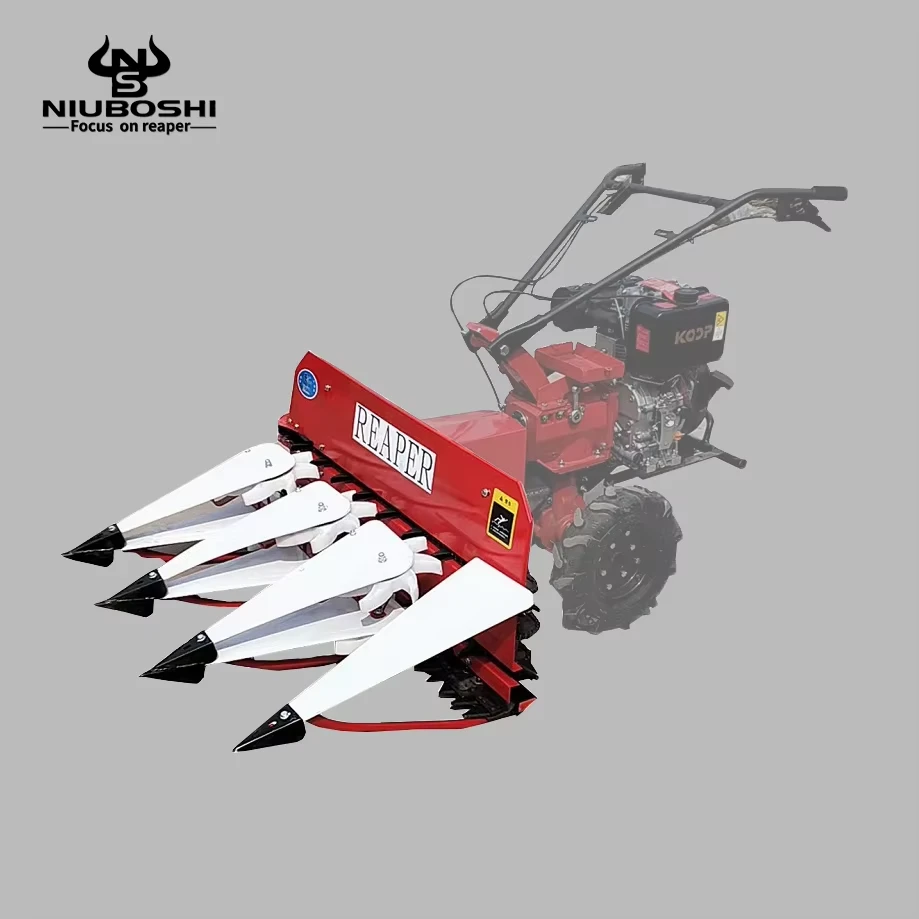
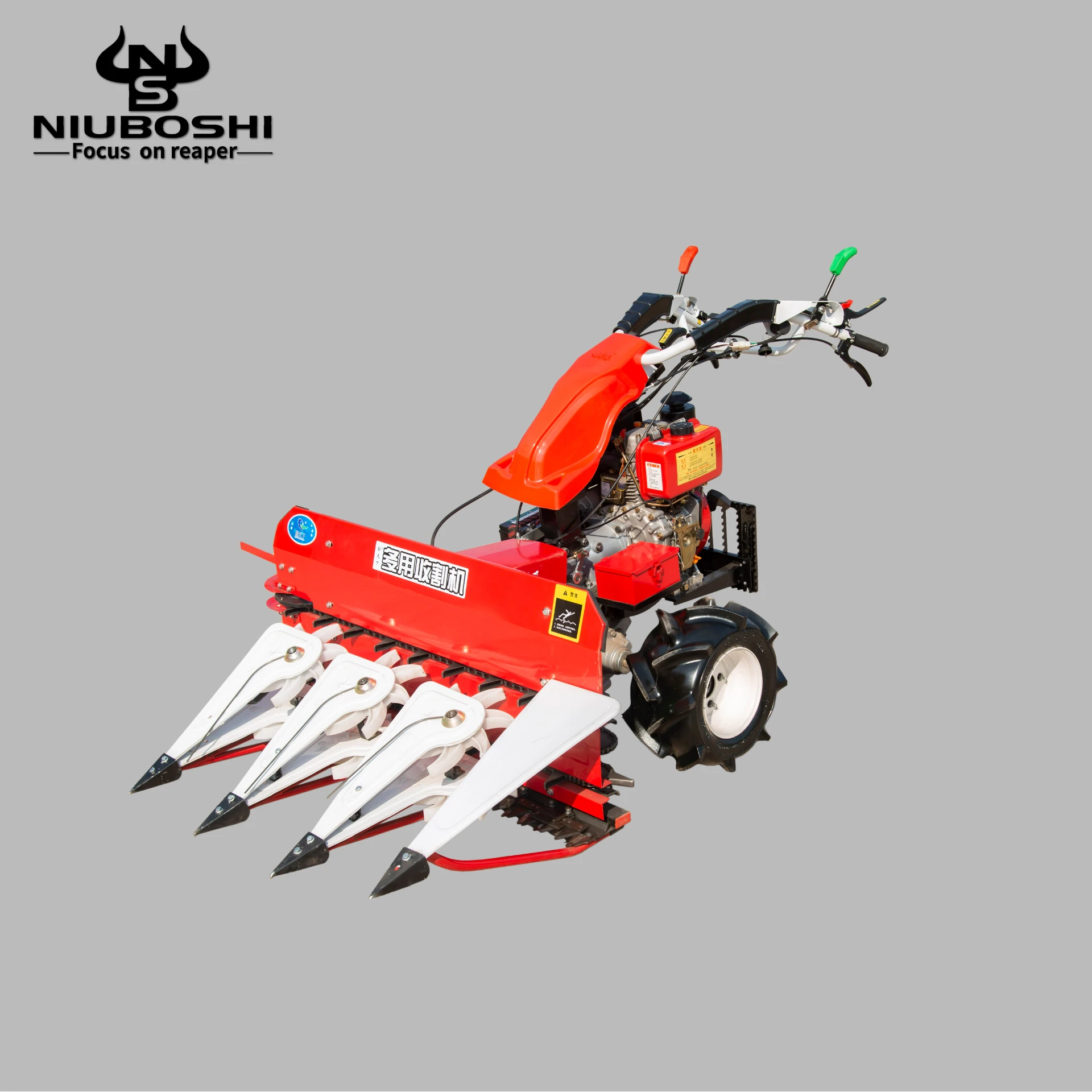
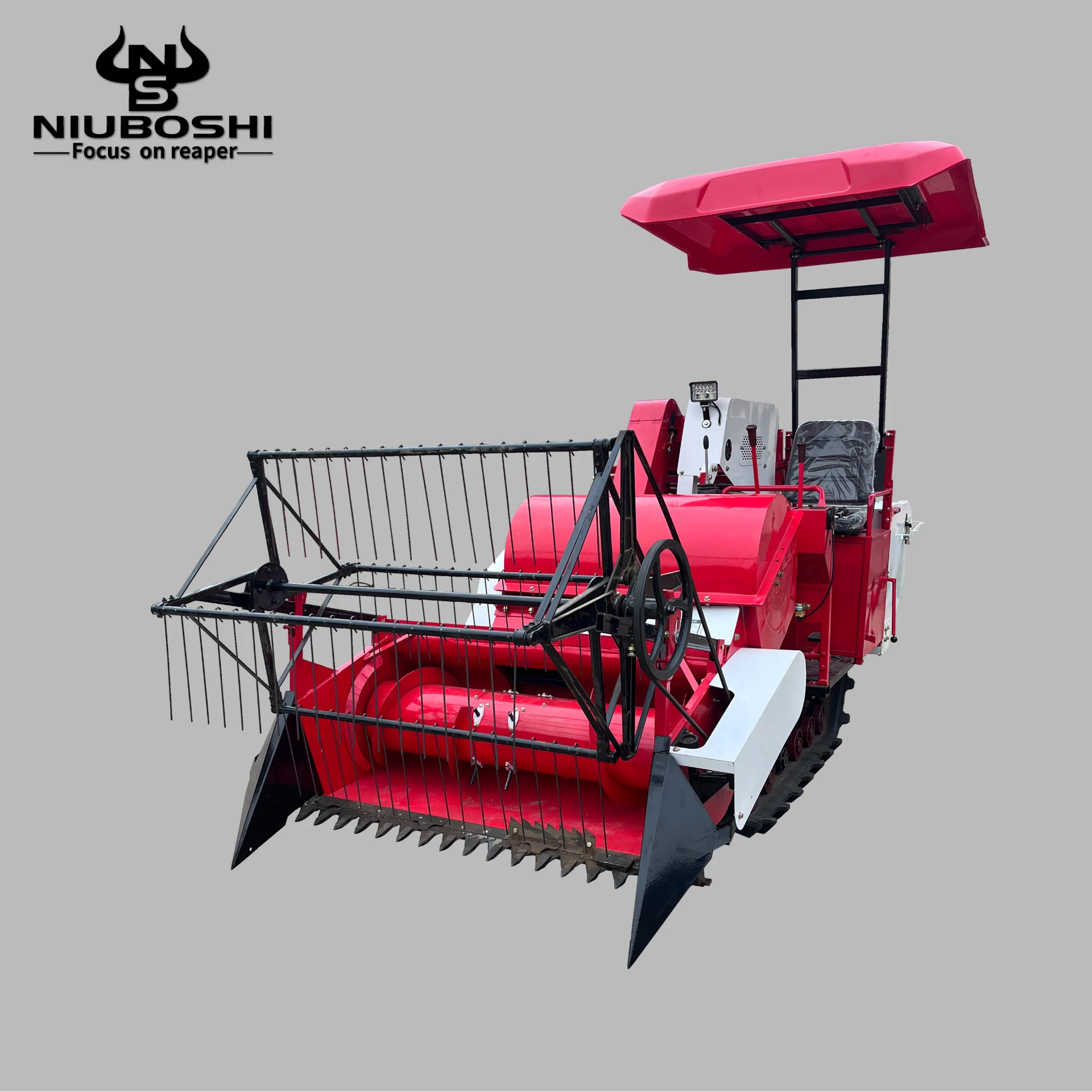
Put simply, a soybean mini harvester machine is a compact agricultural tool designed specifically to cut, thresh, and collect soybeans with minimal human effort. Unlike full-sized combines, these machines fit smaller fields and narrower paths, often being self-propelled or tractor-mounted.
They integrate simple mechanical principles — cutting headers, threshing drums, and grain collectors — but in a slimmed-down, cost-effective design. Their ability to maneuver on uneven terrains, steep slopes, or less-than-ideal conditions makes them indispensable for smallholders and community cooperatives.
In humanitarian or relief scenarios where access might be limited, such as post-disaster agricultural recovery zones, the portability of these mini harvesters becomes noteworthy. Grain can be salvaged timely, preventing food waste or shortages.
Mini takeaway:
The soybean mini harvester machine blends technical efficiency with real-world practicality, reflecting a deep understanding of farming challenges on small to medium plots.
Key Features and Core Components of a Soybean Mini Harvester Machine
1. Compact Durability
These harvesters balance lightweight frames with sturdy materials. Steel alloys commonly used help them endure dust, moisture, and vibration — odd conditions for such small machinery but absolutely routine on farms.
2. Efficient Threshing System
The threshing drum’s design achieves a delicate balance: It must separate beans cleanly from pods without damaging them. Several machines now incorporate adjustable speed and clearance settings to handle different soybean varieties.
3. Power and Fuel Efficiency
Many models run on 10–25 horsepower engines optimized for diesel or petrol. Recently, electric or hybrid options appear, which is a nod towards sustainability and cost-cutting in fuel expenses.
4. Ease of Maintenance
User-friendly structures with modular components mean farmers can perform routine checks without specialized technicians. This cuts downtime during busy harvest windows.
5. Scalability and Attachments
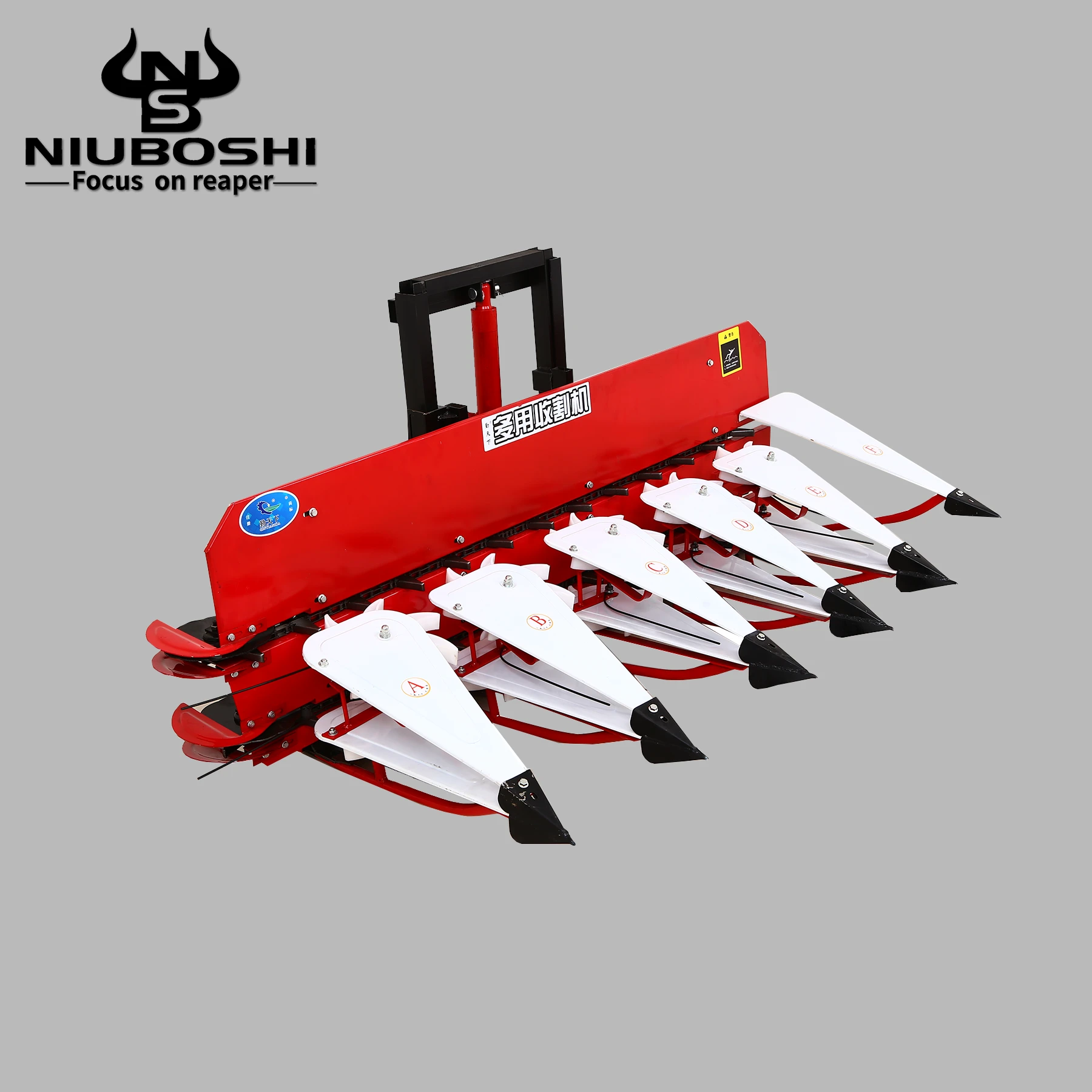
Some harvesters offer interchangeable headers or grain bins to customize capacity. This flexibility means an investment in one machine stretches across different crops or seasonal tasks.
6. Safety Features
Even compact machines come with shields, emergency stops, and operator protections—important design factors that sometimes get overlooked in cost-driven projects.
Mini takeaway:
The design of soybean mini harvesters thoughtfully addresses durability, efficiency, flexibility, and operator safety — crucial for real-life farming environments.
Worldwide Applications and Successful Use Cases
Across rural Vietnam, Indonesia, and parts of Brazil, soybean mini harvester machines support thousands of farmers harvesting fragmented land plots. Small-scale cooperatives in African countries like Uganda and Nigeria have adopted these machines, boosting output while encouraging data sharing and cooperative economics.
In more developed markets such as the US Midwest, mini harvesters find niche roles in experimental farms or organic operations where large machinery may disrupt sensitive soil.
Humanitarian organizations also tap into these tools. In drought-prone zones or areas recovering from floods, NGOs lend or provision soybean mini harvesters to protect food reserves and livelihoods during harvest peaks.
Mini takeaway:
From Southeast Asia’s smallholder networks to crisis-hit areas, this machine empowers communities previously underserved by big-ag tech.
Advantages and Long-Term Value of Soybean Mini Harvester Machines
- Cost Efficiency: Lower purchase and fuel costs compared to combines, making mechanization accessible.
- Sustainability: Reduced soil compaction and better fuel consumption align with ecological farming.
- Reliability: Proven mechanics ensure fewer breakdowns during critical harvest periods.
- Social Impact: Enables more timely harvests, reducing post-harvest losses by up to 15%, according to some FAO estimates.
- Innovation Support: Drives smallholder modernization, letting farmers compete more fairly in global markets.
On an emotional note, I often hear from farmers that using such efficient and safe machinery improves their day-to-day quality of life—less backbreaking work, less anxiety over weather windows, and a stronger sense of dignity.
Mini takeaway:
Beyond economics, these harvesters contribute to sustainable farming, food security, and enhanced livelihoods.
Future Trends & Innovations on the Horizon
The world of soybean mini harvester machines is quietly embracing technology. For example, integration of IoT sensors is helping some models collect crop yield data in real time, feeding analytics that optimize planting cycles.
Electrification also looms large; battery-powered harvesters promise quieter, cleaner operation—particularly welcome near residential areas or sensitive ecosystems. Some manufacturers are experimenting with solar-charging docks and lightweight composite materials for frames, reducing weight further.
Policymakers are increasingly focused on promoting mechanization policies that include subsidies or support schemes for small-scale machinery.
Mini takeaway:
Looking ahead, these compact machines are set to become smarter, greener, and more integrated with farm management tech.
Challenges & Practical Solutions for Soybean Mini Harvester Use
- Challenge: Limited capacity requires multiple passes, increasing labor.
- Solution: Larger detachable grain bins and optimized threshing speeds reduce downtime.
- Challenge: High initial investment costs for small farmers.
- Solution: Cooperative ownership models and rental programs.
- Challenge: Scarcity of local technical support for repairs.
- Solution: Training local technicians and improved user manuals in regional languages.
Many say the social support around the machine’s deployment is just as key as the hardware itself. I’ve noticed, in several field reports, machines left idle often suffered not from flaws but lack of guidance for farmers.
Mini takeaway:
Pragmatic innovations paired with community support can resolve most practical barriers.
Product Specification Table for a Typical Soybean Mini Harvester Machine
| Specification | Details |
|---|---|
| Engine Power | 15 HP Diesel |
| Working Width | 1.2 meters |
| Threshing System | Adjustable drum speed 600-1000 rpm |
| Grain Bin Capacity | 150 kg |
| Fuel Consumption | 2.5 liters/hour |
| Weight | 350 kg |
| Safety Features | Emergency stop, protective shields |
Vendor Comparison Table
| Brand | Price Range | Warranty | Special Features | Best For |
|---|---|---|---|---|
| AgriMini Pro | $3,200 - $3,800 | 2 years | Bluetooth yield monitoring | Small farms, cooperatives |
| HarvestMate 250 | $2,800 - $3,300 | 1.5 years | Lightweight frame, low fuel consumption | Hilly terrain farms |
| EcoThresh Mini | $3,500 - $4,000 | 3 years | Hybrid electric model | Eco-conscious producers |
FAQ: Frequently Asked Questions About Soybean Mini Harvester Machine
- Q1: How does a soybean mini harvester differ from a standard combine?
- A soybean mini harvester is smaller, more maneuverable, and designed for compact fields. It consumes less fuel and is more affordable, ideal for small farms or areas inaccessible to larger combines.
- Q2: Can these machines handle different soybean varieties?
- Yes, many models feature adjustable threshing speeds and clearance settings to accommodate diverse pod sizes and crop moisture levels, ensuring clean harvesting across varieties.
- Q3: What maintenance is required to keep a mini harvester running?
- Routine cleaning, checking belts and bearings, lubricating moving parts, and promptly addressing wear are key. Most machines are designed so farmers can maintain them without specialized tools.
- Q4: Are mini harvesters suitable for other crops?
- Some are compatible with minor adjustments or interchangeable headers, supporting crops like wheat, beans, or corn on a small scale.
- Q5: How can organizations procure and implement these machines internationally?
- Many vendors provide export-ready models, and NGOs typically collaborate with local distributors to ensure delivery, training, and spare parts supply. Grants or subsidies often assist funding.
Conclusion: Why Investing in a Soybean Mini Harvester Machine Makes Sense
Over the long term, a soybean mini harvester machine is more than a mechanical marvel—it’s a catalyst for sustainable farming, economic empowerment, and food security. It fills a unique space between manual labor and heavy machinery, perfectly tailored for modern farming challenges worldwide.
For farmers, cooperatives, NGOs, and policymakers looking to harness agricultural productivity without the massive overhead of full-sized combines, embracing the mini harvester can revolutionize harvest cycles and livelihoods.
Curious to find out more or ready to take the next step? Visit our website: soybean mini harvester machine for detailed product info, expert advice, and customer stories.
References
Latest news
-
Maximize Harvest Efficiency with the Agro Reaper Binder MachineNewsApr.16,2026
-
Boost Harvest Efficiency with the Best Agriculture Reaper MachineNewsApr.09,2026
-
Revolutionizing Agriculture with the Efficient Agriculture Power ReaperNewsApr.07,2026
-
Comprehensive Guide to the 4 Wheel Reaper Binder for Efficient HarvestingNewsApr.04,2026
-
Comprehensive Guide to Reaperbinder Technology for Efficient Hay and Crop HarvestingNewsMar.31,2026
-
Mastering the Art of Reaper Cutting for Enhanced Agricultural EfficiencyNewsMar.28,2026