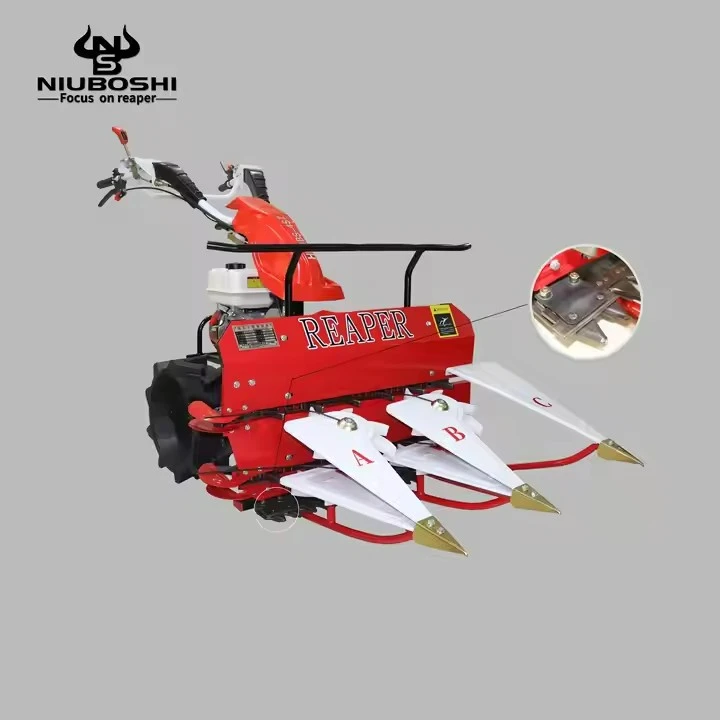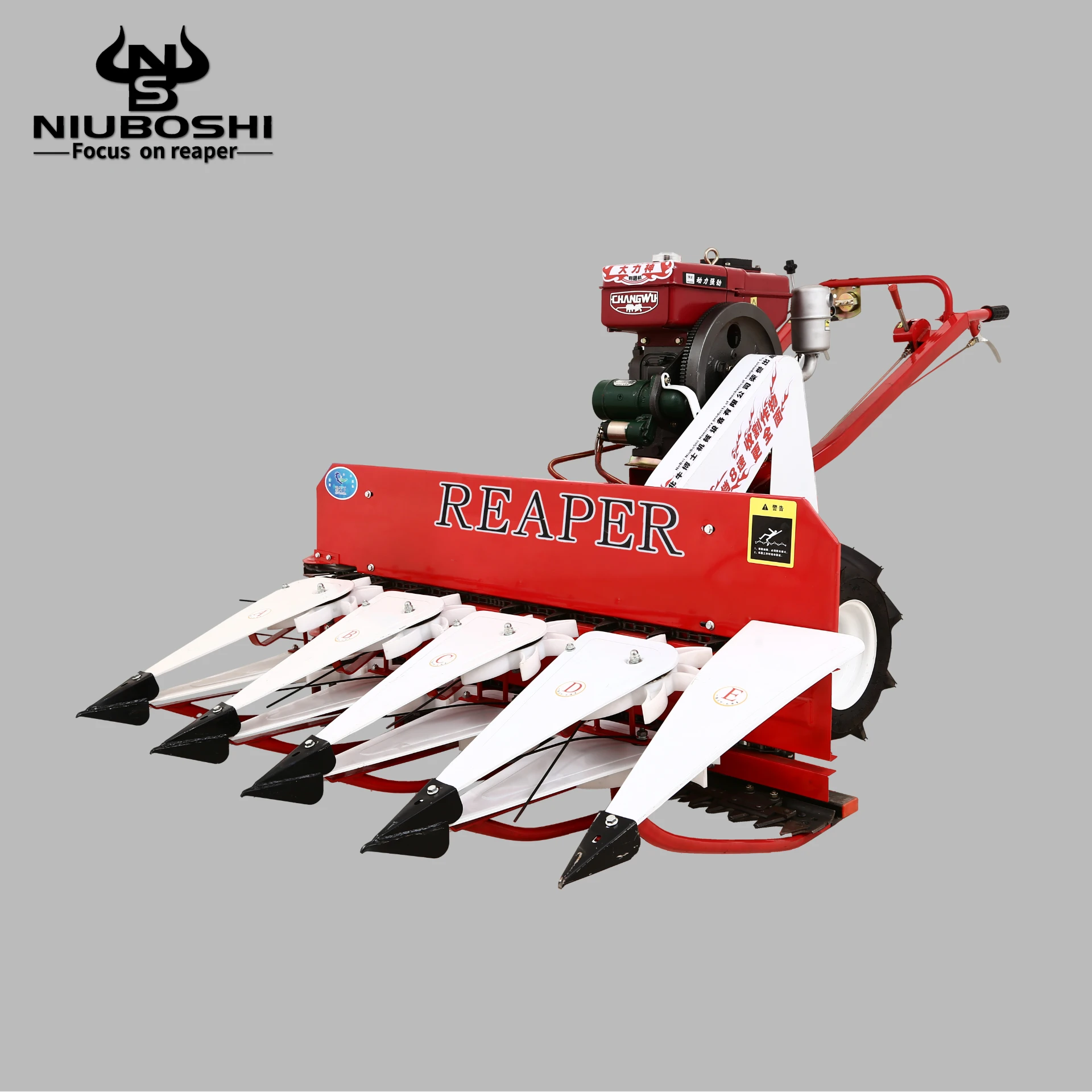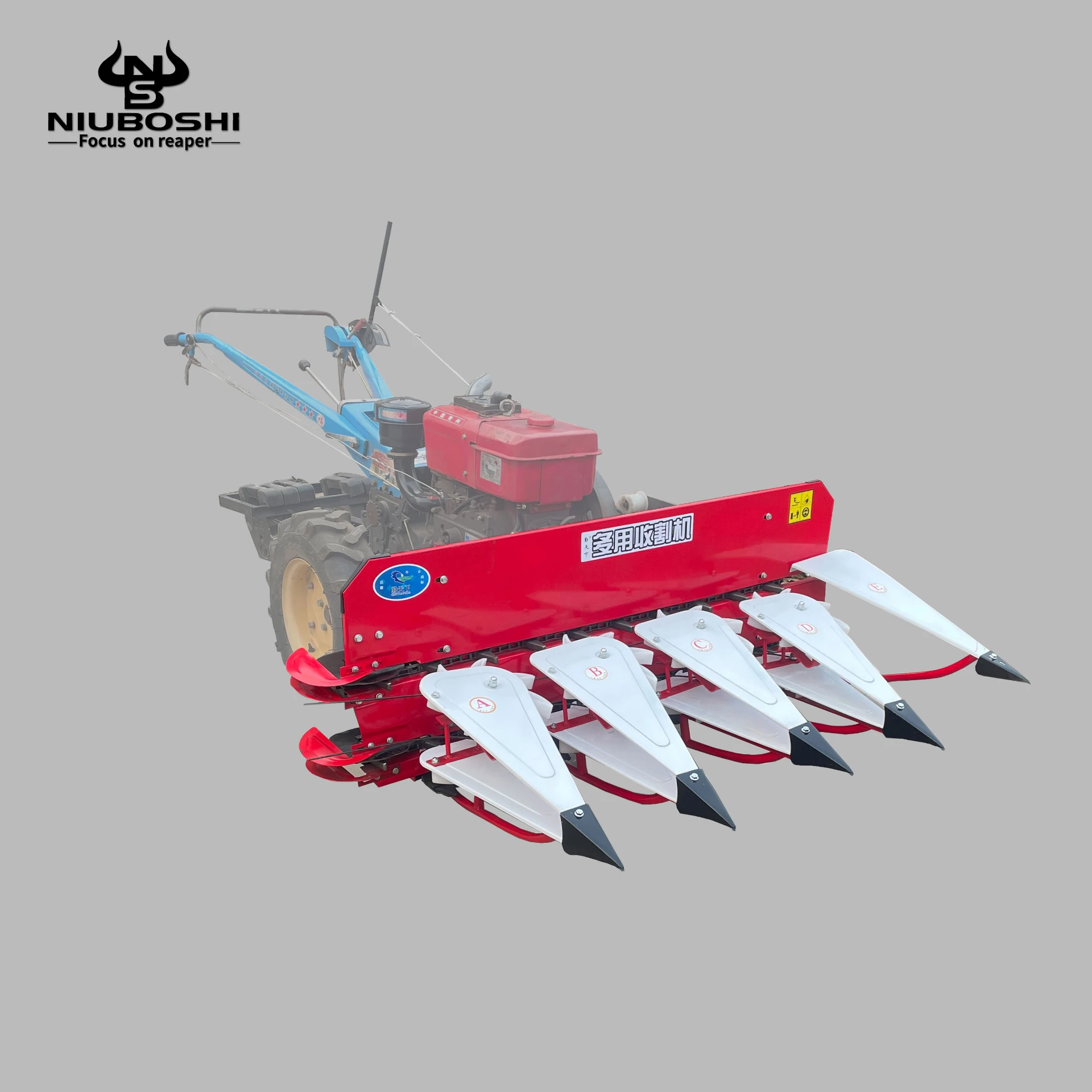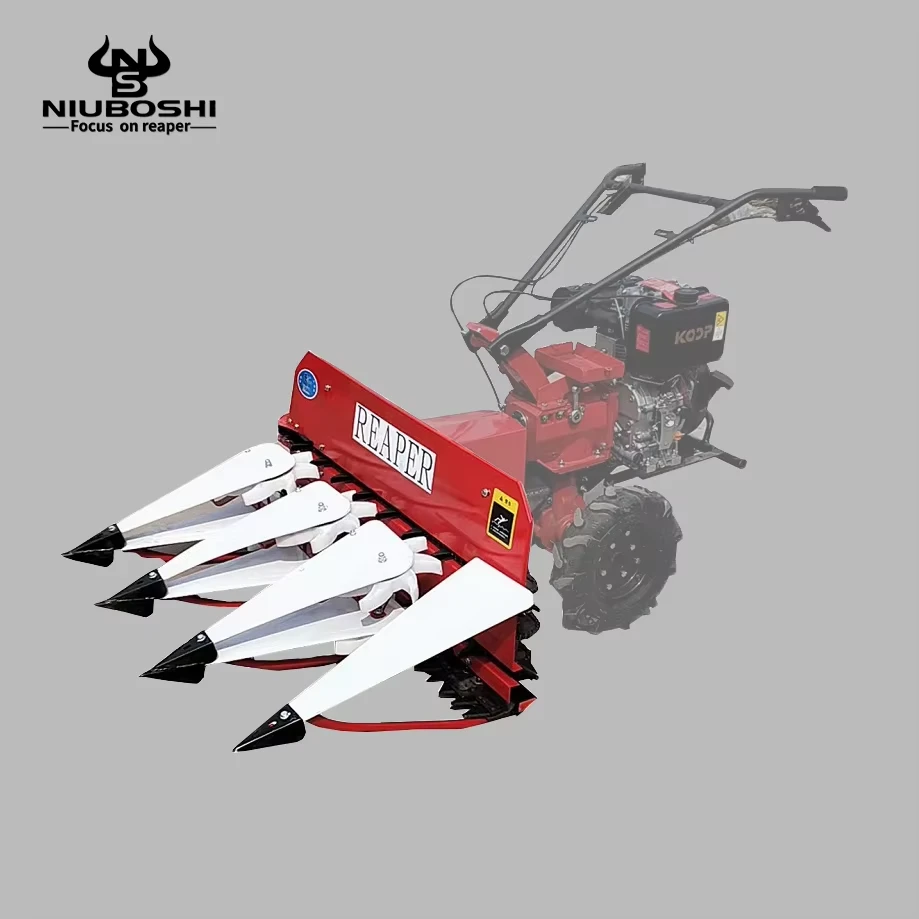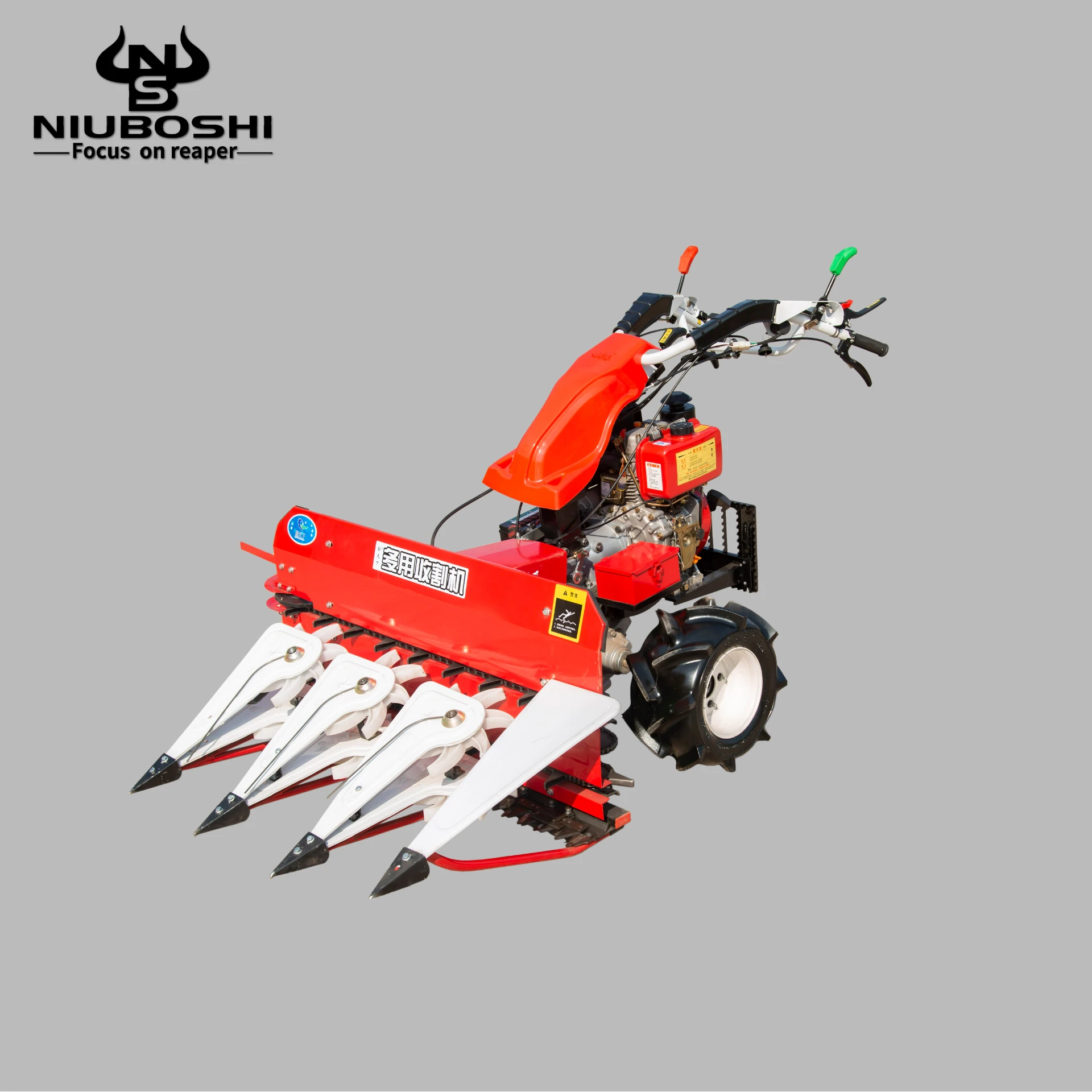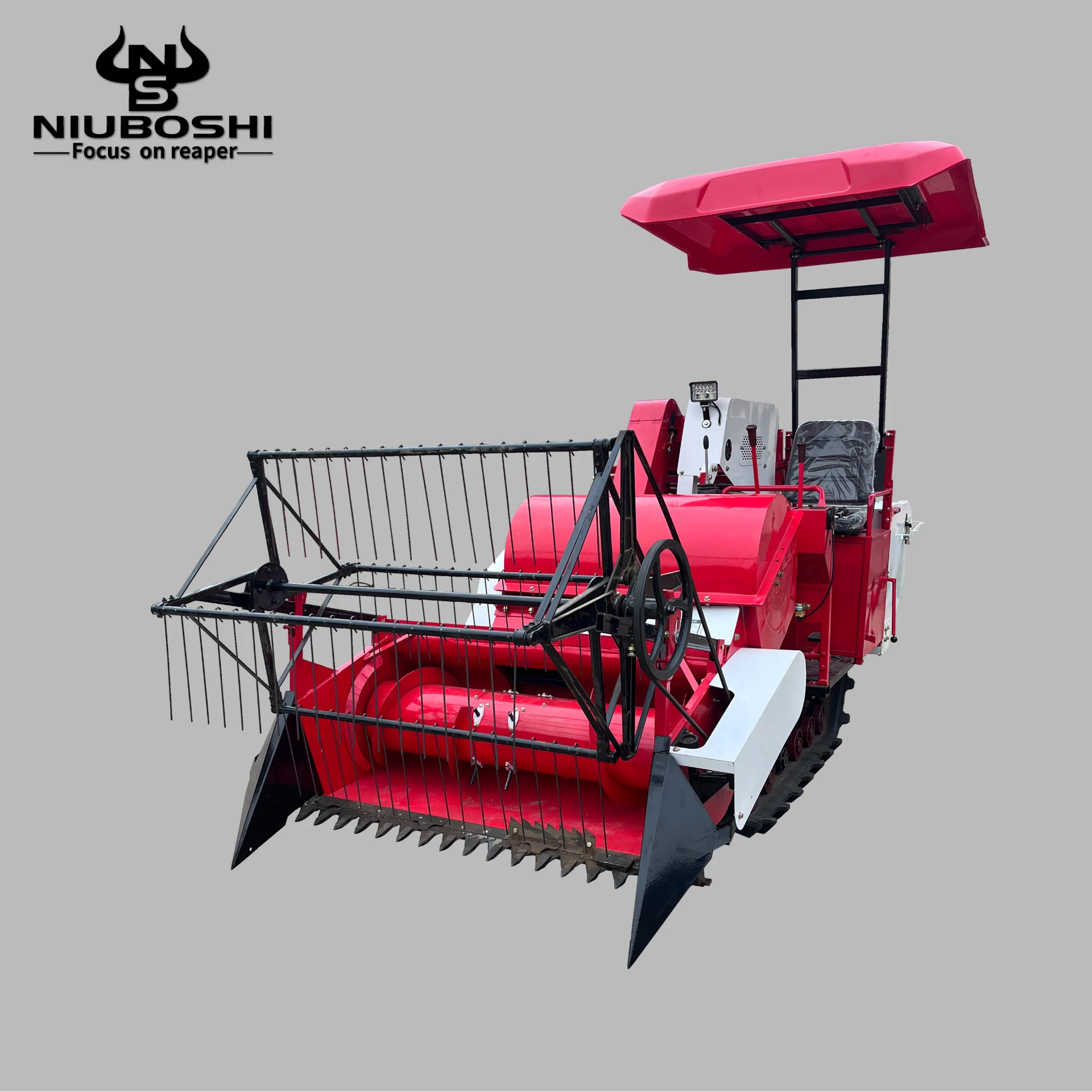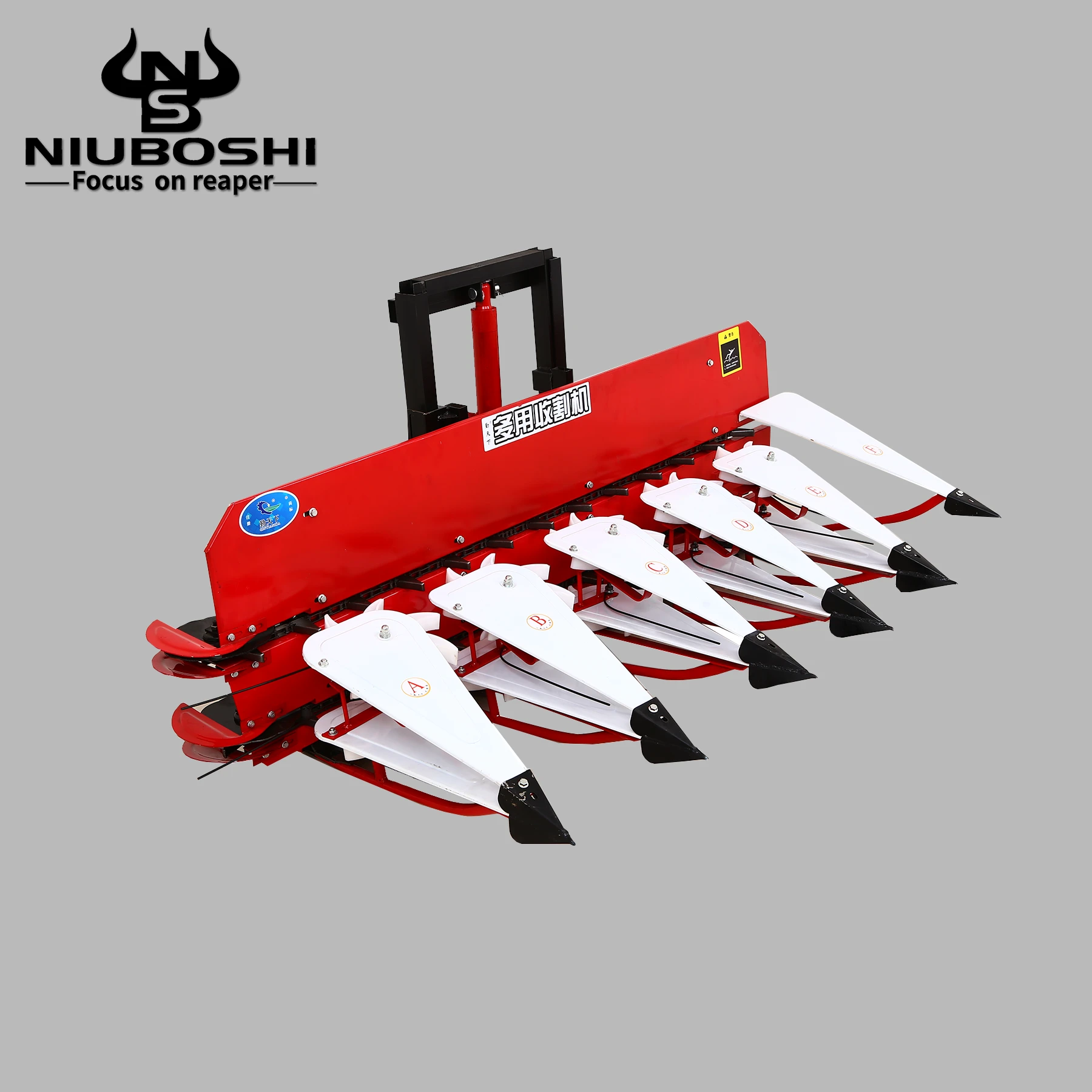
Tractor Mounted Mini Harvester – Compact Efficiency for Modern Farming
Understanding the Tractor Mounted Mini Harvester: Why It Matters Globally
If you’re involved in agriculture, forestry, or even disaster relief, you’ve probably heard about the tractor mounted mini harvester. But why all the fuss about this relatively small piece of machinery? Well, it’s no exaggeration to say this compact powerhouse is quietly reshaping how we approach harvesting tasks in fields and forests worldwide.
These machines matter because they offer precision, speed, and cost efficiency — critical in a world where food security and resource management are hot-button issues. They’re not just tools; they’re part of a broader solution addressing sustainability and labor shortages globally.
In the sections ahead, we’ll unpack why this technology is catching on, what it actually is, and why you might want to keep an eye on it for your own applications.
Tractor Mounted Mini Harvester in the Global Landscape
Let’s zoom out for a sec. According to the United Nations’ FAO, small-scale farming employs around 70% of the world’s population but often struggles with inefficient harvesting tools. Enter the tractor mounted mini harvester — a nimble machine with the potential to leapfrog traditional harvesting bottlenecks.
These devices are increasingly critical in places like Southeast Asia, Eastern Europe, and parts of Africa, where the farming plots tend to be small but labor-intensive. Global agricultural machinery sales have been rising steadily, with compact solutions like these making up a growing share, encouraged by trends toward mechanization without the cost and size of giants.
One challenge these mini harvesters address directly is labor scarcity: demographic changes and urban migration mean fewer hands on the farm. They also reduce physical strain on operators — a pretty important societal factor as worker welfare gains attention.
What Exactly Is a Tractor Mounted Mini Harvester?
Put simply, a tractor mounted mini harvester is a harvesting machine designed to attach onto a tractor or tractor-like vehicle, optimized for smaller-scale operations. Unlike the huge combines you see on sprawling American farms, these machines handle crops like grains, vegetables, or even coppiced wood on a modest scale.
They serve a dual purpose: boosting productivity and extending mechanization to terrains or farms where large machines can’t go. Because they’re tractor-mounted, they leverage existing machinery fleets, making adoption smarter and often more affordable.
On a humanitarian note, organizations use these harvesters in post-disaster agricultural recovery, helping families re-establish food production after crises.
Key Features That Make Tractor Mounted Mini Harvesters a Game-Changer
1. Compactness and Maneuverability
Mini harvesters are designed to fit on smaller tractors, often under 50 horsepower, which opens up fields and farms that simply can’t accommodate large machinery. This agility means farmers don’t have to overhaul their equipment completely.
2. Durability and Build Quality
Surprisingly, these units pack ruggedness into a petite frame. They’re built with materials like high-tensile steel or reinforced composites, ensuring they last through rough terrain and repetitive use. This durability reduces maintenance downtime—a constant headache in many farming operations.
3. Cost Efficiency
Because they’re smaller and simpler than full-size harvesters, overall upfront costs, fuel consumption, and maintenance expenses are significantly lower — very appealing to smallholders or emerging market farmers. Operating costs also dip thanks to quicker setups and easier repairs.
4. Scalability and Modularity
Many models offer modular attachments to handle different crops — from wheat and barley to specialized vegetables or even biomass harvesting. This ability to shift focus without purchasing entirely new machines is a small design detail with big practical impact.
5. Ease of Operation
Modern tractor mounted mini harvesters include intuitive controls and sometimes even automation assists, making them accessible to operators with varying skill levels.
In essence, the sweet spot of these harvesters lies in blending rugged, adaptable technology with the realities of small-to-medium scale agriculture.
Real-World Applications and Who Benefits
So, where do these machines shine the most? Well, the list is surprisingly broad.
- Smallholder Farms: In countries like India and Vietnam, mini harvesters revolutionize petty farming, letting families grow more efficiently without massive capital.
- Forestry and Biomass: Some specialize in harvesting coppiced wood or plantations of short-rotation trees — think fuelwood or pulpwood production.
- Disaster Relief: Agencies use these machines to help communities quickly restart agriculture after floods or droughts.
- Greenhouse Agriculture: Compact harvesters help in controlled environments, harvesting without damaging delicate plants.
- Emerging Industrial Zones: Small industries producing biochar or biomass pellets rely on these to secure their raw material supply.
For example, a project in Eastern Europe saw farmers halve their harvesting time using tractor mounted mini harvesters, boosting annual yield notably.
Advantages and Long-Term Value of Tractor Mounted Mini Harvester
Let’s be frank: investing in any machine comes with questions about return on investment. Mini harvesters offer strong answers on several fronts.
- Economic Benefit: Reduced labor costs and faster harvesting windows mean more crops harvested at optimal times.
- Environmental Sustainability: Smaller fuel consumption and precise harvesting reduce carbon footprints compared to large-scale machinery.
- Social Impact: By lowering physical workload and making mechanization accessible, these machines empower farmers—and that elevates community resilience.
- Reliability: Sturdy builds and easier maintenance loops translate to less downtime and more predictable operations.
All these factors combine to build trust over time. And oddly enough, it feels good to work with machines that respect the scale and sensitivity of local farming traditions.
Future Trends and Innovations in Tractor Mounted Mini Harvesters
It wouldn’t surprise me if in a few years these mini harvesters look completely different. The trendline on automation and smart farming tech is relentless.
Some notable directions include:
- Electrification: Some manufacturers are experimenting with electric versions, cutting noise, emissions, and operating costs.
- Smart Sensors and IoT: Integrating harvest data collection, remote diagnostics, and predictive maintenance.
- Advanced Materials: Using carbon fiber composites to reduce weight without sacrificing strength.
- Precision Harvesting: Software-enabled cutting that minimizes crop damage.
And, with global policy shifts nudging toward sustainability, expect subsidies or incentives encouraging adoption of these greener, efficient models.
Challenges and Approaches to Overcome Them
Of course, no machine is perfect. Common challenges with tractor mounted mini harvesters include:
- Terrain Limitations: Rocky or extremely uneven ground still trips these up.
- Crop Compatibility: Not all crops can be harvested equally well with one model.
- Initial Training: Sometimes farmers need support adapting to mechanized harvesting.
To overcome these, manufacturers often tailor machines to local conditions, provide operator training programs, and innovate modular designs to boost versatility.
Product Specification Table: Sample Tractor Mounted Mini Harvester
| Feature | Specification |
|---|---|
| Operating Width | 1.2 meters |
| Power Requirement | 30–50 HP tractor |
| Weight | 650 kg |
| Fuel Efficiency | 4 L/hour (average) |
| Crop Types | Grains, vegetables, biomass |
| Control | Mechanical + optional automation assist |
Vendor Comparison: Leading Tractor Mounted Mini Harvester Manufacturers
| Vendor | Price Range (USD) | Key Features | Warranty |
|---|---|---|---|
| AgroTech Mini | $9,000 - $11,000 | Modular attachments, robust frame | 2 years |
| FieldMaster Compact | $10,500 - $13,000 | Automation assist, ergonomic controls | 3 years |
| GreenHarvest Tech | $8,500 - $9,500 | Lightweight, fuel efficient, IoT connectivity | 1 year |
Frequently Asked Questions About Tractor Mounted Mini Harvester
Q1: How easy is it to attach a mini harvester to existing tractors?
A1: Most tractor mounted mini harvesters are designed with standard three-point hitch systems, making attachment straightforward for operators familiar with tractor implements. Some models even include hydraulic hookups for powered functions. Generally, you can expect a setup time of under 30 minutes, provided you have basic mechanical knowledge.
Q2: Which crops are best suited for mini harvesters?
A2: These mini harvesters excel with grains like wheat, barley, and oats, as well as certain vegetables such as potatoes and carrots. Some adaptive models handle biomass crops, including short-rotation willow or poplar. However, very delicate or large crops may require specialized equipment.
Q3: Can small-scale farmers afford tractor mounted mini harvesters?
A3: While the initial cost can be a hurdle, many manufacturers offer financing or leasing options. Considering savings on labor and increased efficiency, the investment often pays off within a few seasons. Additionally, organizations sometimes subsidize these machines in developing regions.
Q4: Are there environmental benefits compared to large harvesters?
A4: Absolutely. Due to smaller engines and lighter weight, mini harvesters consume less fuel and emit fewer greenhouse gases. Their precision also lowers crop waste, contributing to sustainability goals and reducing soil compaction.
Q5: Where can I learn more about tractor mounted mini harvester models?
A5: A great place to start is visiting industry manufacturers or trade sites. For instance, our recommended resource is the tractor mounted mini harvester product showcase, where various models and technical details are available.
Wrapping It Up: Why Tractor Mounted Mini Harvesters Are Worth Watching
In a nutshell, tractor mounted mini harvesters represent a convergence of smart engineering, economic sense, and a nod to sustainable farming. They’re revolutionizing how smaller farms and specific industries approach harvesting — enabling increased yields, better quality, and stronger community resilience.
If you’re interested in cutting costs without sacrificing capability or want to explore modern agricultural mechanization, it’s worth checking the latest offerings in this space. A nifty machine like this might just change how you think about “small” and “efficient.”
Don’t just take my word for it. Visit our website to explore current models and get expert advice tailored to your needs.
Small, efficient, adaptable, and future-ready — tractor mounted mini harvesters are quietly rewriting the rules in agricultural mechanization worldwide.
References
Latest news
-
Maximize Harvest Efficiency with the Agro Reaper Binder MachineNewsApr.16,2026
-
Boost Harvest Efficiency with the Best Agriculture Reaper MachineNewsApr.09,2026
-
Revolutionizing Agriculture with the Efficient Agriculture Power ReaperNewsApr.07,2026
-
Comprehensive Guide to the 4 Wheel Reaper Binder for Efficient HarvestingNewsApr.04,2026
-
Comprehensive Guide to Reaperbinder Technology for Efficient Hay and Crop HarvestingNewsMar.31,2026
-
Mastering the Art of Reaper Cutting for Enhanced Agricultural EfficiencyNewsMar.28,2026