Small Paddy Cutting Machine: Efficient Harvesting for Modern Farmers
Why Small Paddy Cutting Machines Matter Globally
We rarely stop to think about how rice — a staple for over half the world’s population — actually makes it from field to table. The humble paddy cutting machine small plays a surprisingly huge role here. Tiny yet mighty, these machines slice through dense rice stalks quickly, making the harvest smoother, faster, and less labor-intensive. In a world where rising labor costs and food security concerns collide, understanding these tools isn’t just for farmers — it’s a window into sustainable agriculture’s future.
Globally, small-scale paddy harvesting tools address key issues like labor shortages in rural areas and the environmental footprint of manual harvesting. With the global rice market valued at billions annually (FAOSTAT data), even small improvements can ripple across economies. So, if you're in agri-tech or rural development, grasping the value and design of a paddy cutting machine small could shape better farming seasons ahead.
Introduction: The Global Reach of Small-Scale Paddy Cutting Machines
Rice farming spans continents — Asia, parts of Africa, even pockets of South America. The paddy cutting machine small is popping up in local supply chains from Vietnam to Nigeria, helping tiny and medium farms reduce backbreaking toil and speed harvesting times. According to the International Rice Research Institute, mechanization of rice harvesting reduced post-harvest losses by up to 10% in some regions, which is critical considering food security challenges globally.
Yet, hurdles like affordability, access to maintenance, and terrain adaptability challenge widespread adoption. That’s why the small, portable, and cost-effective machines are trending among cooperative farming groups and early agripreneurs. They fill the gap between large industrial harvesters and the traditional sickle — a balance between tech and tradition, if you will.
What Exactly Is a Paddy Cutting Machine Small?
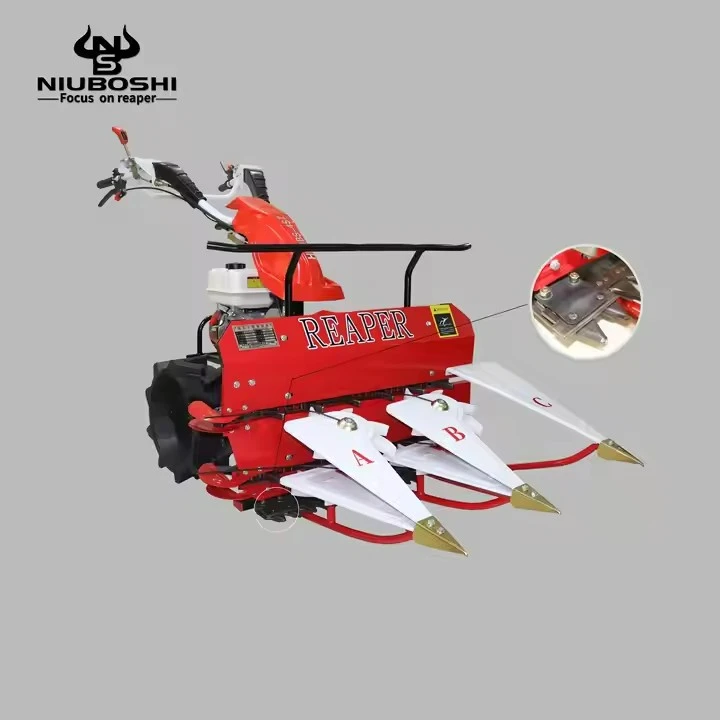
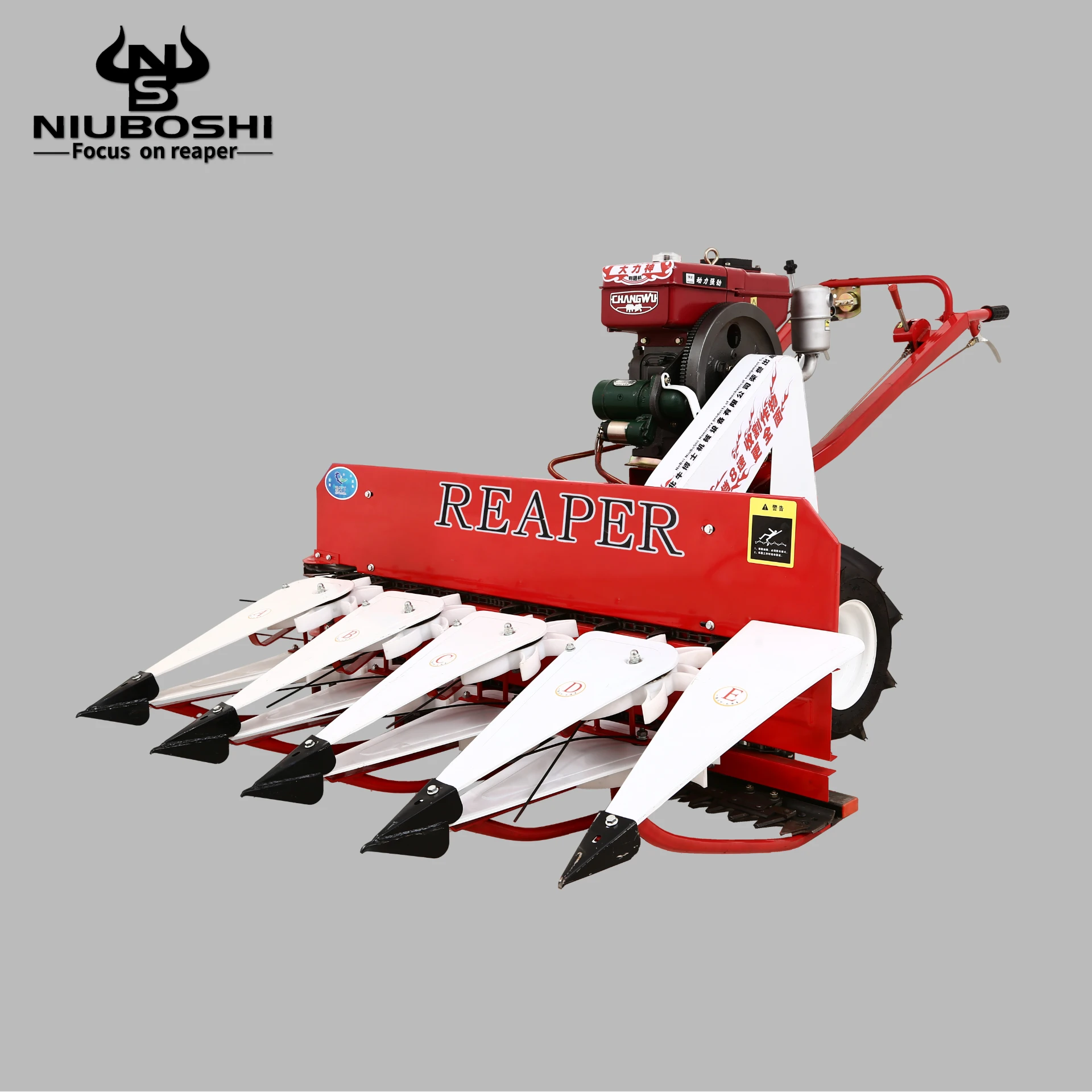
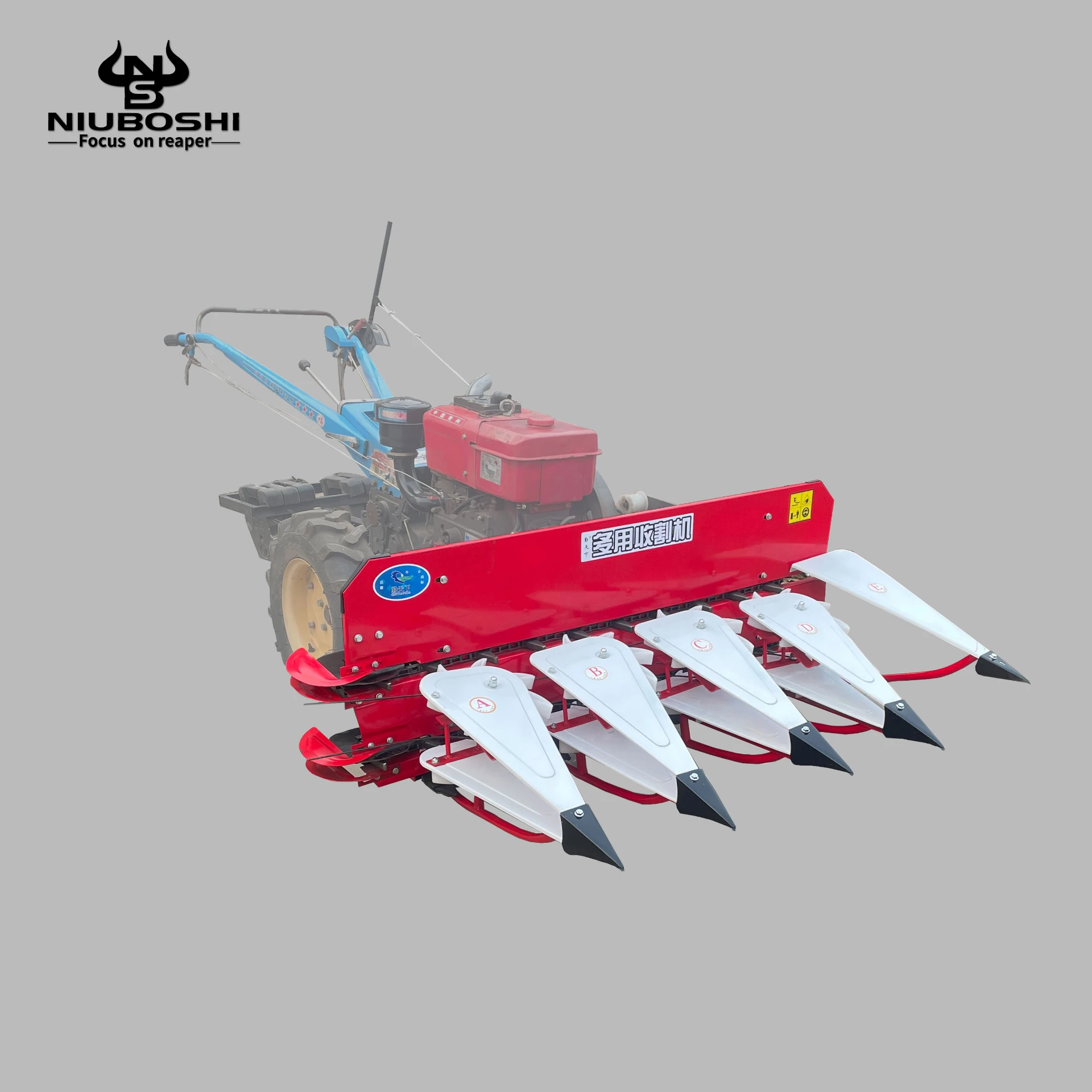
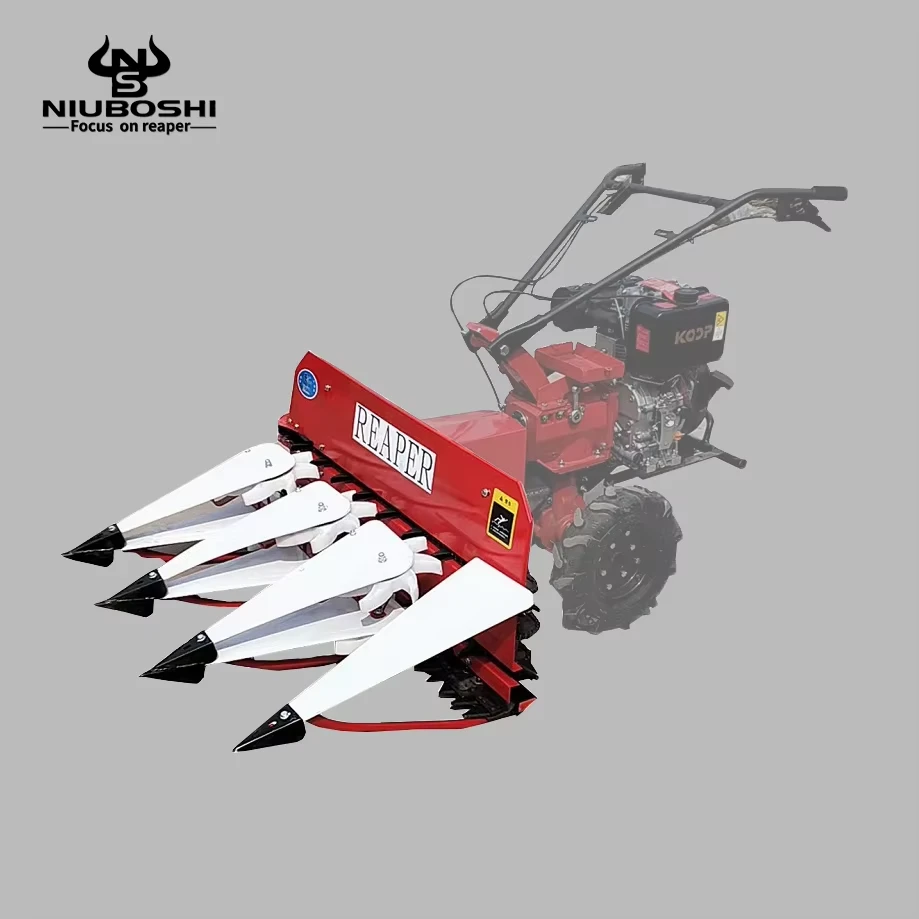
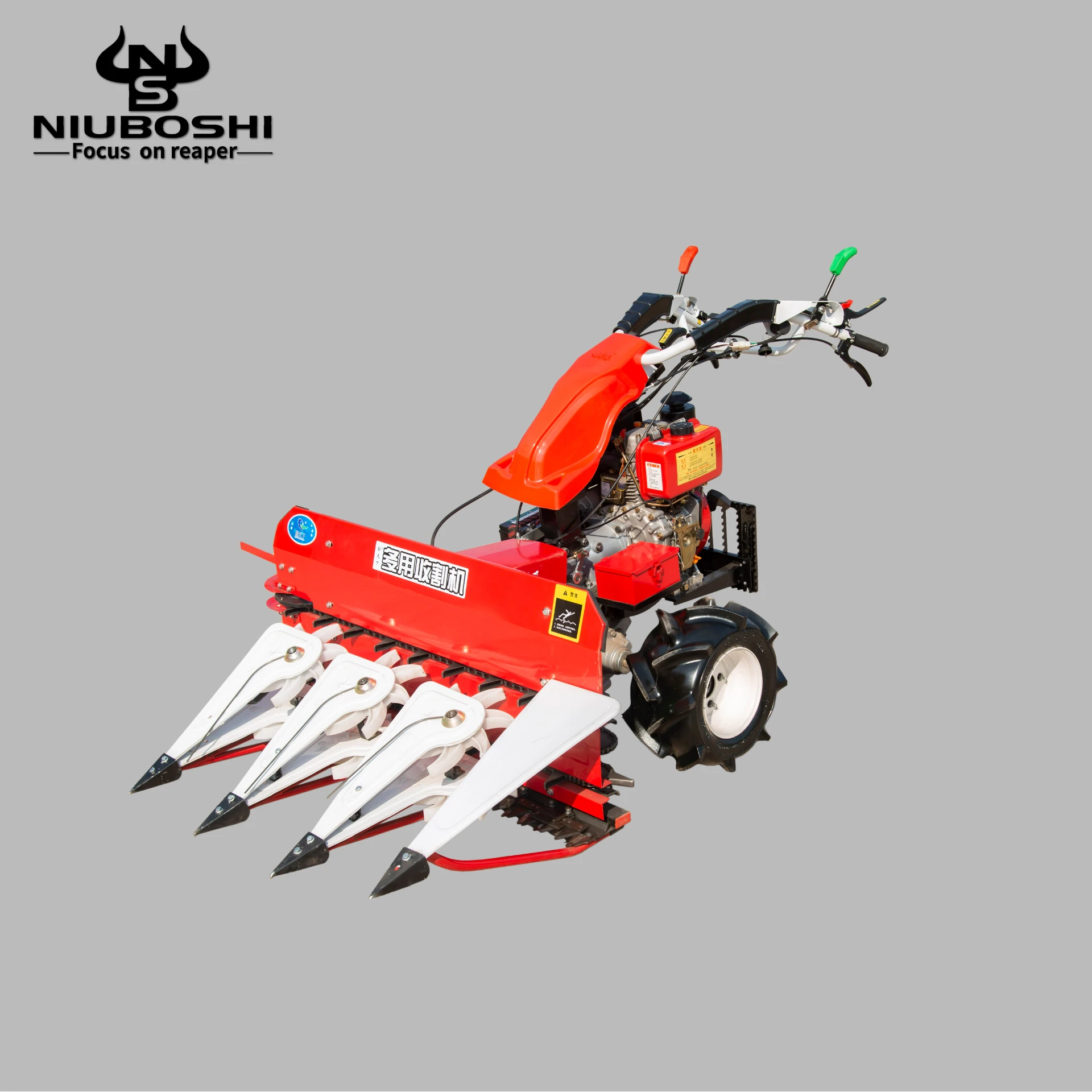
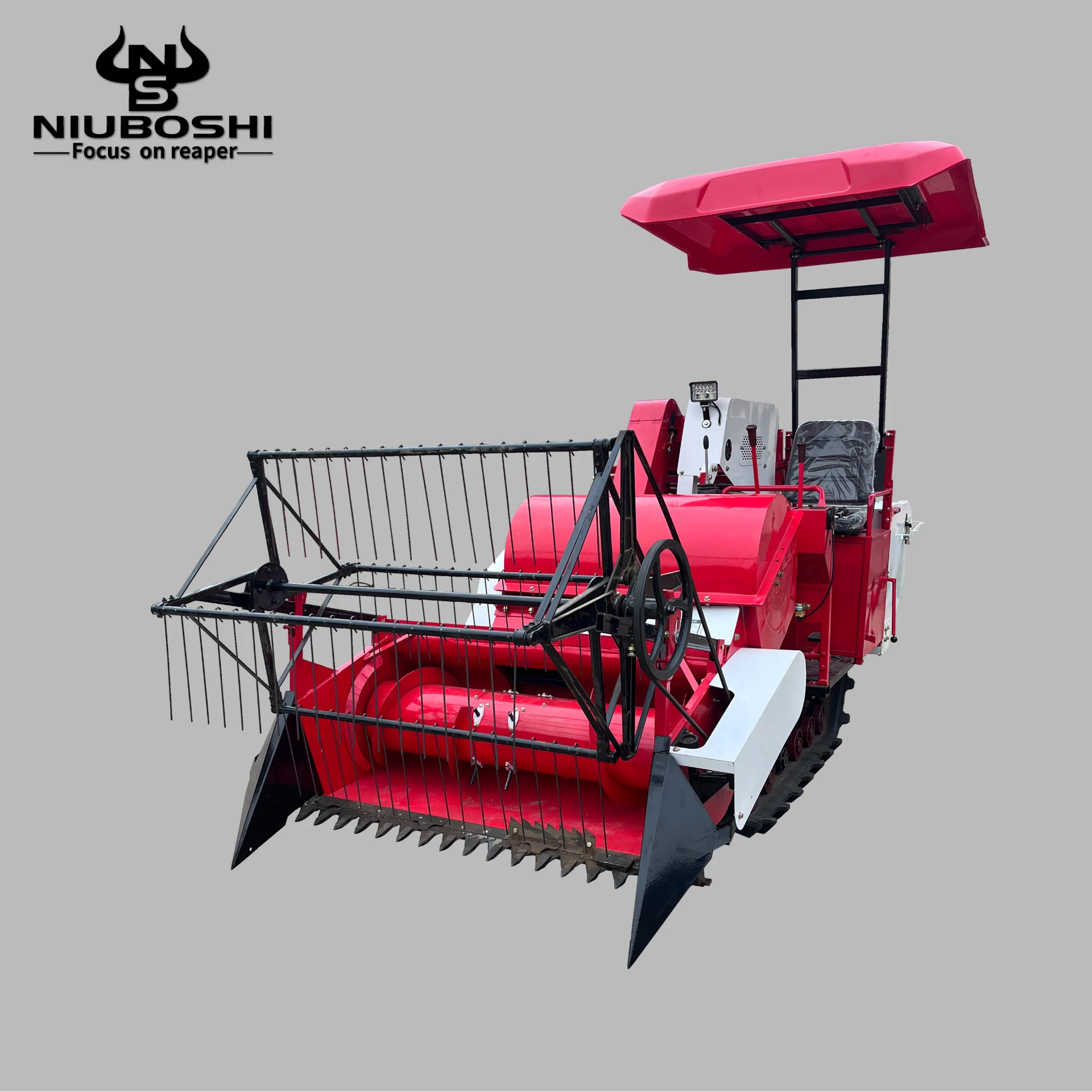
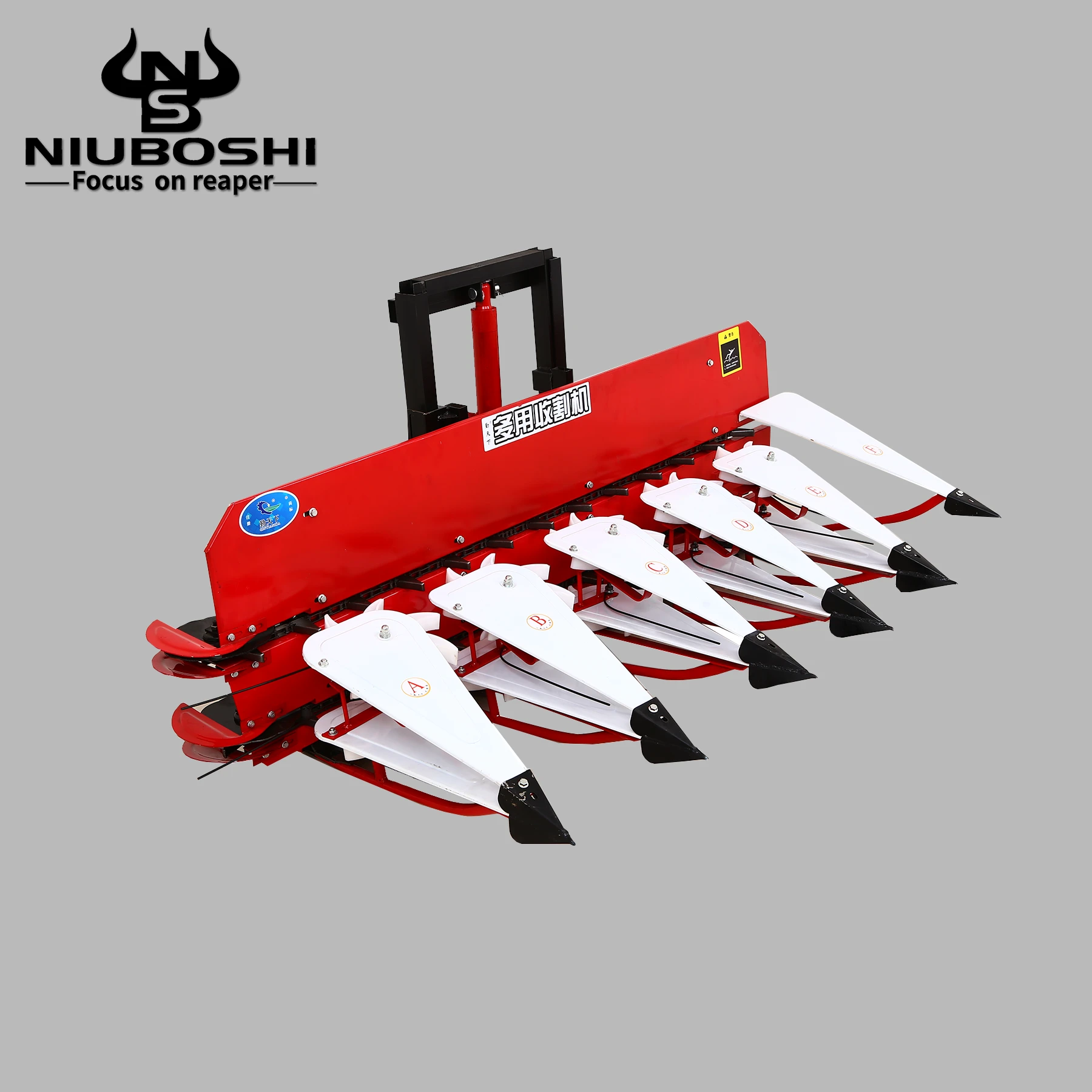
In simple terms, a paddy cutting machine small is a lightweight mechanical device designed to cut rice stalks during harvest. Typically compact enough for one person to handle, it functions like a motorized sickle or a mini harvester, allowing users to speed up harvesting without bulky infrastructure. Modern versions often use gasoline engines or battery power and feature cutting blades optimized for efficient, clean stalk cuts.
Driven by the agricultural push for mechanization and improved working conditions, such machines reduce physical strain on farmers, increase harvest speed, and minimize grain loss during handling. They're not just gadgets — they're vital tools linking traditional farming to modern agricultural engineering and humanitarian goals like poverty reduction in farming communities.
Core Components and Key Features of Small Paddy Cutting Machines
1. Durability and Build Quality
Many engineers stress the importance of robust materials — steel blades for sharpness retention, corrosion-resistant frames to survive humid paddy fields, and shock-absorbing handles for user comfort. A durable machine that lasts several seasons without major repairs means less downtime and reduced costs.
2. Portability and Weight
While larger harvesters require tractors or trucks, the beauty of a small paddy cutting machine lies in its portability. Typically ranging between 6 to 15 kilograms, it allows farmers to reach terraced or uneven fields impossible for heavy machinery.
3. Fuel Efficiency
Smaller engines or even electric models are prized for lower fuel consumption. This is not only about operating costs but environmental impact — something increasingly on farmers’ and policymakers’ radars.
4. Safety Features
Sharp blades and moving parts call for well-designed guards, ergonomic grips, and sometimes auto shut-off to avoid accidents. Safety is paramount, especially in rural areas where medical support might be limited.
5. Ease of Maintenance
Simple mechanics and readily available spare parts make a big difference. Many farmers prefer machines they can fix themselves without hauling gear to distant workshops.
Global Applications & Practical Use Cases
Small paddy cutting machines have proven invaluable in:
- Smallholder farms across Southeast Asia: Farmers in Indonesia and the Philippines use these machines to halve harvesting time, literally freeing days for other essential tasks.
- Post-disaster recovery: In flood-affected zones of Bangladesh and India, where labor shortages spike during harvest season, NGOs distribute small paddy cutting machines to accelerate recovery.
- Agro-cooperatives in Africa: Groups in Nigeria employ these machines to improve productivity and training, supporting local food security efforts.
Oddly enough, even urban farming projects in rice-consuming countries rely on tiny harvest tools for experimental or heritage rice varieties grown in tight spaces.
Advantages and Long-Term Impact
- Cost Savings: Using these machines reduces labor costs and speeds harvesting, helping farmers sell fresher, higher-quality rice.
- Sustainability: Smaller fuel consumption leads to lower greenhouse gas emissions compared to larger equipment.
- Social Benefits: Less manual strain means healthier farmers, reduced injuries, and more time for education or community life.
- Reliability: Designed for rough fields, these machines often withstand harsh environments better than expected.
All told, a good small paddy cutting machine feels like a tiny revolution — empowering farmers to meet modern demands while respecting traditions.
Product Specification: Typical Small Paddy Cutting Machine Features
| Specification | Typical Value |
|---|---|
| Weight | 8 – 12 kg |
| Engine Type | 2-stroke petrol / Electric motor |
| Fuel Efficiency | 0.5 – 0.7 L/hr (petrol models) |
| Cutting Width | 30 – 40 cm |
| Noise Level | 75 – 85 dB |
| Blade Material | Hardened stainless steel |
Vendor Comparison: Leading Small Paddy Cutting Machines
| Brand | Price Range | Fuel Type | Weight | Notable Features |
|---|---|---|---|---|
| AgriSlice Mini | $150 - $180 | Petrol (2-stroke) | 9 kg | Adjustable blade speed, ergonomic handle |
| RicePro 3000 | $220 - $250 | Electric (battery) | 8.5 kg | Rechargeable, low noise, lightweight |
| FieldMate Cutter | $130 - $160 | Petrol (4-stroke) | 12 kg | Low vibration, fuel efficient |
Looking Ahead: Innovations in Small Paddy Cutting Technologies
The future is looking greener and smarter. Electrification of these small machines is gaining pace, with lithium batteries replacing noisy petrol engines. Imagine a quiet, emission-free device slicing through rice — great news for health, too.
Digital integration — sensors tracking cutting efficiency, GPS for field mapping — might sound high-tech, but startups and tech firms are racing to embed these features even in budget-friendly models. Sustainability, combined with ease of use and remote diagnostics, could transform even the smallest machines into data-driven harvest partners.
Challenges and Insightful Solutions
Frankly, the adoption of small paddy cutting machines isn’t without hiccups. Many farmers balk at upfront costs or fear complicated maintenance. Spare parts can be scarce in remote zones. There’s also the challenge of proper training — a machine does little good dropped into hands unprepared.
Innovative solutions include:
- Community leasing or co-op ownership models to spread costs;
- Modular designs simplifying repairs;
- Field demonstrations coupled with local language manuals;
- Creating rural micro-networks for parts and support.
FAQ: Real Questions About Paddy Cutting Machine Small
Q1: How does a small paddy cutting machine compare to manual harvesting in terms of speed?
A: Small paddy cutting machines can increase harvesting speed by roughly 2 to 3 times compared to traditional sickle methods. This efficiency reduces physical strain and helps farmers harvest larger areas within optimal time frames, crucial for preventing crop loss due to weather.
Q2: Are electric small paddy cutters effective in remote areas?
A: Electric cutters are quieter and environmentally friendly, but their efficiency depends on battery life and charging infrastructure. In areas with unreliable electricity, petrol variants remain popular. Solar charging stations are emerging as promising solutions in rural setups.
Q3: What maintenance should I expect with these machines?
A: Regular blade sharpening, checking fuel lines or battery health, and cleaning after use are standard. Most machines come with user manuals emphasizing preventive maintenance. With simple care, these tools can last several harvest seasons.
Q4: Can I use a small paddy cutting machine in uneven fields?
A: Definitely. Their lightweight and portable nature make them perfect for terraced, hilly, or fragmented farms where larger machinery can’t reach.
Q5: Where can I buy or rent these machines?
A: Many agricultural equipment suppliers in Asia and Africa stock these machines. Online platforms and cooperative societies also facilitate rentals and group purchases. Consider checking local agricultural departments for subsidies or programs promoting mechanized harvesting.
Final Thoughts: Small Machines, Big Impact
Small paddy cutting machines blend tradition with technology in the best way possible — enhancing farmers’ productivity, protecting their health, and safeguarding the environment. If you’re into agricultural innovation, these machines are worth closer inspection. Don’t just take my word for it — try one, or at least browse paddy cutting machine small options today and see how a simple tool might just change the harvest game.
References:
Latest news
-
Maximize Harvest Efficiency with the Agro Reaper Binder MachineNewsApr.16,2026
-
Boost Harvest Efficiency with the Best Agriculture Reaper MachineNewsApr.09,2026
-
Revolutionizing Agriculture with the Efficient Agriculture Power ReaperNewsApr.07,2026
-
Comprehensive Guide to the 4 Wheel Reaper Binder for Efficient HarvestingNewsApr.04,2026
-
Comprehensive Guide to Reaperbinder Technology for Efficient Hay and Crop HarvestingNewsMar.31,2026
-
Mastering the Art of Reaper Cutting for Enhanced Agricultural EfficiencyNewsMar.28,2026