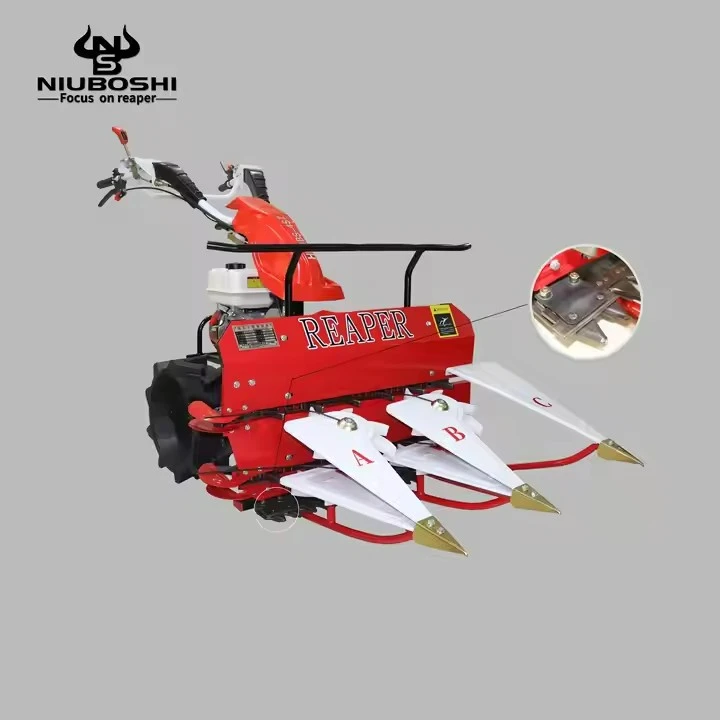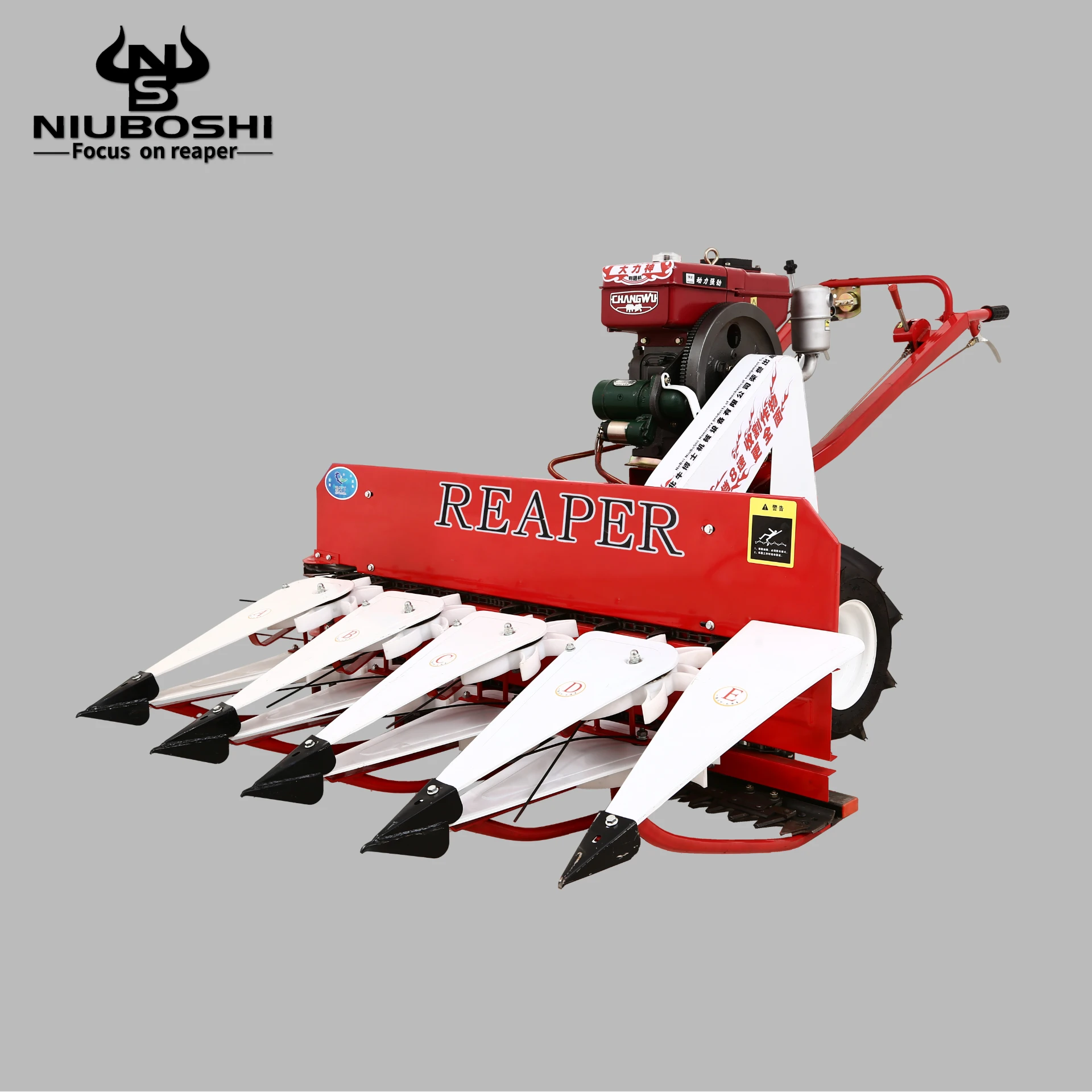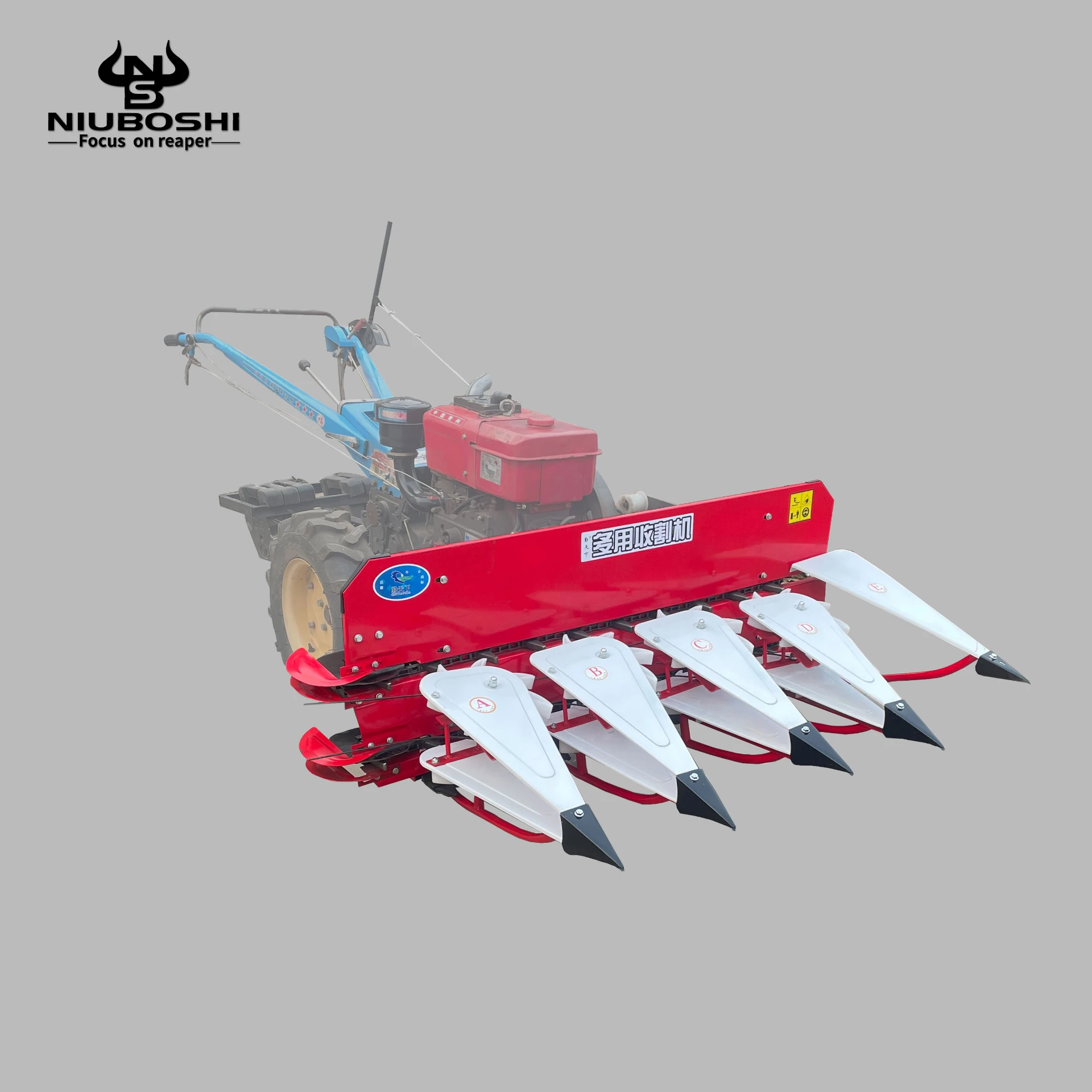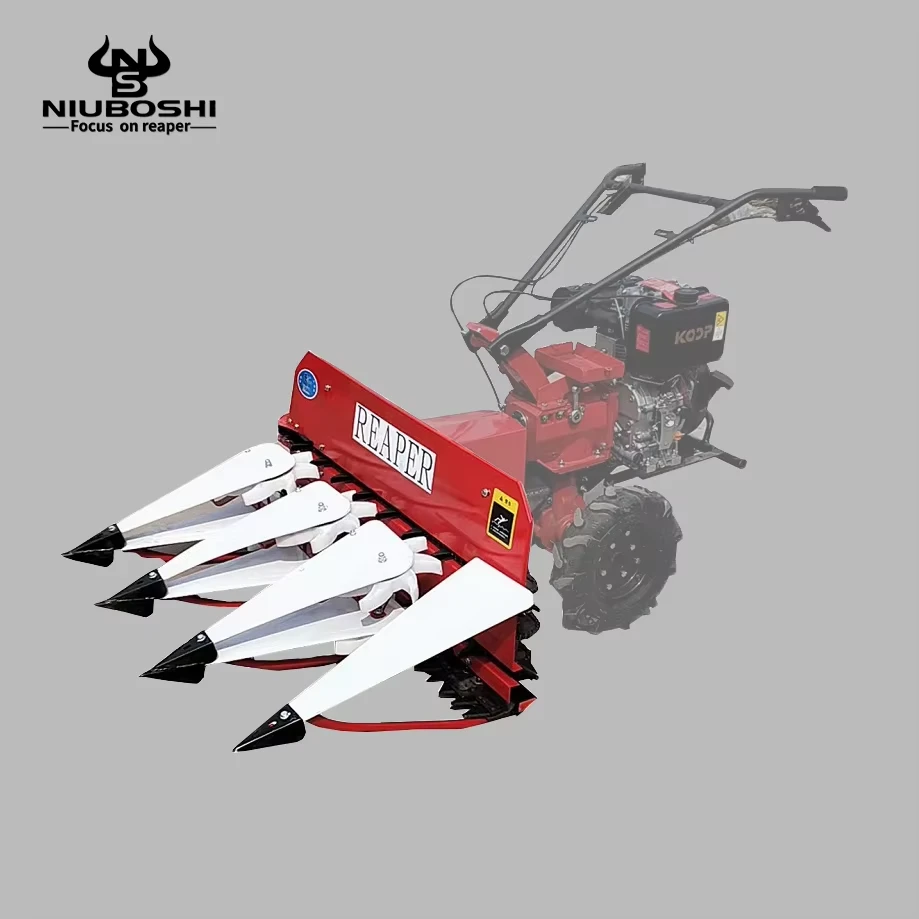
Small Corn Combine – Compact, Efficient Harvesting Solutions for Small-Scale Farming
The Small Corn Combine: Why Size and Efficiency Matter in Modern Agriculture
Globally, agriculture is undergoing a quiet revolution, and at the heart of it, smaller, smarter machines like the small corn combine are playing a surprisingly big role. These machines aren’t just about harvesting corn—they're about making farming accessible, sustainable, and economically viable for smallholders everywhere. But before we get too deep, let's unpack why a small corn combine matters far beyond the farm gate.
How Small Corn Combines Fit into the Big Picture of Global Agriculture
According to the United Nations Food and Agriculture Organization, nearly 90% of farms worldwide are classified as smallholder operations — plots typically less than 2 hectares. In regions like Sub-Saharan Africa and Southeast Asia, the deployment of small corn combine machinery is directly tied to improving food security and farmers' income. Yet, the challenge of mechanizing such small and often fragmented lands remains formidable. Large harvesters simply can't adapt there; enter the small corn combine, offering agility and cost efficiency that can reshape rural livelihoods.
Oddly enough, these machines also show promise in humanitarian contexts, where rapid deployment post-disaster is key to restoring local food production. It's a great example of technology meeting both practical farming needs and social welfare considerations.
What Exactly is a Small Corn Combine?
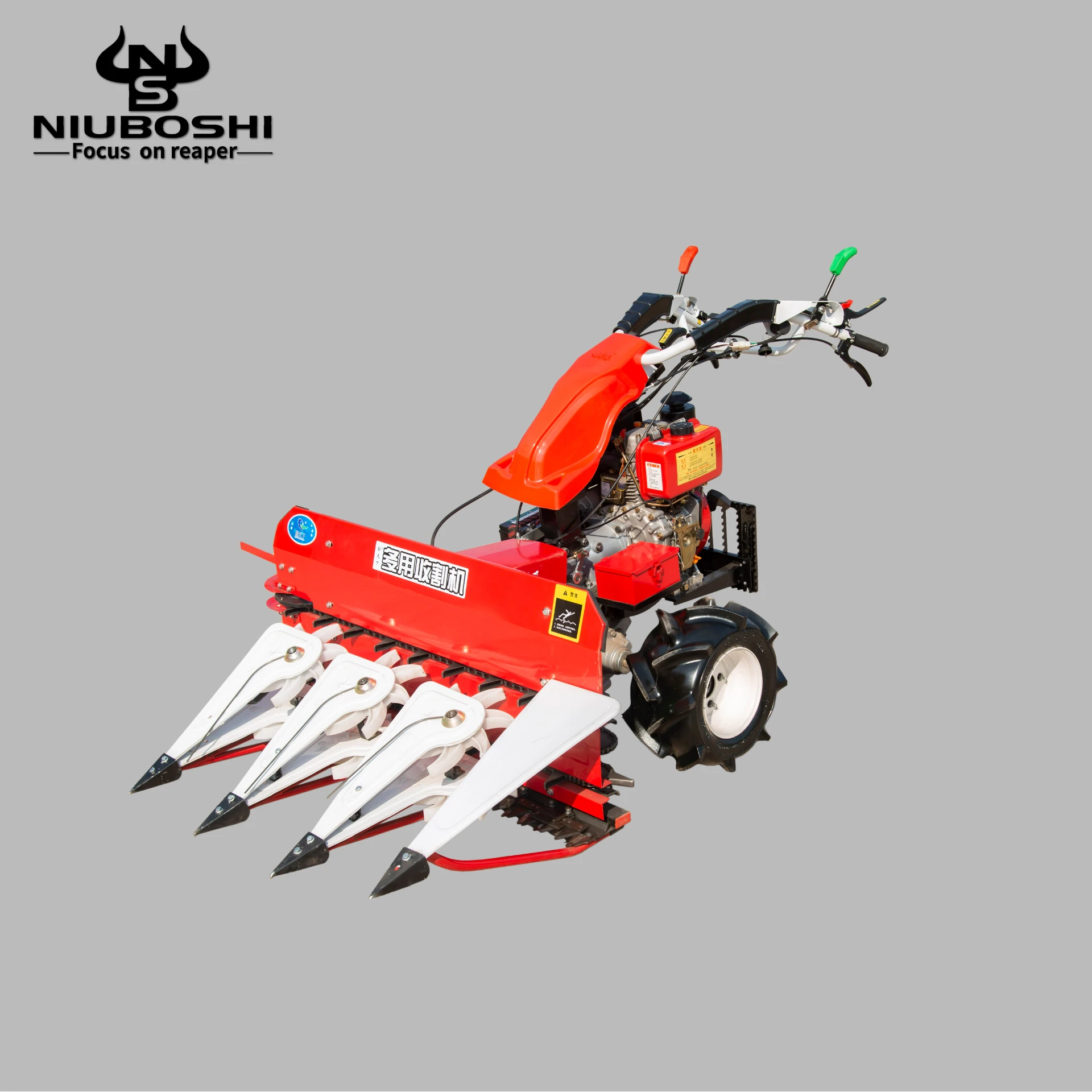
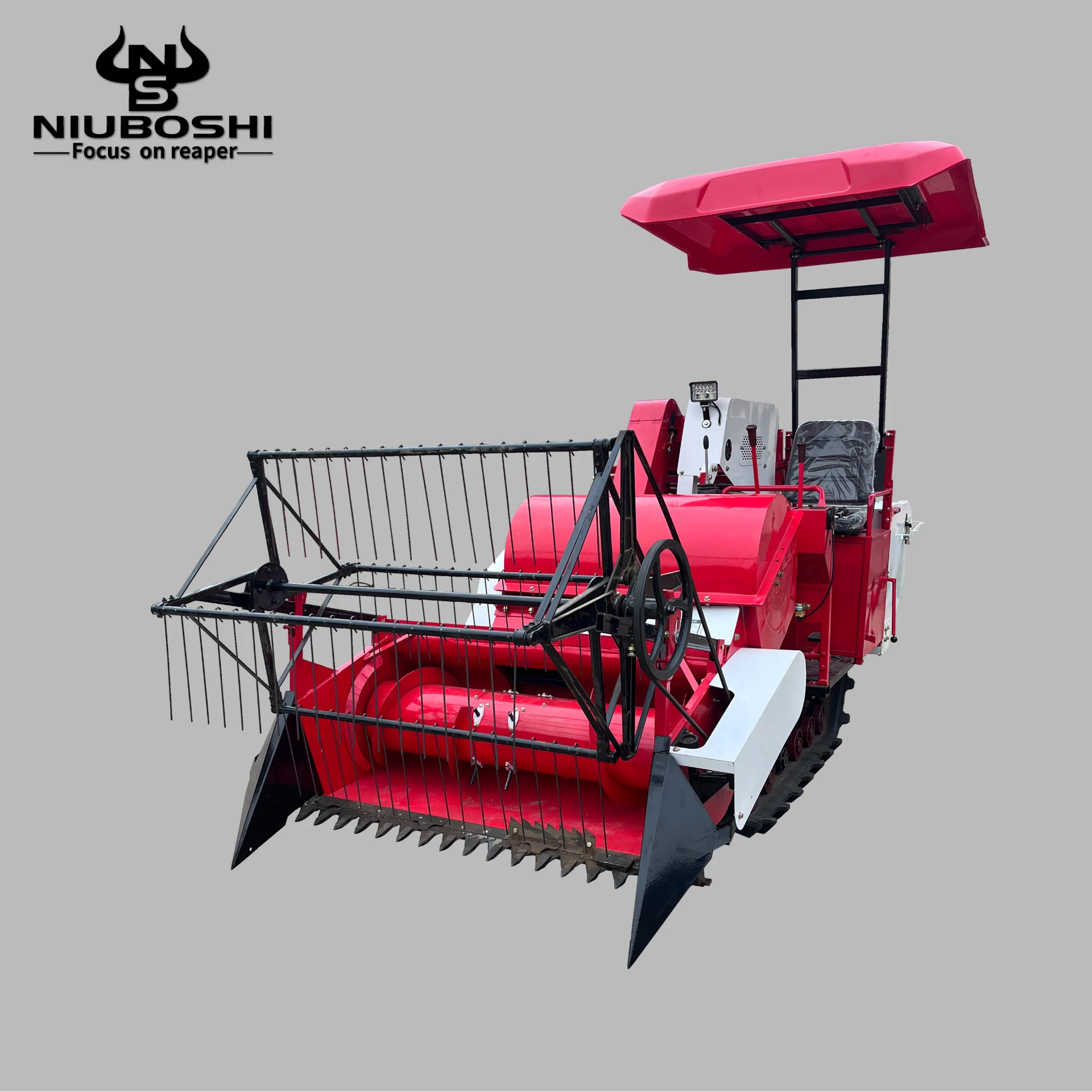
A small corn combine is essentially a compact harvester designed specifically to efficiently reap and thresh corn crops on a smaller scale. Unlike the towering behemoths you see sprawling across the Midwest, these combines are lightweight, easier to maneuver, and require fewer resources to operate. Many models are tailored for uneven terrain and smaller plots, yet still pack enough power to increase harvest speed and reduce grain loss.
In real terms, they act as a bridge between manual harvesting — which is labor-intensive and slow — and the large-scale mechanized approach, which can be costly and impractical for smaller farms.
Key Aspects Explored
1. Durability & Build Quality
Most small corn combines are designed with rugged frames and straightforward mechanical parts. This means fewer breakdowns in remote areas where fast repairs and parts availability might be limited. Durability translates into more uptime during crucial harvesting windows.
2. Cost Efficiency
Compared to large combines, small models are far more affordable upfront and consume less fuel. Maintenance costs are also lower, making them accessible for farmers working with tight budgets. I noticed many families can purchase these machines collectively or use custom hiring centers to share costs — a neat community-based solution.
3. Scalability & Adaptability
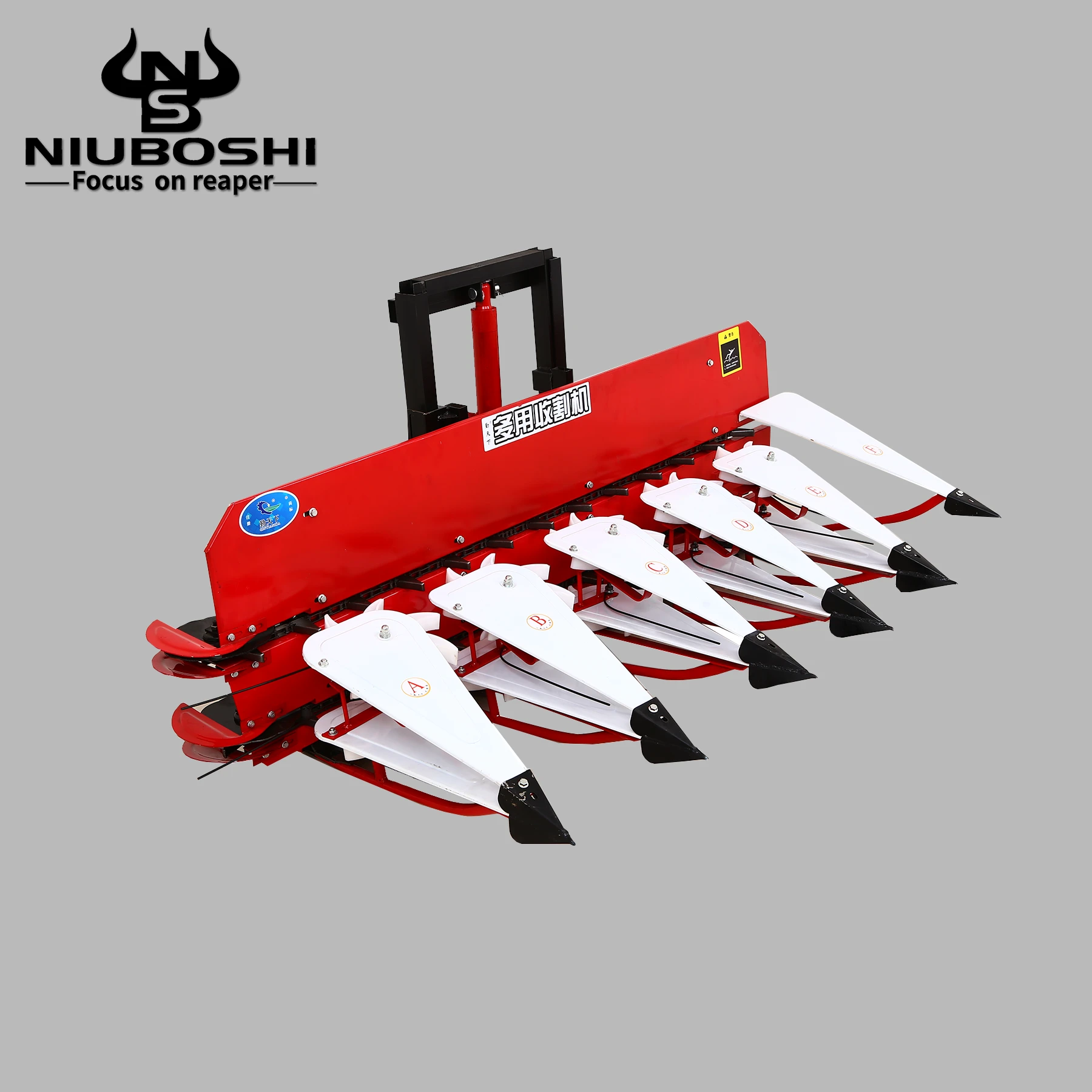
These combines often come with adjustable headers and flexible threshing mechanisms, allowing them to adapt to different corn varieties and field conditions.
4. Ease of Use and Training
The simple control systems make them more approachable for operators with limited machine experience. Training programs linked with vendor support can be a game-changer, especially in developing regions.
5. Fuel Type and Emissions
Many small combines run on diesel, but hybrids and electric prototypes are emerging, aiming to reduce carbon footprints in fragile ecosystems.
Mini Takeaway:
In a nutshell, the small corn combine’s value lies in balancing practicality, affordability, and adaptability to meet diverse farming challenges globally.
Global Applications & Real-World Use Cases
In East Africa, NGOs have partnered with local cooperatives to introduce small corn combines as part of sustainable agriculture programs, helping farmers double their harvesting productivity during tight seasonal windows. This machine has proven critical in reducing post-harvest losses, which according to the UN Food Waste Index Report, can reach up to 20-30% in certain regions.
Similarly, in parts of Eastern Europe, small-scale farmers use these combines not just for corn but also for other cereals and pulses, showcasing their multipurpose abilities. It’s fascinating how one machine can find diverse footholds—from hillside farms in Nepal to the prairies of Mexico.
Advantages & Long-Term Value Beyond the Harvest
- Economic empowerment: Increased efficiency means farmers can expand their operations or invest in better seed varieties.
- Sustainability: Reduced fuel consumption and minimized crop residues left behind help preserve soil health.
- Social impact: Machines lighten labor loads, improving working conditions and allowing youth to stay or return to rural areas.
- Reliability: Built to withstand local conditions, these combines inspire confidence among users.
There’s also the intangible sense of dignity that comes from having access to mechanization tailored to one’s scale — it’s empowering in a subtle but profound way.
Typical Small Corn Combine Specifications
| Feature | Specification |
|---|---|
| Engine Power | 20–40 HP |
| Harvesting Capacity | 0.8–1.5 acres/hr |
| Fuel Type | Diesel / Hybrid options |
| Weight | 800–1,200 kg |
| Threshing Mechanism | Tangential or axial flow |
| Crop Residue Handling | Chopper or swather attachment |
Comparing Leading Small Corn Combine Vendors
| Brand | Price Range | Warranty | Fuel Efficiency | Support Network |
|---|---|---|---|---|
| AgroMight | $7,000–$9,500 | 2 years | Medium | Global |
| HarvestPro | $8,500–$11,000 | 3 years | High | Regional |
| EcoCombine | $9,000–$12,500 | 2 years | Very High (Hybrid models) | Selective Countries |
Looking Ahead: Innovation and Sustainability Trends
Technology isn’t standing still, and neither are small corn combine designs. Engineers and manufacturers are pushing boundaries with GPS-guided navigation for precise harvesting, modular attachments to switch between crops, and use of IoT sensors to monitor machine health in real time. There’s a growing focus on electric or hybrid drives to reduce emissions, which frankly feels like a no-brainer given farming’s impact on climate.
Likewise, materials science is allowing for lighter yet stronger frame components, leading to greater fuel efficiency without sacrificing robustness. It's exciting to imagine what might be possible in the next five years, maybe even AI-assisted harvesting for small plots.
Challenges Farmers Face and Smart Solutions
Despite the promise, several hurdles persist. The initial investment—even when comparatively low—can still be too steep for an individual smallholder. Training is uneven, and after-sales service may be patchy in remote areas.
To counter these, professionals recommend community leasing models, combined with mobile mechanic units that can travel seasonally. Open-source designs and local manufacturing are also gaining traction to lower costs and increase availability.
FAQ: Your Small Corn Combine Questions Answered
- What is the average harvest area a small corn combine can manage daily?
- Typically, these machines cover between 0.8 to 1.5 acres per hour, varying with crop density and terrain. For many small farms, this significantly speeds up what would otherwise take days by hand.
- Can the same combine be used for other crops?
- Many small corn combines offer adjustable headers or attachments, making it possible to harvest grains like wheat or soybeans, but always check model compatibility.
- How difficult is it to maintain these machines in rural areas?
- Manufacturers design these combines with simplicity in mind: straightforward mechanical parts, locally available consumables, and user-friendly maintenance manuals help reduce downtime in the field.
- Are electric small corn combines practical?
- Electric models are emerging, though they remain rare. While they offer sustainability benefits, challenges include battery life and charging infrastructure — but places with good grid access or solar integration are seeing some adoption.
- Where can I learn more or buy a small corn combine?
- Check trusted suppliers such as small corn combine vendors online, and consider reaching out to local agricultural extension services for trials and support.
Wrapping It Up: Why Small Corn Combines Are More Than Just Machines
Summing up, the small corn combine offers a compelling blend of technology, practicality, and social impact for millions across the world. It bridges the gap between manual effort and large-scale farming, fostering sustainability and economic resilience along the way.
Curious to explore models that could fit your farming needs? Dive deeper at https://www.hbniuboshi.com to find machines, specs, and stories that might just change your next harvest.
References & Further Reading
Latest news
-
Maximize Harvest Efficiency with the Agro Reaper Binder MachineNewsApr.16,2026
-
Boost Harvest Efficiency with the Best Agriculture Reaper MachineNewsApr.09,2026
-
Revolutionizing Agriculture with the Efficient Agriculture Power ReaperNewsApr.07,2026
-
Comprehensive Guide to the 4 Wheel Reaper Binder for Efficient HarvestingNewsApr.04,2026
-
Comprehensive Guide to Reaperbinder Technology for Efficient Hay and Crop HarvestingNewsMar.31,2026
-
Mastering the Art of Reaper Cutting for Enhanced Agricultural EfficiencyNewsMar.28,2026