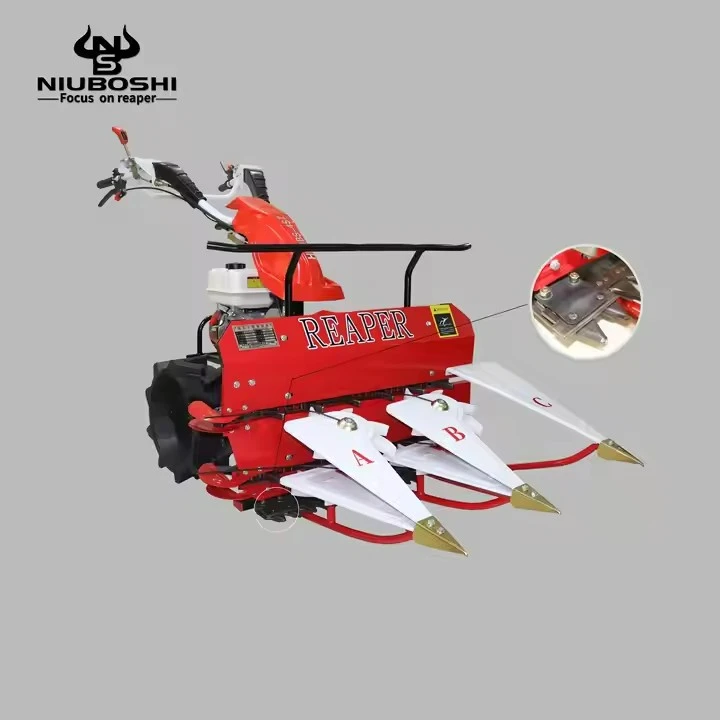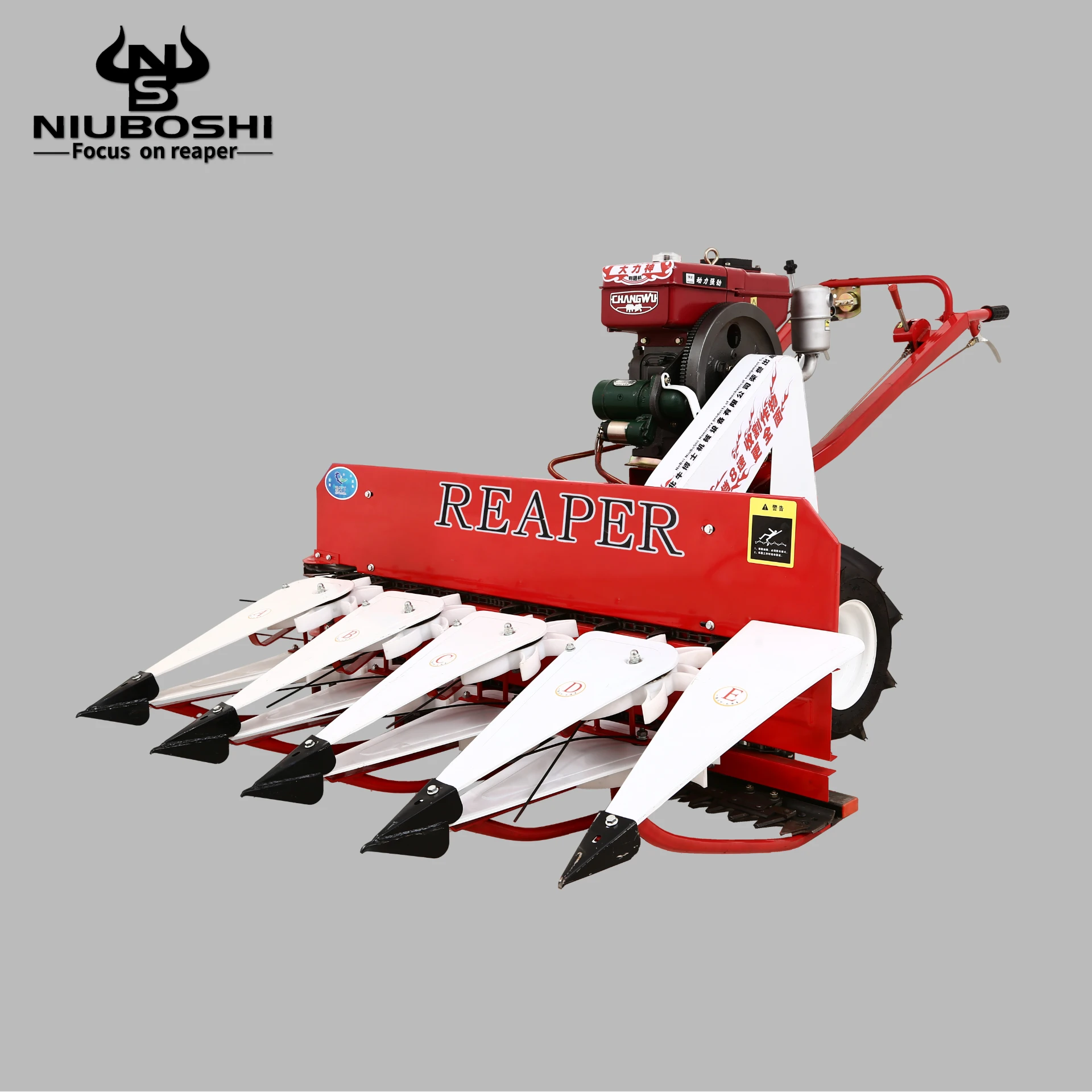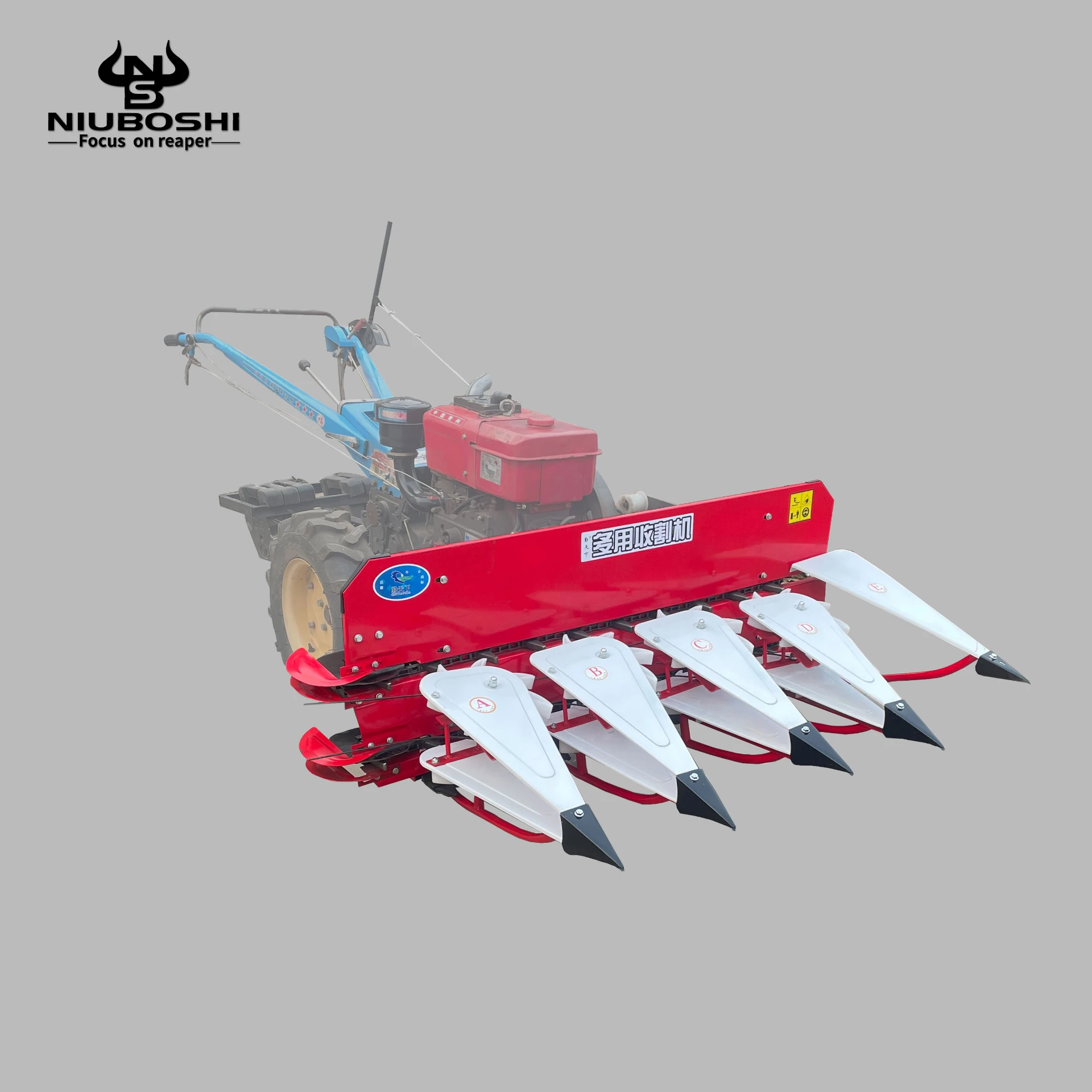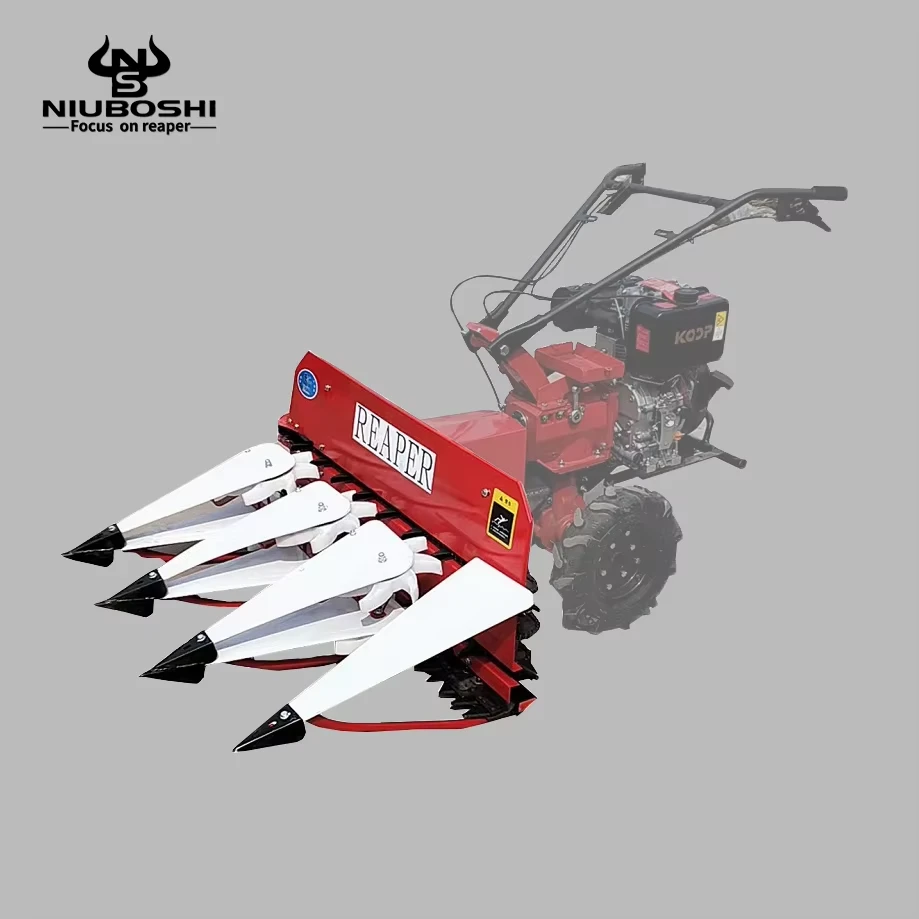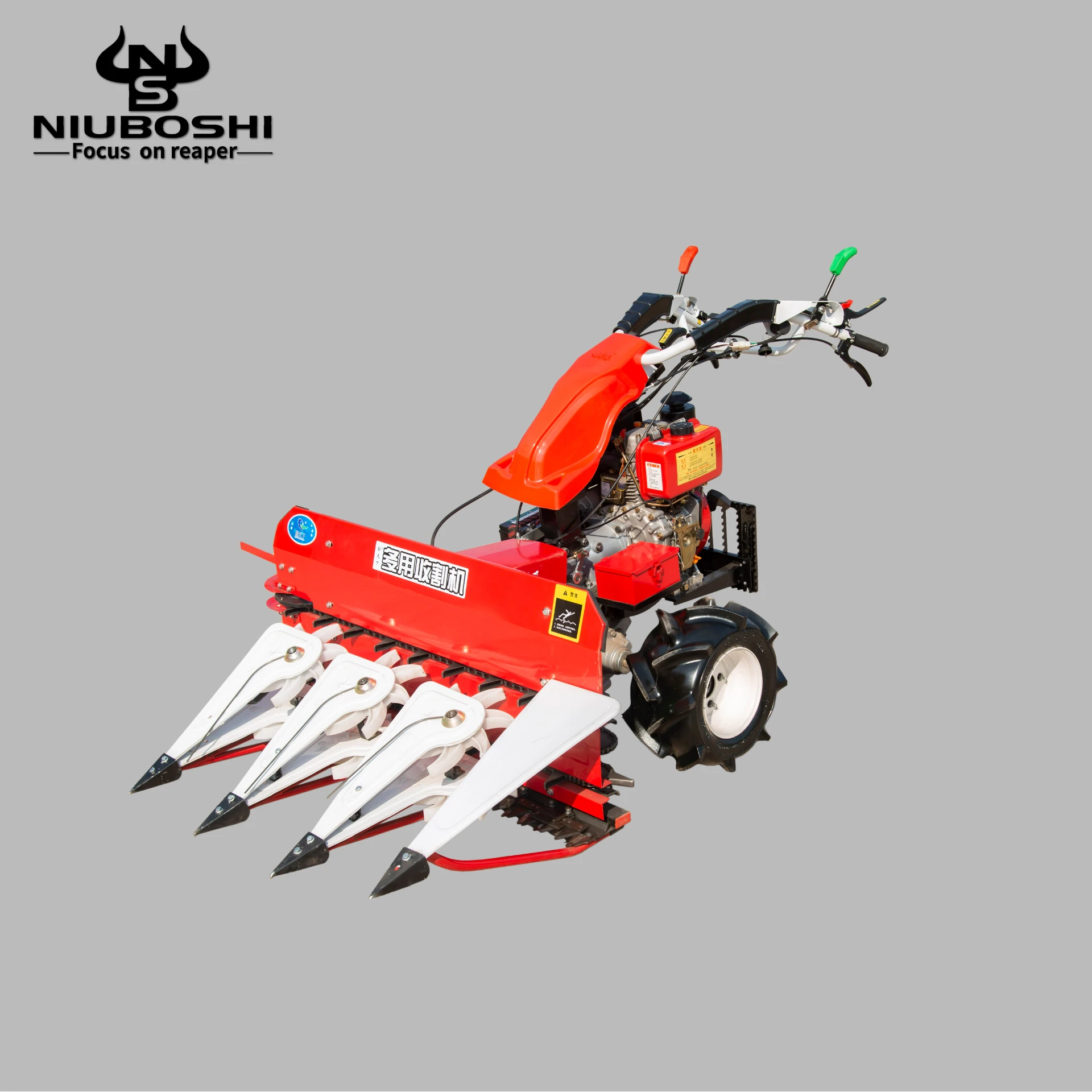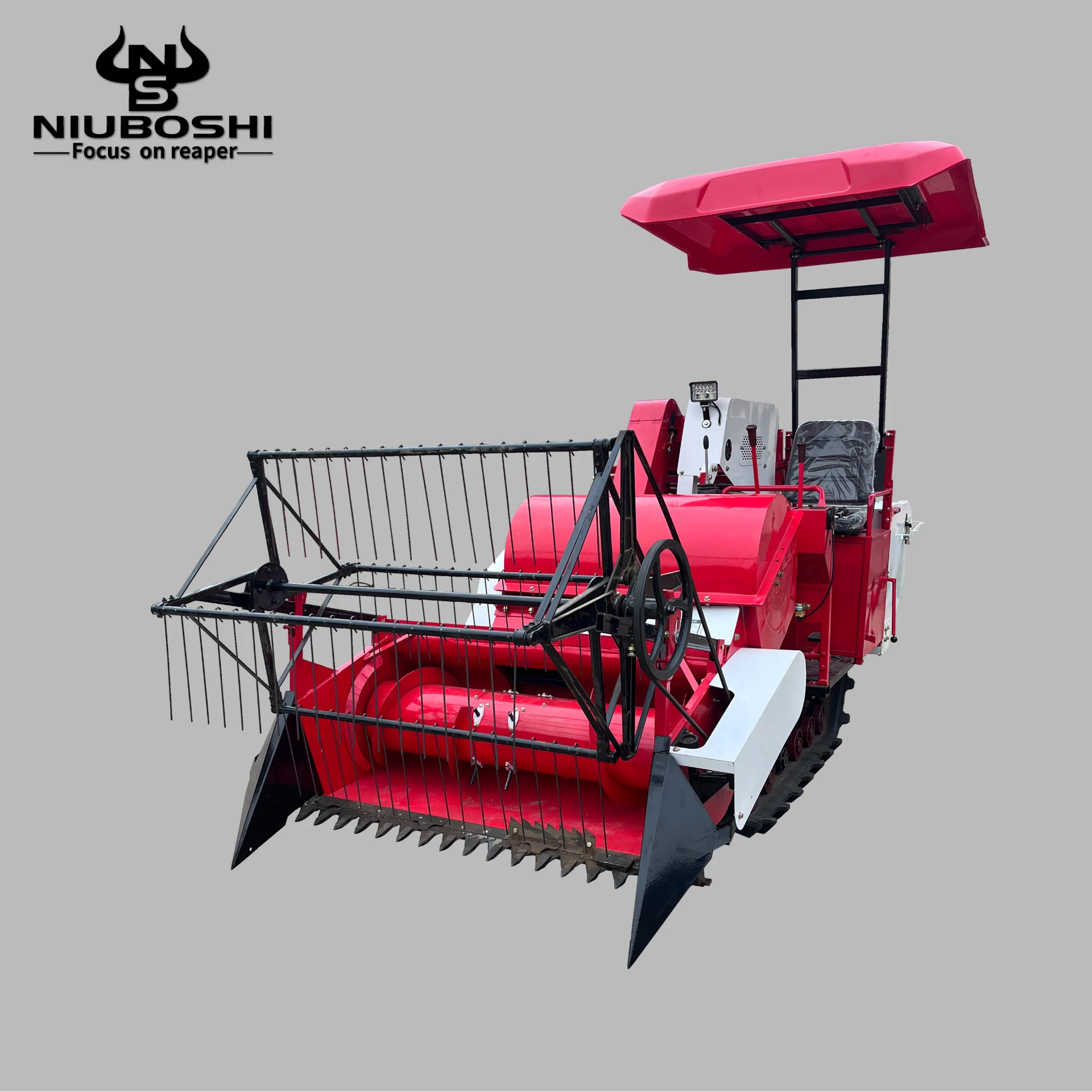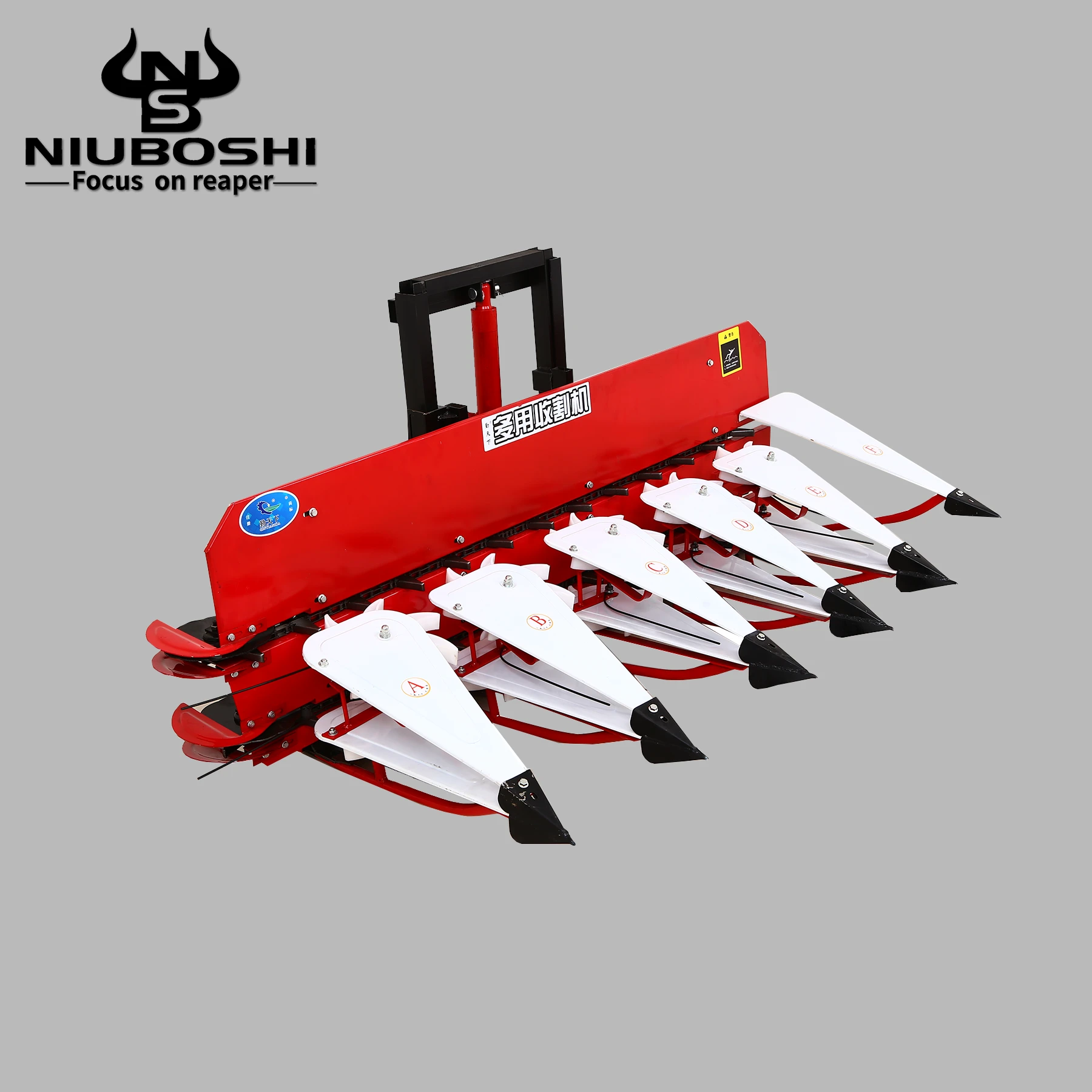
New Mini Harvester: Compact Farming Solutions for Modern Agriculture
Why the New Mini Harvester Is Shaping Global Agriculture
It might surprise some that a piece of machinery as ‘small’ as a new mini harvester could have such a huge impact on farming and even humanitarian efforts worldwide. But in truth, compact agricultural machines are quietly revolutionizing how farmers, aid organizations, and small-scale operators approach harvesting. Understanding the ins and outs of these nimble machines is vital if we want to tackle global food security, increase efficiency, and even reduce environmental footprints.
Globally, nearly 40% of food crops are harvested by machinery, yet smallholder farmers—who represent roughly 500 million households—often do not have access to large combines or expensive equipment. Enter the new mini harvester, a game-changer for many agricultural communities and organizations striving for sustainable growth. Let’s dig into why this matters today more than ever.
The Global Context: Feeding a Growing Population with Smarter Tools
According to the United Nations Food Systems Summit, by 2050, agricultural output must increase by at least 50% to feed the world’s expected 9.7 billion people. However, land scarcity, labor shortages, and climate change intensify the challenge.
Mini harvesters address several of these problems directly. Their compact size allows them to operate in fields small or irregularly shaped—farms where large machines can’t go. They require less fuel, reduce soil compaction, and are easier to maintain or repair locally. For farmers in Asia, Africa, and parts of Latin America, this is often the difference between a fruitful harvest season and a lost one.
For NGOs and relief organizations working in post-disaster settings or remote areas, new mini harvesters enable rapid deployment of harvesting capability where traditional equipment is inaccessible.
What Exactly Is a New Mini Harvester?
Simply put, a new mini harvester is a smaller, more agile version of the conventional agricultural harvester. It combines the key functions—cutting crops, threshing grain, and separating chaff—into one compact machine.
Unlike traditional combines that might weigh several tons, mini harvesters typically weigh between 250 and 1500 kilograms. They often run on small diesel engines or increasingly on battery power, depending on the model and intended use.
The “new” designation refers to advancements in design, automation, and green energy integration that make these mini harvesters more efficient and eco-friendly than older models.
Key Components and Features
- Engine and Powertrain: Usually compact diesel engines with power between 8–25 HP or electric motors, balancing power with fuel efficiency.
- Cutting System: Adjustable headers to accommodate different crop types—rice, wheat, barley, and more.
- Threshing Mechanism: Designed for gentle yet effective separation to minimize grain damage.
- Mobility: Tracks or rugged tires help the harvester navigate narrow paths and soft fields.
- Control Interface: Simpler dashboards vs. full computerized panels but steadily integrating IoT sensors for monitoring.
Mini takeaway: These core components ensure mini harvesters are versatile enough to handle diverse environments while remaining user-friendly for farmers with varying skill levels.
Where Are Mini Harvesters Making a Difference?
The reach of new mini harvesters spans continents and use cases:
- South Asia: In India and Bangladesh, mini harvesters have replaced manual harvesting for rice, reducing labor needs by up to 70% during peak seasons.
- Sub-Saharan Africa: Organizations like new mini harvester providers collaborate with local cooperatives to supply machines that grow food sovereignty and reduce reliance on seasonal workers.
- Post-Disaster Relief: In areas hit by floods or storms, mini harvesters help salvage crops before spoilage; their portability allows quick setups when infrastructure is down.
- Remote Industrial Zones: Mining or isolated research stations sometimes maintain small-scale food production supported by mini harvesters to ensure supply resilience.
Mini takeaway: Whether it’s a small family farm or an NGO’s emergency field, new mini harvesters are tools of empowerment, efficiency, and sustainability.
Advantages and Long-Term Impact of Investing in a New Mini Harvester
There’s tangible value in these compact machines, beyond the obvious:
- Cost Efficiency: Lower upfront and operational costs compared to full-sized combines.
- Environmental Benefits: Reduced carbon emissions and less soil damage help conserve farmland for future generations.
- Labor Safety: Minimizes exposure to hazardous manual harvesting activities, reducing injury risk.
- Innovation and Trust: For many users, adopting a new mini harvester builds confidence in modern farming techniques and opens access to digital tools.
Frankly, the emotional payoff is big too. Farmers often share a sense of dignity and hope knowing they can rely on equipment that fits their needs instead of being forced to rent or borrow oversized machinery.
New Mini Harvester: Product Specifications at a Glance
| Model | Power (HP) | Weight (kg) | Fuel Type | Cutting Width (m) | Suitable Crops |
|---|---|---|---|---|---|
| AgriMini 2000 | 20 | 1200 | Diesel | 1.5 | Rice, Wheat |
| CropSwift E-100 | 15 (Electric) | 900 | Battery | 1.3 | Barley, Oats |
| FieldMate MiniPro | 18 | 1100 | Diesel | 1.4 | Rice, Maize |
Vendor Comparison: Which New Mini Harvester Manufacturer Fits Your Needs?
| Brand | Price Range (USD) | After-Sales Support | Warranty | Customization Options |
|---|---|---|---|---|
| AgriMini | 2,500 - 5,000 | Global network, local dealers | 2 years | Crop-specific headers, engine types |
| CropSwift | 3,000 - 6,500 | Online support & regional hubs | 3 years | Battery upgrades, software modules |
| FieldMate | 2,200 - 4,800 | Onsite & phone service | 1.5 years | Engine tuning, cutting width adjustments |
What Does the Future Hold for New Mini Harvesters?
Mini harvesters don’t just stand still. In fact, many engineers I’ve chatted with say the next wave involves better battery tech — making electric mini harvesters more viable even in remote locations with minimal grid access. Also, add to that GPS-assisted navigation, IoT-enabled maintenance alerts, and AI-powered crop yield analytics.
The push for sustainability is another driver. Manufacturers are experimenting with biodegradable materials for non-critical parts and designing machinery that can run on biofuels or solar power. The potential for automated mini harvesters that can function semi-autonomously in small plots seems just around the corner.
Challenges Engineers and Farmers Face (And How We’re Fixing Them)
Of course, not everything is perfect. Common concerns include:
- Durability: Some mini harvesters struggle in rocky terrains or heavy clay soils.
- Spare Parts Accessibility: Remote farmers sometimes wait weeks for replacements.
- Training: Operators unfamiliar with machinery require education to avoid mishandling.
To combat these, companies are expanding service networks, offering modular designs for simpler repairs, and launching training programs with local partners. Partnerships between NGOs and manufacturers often include bundled deals with on-site workshops — a win-win.
FAQs About the New Mini Harvester
- What makes the new mini harvester different from traditional combines?
- The new mini harvester is smaller, more fuel-efficient, easier to maneuver in tight or uneven fields, and comes with modern features like IoT sensors or electric power options. Unlike traditional combines, it’s designed for small-scale farms or challenging terrains.
- Is a mini harvester suitable for all crops?
- Mini harvesters can harvest various grains such as rice, wheat, barley, and maize. However, some models are optimized for specific crops based on header designs and threshing settings.
- How quickly can a new mini harvester be deployed in a post-disaster scenario?
- Due to their compact size and ease of transport, mini harvesters can often be shipped and assembled on-site within 48-72 hours, making them invaluable for emergency food salvage operations.
- Are these mini harvesters environmentally friendly?
- They typically consume less fuel due to their size, and newer models increasingly use electric power or biofuels, substantially reducing emissions and soil damage.
- Can NGOs import mini harvesters for local use overseas?
- Yes, many manufacturers offer export-friendly packages, customs support, and warranty coverage tailored for NGO operations. Coordination with suppliers ahead of time is essential to navigate regulations efficiently.
In Conclusion: Why the New Mini Harvester Matters Long-Term
In real terms, investing in a new mini harvester is about more than just acquiring machinery. It’s a step toward sustainable agricultural practices, economic empowerment, and resilience against the unpredictable tides of climate and market pressures. Whether you’re a farmer in a sprawling rice paddy or an aid worker facilitating emergency crop recovery, these machines make harvesting simpler, safer, and smarter.
If you want to explore robust options tailored for your needs, jump over to new mini harvester — they’ve got a solid lineup and insightful experts ready to help.
Small machines, big impact. It’s one of those cases where bigger really isn’t always better.
References:
Latest news
-
Maximize Harvest Efficiency with the Agro Reaper Binder MachineNewsApr.16,2026
-
Boost Harvest Efficiency with the Best Agriculture Reaper MachineNewsApr.09,2026
-
Revolutionizing Agriculture with the Efficient Agriculture Power ReaperNewsApr.07,2026
-
Comprehensive Guide to the 4 Wheel Reaper Binder for Efficient HarvestingNewsApr.04,2026
-
Comprehensive Guide to Reaperbinder Technology for Efficient Hay and Crop HarvestingNewsMar.31,2026
-
Mastering the Art of Reaper Cutting for Enhanced Agricultural EfficiencyNewsMar.28,2026