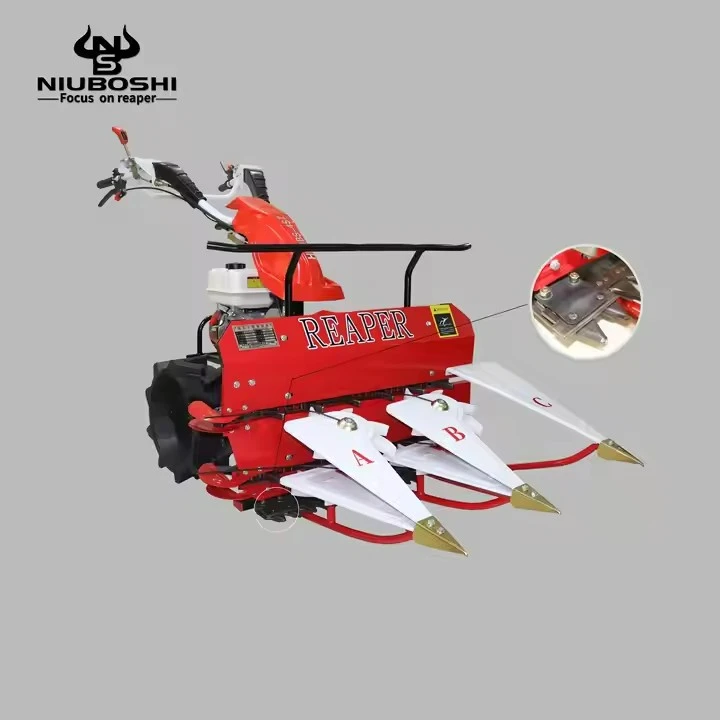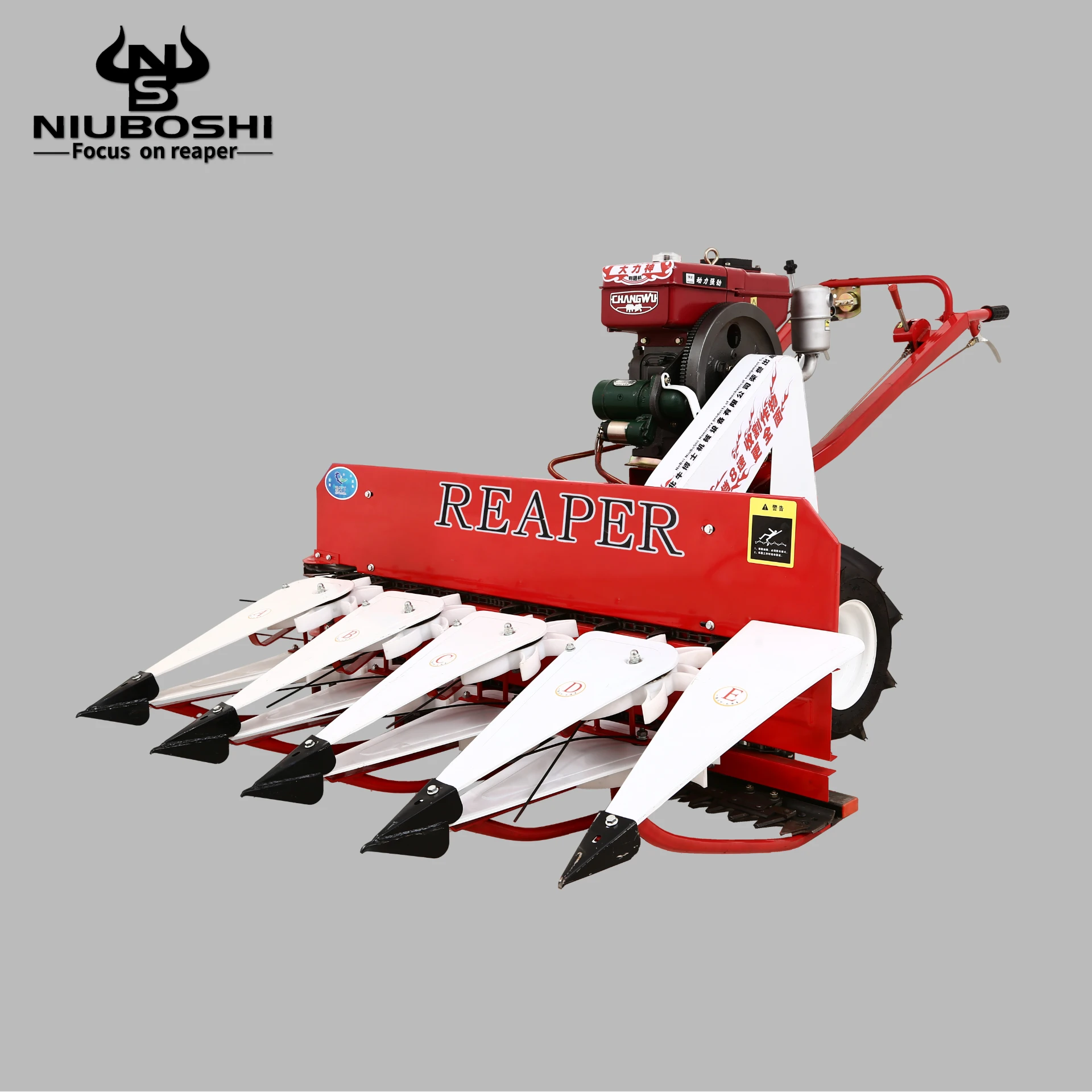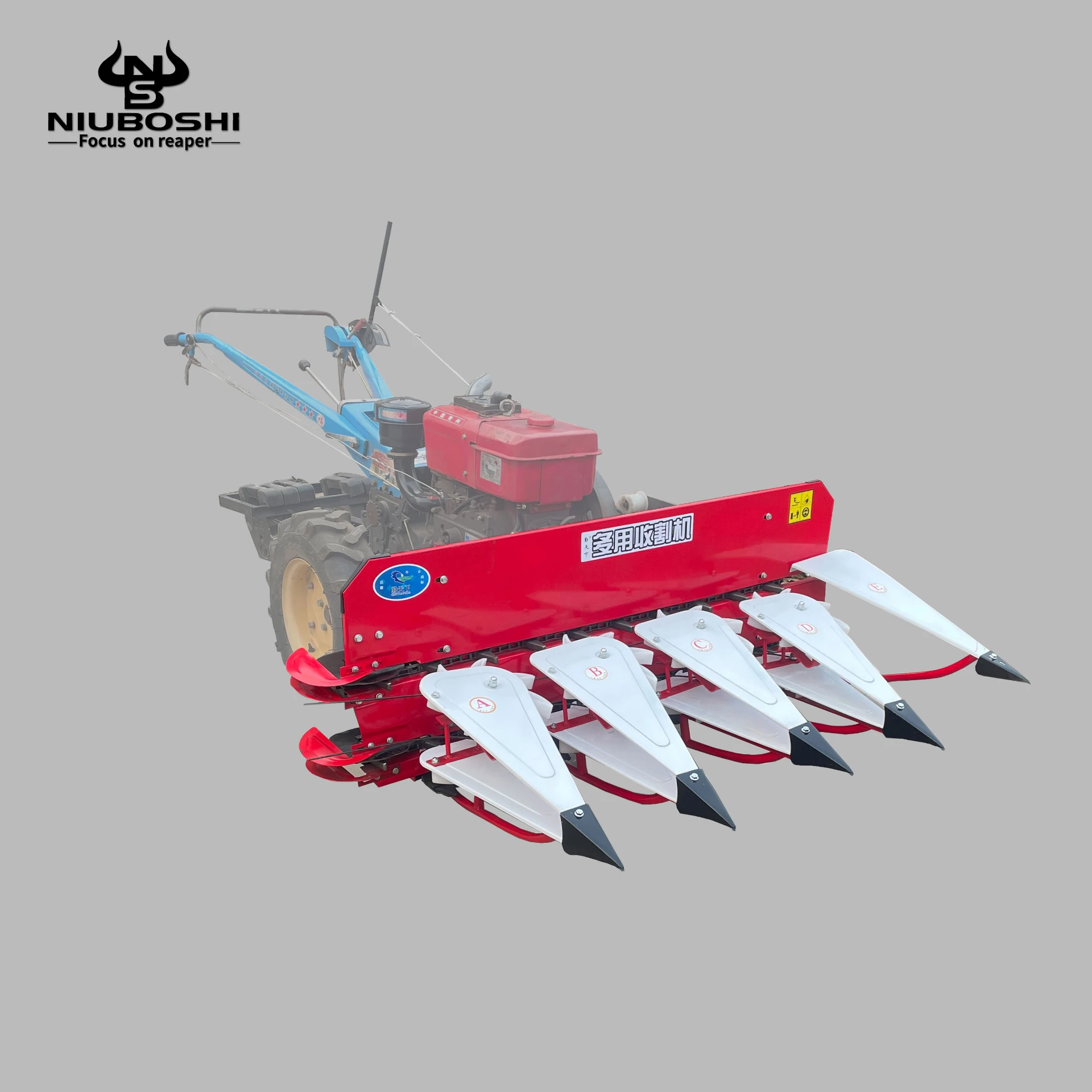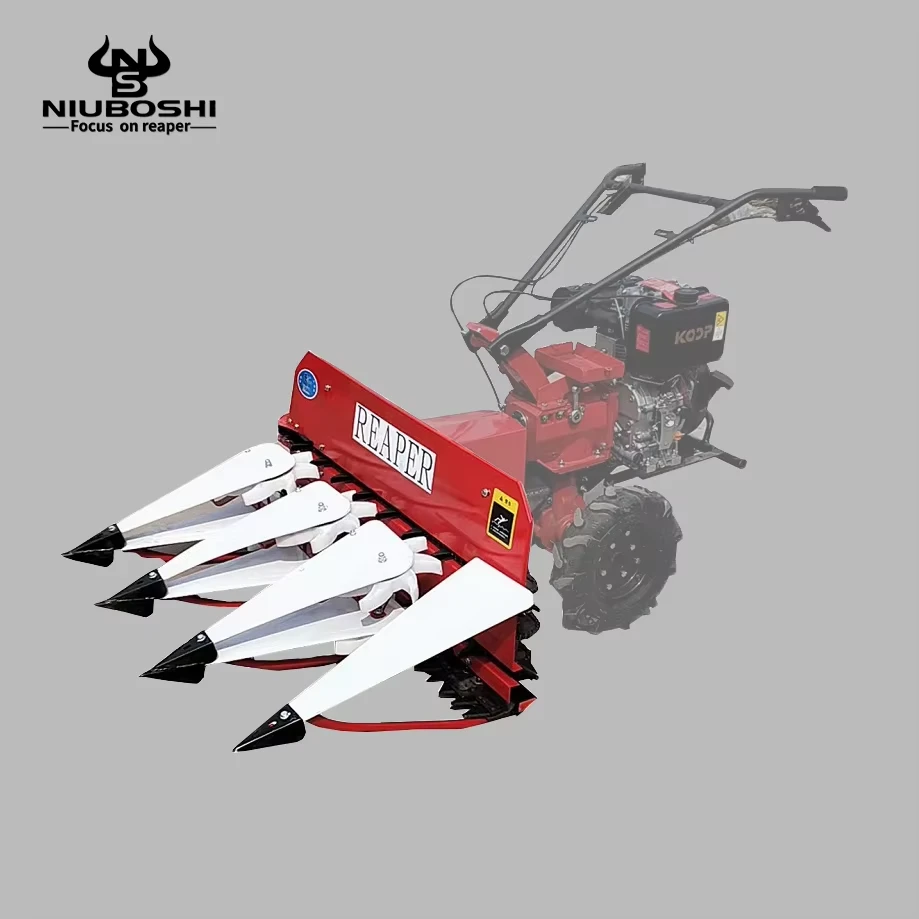
Mini Combine Harvester Tractor: Compact Farming Innovation for Smallholders
Understanding the Mini Combine Harvester Tractor: A Small Machine with Big Impact
At first glance, the term mini combine harvester tractor might sound like a mouthful, but it essentially describes a vital agricultural machine designed for efficient, small-scale crop harvesting. It matters a great deal globally—especially for farming communities that lack access to large-scale machinery. Why? Because these machines bridge a critical gap, offering affordable, adaptable solutions that enhance productivity while respecting the realities of smaller farms.
Globally, with agriculture still employing nearly 27% of the world’s labor force according to World Bank data, mechanization is a key driver of food security. Yet, many smallholder farmers, particularly in Asia and Africa, can’t afford or don’t need full-sized combine harvesters. That’s where mini combine harvester tractors come in — providing an innovative solution to increase yields, reduce labor intensity, and tackle challenges like climate change and rural poverty.
Why This Matters
- Improves efficiency for smallholder farms
- Reduces manual labor and harvest losses
- Supports sustainable and localized farming
- Facilitates rural economic growth and food security
Mini takeaway: Understanding these machines is crucial for anyone invested in modern agriculture or rural development.
Defining the Mini Combine Harvester Tractor
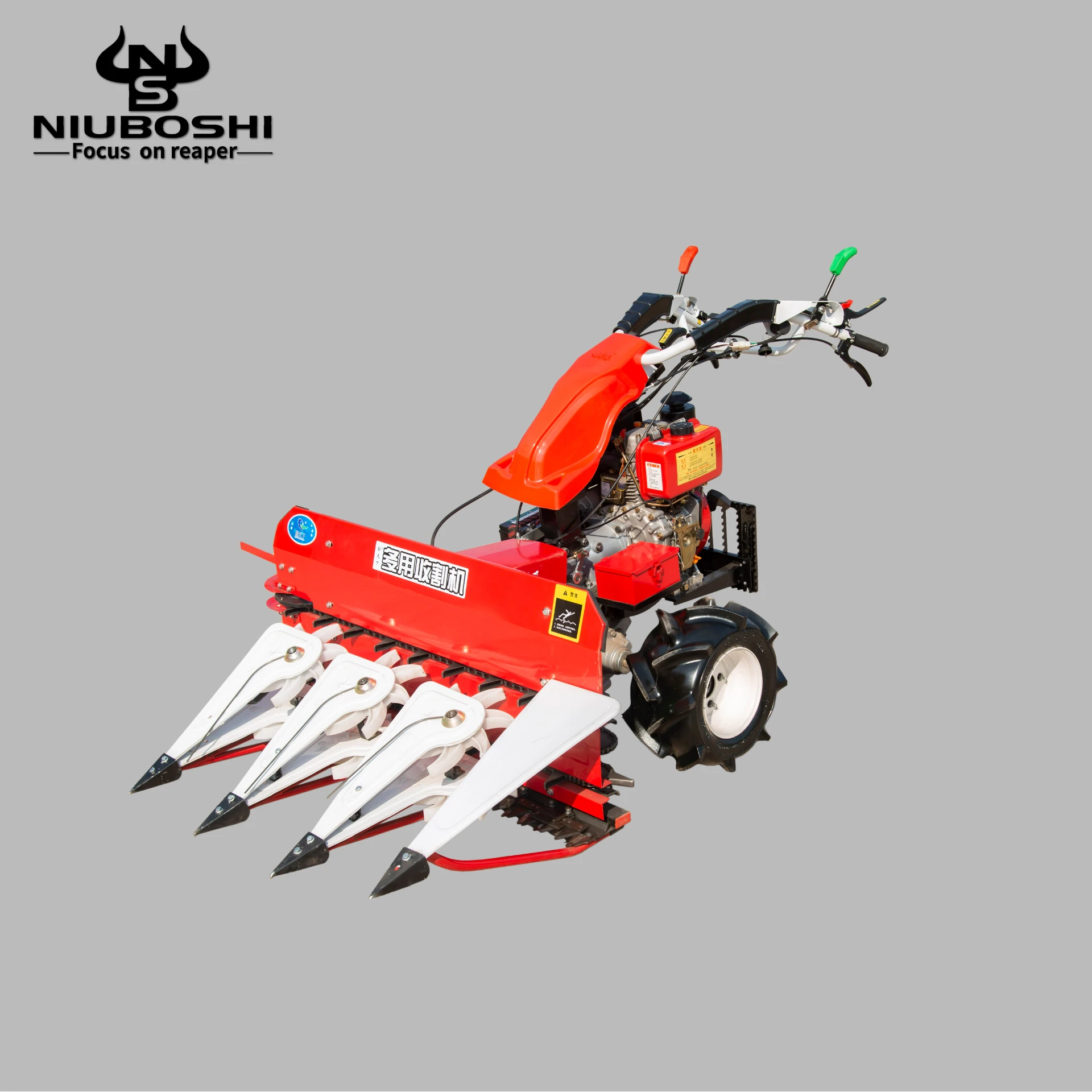
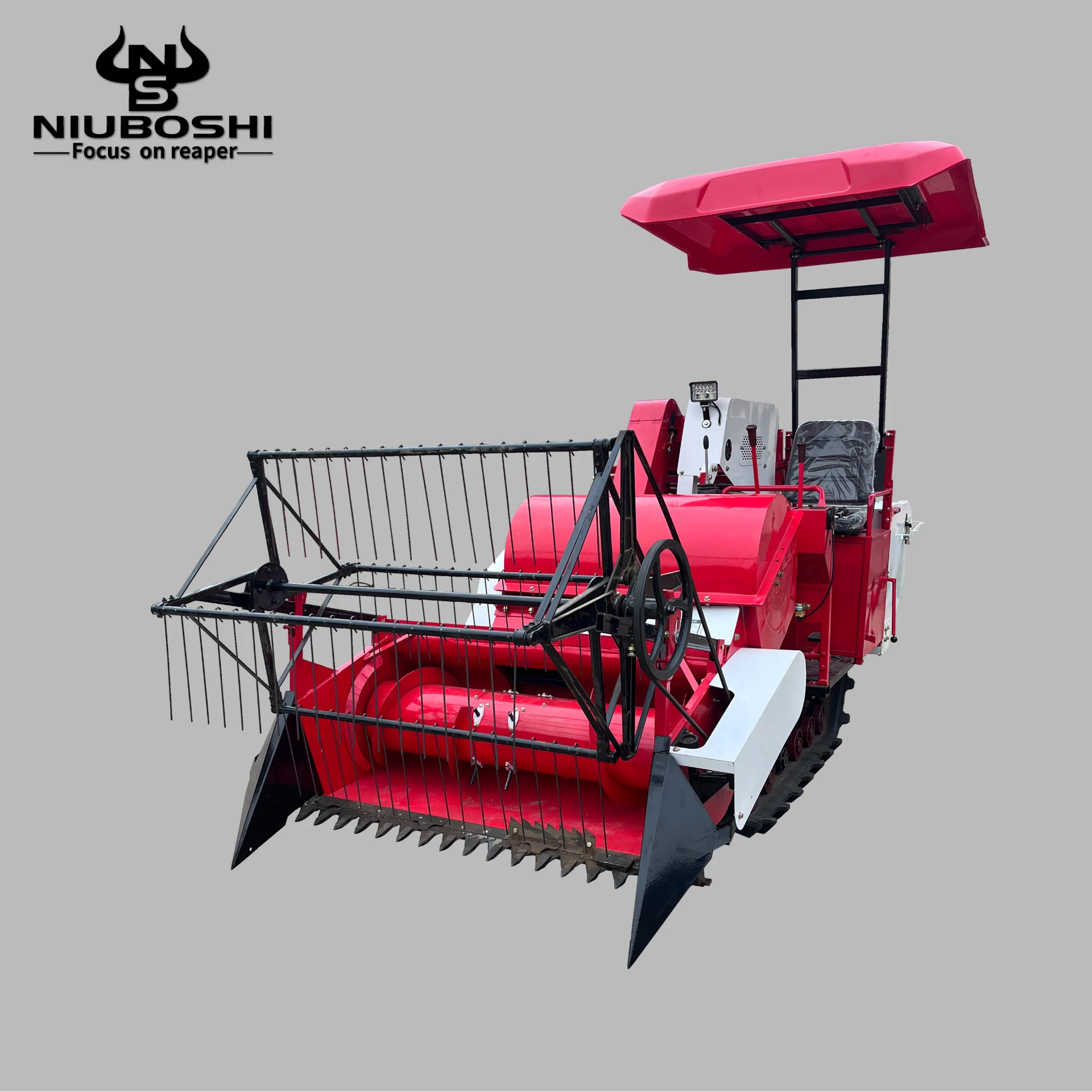
Simply put, a mini combine harvester tractor is a compact agricultural machine that combines the functions of harvesting, threshing, and winnowing grains, typically for small- to medium-scale farms. It is essentially a downsized version of the traditional combine harvester but often comes integrated or paired with a tractor platform to enhance versatility across different terrains.
These machines play a critical role in modern agriculture, especially in areas where mechanization is needed but full-scale combines are impractical. Aside from delivering efficiency, they support better crop management practices and mitigate reliance on manual labor, which is vital in many developing economies.
Core Components that Make a Mini Combine Harvester Tractor Work
1. Size and Maneuverability
The defining characteristic is its compact size, which makes it ideal for smaller plots or uneven fields. The tractor base adds traction and utility, enabling farmers to use the machine even in tight or hilly terrain.
2. Engine Power and Fuel Efficiency
Most mini combines use efficient diesel or gasoline engines ranging roughly from 15 to 40 horsepower. Although smaller, many are optimized for fuel economy, which is essential where fuel access or costs are an issue.
3. Harvesting Mechanism
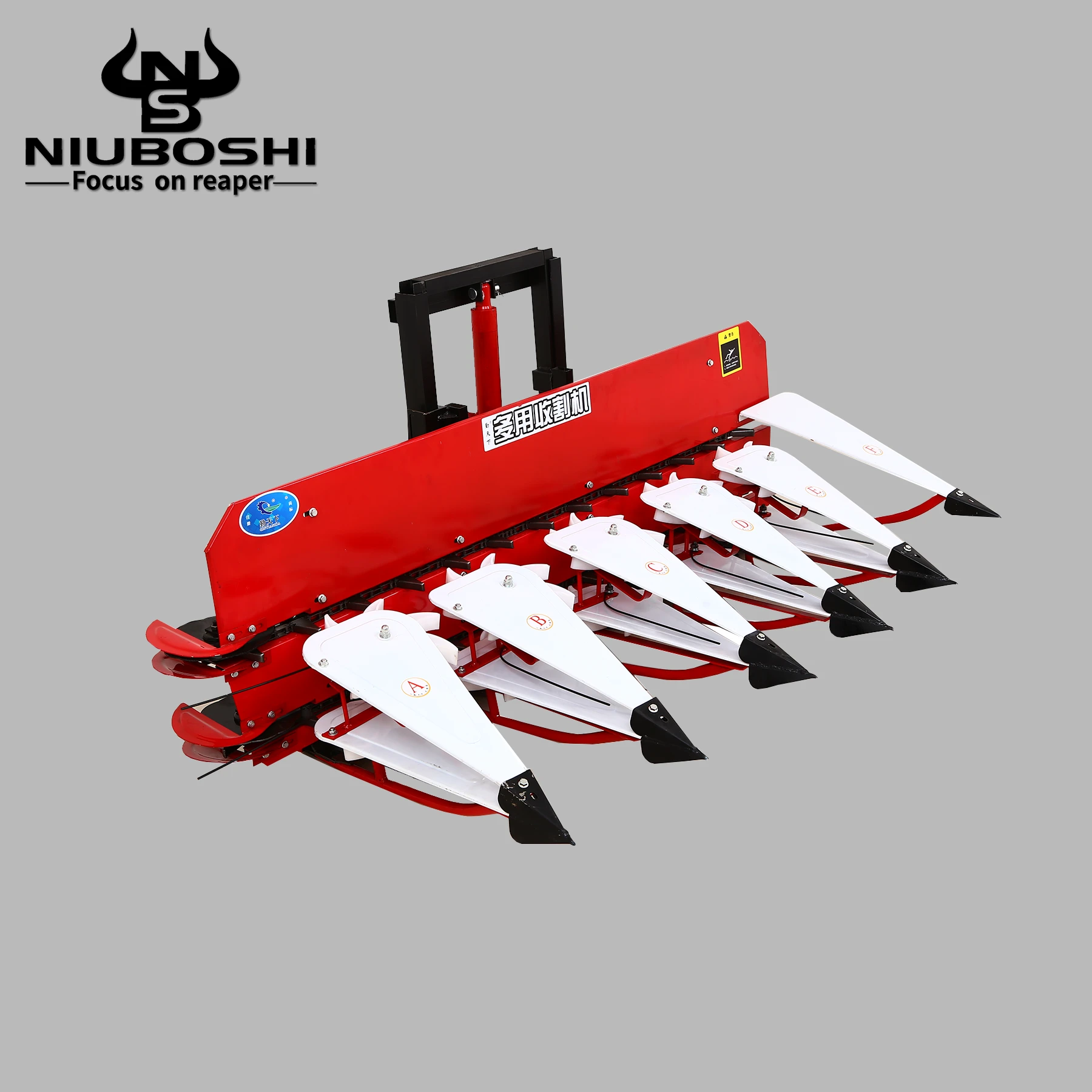
The harvester typically incorporates a cutting header, threshing drum, and cleaning sieve, often adjustable for different grain types such as wheat, rice, or barley.
4. Ease of Operation and Maintenance
Given the target user is often small-scale farmers or cooperatives with limited technical support, these machines emphasize simple controls, easy maintenance, and accessible spare parts.
5. Cost Efficiency
Mini combine harvester tractors are designed and priced to be affordable without compromising essential features—making them accessible for a broader market.
Mini takeaway: These factors combine to make the mini combine harvester tractor a practical tool tailored for smallholder realities.
Global Applications & Use Cases
Mini combine harvester tractors find widespread application across Asia, Africa, and parts of Eastern Europe, where landholdings are often less than five hectares. For example:
- South Asia: In India and Nepal, they’re used extensively for wheat and rice harvesting during peak seasons, reducing dependence on manual labor that can be scarce or expensive.
- Sub-Saharan Africa: NGOs distribute these machines to cooperative farms in Kenya and Tanzania to improve food security and decrease post-harvest losses.
- Post-disaster relief: After floods or drought, quick retrieval of grains is critical; compact harvesters have been deployed in affected regions for rapid recovery.
- Remote industrial zones: In isolated agricultural projects, they ensure continuous operation without waiting for large equipment or expert technicians.
Mini takeaway: This versatility across geographies highlights their critical role in boosting productivity where traditional machinery isn’t viable.
Advantages & Long-Term Value
The advantages extend beyond mere cost savings or farming speed. Mini combine harvester tractors transform how small farms operate in socially and ecologically meaningful ways:
- Economic: Lower investment and operational costs enable more farmers to mechanize, increasing incomes and spurring rural economies.
- Environmental: Efficient fuel use and adaptable sizing reduce soil compaction and environmental footprint compared to larger machines.
- Social: Reduced labor intensity improves safety and dignity for workers, who otherwise might face strenuous manual harvesting.
- Reliability: Their simple mechanical design means less downtime and easier repairs — building trust among users.
Mini takeaway: When you factor in both tangible and intangible benefits, these machines offer substantial long-term value for sustainable agriculture.
Mini Combine Harvester Tractor Product Specifications
| Specification | Typical Range |
|---|---|
| Engine Power | 15-40 HP |
| Harvesting Width | 1.0 to 1.8 meters |
| Threshing Capacity | 0.3 to 0.7 tons/hour |
| Fuel Tank Capacity | 10-20 liters |
| Weight | 500-900 kg |
| Suitable Crops | Wheat, Rice, Barley, Maize |
Vendor Comparison: Mini Combine Harvester Tractors
| Vendor | Engine HP | Price Range (USD) | Fuel Type | Warranty |
|---|---|---|---|---|
| AgriTech Co. | 20 HP | $5,000 - $6,500 | Diesel | 12 months |
| FarmEase Ltd. | 15 HP | $4,200 - $5,000 | Gasoline | 9 months |
| GreenField Machinery | 35 HP | $7,000 - $8,200 | Diesel | 18 months |
Future Trends & Innovations in Mini Combine Harvester Tractors
Looking ahead, the mini combine harvester tractor segment is embracing several exciting trends. Green energy drives are gaining traction — think electric or hybrid powertrains that reduce emissions and operating costs. Also, automation is slowly entering the market: GPS-assisted harvesting, sensors for real-time crop condition monitoring, and smartphone-linked controls are beginning to emerge, though still nascent in smaller models.
Sustainability remains paramount—manufacturers increasingly use recyclable materials and design for easy repairs to extend machine life. Coupled with digitization and data-driven agriculture, these trends ought to enhance precision and help farmers optimize operations.
Challenges & Practical Solutions
Of course, there are hurdles. Limited engine power means these machines aren’t suited for large plots. Also, irregular maintenance or lack of spare parts in remote areas can reduce uptime. Weather variability — like heavy rains or rocky soil — can challenge even the sturdiest mini combine.
However, many companies are responding with modular designs that can be upgraded and with establishing local service centers. Training programs for farmers are increasingly common, enabling better operation and upkeep. Ultimately, balancing cost, durability, and capacity remains a careful dance.
Frequently Asked Questions About Mini Combine Harvester Tractors
- Q: How much land can a mini combine harvester tractor efficiently harvest in a day?
- A: While it depends on the machine model and crop type, typically a mini combine can harvest between 1 to 3 hectares per day, which suits small farms but may be slow for large commercial operations.
- Q: Are mini combine harvester tractors easy to operate for farmers new to mechanization?
- A: Yes, most models feature simple, intuitive controls designed for quick learning. Many vendors offer training sessions or manuals to ease the transition from manual harvesting.
- Q: What maintenance does a mini combine harvester tractor typically require?
- A: Routine maintenance includes cleaning the threshing and sieving components, lubricating moving parts, checking engine oil, and inspecting belts. Scheduled servicing every 50-100 hours of use is recommended.
- Q: Can mini combine harvester tractors handle multiple crop types?
- A: Generally, yes. Many are adjustable or come with interchangeable headers suitable for grains like wheat, rice, maize, barley, and sometimes even pulses.
- Q: Where can I purchase reliable mini combine harvester tractors?
- A: Several reputable vendors exist worldwide; however, for tailored options especially in Asia, mini combine harvester tractor providers often offer good after-sales support and competitive pricing.
Conclusion: Why the Mini Combine Harvester Tractor Deserves Your Attention
In essence, the mini combine harvester tractor is much more than a scaled-down farm machine. It’s a practical response to global agricultural challenges — boosting productivity, empowering small farmers, and fostering sustainable rural development. If you are navigating small-scale farming or agricultural development, tapping into these machines could well be a turning point.
Curious to explore mini combine harvester tractors further? Don’t hesitate to visit our website for more detailed specs, vendor options, and user stories.
At the end of the day, investing in a mini combine harvester tractor is an investment in efficiency, sustainability, and the future of farming... and frankly, that’s something worth considering no matter where you cultivate your crops.
Reflection: As I noticed during field visits, farmers often say the machine “feels just right” — not too big, not too small — and that kind of practical feedback makes all the difference.
Latest news
-
Maximize Harvest Efficiency with the Agro Reaper Binder MachineNewsApr.16,2026
-
Boost Harvest Efficiency with the Best Agriculture Reaper MachineNewsApr.09,2026
-
Revolutionizing Agriculture with the Efficient Agriculture Power ReaperNewsApr.07,2026
-
Comprehensive Guide to the 4 Wheel Reaper Binder for Efficient HarvestingNewsApr.04,2026
-
Comprehensive Guide to Reaperbinder Technology for Efficient Hay and Crop HarvestingNewsMar.31,2026
-
Mastering the Art of Reaper Cutting for Enhanced Agricultural EfficiencyNewsMar.28,2026