Efficient Mini Maize Harvester Solutions for Smallholder Farms | Sustainable Agriculture
The Rising Importance of Mini Maize Harvesters in Sustainable Agriculture
Across the globe today, where food security is becoming increasingly crucial, the mini maize harvester emerges as a quiet hero. Its role in boosting small-scale farmers’ productivity while reducing labor demands has made it a sought-after solution in many developing and developed countries alike. Understanding these machines isn’t just an agricultural curiosity – it’s a glimpse into how technology is democratizing access to efficient farming and supporting global efforts to meet rising food demands sustainably.
Why does this matter on a global scale? Well, maize is a staple crop feeding millions, especially in sub-Saharan Africa, parts of Asia, and Latin America. Efficient harvesting is often a bottleneck, severely limiting yields and profitability. Enter the mini maize harvester, an innovation designed to fit smaller plots, ease the physical burden of manual harvesting, and importantly, cut post-harvest losses.
A Worldwide Glance at Mini Maize Harvesters: A Solution in Context
Globally, around 1.2 billion smallholder farmers cultivate nearly 80% of farmland in Asia and sub-Saharan Africa alone [1]. Yet, mechanization rates remain below 30% in many such regions, leaving manual labor as the norm. The mini maize harvester addresses this gap by introducing affordable, easy-to-operate machinery suitable for smaller, often uneven plots where traditional harvesters can’t reach or aren’t cost-effective.
According to the Food and Agricultural Organization (FAO), reducing harvesting losses globally can boost food availability by nearly 10%, which is nothing short of transformative when hunger remains a pressing issue for almost 800 million people worldwide. Mini maize harvesters help tackle exactly this problem by promoting faster, cleaner harvesting, thus preserving crop quality and reducing waste.
And it’s not just about food security. Many rural communities struggle under the weight of labor-intensive harvest cycles, often involving entire family units. These machines help alleviate this strain, freeing time for other income activities or education.
What Exactly Is a Mini Maize Harvester?
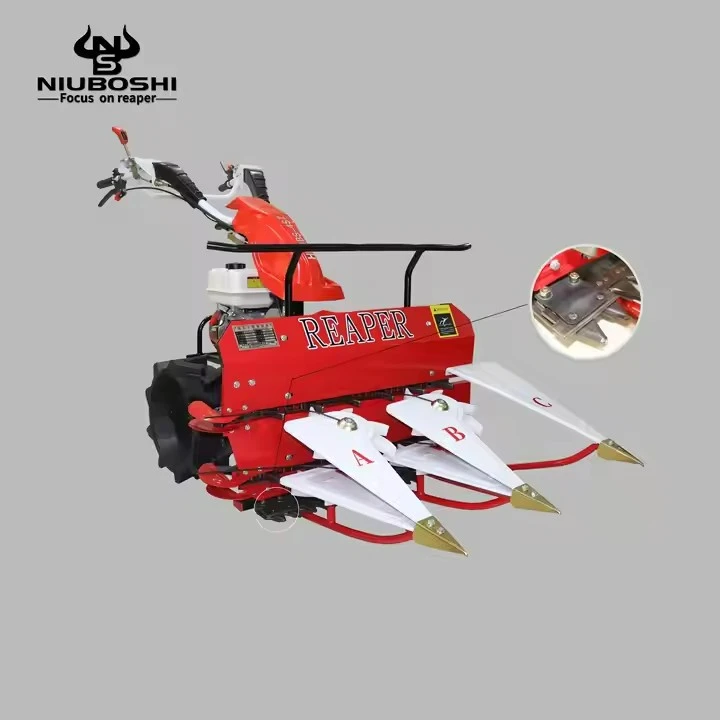
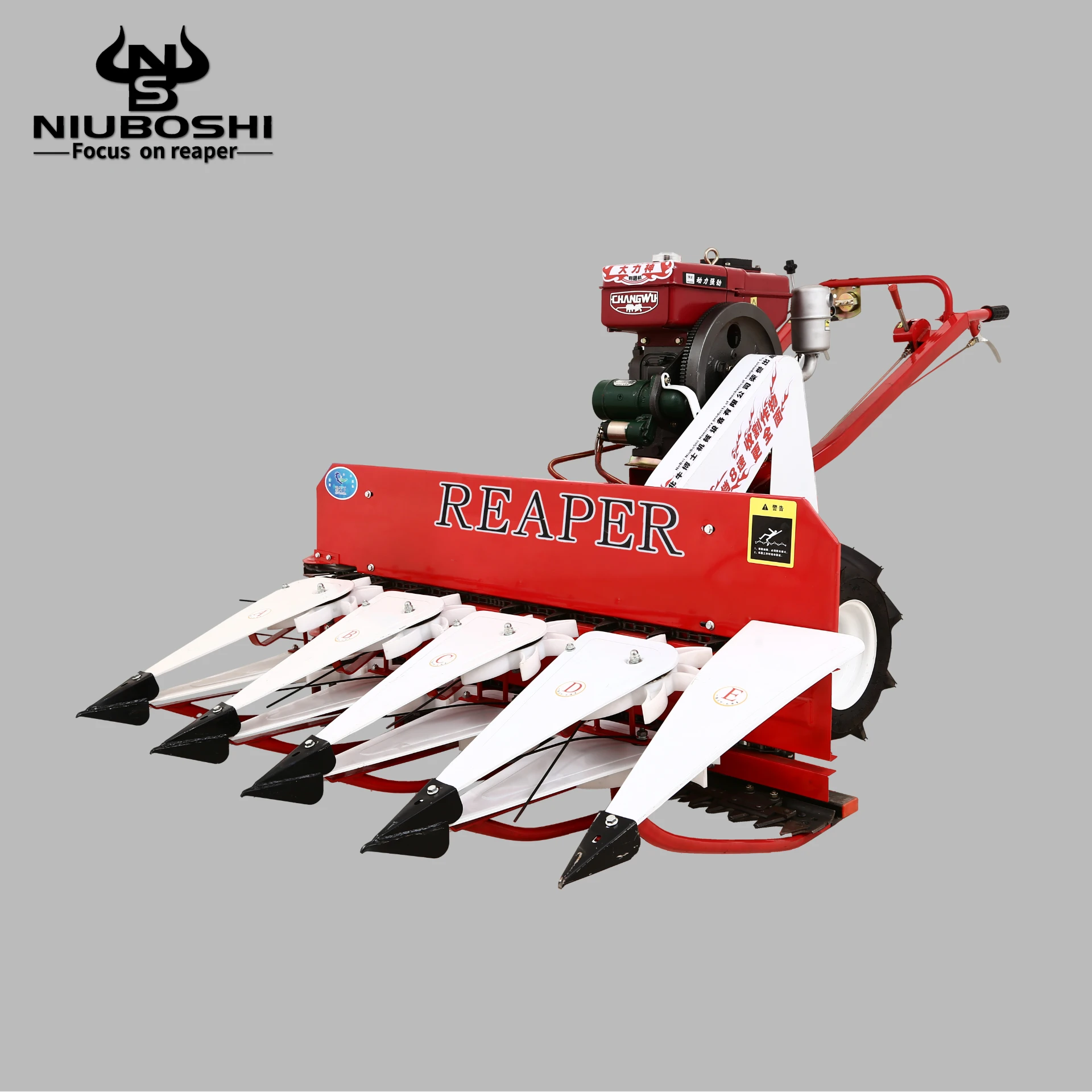
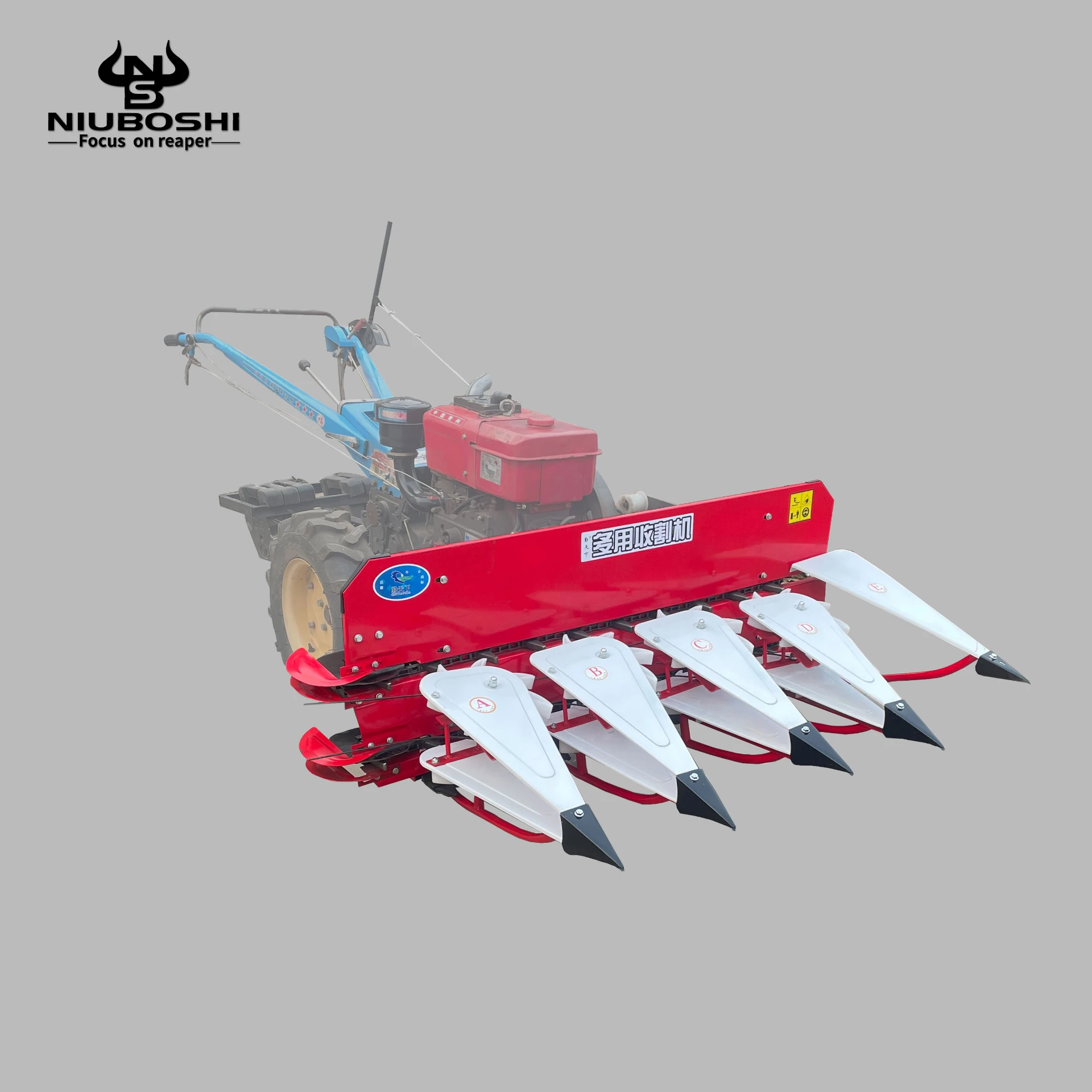
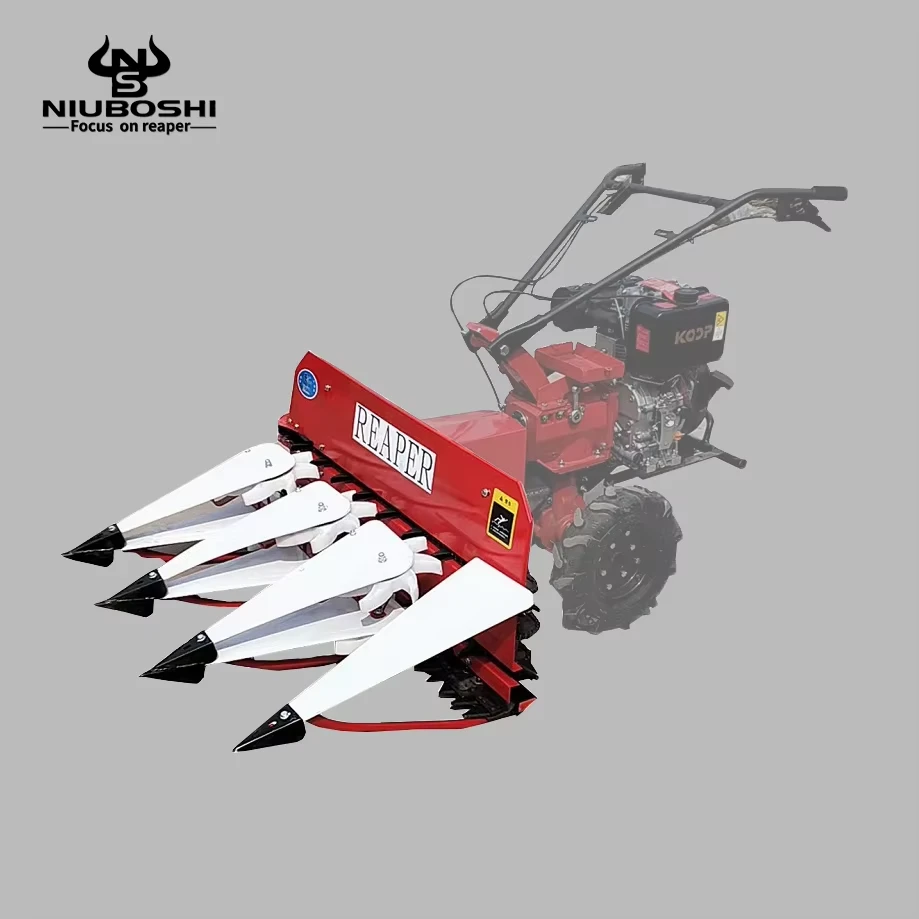
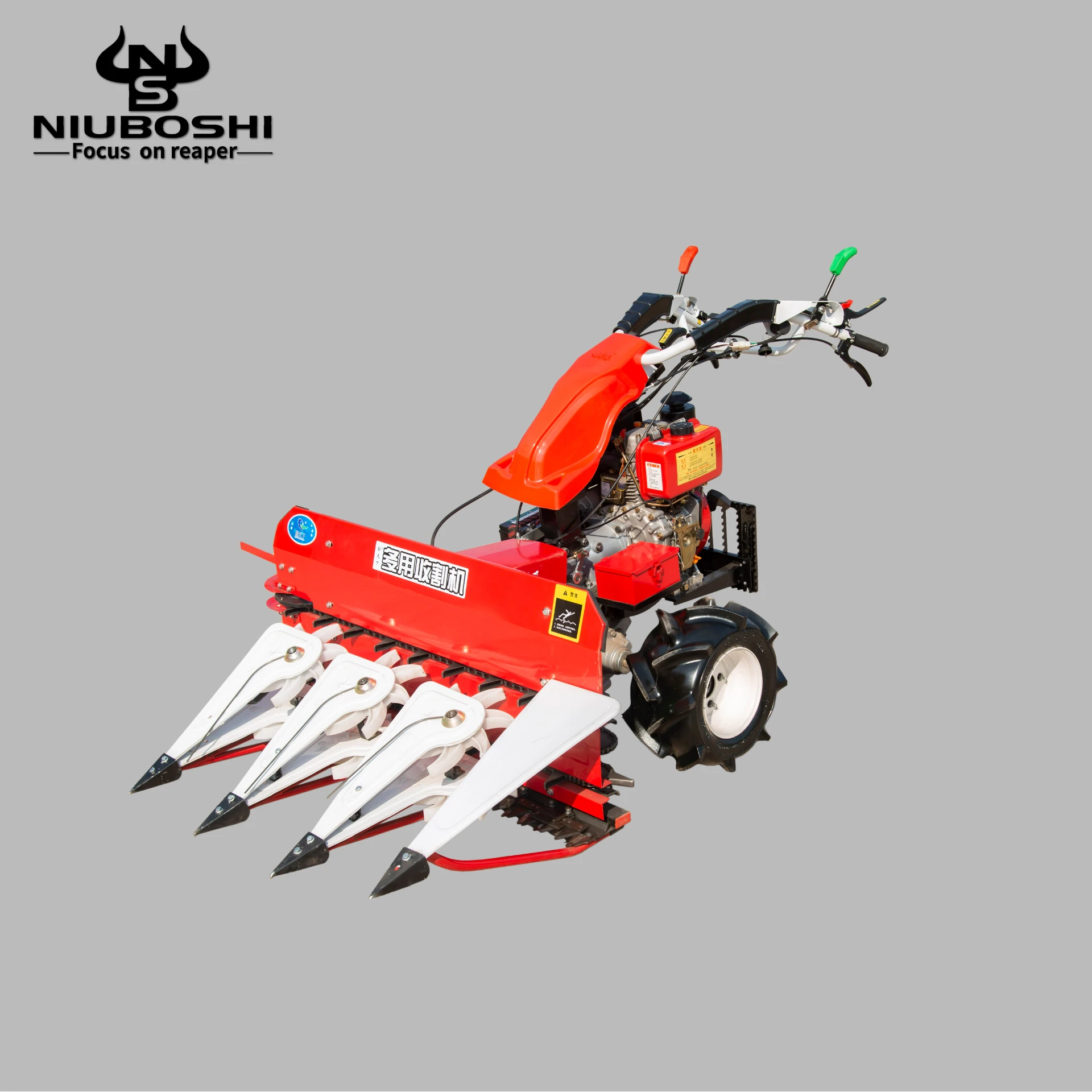
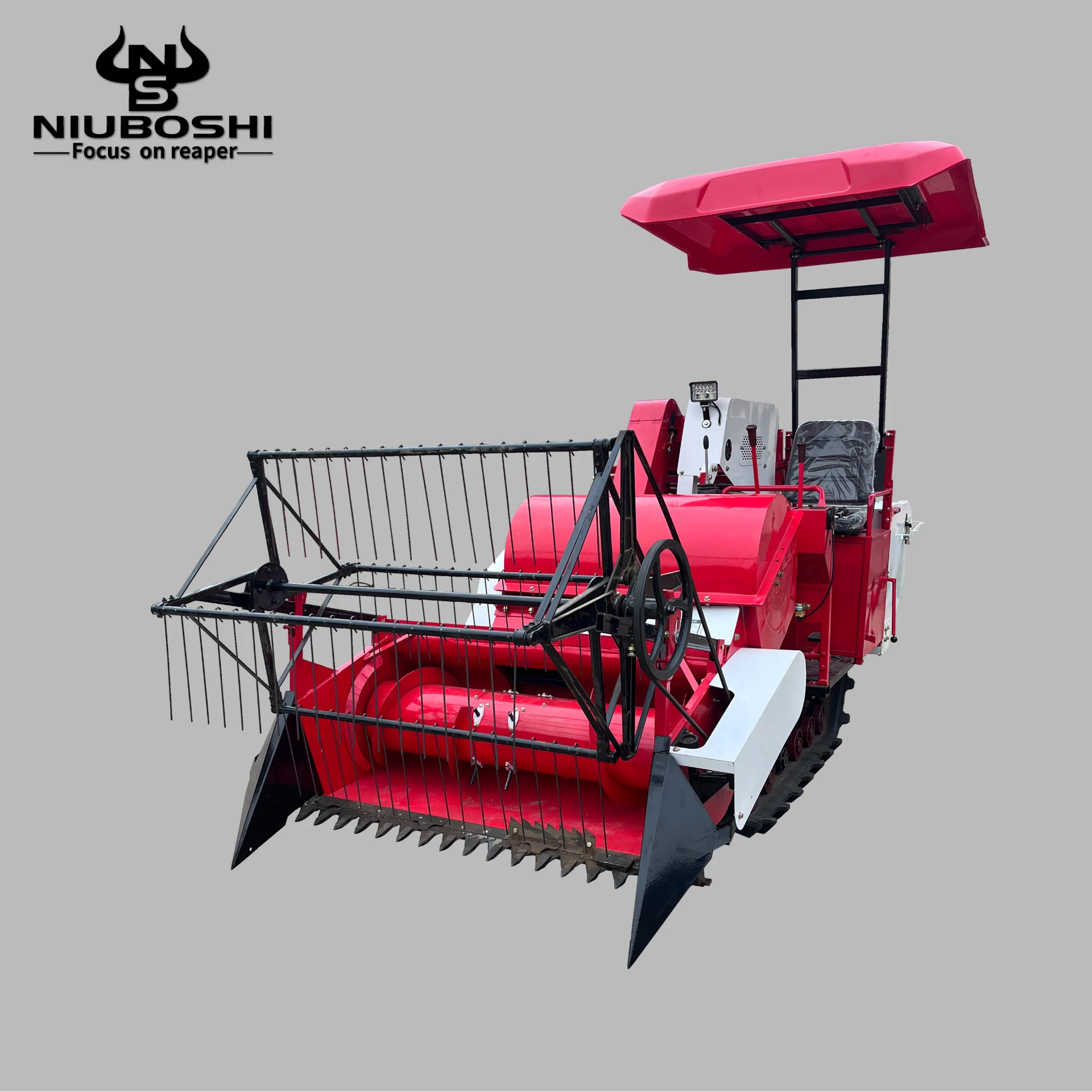
In simple terms, a mini maize harvester is a compact, often motorized machine designed specifically to cut, thresh, and strip maize from stalks on small to medium-sized farms. Unlike large commercial harvesters used in big industrial farms, these mini versions are lighter, typically self-propelled or tractor-towed, and crafted for maneuverability.
Think of it as a nimble assistant replacing hours of backbreaking manual labor. It picks, shells, and sometimes even collects maize cob residues, allowing farmers greater efficiency without needing huge capital investments or infrastructural changes. Especially relevant are its applications in regions where mechanization hasn’t fully penetrated due to economic or terrain barriers.
In humanitarian terms, these machines can be vital for quick food production recovery after crises—be it drought, floods, or conflict—which often leave agriculture on the back foot for seasons.
Core Components That Make Mini Maize Harvesters Tick
1. Durability
Rough fields and tough weather can be unforgiving, so these harvesters are designed with resilience in mind. Many use robust steel frames with corrosion-resistant coatings to last multiple seasons.
2. Scalability
Farmers can use machines sized to their land from as small as 0.5 hectares up to 5 hectares. Some models offer modular attachments to handle different crops or harvesting stages.
3. Cost Efficiency
Compared to full-sized combines, mini harvesters are much cheaper (generally under $5,000) and require less fuel and maintenance, making them accessible to resource-limited farms.
4. Technical Simplicity
Because many operators may have minimal technical training, designs prioritize ease of use and simple repairability, sometimes featuring manual or semi-automatic controls.
5. Environmental Friendly Operation
Many newer models run on low-emission engines and aim to minimize soil compaction and crop damage, fitting within sustainable agricultural practices.
Mini Maize Harvesters ‘Around the World’: Where and How They’re Changing the Game
Regions like East Africa (Kenya, Uganda), parts of India, and South America have embraced mini maize harvesters as stepping stones to modernizing rural agriculture. For example, in Kenya’s Rift Valley, smallholders have reported harvest time reductions by nearly 50%, according to a recent agricultural extension survey.
Organizations like the UN’s FAO have promoted these machines in post-disaster recovery zones. After flooding in Bangladesh, affected farmers used mini harvesters to salvage remaining crop patches that otherwise would be lost to mold or pests. Likewise, agro-cooperatives in Latin America use them for small-scale contract harvesting, enabling community economic strengthening.
- Remote industrial zones: Some mining-adjacent farms use mini harvesters to quickly process maize for local worker food supplies.
- Humanitarian organizations: Mini maize harvesters form part of agricultural toolkits handed to refugees returning to farming post-conflict.
Concrete Advantages and Why They Matter Long Term
From a pragmatic standpoint, mini maize harvesters save time, reduce drudgery, and improve yield quality, which equates directly to higher income and better food availability. Socially, they empower women and older farmers who might find manual harvesting physically overwhelming.
There’s also an emotional layer: these machines restore dignity in farming. Suddenly, families feel less trapped by backbreaking labor cycles, opening space for education or entrepreneurship. Innovation and trust grow as rural economies diversify.
| Specification | Typical Mini Maize Harvester |
|---|---|
| Engine Power | 6-12 HP petrol or diesel |
| Harvesting Capacity | 0.5 to 3 hectares per day |
| Weight | 200-350 kg |
| Dimensions (L×W×H) | 1500×800×900 mm |
| Fuel Consumption | 2-3 liters/hour |
| Price Range | $2,500 - $5,000 USD |
The Road Ahead: Future Innovations in Mini Maize Harvesters
Tech evolution is reshaping how these machines work. We're seeing strides in electric-powered mini harvesters, which reduce pollution and noise — important for eco-conscious farming communities. Digital integration is also on the rise; GPS guidance and IoT sensors can increase precision and maintenance alerts, minimizing downtime.
I suppose it feels a bit like stepping into the future, where even the smallest farms have smart tools. As climate change pressures intensify, machinery that supports sustainable crop cycles and soil health will likely gain importance. Mini maize harvesters that reuse crop residues or are compatible with renewable fuels could lead the charge in green farming.
Challenges and Practical Solutions
No tech solution is perfect, of course. Some challenges include:
- Affordability: Despite being cheaper than large combines, upfront costs can still be a hurdle for the poorest farmers. Microcredit and leasing schemes are increasingly helping.
- Maintenance: Limited local access to spare parts or skilled repairers can hamper long-term usability. Some vendors now offer training workshops and part delivery networks.
- Adaptation to varied terrains: Uneven, terraced, or rocky fields sometimes require further design customization.
Experts advocate for co-creation approaches where farmers help customize machines to their unique needs, supported by NGOs or agricultural extension services.
Frequently Asked Questions About Mini Maize Harvesters
- Q: How much land can a mini maize harvester cover daily?
- A: Most mini maize harvesters can efficiently cover between 0.5 to 3 hectares per day, depending on terrain and operator skill. This makes them ideal for smallholder farms where manual harvesting could take several days.
- Q: Are mini maize harvesters easy to repair locally?
- A: Generally, yes. Most models are designed with simple mechanical systems to allow farmers or local mechanics to perform basic repairs. Some companies also provide spare parts kits and training programs.
- Q: Can these machines handle other crops besides maize?
- A: Some mini maize harvesters offer modular attachments to harvest crops like sorghum or millet, but their primary design optimizes maize harvesting efficiency and minimal crop damage.
- Q: What is the fuel consumption like compared to traditional methods?
- A: Mini maize harvesters use around 2-3 liters of petrol or diesel per hour, reducing the need for manual labor and often offsetting fuel costs by faster harvest and less post-harvest loss.
| Vendor | Price Range (USD) | Engine Type | Warranty | Special Feature |
|---|---|---|---|---|
| AgriPro Mini Harvest | $3,000 - $4,500 | Diesel, 8 HP | 2 years | Modular threshing unit |
| HarvestEase 1500 | $2,800 - $3,700 | Gasoline, 6.5 HP | 1.5 years | Lightweight frame |
| EcoHarvest Mini | $4,000 - $5,000 | Electric, 7 kW | 3 years | Zero emissions, battery powered |
Wrapping It Up: Why Mini Maize Harvesters Are Here to Stay
At the crossroads of tradition and technology, mini maize harvesters are proving invaluable. They empower smallholder farmers, support food security, and foster sustainable farming practices—without demanding big-budget spends or infrastructure upgrades. The global trend toward smart, eco-friendly, and affordable mechanization isn’t just a boon for efficiency but a stride toward agricultural resilience and dignity.
If improving your maize harvest efficiency sounds like something your farm or community could benefit from, I highly recommend checking out the latest models at our website. It feels like the future of farming is, happily, caught between your hands and the soil.
Mini takeaway: The mini maize harvester is a remarkable bridging tool — linking small farms to modern tech, lifting rural livelihoods, and quietly feeding the world more efficiently.
Latest news
-
Maximize Harvest Efficiency with the Agro Reaper Binder MachineNewsApr.16,2026
-
Boost Harvest Efficiency with the Best Agriculture Reaper MachineNewsApr.09,2026
-
Revolutionizing Agriculture with the Efficient Agriculture Power ReaperNewsApr.07,2026
-
Comprehensive Guide to the 4 Wheel Reaper Binder for Efficient HarvestingNewsApr.04,2026
-
Comprehensive Guide to Reaperbinder Technology for Efficient Hay and Crop HarvestingNewsMar.31,2026
-
Mastering the Art of Reaper Cutting for Enhanced Agricultural EfficiencyNewsMar.28,2026