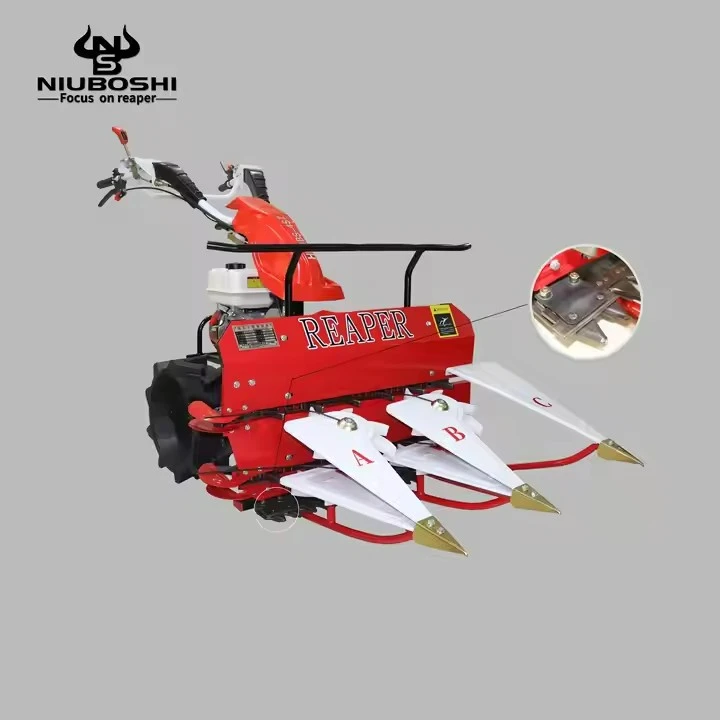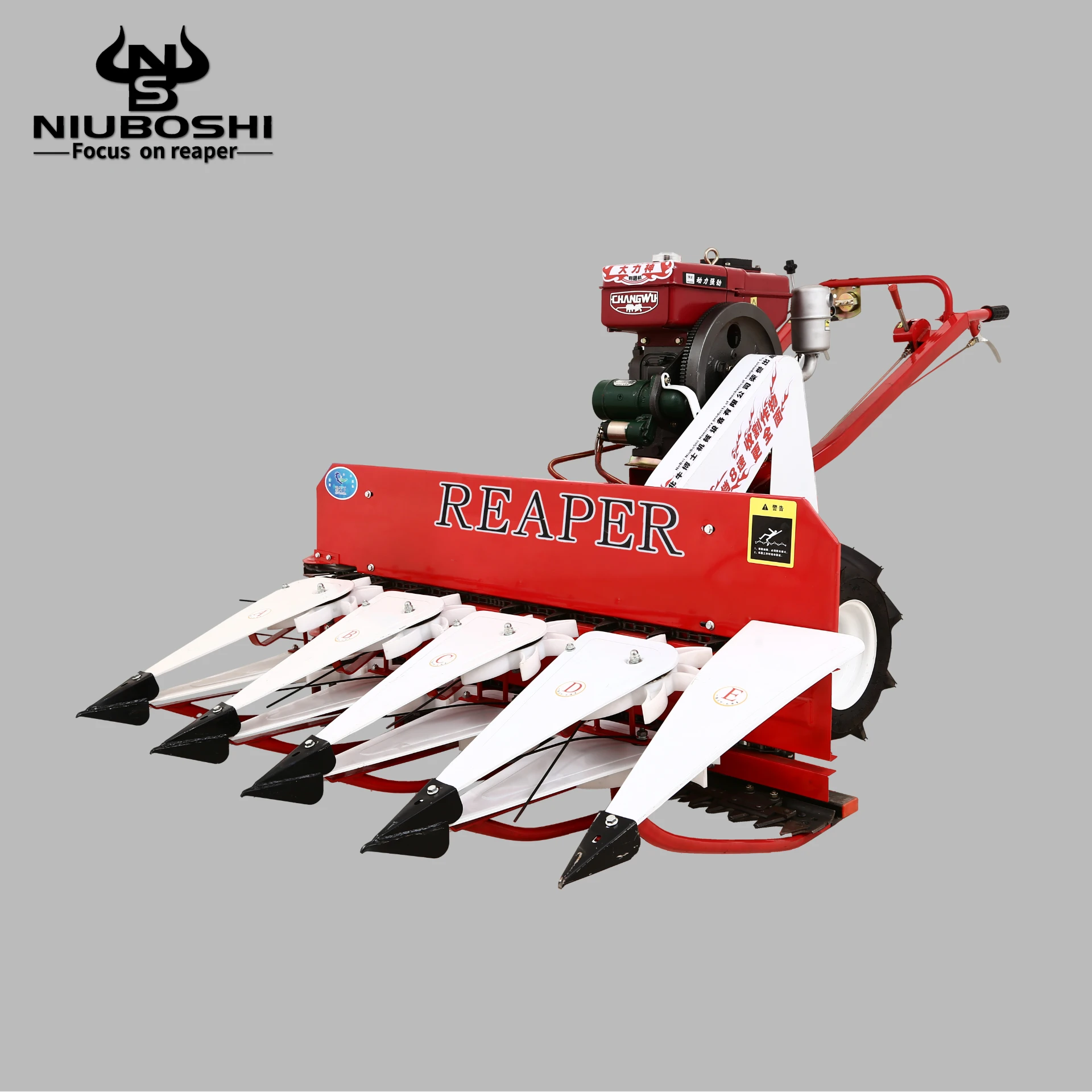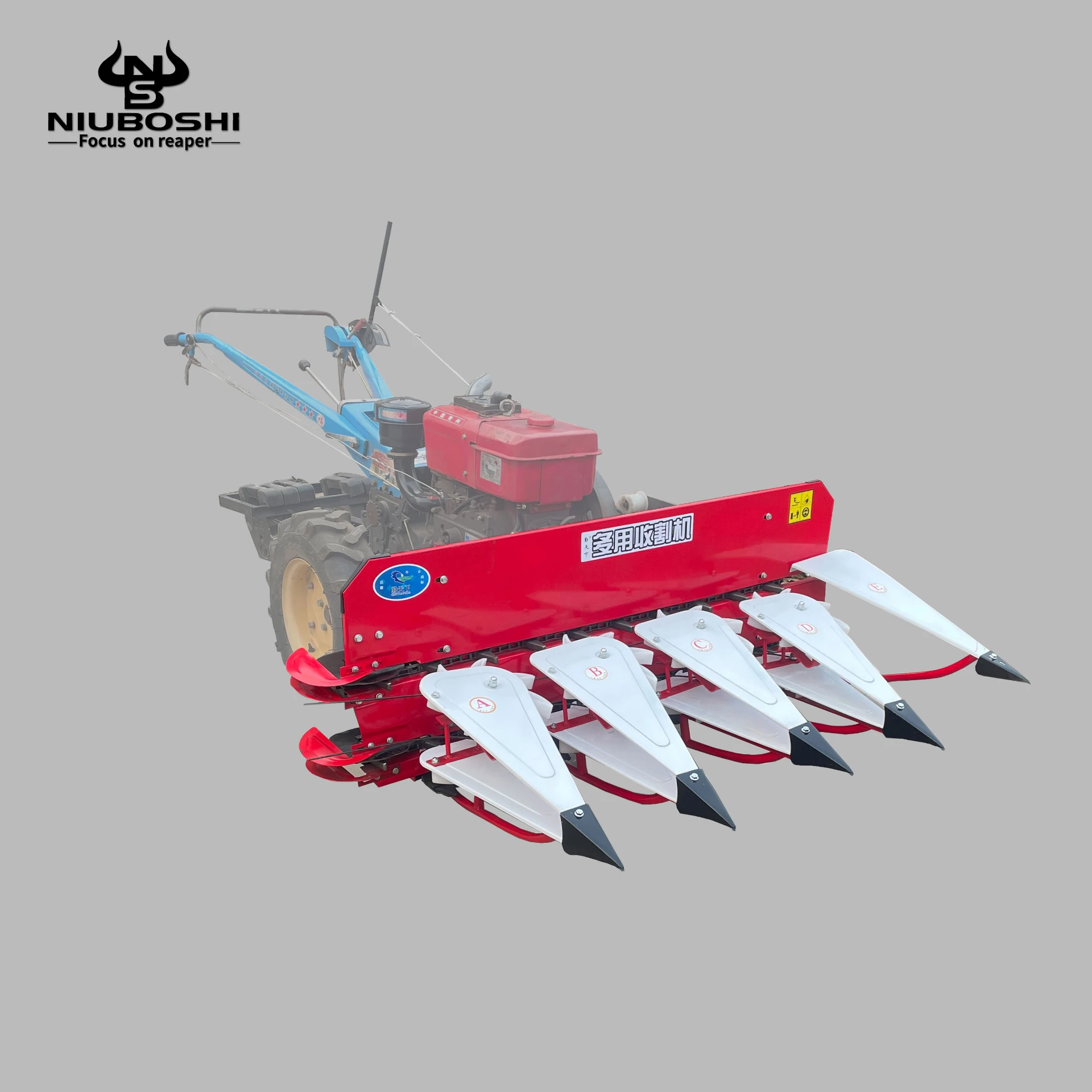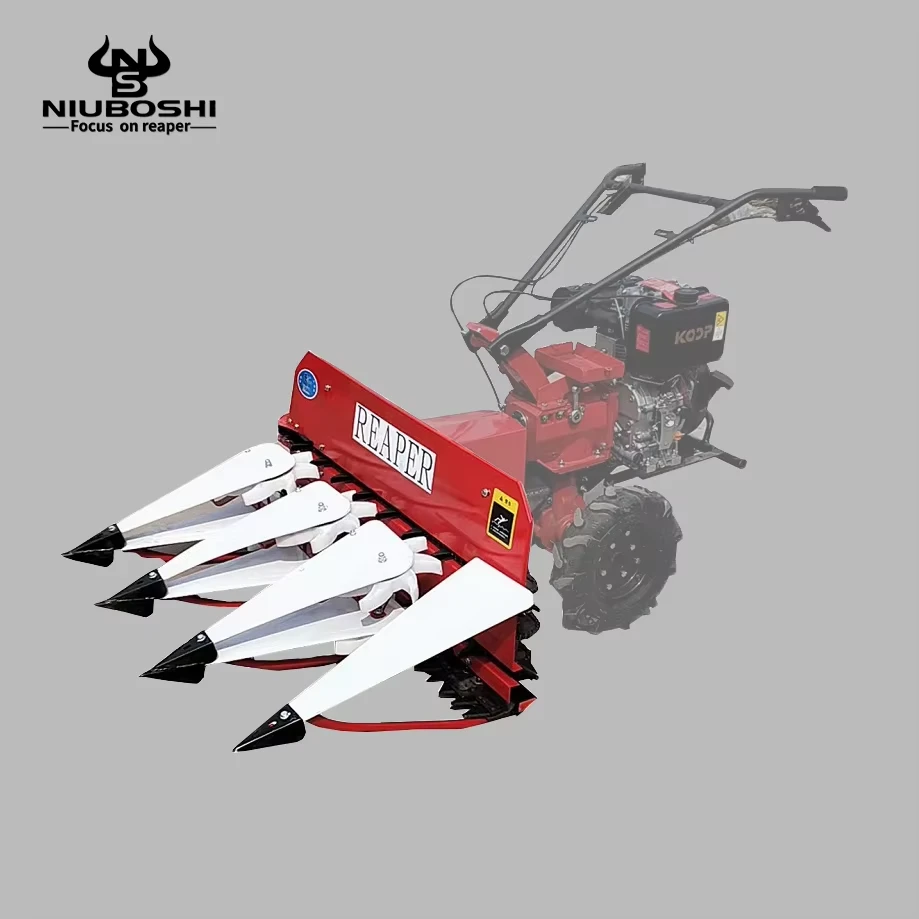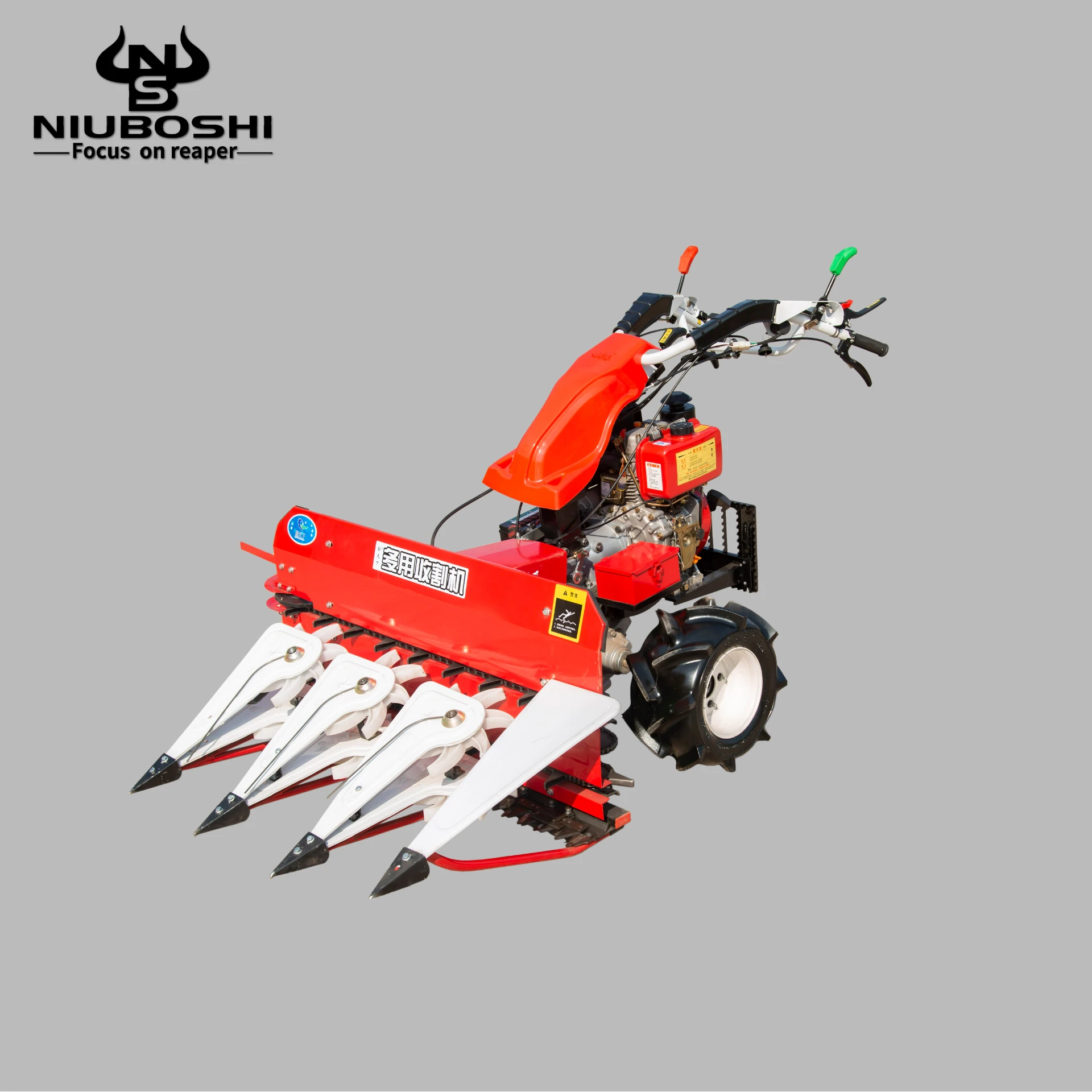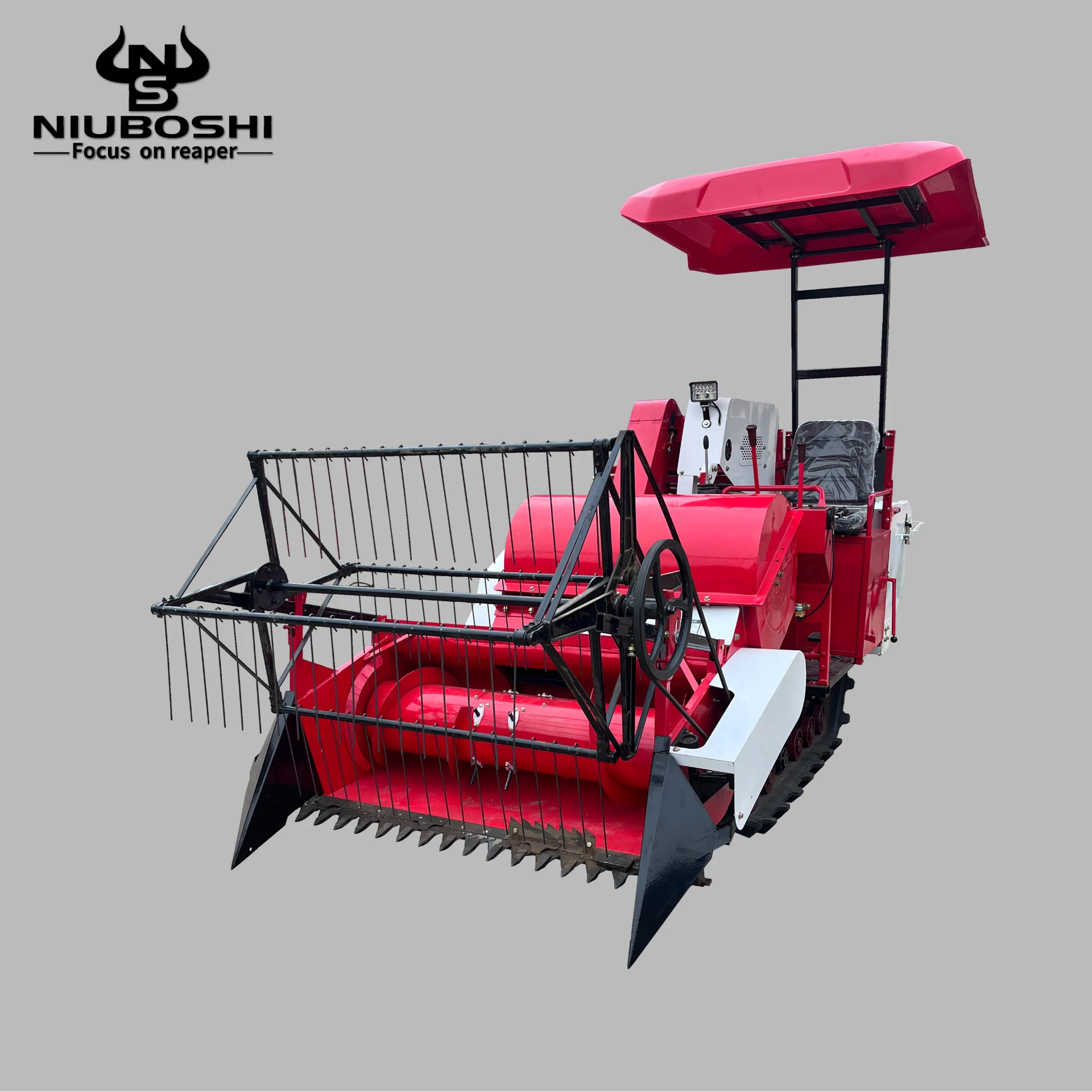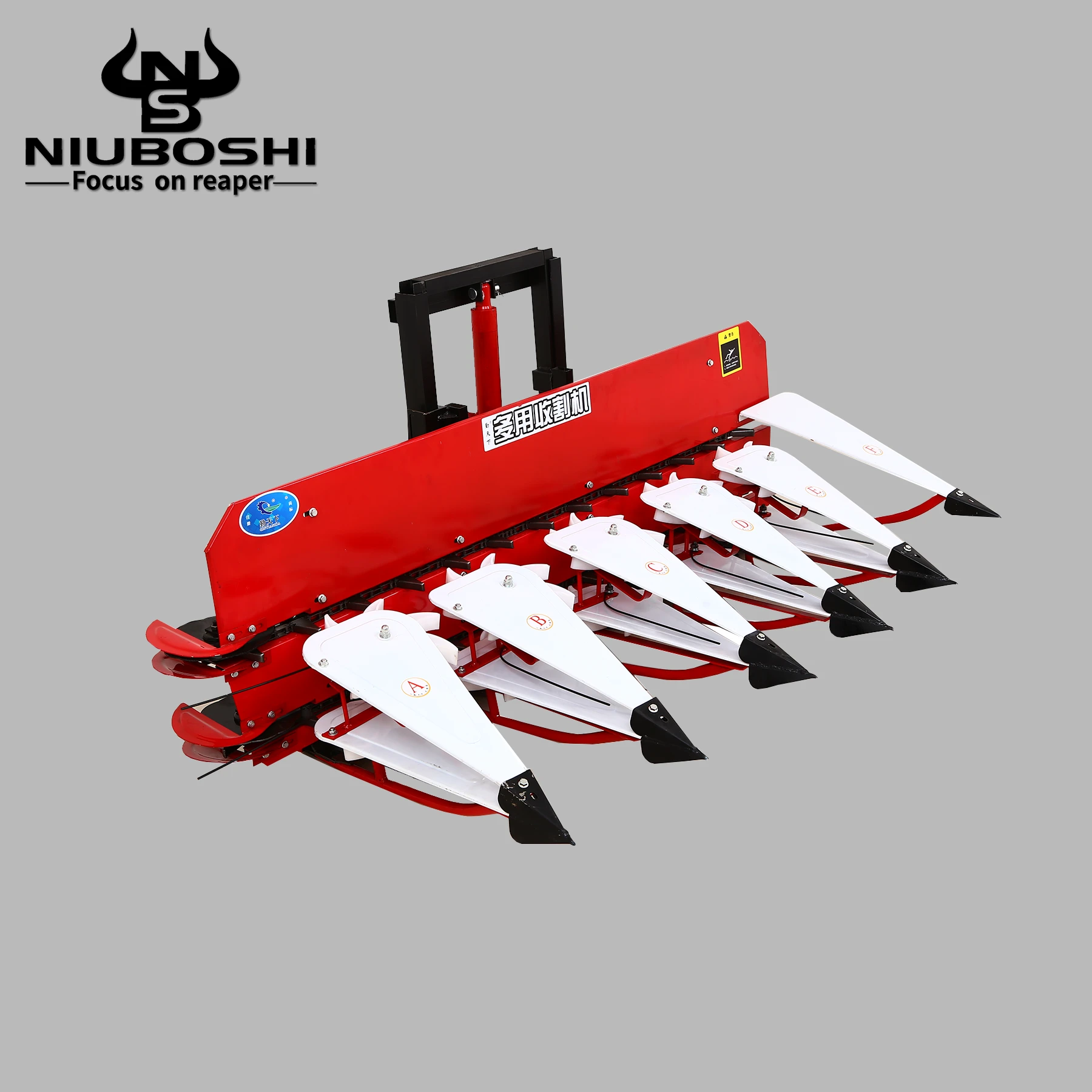
Efficient Small Wheat Harvester for Versatile Farming Needs
Small Wheat Harvester: Precision Meets Practicality
If you've spent time in the agricultural equipment world like I have, you know that the real challenge is marrying efficiency with size and versatility. The small wheat harvester is one of those machines that, frankly, doesn’t get as much spotlight as it deserves. But after years working alongside farmers and dealers, I’ve come to appreciate its quiet importance.
Most folks think harvesters need to be those monstrous behemoths. Yet in many mid-sized or hilly farms, bulky machines don't make sense. Oddly enough, that's where the small wheat harvester shines—nimble, efficient, and surprisingly robust for its size.
What strikes me first about these small harvesters is their thoughtful engineering. They’re designed with materials balancing strength and weight—usually high-strength steel frames paired with durable but lightweight panels. This combo means the harvester can maneuver tight fields without wearing down quickly. Many engineers I’ve spoken with emphasize the importance of corrosion resistance too; farms can be wet and dusty places, and these machines have to hold up season after season.
Testing and quality control also matter here. From what I’ve seen firsthand, reputable small wheat harvesters undergo rigorous field testing—sometimes for hundreds of hours—to ensure threshing efficiency and minimal grain loss. You can almost tell when a machine has been refined through trial and error rather than hastily put together. It feels like the difference between a well-tailored suit and off-the-rack clothing.
One farmer from Kansas shared his experience with me last season. He runs about 50 acres and had been struggling with oversized harvesters that would damage parts of his crop on the steeper slopes. Once he switched to a small wheat harvester, he noticed less grain wastage and faster turnaround times during harvest. It’s those individual stories that stick with me.
Now, in real terms, if you're evaluating these units, there’s a few key specs to keep an eye on:
| Specification | Typical Values |
|---|---|
| Engine Power | 30–50 HP |
| Harvesting Width | 1.2 to 1.5 meters |
| Weight | 900–1300 kg |
| Threshing Drum Speed | 700–1200 rpm (adjustable) |
| Grain Tank Capacity | 100–250 liters |
| Fuel Tank Capacity | 30–50 liters |
Comparing vendors is always a tricky dance—no two products are identical, and you often trade off price versus features or local support. Here’s a quick rundown I put together based on models I’ve had a chance to inspect or sell:
| Vendor | Price Range (USD) | Warranty | Notable Strength | Best For |
|---|---|---|---|---|
| HB Niuboshi | $8,000–$10,000 | 2 years | Durable frame & low fuel consumption | Small/medium farms, variable terrain |
| Sunflower Equip | $7,000–$9,000 | 1 year | Lightweight and easy to maintain | Beginner farmers, flat fields |
| AgriPro Tools | $9,500–$11,500 | 3 years with service plan | Advanced threshing tech & digital controls | Tech-savvy users, large production |
It’s clear there’s no one-size-fits-all here. The small wheat harvester from HB Niuboshi strikes me as a particularly balanced choice—solid build, fair price, and reliable after-sales support. I suppose the best advice is always to see the harvester in action yourself if you can. Moving a machine this size through real fields is the ultimate test.
At the end of the day, these machines may be “small,” but they’re mighty workhorses in many corners of the farm. They save time, reduce crop loss, and make harvest a more controlled, less stressful process. I find that kind of impact is often overlooked but truly valuable for the hardworking farmers out there.
A quick thought I always carry: sometimes efficiency isn’t about going big but about going smart. That’s the lesson from the small wheat harvester world.
- Field testing reports from agricultural machinery journals, 2023.
- Interview with midwestern small farm operators, 2023.
- Engineering insights from agricultural equipment expos, 2022.
Latest news
-
Maximize Harvest Efficiency with the Agro Reaper Binder MachineNewsApr.16,2026
-
Boost Harvest Efficiency with the Best Agriculture Reaper MachineNewsApr.09,2026
-
Revolutionizing Agriculture with the Efficient Agriculture Power ReaperNewsApr.07,2026
-
Comprehensive Guide to the 4 Wheel Reaper Binder for Efficient HarvestingNewsApr.04,2026
-
Comprehensive Guide to Reaperbinder Technology for Efficient Hay and Crop HarvestingNewsMar.31,2026
-
Mastering the Art of Reaper Cutting for Enhanced Agricultural EfficiencyNewsMar.28,2026