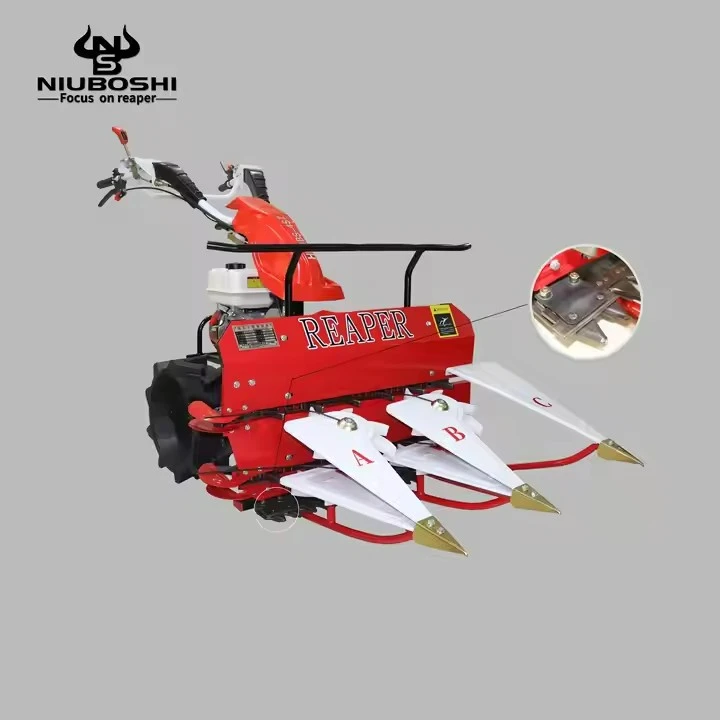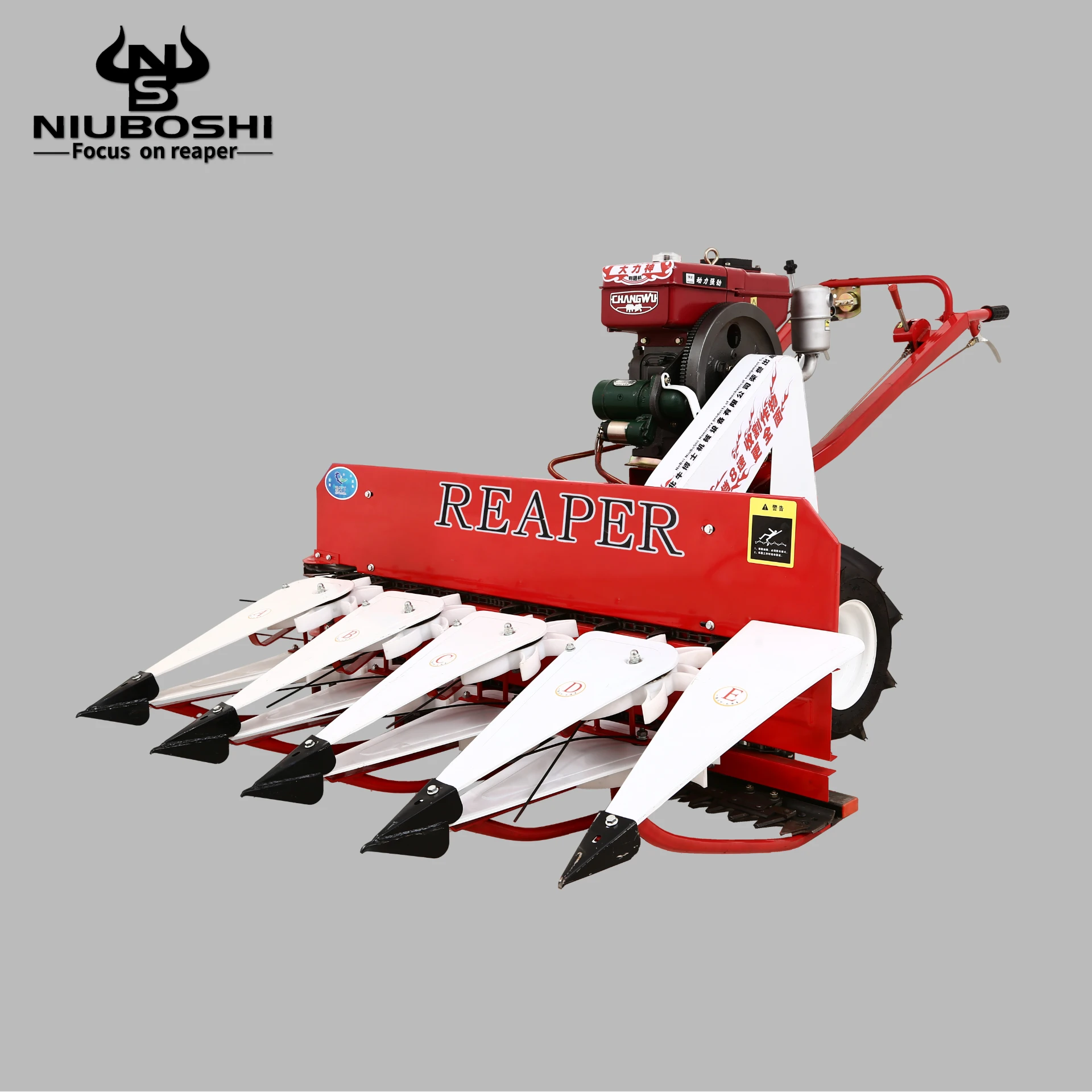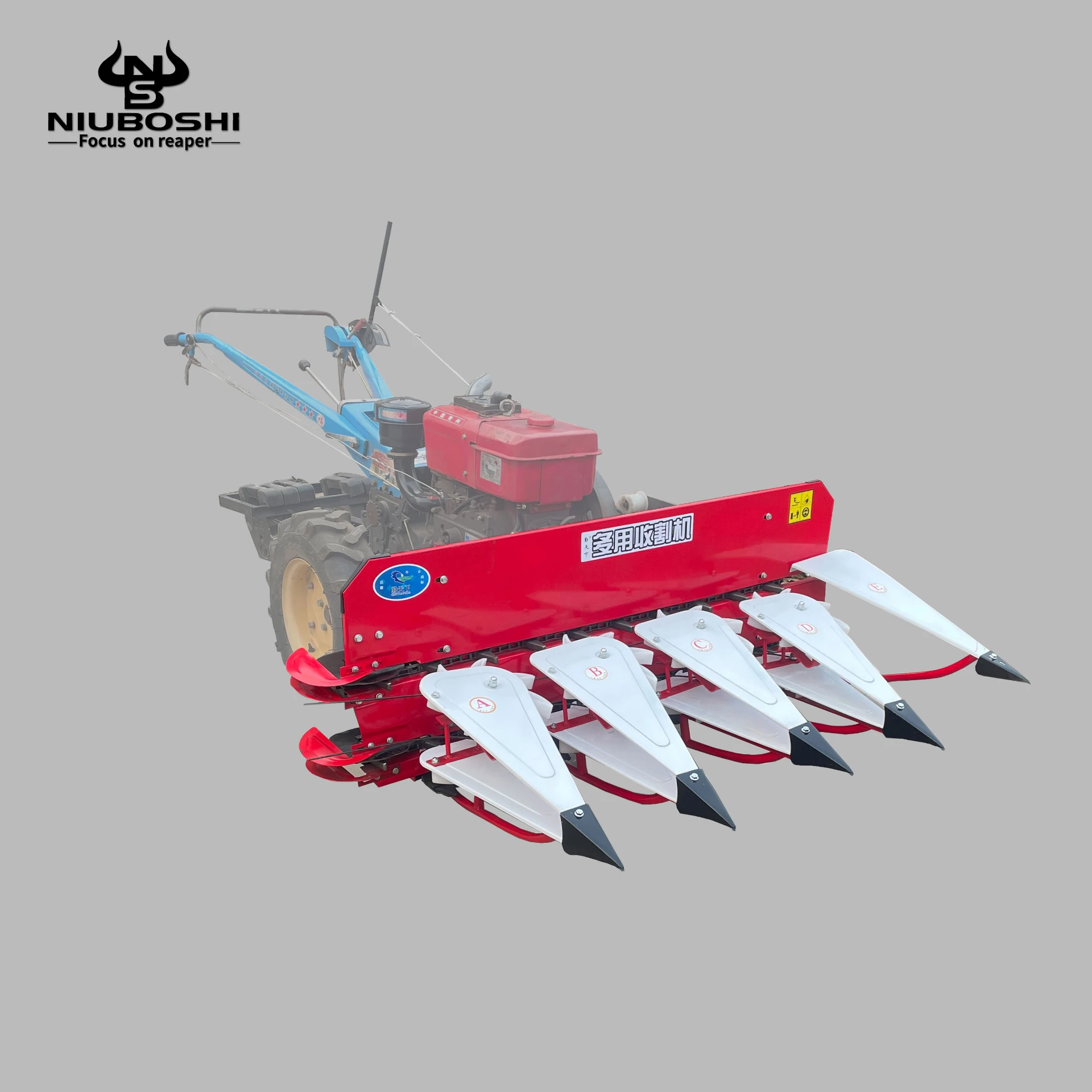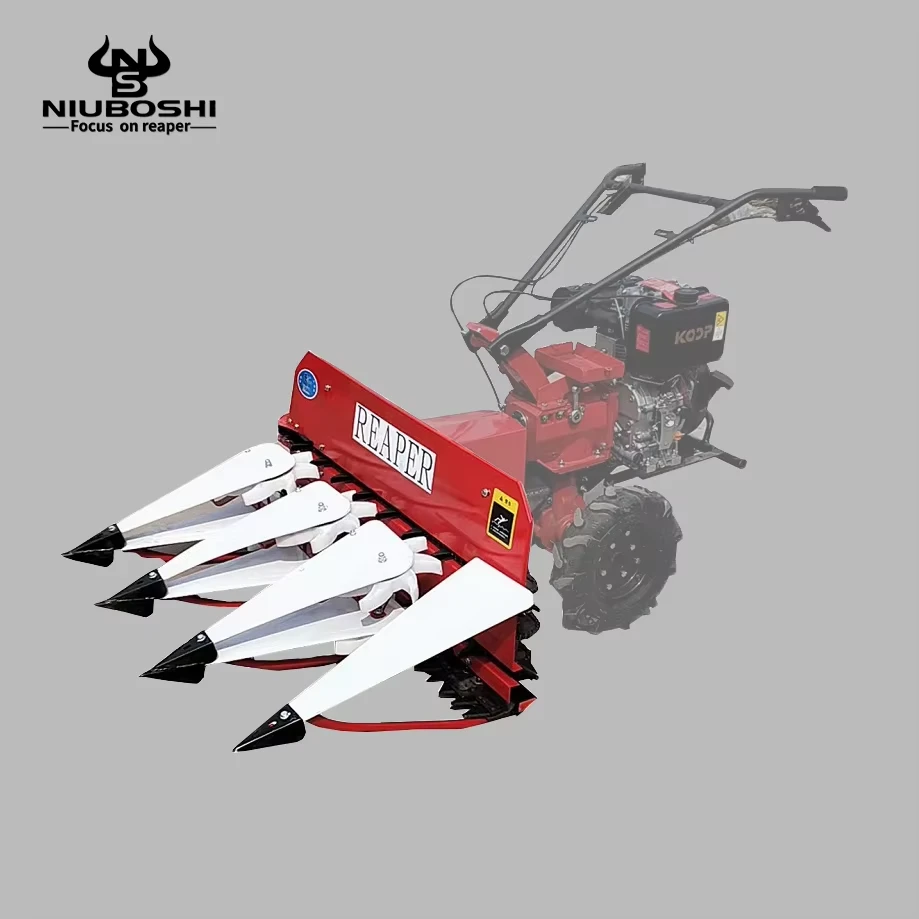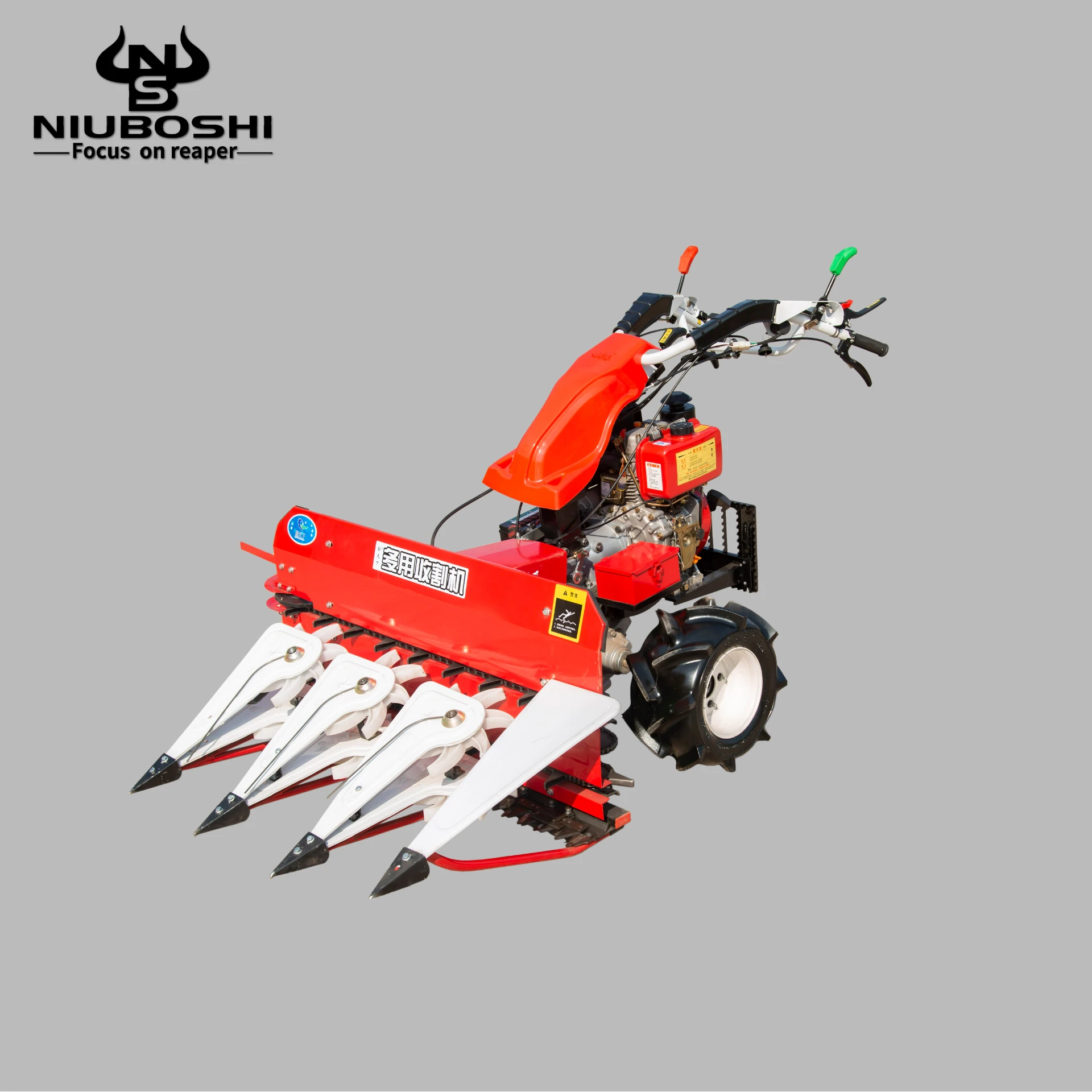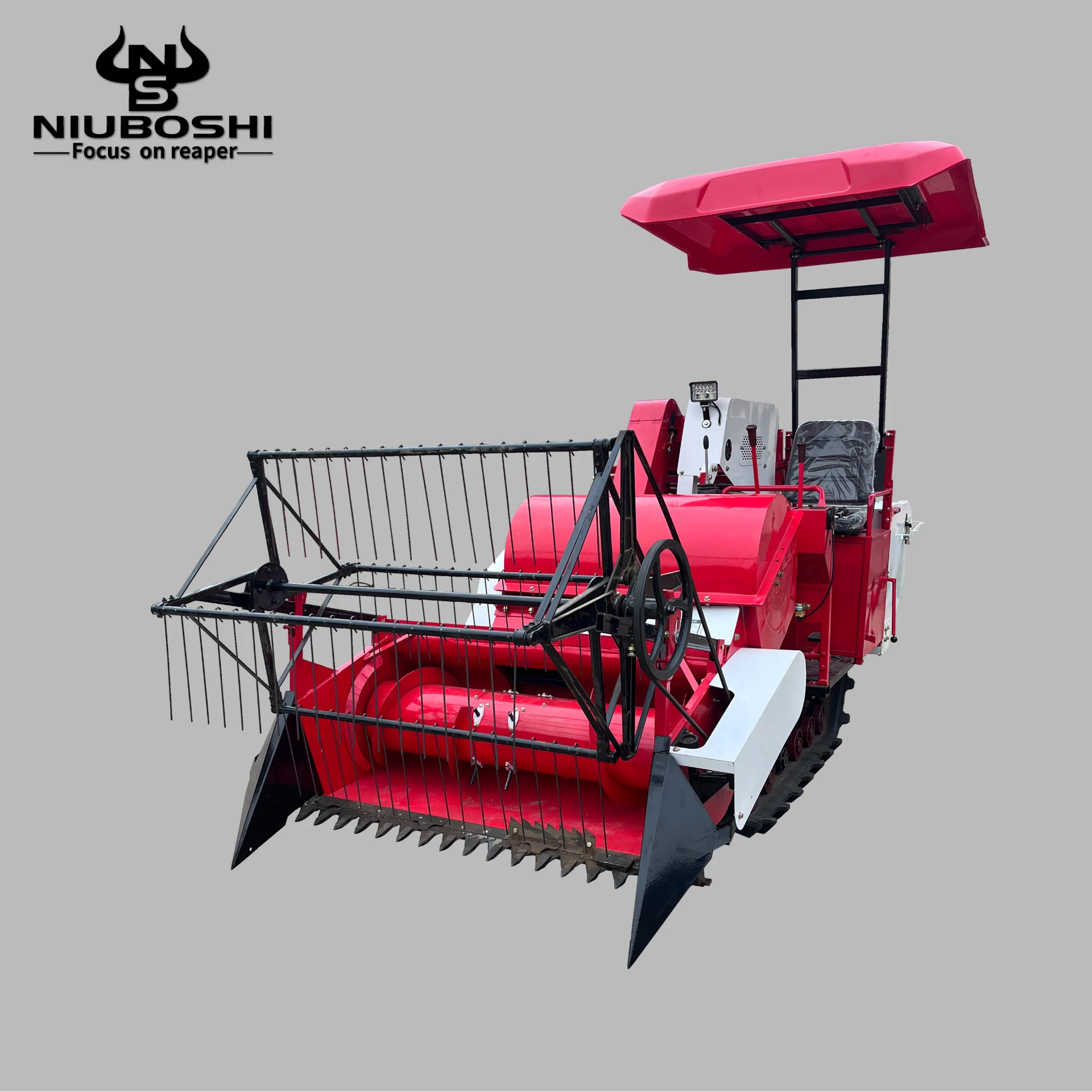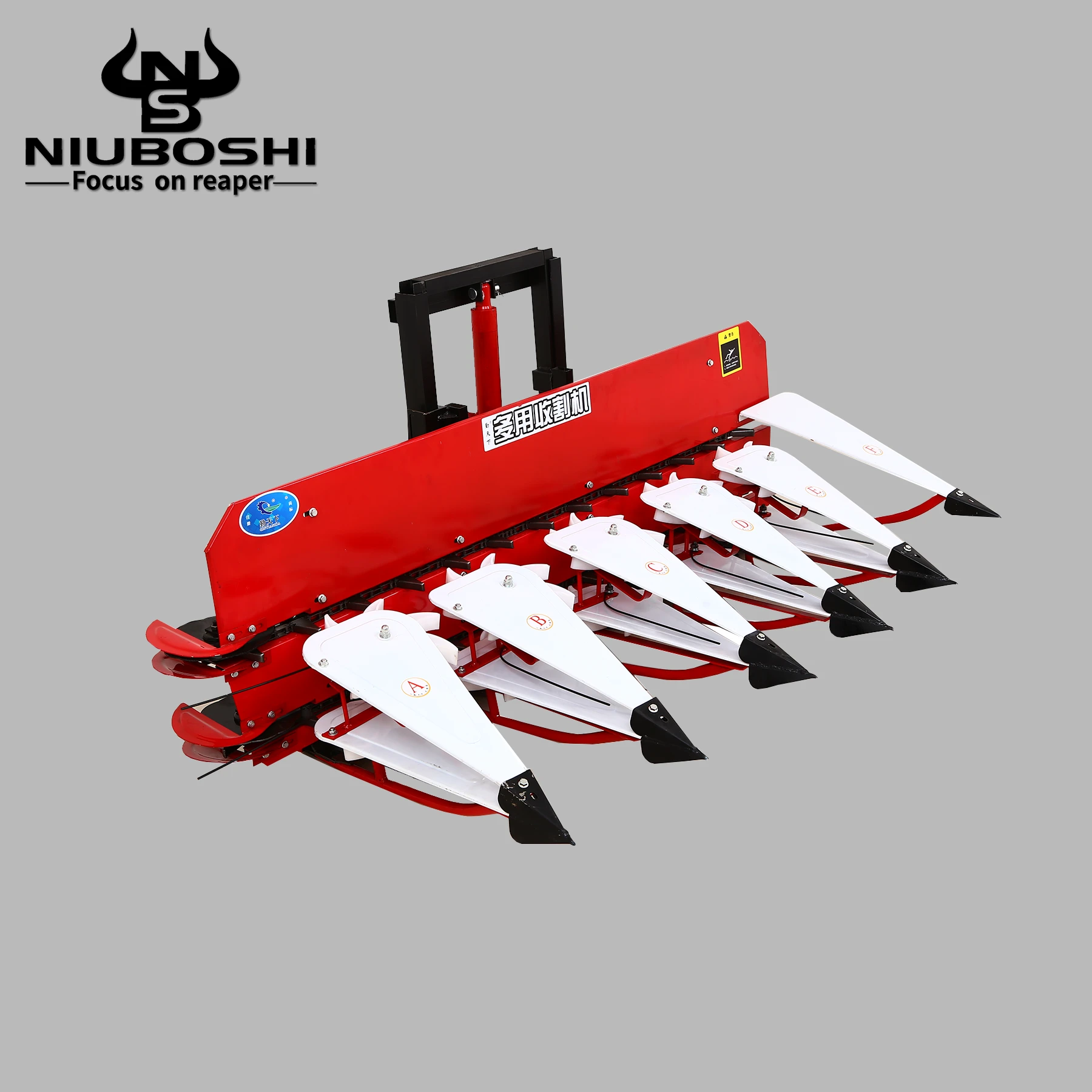
Multi Crop Mini Combine Harvester – Efficient, Affordable Agricultural Harvesting Solutions
What is a Multi Crop Mini Combine Harvester and Why Should You Care?
At first glance, a multi crop mini combine harvester sounds like a mouthful of agricultural jargon — but this little beast is quietly reshaping farming worldwide. By efficiently combining harvesting tasks for various crops into a compact, nimble machine, it addresses crucial challenges faced by farmers everywhere, especially those managing small or fragmented fields.
Globally, agriculture employs nearly 28% of the world’s workforce (FAO), and improving harvest efficiency can translate directly into food security, reduced labor costs, and sustainable farming — all critical as the world population edges toward 8 billion. Understanding how this machine works and why it matters offers insights into modern farming’s future and solutions for regions where large harvesters just aren’t practical.
In short: knowing your multi crop mini combine harvester means knowing a piece of farming’s essential puzzle.
The Global Stage: Why Multi Crop Mini Combine Harvesters Are More Relevant Than Ever
The agricultural landscape is shifting rapidly due to factors like climate change, urban migration, and land fragmentation. According to the UN’s Food and Agriculture Organization, smallholder farms represent around 84% of all farms worldwide but often struggle with mechanization due to rugged terrain or financial constraints.
Multi crop mini combine harvesters have emerged as a global game changer — small enough to navigate tight plots, yet powerful enough to harvest wheat, rice, barley, maize, and more. This versatility addresses the patchwork farming typical to Asia, Africa, and parts of Latin America. Plus, declining rural workforces mean labor-saving technology is no longer optional but necessary.
Challenges tackled by these machines include:
- Limited access to large-scale machinery
- Fragmented landholdings needing adaptable tools
- The demand for cost-effective, fuel-efficient equipment
- Pressure to reduce post-harvest losses and improve yield quality
It’s no wonder international development programs and NGOs are increasingly supporting these versatile machines for rural communities.
Defining the Multi Crop Mini Combine Harvester: A Primer
Simply put, a multi crop mini combine harvester is a compact agricultural machine designed to reap, thresh, and winnow various grain crops in a single pass. Unlike their massive cousins, these mini combines typically have engine powers ranging from 20 to 50 HP, are lightweight, and can handle multiple crop types with adjustable headers and threshing mechanisms.
They represent an intersection of modern industry demands and humanitarian needs — bringing mechanized productivity within reach of smaller-scale or resource-limited farmers, while reducing drudgery and boosting timely harvests.
Mini Takeaway:
If you think of harvesting as a complex dance of cutting, threshing, and cleaning, the multi crop mini combine harvester is like a nimble partner that can waltz through many types of fields without missing a beat.
Key Factors That Make Multi Crop Mini Combine Harvesters Tick
1. Versatility Across Crops
One of the biggest draws is its ability to switch between crops like rice, wheat, and maize — sometimes even soybeans or millet — with minimal modifications. This flexibility maximizes farmer investment and suits regions with diverse cropping patterns.
2. Compact Size and Maneuverability
Unlike large combines that require expansive fields, minis can operate in tight, irregular plots often found in hilly or fragmented farmland. Lightweight frames help reduce soil compaction too, preserving land health.
3. Fuel Efficiency and Cost Control
Lower horsepower means less fuel consumption, which is a financial boon for smallholders. Maintenance costs tend to be manageable, and many models feature simple designs to ease repairs—often doable locally without specialized tools.
4. Durability and Build Quality
Farm environments are gritty and demanding. Quality manufacturing and materials extend working life, while replaceable parts ensure machines can be kept running season after season.
5. Ease of Operation
Many farmers are not formally trained machinists, so user-friendly controls, clear displays, and low learning curves matter immensely. Some machines even incorporate basic digital tech for monitoring work progress.
Mini Takeaway:
These factors combined create a tool that’s neither too fragile nor overly complex — well suited to real-world farm conditions where simplicity often outperforms sophistication.
Where in the World Are These Machines Making an Impact?
The multi crop mini combine harvester is already heavily employed across Southeast Asia, India, parts of Africa, and South America. For example:
- India: Small farms with mixed cropping cycles rely on minis during peak harvest windows, boosting productivity and reducing labor shortages.
- Nepal and Bhutan: Mountainous terrain limits use of large machines, making mini combines ideal for terraced fields.
- Kenya and Nigeria: Agricultural cooperatives leverage minis to streamline maize and millet harvests, improving income stability.
- Post-disaster recovery: NGOs have deployed these machines to restore agricultural production after floods or droughts, where quick and affordable harvesting is paramount.
This geographic diversity shows how adaptable and strategically important these machines are in many contexts.
Advantages and the Long-Term Value of Investing in a Multi Crop Mini Combine Harvester
Practical benefits are easy to spot:
- Cost Savings: Less labor, less fuel, and lower maintenance mean lower operational costs.
- Sustainability: Smaller size means less soil damage and emissions — a good fit with sustainable farming initiatives.
- Social Impact: Farmers gain dignity with mechanized tools that replace back-breaking manual labor.
- Reliability: Many models are proven under tough conditions, which builds trust and reduces downtime.
Emotionally, these machines often symbolize progress and self-reliance for smallholder farmers aiming to improve livelihoods.
Looking Ahead: Innovations and Trends in Mini Combine Harvesters
Tech advancements are quietly redefining these machines. Some promising directions include:
- Hybrid and electric powertrains: Reducing reliance on diesel and providing cleaner operation.
- Smart sensors and IoT: Enabling remote monitoring of performance, fuel use, and maintenance needs.
- Crop-specific modular attachments: Faster switching between crop types tailored to local needs.
- Lightweight composite materials: Enhancing durability while reducing weight further.
These innovations not only improve machine capabilities but help align agriculture with global sustainability goals (ISO 14001 compliance, for example).
Current Challenges and How They’re Being Addressed
Despite breakthroughs, challenges remain:
- Initial Cost: Even minis can be a steep upfront investment for many farmers.
- Training and Support: Proper operation requires training, sometimes lacking in remote areas.
- Parts Availability: Maintenance can stall without accessible spare parts.
Experts suggest blended approaches to overcome these issues, such as microfinance schemes, farmer cooperatives pooling purchases, manufacturer partnerships for local servicing, and mobile training units. These strategies promise to bring these machines into wider circulation.
Multi Crop Mini Combine Harvester Specifications Comparison
| Specification | Model A | Model B | Model C |
|---|---|---|---|
| Engine Power | 35 HP | 28 HP | 40 HP |
| Crop Compatibility | Wheat, Rice, Barley | Maize, Millet, Sorghum | Multi (5+ crops) |
| Weight | 1100 kg | 950 kg | 1250 kg |
| Fuel Tank Capacity | 22 liters | 18 liters | 25 liters |
| Operating Width | 1500 mm | 1300 mm | 1600 mm |
Vendor Comparison Table: Leading Multi Crop Mini Combine Harvester Suppliers
| Vendor | Price Range (USD) | Warranty | After-Sales Service | Regional Availability |
|---|---|---|---|---|
| AgroMach Solutions | $4,800 - $6,200 | 2 years | Full support, spare parts stock | Asia, Africa |
| HarvestTech Co. | $5,100 - $6,800 | 3 years | Online & on-site service options | Global |
| FieldMaster Equipment | $4,500 - $5,900 | 1.5 years | Limited local partnerships | South America, Asia |
FAQ: Your Questions About Multi Crop Mini Combine Harvesters
Q1: Can a multi crop mini combine harvester handle rice and wheat equally well?
Yes, most quality mini combines are designed with adjustable headers and threshing settings to process both rice and wheat efficiently. However, depending on the model, some tweaking between crops is needed to optimize performance and minimize grain loss.
Q2: How easy is it to maintain these machines in remote rural areas?
Maintenance is relatively straightforward if you have basic mechanical skills. Many models feature modular parts that can be replaced individually. Also, vendors often provide manuals and training. Nonetheless, access to spare parts can be a challenge, which is why choosing a reputable supplier with local support matters.
Q3: What is the typical fuel consumption during harvest?
On average, a mini combine uses between 2 to 4 liters of diesel per hour depending on field conditions and workload. This is far less than a full-size combine, making them economical for small farmers.
Q4: Are multi crop mini combine harvesters suitable for uneven or hilly terrain?
Many mini combines handle gentle slopes well due to their lightweight design. For very steep or rocky terrain, specialized versions exist, but otherwise, extreme landscapes may require different harvesting methods.
Q5: How can smallholder farmers afford these machines?
Purchasing may be made affordable through cooperative ownership, micro-loans, or leasing programs sponsored by NGOs or governments. Renting the machine during harvest is another common approach to optimize costs.
Conclusion: Why Investing in a Multi Crop Mini Combine Harvester Makes Sense
The multi crop mini combine harvester is more than just a farming tool — it’s a bridge between tradition and modernization, smallholders and efficient productivity, promise and practicality. Bringing mechanized harvesting within reach of diverse farmers while respecting the constraints of small landholdings and limited budgets is a huge leap forward.
As technology advances and adoption spreads, these machines will continue being critical in feeding a growing global population sustainably. If you want to explore a reliable and versatile multi crop mini combine harvester that suits your needs, do visit our website and see what options await you.
References
Latest news
-
Maximize Harvest Efficiency with the Agro Reaper Binder MachineNewsApr.16,2026
-
Boost Harvest Efficiency with the Best Agriculture Reaper MachineNewsApr.09,2026
-
Revolutionizing Agriculture with the Efficient Agriculture Power ReaperNewsApr.07,2026
-
Comprehensive Guide to the 4 Wheel Reaper Binder for Efficient HarvestingNewsApr.04,2026
-
Comprehensive Guide to Reaperbinder Technology for Efficient Hay and Crop HarvestingNewsMar.31,2026
-
Mastering the Art of Reaper Cutting for Enhanced Agricultural EfficiencyNewsMar.28,2026