Comprehensive Guide to Selecting the Right Grain Harvester for Optimal Yields
The Ultimate Guide to Grain Harvesters
Grain harvesting is a crucial process in agriculture, and selecting the right grain harvester is paramount for efficiency and yield. This article provides a comprehensive overview of grain harvesters, covering their types, features, benefits, and considerations for choosing the best machine for your needs. Whether you’re a small-scale farmer or managing a large agricultural operation, understanding these machines is vital for maximizing your harvest. We'll explore the latest technologies and how they contribute to optimized grain harvesting.
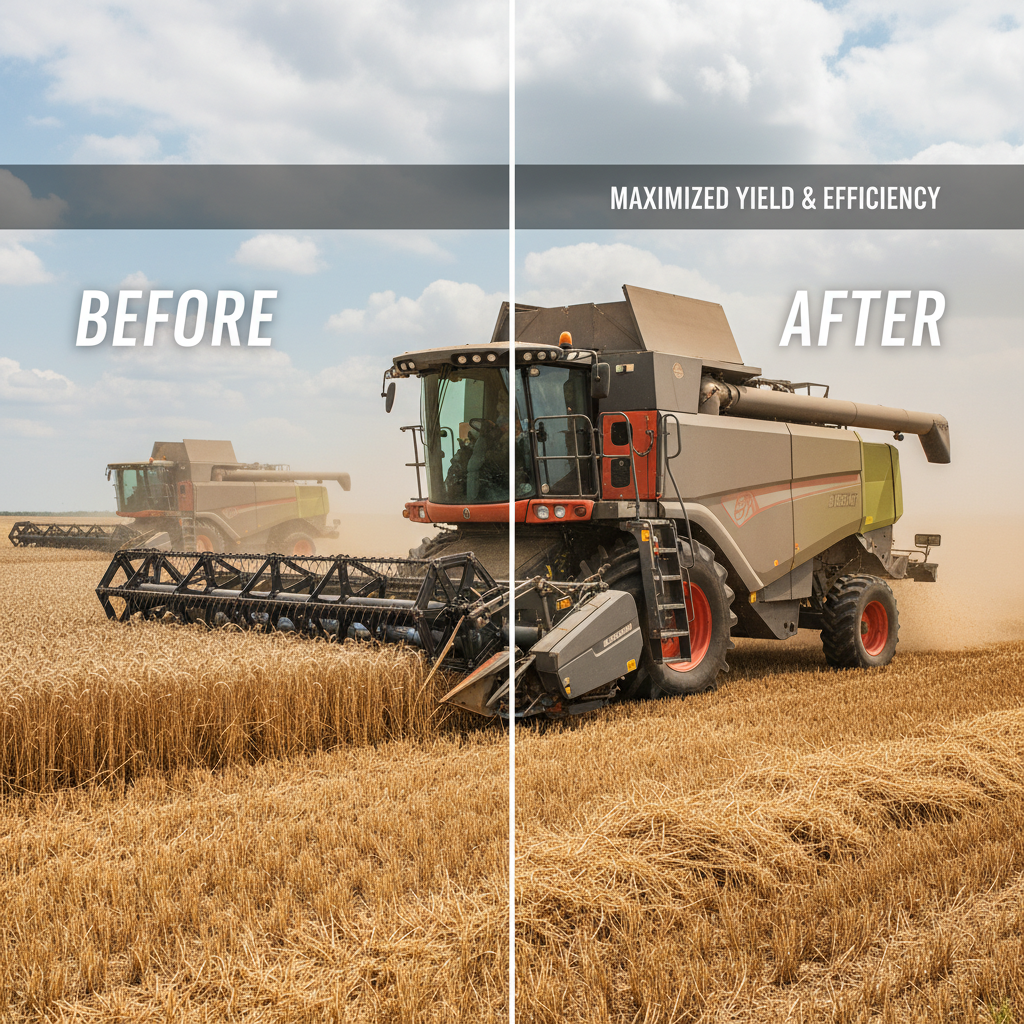
Types of Grain Harvesters
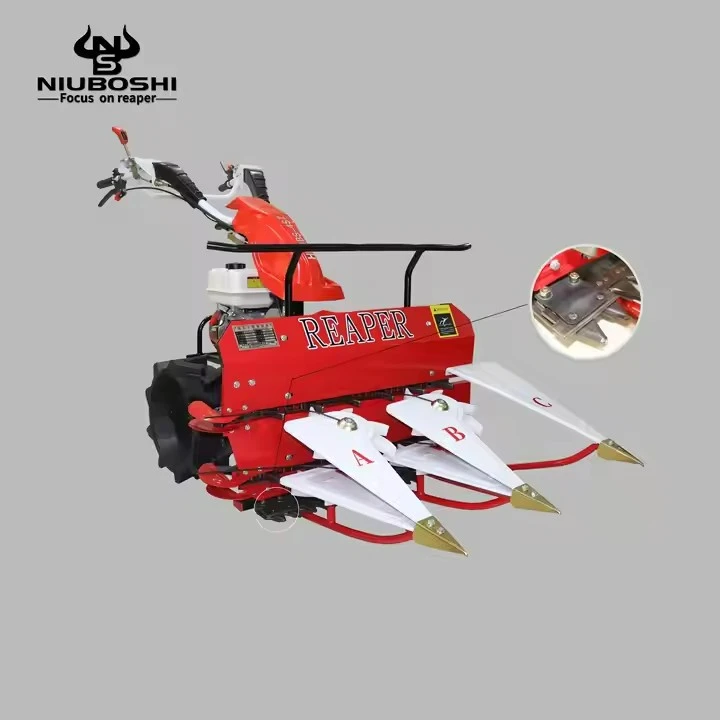
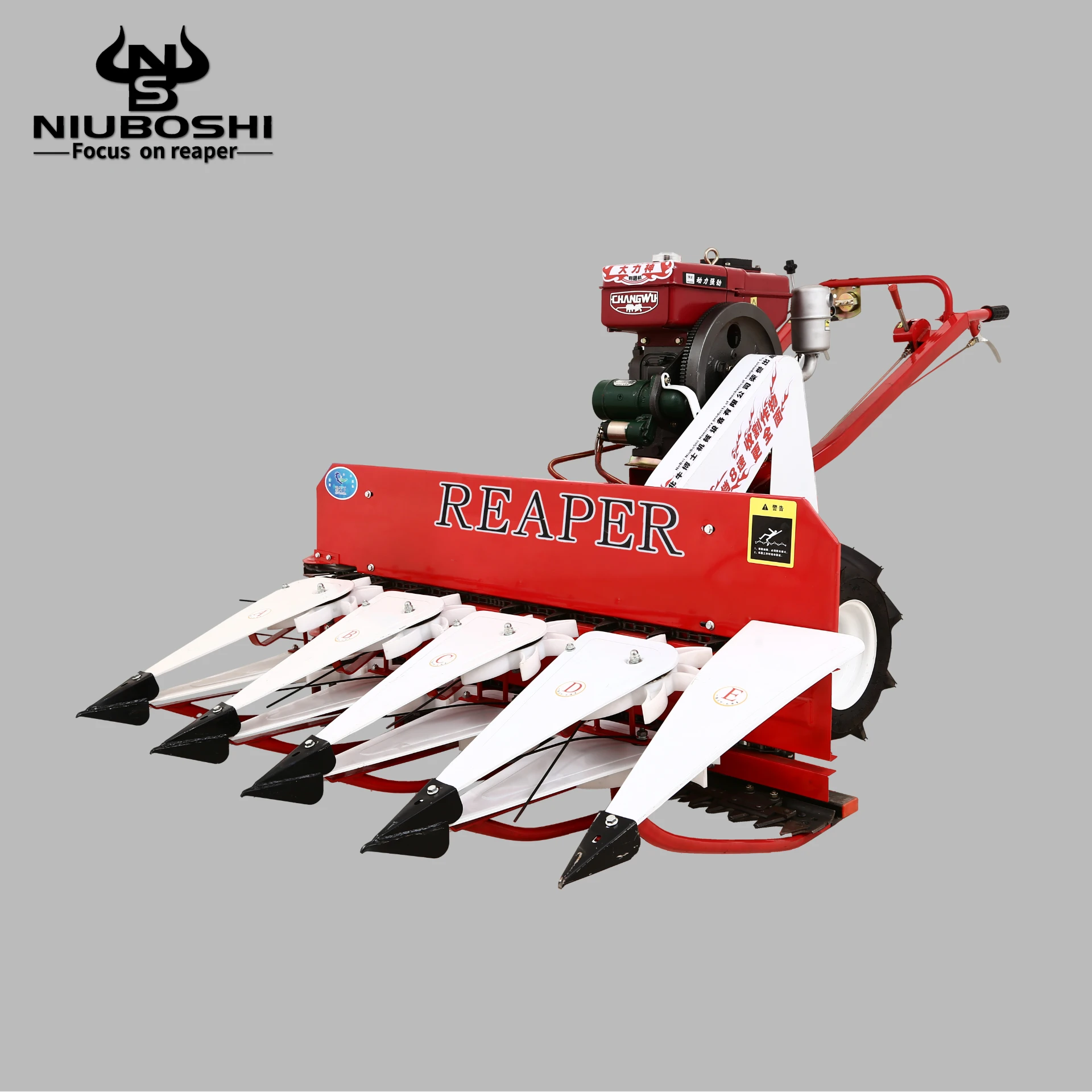
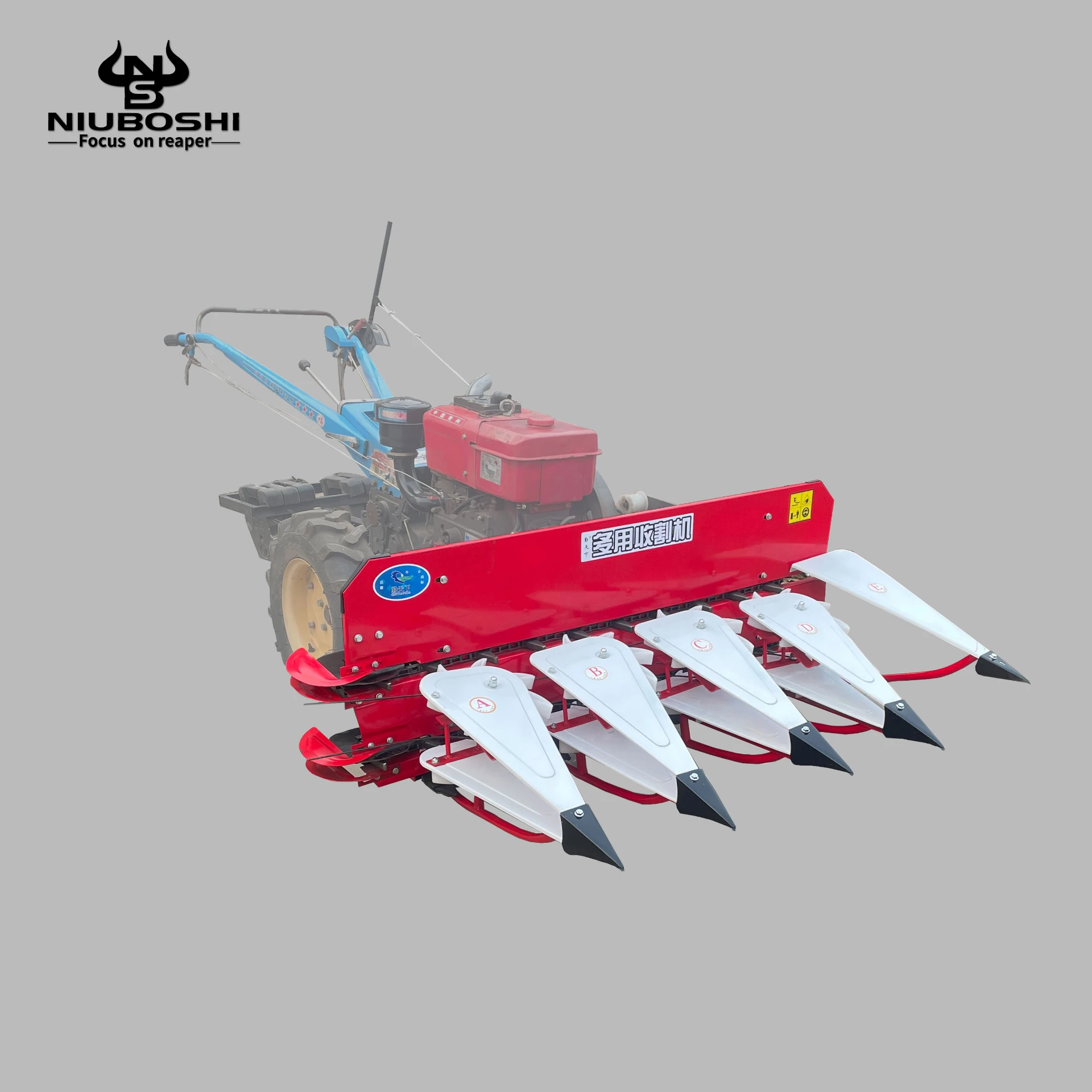
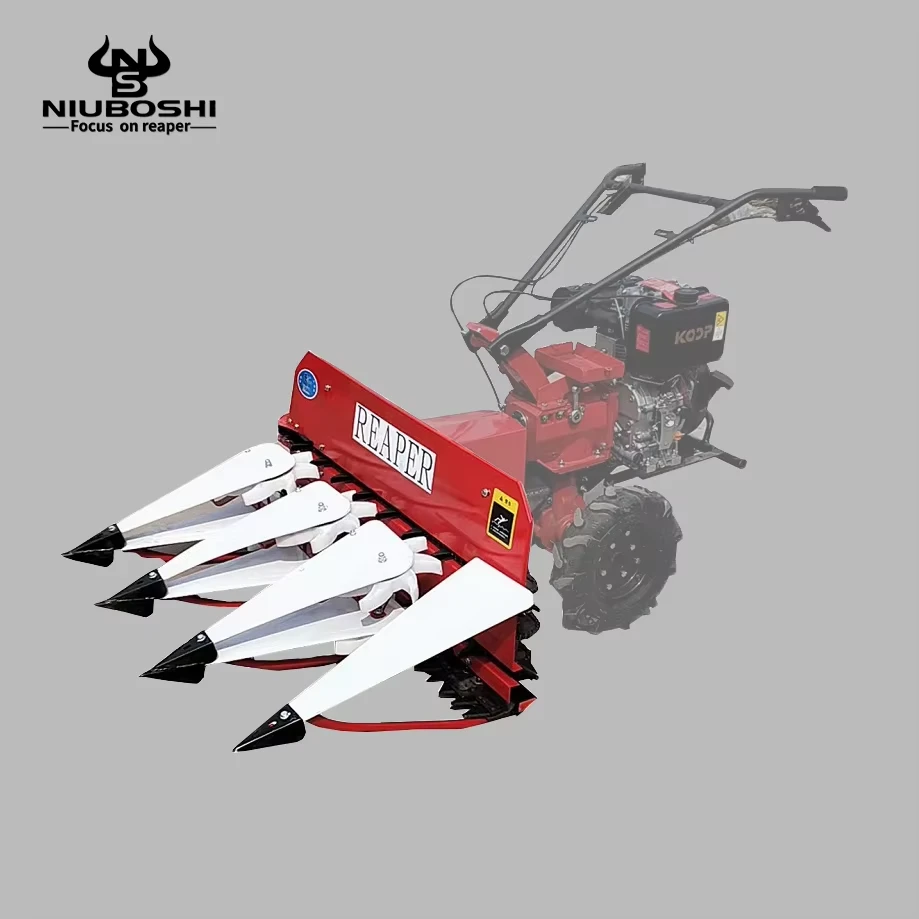
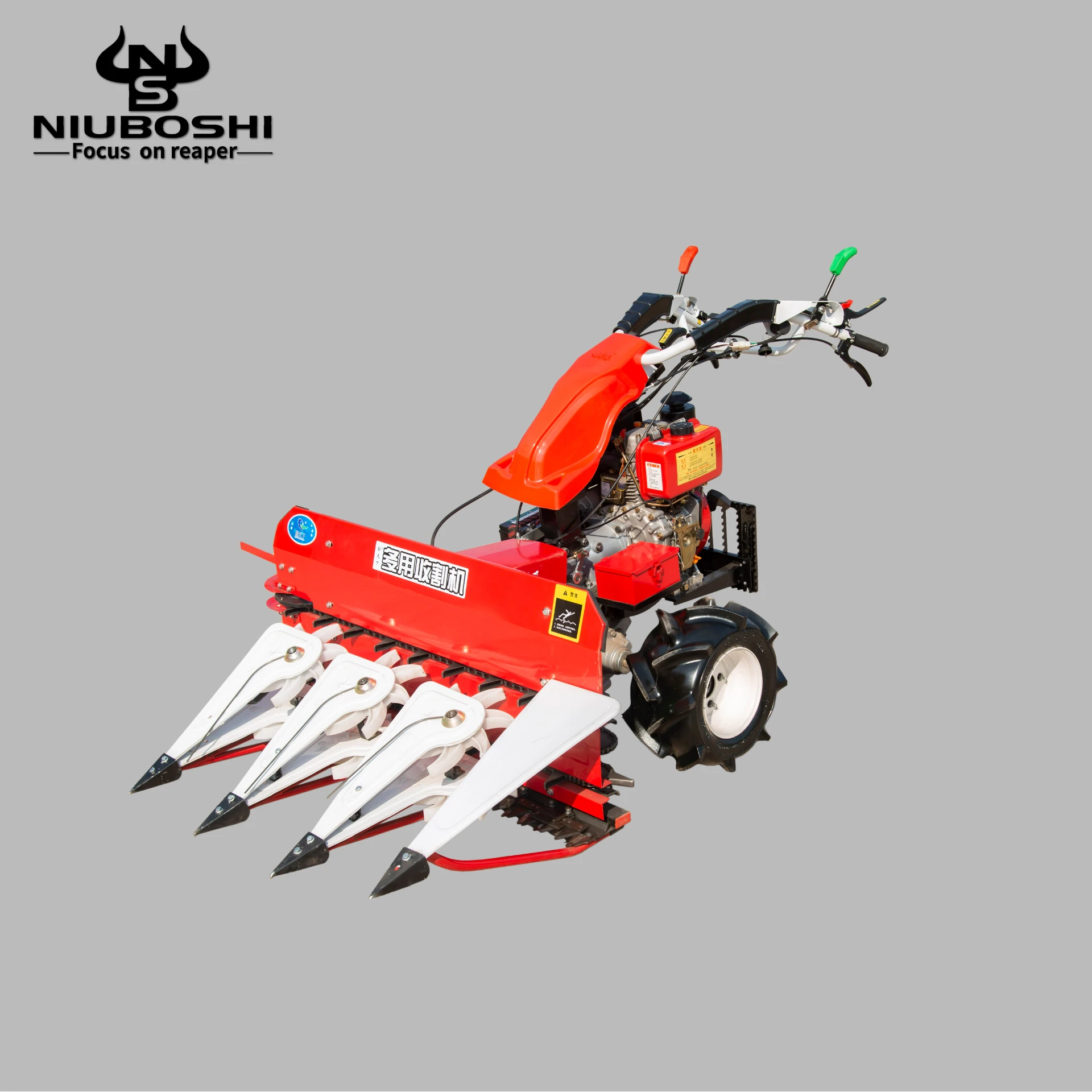
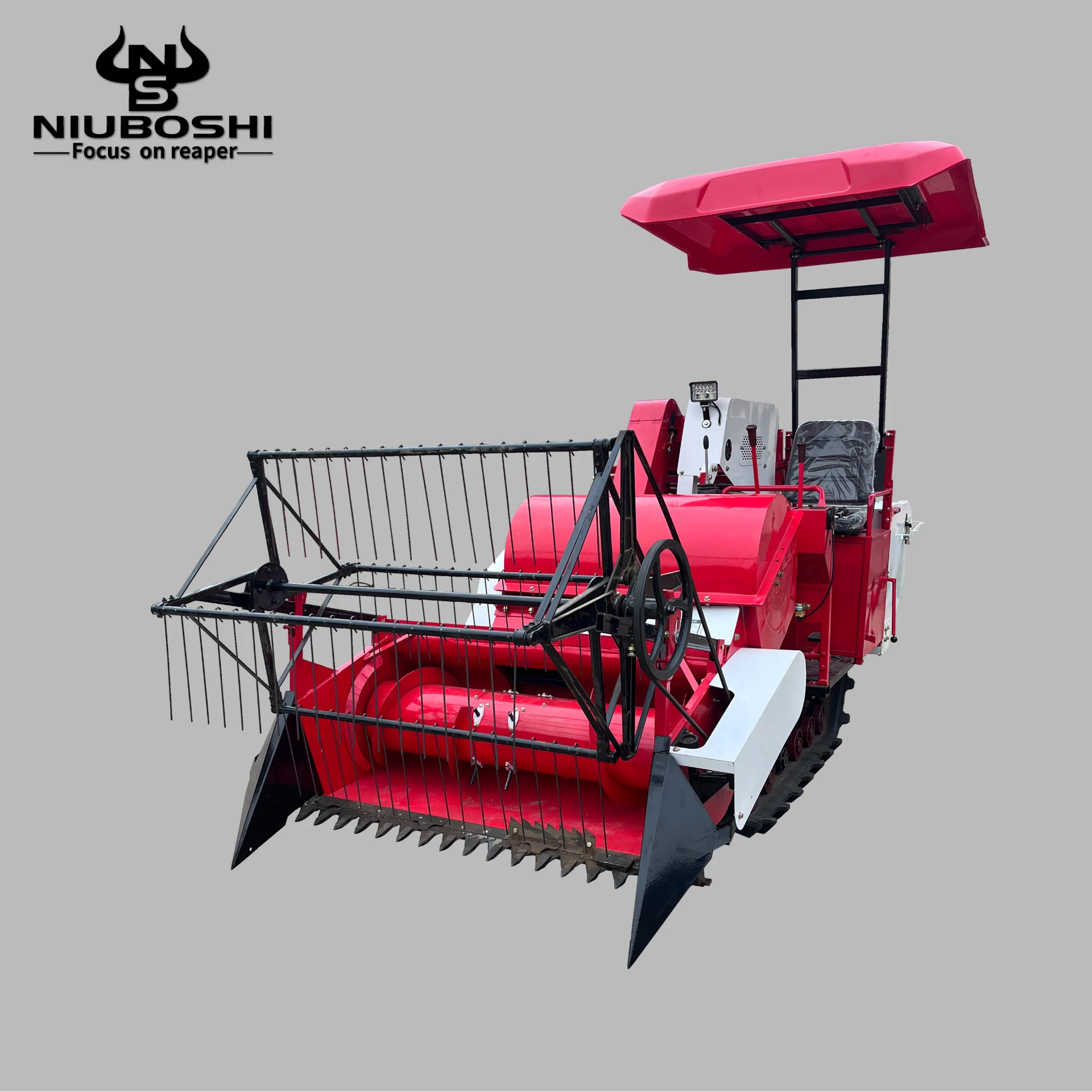
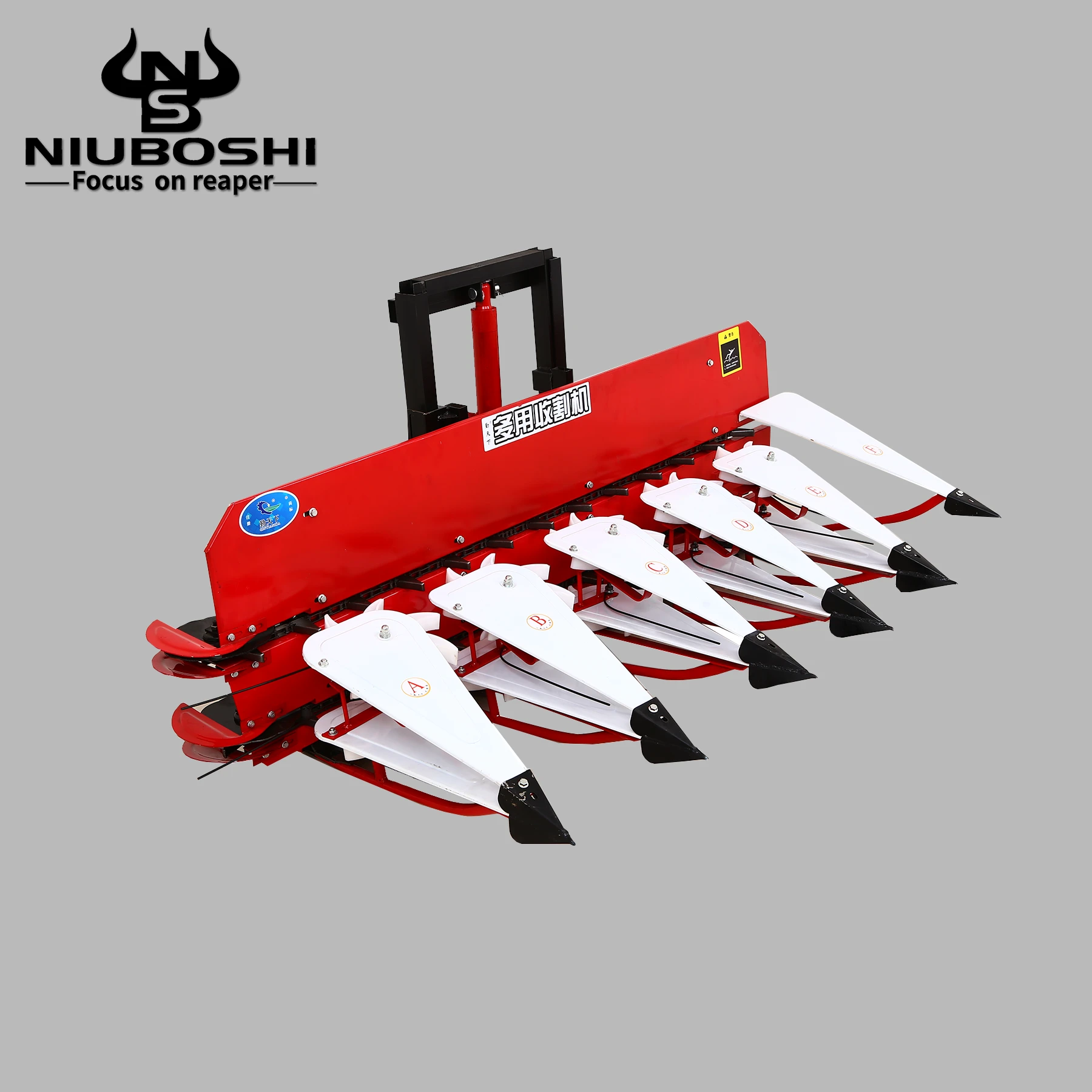
There are several types of grain harvesters available, each suited for different crops and farming scales. The most common types include combine harvesters, which perform multiple operations – reaping, threshing, gathering, and winnowing – in a single process. There are also specialized harvesters for specific grains like corn or rice. Self-propelled harvesters offer greater maneuverability and speed, while pull-type harvesters are more affordable and require a tractor. Understanding the differences between these types is the first step in selecting the right machine for your operation. The optimal choice depends on factors such as acreage, crop type, and budget. NiuBoshi provides a diverse range of grain harvesters to suit various agricultural needs.
Key Types: Combine harvesters, Self-propelled harvesters, Pull-type harvesters, and Specialized harvesters (corn, rice).
Key Features to Consider in a Grain Harvester
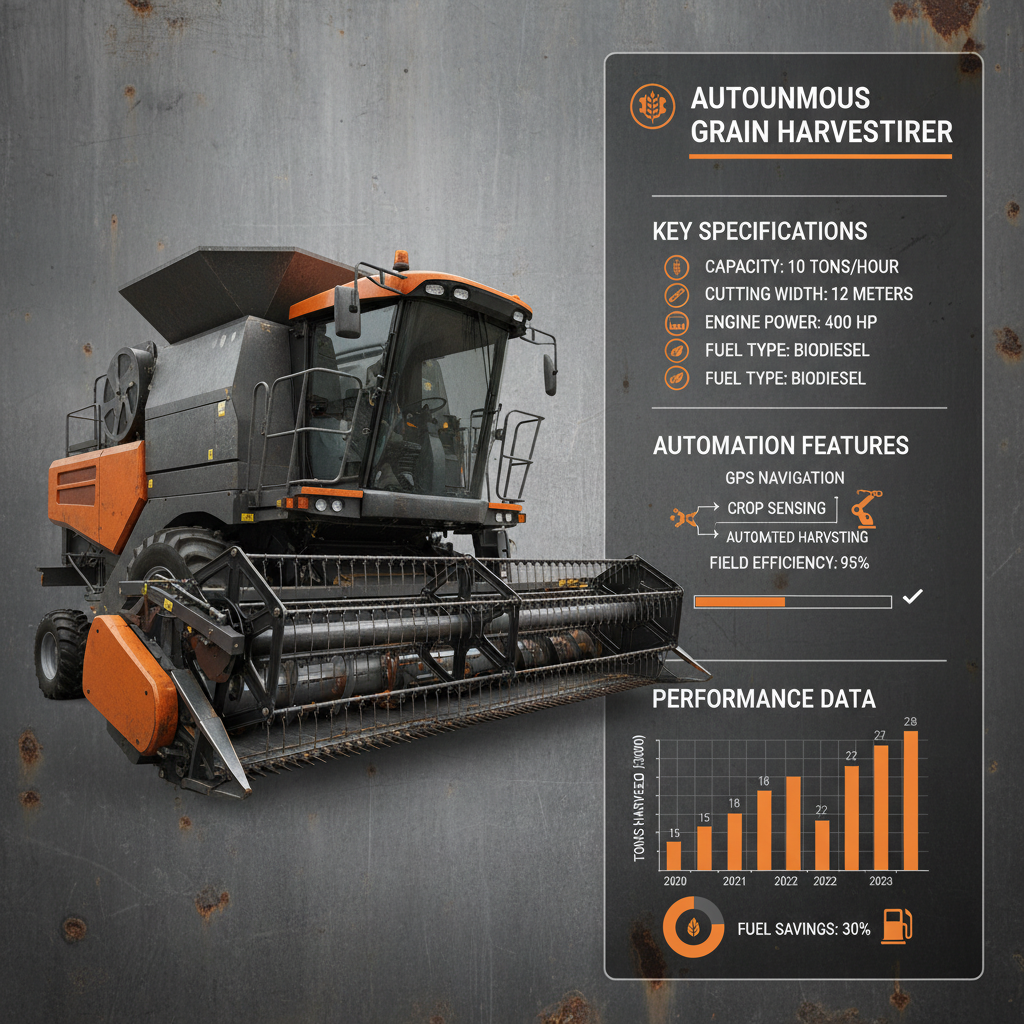
When choosing a grain harvester, several key features should be considered. These include the machine's capacity (measured in bushels per hour), engine power, fuel efficiency, and cutting width. Advanced features like GPS guidance, yield monitoring systems, and automatic header height control can significantly improve harvesting accuracy and efficiency. The threshing system is also crucial, as it determines how effectively the grain is separated from the chaff. Consider the type of grain you'll be harvesting and ensure the machine's threshing system is appropriate. Durability and ease of maintenance are also important factors to keep in mind.
Essential Features:
• Capacity (bushels per hour)
• Engine Power & Fuel Efficiency
• Cutting Width
• GPS Guidance & Yield Monitoring
Grain Harvester Comparison: Key Models
Comparing different grain harvester models can be challenging. Factors like price, features, and performance vary significantly. Here's a comparison of some popular models:
The Benefits of Investing in a Modern Grain Harvester
Investing in a modern grain harvester offers numerous benefits, including increased efficiency, reduced grain loss, and improved harvest quality. Automated features minimize operator fatigue and enhance precision. Modern harvesters also often incorporate data analytics, providing insights into yield, moisture content, and other critical parameters. These data points can be used to optimize farming practices and improve future yields. NiuBoshi's harvesters are designed with these benefits in mind, offering reliable performance and cutting-edge technology.
Maintenance and Longevity of Your Grain Harvester
Proper maintenance is crucial for ensuring the longevity and optimal performance of your grain harvester. Regular checks of belts, chains, and filters are essential. Lubrication of moving parts helps reduce wear and tear. It's also important to store the harvester in a dry, sheltered location during the off-season. Following the manufacturer's recommended maintenance schedule will help prevent costly repairs and extend the lifespan of your machine. NiuBoshi provides comprehensive maintenance support and spare parts for all its grain harvesters.
Conclusion: Choosing the Right Grain Harvester for Your Farm
Selecting the right grain harvester is a significant investment that can greatly impact your farm's productivity and profitability. By carefully considering your needs, comparing different models, and prioritizing proper maintenance, you can ensure a successful harvest for years to come. NiuBoshi is committed to providing innovative and reliable grain harvesting solutions to farmers worldwide.
Frequently Asked Questions (FAQs)
What factors should I consider when choosing a grain harvester?
Several factors are crucial to consider. These include the size of your farm, the types of crops you'll be harvesting, your budget, and the terrain of your land. Consider features like capacity, engine power, fuel efficiency, and the availability of advanced technologies such as GPS guidance and yield monitoring. Also, think about the long-term cost of ownership, including maintenance and spare parts. Different harvesters are suited for different applications, so understanding your specific needs is essential.
How often should I perform maintenance on my grain harvester?
Regular maintenance is vital. Daily checks should include inspecting fluid levels, belts, and chains. After each use, clean the harvester thoroughly to remove debris. Follow the manufacturer's recommended maintenance schedule for more detailed tasks, such as oil changes, filter replacements, and lubrication. Annual inspections by a qualified technician are also recommended to identify and address potential issues before they become major problems.
What is the role of GPS guidance in grain harvesting?
GPS guidance systems enhance precision and efficiency during grain harvesting. They allow the harvester to follow pre-programmed routes, minimizing overlaps and ensuring complete coverage of the field. This reduces grain loss, optimizes harvesting patterns, and saves fuel. Furthermore, GPS guidance can be integrated with yield monitoring systems to create detailed maps of field performance, enabling data-driven decision-making for future plantings.
Are there different types of threshing systems?
Yes, there are several types of threshing systems, including conventional, axial-flow, and rotary. Conventional systems use a rasp bar and concave to separate grain from the head, while axial-flow systems use a rotating rotor. Rotary systems utilize a combination of both. The best type depends on the crop being harvested. Axial-flow systems are often preferred for crops with long straws, while conventional systems are suitable for crops with shorter straws.
Latest news
-
Maximize Harvest Efficiency with the Agro Reaper Binder MachineNewsApr.16,2026
-
Boost Harvest Efficiency with the Best Agriculture Reaper MachineNewsApr.09,2026
-
Revolutionizing Agriculture with the Efficient Agriculture Power ReaperNewsApr.07,2026
-
Comprehensive Guide to the 4 Wheel Reaper Binder for Efficient HarvestingNewsApr.04,2026
-
Comprehensive Guide to Reaperbinder Technology for Efficient Hay and Crop HarvestingNewsMar.31,2026
-
Mastering the Art of Reaper Cutting for Enhanced Agricultural EfficiencyNewsMar.28,2026