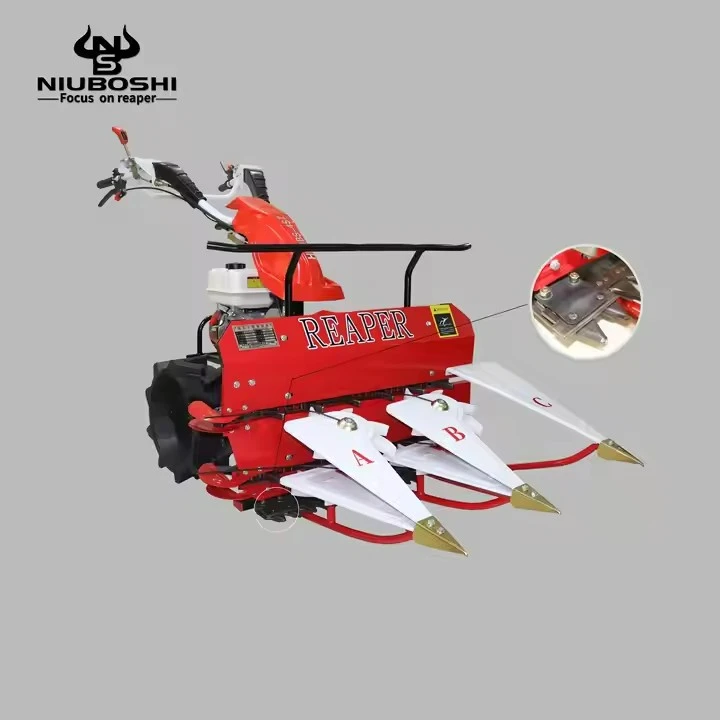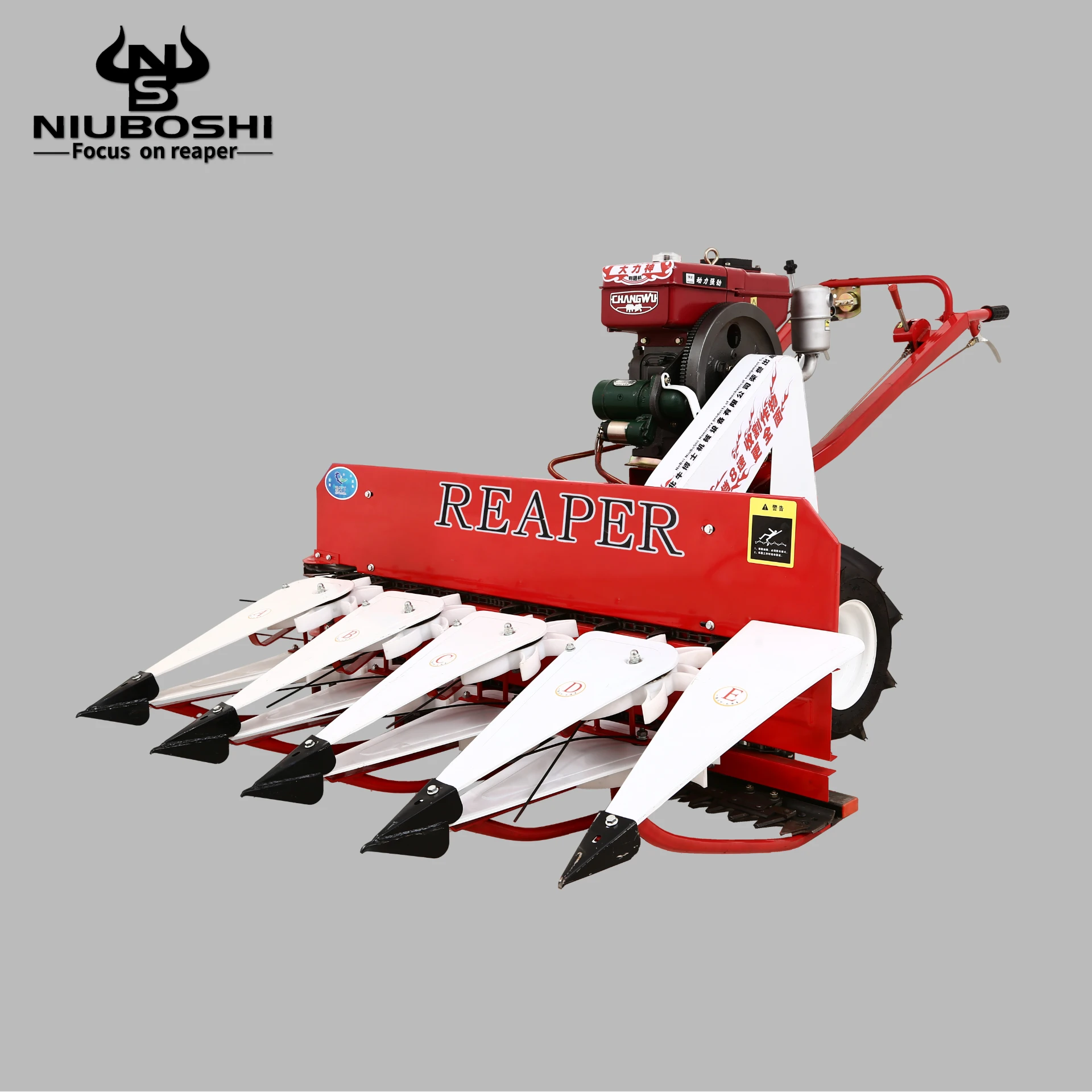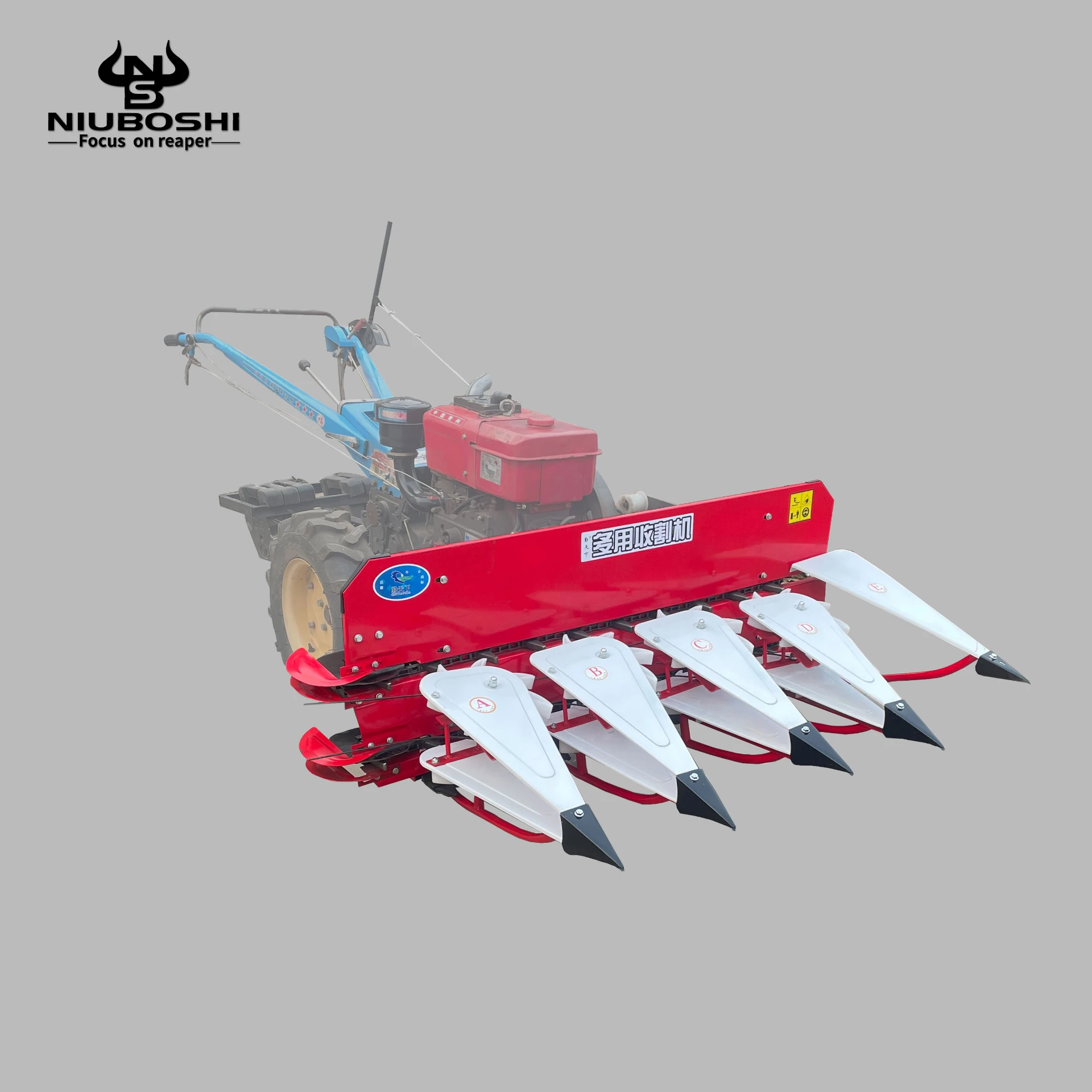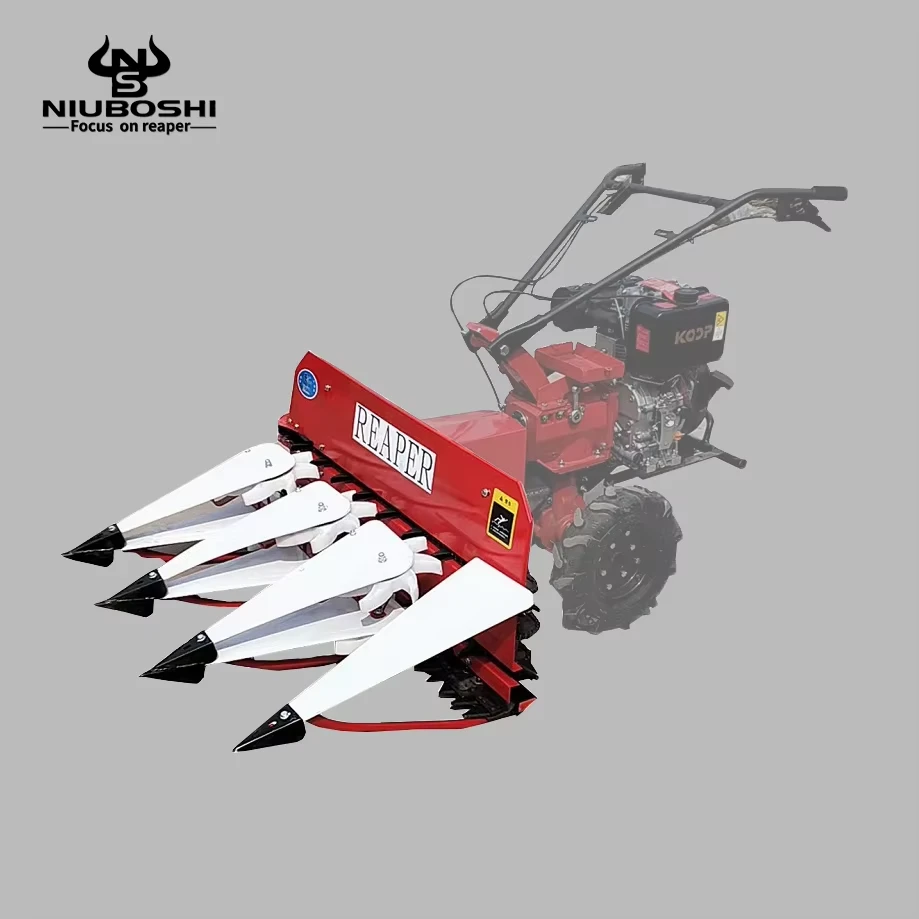
Small Wheat Harvester Machine – Efficient, Affordable Wheat Harvesting Solutions
Understanding the Small Wheat Harvester Machine: A Vital Agricultural Ally
In the vast tapestry of global agriculture, the small wheat harvester machine plays a surprisingly pivotal role. While large industrial combines often steal the spotlight, these smaller machines are quietly revolutionizing wheat harvesting for smallholders and emerging economies. Why does this matter? Because wheat remains one of the world's staple crops, feeding billions, and any technology that boosts efficiency and accessibility at the grassroots level affects food security, rural livelihoods, and economic stability worldwide.
In this article, we'll unpack what exactly a small wheat harvester machine is, why it's increasingly important, and how it intertwines practical benefits with broader humanitarian and environmental challenges. By the end, you might see these machines in a slightly different light: not just as farming tools but as unsung heroes of sustainable agriculture.
The Global Importance of Small Wheat Harvester Machines
Globally, wheat production accounts for roughly 20% of the world’s caloric intake, making efficient harvesting techniques crucial. According to the United Nations Food and Agriculture Organization (FAO), over 200 million small-scale farms worldwide manage wheat crops, often with limited access to mechanized tools.
Here's the catch: large combine harvesters, while efficient for massive farms, are typically too expensive, bulky, or impractical for small landholders or remote regions. Enter the small wheat harvester machine—a cost-effective, manageable alternative that empowers farmers, reduces post-harvest losses, and promotes sustainability.
However, the main challenge is balancing affordability, efficiency, and durability. Many regions still rely on manual harvesting, which wastes time and labor. Small harvesters bridge that gap, improving yield outcomes and farmers’ quality of life. Yet, global access remains uneven, which makes understanding the technology and its benefits all the more pressing.
What Exactly Is a Small Wheat Harvester Machine?
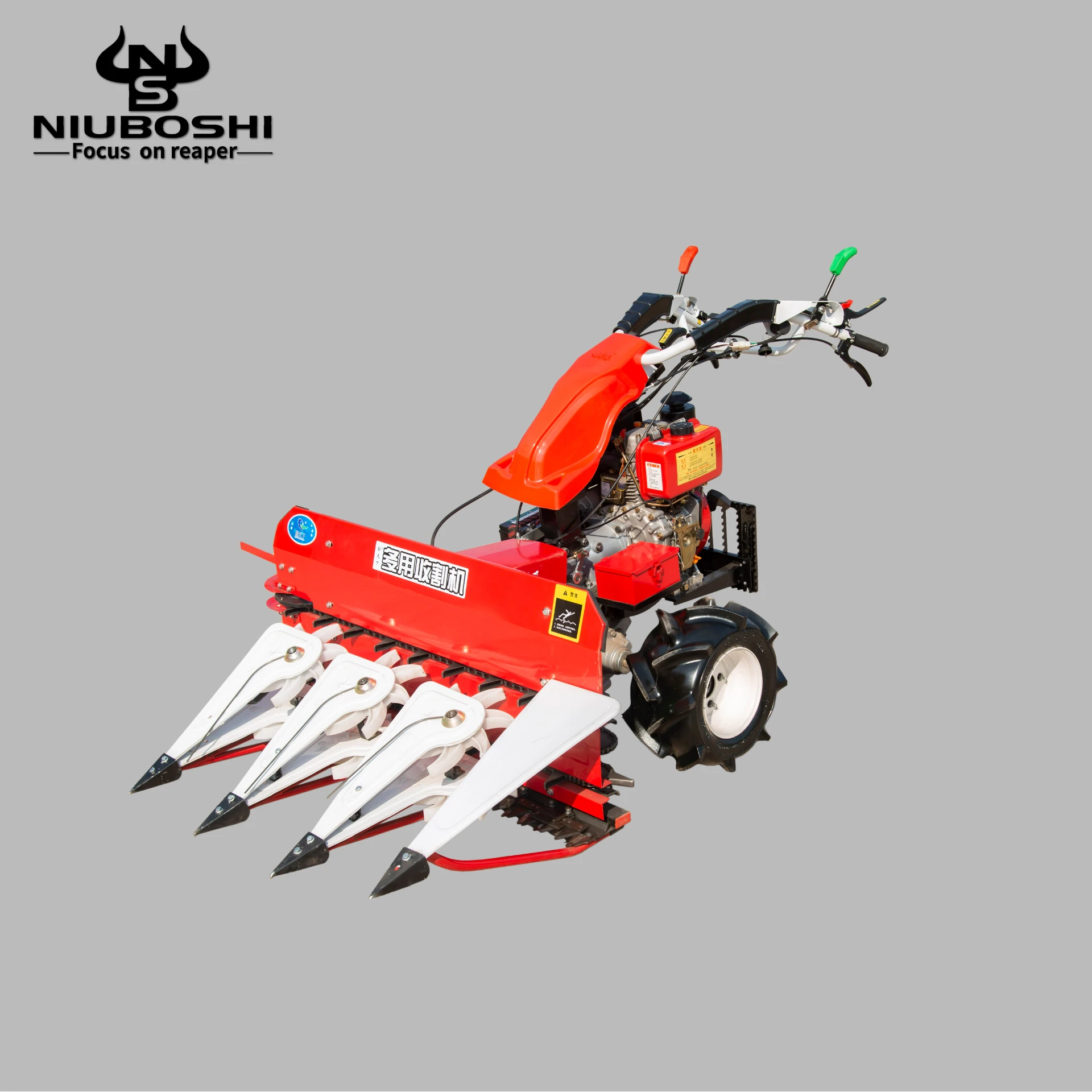
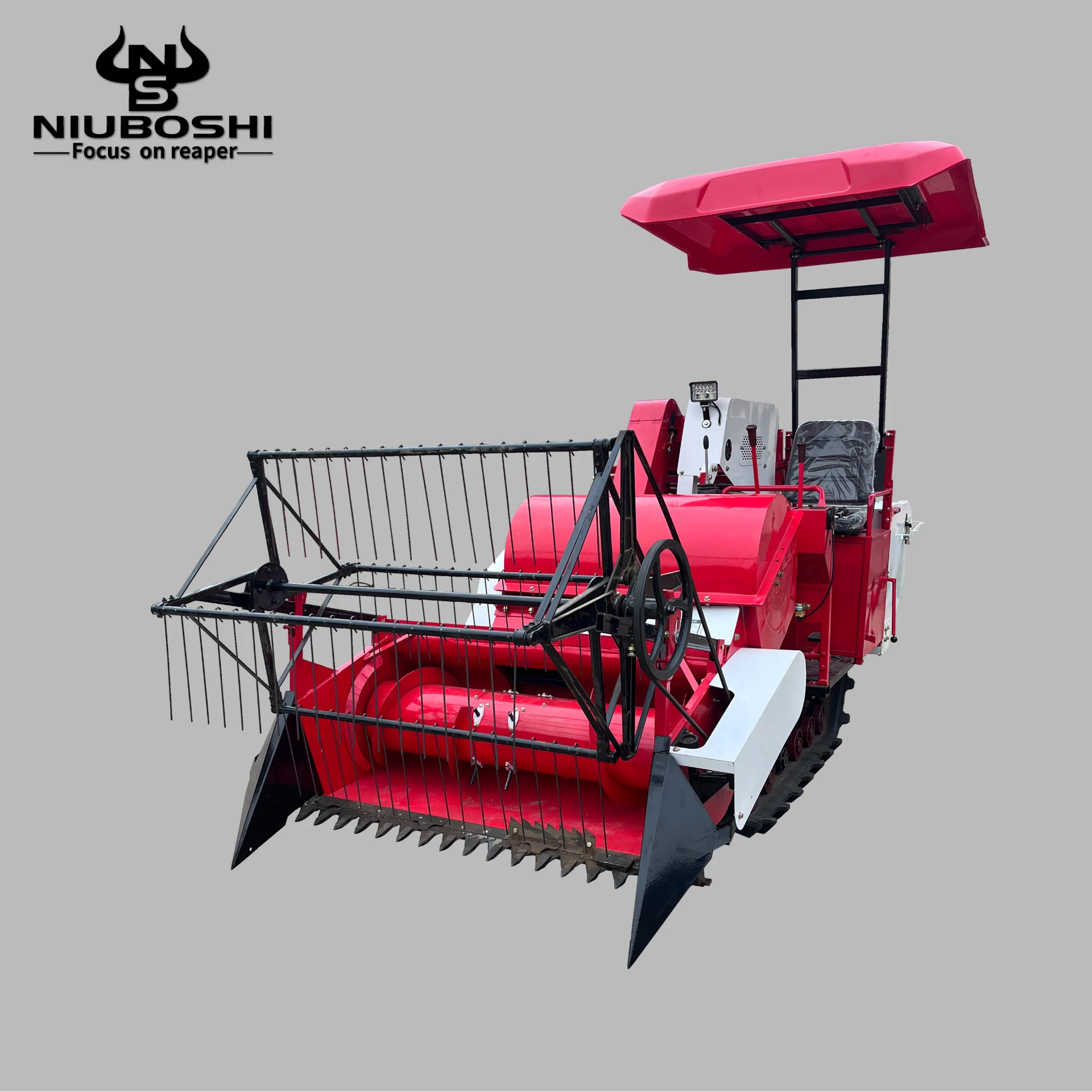
Simply put, a small wheat harvester machine is a compact agricultural equipment specifically designed to cut and thresh wheat crops efficiently on small to medium plots of land. Unlike their full-sized counterparts found in giant commercial farming operations, these machines typically weigh less, have smaller engines, and are easier to maneuver—think of them as the nimble, practical option for family farms or emerging agricultural businesses.
Modern versions often combine cutting, threshing, and cleaning functions in one unit, though simpler models may focus on just harvesting or threshing. Their design responds to the realities of today's farming: limited capital, smaller farm sizes, and the need for versatile machines capable of handling less uniform terrain.
In humanitarian contexts, these machines help communities rebound faster after natural disasters by rapidly harvesting crops, thus supporting food security and economic recovery efforts.
Key Components and Features of Small Wheat Harvesters
1. Durability and Build Quality
Because many users operate in rugged or uneven fields, durability matters a lot. These machines often feature reinforced frames and corrosion-resistant materials, making them last through tough seasons. For example, many manufacturers use steel alloys that balance weight and strength without ballooning costs.
2. Engine & Power Source
Small wheat harvesters can be petrol, diesel, or even electrically powered in newer, eco-friendly models. Power typically ranges from 5 to 15 horsepower, enough for efficient cutting without excessive fuel consumption. Engine type affects portability and maintenance, so farmers pick models based on local service availability.
3. Cutting & Threshing Mechanism
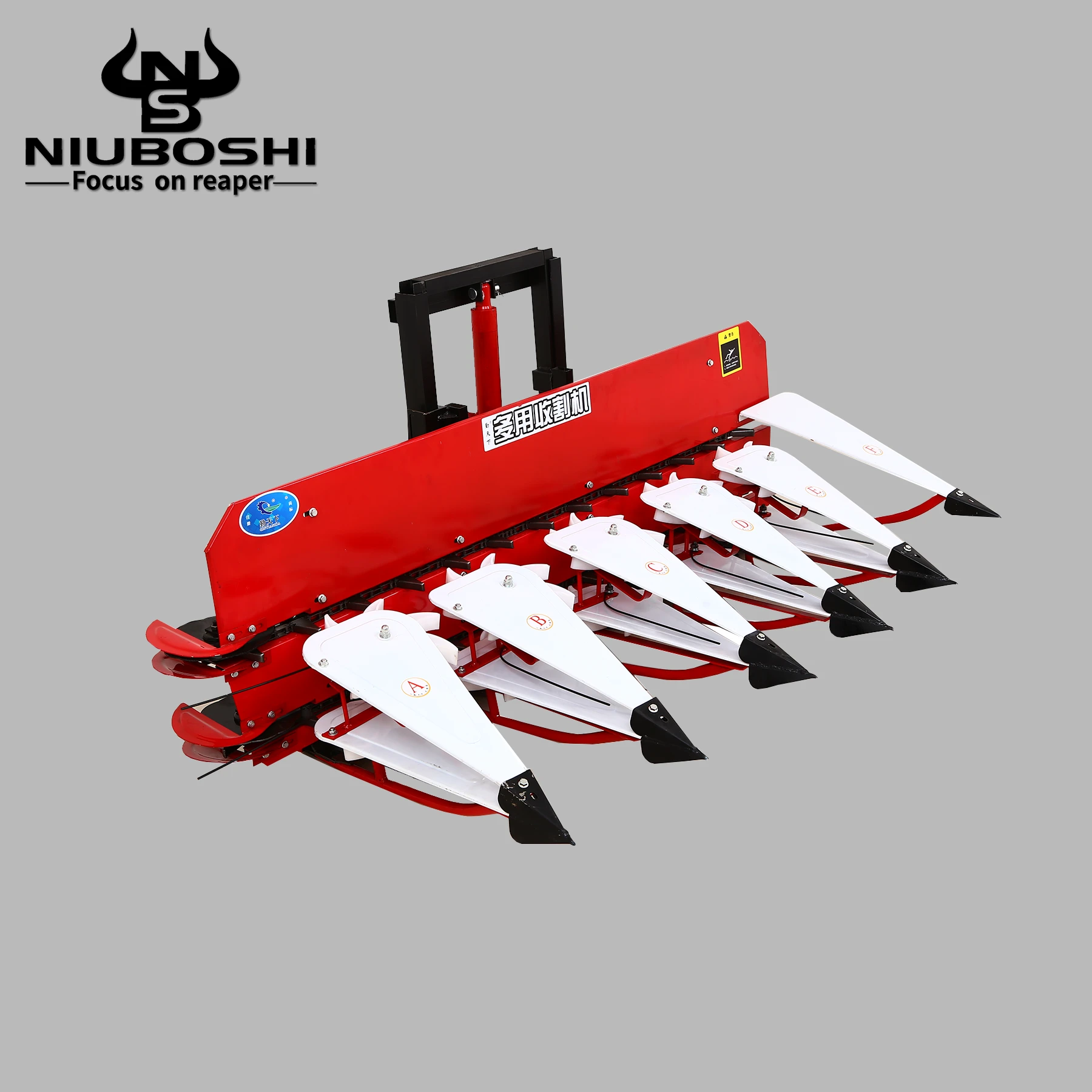
The heart of the machine is its cutter bar and threshing drum or rotor. The design must be sharp and precise to minimize grain loss while handling different wheat varieties and moisture levels. Some modern variants use adjustable speed controls to optimize performance.
4. Mobility & Handling
Compact wheels and ergonomic handles ensure the harvester can navigate narrow rows and uneven fields. Weight distribution is crucial — too heavy, and the machine becomes unwieldy; too light, and stability suffers.
5. Cost Efficiency & Maintenance
Maintenance simplicity means less downtime and repair costs. Common design characteristics include easily replaceable blades, standardized parts, and accessible fuel filters. For many farmers, a machine that can be serviced by local mechanics is a game-changer.
| Feature | Specification |
|---|---|
| Engine Power | 8-12 HP (petrol/diesel) |
| Weight | 150-250 kg |
| Cutting Width | 1.0-1.5 meters |
| Threshing Type | Single drum or rotor |
| Fuel Capacity | 5-10 liters |
| Harvesting Capacity | 0.5-1.2 hectares/hour |
Mini takeaway: The small wheat harvester blends functionality with accessibility — a classic example of smart engineering for resource-limited environments.
Global Applications: Who Benefits and How?
From the wheat fields of Punjab in India to the rolling plains of Eastern Europe, small wheat harvester machines are indispensable tools for thousands of small farms. In sub-Saharan Africa, where mechanization is often limited, these harvesters help reduce drudgery and increase yield turnaround.
Relief organizations also rely on these machines when distributing agricultural aid. For instance, after flood damage in Southeast Asia, quickly harvesting partially matured wheat fields with small but efficient machines prevents crop loss and stabilizes local food supplies. Oddly enough, in countries like Australia, small wheat harvesters serve niche needs such as terrain inaccessible to large combines and research farms testing experimental wheat strains.
If you’re looking for similar machinery, check out the latest models on small wheat harvester machine manufacturers’ websites.
Advantages & Long-Term Value of Small Wheat Harvester Machines
- Cost-Effective: Lower upfront investment versus full-scale combines makes mechanization achievable for smallholders.
- Reduced Labor: Cuts harvesting time drastically compared to manual methods.
- Sustainability: Reduced crop losses preserve precious food resources.
- Empowerment: Enables farmers to be more self-reliant and resilient.
But beyond numbers and efficiency, there’s something a bit more human about these machines. I’ve chatted with farmers who say they “feel less desperate” during harvest season because of the reliability these machines offer. In a way, it’s about dignity — preserving crops means preserving hope.
Innovations and Future Trends in Small Wheat Harvester Technology
Technology never stands still, and the small wheat harvester machine is no exception. Recent trends include:
- Electric & Hybrid Power: Reducing carbon emissions and fuel costs with battery or hybrid motors.
- Smart Sensors & Automation: Digital controls for real-time monitoring of crop yield, threshing efficiency, and fuel consumption.
- Modular Designs: Allowing users to customize components based on terrain or wheat variety, improving versatility.
- Lightweight, Durable Materials: Using composites or improved alloys to cut weight without loss of strength.
- After-Sales Support Networks: Expanding regional service hubs to improve machine longevity and reduce downtime.
As these become mainstream, small-scale farmers will likely see improved ease of use and returns on investment.
Challenges and How They’re Being Addressed
Of course, no technology is without hurdles:
- Affordability: Even “small” harvesters can be costly for some farmers, but microfinance and subsidies help alleviate this.
- Maintenance: In remote areas, getting replacement parts or skilled mechanics remains tricky. Manufacturers are improving support networks as noted.
- Operator Skill: Proper training is essential for best results, which NGOs and governments increasingly focus on.
Interestingly, many manufacturers collaborate closely with local agricultural bodies to tailor machines and training programs — it's a growing model of tech + community synergy.
| Vendor | Price Range | Key Features | Regions Served | After-Sales Support |
|---|---|---|---|---|
| AgriMech Co. | $1,400 - $1,800 | Diesel engine, modular cutting widths, durable steel frame | Asia, Africa | Regional workshops, parts available |
| HarvestPro Ltd. | $1,600 - $2,100 | Electric-hybrid, smart monitoring, lightweight design | Europe, North America | Online tutorials, hotline support |
| FieldTech Systems | $1,200 - $1,700 | Petrol engines, basic threshing models, rugged wheels | Latin America, Africa | Mobile service units, frequent training camps |
Frequently Asked Questions About Small Wheat Harvester Machines
- Q: How does a small wheat harvester machine improve harvesting compared to manual methods?
- A: Compared to manual harvesting, these machines dramatically reduce the time needed and physical labor. They minimize grain loss through precise cutting and integrated threshing, improving overall efficiency and increasing yields — especially critical for small farms where time is money.
- Q: Can these machines be used on uneven or small plots?
- A: Yes, small wheat harvesters are designed for maneuverability with compact frames and wheels that handle uneven terrain and narrow rows better than large combines, making them ideal for fragmented land holdings.
- Q: Are electric or hybrid models practical in rural areas with limited power?
- A: While electric harvesters promise sustainability, their practicality depends on reliable charging infrastructure. Hybrid models offer a balance, operating on fuel with battery support. Some NGOs and governments promote solar charging stations to improve accessibility.
- Q: What kind of maintenance is usually required?
- Regular blade sharpening, engine oil checks, and filter cleaning form the core maintenance. Most models are built for easy part replacement, aiming to reduce downtime. Farmer training on these tasks is often provided by manufacturers or local authorities.
Conclusion: Why the Small Wheat Harvester Machine Deserves Your Attention
The small wheat harvester machine embodies a blend of practicality, innovation, and social impact. It empowers farmers, especially in developing regions, to boost harvest efficiency at a fraction of the cost and complexity of full-size combines. Its role extends beyond economics — supporting food security, sustainability, and rural dignity.
If you’re interested in exploring models or suppliers, consider small wheat harvester machine options that fit your farm's scale and needs. Sometimes, the smallest machines make the biggest difference.
References
Latest news
-
Maximize Harvest Efficiency with the Agro Reaper Binder MachineNewsApr.16,2026
-
Boost Harvest Efficiency with the Best Agriculture Reaper MachineNewsApr.09,2026
-
Revolutionizing Agriculture with the Efficient Agriculture Power ReaperNewsApr.07,2026
-
Comprehensive Guide to the 4 Wheel Reaper Binder for Efficient HarvestingNewsApr.04,2026
-
Comprehensive Guide to Reaperbinder Technology for Efficient Hay and Crop HarvestingNewsMar.31,2026
-
Mastering the Art of Reaper Cutting for Enhanced Agricultural EfficiencyNewsMar.28,2026