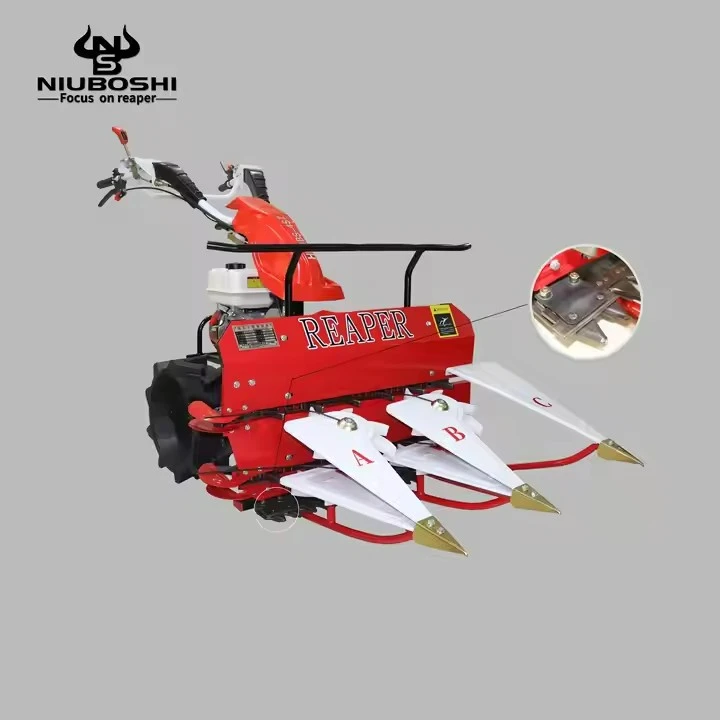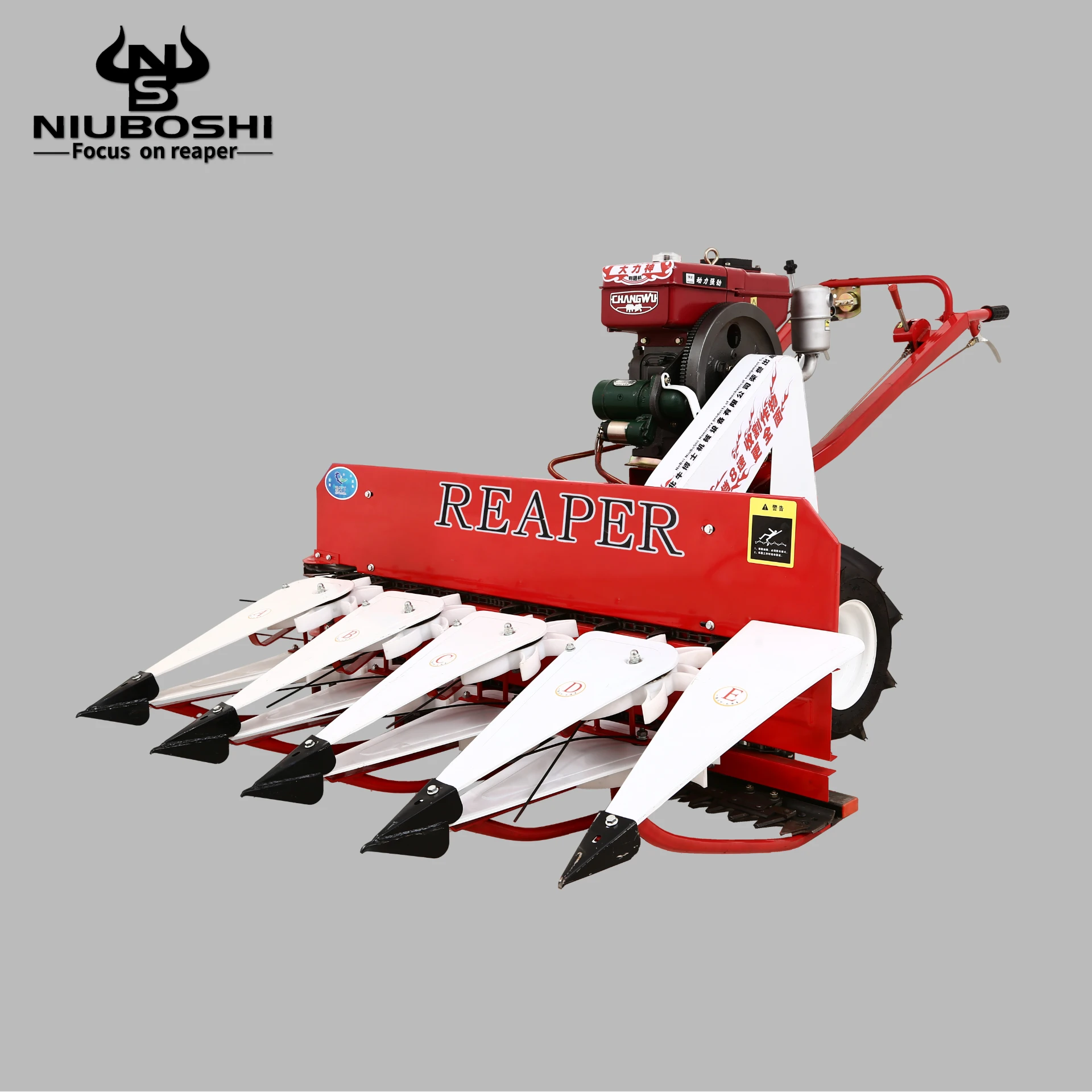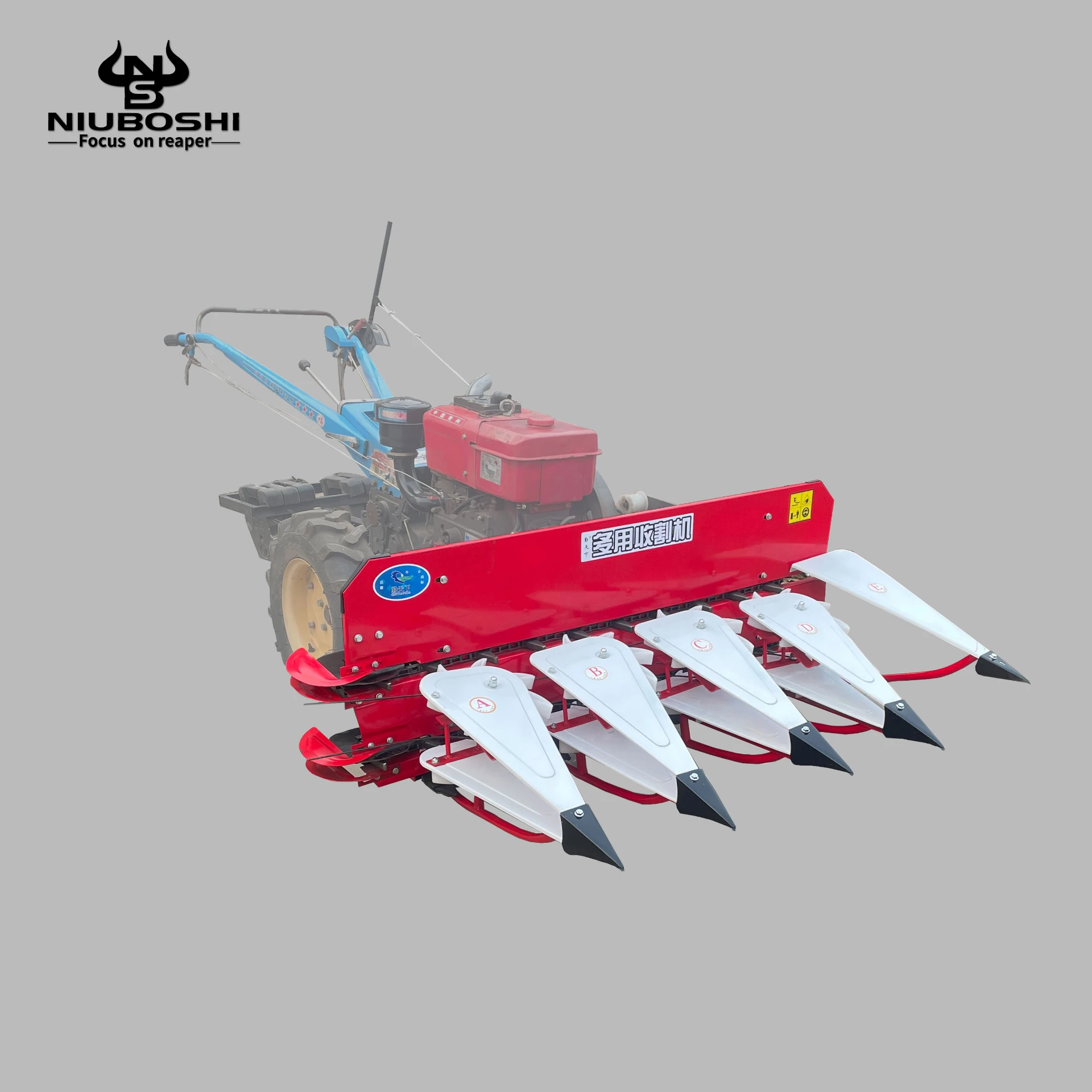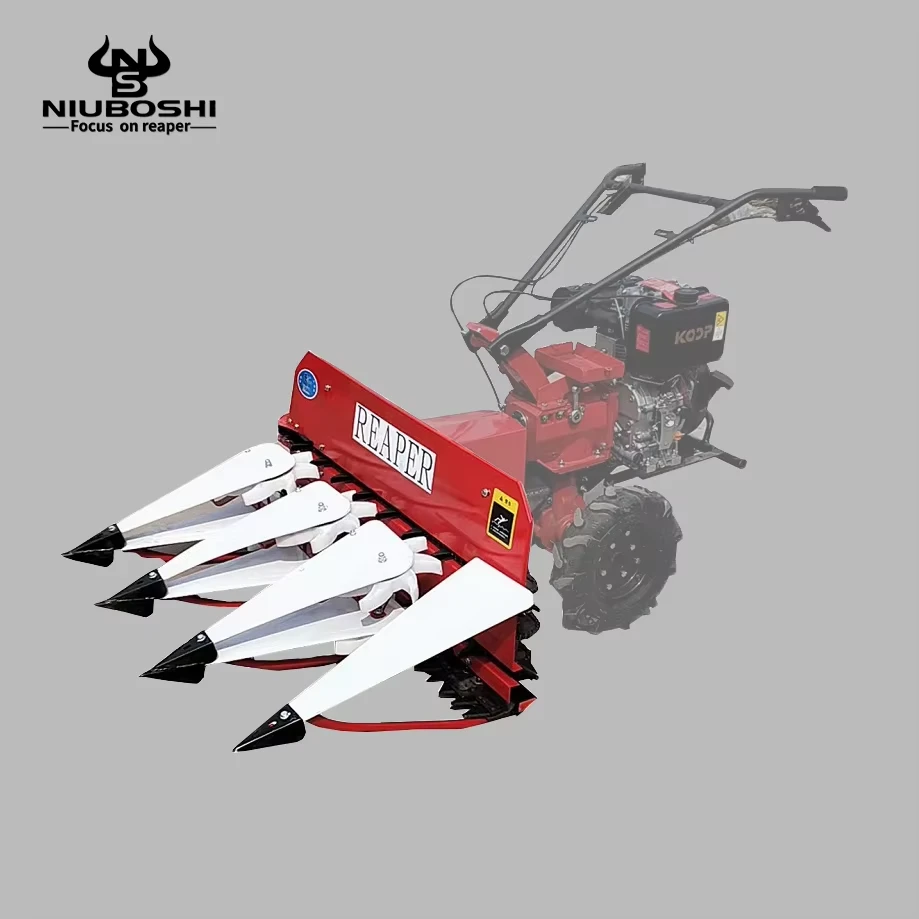
Small Wheat Harvesting Machine: Affordable & Efficient Solutions for Farmers Worldwide
Understanding the Small Wheat Harvesting Machine: Why It Matters Globally
Wheat harvesting is, frankly, one of those backbones of modern agriculture that often goes unnoticed unless you’re knee-deep in farming or agricultural engineering. The wheat harvesting machine small category – compact machines designed for smaller plots or emerging markets – is gaining serious attention worldwide. Why? Because they represent a practical, cost-efficient, and scalable solution for farmers who can’t afford or don’t need gigantic industrial harvesters but still want reliable, timely wheat harvests.
Globally, wheat is the staple food crop for billions, and efficient harvesting translates directly into food security and economic stability. Especially in developing countries or regions with fragmented farmland, small-scale harvesting machines kick-start mechanization at a manageable scale. The ripple effects touch everything from rural livelihoods to international food supply chains.
In short, understanding these multifaceted devices gives us a peek into how technology can meet the nuances of global agriculture — balancing cost, efficiency, and local needs that large machines sometimes cannot.
The Global Context: A Growing Need for Scalable Wheat Harvesting Solutions
Wheat accounts for roughly 20% of global calorie consumption and supports the livelihoods of millions worldwide, according to the United Nations Food and Agriculture Organization (FAO). But here’s the challenge: the majority of wheat farms operate on small to medium-scale plots. Large combines might be out of reach physically or financially.
Small wheat harvesting machines are addressing this head-on. Recent data from the World Bank shows that mechanized farming, including harvesting, is increasing in regions like Sub-Saharan Africa and South Asia by about 15% annually, mainly driven by these smaller harvesters. Why is this so critical? Because many farmers face significant labor shortages, unpredictable weather windows for harvesting, and the constant threat of post-harvest losses if crops aren’t gathered swiftly.
Put bluntly, if you don’t harvest on time, your yield might rot or lose nutritional value. Small harvesters let farmers act fast. Plus, they’re easier to maintain and require less expertise to operate — a huge win for rural communities.
What Is a Small Wheat Harvesting Machine?
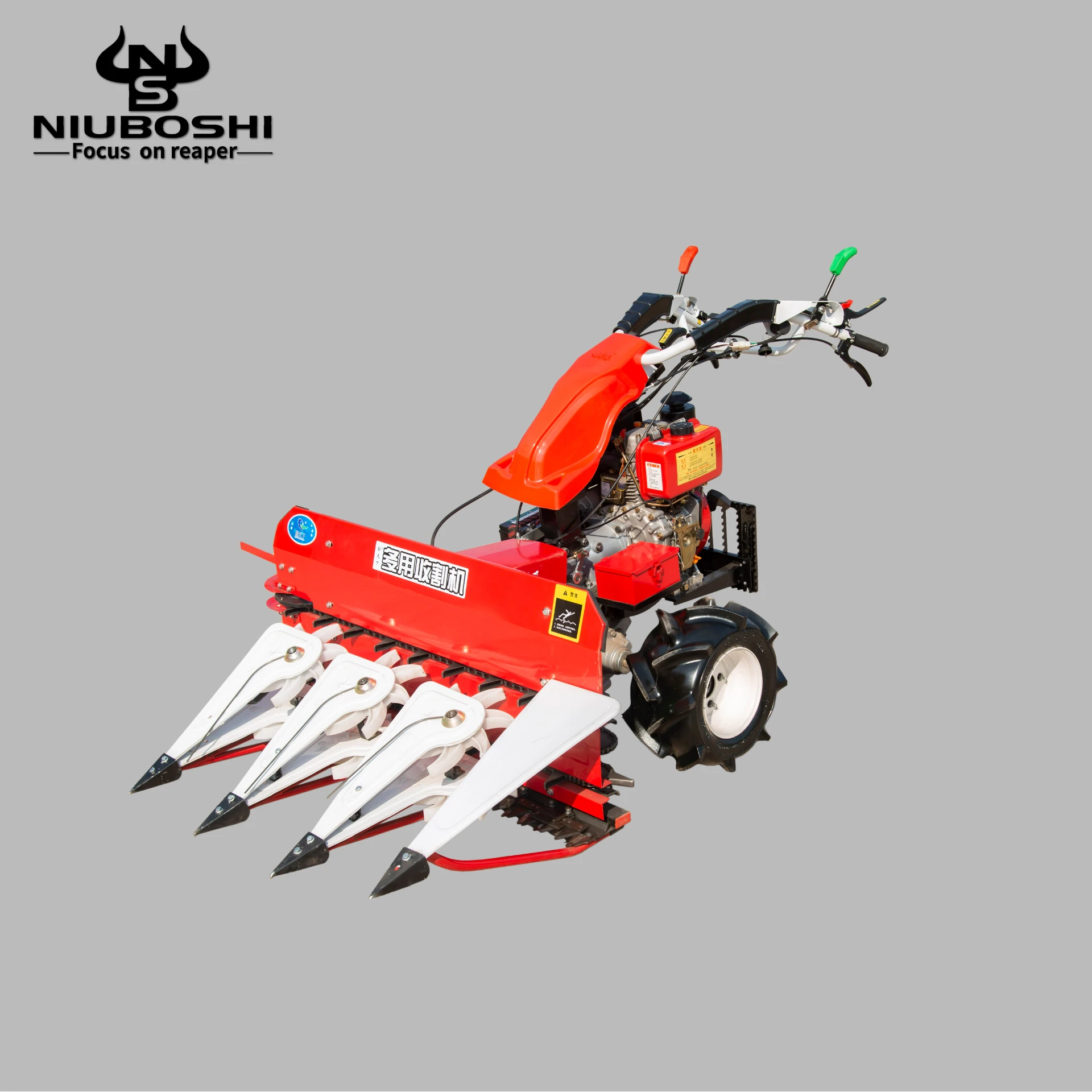
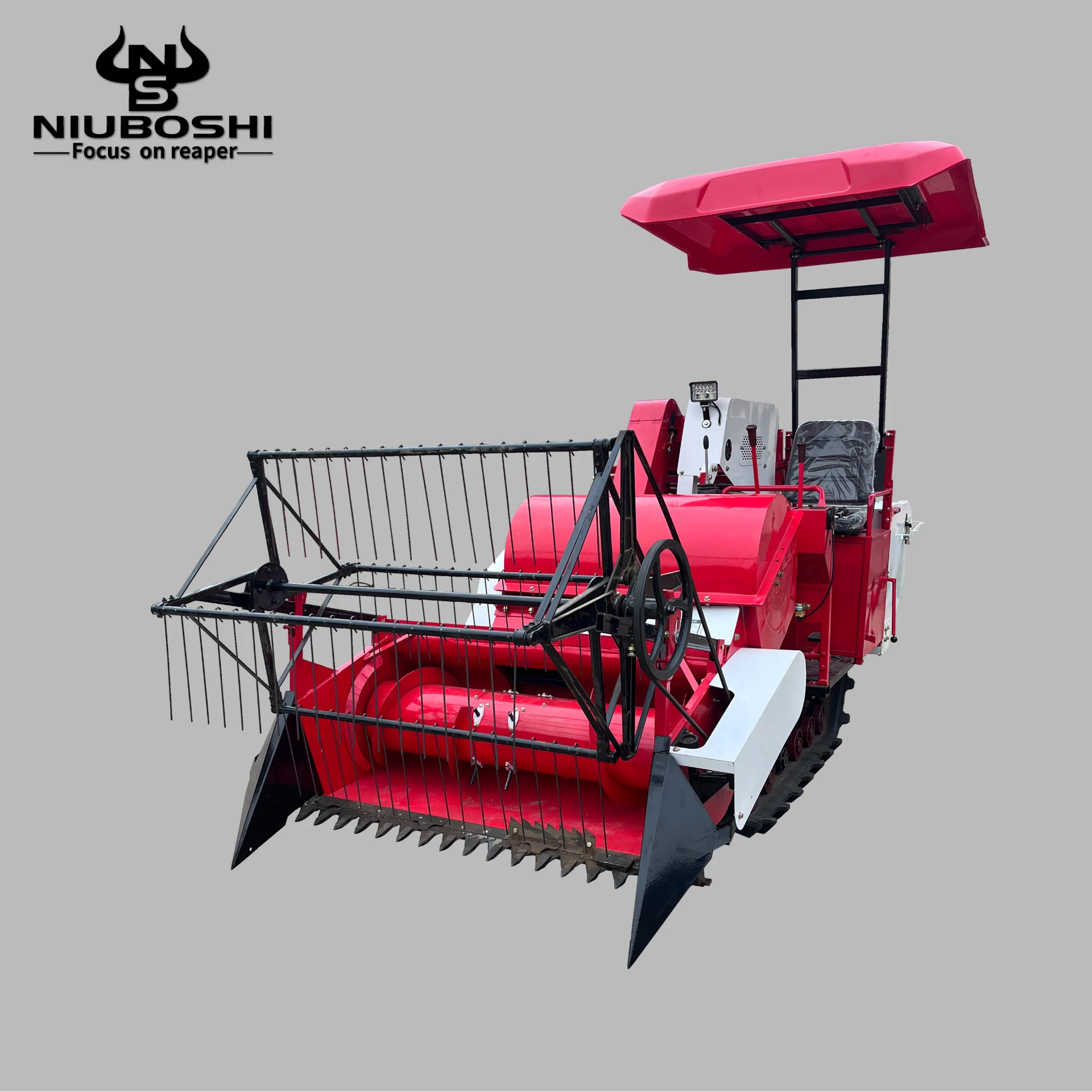
Think of a small wheat harvesting machine as a downsized but fully functional combine harvester — a machine capable of cutting, threshing, and cleaning wheat, but designed for smaller fields or farms. Unlike their hulking industrial cousins, these machines often weigh less than two tons, have engines ranging from 20 to 40 horsepower, and feature compact cutters and simplified controls.
They’re perfect for situations where terrain or plot size makes large equipment impractical. Or when the farmer just can’t — or won’t — shell out $100K+ for a full-size harvester. For humanitarian organizations or NGOs attempting to improve food security in remote regions, these machines are a godsend. They’re also increasingly seen as stepping stones for farmers in developing countries to gradually embrace mechanization.
Core Components and Key Features of Small Wheat Harvesters
1. Durability and Material Quality
Despite their size, these machines must endure tough field conditions — varied terrains, dust, and often irregular maintenance. Many manufacturers focus on corrosion-resistant steel frames and reinforced parts, because if it breaks during harvest season, well, the consequences can be grim.
2. Scalability and Portability
The nifty thing is their relatively low weight and size, sometimes transportable by small trucks or even boats, which makes them ideal for patchwork farmlands or areas with poor road infrastructure.
3. Cost Efficiency
They tend to come at a fraction of the cost of large combines, yet provide excellent operational value, especially when you factor in fuel use, maintenance, and labor savings.
4. User-Friendly Operation
Engineers and field workers alike stress that simplified controls and basic electronics make these machines accessible to less-experienced operators, reducing downtime and training costs.
5. Fuel Type and Environmental Impact
Some models now run on cleaner diesel or even biomass fuels, aligning with global pushes for sustainability in agriculture.
Mini Takeaway:
Small wheat harvesting machines blend performance with practical, hands-on usability — a perfect balance for smallholders and emerging markets.
Real-World Applications of Small Wheat Harvesting Machines
These machines show up in a variety of settings:
- Developing Agrarian Economies: In India and parts of Sub-Saharan Africa, small wheat harvesters enable family farms to expand production without the expense or bulk of traditional combines.
- Post-Disaster Relief: After floods or droughts, quick harvesting may be critical before crops spoil. Aid agencies sometimes deploy small, portable harvesters for emergency food security.
- Mountainous or Undulating Terrain: In places like the Ethiopian Highlands or Nepal’s foothills, where large machinery simply can’t maneuver, compact harvesters shine.
- Research and Seed Production Farms: Small-scale harvesters can be used in experimental plots where minimizing soil compaction and precision harvesting matters.
My takeaway from numerous field reports is that many users feel these machines not only increase productivity but restore dignity by reducing drudgery during harvest season.
Wheat Harvesting Machine Small: Product Specification Table
| Feature | Typical Range / Value | Notes |
|---|---|---|
| Engine Power | 20 - 40 HP | Petrol or diesel options available |
| Weight | 1,200 - 2,000 kg | Enables transportability on small vehicles |
| Cutting Width | 1.2 - 1.6 meters | Balanced for smaller fields |
| Fuel Consumption | 5 - 7 L/hour (approx.) | Depends on terrain and load |
| Threshing Efficiency | ~92% - 95% | Comparable to larger machines |
Vendor Comparison: Choosing the Right Small Wheat Harvester
| Vendor | Price Range (USD) | Key Features | Suitable For |
|---|---|---|---|
| AgroTech MiniHarvest | $7,000 - $9,000 | Diesel engine, 1.5m cutting width, simple controls | Small family farms, beginner operators |
| FieldMaster Compact Pro | $9,500 - $12,000 | Biofuel compatible, enhanced durability, low maintenance | Regions with sustainable energy focus |
| HarvestLite 200 | $6,500 - $8,000 | Lightweight, transportable, user-friendly | Remote or mountainous farms |
Why Invest in a Small Wheat Harvesting Machine?
The benefits speak for themselves. Cost savings from fuel efficiency, preservation of labor resources, and increased harvesting speed lead to direct income boosts for farmers. Beyond numbers, there’s the social dimension — more safety and dignity in the fields, fewer long hours bent over manual sickle work.
Environmental sustainability is gaining traction too. These machines tend to promote lower soil compaction and often come with options for cleaner fuel, matching global agricultural sustainability goals.
The Cutting Edge: Future Trends in Small Wheat Harvester Technology
Not surprisingly, digitalization and automation are starting to trickle down even to these smaller machines. We’re seeing GPS-guided precision harvesting, sensor-enabled crop monitoring, and remote diagnostics becoming available for the affordable segment.
Green energy integration is also growing, with electric-powered designs and hybrids being prototyped, aiming to reduce carbon footprints even in rural areas.
Plus, manufacturers are exploring modular components that farmers or local service providers can easily replace or upgrade — a form of “DIY mechanization” that’s catching on.
Challenges and How the Industry Is Tackling Them
Of course, there are hurdles. Small wheat harvesting machines sometimes lack the power or versatility of their larger cousins. Maintenance in remote areas can be tricky if spare parts are scarce. And operator training remains uneven, especially in regions with low mechanization history.
Yet many companies and NGOs offer comprehensive training and mobile maintenance units. Some are also standardizing parts across models to ease servicing difficulties.
Mini Takeaway:
The ongoing integration of technology, training, and flexible design promises to significantly reduce traditional limitations.
Frequently Asked Questions About Wheat Harvesting Machine Small
- Q1: Can a wheat harvesting machine small work effectively on uneven terrain?
- A: Yes, many small wheat harvesters are specifically designed with stability and adjustable cutters to navigate uneven fields, particularly those used in hilly or mountainous regions. Their lower weight also reduces soil compaction risks.
- Q2: How does the cost of a small wheat harvester compare to renting a large combine?
- A: While upfront costs for small harvesters range from $6,000 to $12,000, depending on features, over time they can be more cost-effective than renting combines, especially for farmers operating small plots repeatedly each season.
- Q3: Are there environmental advantages to using smaller harvesting machines?
- A: Absolutely. Smaller engines consume less fuel, produce fewer emissions, and their lower weight means less soil compaction, promoting healthier farmland over time.
- Q4: Can a small wheat harvesting machine handle crop residue management?
- A: Many models include attachments for crop residue handling — chopping and spreading straw — which helps prepare fields for the next planting season and supports sustainable farming practices.
In Conclusion: Why Small Wheat Harvesting Machines Are More Than Just Tools
To wrap up, these machines represent a bridging technology — blending innovation, local context, and affordability to redefine how wheat farming scales across the globe. They’re not just cost savers; they're enablers of food security, dignity, and sustainability for millions.
If you’re interested in learning more or sourcing the right wheat harvesting machine small tailored to your needs, definitely check out resources and vendors online. The future of efficient wheat harvesting is smaller than you might think — but mighty.
References:
1. FAO wheat statistics: FAO.org
2. World Bank mechanization trends: WorldBank.org
3. ISO agricultural machinery standards: ISO 19064
Latest news
-
Maximize Harvest Efficiency with the Agro Reaper Binder MachineNewsApr.16,2026
-
Boost Harvest Efficiency with the Best Agriculture Reaper MachineNewsApr.09,2026
-
Revolutionizing Agriculture with the Efficient Agriculture Power ReaperNewsApr.07,2026
-
Comprehensive Guide to the 4 Wheel Reaper Binder for Efficient HarvestingNewsApr.04,2026
-
Comprehensive Guide to Reaperbinder Technology for Efficient Hay and Crop HarvestingNewsMar.31,2026
-
Mastering the Art of Reaper Cutting for Enhanced Agricultural EfficiencyNewsMar.28,2026