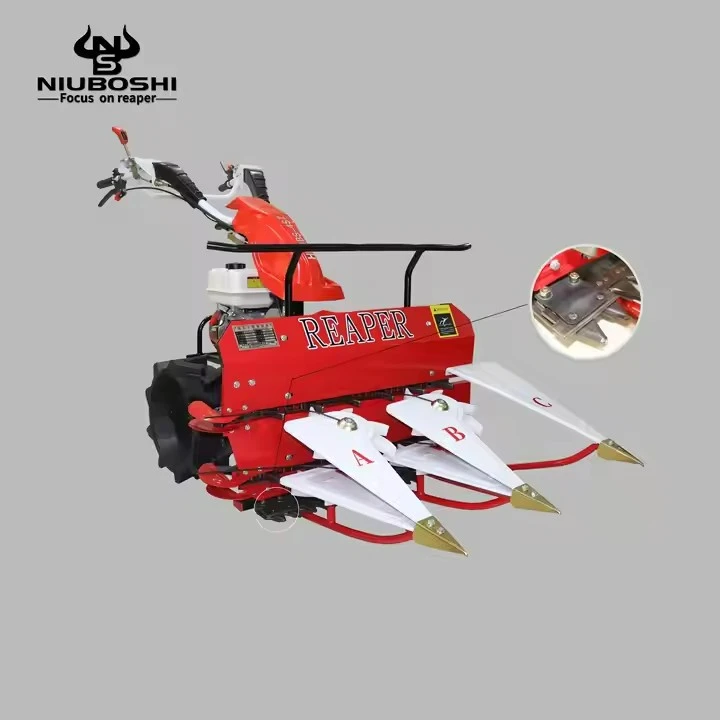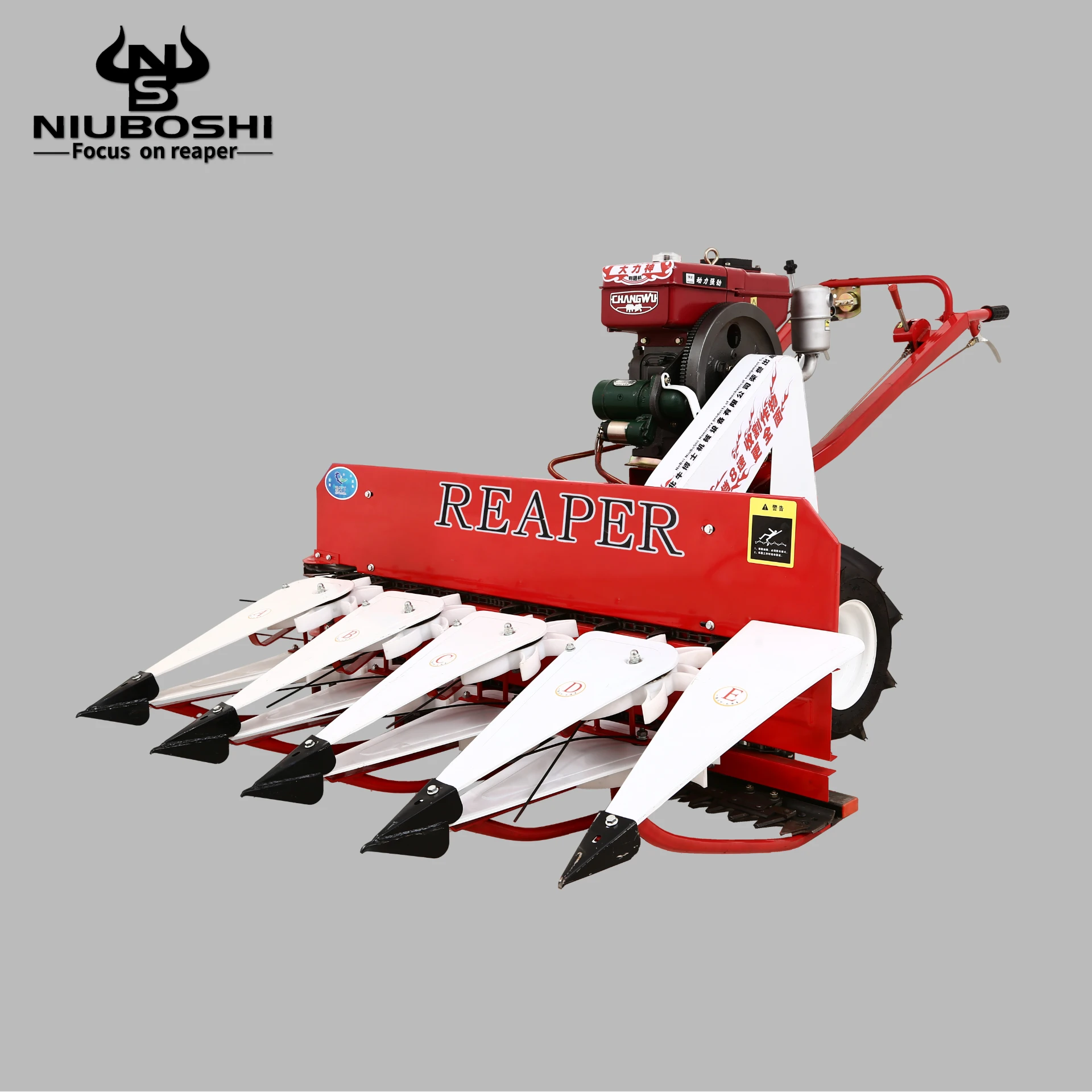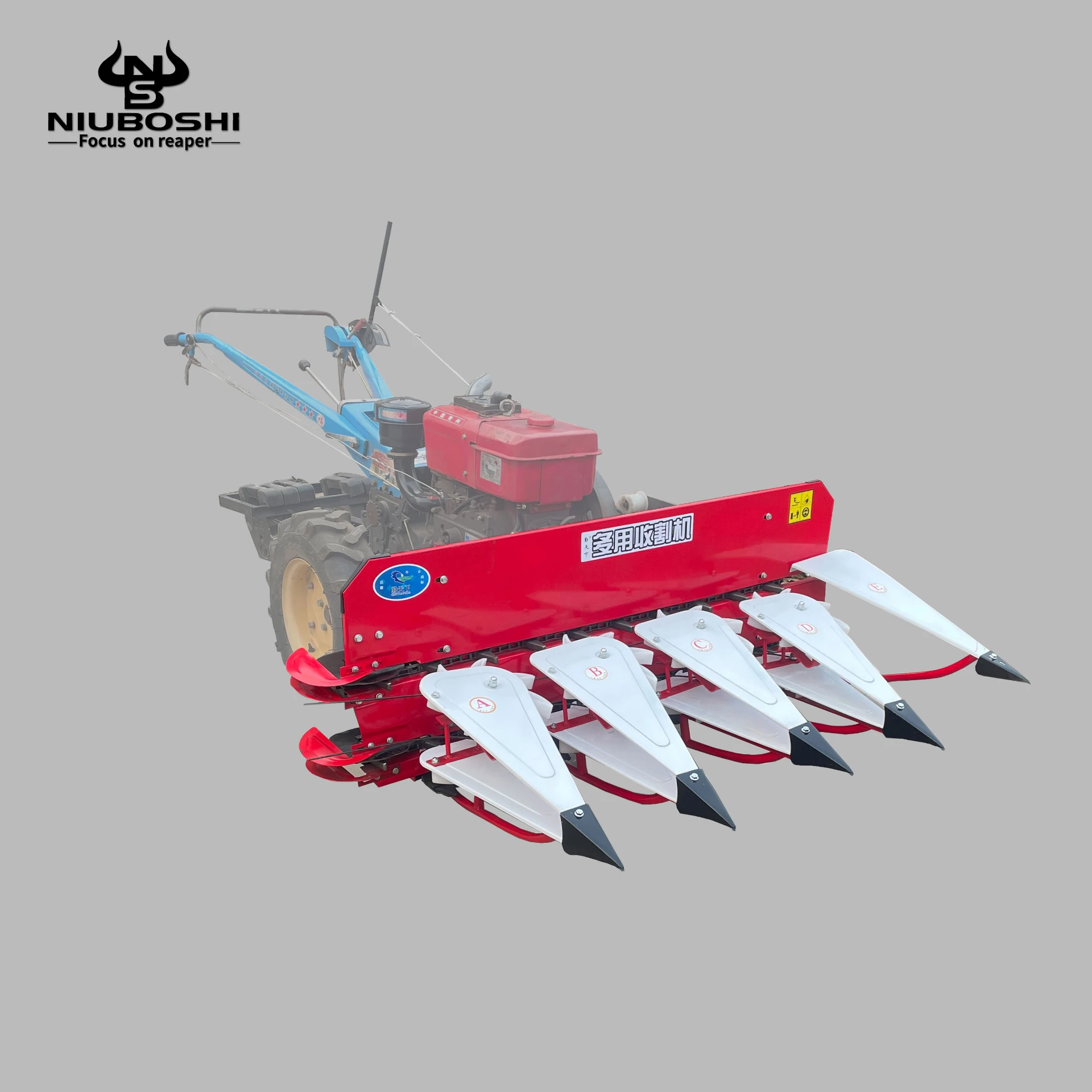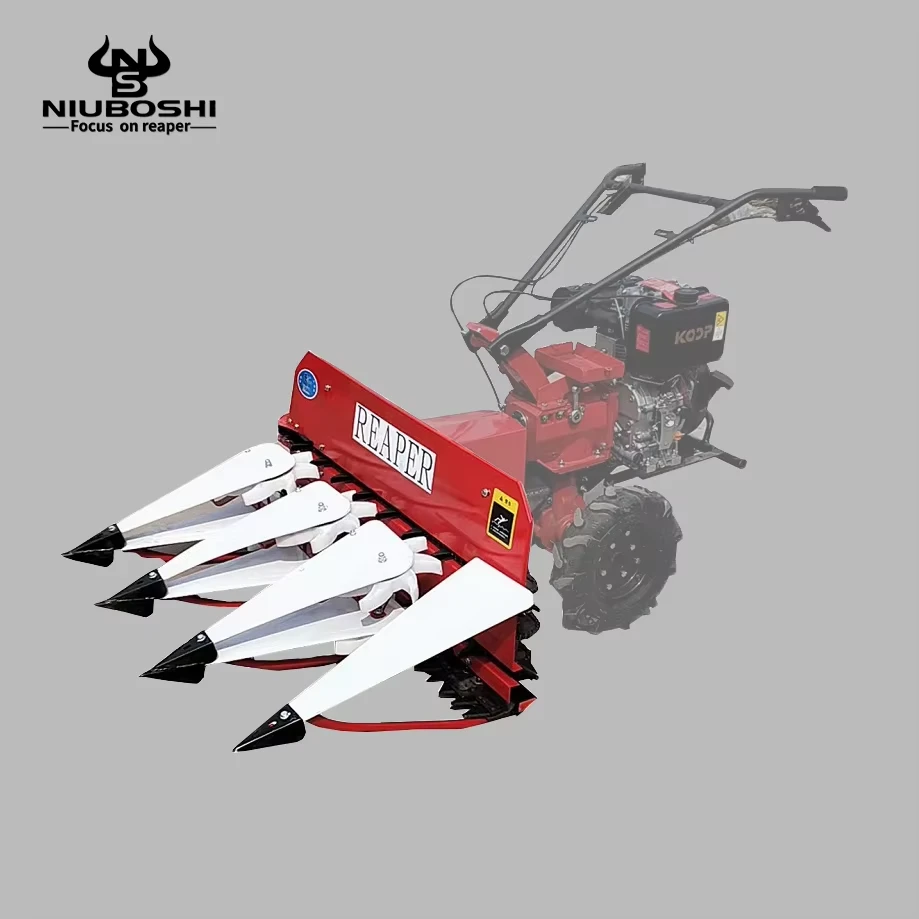
Mini Harvester Combine Machine: Compact Efficiency for Modern Agriculture
Why the Mini Harvester Combine Machine Is a Game-Changer Worldwide
The mini harvester combine machine might not be the loudest headline in agricultural tech, but it’s quietly reshaping farming practices across the globe. From the terraced hills of Southeast Asia to the sprawling fields of Eastern Europe, these nimble harvesters bring a certain agility and efficiency that standard combines just can’t deliver. And frankly, in times when sustainability and labor shortages weigh heavily on agriculture, understanding this compact marvel is more crucial than ever.
Why does it matter? Well, this is about feeding the future, reducing waste, and supporting rural communities that often get overlooked by massive industrial machines. And that’s no small feat.
The Big Picture: How Mini Harvester Combine Machines Fit Into Global Agriculture
Agriculture still feeds more than half the world’s population directly or indirectly. According to the United Nations Food Systems Summit, we need a 60% increase in crop production by 2050 — but on the same or less land. That’s where technology like mini harvesters step in. Their smaller size means they can work efficiently on fragmented farms, steep slopes, and in places where big machines just can’t roam.
One of the core challenges facing many farming communities is mechanization accessibility. Large-scale machines come with hefty price tags, high fuel consumption, and challenging logistics. Mini harvester combine machines offer a solution that’s cost-effective and practical, especially in developing economies or smaller farms — making mechanized harvesting less a luxury and more a necessity.
Breaking It Down: What Exactly Is a Mini Harvester Combine Machine?
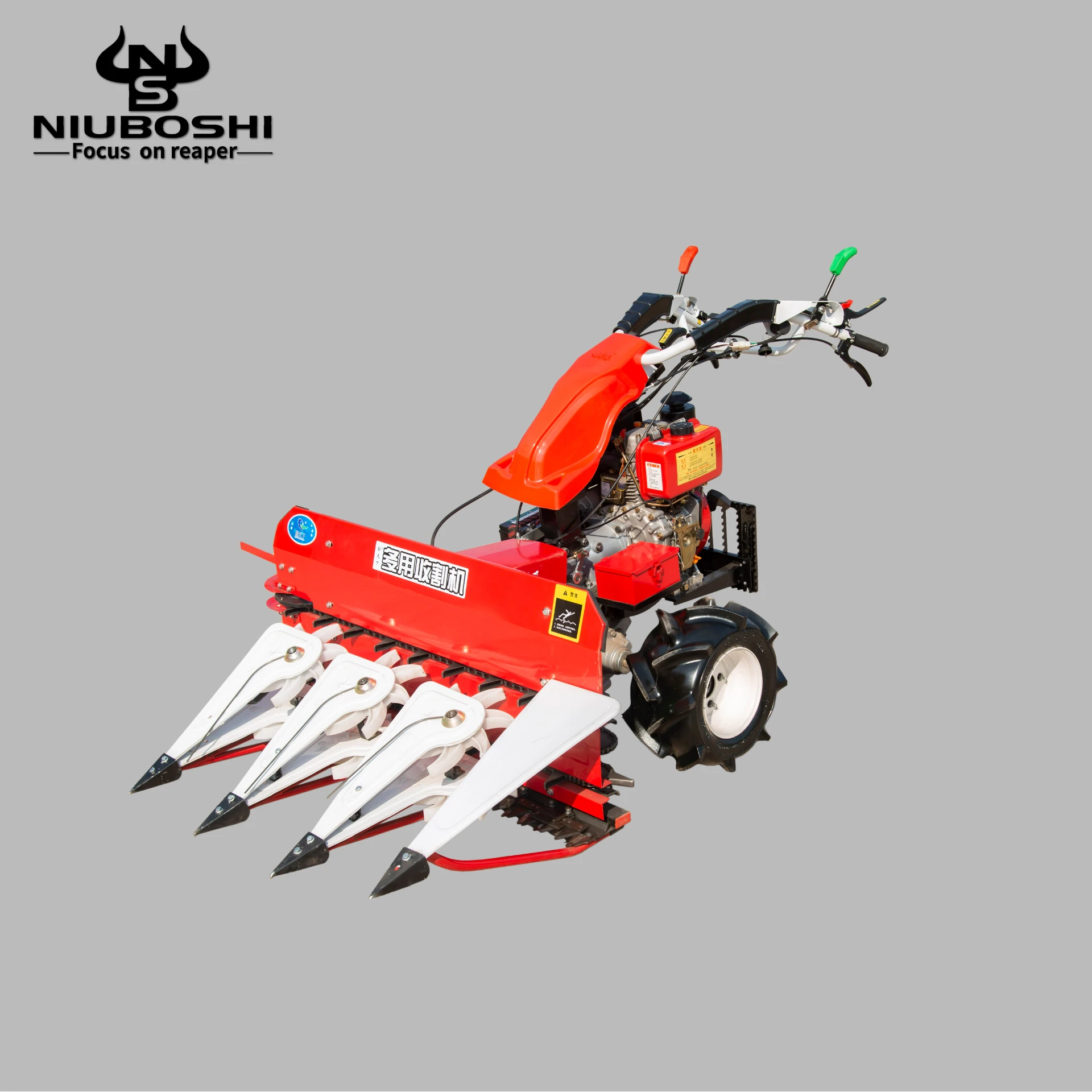
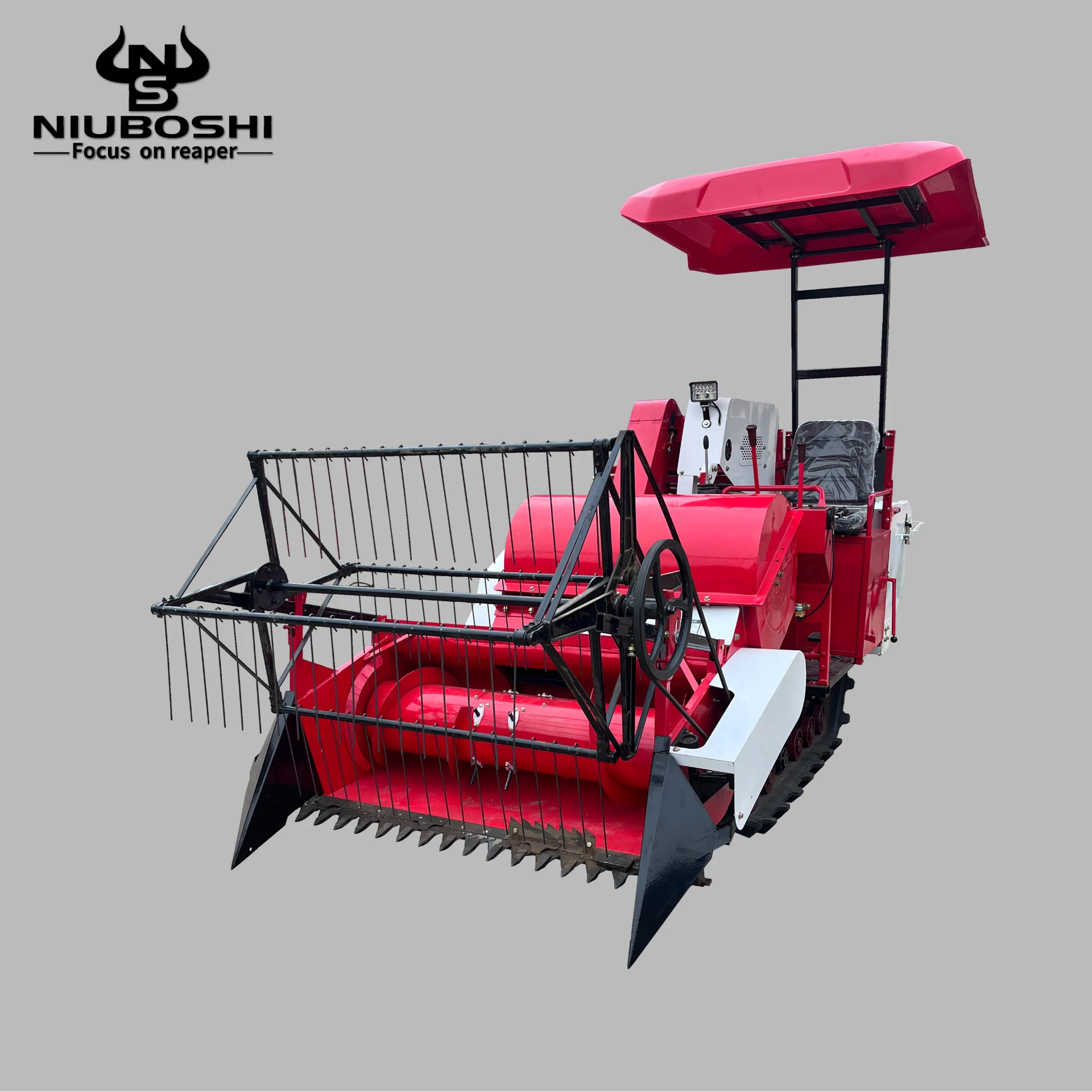
Put simply, a mini harvester combine machine is a compact, self-propelled agricultural vehicle designed to reap, thresh, and clean grain crops — all in one pass. Think of it as the “little brother” of the large combine harvesters found on big farms, but built for agility without sacrificing key functions.
Unlike their full-sized counterparts, these mini combines are lightweight, easy to transport, and ideal for small plots or specialized crops like rice, wheat, barley, or even certain legumes. The result? Farmers can mechanize efficiently, reduce manual labor, and avoid crop losses caused by delays or weather.
Core Features to Know About Mini Harvester Combine Machines
1. Compact Design & Maneuverability
The reduced size isn’t just for show. It means these machines can navigate narrow pathways, steep or irregular terrains, and smaller fields — making them indispensable for hilly regions or dense farming plots.
2. Multi-Functional Efficiency
Much like bigger combines, mini harvesters perform harvesting, threshing, and winnowing in one swoop. This cuts down the time from field to storage significantly — a vital factor where weather unpredictability threatens crops.
3. Fuel Efficiency & Environmental Impact
Smaller engines and lighter weight translate to less fuel consumption. Given the agricultural sector’s overall carbon footprint, opting for mini combines can be a step toward greener practices.
4. Ease of Maintenance & Operation
Many mini harvester models are designed with user-friendly controls and require less technical expertise — perfect for smallholder farmers or cooperatives with limited access to specialized mechanics.
5. Cost Efficiency
From purchasing price to operational costs, mini combines are more affordable, which lowers the barrier for mechanization in emerging markets or family farms.
Where Mini Harvester Combine Machines Shine: Real-World Use Cases
Their appeal isn’t hypothetical — mini harvesters are practically everywhere. In Southeast Asia, countries like Vietnam and the Philippines rely heavily on these machines to adapt rice harvests to fragmented paddies and varied land contours.
In Eastern Europe and parts of Russia, smallholder farms use them to efficiently cover wheat and rye, where large combines would be inefficient or too costly. NGOs working in post-disaster zones also find these units invaluable because they’re transportable and don’t demand extensive infrastructure.
And oddly enough, their use is expanding beyond traditional farming — into industrial hemp, specialty grains, and organic farming operations that prize low-impact machinery.
Mini Takeaway:
- Mini harvester combine machines bridge the gap between manual harvesting and large-scale mechanization.
- They find their sweet spot in small plots, difficult terrain, and developing regions.
Advantages & Long-Term Value of Investing in Mini Harvester Combine Machines
It’s not just about price. When I spoke with several agricultural engineers, a recurring theme was the blend of reliability and dignity these machines provide. Being able to harvest efficiently reduces physical strain, helps farmers meet market deadlines, and even improves grain quality by reducing exposure.
Sustainable too: with lower fuel use and a smaller footprint, they align well with the United Nations’ sustainable development goals for responsible consumption and production (SDG 12).
Socially, such technology encourages youth involvement in farming by making operations more modern and less grueling — a boon in aging rural populations.
Product Specifications: Typical Mini Harvester Combine Machine
| Feature | Specification | Remarks |
|---|---|---|
| Engine Power | 15-35 HP | Diesel or gasoline options |
| Cutting Width | 1.2 to 1.6 meters | Suitable for narrow plots |
| Weight | 800-1200 kg | Easily transportable |
| Grain Tank Capacity | 100-150 liters | Good for medium fields |
| Fuel Tank Capacity | 20-30 liters | Allows continuous operation |
A Quick Vendor Comparison to Help Your Decision
| Brand | Price Range (USD) | Engine Type | Cutting Width (m) | Additional Features |
|---|---|---|---|---|
| FarmTech MiniPro | $6,500 - $7,200 | Diesel, 25 HP | 1.5 | GPS guidance, easy maintenance |
| AgriNova Compact | $5,800 - $6,400 | Gasoline, 20 HP | 1.3 | Multi-crop adaptable |
| HarvestLite Model X | $7,000 - $7,800 | Diesel, 30 HP | 1.6 | Low fuel consumption, robust frame |
What’s Next? Future Trends in Mini Harvester Combine Machines
Innovation is buzzing quietly around these machines. Electrification is one major trend — battery-powered mini combines that cut emissions and noise. Also, digital integration with GPS mapping, IoT sensors, and smart maintenance alerts is becoming increasingly common, allowing farmers to optimize operations down to a granular level.
Materials-wise, manufacturers experiment with lighter yet sturdier alloys and composites to trim weight further without compromising durability. This is good news for both fuel economy and transporting machines between fields or farms.
On the policy front, many governments aligned with ISO and UN sustainability goals are offering subsidies for small-scale mechanization, nudging farmers toward adopting mini harvesters.
Facing the Hurdles: Common Challenges and How to Navigate Them
Naturally, there are hurdles. Limited grain tank size means more frequent unloading, sometimes slowing down big operations. Also, inexperienced operators might underutilize capabilities without proper training.
But here’s the thing: many manufacturers bundle operator training and support into their packages. Plus, modular designs allow farmers to upgrade components as needed, making the machine grow with their farm.
Common Questions About Mini Harvester Combine Machines
Q1: How much area can a mini harvester combine machine typically cover in a day?
Depending on the terrain and crop type, a typical mini combine can harvest roughly 1 to 3 hectares daily. This varies with operator experience, weather conditions, and machine capacity.
Q2: Are mini harvester combine machines suitable for all grain types?
They’re most often used for rice, wheat, barley, and similar grains. Some models are adaptable for leguminous or specialty crops, but it’s best to check specific model compatibility before purchase.
Q3: How difficult is maintenance for someone new to agricultural machinery?
Most mini combines are designed for ease of use and maintenance. Basic servicing tasks can be learned quickly, and many vendors offer training and support. However, complex repairs usually require a trained technician.
Q4: Can I find financing options to purchase a mini harvester combine machine?
Absolutely. Many manufacturers and dealers partner with local banks or microfinance institutions to offer installment plans or leasing options suitable for small and medium-scale farmers.
Q5: Is it easy to transport a mini harvester between fields or farms?
Yes. Thanks to their weight (under 1.2 tons) and compact size, these machines can be loaded onto small trailers or trucks, making relocation straightforward.
Wrapping It Up: Why Now Is the Time to Consider a Mini Harvester Combine Machine
Small but mighty: the mini harvester combine machine embodies the future of inclusive, adaptable farming. It reduces the gap between manual labor and industrial mechanization, offering a pragmatic tool that matches the realities of small farmers worldwide.
Whether you’re a farmer, an NGO, or an agribusiness focused on efficient resource use, these machines deserve a spot on your radar. Dive deeper and explore options at mini harvester combine machine to see what fits your unique needs.
Final Thoughts
It feels like technology is finally catching up with the smallholder farmer’s challenge. With mini combines, sustainability and affordability don’t have to be trade-offs anymore. So, here’s hoping more regions adopt these robust, adaptable machines — because feeding the world isn’t just about quantity, but smarter solutions.
References
Latest news
-
Maximize Harvest Efficiency with the Agro Reaper Binder MachineNewsApr.16,2026
-
Boost Harvest Efficiency with the Best Agriculture Reaper MachineNewsApr.09,2026
-
Revolutionizing Agriculture with the Efficient Agriculture Power ReaperNewsApr.07,2026
-
Comprehensive Guide to the 4 Wheel Reaper Binder for Efficient HarvestingNewsApr.04,2026
-
Comprehensive Guide to Reaperbinder Technology for Efficient Hay and Crop HarvestingNewsMar.31,2026
-
Mastering the Art of Reaper Cutting for Enhanced Agricultural EfficiencyNewsMar.28,2026