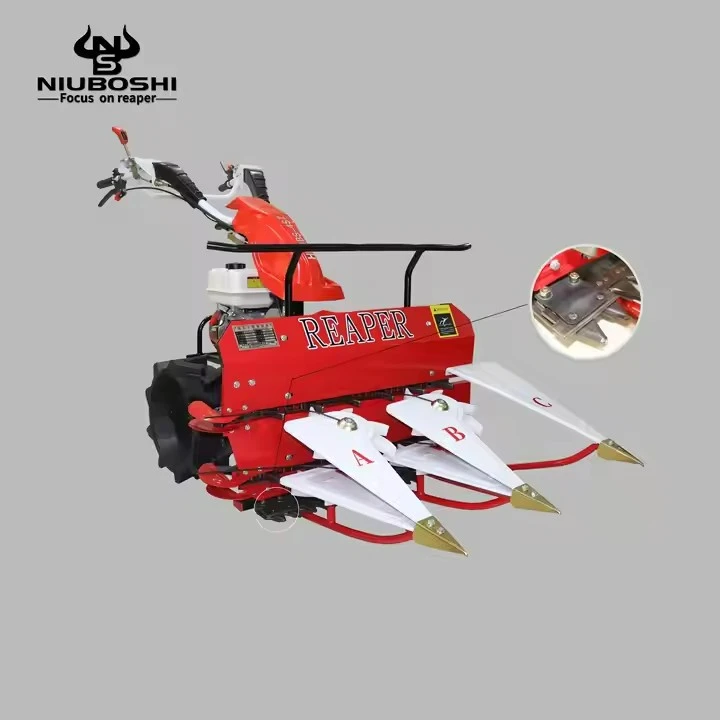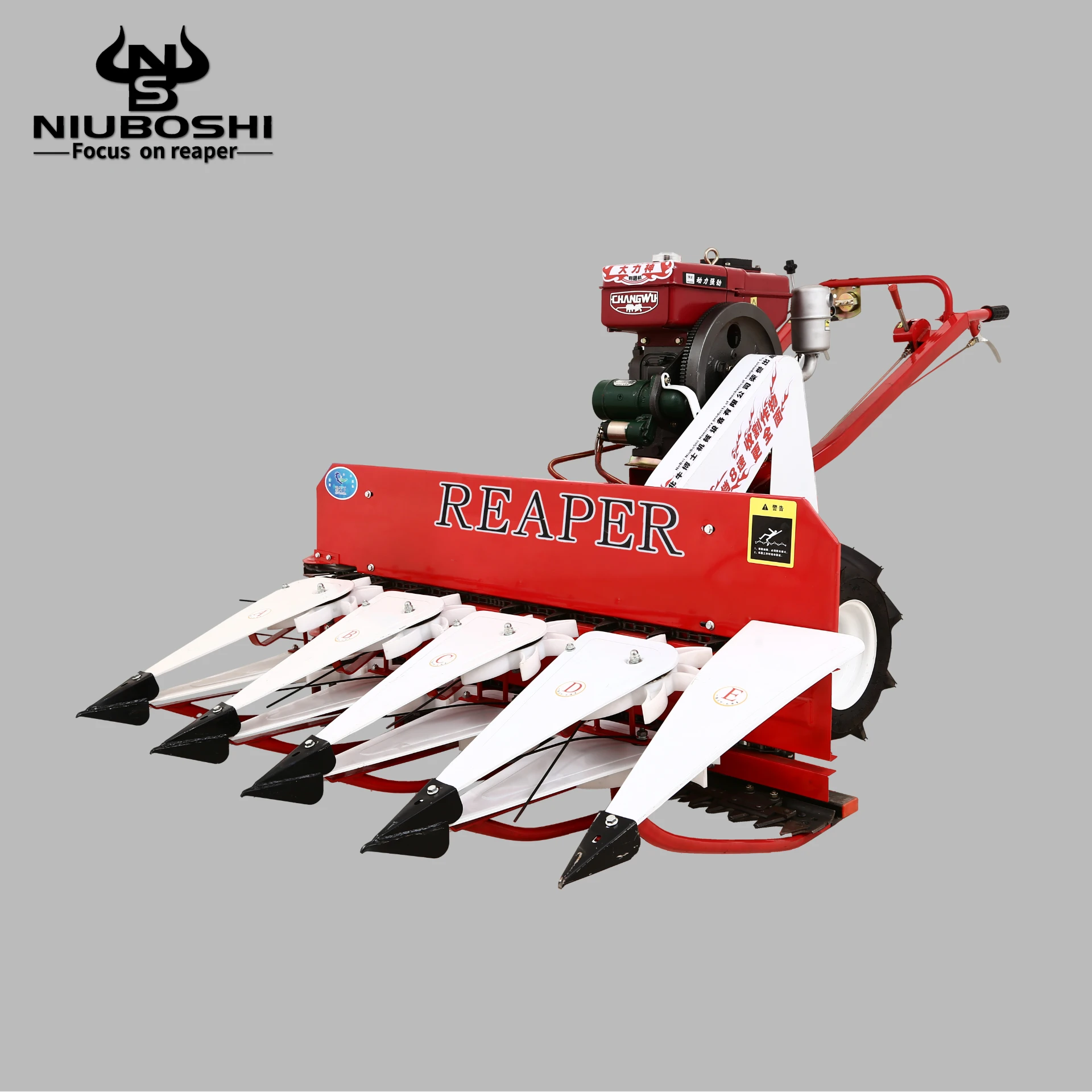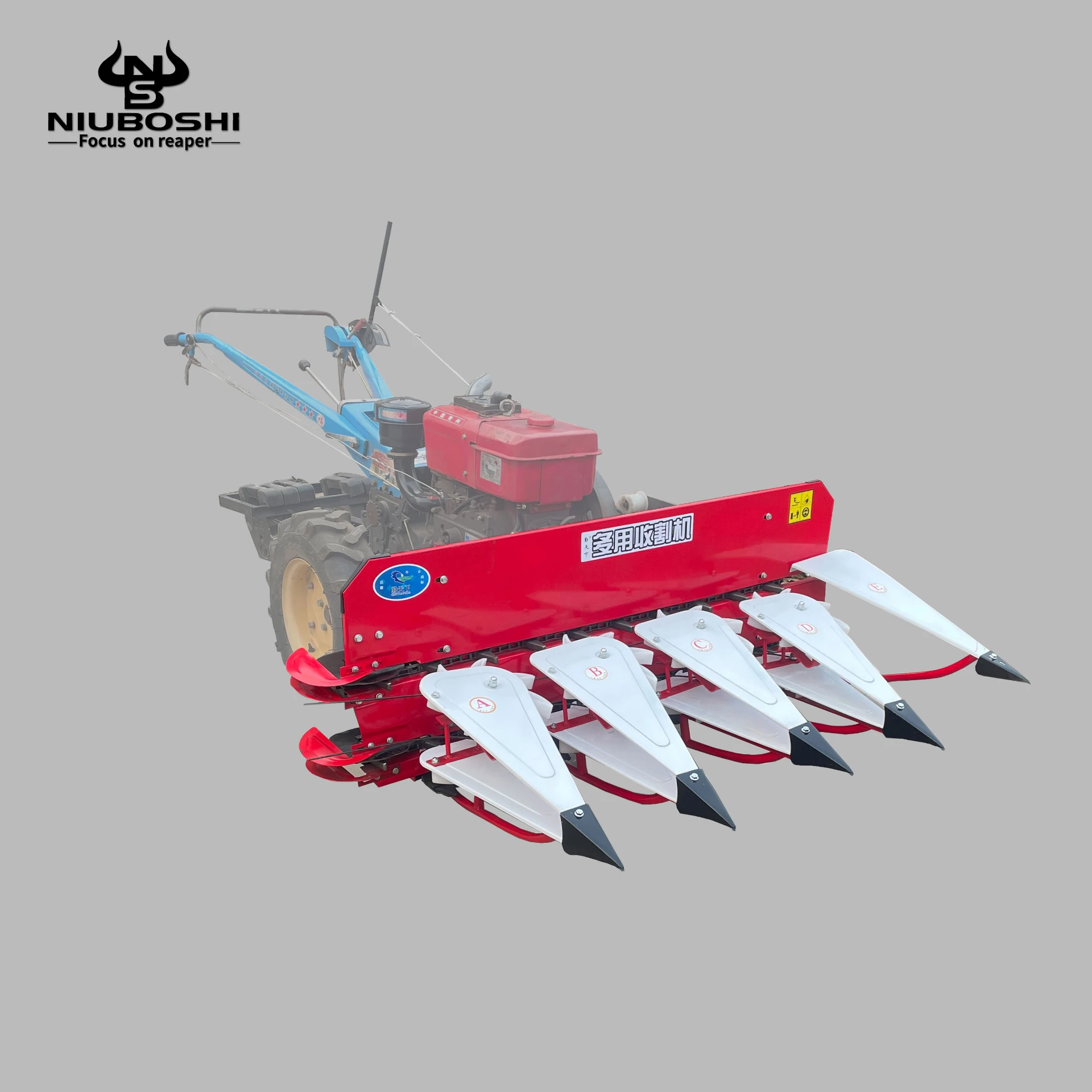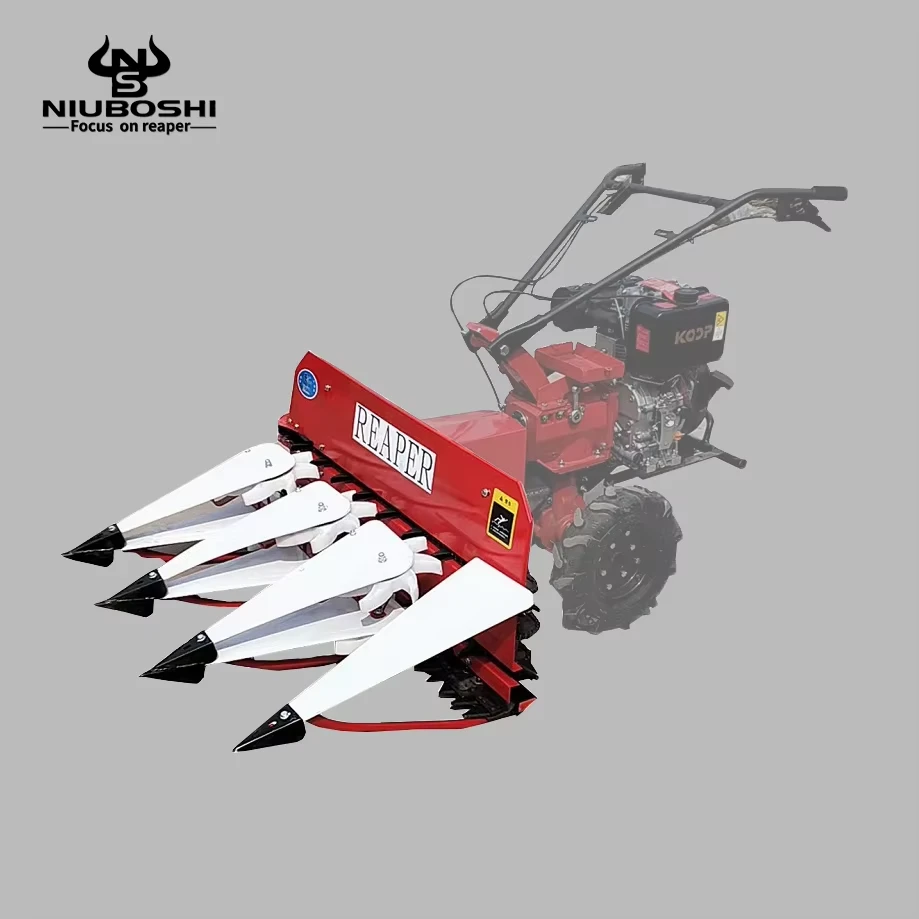
Mini Paddy Harvesting Machine – Efficient Rice Harvesting Solutions for Small Farmers
What Is a Mini Paddy Harvesting Machine and Why It’s a Global Game Changer
In a world where food security keeps nudging higher on the agenda, the humble mini paddy harvesting machine steps into the spotlight. These compact machines pack a mighty punch, offering an efficient and affordable harvest solution that’s tailor-made for small-scale farmers and challenging terrains. Globally, the stakes are high: rice remains a staple for over half the planet’s population, but mechanization at a smaller scale is still catching up. Understanding these machines unlocks a pathway to boost productivity, reduce crop losses, and empower local farmers — which is more than just technology; it’s about food and livelihoods.
Global Context: Feeding the World with Smarter Harvesting
According to FAO statistics, rice accounts for 20% of the world's caloric intake. Yet, mechanized rice harvesting is often skewed towards large farms in developed regions. That's where mini paddy harvesting machines come in—agile, affordable, and perfectly suited to fragmented lands. In Asia, for example, smallholder farmers constitute roughly 80% of the farming population. Mini paddy cutting and threshing solutions make mechanization accessible to these millions.
The challenge is stark: manual harvesting is labor-intensive, time-consuming, and prone to post-harvest losses of up to 15%. Besides, climate unpredictability means rapid harvesting has become a necessity. Here, these machines fill a vital gap — preventing crop rot, reducing wastage, and supporting food security.
Mini takeaway:
- Mini paddy harvesting machines address a key global problem — enabling efficient rice harvest for the small-scale farmer.
- They reduce labor dependency and help cut post-harvest loss.
What Exactly Is a Mini Paddy Harvesting Machine?
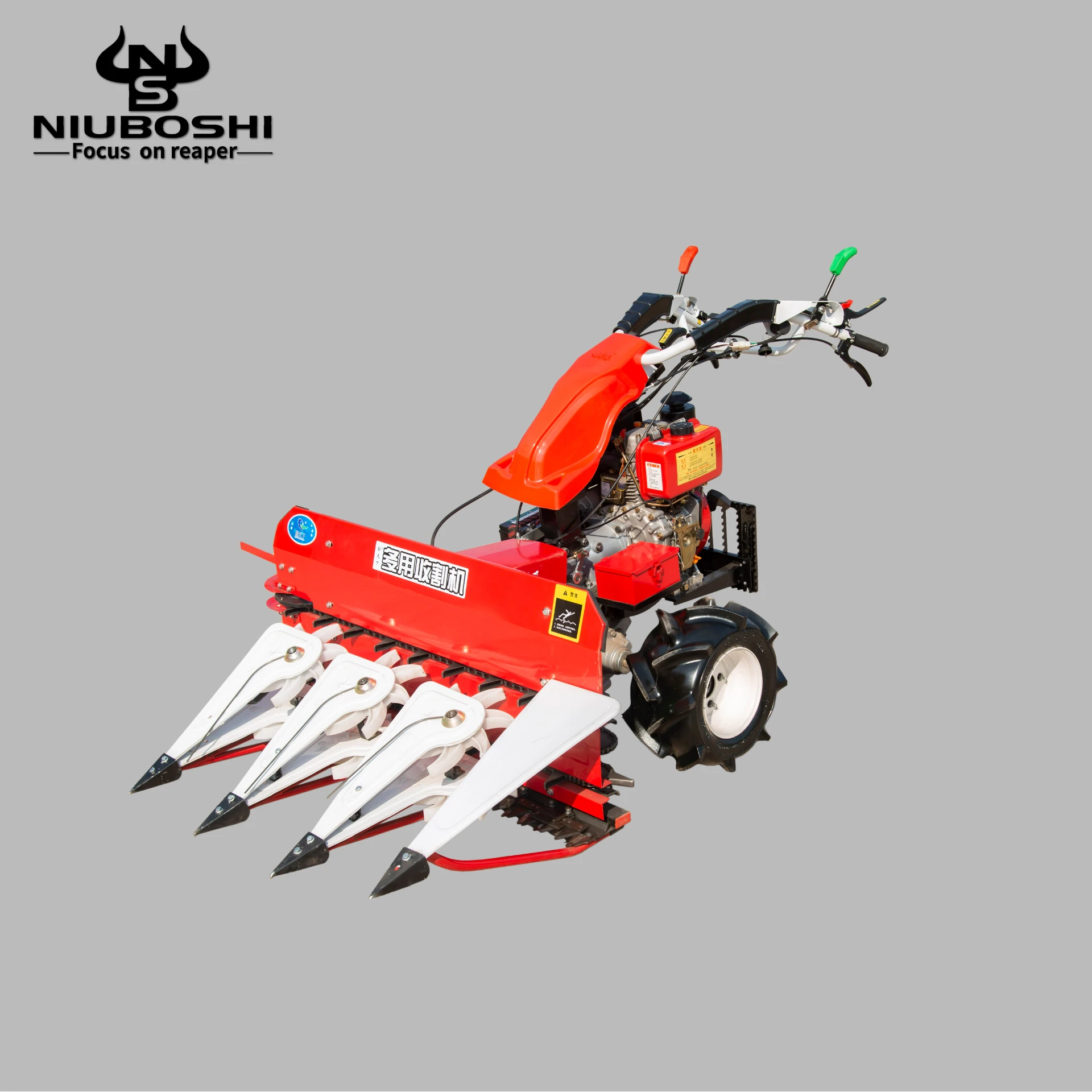
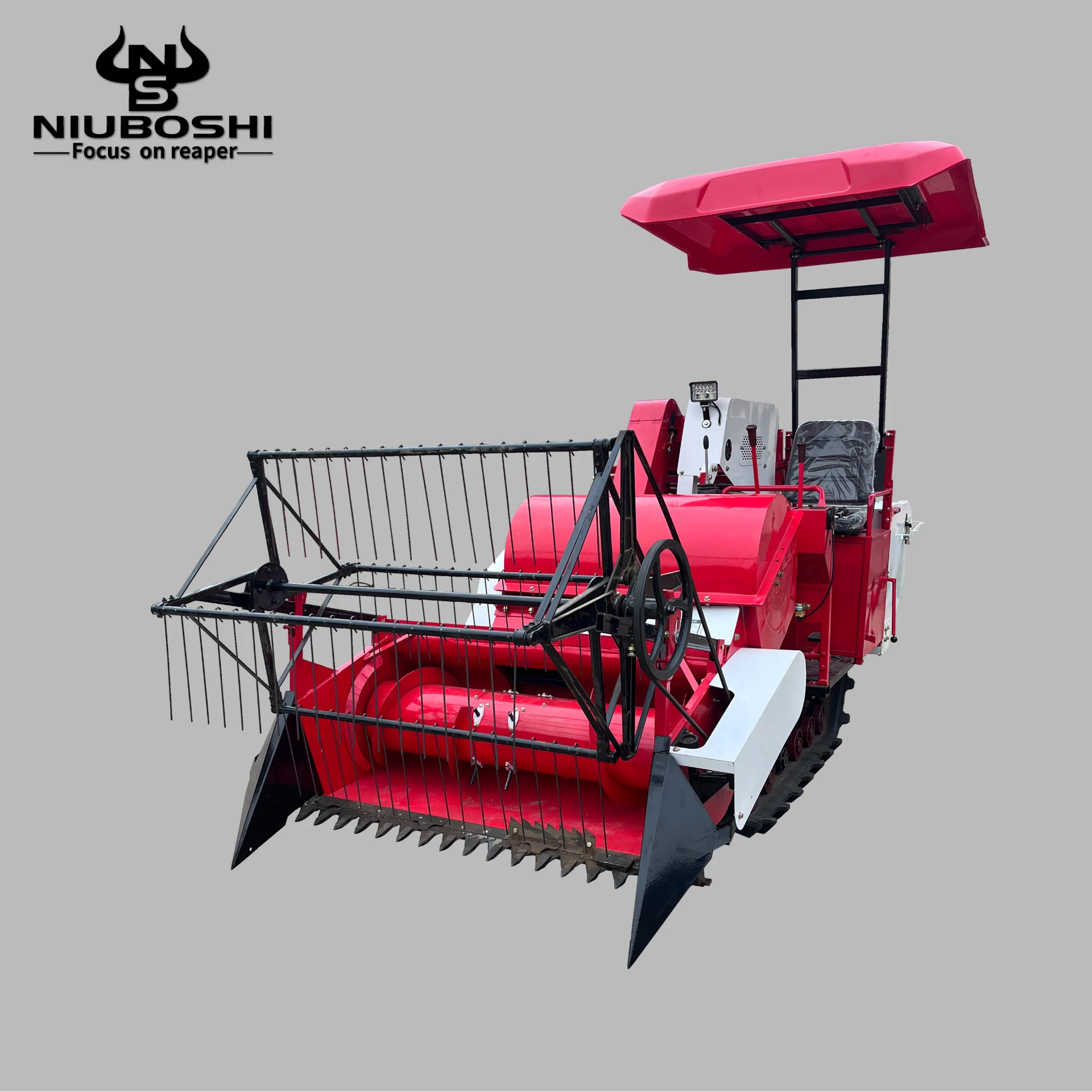
Simply put, a mini paddy harvesting machine is a small, usually self-propelled or push-type piece of agricultural equipment that combines reaping and threshing functions suited for small to medium plots. Think of it as a compact combine harvester optimized for tight spaces, uneven fields, or places where heavy machinery just won't fit.
These often lightweight machines are not just technology for convenience but bridge the gap between traditional manual harvesting and large-scale mechanization, playing a crucial role in modern agriculture — and, frankly, in humanitarian contexts too. After floods or calamities, quickly harvesting paddy can be crucial to avoid food shortages.
Core Components of Mini Paddy Harvesting Machines
1. Durability & Build Quality
Though compact, they’re built to last. The frame, often steel, is rugged enough to withstand harsh field conditions. Rubber tracks or wheels ensure smooth mobility on muddy or uneven terrain.
2. Cost Efficiency
Affordability is key — these machines typically cost a fraction of full-size combines, making them accessible to cooperatives or individual farmers. Less fuel consumption and lower maintenance costs add to the value.
3. Ease of Operation
Most are designed for simple handling, requiring minimal training. In-field adjustments often allow different crop heights or weed management without fuss.
4. Scalability & Portability
Many models break down for easy transport or storage. This is a huge advantage in remote or fragmented farm layouts common in Southeast Asia, Africa, and parts of Latin America.
5. Crop and Terrain Adaptability
Some machines can handle various crop types (paddy, wheat, barley) and work in varied conditions, from flooded paddies to dry uplands.
Mini takeaway:
- Durability and cost efficiency balance to fit real-world small-farm needs.
- Designs are increasingly user-centric, making these machines accessible to non-expert users.
Real-Life Impact: How Mini Paddy Harvesters Are Changing Fields Worldwide
Across Asia’s dense rice belts — from Vietnam’s Mekong Delta to the terraced slopes of Nepal — mini paddy harvesting machines have helped countless farmers save time and money.
In post-disaster zones, particularly flooding-hit areas in Bangladesh and Thailand, these machines enable quick clearance of crops before they rot or are washed away. Likewise, in parts of sub-Saharan Africa where multiple small plots dominate, access to mini harvesters is opening doors to sustainable agriculture rather than subsistence farming. NGOs and agricultural cooperatives have championed these machines, while governments in places like Indonesia support subsidies to boost their uptake.
Example Case:
A cooperative in the Philippines reported a 30% increase in harvesting efficiency after switching from manual labor to mini paddy harvesters, reducing labor costs and post-harvest losses simultaneously. It’s a model many emerging markets aim to replicate.
Spec Sheet: Typical Mini Paddy Harvesting Machine
| Feature | Specification |
|---|---|
| Engine Type | Diesel, 6-12 HP |
| Cutting Width | 800-1200 mm |
| Weight | 100-220 kg |
| Threshing Capacity | 0.3 - 0.7 tons/hr |
| Fuel Tank Capacity | 3-6 liters |
| Dimensions (LxWxH) | 1200 x 750 x 900 mm |
| Operational Terrain | Flooded fields & uneven slopes |
How Do Top Vendors Stack Up?
| Vendor | Price Range (USD) | Warranty | Key Features | Best For |
|---|---|---|---|---|
| GreenField AgriTech | $850 - $1200 | 2 years | Lightweight, easy maintenance, fuel-efficient | Smallhold farmers, cooperatives |
| AgroMinis | $900 - $1300 | 1.5 years | High threshing speed, all-terrain | Hilly and flood-prone areas |
| EcoPaddy Solutions | $1000 - $1250 | 3 years | Low emissions, solar hybrid option | Sustainable farming initiatives |
Why Adopt a Mini Paddy Harvesting Machine? The Long-Term Benefits
Beyond the obvious time savings, these machines foster sustainability in multiple ways. They reduce dependence on costly labor, cutting overall operational expenses for farmers. Emotionally, using mechanized solutions brings dignity to farmers—less backbreaking work, more reliable income, and a sense of modernity that can inspire community pride.
Environmentally, more efficient harvesting helps prevent crop wastage, reducing greenhouse gas emissions linked with rot. Also, newer models lean towards fuel efficiency or even hybrid power, fitting neatly into a world pushing for greener agriculture.
Looking Ahead: What’s Next for Mini Paddy Harvesters?
Automation isn’t far off. Sensor-driven cutting heads, GPS-guided navigation, and IoT integration for remote monitoring are bubbling under the surface. Imagine a mini paddy harvesting machine that talks to your smartphone — telling you fuel status, crop yield estimates, or maintenance alerts.
Moreover, hybrid electric engines and lightweight composite materials are being tested to further reduce carbon footprints and increase portability.
Facing Challenges and Their Solutions
No product is perfect, and mini paddy harvesters are no exception. Common hurdles include:
- Maintenance difficulty: Remote areas may lack skilled service technicians.
- Initial investment hesitation: Even though more affordable than big machines, upfront cost can still be a barrier for smallholders.
- Terrain limitations: Extremely uneven or rocky land remains tricky.
Experts recommend training local mechanics, setting up community sharing models, and designing suspensions or tracks adapted to rougher soils.
Frequently Asked Questions About Mini Paddy Harvesting Machine
Q1: How easy is it for a smallholder farmer to operate a mini paddy harvesting machine?
A1: Very easy! These machines are designed with simplicity in mind. Most come with user manuals and basic training sessions to help farmers get started quickly. The goal is to minimize downtime and maximize usability without needing expert operators.
Q2: Can mini paddy harvesters work in wet or flooded rice fields?
A2: Yes, many models include amphibious capabilities or rubber tracks to navigate flooded paddies effectively. However, it varies by model, so it’s best to check specs carefully to ensure suitability for your field conditions.
Q3: What maintenance should I expect with these machines?
A3: Regular checks include cleaning the cutting blades, lubricating moving parts, and routine engine servicing. Because of their simpler design, repairs can often be handled locally without high-tech tools.
Q4: Are mini paddy harvesting machines environmentally friendly?
A4: Compared to manual threshing and larger machinery, yes. They consume less fuel, reduce crop wastage, and many newer versions offer hybrid or electric options, helping to lower carbon emissions.
Q5: How do I import a mini paddy harvesting machine from trusted vendors?
A5: Most vendors provide international shipping with clear customs documentation. Partnering with exporters experienced in agricultural equipment is advised. Check vendor warranty and after-sales support policies before purchasing.
Conclusion: Why Mini Paddy Harvesting Machines Matter More Than Ever
In a nutshell, mini paddy harvesting machines are transforming rice farming — especially in smallholder contexts where change is hardest but needed most. They enhance productivity, lower costs, and support sustainability efforts worldwide. Sound like the right fit for your farm or co-op? Explore our range of mini paddy harvesting solutions and see how you can take your harvest from backbreaking chores to efficient success.
Final takeaway:
Embracing the mini paddy harvesting machine isn’t just a technological upgrade; it’s an investment in food security, farmer welfare, and sustainable agriculture. And frankly, that’s a story worth being part of.
References
Latest news
-
Maximize Harvest Efficiency with the Agro Reaper Binder MachineNewsApr.16,2026
-
Boost Harvest Efficiency with the Best Agriculture Reaper MachineNewsApr.09,2026
-
Revolutionizing Agriculture with the Efficient Agriculture Power ReaperNewsApr.07,2026
-
Comprehensive Guide to the 4 Wheel Reaper Binder for Efficient HarvestingNewsApr.04,2026
-
Comprehensive Guide to Reaperbinder Technology for Efficient Hay and Crop HarvestingNewsMar.31,2026
-
Mastering the Art of Reaper Cutting for Enhanced Agricultural EfficiencyNewsMar.28,2026