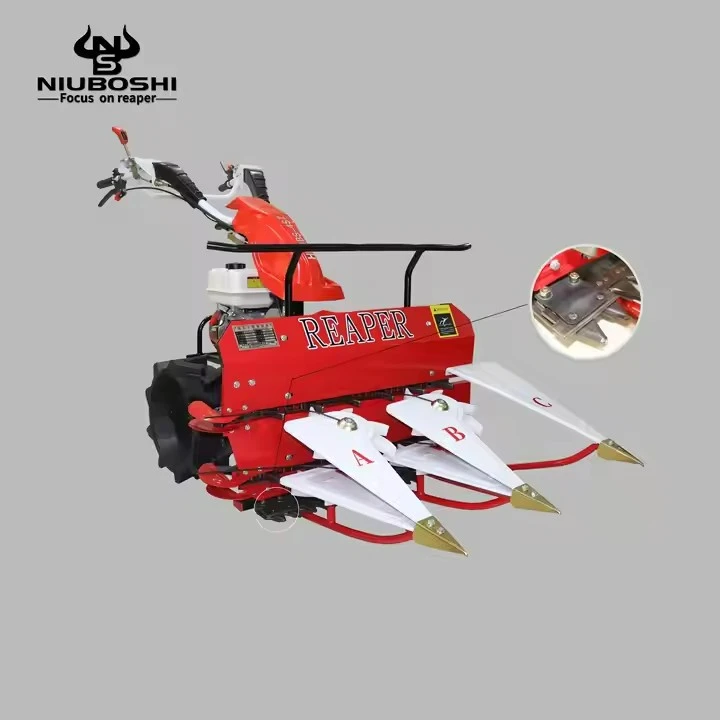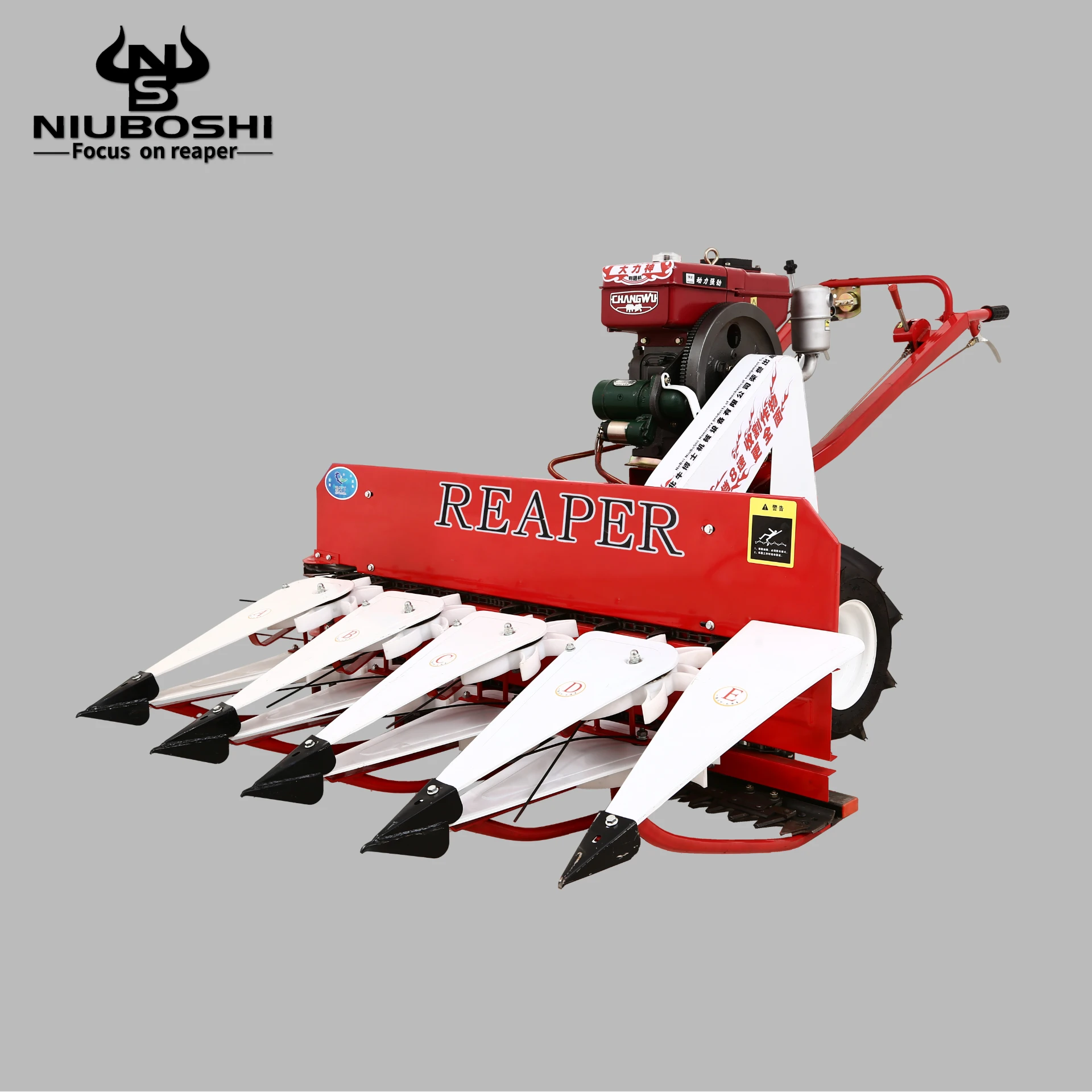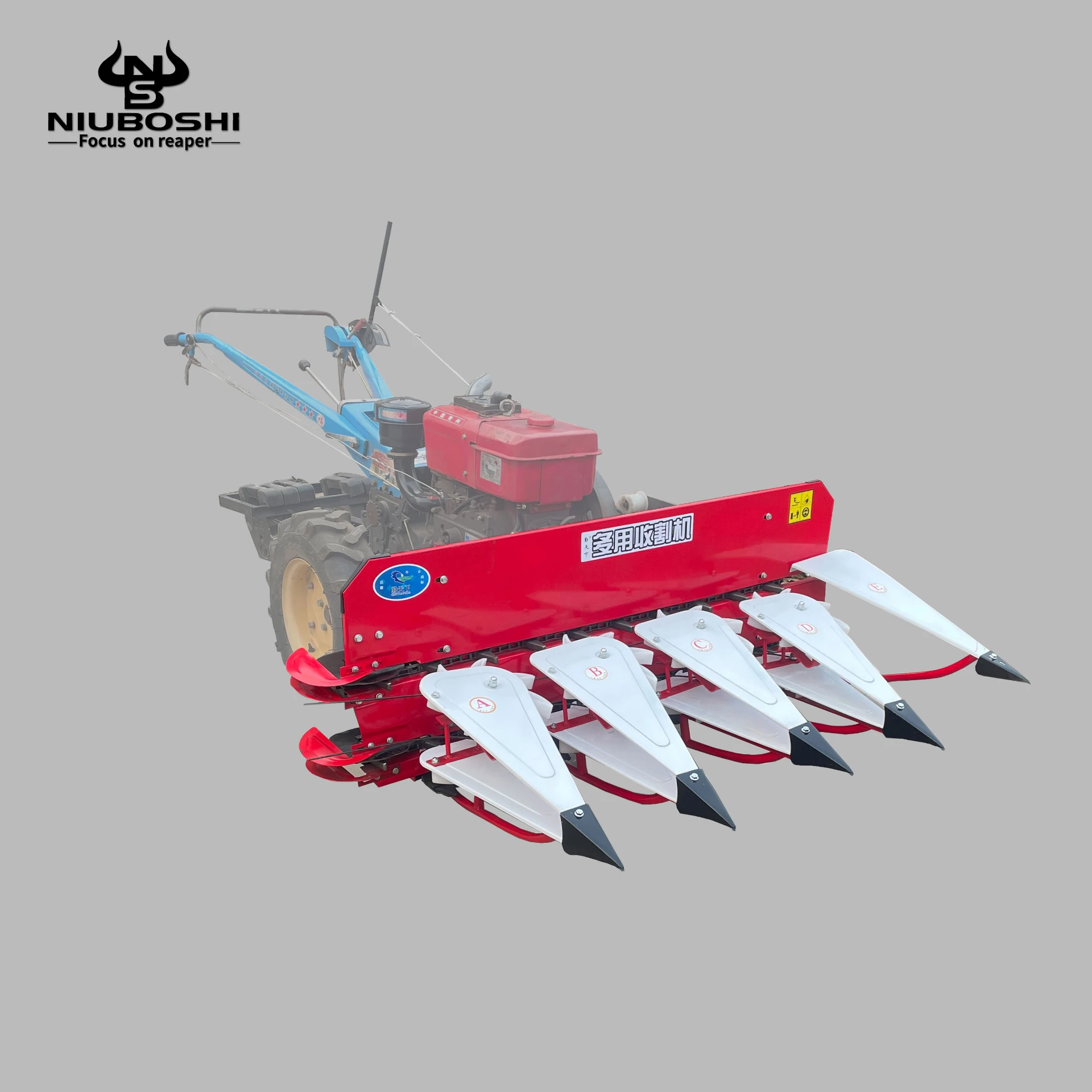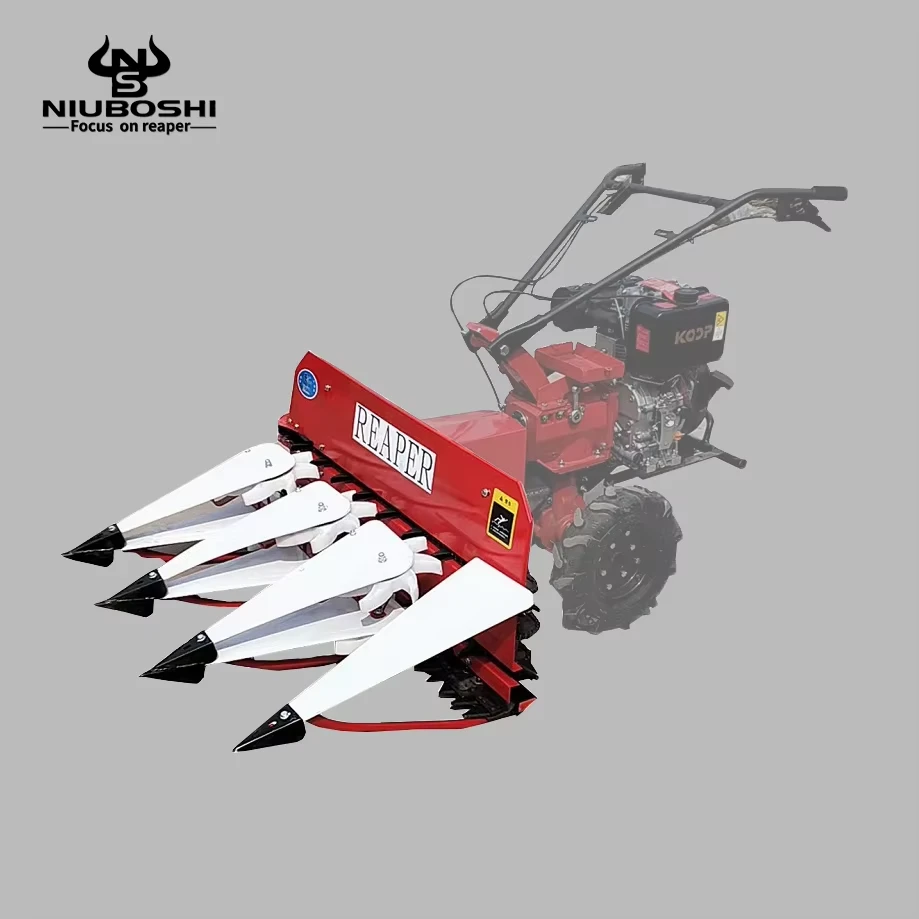
Mini Combine Harvester Tractor Guide: Compact Agriculture Powerhouse
Understanding the Mini Combine Harvester Tractor: Small Machine, Big Impact
At first glance, the phrase mini combine harvester tractor might sound like a mouthful of agricultural jargon—and, honestly, it is a bit! But it's a fascinating piece of equipment that’s quietly revolutionizing farming worldwide. By combining the functions of harvesting, threshing, and cleaning crops into a compact, easy-to-use unit, mini combine harvester tractors empower small-scale farmers and large agribusinesses alike. With global food demand rising and land resources tightening, knowing how these machines work—and why they matter—can really open your eyes to their ripple effects on food security, sustainability, and rural economies.
So, what’s the big deal about these small harvesters? Why not use traditional full-size combines or manual labor? In brief, mini combine harvester tractors offer mobility, cost-effectiveness, and versatility, especially in regions where terrain, farm size, and labor availability pose real challenges. Over the next few minutes, I’ll walk you through the essentials: what these machines are, how they function, their global applications, and a bit about what’s next.
The Global Context: Feeding a Growing Population with Smarter Tools
It’s no secret that agriculture forms the backbone of many economies and millions of livelihoods worldwide. According to the UN Food and Agriculture Organization (FAO), nearly 80% of the world’s farms are smallholdings under two hectares in size. These farmers are the ones who often face the biggest barriers when it comes to mechanization. Enter the mini combine harvester tractor — designed to suit small/tricky plots and enable efficient harvesting without breaking the bank.
Globally, the agricultural machinery market is projected to surpass $160 billion by 2027, driven by automation and miniaturized equipment.[1] But the mini combine harvester tractor tackles a persistent problem beyond just scale: it addresses labor shortages, especially in rural areas where young people are leaving for cities, and fluctuating climatic conditions that demand timely harvesting.
It’s a tool fitting the bill for Asia’s terraced rice fields, Africa’s small farms, and even European vineyards and orchards. And with emissions regulations tightening worldwide (ISO 8178 sets standards for engine emissions), smaller, cleaner engines are becoming a selling point.[2]
Mini takeaway: Mini combine harvester tractors are globally relevant because they intersect technology, sustainability, and socio-economic needs, making modern agriculture viable at all scales.
What Exactly Is a Mini Combine Harvester Tractor?
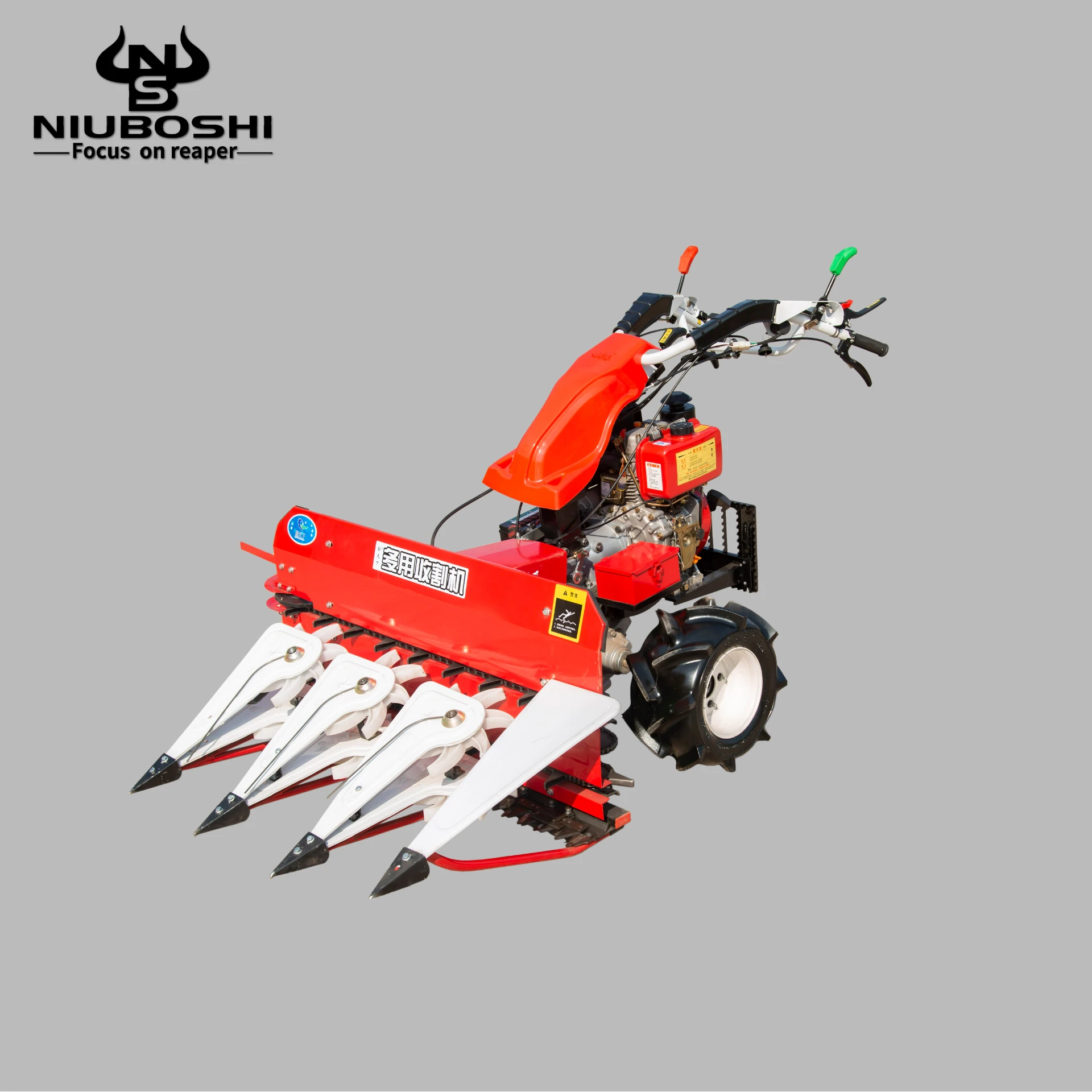
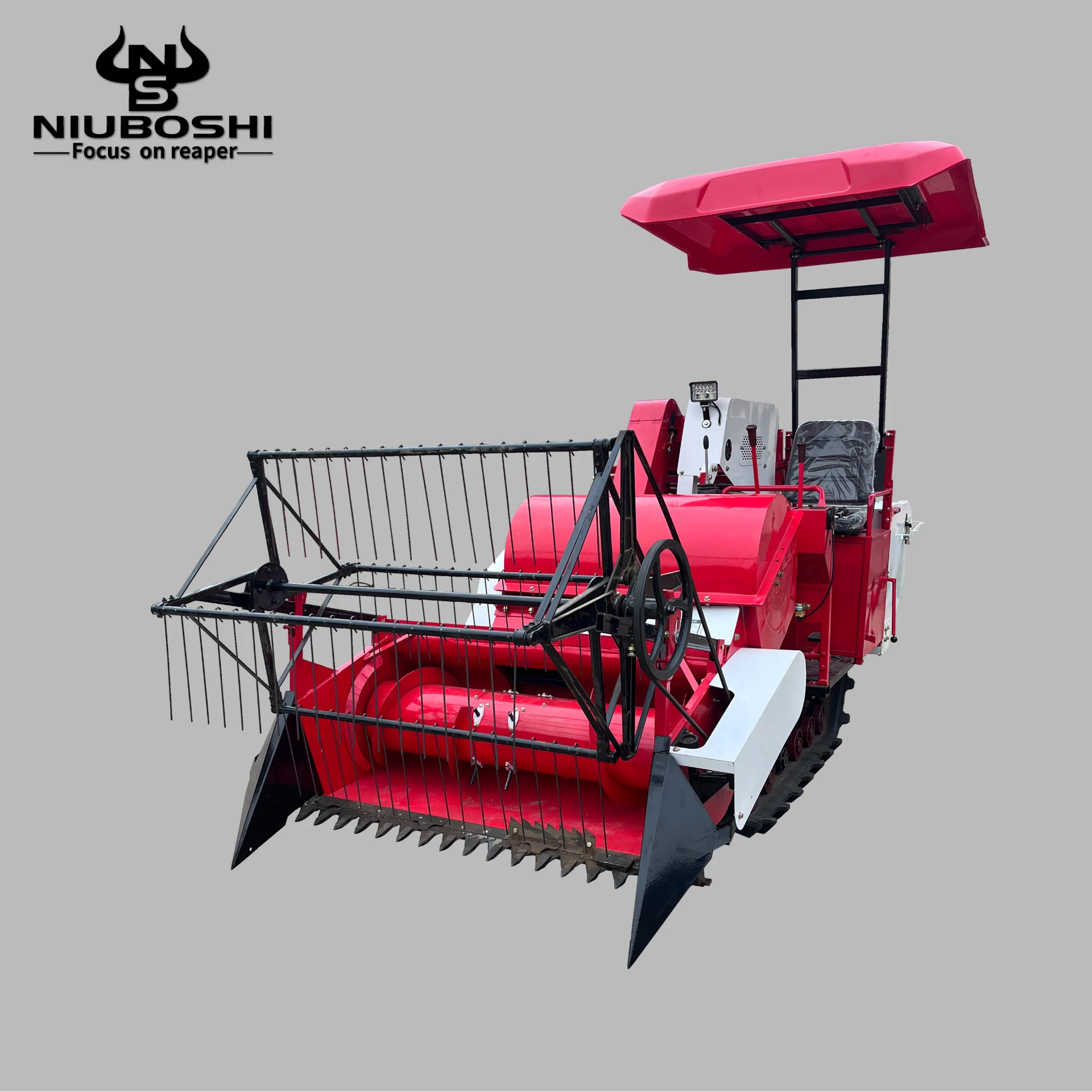
Simply put, a mini combine harvester tractor is a compact agricultural machine designed to harvest grain or cereal crops with integrated functionality for reaping, threshing, and winnowing. Compared to full-sized combines, these minis are easier to maneuver, lightweight, and require less fuel. They’re often self-propelled or tractor-mounted, and ideal for small or uneven fields.
Think of it as a Swiss Army knife for farmers who need to do a lot with less. From a humanitarian standpoint, these machines help ensure food security in remote or under-resourced regions, where traditional mechanization might be too expensive or impractical.
Core Components and Key Factors That Define Functionality
1. Compact & Maneuverable Design
This is the standout feature. The typical mini combine harvester tractor is roughly 1.5 to 2 meters wide—narrow enough to navigate tight terraces, narrow rows, or hilly terrain where big machines simply can’t go. This compactness translates to greater area coverage with less soil compaction, preserving land health.
2. Power Source and Engine Efficiency
Most of these machines use efficient diesel engines ranging from 15 to 40 horsepower, balancing fuel economy with power. A smaller engine means lower emissions and easier maintenance, both essential in developing regions with limited access to repair services.
3. Multi-Functional Harvesting Components
The heart of the machine includes:
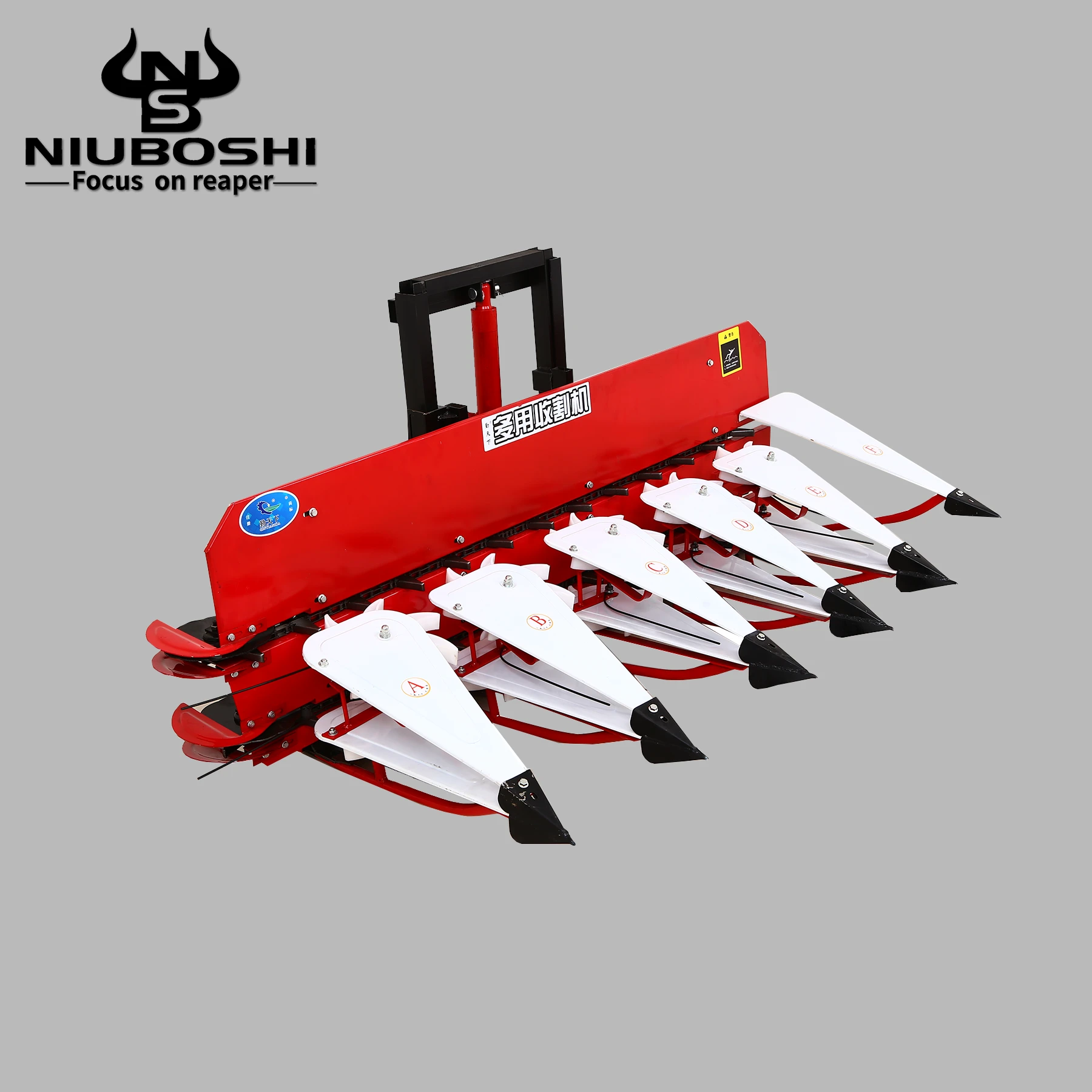
- Cutting blade or header for reaping crops
- Threshing drum to separate grains from stalks
- Cleaning sieve for debris removal
- Grain tank or receptacle to collect the yield
The integration reduces the need for multiple machines and manpower, speeding up harvest cycles.
4. User-Friendly Controls and Safety Features
Simple levers or joystick controls make the machine accessible to local farmers with minimal training. Safety features like automatic stops if grain tanks are full or if an object blocks threshing mechanisms are becoming standard.
5. Cost and Maintenance Considerations
Mini combine harvester tractors usually cost between $6,000 to $20,000, depending on brand and features—much cheaper than full-sized equivalents that can run over $100,000. Spare parts availability and ease of repairs are essential factors, often favoring locally assembled or regionally supported models.
| Feature | Typical Value | Notes |
|---|---|---|
| Width | 1.5 - 2 meters | Allows operation in small or terraced fields |
| Engine Power | 15–40 HP | Diesel-powered for fuel economy and torque |
| Crop Types | Wheat, rice, barley, maize | Versatile for multiple grains |
| Grain Tank Capacity | 200–600 kg | Small storage; frequent unloading needed |
| Weight | 600–1,200 kg | Light enough for easy transport on trailers |
Mini takeaway: Every component and design choice in a mini combine harvester tractor balances between functionality and accessibility, making it a practical choice for many farming scenarios.
Real-World Applications: From Rice Terraces to Remote Orchards
Mini combine harvester tractors have found their way to farms across Asia, Africa, and parts of Latin America. For instance, in Vietnam’s mountainous northwest, farmers use these nimble machines to harvest rice on steep terraces that full-sized combines can’t approach safely. Similarly, in Eastern Africa, where manual labor costs are rising, these mini harvesters have cut harvesting time by over 50%, translating to faster sales and reduced post-harvest losses.
Interestingly, NGOs and agricultural cooperatives have started integrating mini combine harvester tractors into their programs, recognizing how these machines support food security post-disaster or during drought conditions. Their portability also makes them invaluable for regions rebuilding after natural calamities.
If you want to dive deeper into models suited for small-scale farms, check out this mini combine harvester tractor gallery, which showcases a variety designed for diverse terrains.
Why They Matter: Advantages & Enduring Value
- Cost Efficiency: Initial investment and operation costs are lower compared to full-size combines or manual labor reliance.
- Sustainability: Reduced soil compaction and lower emissions help protect farmland over time.
- Social Impact: By reducing backbreaking labor, these machines improve farmers’ health and dignity.
- Reliability: Simple maintenance and mechanical robustness ensure these machines survive tough field conditions.
- Speed: Faster harvesting reduces losses during critical harvest windows, a prime concern in unpredictable climates.
Many farmers report that having a mini combine harvester tractor takes the pressure off critical harvest moments, giving them breathing space for other tasks. I suppose that sense of control and trust in your machinery is invaluable—hard to put a price on.
Looking Ahead: Trends and Innovations in Mini Combine Harvester Tractors
Technology never sits still. The newest mini combine harvester tractors feature GPS-assisted navigation, digital monitoring dashboards, and increasingly efficient four-stroke engines that meet Euro-V emission standards. Some manufacturers are exploring electric or hybrid powertrains to cut fuel costs and carbon footprints, though battery weight is a barrier so far.
Automation and smart sensors are beginning to trickle down from large agritech into small-scale machines—things like crop yield estimation, autonomous driving paths, and remote diagnostics. It’s an exciting frontier, especially for farmers with limited agronomy knowledge or support.
Not Without Challenges: Obstacles and How Experts Are Addressing Them
Of course, mini combine harvester tractors aren’t perfect. Common issues include limited grain tank size leading to frequent unloading, engine reliability in rugged conditions, and accessibility to affordable spare parts. Training operators remains a hurdle in some regions where mechanized farming is new.
Innovative start-ups and NGOs are tackling these challenges through localized assembly hubs that ensure spare parts supply and through community training programs. Modular designs that swap attachments quickly can also extend functionality.
| Brand | Engine Power | Price Range (USD) | Unique Features | Service Network |
|---|---|---|---|---|
| NiuBoshi Agricultural | 20-35 HP | $7,000 - $16,000 | Compact design; user-friendly controls | Strong in Asia; emerging global |
| Kubota | 25-40 HP | $15,000 - $20,000 | Advanced tech integration; durable build | Global network; reliable support |
| Yanmar | 18-30 HP | $10,000 - $18,000 | Fuel efficiency; easy maintenance | Strong in Asia and Africa |
FAQ: Quick Answers About Mini Combine Harvester Tractors
Q1: How does a mini combine harvester tractor differ from a traditional combine?
A: Mini combine harvester tractors are smaller, lighter, and designed for smaller plots or challenging terrains where full-size combines can't operate effectively. They combine the same harvesting functions but with improved mobility and usually lower engine power.
Q2: Can these mini machines handle different types of crops?
A: Yes! They commonly harvest grains like wheat, rice, barley, and maize. Some models offer adjustable settings to handle variations in crop height and density, making them versatile for mixed farming.
Q3: Is the maintenance of mini combine harvesters complex?
A: Not really. Most models are built with simplicity in mind, featuring easily accessible parts and straightforward operation manuals, which suits farmers in areas with limited technical support.
Q4: What is the typical lifespan of a mini combine harvester tractor?
A: With regular maintenance and proper usage, these machines can last 8-15 years. Durability depends heavily on build quality and how rough the working environment is.
Q5: Are mini combine harvester tractors compatible with existing tractors or are they standalone?
A: Both types exist. Some mini combines are standalone self-propelled units, while others attach to standard tractors as implements. Choosing depends on your existing equipment and farm scale.
Conclusion: Small Machine, Big Promise
Mini combine harvester tractors pack a lot of punch for their size. They address very real challenges faced by small farmers worldwide—from uneven terrain to unreliable labor availability. Their combination of compactness, cost efficiency, and versatility makes them a compelling solution as agriculture continues to modernize. If you’re curious about options suited for your land or operation, exploring products from reliable makers like mini combine harvester tractor manufacturers is a smart move.
After all, in farming and in life, sometimes the little things make the biggest difference.
References
Latest news
-
Maximize Harvest Efficiency with the Agro Reaper Binder MachineNewsApr.16,2026
-
Boost Harvest Efficiency with the Best Agriculture Reaper MachineNewsApr.09,2026
-
Revolutionizing Agriculture with the Efficient Agriculture Power ReaperNewsApr.07,2026
-
Comprehensive Guide to the 4 Wheel Reaper Binder for Efficient HarvestingNewsApr.04,2026
-
Comprehensive Guide to Reaperbinder Technology for Efficient Hay and Crop HarvestingNewsMar.31,2026
-
Mastering the Art of Reaper Cutting for Enhanced Agricultural EfficiencyNewsMar.28,2026