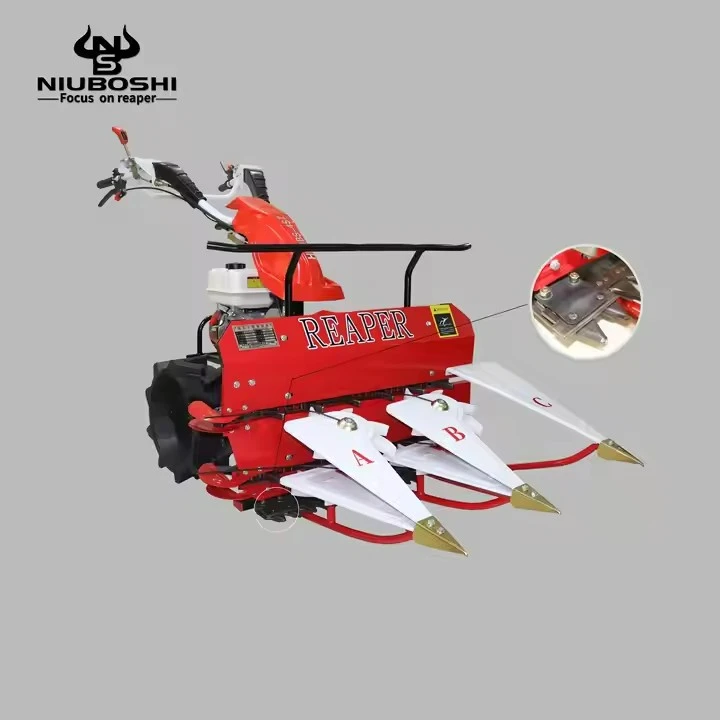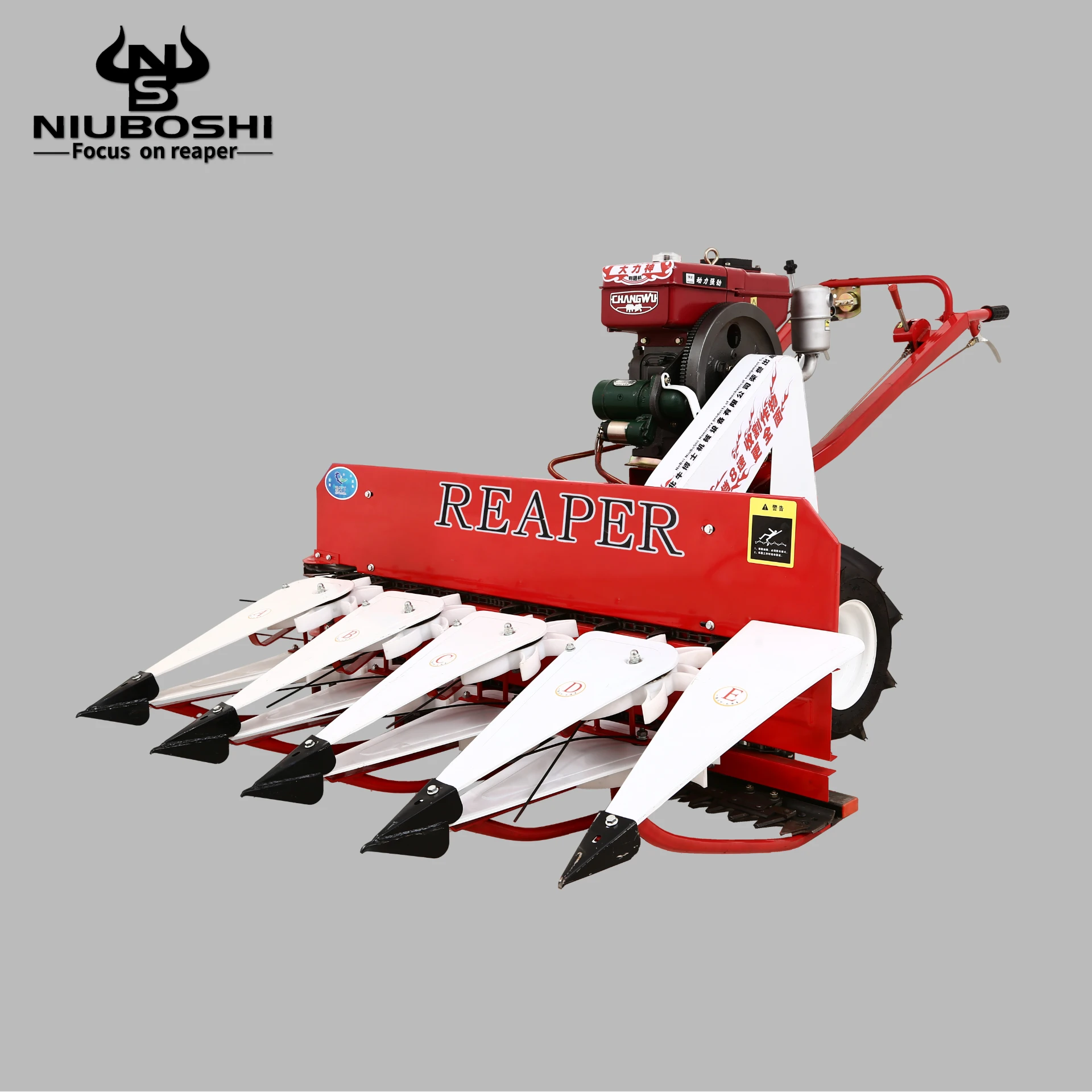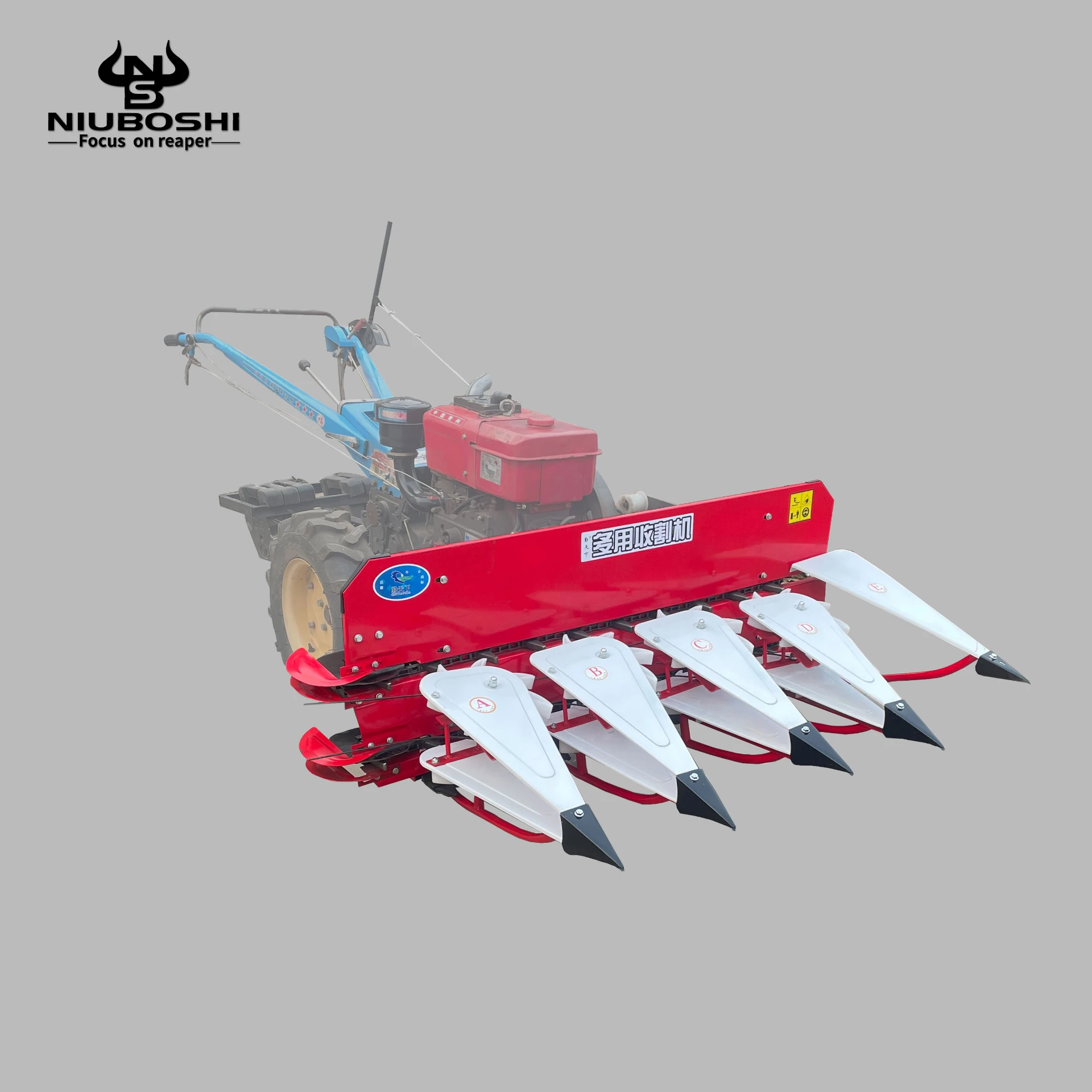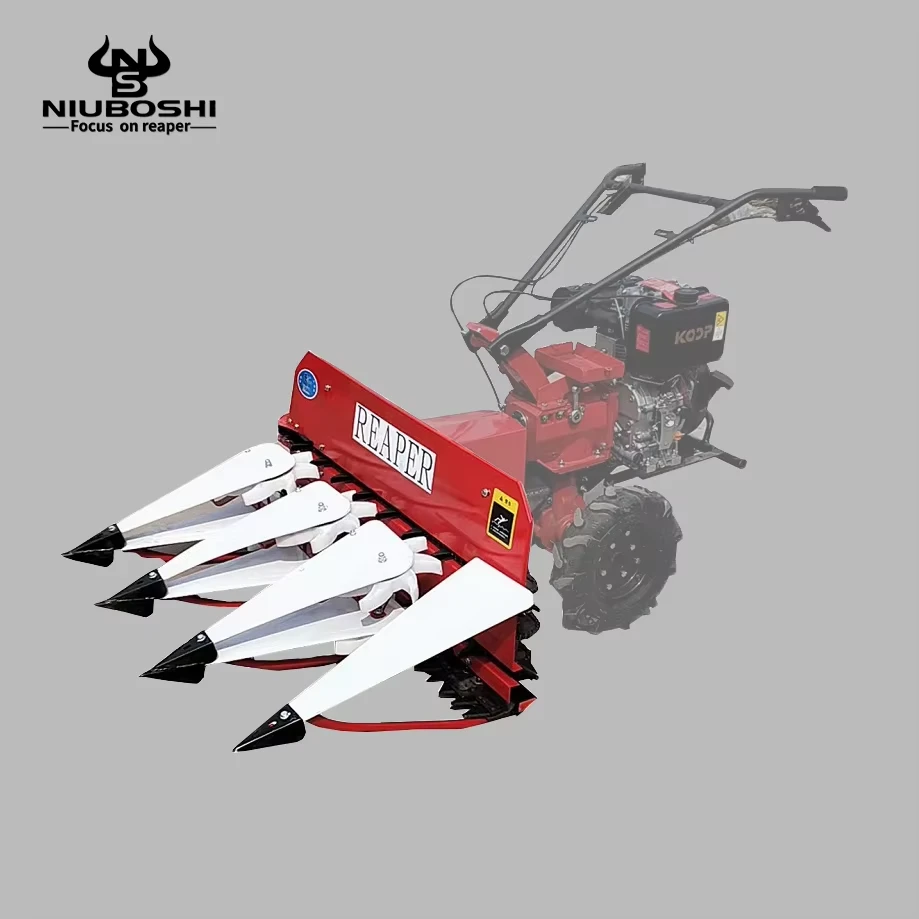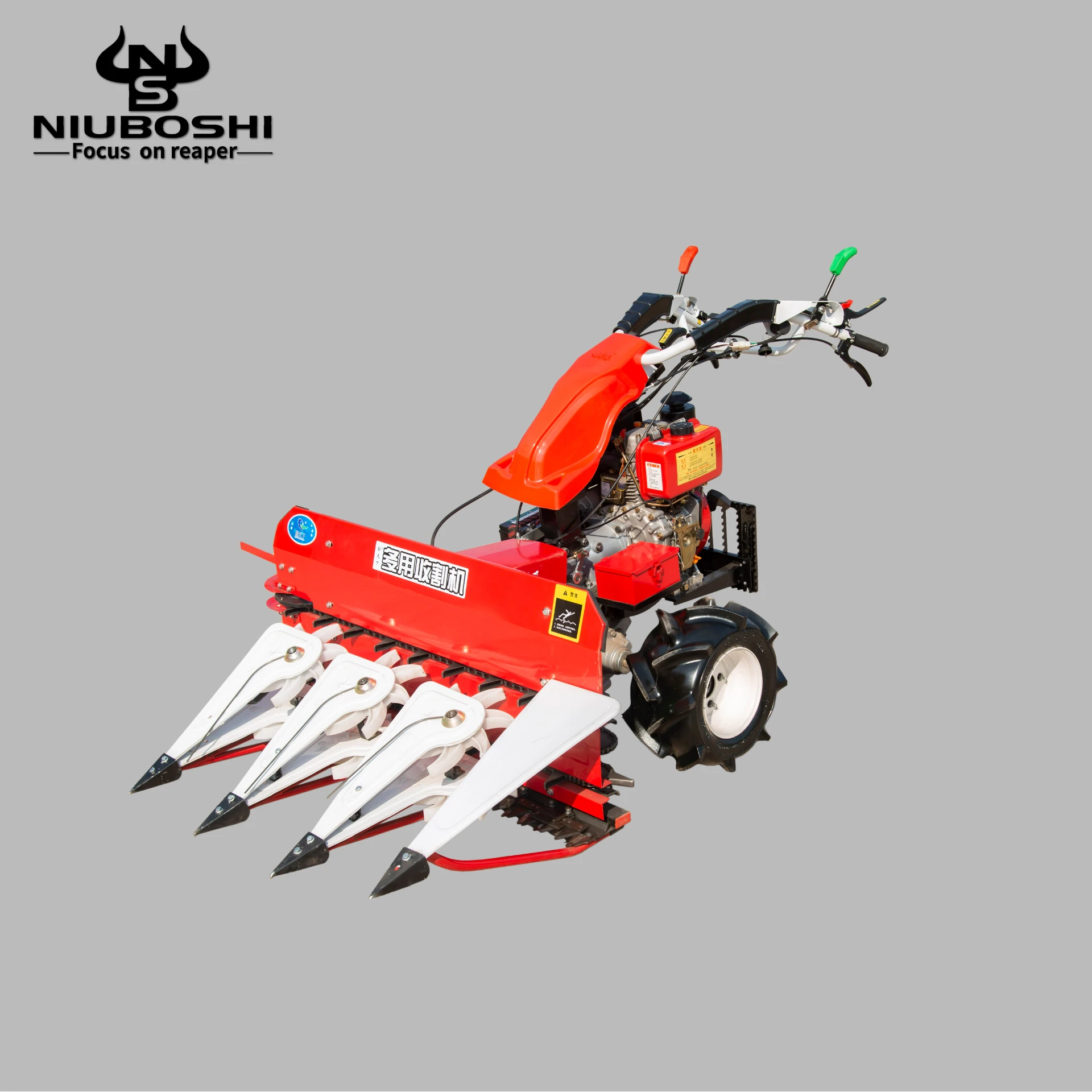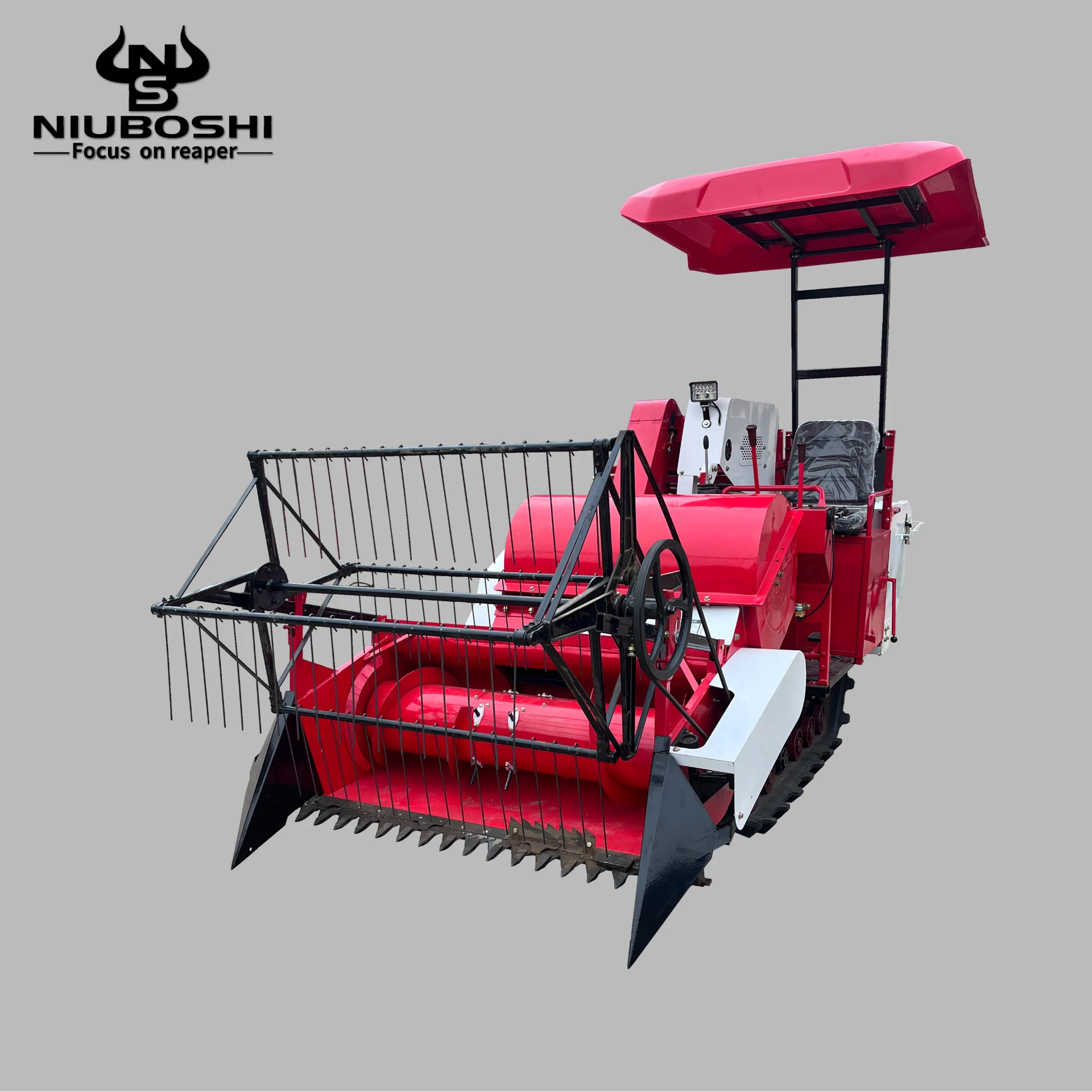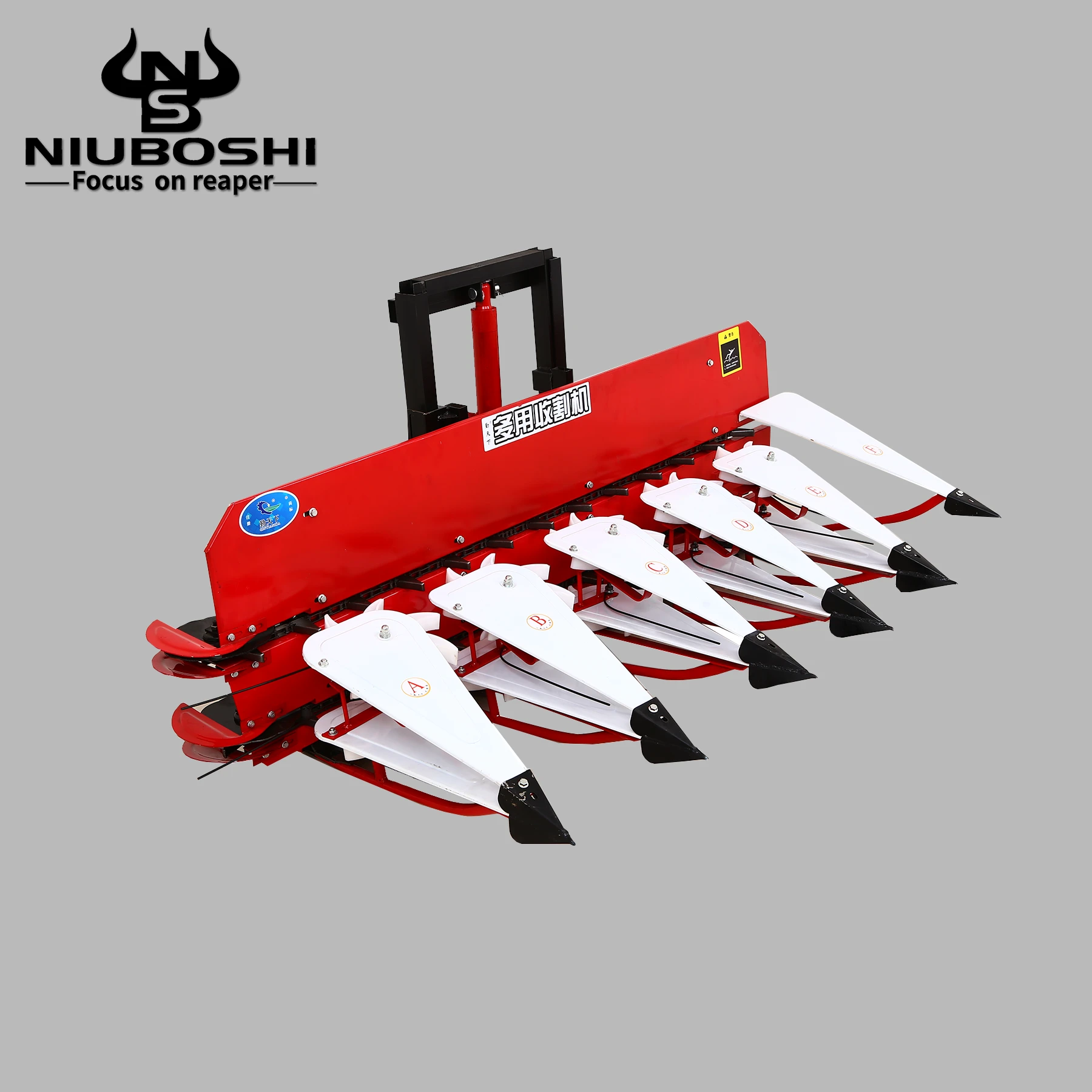
Explore Quality Small Combine Harvester for Sale - Efficient & Affordable Farm Machinery
Why Small Combine Harvesters Matter in Today's Agriculture
If you’re tuning in to the global agricultural scene, the small combine harvester for sale is more than just another piece of farm machinery. It’s a vital tool bridging traditional farming and modern efficiency—especially for smallhold farmers or those operating in tight, fragmented land parcels. With a growing global population, the demand for food and efficient crop handling has pushed farming innovation beyond the giant harvesters reserved for sprawling estates. Small combine harvesters address this gap, offering a manageable, cost-effective option that helps farmers increase yield while reducing manual labor.
Globally, agriculture engages over 1.3 billion people, most of whom work on small-scale farms according to the UN’s Food and Agriculture Organization (FAO). For these millions, accessing affordable yet effective harvesting machines makes a huge difference. It's not just about harvesting faster—it can influence food security, rural income stability, and even environmental impact.
Mini takeaway: Small combine harvesters aren’t just “smaller machines.” They’re keys to unlocking productivity and sustainability in a world that depends heavily on small-scale agriculture.
Small Combine Harvester for Sale: Industry & Global Context
The agricultural machinery market is forecasted to reach over $200 billion by 2027, and interestingly enough, the segment for compact or small combine harvesters is growing faster than one might expect. Why? Because in many developing countries, farms are small, scattered, and often shaped by local terrains that giant machines simply can’t tackle.
Increasingly, governments and NGOs push for mechanization that fits local scales to elevate productivity without breaking budgets. For instance, the World Bank has emphasized mechanization strategies tailored to smallholder farmers to reduce post-harvest losses—estimated globally at about 14% of crop production, a huge hit for food availability and farm income.
This rise in demand highlights a key problem: smaller machines can sometimes mean compromises—less power, functionality, or durability—if not designed properly. Thus, a focus on what makes a quality small combine harvester for sale is essential for farmers and suppliers alike.
Definition: What Exactly Is a Small Combine Harvester?
Put simply, a small combine harvester is a compact farming machine that combines the three core harvesting functions—reaping, threshing, and winnowing—into one. Unlike their mammoth cousins used in large plains, these machines are lightweight, maneuverable, and perfect for farms typically under 10 hectares.
They play an especially vital role in modernizing agriculture by enabling farmers to mechanize harvesting without over-investment in infrastructure. Sometimes called mini combines, these machines empower rural economies and connect local farming traditions with industrial efficiency.
Understanding the Core Factors of Small Combine Harvesters
1. Durability
Oddly enough, many small combines nowadays are built to survive tough conditions, including uneven fields and dusty environments. Engineers often balance lightweight frames with rugged materials like reinforced steel. Longevity here means less frequent repairs and more uptime during crucial harvest windows.
2. Scalability
While the machine fits small plots, some models allow attachments or modular enhancements to handle slightly larger operations or different crops. This level of flexibility ensures you’re not stuck if your farm or business grows.
3. Cost Efficiency
Cost isn’t just the purchase price. Operating expenses like fuel, maintenance, and parts availability often weigh heavier on farmers with tight budgets. Many small combines now boast diesel engines optimized for fuel economy without sacrificing performance.
4. Ease of Use
Farmers often aren’t mechanics, so intuitive controls and straightforward serviceability make a difference. Some units now even offer simple onboard diagnostics or quick-change components—which, frankly, help reduce downtime quite a bit.
5. Crop Compatibility
Depending on your region, you might harvest wheat, rice, barley, or other grains. Some small combine harvesters come with adjustable threshing settings or crop-specific headers that, frankly, optimize harvest quality.
Mini takeaway: The magic of small combine harvesters isn’t just “small.” It’s the blend of ruggedness, flexibility, and sensible economics that makes these machines practical everyday helpers.
Real-World Applications of Small Combine Harvesters
You might wonder: where exactly are these tools making a difference? Well, aside from countless family farms across Asia, Africa, and South America, small combine harvesters pop up in unexpected places:
- Post-disaster relief agriculture: After floods or droughts, NGOs use compact harvesters to quickly salvage crops in affected regions without needing extensive logistics.
- Terraced and hilly terrains: In places like Nepal or Vietnam, small machines that can easily navigate slopes make mechanization feasible where it wouldn’t be otherwise.
- Organic farming and specialty grains: Smaller equipment means less soil compaction and better control, which aligns with organic cultivation principles.
Even agri-cooperatives have discovered the value of sharing a single, efficient combine among many smallholders, distributing working hours and costs smartly.
Advantages & Long-Term Value: Why Invest?
Besides the obvious perks of speed and scale, small combines deliver sustainable value:
- Environmental impact: Smaller engines consume less fuel, emit less CO2, and sometimes cause less soil damage than larger machines.
- Safety & dignity for farmers: By reducing backbreaking manual harvesting, these machines improve working conditions—a factor often overlooked.
- Economic resilience: Mechanization can increase yields and profitability, helping rural families withstand market shocks.
- Trust & innovation: Farmers who invest in reliable small farm tech often report greater enthusiasm in adopting other modern practices.
Product Specification Table: Sample Small Combine Harvester
| Feature | Specification |
|---|---|
| Engine | Diesel, 25 HP |
| Weight | 980 kg |
| Cutting Width | 1.2 m |
| Fuel Capacity | 15 Liters |
| Threshing Speed | 600 - 1200 rpm |
| Suitable Crops | Wheat, Rice, Barley |
Comparing Top Vendors: Finding the Best Small Combine Harvester for Sale
| Vendor | Price Range | Warranty | After-Sales Support |
|---|---|---|---|
| HarvestPro | $4,000 - $5,500 | 2 years | Local technicians available |
| AgriTech Minis | $3,800 - $5,000 | 1.5 years | Online support + spare parts shipping |
| FarmMini | $4,500 - $6,000 | 3 years | Comprehensive service contracts |
Future Trends Shaping Small Combine Harvesters
Now, this is where it gets exciting. Advances in digital tech, like GPS-guided steering and smartphone integration, are trickling down into small combines. Imagine a compact harvester that sends you real-time crop and machine health data while you’re on the go.
Green energy is another budding frontier. Battery-powered or hybrid models could soon start easing diesel dependence—particularly amazing for areas where fuel supply is unreliable or expensive.
Additionally, materials like high-strength composites make machines lighter yet stronger, cutting operational costs further and increasing durability.
Frankly, these innovations may transform how accessible and sustainable mechanized harvesting becomes over the next decade.
Challenges & Clever Solutions
Of course, it’s not all smooth sailing. Issues like limited parts availability in remote areas, initial price barriers, and training gaps are common setbacks. But many vendors now offer bundle deals with training sessions, remote assistance, and localized service teams.
Moreover, community sharing models help amortize costs and fix these machines faster when something breaks down.
Adoption also improves as farmers get hands-on exposure and success stories circulate. It feels like the industry is responding well, but the journey continues.
FAQ: Your Questions About Small Combine Harvester for Sale
- Q1: How do I choose the right size of combine harvester for my farm?
- A: Consider your farm’s acreage, crop types, and terrain. For farms under 10 hectares, a small combine harvester balances capacity and maneuverability. Also factor in your budget and after-sales support availability.
- Q2: Are small combine harvesters easy to maintain?
- A: Yes, many models are designed with ease of maintenance in mind. Features like accessible engine compartments and common spare parts make regular upkeep straightforward, even for operators without engineering backgrounds.
- Q3: Can small combine harvesters handle different types of grains?
- A: Typically, yes. Most are versatile for grains like wheat, rice, barley, and millet. Adjustable settings or crop-specific headers enhance their adaptability.
- Q4: How does purchasing a small combine harvester affect post-harvest losses?
- A: Mechanized harvesting reduces delays and manual grain damage, often cutting post-harvest losses significantly. This helps preserve yield quality, improving marketability and income.
In Conclusion: The Value of Small Combine Harvester for Sale
To put it plainly, small combine harvesters are reshaping agriculture where it matters most—small farms worldwide. They blend efficiency, affordability, and adaptability, enabling farmers to work smarter, not just harder. For those interested in upgrading their harvest capabilities, exploring options for a small combine harvester for sale could be transformative.
Visit our website to discover models, compare specifications, and find the best fit for your unique farming needs. The future of compact mechanized harvesting is already here, ready to boost productivity sustainably.
References
Latest news
-
Maximize Harvest Efficiency with the Agro Reaper Binder MachineNewsApr.16,2026
-
Boost Harvest Efficiency with the Best Agriculture Reaper MachineNewsApr.09,2026
-
Revolutionizing Agriculture with the Efficient Agriculture Power ReaperNewsApr.07,2026
-
Comprehensive Guide to the 4 Wheel Reaper Binder for Efficient HarvestingNewsApr.04,2026
-
Comprehensive Guide to Reaperbinder Technology for Efficient Hay and Crop HarvestingNewsMar.31,2026
-
Mastering the Art of Reaper Cutting for Enhanced Agricultural EfficiencyNewsMar.28,2026