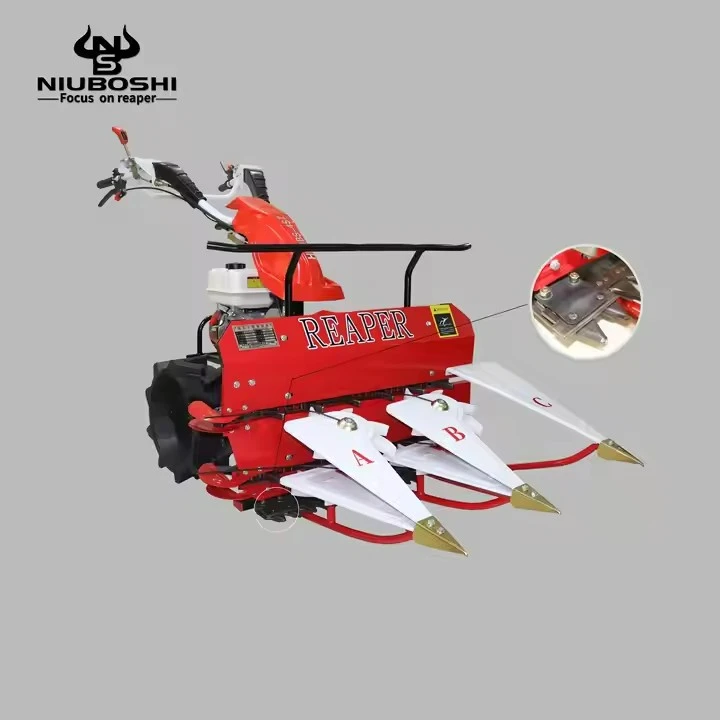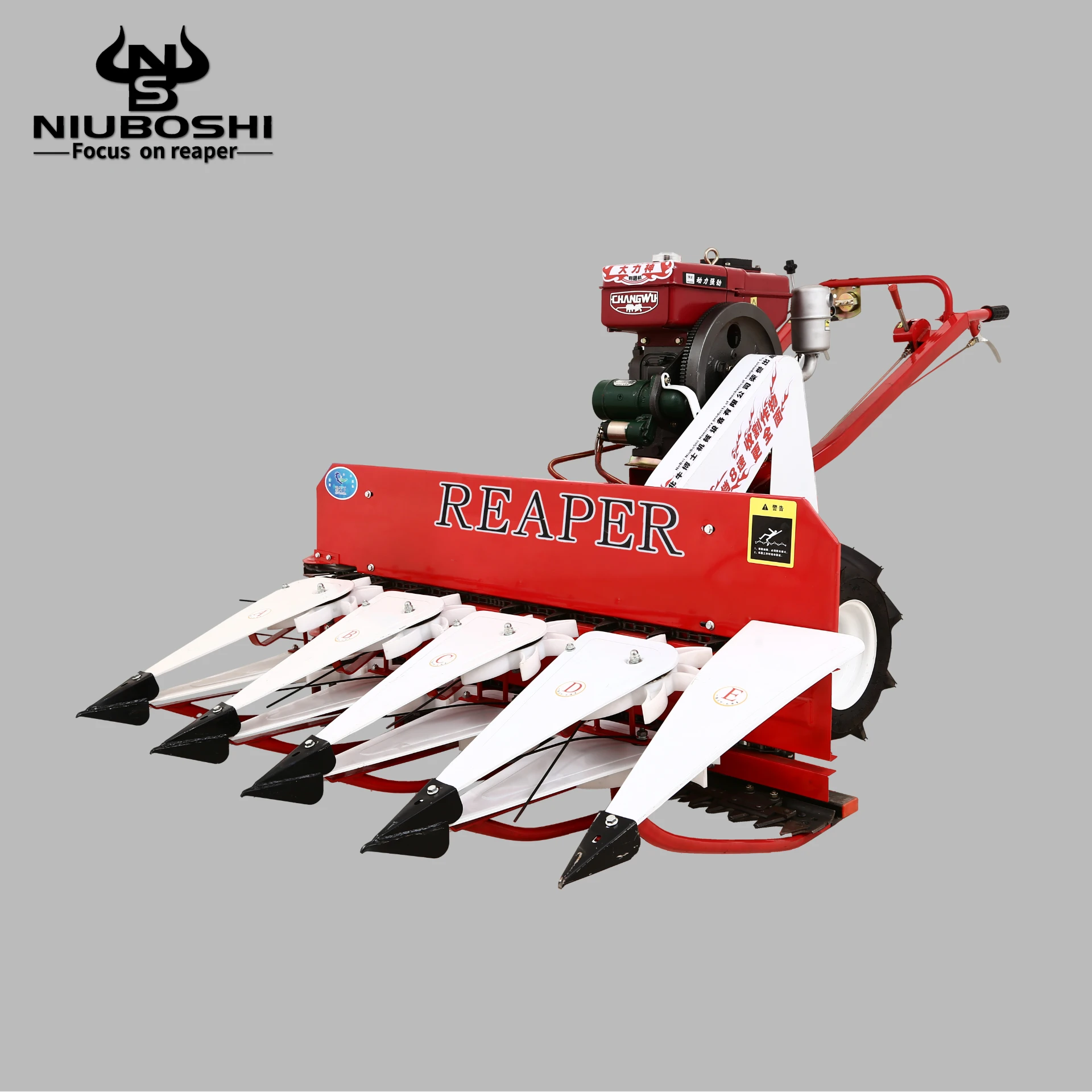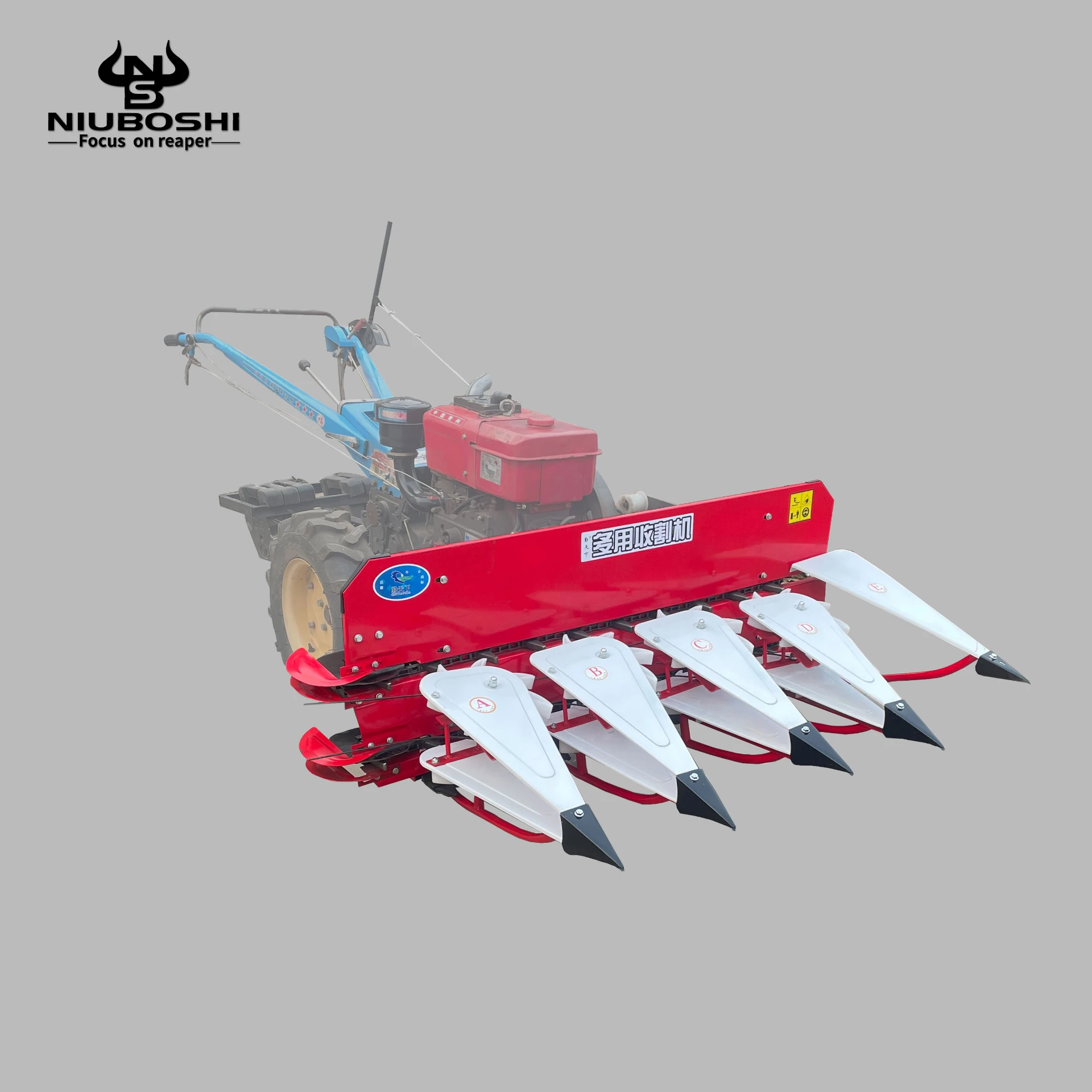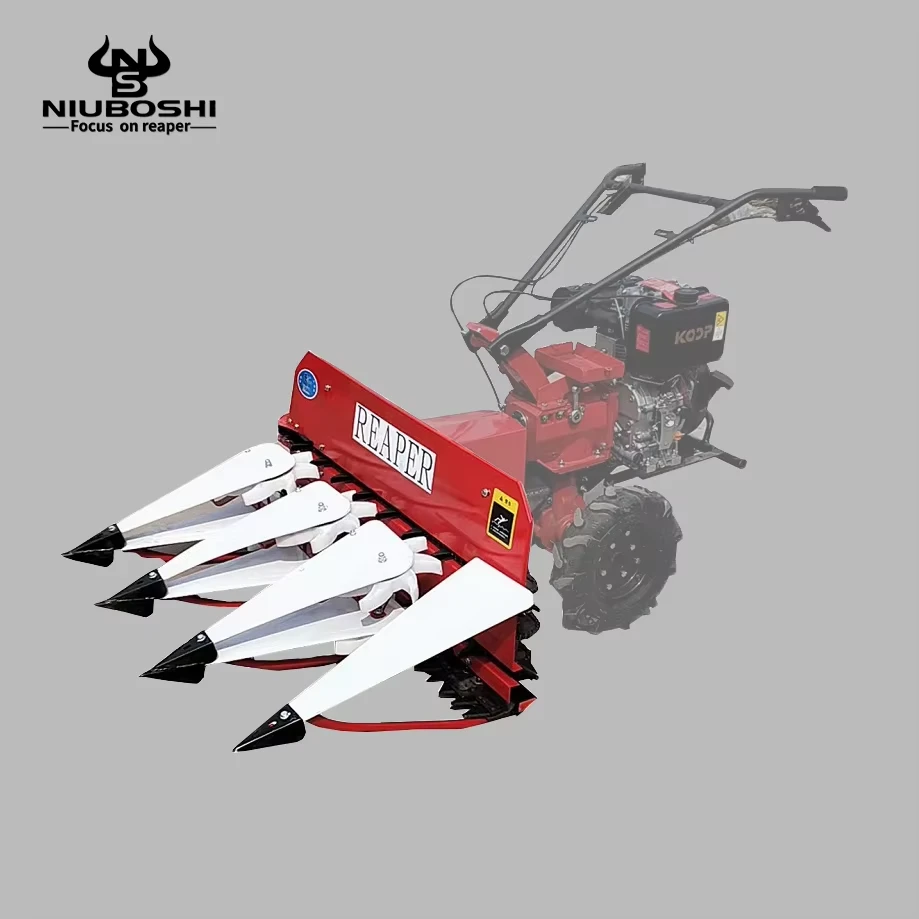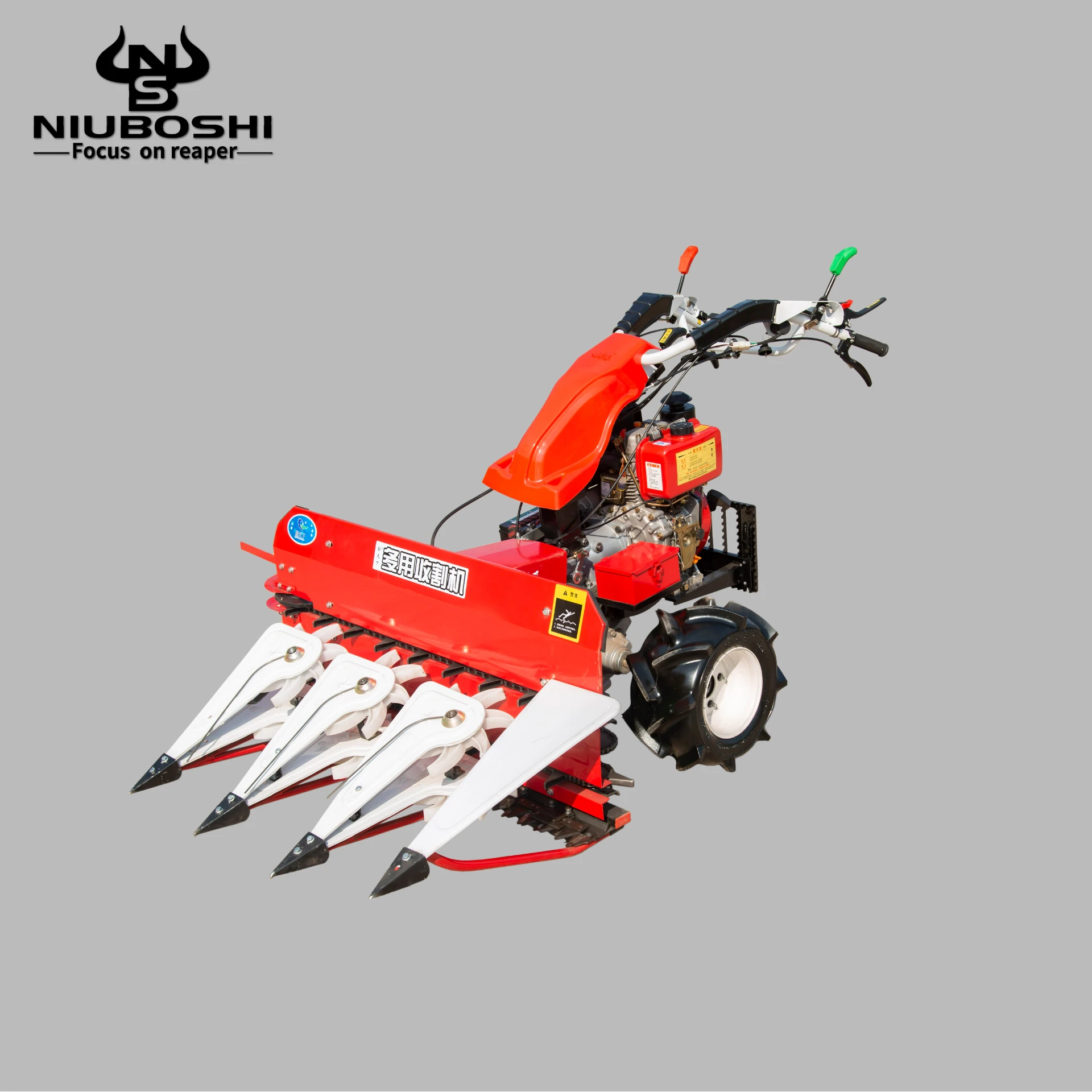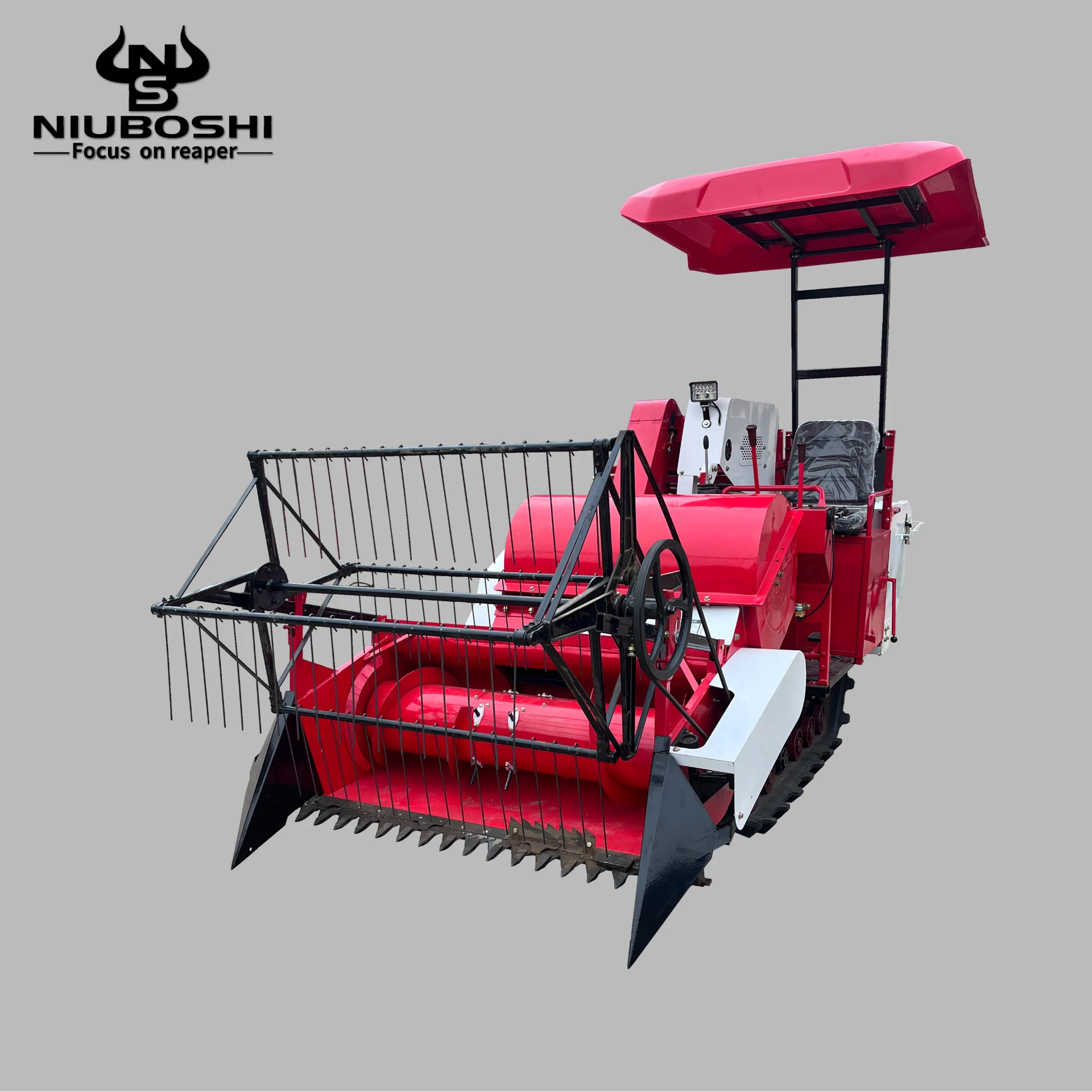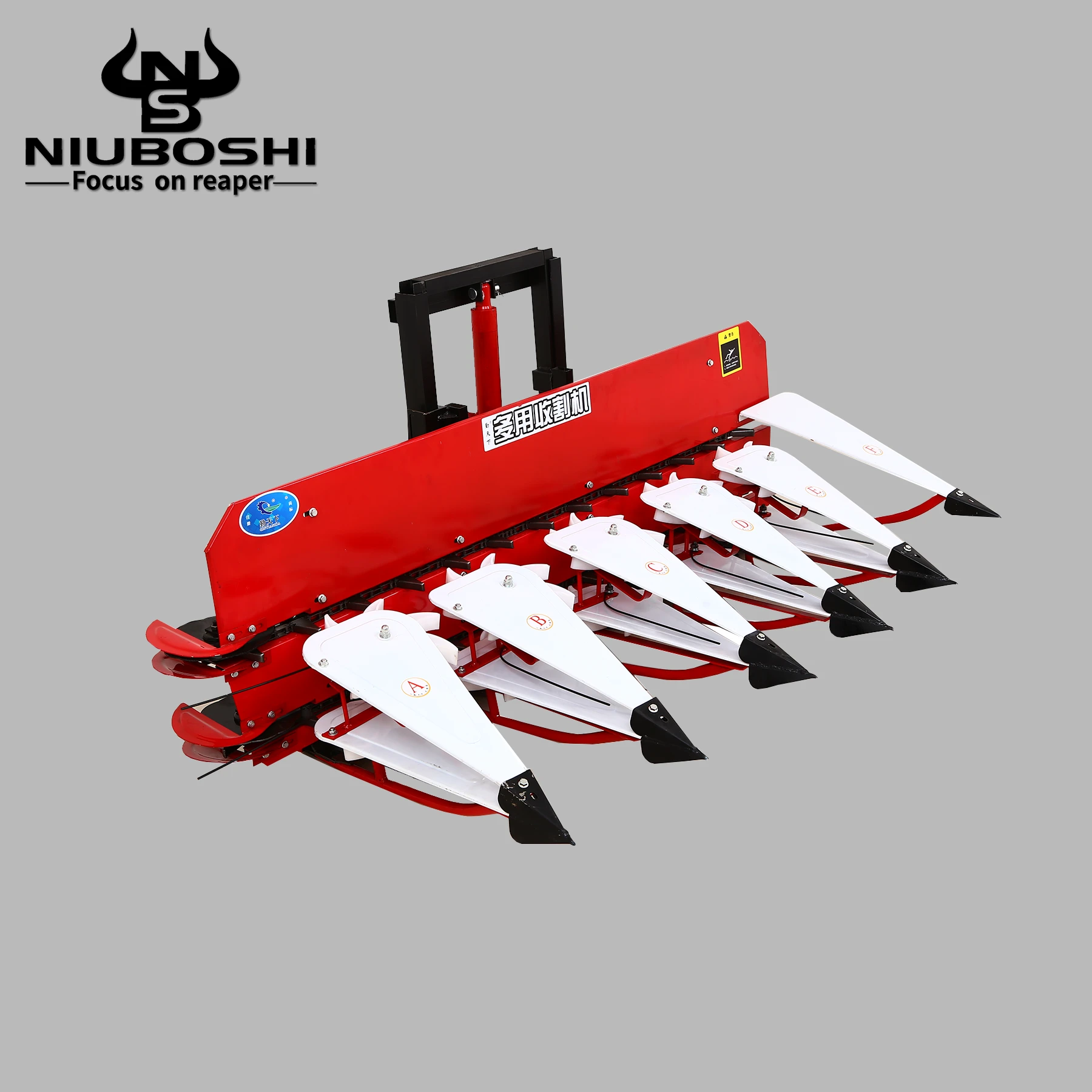
Paddy Mini Combine Harvester – Efficient Rice Harvesting Solutions for Small Farms
What is a Paddy Mini Combine Harvester and Why It Matters
The paddy mini combine harvester might sound like just another piece of farm machinery, but its global importance is growing fast. Agriculture remains the backbone for billions worldwide, especially in rice-growing countries where paddy fields dominate landscapes. Understanding this compact and efficient tool opens doors to enhancing productivity, reducing labor, and ensuring sustainable food production — a priority for global food security.
World food demand is expected to rise by nearly 50% by 2050 (FAO, 2017), and rice being a staple crop for over half the world’s population, efficient paddy harvesting has never been more critical. Mini combine harvesters offer smallholder farmers the kind of mechanization that suits their scale, budget, and land, closing the gap between traditional labor-intensive methods and large-scale agricultural machinery.
Global Context: The Relevance of Paddy Mini Combine Harvesters
Paddy mini combine harvesters are addressing compelling challenges faced by the global rice farming community. According to the United Nations Food and Agriculture Organization (FAO), rice production involves roughly 90% of smallholder farmers in Asia. Many of these farmers rely on manual labor or outdated machines, leading to inefficiencies and post-harvest losses. Moreover, labor shortages in rural areas, aging populations, and rising wages are urging transformations.
Enter the paddy mini combine harvester: compact, affordable, and versatile enough—especially in regions like Southeast Asia, parts of Africa, and Latin America. These handy machines fill a niche where big harvesters can’t easily maneuver or justify their cost. They improve harvest speed and grain quality while reducing physical strain on farmers. But it’s not just about efficiency — it’s about resilience and economic upliftment in vulnerable agricultural communities.
Defining the Paddy Mini Combine Harvester
Simply put, a paddy mini combine harvester is a small, motorized piece of equipment designed to harvest rice crops by cutting, threshing, and winnowing in a single pass. Mini refers primarily to its reduced size and engine capacity compared to full-sized combines but without compromising essential harvesting processes.
This smaller scale machine connects modern agricultural technology to small and medium farms — those too large for purely manual harvesting but not big enough for industrial equipment. It perfectly fits an evolving landscape where mechanization needs to be precise, sustainable, and affordable. Notably, it supports humanitarian and development goals by empowering local food production and reducing labor bottlenecks.
Key Features of Paddy Mini Combine Harvesters
1. Size and Maneuverability
One big advantage lies in their compact design. Mini combines can work on fragmented, small plots or hilly terrain, where larger machines struggle or can’t operate at all.
2. Engine Power and Fuel Efficiency
Typically powered by small diesel or petrol engines (~8-15 HP), they balance power and economy. In real terms, many farmers notice fuel savings around 20-30% compared to inefficient, makeshift machinery — that adds up quickly across seasons.
3. Harvesting Capacity
Though smaller, they can harvest roughly 0.3-0.6 hectares per hour, depending on field conditions. Today’s models increasingly feature wider headers and advanced threshing systems to optimize output.
4. Durability and Maintenance
Designed with simplicity, parts are often interchangeable and can be serviced locally. Durability is crucial in challenging field conditions — mud, water, and uneven ground demand toughness.
5. Cost Efficiency
Upfront costs are dramatically lower than large combines, often priced within reach of cooperatives or progressive farmers. Additionally, operational costs and spare parts remain affordable.
Mini Takeaway:
Small but powerful, paddy mini combine harvesters are changing rice farming landscapes by allowing smaller farms mechanized freedom — an essential bridge between tradition and modern productivity.
How Paddy Mini Combine Harvesters Are Used Worldwide
Real-world application varies widely. In countries such as Vietnam, Indonesia, and the Philippines, mini combines are a farmer’s best friend during the busy harvest season. In remote regions of South Asia and Africa, NGOs promote these machines to boost productivity and reduce post-harvest losses, which can top 20% without mechanization.
For example, in post-disaster relief scenarios — say after flooding washed away crops — quickly harvesting any surviving paddy can prevent food shortages for the community. Mini combines with their easy transport and quick deployment play a vital role here.
Also, cooperatives in rural areas sometimes pool resources to buy and rotate usage among members, reflecting a community-centered economic model. Interestingly, some research projects in Latin America have trialed these machines on mountainous farms with encouraging results.
Advantages and Long-Term Benefits
- Cost Savings: Less reliance on hired labor and reduced fuel consumption slash costs.
- Sustainability: Smaller footprint and lower emissions versus larger harvesters.
- Improved Yield Quality: Cleaner grain separation reduces spoilage.
- Safety and Comfort: Operators avoid backbreaking manual harvesting.
- Social Impact: Motivates youth participation in agriculture by integrating technology.
Farmers often report greater trust in their machines than in unpredictable manual workforces, which underscores not just efficiency but dignity — growing food should be empowering, not exhausting.
Product Specification Table
| Specification | Typical Range | Remarks |
|---|---|---|
| Engine Power | 8-15 HP | Diesel or petrol variants |
| Harvesting Width | 900mm – 1200mm | Varies by model |
| Fuel Consumption | 2.5 - 3.5 L/hr | Depends on terrain |
| Weight | 450-700 kg | Transportable by small trucks |
| Harvest Capacity | 0.3 - 0.6 ha/hr | Field dependent |
Vendor Comparison: Popular Paddy Mini Combine Harvesters
| Brand | Power (HP) | Price Range (USD) | Key Features |
|---|---|---|---|
| GreenHarvest MiniPro | 10 HP | 1,800 - 2,200 | Fuel efficient, easy maintenance |
| AgriLite 900 | 12 HP | 2,300 - 2,700 | Wider header, solid build |
| RiceMaster Compact | 8.5 HP | 1,600 - 2,000 | Lightweight, easy transport |
| FarmEase Mini | 14 HP | 2,500 - 3,000 | Automation features, digital meter |
Looking Ahead: Trends and Innovations in Paddy Mini Combine Harvesters
Innovation never sleeps, even in traditional farming segments. There’s a growing push towards greener engines—electric or hybrid-powered mini combine harvesters—and digital integration like GPS and IoT sensors that monitor crop conditions and machine health in real time.
Automation is taking shape with semi-autonomous models designed for small plots, exciting prospect for labor-short regions. Material advancements—lightweight composites and reinforced metals—promise tougher yet lighter builds improving transportability. Also, many governments and NGOs are embedding these machines into climate-smart agriculture policies to reduce emissions and preserve soil quality.
Common Challenges and Their Solutions
Despite their many benefits, mini combine harvesters face some typical challenges: high initial investment for individual smallholders, lack of trained operators, and parts availability in remote regions. Maintenance in muddy or flooded paddies is tricky.
Some manufacturers offer financing solutions or cooperative leasing models to overcome cost barriers. Training programs sponsored by agricultural extensions help farmers and youth learn operation and maintenance. Mobile repair vans and locally stocked spare parts are making a real difference for uptime.
Frequently Asked Questions About Paddy Mini Combine Harvesters
- What size of farm is ideal for a paddy mini combine harvester?
- Typically, these machines are best suited for small to medium farms ranging from 0.5 to 5 hectares. They efficiently operate in fragmented or uneven fields where larger machines can’t maneuver well.
- How much does a basic paddy mini combine harvester cost?
- The price can vary from around $1,500 to $3,000 USD depending on features and power. Financing and cooperative arrangements often make ownership more accessible.
- Are these harvesters easy to maintain for smallholder farmers?
- Yes, one main design goal is simplicity. Many models use common parts and can be repaired with basic mechanical skills. Local service centers and training improve user confidence.
- Can the paddy mini combine harvester be used for crops other than rice?
- Some models adapt to harvest wheat, barley, or pulses, but optimization depends on specific threshing and cutting mechanisms. Always check manufacturer guidelines before multi-crop use.
- Where can I find reliable vendors or suppliers?
- Check local agricultural equipment dealers or reputable online platforms. Also, visiting paddy mini combine harvester suppliers can offer direct access to verified products and support.
Final Thoughts and Your Next Step
Paddy mini combine harvesters are more than just machines — they’re a lifeline for small farmers, a tool for sustainable farming, and a catalyst for rural development. They balance cost, convenience, and capability in a way few other agricultural machines can. If you’re considering upgrading your farm tools or stepping into mechanized harvesting for the first time, this might just be the smart, efficient solution you've been looking for.
Ready to explore models, specs, or how to get one? Visit our site: paddy mini combine harvester — your gateway to modern, effective paddy harvesting.
References
Latest news
-
Maximize Harvest Efficiency with the Agro Reaper Binder MachineNewsApr.16,2026
-
Boost Harvest Efficiency with the Best Agriculture Reaper MachineNewsApr.09,2026
-
Revolutionizing Agriculture with the Efficient Agriculture Power ReaperNewsApr.07,2026
-
Comprehensive Guide to the 4 Wheel Reaper Binder for Efficient HarvestingNewsApr.04,2026
-
Comprehensive Guide to Reaperbinder Technology for Efficient Hay and Crop HarvestingNewsMar.31,2026
-
Mastering the Art of Reaper Cutting for Enhanced Agricultural EfficiencyNewsMar.28,2026