Optimizing Harvests with the Versatile Reaper Binder Technology
Understanding the Versatility of the Reaper Binder
In the demanding world of agricultural operations, efficiency and reliability are paramount. The reaper binder stands as a testament to both, offering a robust solution for harvesting various crops. This article delves into the intricacies of the reaper binder, exploring its functionality, benefits, applications, and the factors to consider when choosing the right model. Whether you're a smallholder or managing a large-scale farm, understanding the capabilities of a reaper binder can significantly enhance your harvesting process.
How Does a Reaper Binder Work?
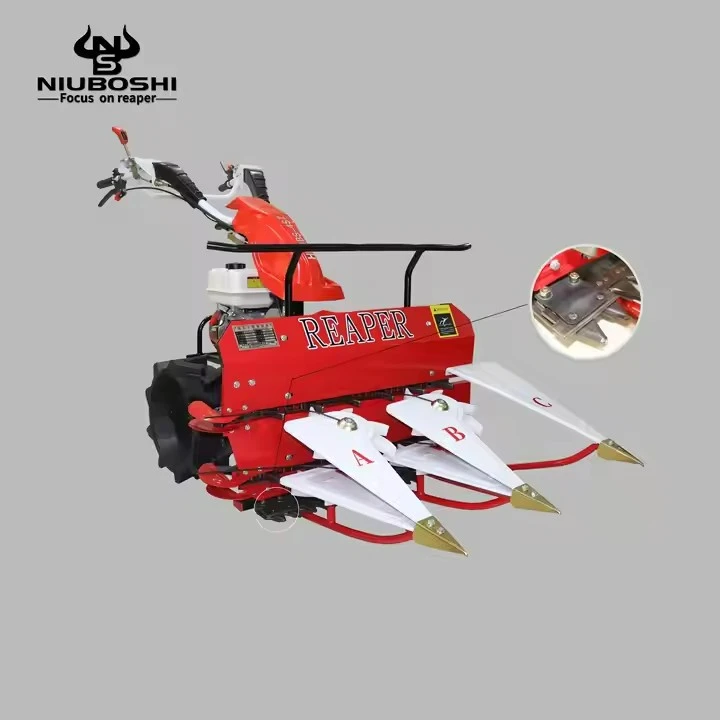
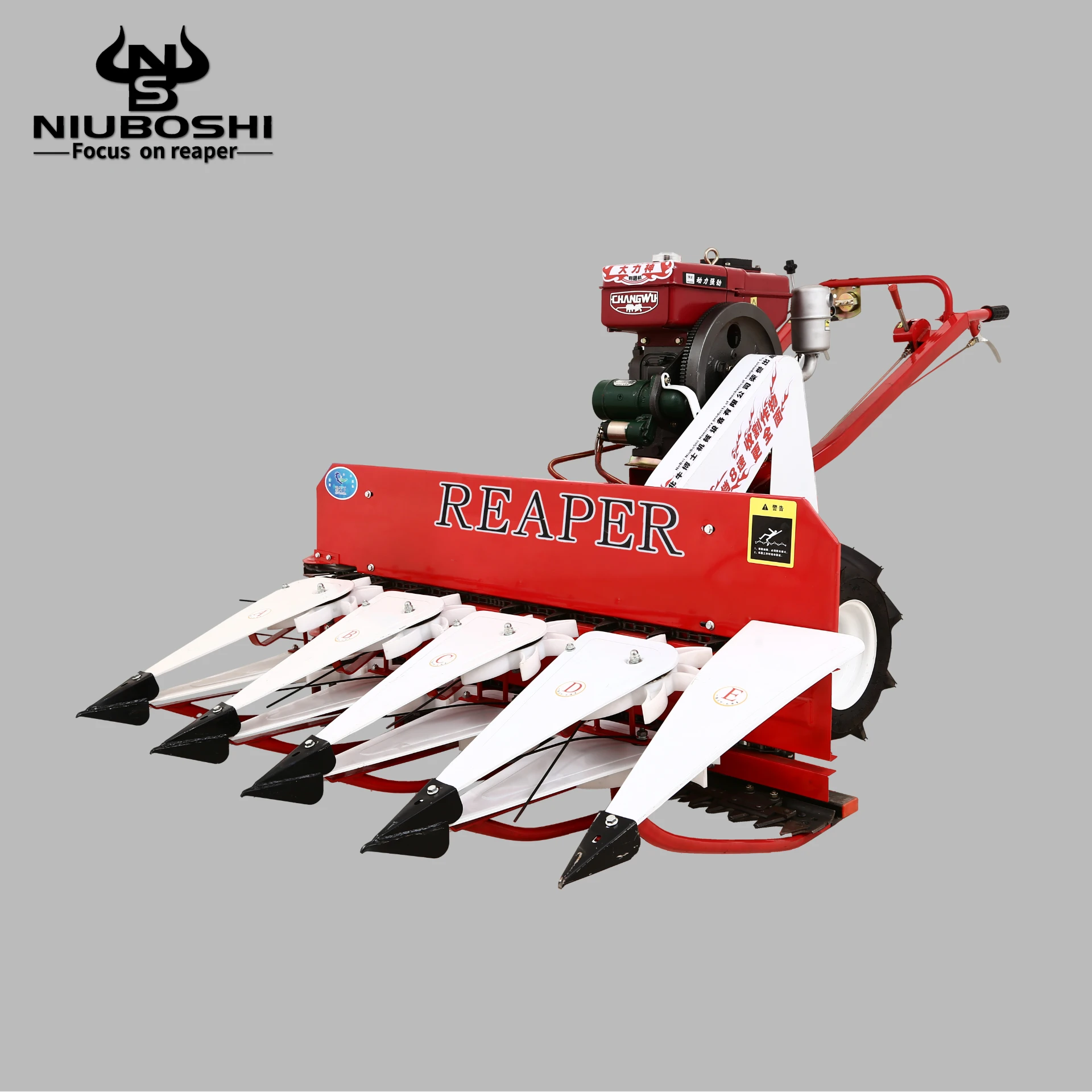
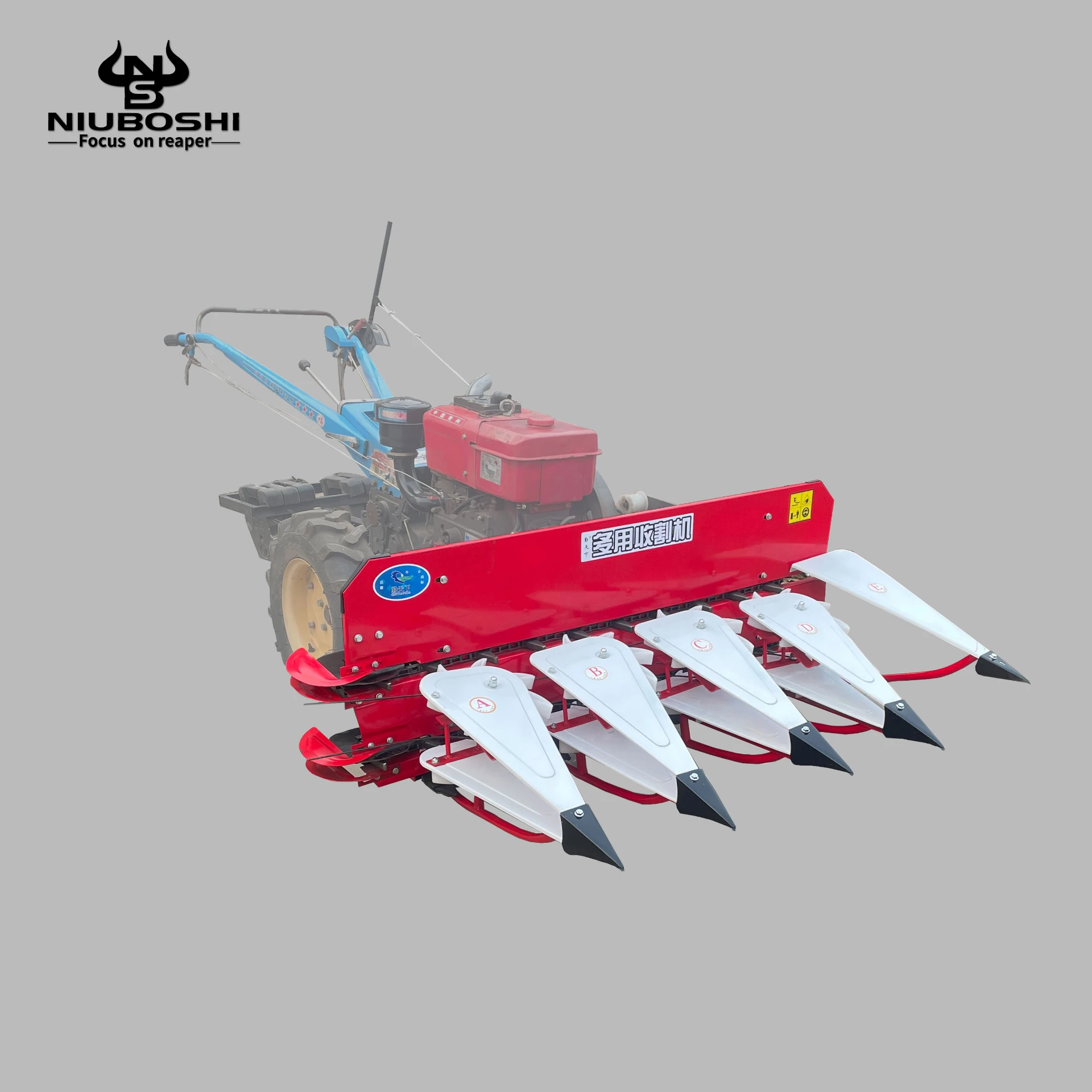
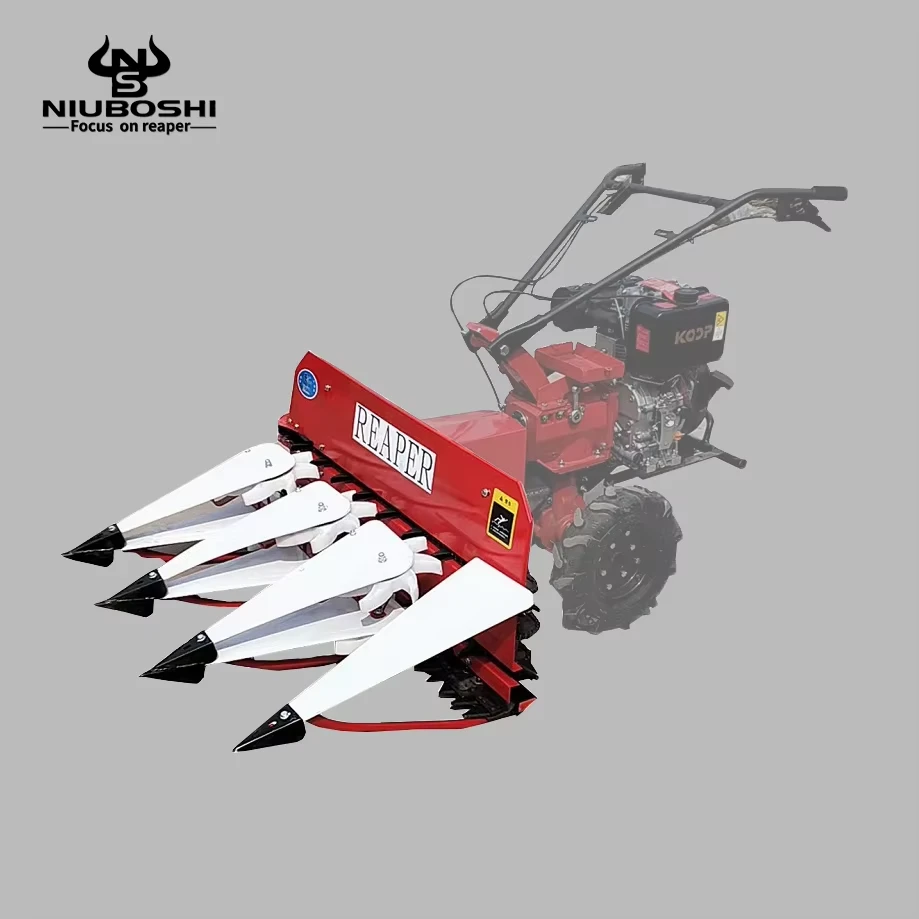
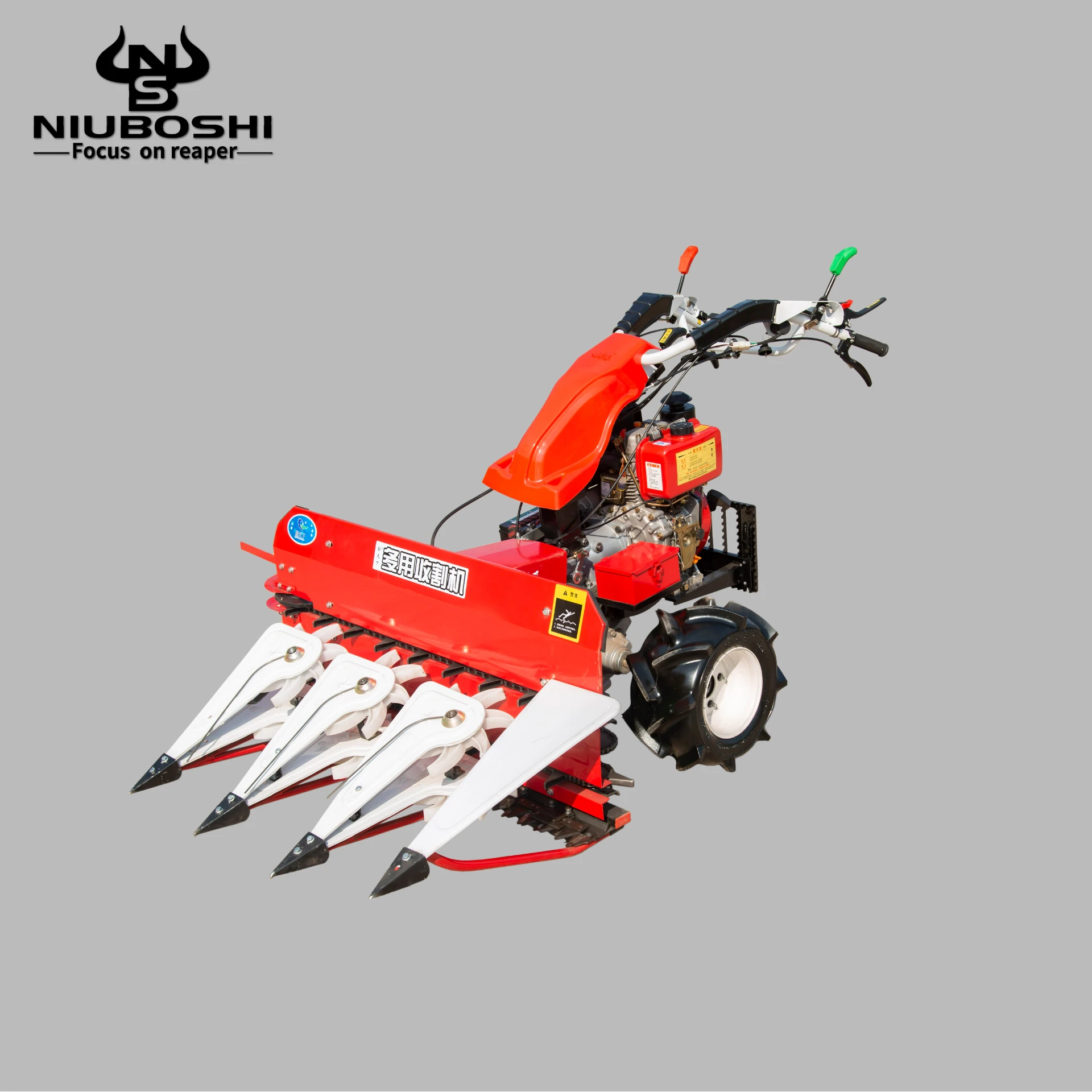
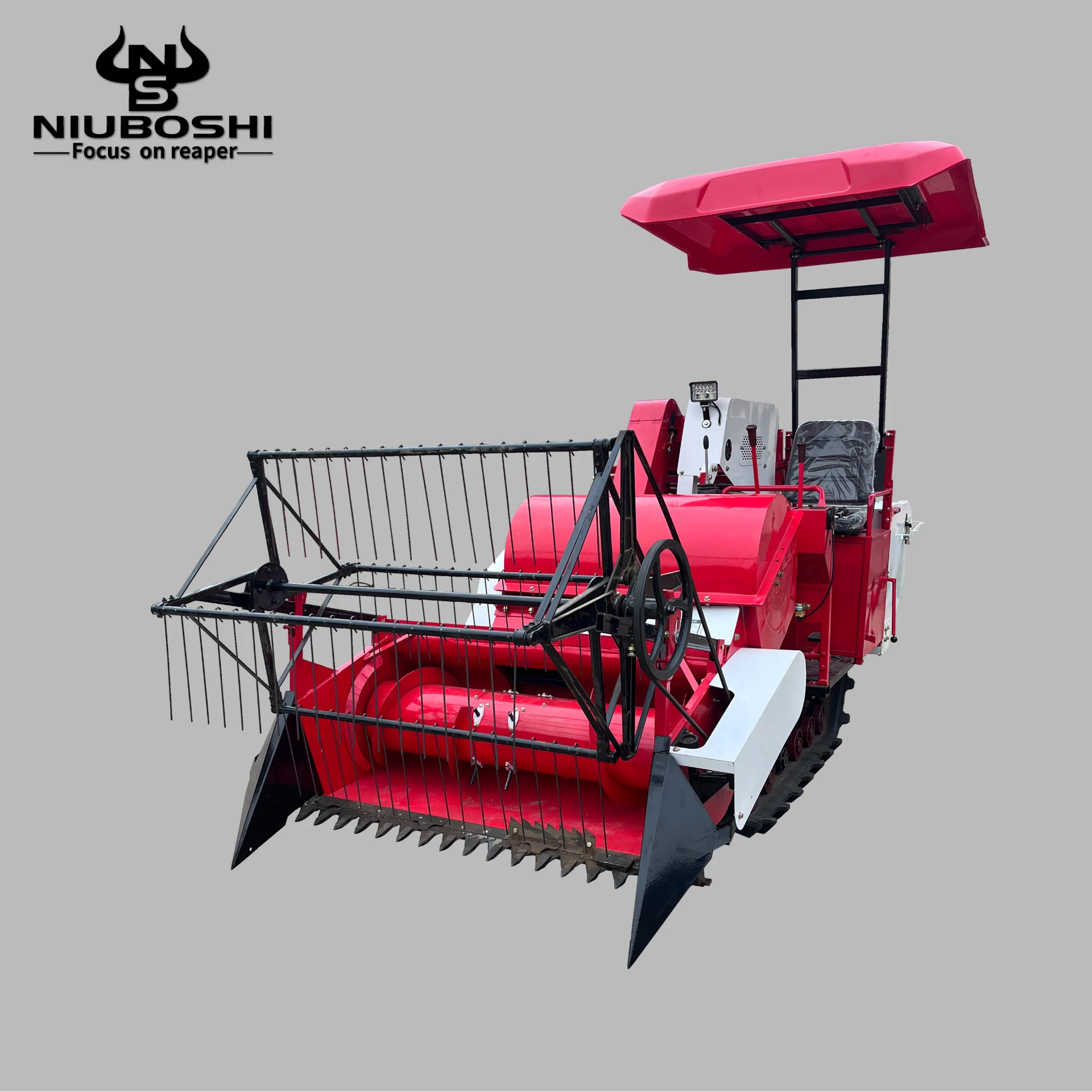
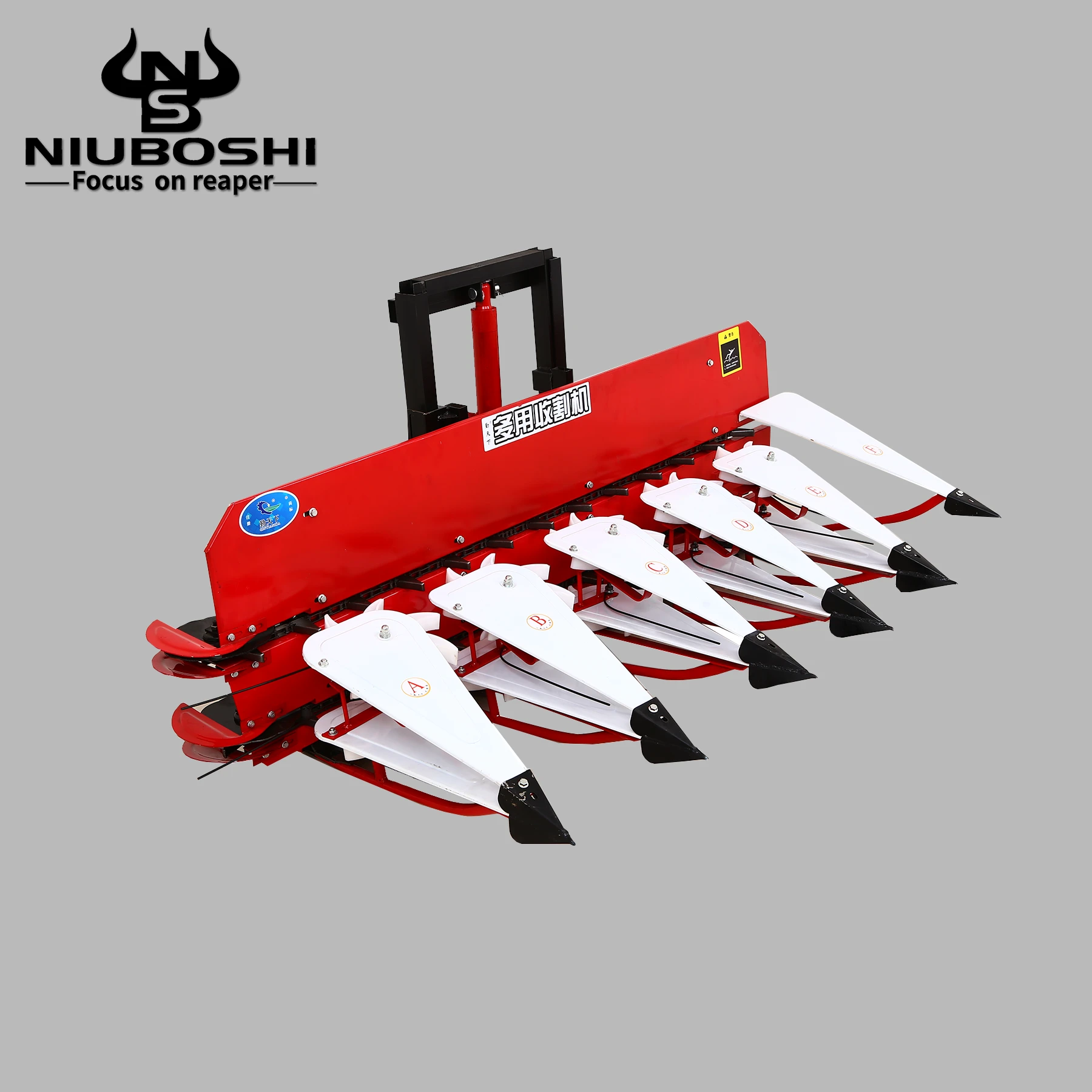
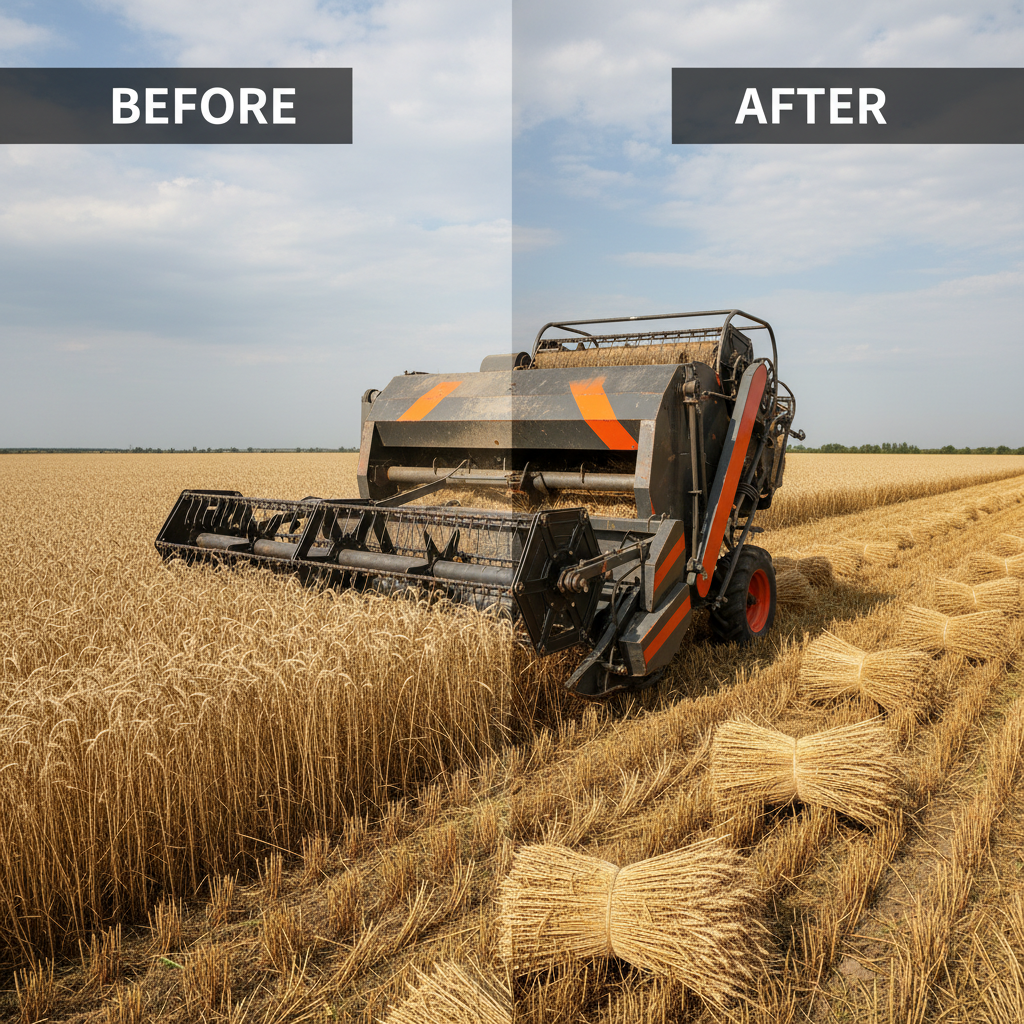
The reaper binder is a mechanically propelled harvesting machine that efficiently cuts, gathers, and binds crops like wheat, barley, rice, and soybeans. Historically, these machines revolutionized agriculture, dramatically reducing manual labor and increasing harvesting speed. Modern reaper binders utilize a combination of rotating blades to cut the crop, a conveyor system to gather it, and a tying mechanism (typically utilizing twine) to create manageable bundles. These bundles are then discharged from the machine, ready for collection and transport. The process significantly streamlines the harvesting workflow, reducing crop loss and minimizing time spent in the field. HB NiuBoshi’s reaper binders are designed with user-friendliness and durability in mind.
Key Benefits of Using a Reaper Binder
Employing a reaper binder offers a multitude of advantages for farmers. Firstly, it drastically reduces labor costs and the reliance on manual labor, which is becoming increasingly challenging to source. Secondly, the speed and efficiency of the machine result in quicker harvesting times, minimizing crop loss due to adverse weather conditions. Furthermore, the neat bundles produced by the reaper binder are easier to handle, transport, and store. Finally, a well-maintained reaper binder can contribute to higher-quality yields by reducing crop damage during harvest. The investment in a reaper binder can quickly translate into increased profitability and operational efficiency.
Key Benefits: Reduced labor costs, faster harvesting, minimized crop loss, easier handling and storage, potential for higher yields.
Reaper Binder vs. Manual Harvesting: A Comparative Analysis
The differences between using a reaper binder and traditional manual harvesting methods are stark. Manual harvesting is labor-intensive, slow, and prone to crop loss, especially in unfavorable weather. A reaper binder, on the other hand, drastically reduces these limitations. While the initial investment in a reaper binder is significant, the long-term cost savings and increased efficiency often outweigh the upfront expense. The following table highlights a detailed comparison:
Choosing the Right Reaper Binder: Key Considerations
Selecting the appropriate reaper binder requires careful consideration of several factors. The size of your farm and the types of crops you cultivate are primary determinants. Larger farms typically require self-propelled models with greater capacity, while smaller farms may benefit from tractor-pulled options. The terrain of your fields also plays a crucial role; choose a machine with appropriate ground clearance and maneuverability. Consider the availability of spare parts and servicing in your region, and always prioritize a reputable manufacturer like HB NiuBoshi, known for its quality and reliability.
Maintenance and Longevity of Your Reaper Binder
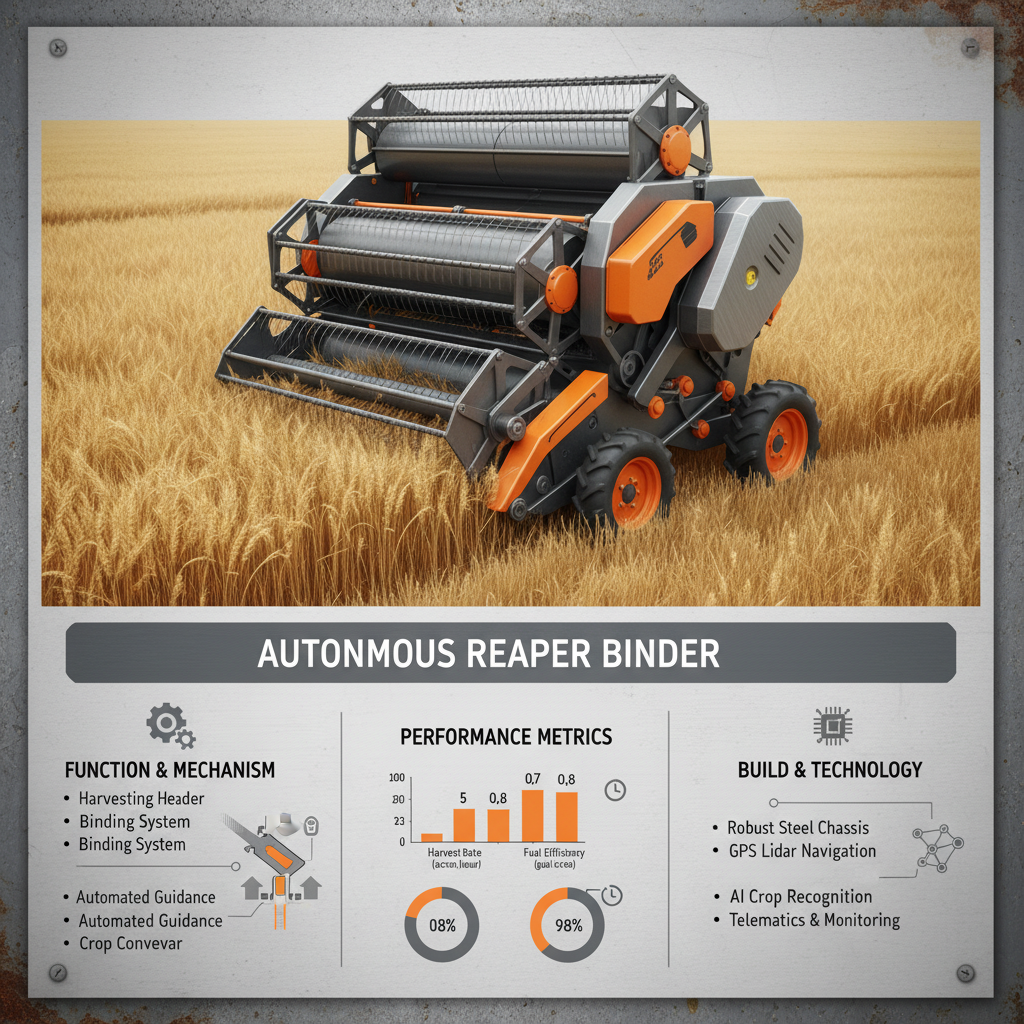
To ensure the longevity and optimal performance of your reaper binder, regular maintenance is essential. This includes lubricating moving parts, sharpening blades, checking and adjusting belts, and inspecting the tying mechanism. Proper storage during the off-season is also crucial; protect the machine from the elements to prevent rust and corrosion. Following the manufacturer's recommended maintenance schedule will significantly extend the lifespan of your investment and minimize downtime during critical harvesting periods. Investing in preventative maintenance is always more cost-effective than dealing with major repairs or replacements.
Conclusion: Empowering Your Harvest with the Reaper Binder
The reaper binder remains an indispensable tool for modern agriculture, offering significant advantages in terms of efficiency, cost savings, and crop quality. By understanding its functionality, benefits, and maintenance requirements, farmers can maximize their harvesting potential and ensure a successful yield. Investing in a reliable reaper binder is an investment in the future of your farm.
Frequently Asked Questions (FAQs)
What types of crops can a reaper binder effectively harvest?
Reaper binders are most commonly used for harvesting cereal crops like wheat, barley, rye, and oats. However, they can also be used for crops like rice, soybeans, and flax. The specific suitability depends on the crop's height, density, and growth characteristics. It’s important to choose a reaper binder model that is designed to handle the specific crop you intend to harvest. Adjustments to the cutting height and tying mechanism may be necessary for optimal performance with different crops. HB NiuBoshi offers models suited for a variety of crops.
What is the typical lifespan of a reaper binder with proper maintenance?
With diligent maintenance and proper storage, a well-built reaper binder can last for 10-20 years or even longer. Regular lubrication, blade sharpening, belt adjustments, and protection from the elements are critical factors in extending its lifespan. Addressing minor repairs promptly can prevent them from escalating into more significant problems. The quality of the machine's construction and the frequency of use also play a role in its longevity.
Are reaper binders suitable for hilly or uneven terrain?
Some reaper binder models are designed to handle moderately hilly or uneven terrain. However, extremely steep slopes or rough ground conditions can pose challenges. It’s crucial to choose a machine with sufficient ground clearance, robust suspension, and appropriate traction. Tractor-pulled models generally offer better maneuverability on uneven terrain compared to self-propelled versions. It’s also important to operate the machine at a safe speed and exercise caution when navigating slopes.
Latest news
-
Maximize Harvest Efficiency with the Agro Reaper Binder MachineNewsApr.16,2026
-
Boost Harvest Efficiency with the Best Agriculture Reaper MachineNewsApr.09,2026
-
Revolutionizing Agriculture with the Efficient Agriculture Power ReaperNewsApr.07,2026
-
Comprehensive Guide to the 4 Wheel Reaper Binder for Efficient HarvestingNewsApr.04,2026
-
Comprehensive Guide to Reaperbinder Technology for Efficient Hay and Crop HarvestingNewsMar.31,2026
-
Mastering the Art of Reaper Cutting for Enhanced Agricultural EfficiencyNewsMar.28,2026