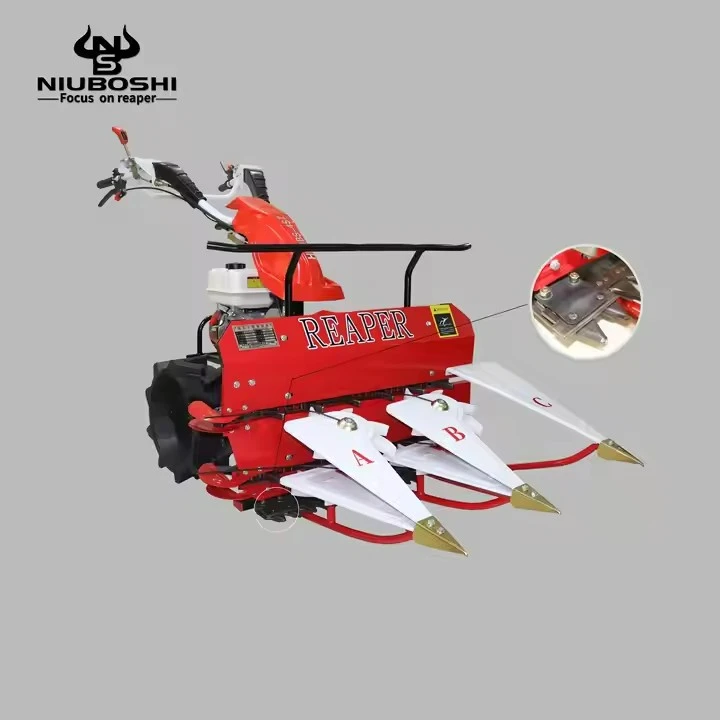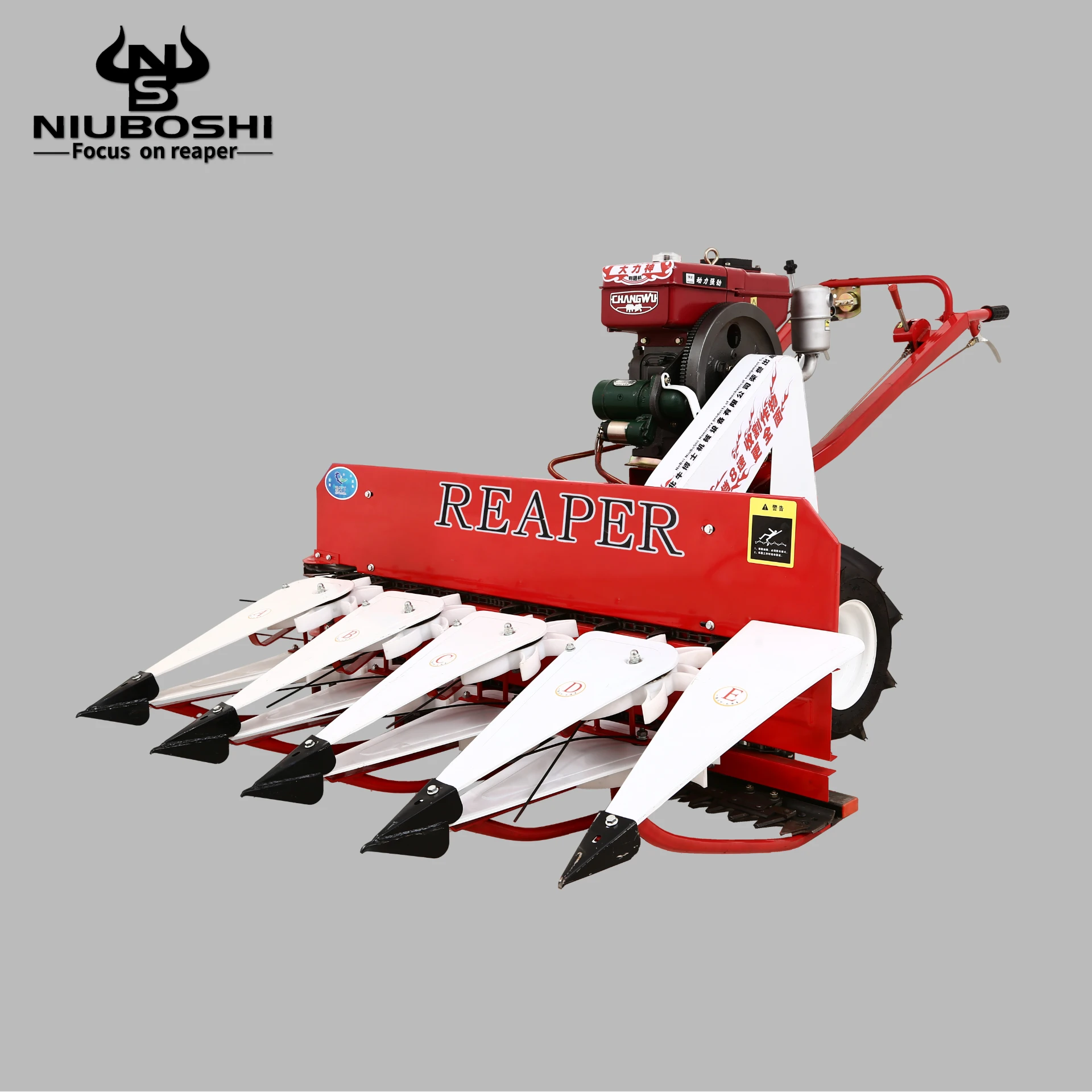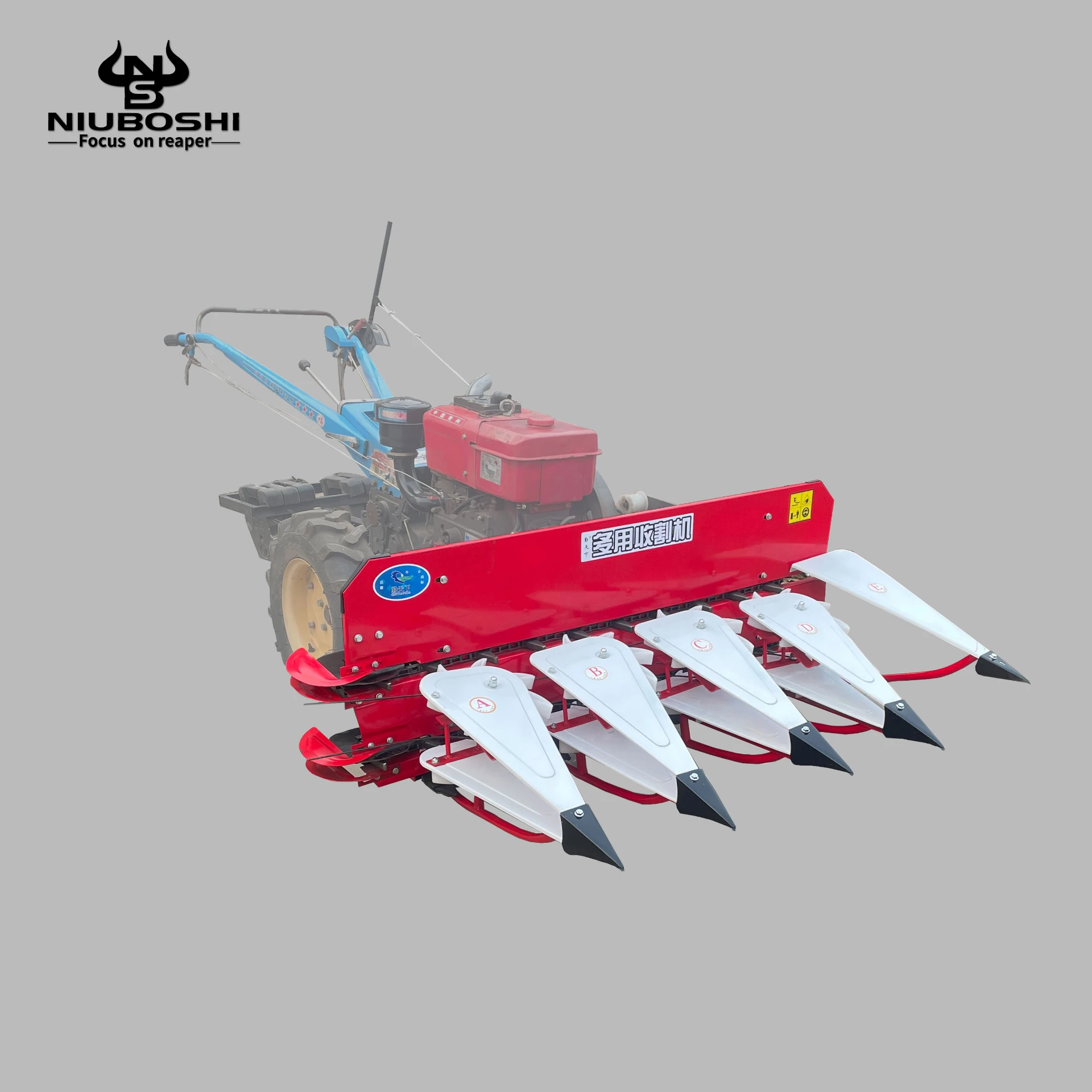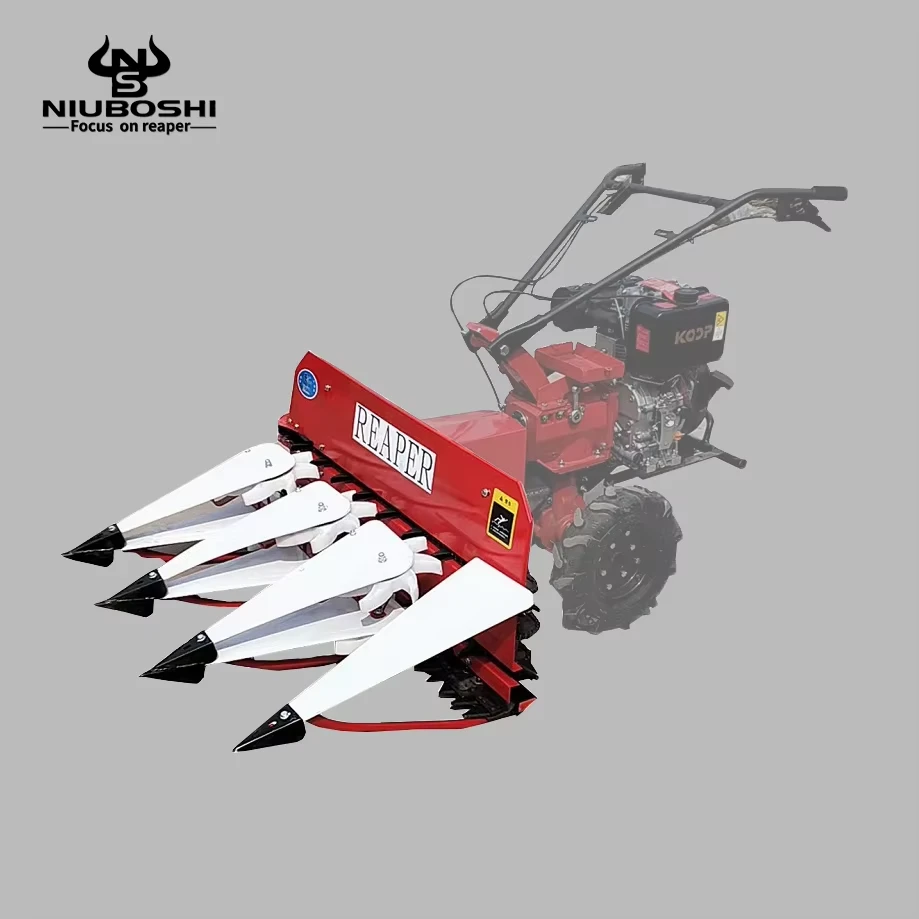
Mini Soybean Harvester | Compact, Efficient Soybean Harvesting Machines
The Mini Soybean Harvester: A Small Machine with Big Global Impact
It’s funny how something as unassuming as a mini soybean harvester quietly shapes agricultural realities around the world. At first glance, it’s just a compact machine, but zooming out, it stands as a testament to innovation meeting necessity. Soybeans feed a vast array of industries — from food products to biofuels — and harvesting them efficiently matters more than most realize. With global soybean production hitting over 350 million tonnes annually (according to the UN Food and Agriculture Organization), managing harvests smartly can boost yields, save labor, and sustain small farmers’ livelihoods. Understanding these little harvesters is a window into how mechanization can scale rural prosperity and feed a growing planet.
Planting the Context: Why Mini Soybean Harvesters Matter Globally
Across continents — from the farm belts of South America to family plots across Asia and Africa — the story repeats: farmers face challenges harvesting soybeans efficiently. This isn’t just about speed; it’s about minimizing waste, handling difficult terrains, and reducing the intense labor period soybeans require during harvest. According to the World Bank, around 450 million smallholder farmers globally rely on crops like soybeans, often in remote or difficult areas.
Traditional, large-scale combines can be too expensive or unwieldy on smaller plots. Enter the mini soybean harvester. These compact machines are designed to tackle narrow fields, reduce operational costs, and increase yield quality. Crucially, they also help close the technology gap — enabling farmers in developing areas to use mechanization without the financial strain.
In real terms, this means more food security and income stability in regions where soybeans significantly impact rural economies. Plus, it’s a step toward sustainable agriculture, where precision and efficiency trump brute force.
Mini takeaway:
- Growing global dependency on soybeans requires smarter, scalable harvest methods.
- Mini soybean harvesters uniquely address the needs of smallholders and challenging terrains.
Defining the Mini Soybean Harvester: What It Really Is
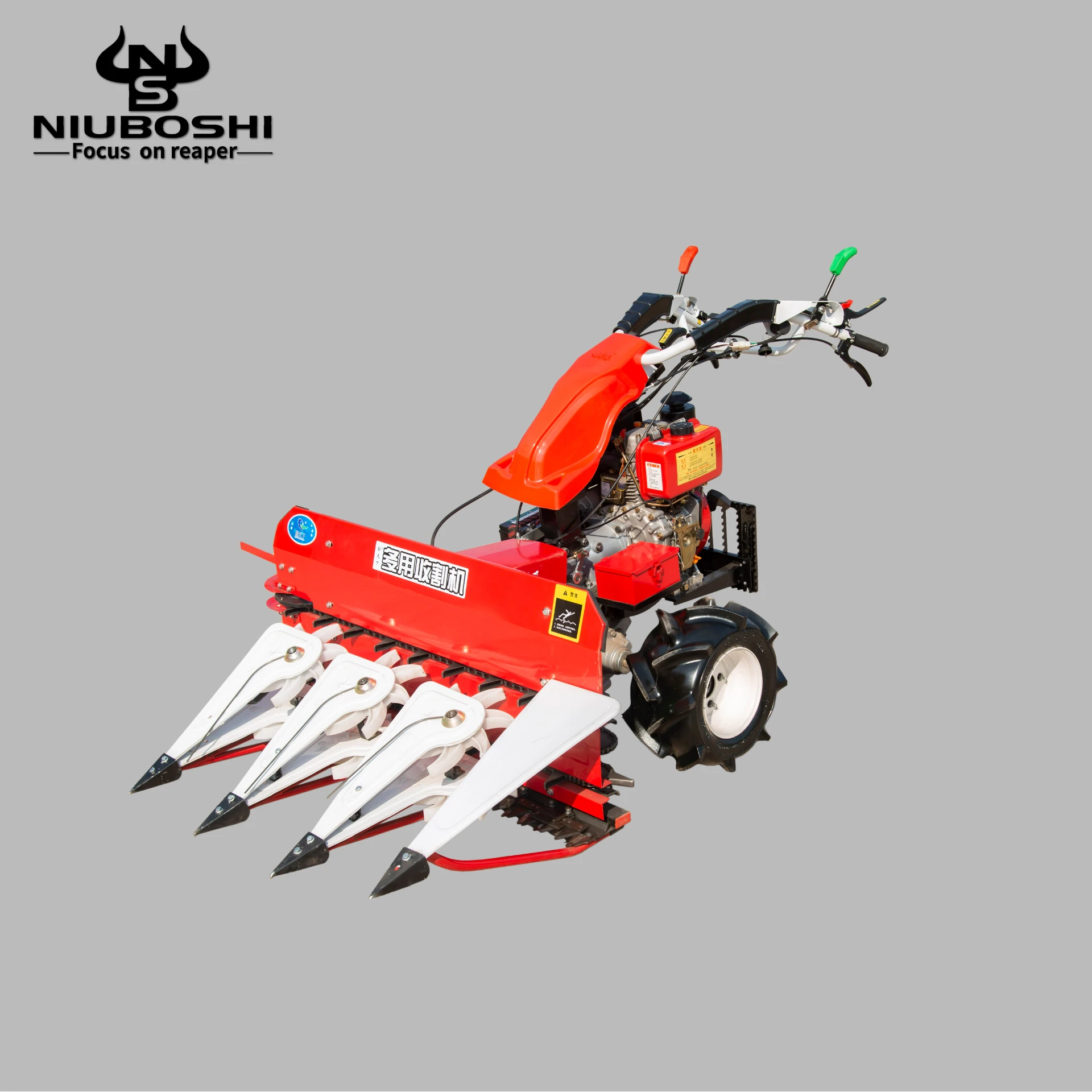
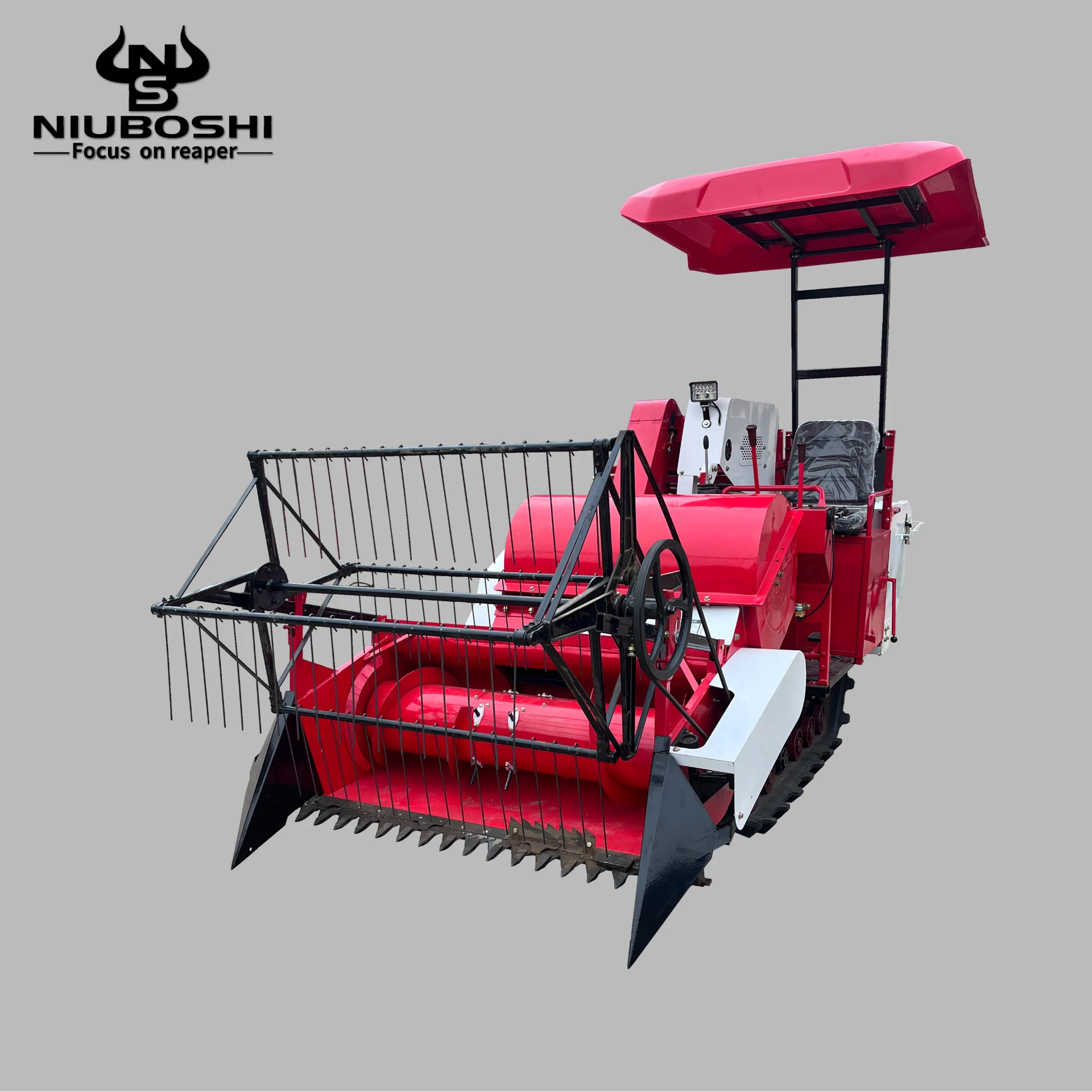
In simplest terms, a mini soybean harvester is a small, mobile machine designed specifically to harvest soybeans efficiently on smaller or irregular lands where large combines can't operate well. Think of it as the “smart compact car” of agricultural machines — more agile, economical, and suited to specialized use cases.
Unlike traditional combines weighing several tons, these mini machines weigh under a ton, can often be operated by a single person, and are optimized for reduced soil compaction and lower fuel consumption. They incorporate mechanisms to cut, thresh, and clean soybeans with care — preserving the seed quality that matters downstream in processing.
This new generation of harvesters fits well into modern agricultural trends emphasizing sustainability and mechanization tailored for diverse environments. Oddly enough, the bigger the world’s food challenges, the more critical these small-scale machines become.
Mini takeaway:
- Mini soybean harvesters are compact, cost-effective, and tailor-made for smallholdings or tricky terrains.
- They combine harvesting, threshing, and cleaning functions in one agile package.
Core Components and Key Features to Look For
1. Durability and Build Quality
Mini harvesters are exposed to rough fields and varying weather. Most models use high-strength steel frames with rust-resistant coatings to ensure years of reliable use. Many engineers say that durability directly affects yield consistency, especially when operating during peak harvesting windows.
2. Scalability and Field Adaptability
Being mini doesn’t mean sacrificing functionality. These harvesters often come with adjustable cutting widths (usually between 0.8 to 1.2 meters), allowing farmers to flexibly handle different plot sizes without exhausting resources. "Adaptive height and speed controls are a game-changer," many users report.
3. Cost Efficiency & Fuel Consumption
One of the biggest draws is their low operating cost. Mini harvesters generally consume 30–40% less fuel than larger combines. For farmers in less affluent regions, this means the difference between profitable harvests and losses.
4. Ease of Operation and Maintenance
Compact design ties in with user-friendly controls. Many models have simplified consoles and modular parts for quick servicing — vital for farmers who lack easy access to technical support.
5. Quality of Harvest and Seed Handling
Precision threshing and minimal seed damage set the best mini harvesters apart. Some come with dust filtration and seed-cleaning attachments built-in, improving post-harvest quality dramatically.
Mini takeaway:
- Durability, adaptability, and fuel efficiency drive the practical value of mini soybean harvesters.
- Ease of use and high seed quality outputs make these machines attractive for smallholders.
Mini Soybean Harvester in Action: Global Applications & Use Cases
From the vast soy fields in Brazil’s Mato Grosso to scattered family farms in Southeast Asia, the mini soybean harvester has found its lane. Smallholder farmers in India’s Madhya Pradesh region recently adopted mini harvesters to reduce manual labor and boost yields — particularly critical during pandemic labor shortages.
International development agencies also fund the deployment of these harvesters in post-conflict regions to rebuild food supply chains swiftly. And in places like Eastern Europe, where mechanized farms are fragmented into smaller plots, these machines fit perfectly in the operational framework.
Oddly enough, these compact harvesters sometimes feature in urban farming setups or experimental vertical farms where space and power consumption constraints are strict.
In terms of industries, aside from food production, soybean harvesting feeds biodiesel producers — a sector closely tied to green energy goals. Mini harvesters support this by optimizing harvesting times and minimizing seed losses, hence improving the raw material quality for fuel production.
Mini takeaway:
- Global smallholders, NGOs, and biofuel producers all rely on mini soybean harvesters for efficient harvesting.
- They adapt well to both rural and emerging urban farming demands.
Advantages and Long-Term Benefits of Mini Soybean Harvesters
- Cost-Effectiveness: Lower upfront and running costs make mechanization accessible.
- Sustainability: Reduced fuel usage and soil compaction help protect land health.
- Labor Savings and Safety: Replacing manual harvesting reduces injuries and drudgery.
- Yield Quality: Better seed preservation means improved market value.
- Empowerment: Particularly for small farms, these machines unlock economic dignity and stability.
Frankly, it’s also an emotional win. Farmers gain freedom, spend more time innovating or resting, and rely less on scarce labor markets. The trust in technology that works on a human scale nurtures innovation at the grassroots level.
Basic Product Specification of a Typical Mini Soybean Harvester
| Specification | Details |
|---|---|
| Cutting Width | 0.8–1.2 meters (adjustable) |
| Engine Power | 15–25 HP (diesel/petrol variants) |
| Weight | 700–900 kg |
| Fuel Consumption | 2.5–3.5 L/hr |
| Threshing Efficiency | 95% or higher |
| Dimensions (LxWxH) | 2.2m x 1.0m x 1.5m approx. |
Vendor Comparison: What to Consider When Choosing a Mini Soybean Harvester
| Vendor | Price Range (USD) | After-Sales Service | Customization Options | Warranty |
|---|---|---|---|---|
| AgriMini Tech | 3,000–4,000 | 24/7 support, local partners | Adjustable cutting width and height | 2 years |
| SoyHarvest Co. | 2,500–3,500 | Phone & email support only | Basic customization on fuel type | 1 year |
| FarmEase Solutions | 3,400–4,200 | Field technician visits available | Wide range of accessories included | 3 years |
Looking Ahead: Innovations and Future Trends
Emerging models are integrating digital tech — GPS mapping for field coverage, IoT sensors monitoring machine health, and even autonomous navigation to boost efficiency. Plus, lightweight composite materials are finding their way into chassis design, making machines lighter yet stronger.
Green energy trends inspire electric-powered mini harvesters, aiming to dramatically cut emissions for eco-conscious farms. Automation and connectivity, although still in early stages, promise to redefine the accessibility and intelligence of these harvesters in the near future. This evolution aligns well with the ISO’s goals on sustainable agricultural machinery.
Challenges on the Road and How to Tackle Them
No machine is perfect. Mini soybean harvesters face issues like limited throughput compared to larger combines, occasional maintenance challenges in rural regions, and sometimes lack of standardization across brands.
But expert groups recommend modular designs to simplify repairs and direct local training programs to empower operators — approaches that have yielded noticeable improvements in technology adoption rates.
Frequently Asked Questions (FAQ) about Mini Soybean Harvesters
- Q1: What size of farm is ideal for using a mini soybean harvester?
- A mini soybean harvester is best suited for small to medium-sized farms, generally under 10 hectares, where larger combines are impractical or too costly. They excel in fragmented or irregular plots.
- Q2: How much can I expect to save on labor by using one?
- Typically, these machines can reduce manual harvesting labor by up to 70%, significantly cutting harvesting time and associated costs.
- Q3: Does it require specialized training to operate?
- Basic mechanical and operational training is recommended but many models are designed with user-friendly interfaces to enable quick skill acquisition.
- Q4: Can these harvesters be used for other crops?
- Some models support harvesting crops like pulses and grains with minor modifications, but they are optimized primarily for soybeans.
- Q5: How do I find spare parts and service locally?
- Choosing vendors with established dealer networks and local support is crucial. Many offer shipped parts and mobile technician services.
Wrapping It Up: Why Mini Soybean Harvesters Deserve a Closer Look
All things considered, the mini soybean harvester is far more than just a tool — it’s a catalyst for agricultural resilience, regional sustainability, and farming dignity. For smallholder farmers particularly, it represents a step toward mechanization without the overwhelming risk or cost. If you’re looking to optimize your harvest or bring modern technology to challenging fields, this compact machine deserves your attention.
Explore models, specs, and real-world insights on our website and see how you can transform your soybean harvest today.
References:
Latest news
-
Maximize Harvest Efficiency with the Agro Reaper Binder MachineNewsApr.16,2026
-
Boost Harvest Efficiency with the Best Agriculture Reaper MachineNewsApr.09,2026
-
Revolutionizing Agriculture with the Efficient Agriculture Power ReaperNewsApr.07,2026
-
Comprehensive Guide to the 4 Wheel Reaper Binder for Efficient HarvestingNewsApr.04,2026
-
Comprehensive Guide to Reaperbinder Technology for Efficient Hay and Crop HarvestingNewsMar.31,2026
-
Mastering the Art of Reaper Cutting for Enhanced Agricultural EfficiencyNewsMar.28,2026