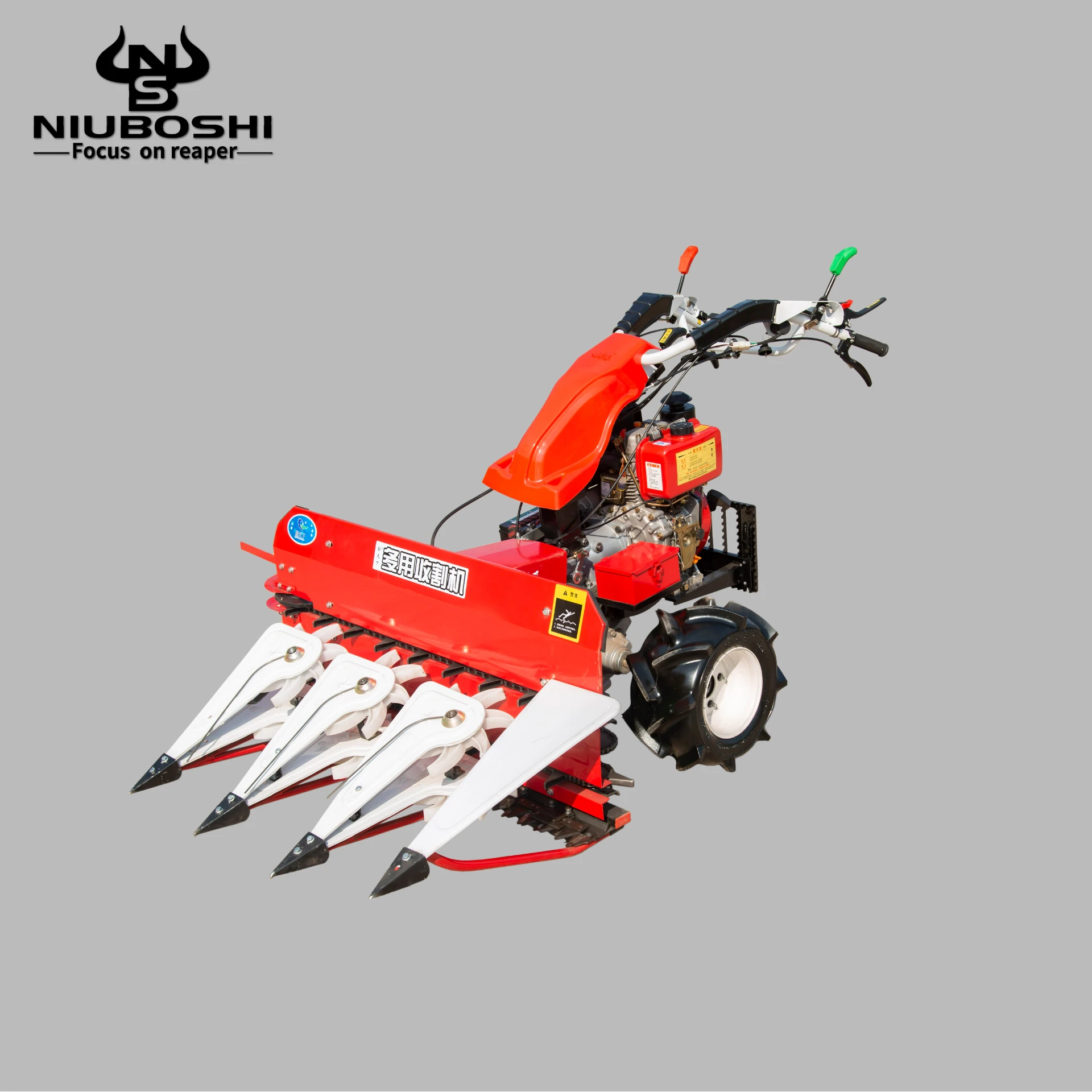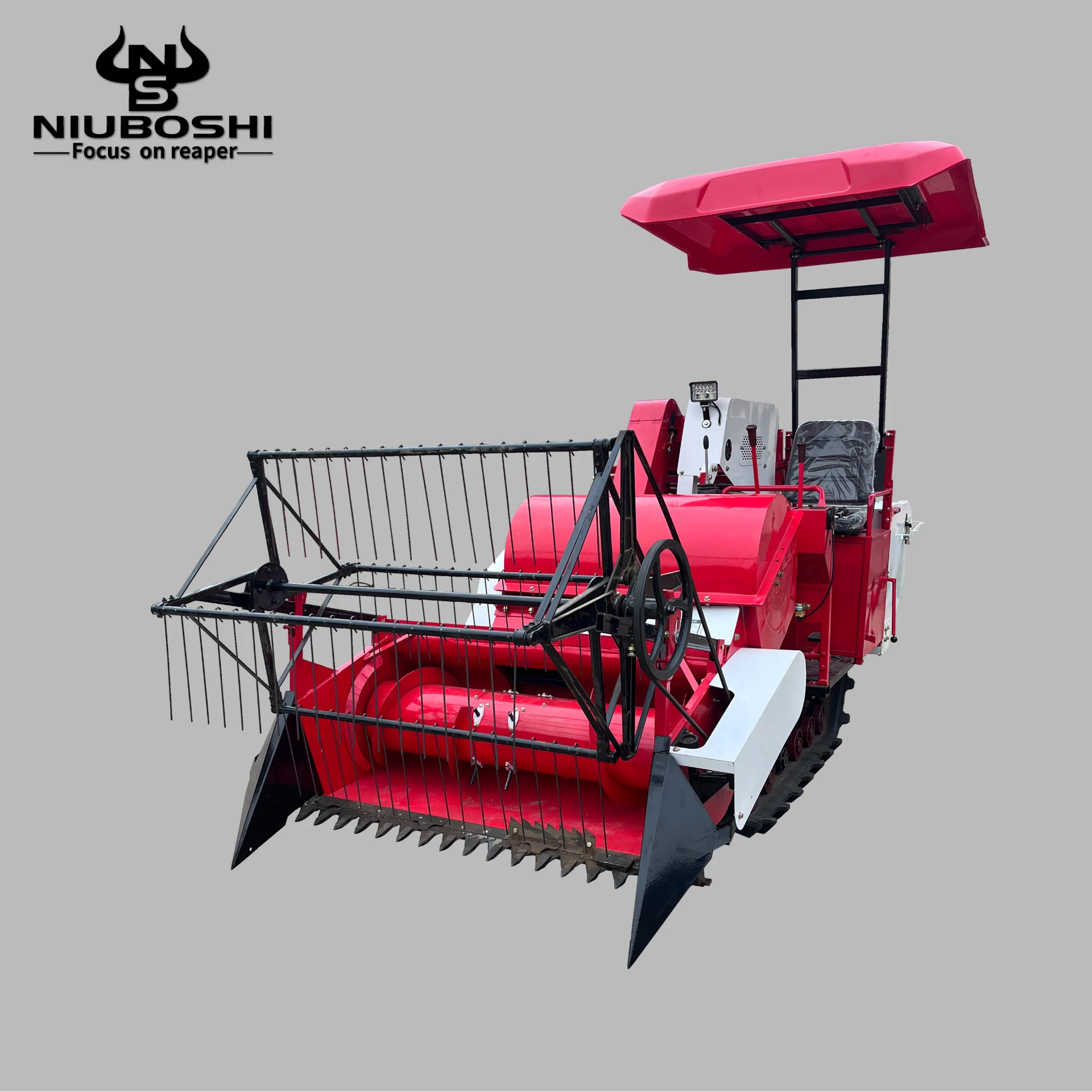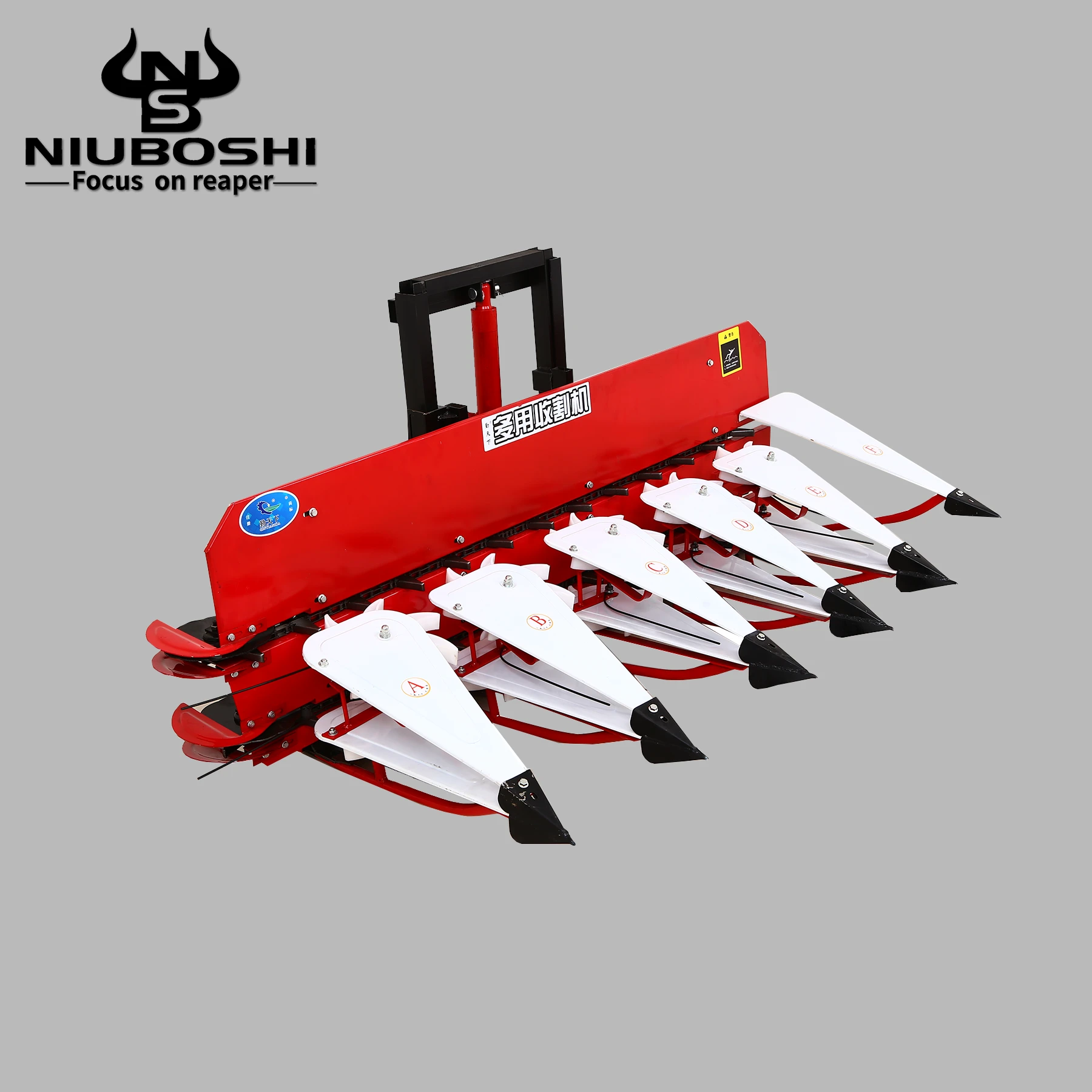
Mini Combine Harvester: Compact Mechanization Transforming Global Agriculture
What Is a Mini Combine Harvester and Why It Matters Globally
When you think of harvesting machines, often the thought drifts to massive, rumbling combines that roam vast wheat fields across the U.S. or Europe. But oddly enough, a mini combine harvester – significantly smaller, lighter, and more agile – is quietly reshaping agriculture in ways that really matter around the world. From smallholder farms to challenging terrains, these compact machines bring big solutions.
The reason this topic has become quite crucial is simple: food security. Globally, nearly 570 million farms are smaller than 2 hectares (source: UN FAO), many on rugged land where giant harvesters simply can’t fit or afford. Enter the mini combine harvester. It squeezes advanced tech into a smaller footprint, empowering farmers to boost yields, reduce post-harvest losses, and ultimately feed growing populations sustainably. So understanding this tool isn’t just technical trivia — it’s a piece of the puzzle in global agricultural development.
Introduction: The Global Promise of the Mini Combine Harvester
The global farming landscape is diversifying rapidly. Around 40% of the world’s food comes from small-scale farms, many in Asia, Africa, and Latin America (World Bank, 2023). Yet mechanization rates lag behind, limiting productivity and trapping farmers in subsistence cycles. Traditional full-sized combines often make no sense economically or physically — think about narrow terraces or muddy rice paddies.
That’s where mini combine harvesters come in. They address a very real challenge: how to bring mechanized efficiency to small and marginal farmers, often in remote or developing areas. Beyond higher efficiency, they reduce labor drudgery — a human factor that is often overlooked but can’t be understated. Frankly, when a farming family can harvest faster and less painfully, it transforms community well-being.
Definition & Meaning: What Exactly Is a Mini Combine Harvester?
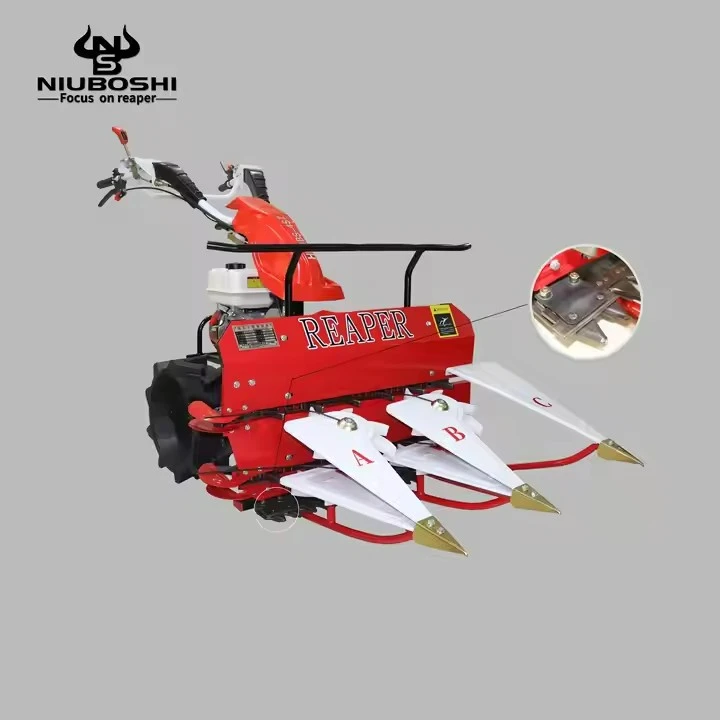
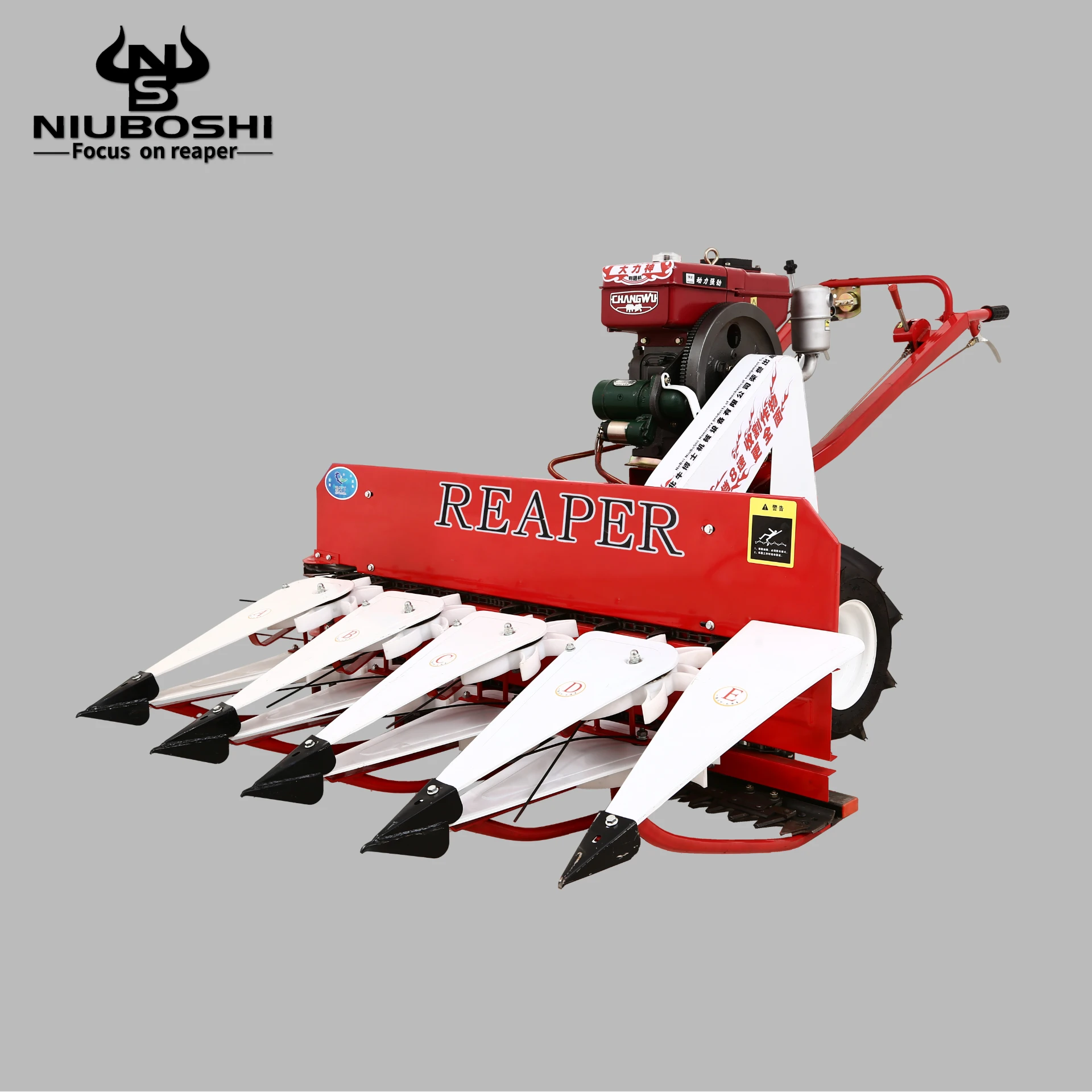
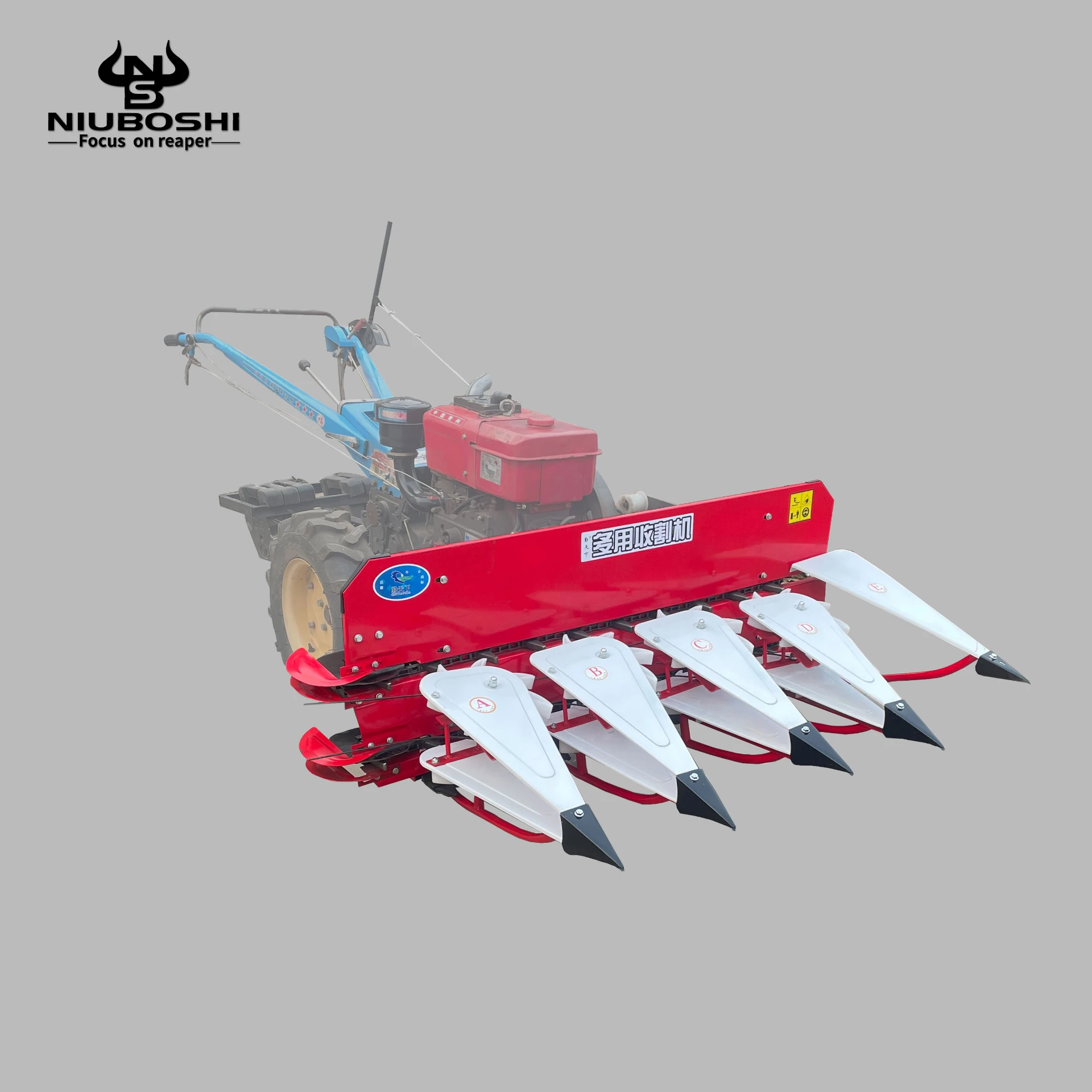
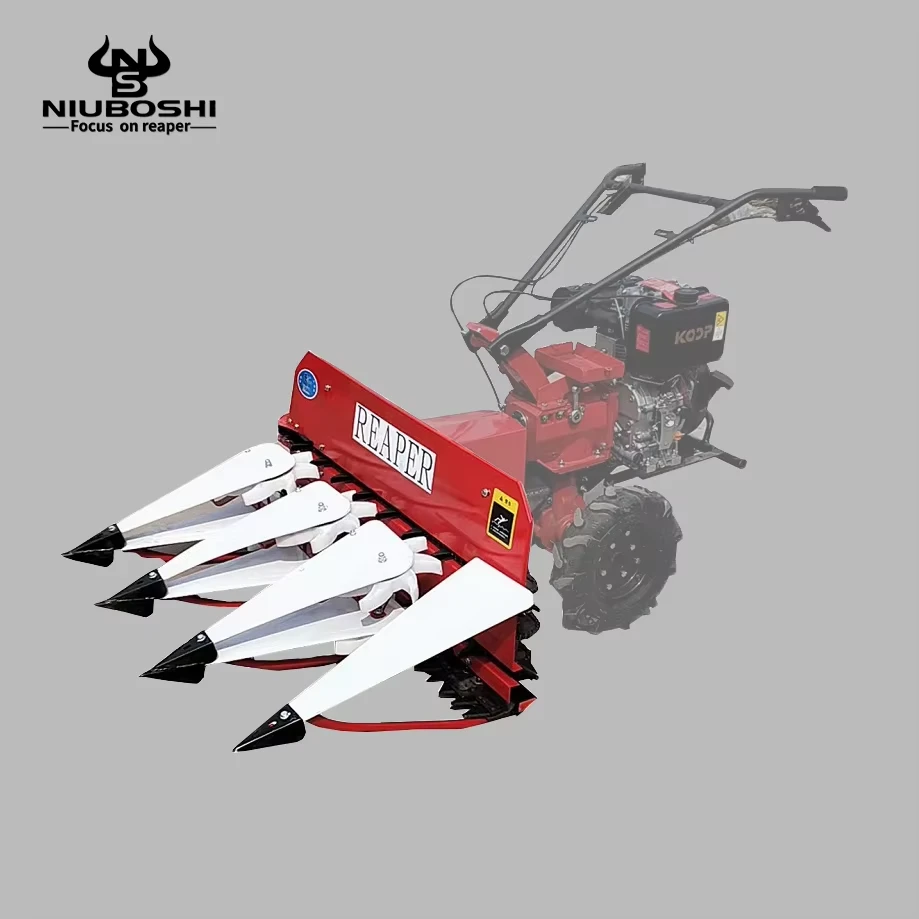
Simply put, a mini combine harvester is a scaled-down version of the traditional combine harvester. Instead of weighing several tons and requiring large fields, these compact machines weigh less, consume less fuel, and maneuver easily through small plots and uneven terrain. Despite their size, they perform the core tasks of cutting, threshing, and cleaning crops like rice, wheat, barley, and more.
Beyond agriculture, their role connects with humanitarian needs as well — during post-disaster recovery or in refugee settlements, small-scale harvesting machines can speed up food production efficiently where labor and resources are limited.
Core Components & Key Factors of Mini Combine Harvesters
- Compact Design: The hallmark of mini combines is their size – typically 500–1500 kg – allowing operation in fields less than a hectare easily.
- Fuel Efficiency & Durability: Designed for extended use without heavy fuel consumption, many models run efficiently on diesel or now increasingly on biofuels.
- Multi-Crop Capability: Many mini combines are configurable for rice, wheat, corn, and more — versatile on diverse small farms.
- User-Friendly Operation: Controls are simplified for farmers with limited mechanization experience; minimal training is needed.
- Affordability: Cost remains a decisive factor — mini harvesters are priced significantly lower than full-size combines, suiting low-income farmers.
- Easy Maintenance: Simple design enables field repairs, relying less on complex parts and requiring basic tools.
Summing up, these features mark the mini combine harvester as a specialized tool, bridging the gap between hand harvesting and industrial machines.
Global Applications & Use Cases
Mini combine harvesters have found resonance worldwide but shine particularly in Asia’s rice terraces, sub-Saharan Africa’s patchwork farms, and even in Eastern Europe’s smaller grain operations. In places like the Philippines and Vietnam, these compact machines reduce post-harvest losses caused by delayed harvesting during critical weather windows.
In post-disaster relief, NGOs often provide mini combines as part of recovery kits, enabling displaced farmers to quickly resume production. Oddly enough, these machines can also be an asset in remote industrial zones where agriculture supports worker communities but large machinery logistics is complicated.
Advantages & Long-Term Value
- Cost Savings: Reduced labor and fuel costs, faster harvesting cycles.
- Sustainability: Lower soil compaction and emissions than heavy machines.
- Improved Food Security: Enabling timely harvests reduces food loss.
- Social Impact: Less manual labor boosts farmer health & dignity.
- Reliability: Proven models maintain productivity season after season.
Embracing mini combine harvesters isn’t just a practical choice — it suggests a commitment to innovative, respectful farming that trusts science with empathy.
Future Trends & Innovations
The next wave of mini combine harvesters looks even more promising, integrating digital tech like GPS-assisted navigation and IoT monitoring. Automation trends aim to lower skill barriers further, while green energy solutions like solar-assisted power and electric drivetrains reduce the carbon footprint. Additionally, lightweight but durable materials inspired by aerospace engineering promise longer machine lifespan without increasing weight.
Challenges & Solutions
Of course, no technology is without hurdles. Mini combine harvesters sometimes struggle with unevenly shaped fields or wetlands. Crop-specific adaptability also varies, and spare parts availability can be patchy, especially in remote regions.
Yet innovators and NGOs are tackling these issues by designing modular harvesters, training local technicians, and leveraging mobile tech for diagnostics and support — a perfect marriage of tech and on-the-ground knowledge.
FAQ: Frequently Asked Questions About Mini Combine Harvester
- Q: How does a mini combine harvester differ from traditional combines?
- A: Mini combines are smaller, lighter, and designed for small or rugged farms. They consume less fuel and are easier to operate but handle smaller crop volumes.
- Q: Are mini combine harvesters suitable for all crop types?
- A: Many models excel in grains like rice, wheat, and barley, but it’s best to check compatibility depending on crop density and field conditions.
- Q: What maintenance is required to keep mini combines working efficiently?
- A: Routine cleaning, lubrication, and quick inspection of belts or blades is usually sufficient. Parts are designed to be easily replaced on site.
- Q: Can mini combine harvesters be rented or must they be purchased?
- A: Both options exist, but ownership is common among established smallholders while rentals offer flexibility to emerging farmers.
Product Specification Table: Typical Mini Combine Harvester Model
| Specification | Details |
|---|---|
| Weight | 700–1200 kg |
| Engine Power | 10–20 HP diesel |
| Crop Types | Rice, wheat, barley, corn |
| Fuel Consumption | Approx. 1–2 liters/hour |
| Cutting Width | 900–1200 mm |
| Typical Field Capacity | 0.3–0.6 hectares/hour |
Vendor Comparison: Leading Mini Combine Harvester Options
| Feature | Brand A | Brand B | Brand C |
|---|---|---|---|
| Price Range | $4,500–$6,000 | $5,200–$6,500 | $4,000–$5,500 |
| Engine Power | 15 HP | 18 HP | 12 HP |
| Fuel Efficiency | 1.5 L/h | 1.8 L/h | 1.2 L/h |
| Warranty | 1 Year | 2 Years | 1 Year |
| Spare Parts Availability | Wide network | Moderate | Limited |
Conclusion: Why You Should Consider a Mini Combine Harvester Today
So, to wrap it up — mini combine harvesters are small in size but giant in potential impact. Whether you’re a farmer looking to modernize without massive investment or an organization aiming to bolster food security sustainably, these machines bridge critical gaps. They are at the nexus of affordability, efficiency, and adaptability, making mechanized harvesting accessible to millions.
If you want to explore models, specs, or get advice on deployment, I highly recommend visiting mini combine harvester suppliers who specialize in this niche. Their expertise might just change the way you think about harvesting.
It’s fascinating how a smaller machine can sow the seeds for bigger changes — a humble reminder that sometimes less really is more.
References
Latest news
-
Maximize Harvest Efficiency with the Agro Reaper Binder MachineNewsApr.16,2026
-
Boost Harvest Efficiency with the Best Agriculture Reaper MachineNewsApr.09,2026
-
Revolutionizing Agriculture with the Efficient Agriculture Power ReaperNewsApr.07,2026
-
Comprehensive Guide to the 4 Wheel Reaper Binder for Efficient HarvestingNewsApr.04,2026
-
Comprehensive Guide to Reaperbinder Technology for Efficient Hay and Crop HarvestingNewsMar.31,2026
-
Mastering the Art of Reaper Cutting for Enhanced Agricultural EfficiencyNewsMar.28,2026