Nov . 28, 2025 11:30
Back to list
Discover the Power of Mini Multi Crop Harvesters for Small Scale Farming
Why the Mini Multi Crop Harvester Matters in Modern Agriculture
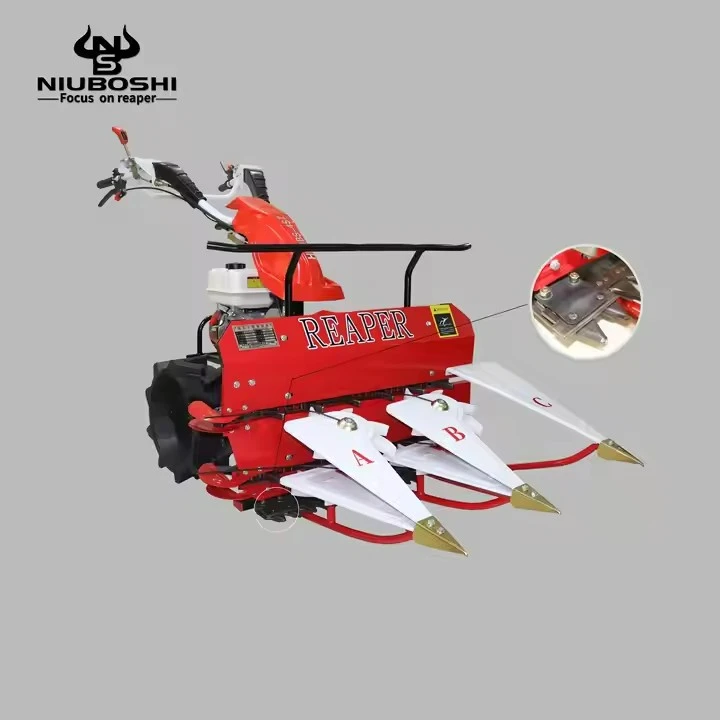
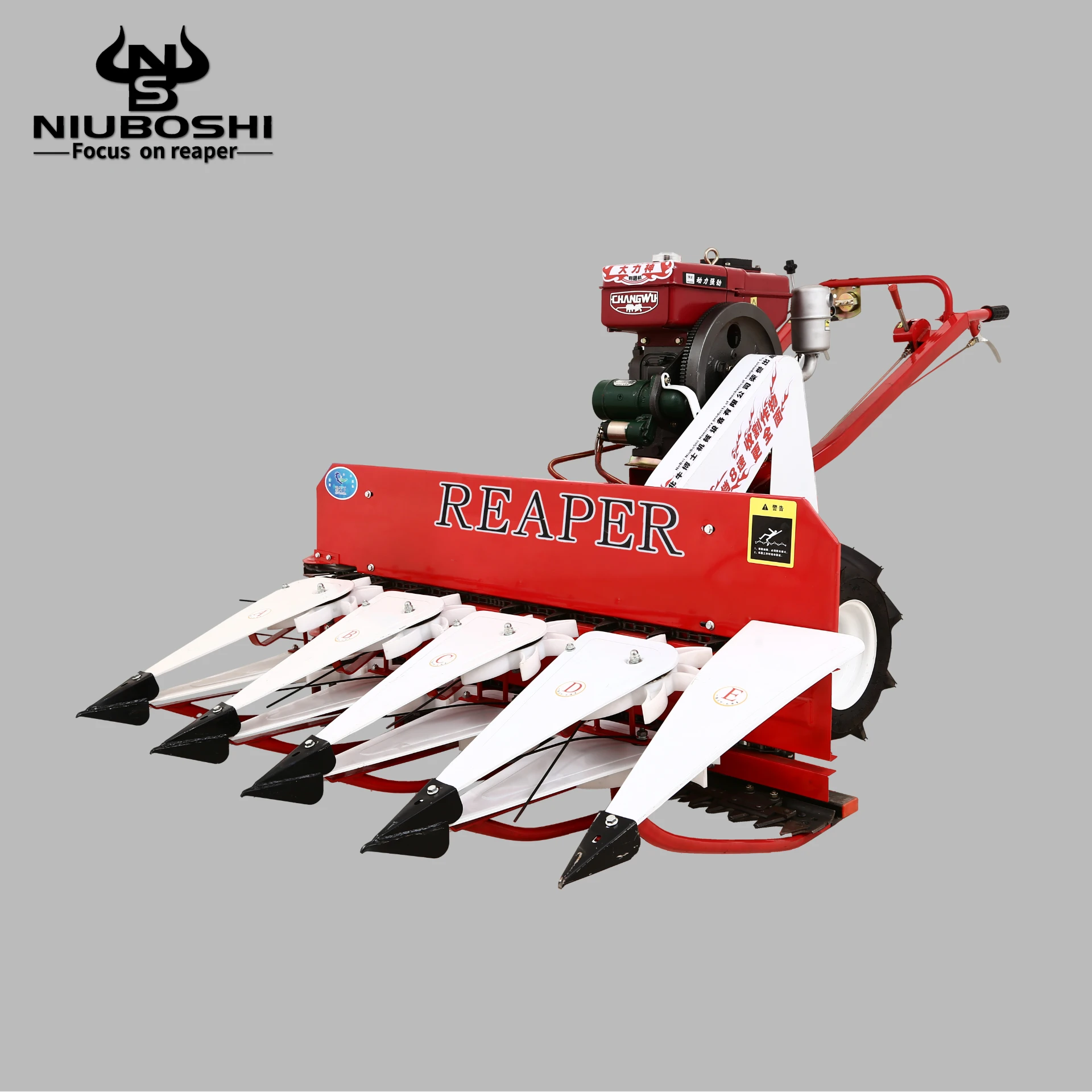
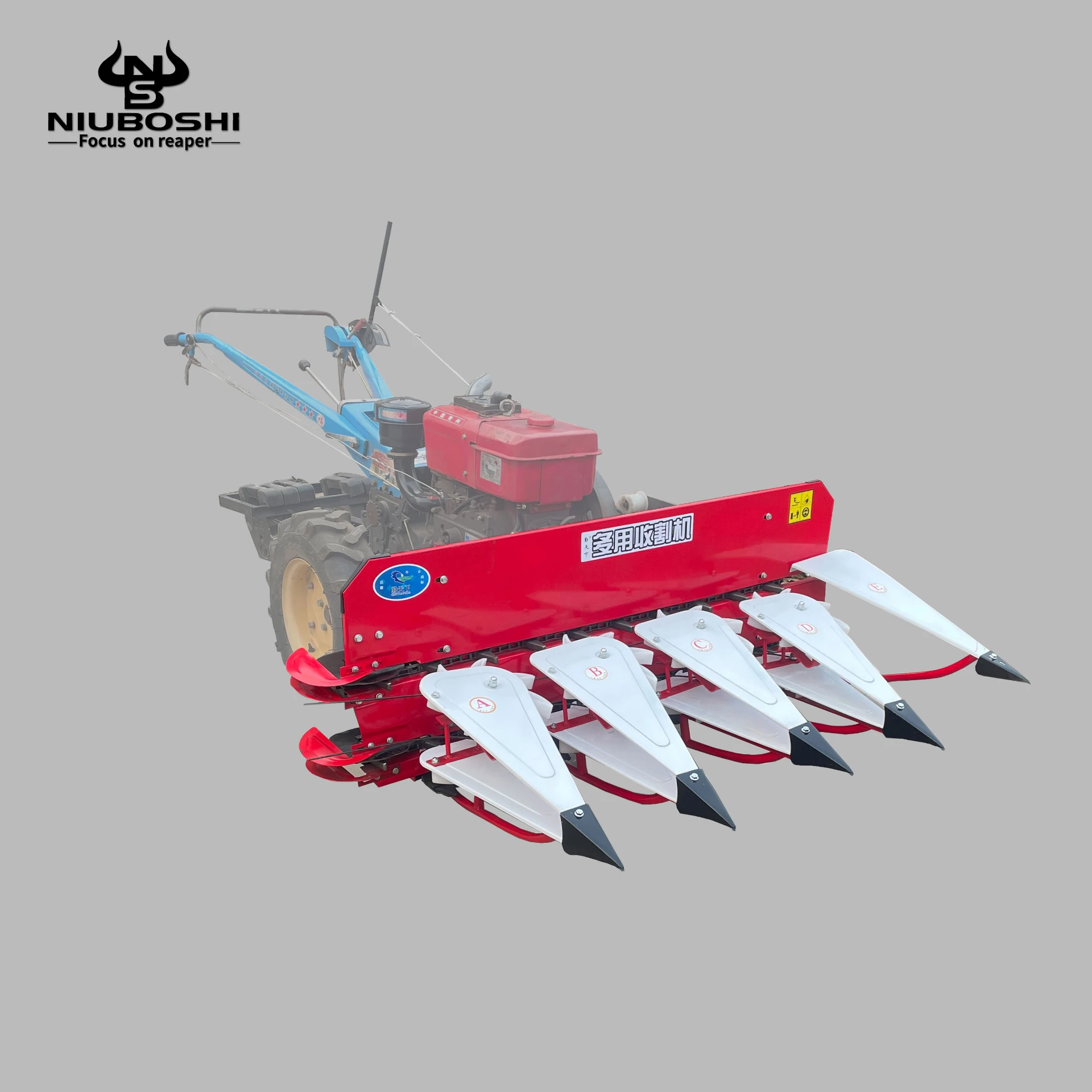
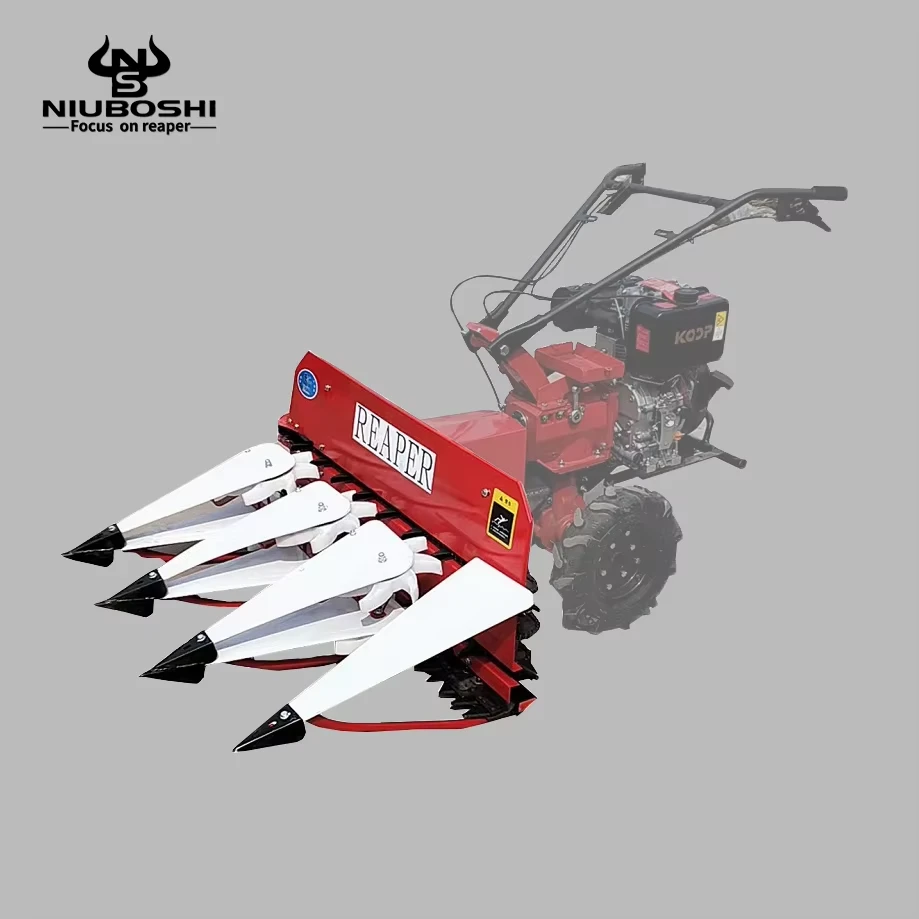
Agriculture has always been the backbone of societies worldwide, but with rising populations and climate challenges, efficient farming tools have become crucial. Among these, the mini multi crop harvester plays an increasingly vital role. It’s not just a machine; it’s a solution that addresses labor shortages, boosts productivity, and supports small-scale farmers who often get overlooked by large machinery manufacturers. Understanding this machine means more than knowing technical specs. It’s about recognizing how versatile, compact harvesters reshape farming economies — in India’s patchwork fields, Africa’s emerging agri-markets, and even urban farming hubs. The benefits: higher yields, reduced costs, and more dignified labor. For anyone touched by food production, the mini multi crop harvester is worth knowing about. mini multi crop harvester options are multiplying globally as the need for efficient, adaptable farm technology grows.Introduction: Global Challenges Driving Demand for Mini Multi Crop Harvesters
Globally, agriculture employs over 27% of the world’s workforce and accounts for roughly 4% of global GDP, yet many regions struggle with outdated harvesting techniques or lack access to efficient machinery. According to the Food and Agriculture Organization (FAO), smallholder farms produce about 80% of food supply in Asia and sub-Saharan Africa, but these farmers often rely on manual harvesting — time-consuming and labor-intensive. This is where mini multi crop harvesters enter the picture. Their compact size and adaptability allow farmers to mechanize harvesting multiple crop types — from rice and wheat to maize and millet — in small plots that wouldn’t otherwise accommodate bulky machines. The result is a leap in both efficiency and income. Yet the challenge remains: how to ensure these machines are affordable, reliable, and suit diverse crop types and terrains? Often, farmers face broken supply chains for spare parts or training gaps. The mini multi crop harvester isn’t a silver bullet, but it’s a key piece of the puzzle in meeting global food security and climate resilience goals.What Exactly Is a Mini Multi Crop Harvester?
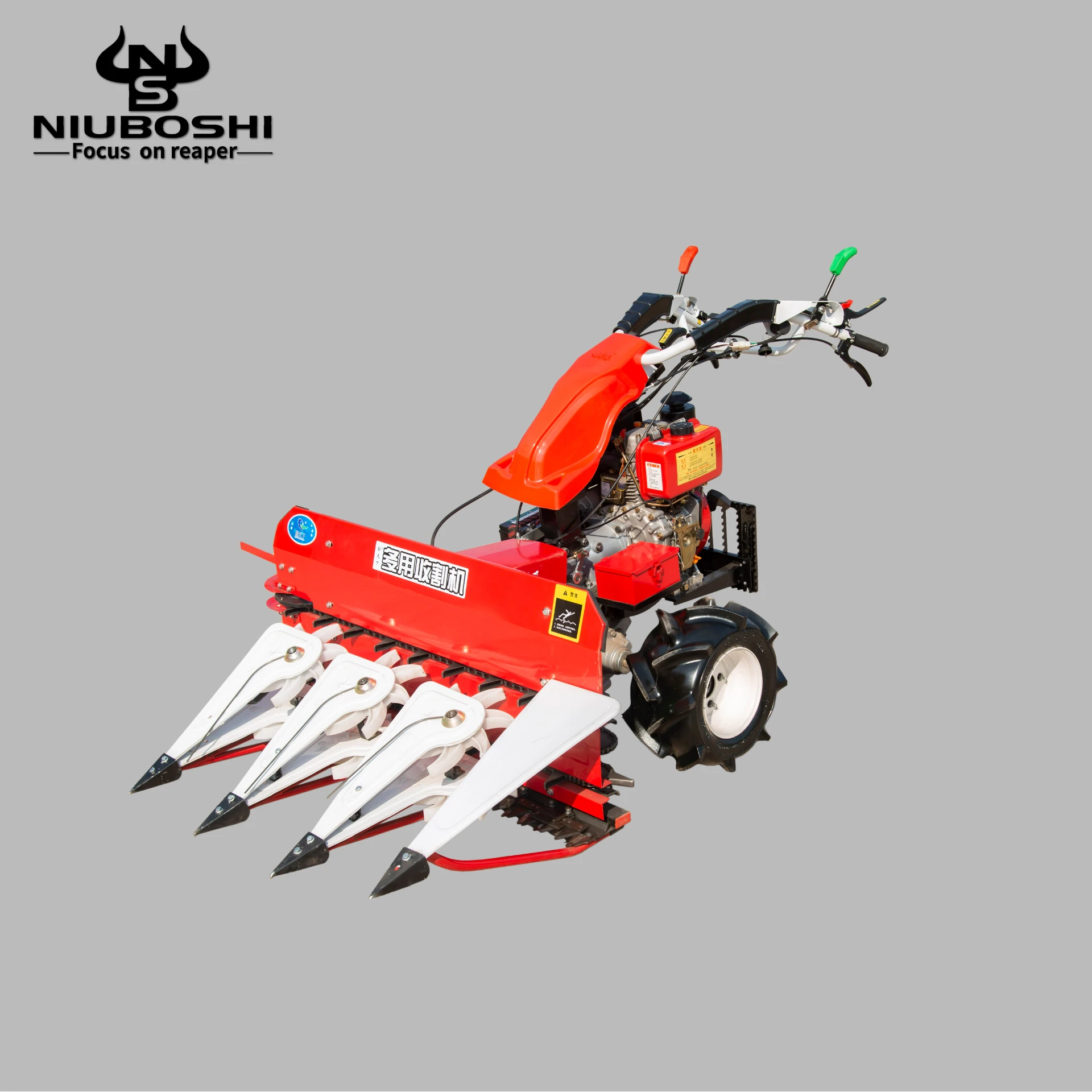
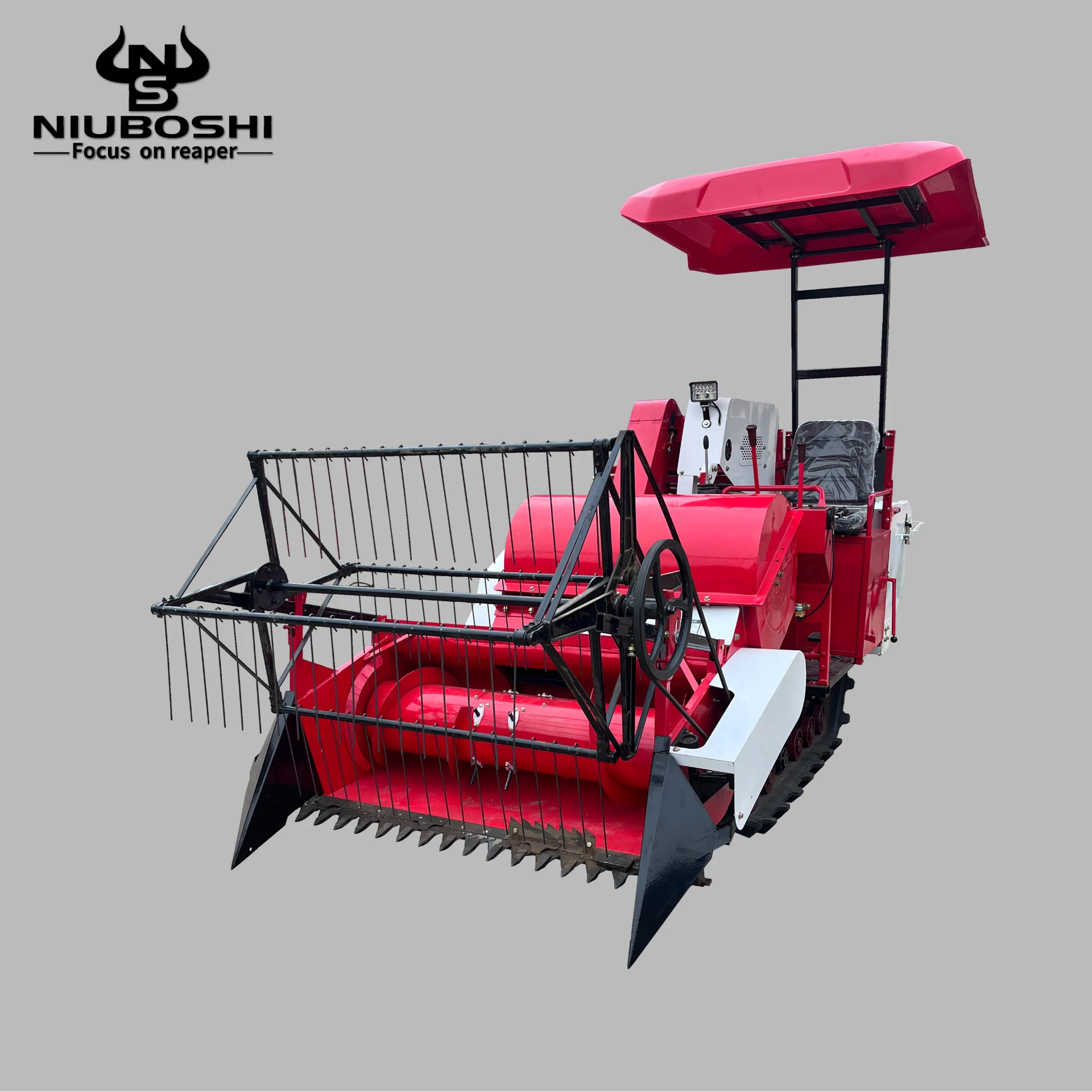
In simple terms, a mini multi crop harvester is a compact, mobile farming machine designed to cut, thresh, and separate grains from various crops at once. “Mini” refers to its size and suitability for small-to-medium scale farms — far smaller and more maneuverable than industrial combines. Unlike single-purpose harvesters, these machines handle multiple crops by often featuring interchangeable headers or adjustable settings. This flexibility is critical for regions growing mixed crops seasonally or growing varieties that require different threshing methods. Besides farmers, humanitarian groups and NGOs employ these harvesters in disaster relief scenarios to quickly salvage fields or support food production in fragile settings.Key Features of Mini Multi Crop Harvesters
1. Durability and Design Simplicity
These machines tend to be rugged but built with simplicity in mind so mechanics can fix them on-site with common tools. Farmers value this, especially where dealer service centers are sparse.2. Scalability and Size
The “mini” size means easy navigation through tight, irregular fields or terraces. Additionally, smaller engines often mean fuel efficiency — a big plus in remote locales.3. Crop Versatility
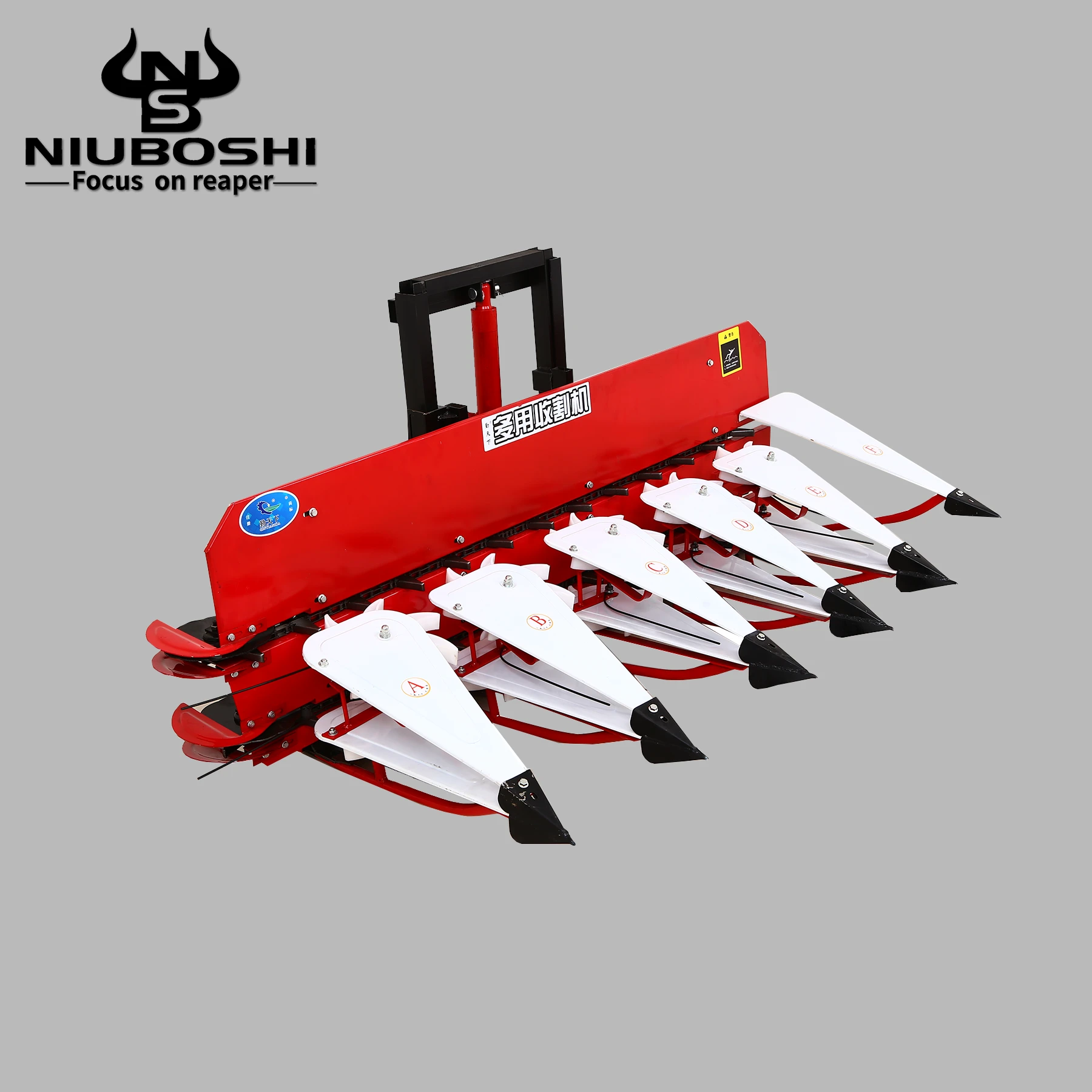
Farmers juggling wheat, rice, barley, or pulses find multi-crop compatibility indispensable. Interchangeable cutting heads or adjustable threshers enable this multi-functionality.4. Cost Efficiency
Mini multi crop harvesters are priced to be accessible, with a focus on lower fuel consumption and minimal maintenance needs — cutting long-term costs.5. Ease of Operation
Features like ergonomic handles, straightforward controls, and minimal start-up complexities make the machines friendly to operators with diverse skill levels.Mini Multi Crop Harvester Specification Table
| Specification | Typical Range / Feature |
|---|---|
| Engine Power | 8–15 HP (Petrol/Diesel) |
| Cutting Width | 900 mm – 1,200 mm |
| Crop Compatibility | Rice, Wheat, Barley, Maize, Millet |
| Threshing Drum Speed | 600 – 900 RPM adjustable |
| Weight | 110 – 160 kg |
| Fuel Efficiency | ~1.5 L/hr |
Mini takeaway: The perfect mini multi crop harvester balances power, weight, and crop versatility, optimizing smallholder harvests without the overhead of full-size combines.
Real-World Impact: How Mini Multi Crop Harvesters Change the Game
Imagine a rural community in Southeast Asia where rice planting occupies tiny patches across hilly terrain. Big harvesters can’t navigate these fields, meaning mostly hand-harvested yields — grueling and slow. Enter the mini multi crop harvester: nimble, affordable, and able to switch modes when the crop rotates to maize or barley. Similarly, NGOs operating in disaster-hit regions of East Africa deploy these machines to salvage harvests from flooded fields quickly. The result? Saved food stocks and livelihood preservation. Even in parts of Eastern Europe, some vineyards and orchards adapt mini harvesters to improve efficiency in their delicate environments. These use cases reflect a machine that’s small only in size but massive in impact.Mini Takeaway:
Mini multi crop harvesters work best where adaptability and accessibility matter, supporting food security in vulnerable or smallhold farming systems worldwide.
Vendor Comparison: Leading Mini Multi Crop Harvester Manufacturers
| Brand | Engine Type | Crop Range | Avg. Price (USD) | Warranty (Years) |
|---|---|---|---|---|
| GreenField | Diesel | Rice, Wheat, Maize | $2,100 | 2 |
| AgriTec Mini | Petrol | Wheat, Barley, Millet | $1,800 | 1.5 |
| FarmLite | Hybrid (Petrol/Diesel) | Mixed Crops, Pulses | $2,400 | 3 |
| HarvestPro Mini | Electric (Battery) | Rice, Wheat | $2,700 | 2 |
Mini takeaway: While price points vary, choosing a machine depends heavily on crop type, fuel availability, and after-sales support — not just cost.
The Many Advantages of Mini Multi Crop Harvesters
Beyond cutting time and manual labor, these harvesters contribute to farm sustainability. Better harvesting precision means less grain loss and less wasted energy. Many machines now boast fuel-efficient engines or hybrid models reducing greenhouse gas emissions, appealing to environmentally conscious farmers. There's also a social side. Reliable mechanization improves working conditions — especially for women and elderly family members frequently tasked with backbreaking labor. In this sense, the machine upholds safety and dignity on the field. Long-term, investment in this tech encourages local economies: from repair shops blooming to trainees learning mechanical skills, this is a ripple effect far beyond just crop harvest.Looking Ahead: Innovations in Mini Multi Crop Harvesters
The future’s looking pretty bright with digital augmentation hitting the field. Some manufacturers now embed IoT sensors that provide real-time diagnostics and operation feedback — cool, especially for remote farmers who can’t run to a mechanic every time the ‘check engine’ light blinks. Electric mini harvesters are no longer sci-fi — battery-powered options have begun to enter market leading to quieter, cleaner operations. Plus, there’s talk about modular designs — changing cutting heads on the fly, or even drones to assist in pre-harvest monitoring, forming a small mechanized ecosystem. Policies supporting sustainable agriculture from the UN and ISO standards increasingly influence these innovations, aligning better machines with global food security goals.Challenges Faced and Solutions on the Horizon
No device is perfect. Sometimes mini multi crop harvesters struggle with uneven threshing for certain local crop varieties, or maintenance parts take ages to arrive in remote areas. Operators may need better training — many machines look simple, but misuse can cause breakdowns. Solutions? Local open-source repair workshops and community training are expanding. Engine tuning to local fuel standards helps reliability. Also, manufacturers experimenting with modular parts promise quicker fixes. In real terms, patience and local engagement remain as important as tech in making these machines work well.Frequently Asked Questions About Mini Multi Crop Harvesters
- What crops can a mini multi crop harvester handle?
Generally, these machines handle rice, wheat, barley, maize, millet, and some pulses. Many feature adjustable threshing drums and interchangeable cutting heads to switch crops efficiently. - How difficult is it to maintain these harvesters?
Most are designed for easy maintenance. Basic repairs can usually be done with common tools. However, operator training and access to parts are essential for longevity. - Are mini multi crop harvesters cost-effective for small farms?
Absolutely. They reduce manual labor costs and increase throughput much faster than hand harvesting, typically paying for themselves after one or two seasons. - Can these machines be used in hilly or terraced farming?
Yes, their compact size and lightweight frame make them ideal for navigating irregular plots and terraces. - Is fuel availability a big concern?
It depends on location. Diesel and petrol engines dominate, but electric and hybrid mini harvesters are emerging, which may ease fuel access issues in future.
Conclusion: Why Investing in a Mini Multi Crop Harvester Makes Sense
For smallholders, relief organizations, and even mid-size farms adapting to diverse crops and terrains, the mini multi crop harvester is a game changer. It blends affordability, versatility, and sustainability with enhanced productivity and social benefits. Whether you’re nurturing family fields or rebuilding food systems post-disaster, it’s a machine to watch closely. Thinking about stepping up your harvest game? Take a look here: mini multi crop harvester. It might just be the little powerhouse you didn’t know you needed. --- ### References 1. Food and Agriculture Organization of the United Nations (FAO) Statistical Yearbook. 2. ISO standards on agricultural machinery and sustainability. 3. UN Sustainable Development Goals related to Zero Hunger and Sustainable Agriculture.Latest news
-
Maximize Harvest Efficiency with the Agro Reaper Binder MachineNewsApr.16,2026
-
Boost Harvest Efficiency with the Best Agriculture Reaper MachineNewsApr.09,2026
-
Revolutionizing Agriculture with the Efficient Agriculture Power ReaperNewsApr.07,2026
-
Comprehensive Guide to the 4 Wheel Reaper Binder for Efficient HarvestingNewsApr.04,2026
-
Comprehensive Guide to Reaperbinder Technology for Efficient Hay and Crop HarvestingNewsMar.31,2026
-
Mastering the Art of Reaper Cutting for Enhanced Agricultural EfficiencyNewsMar.28,2026