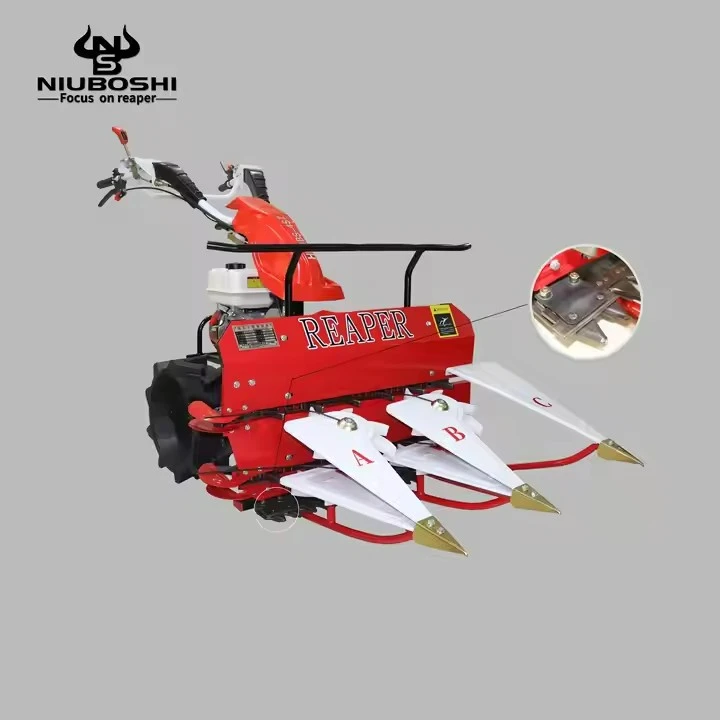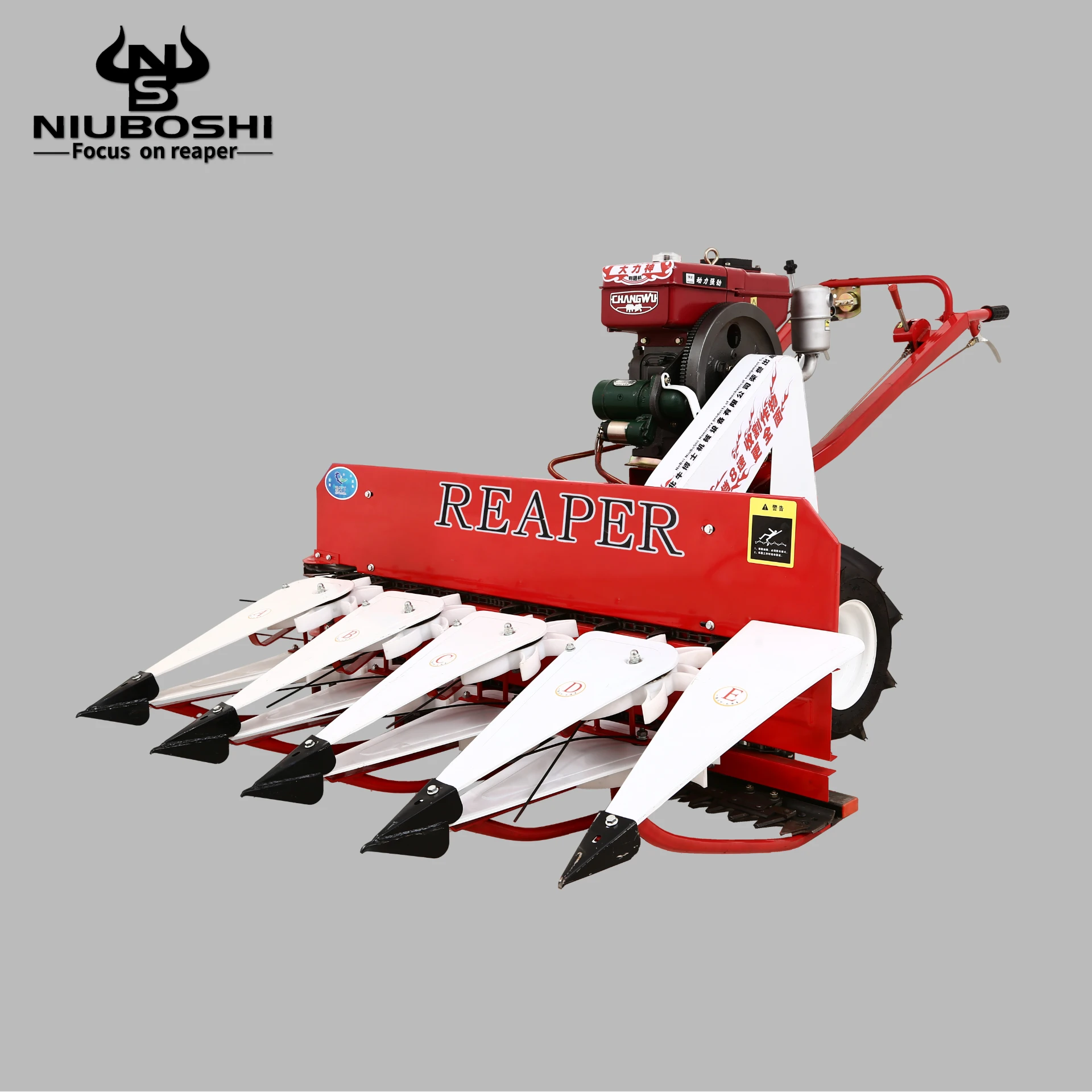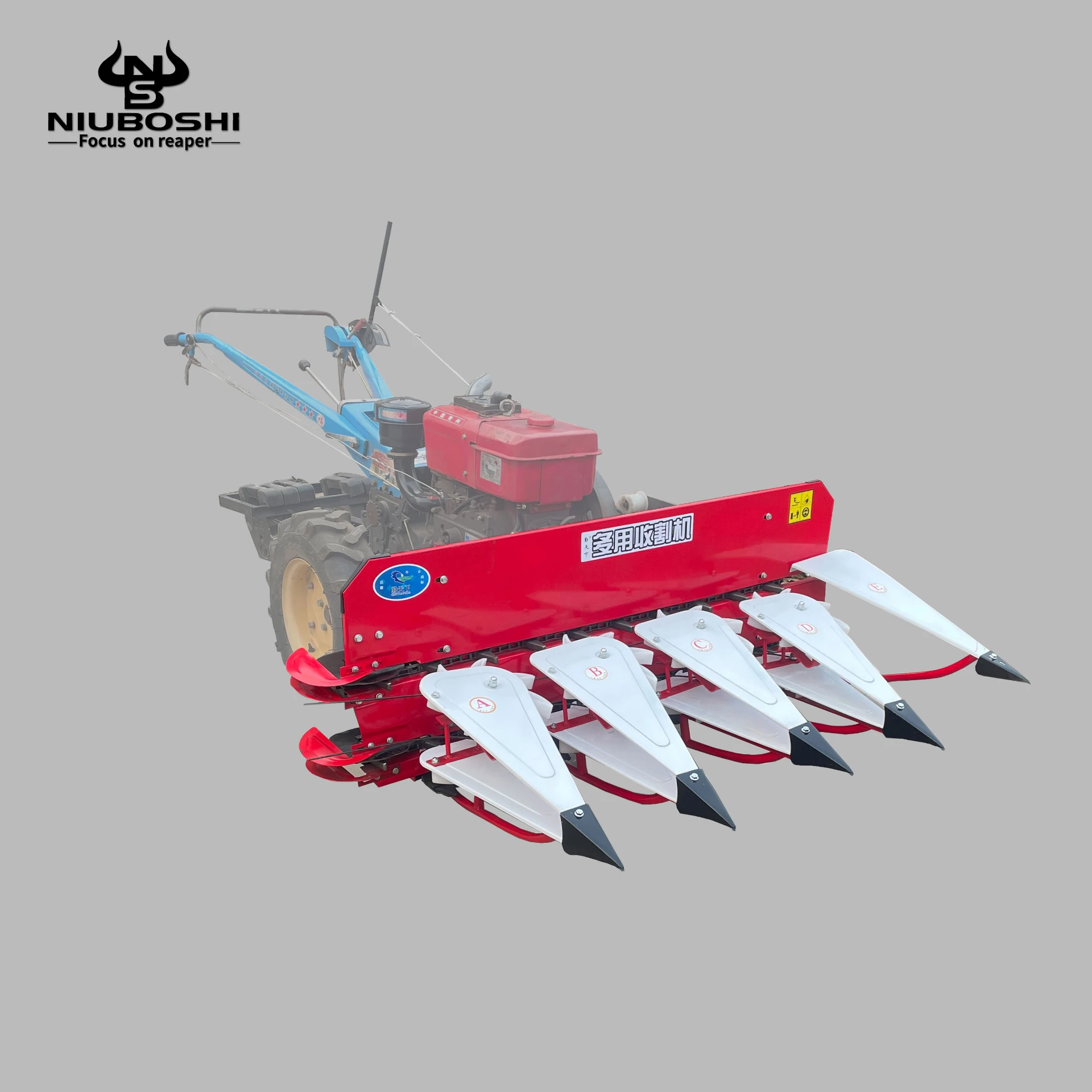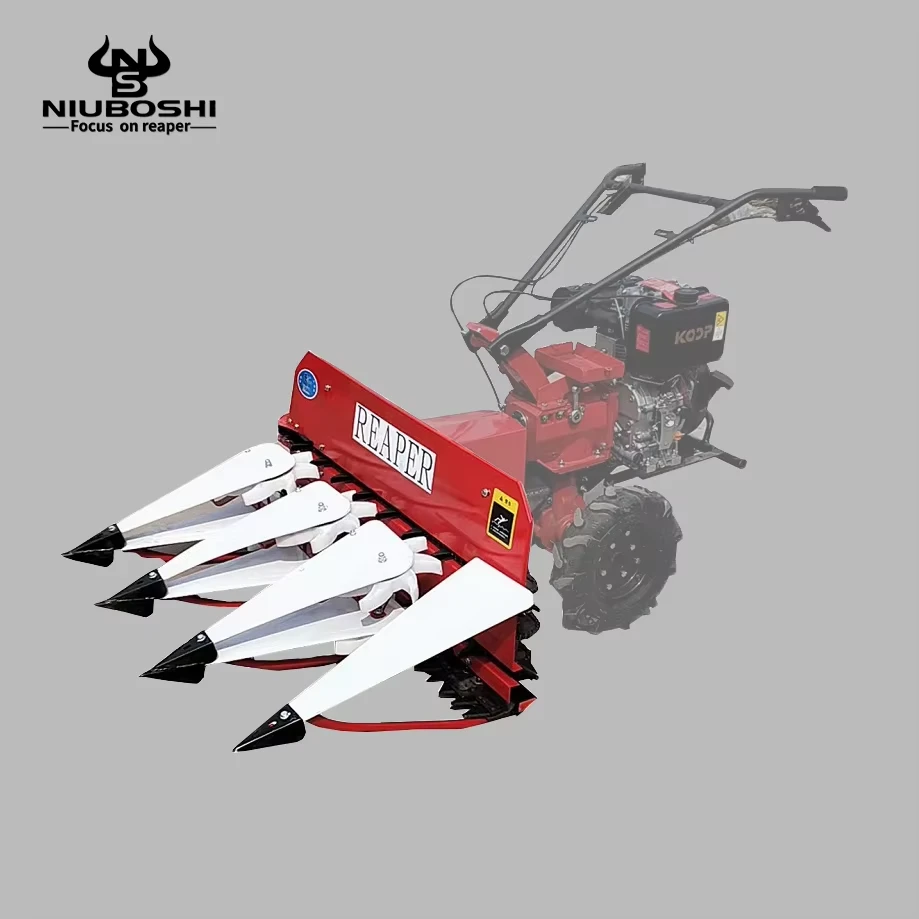
Tractor Mounted Mini Harvester Overview – Compact Forestry Equipment
Tractor Mounted Mini Harvester: A Practical Overview
Having worked in the industrial equipment sector for over a decade, I’ve seen my fair share of machinery evolve from clunky, oversized beasts to surprisingly nimble and efficient tools. One such equipment that’s caught my eye in recent years is the tractor mounted mini harvester. Now, this isn’t just another fancy gadget — it’s a real game-changer for small-to-medium scale forestry and agricultural harvesting.
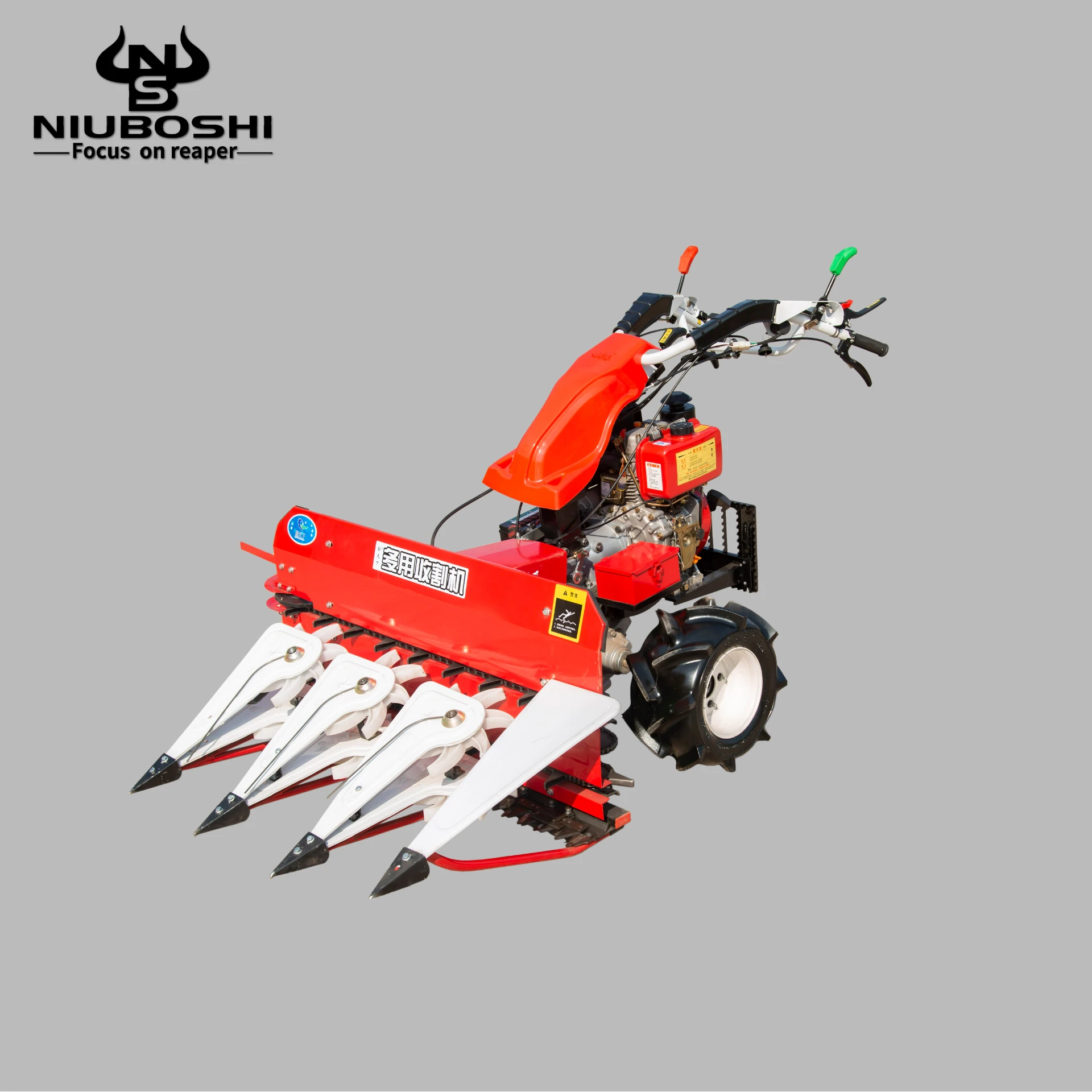
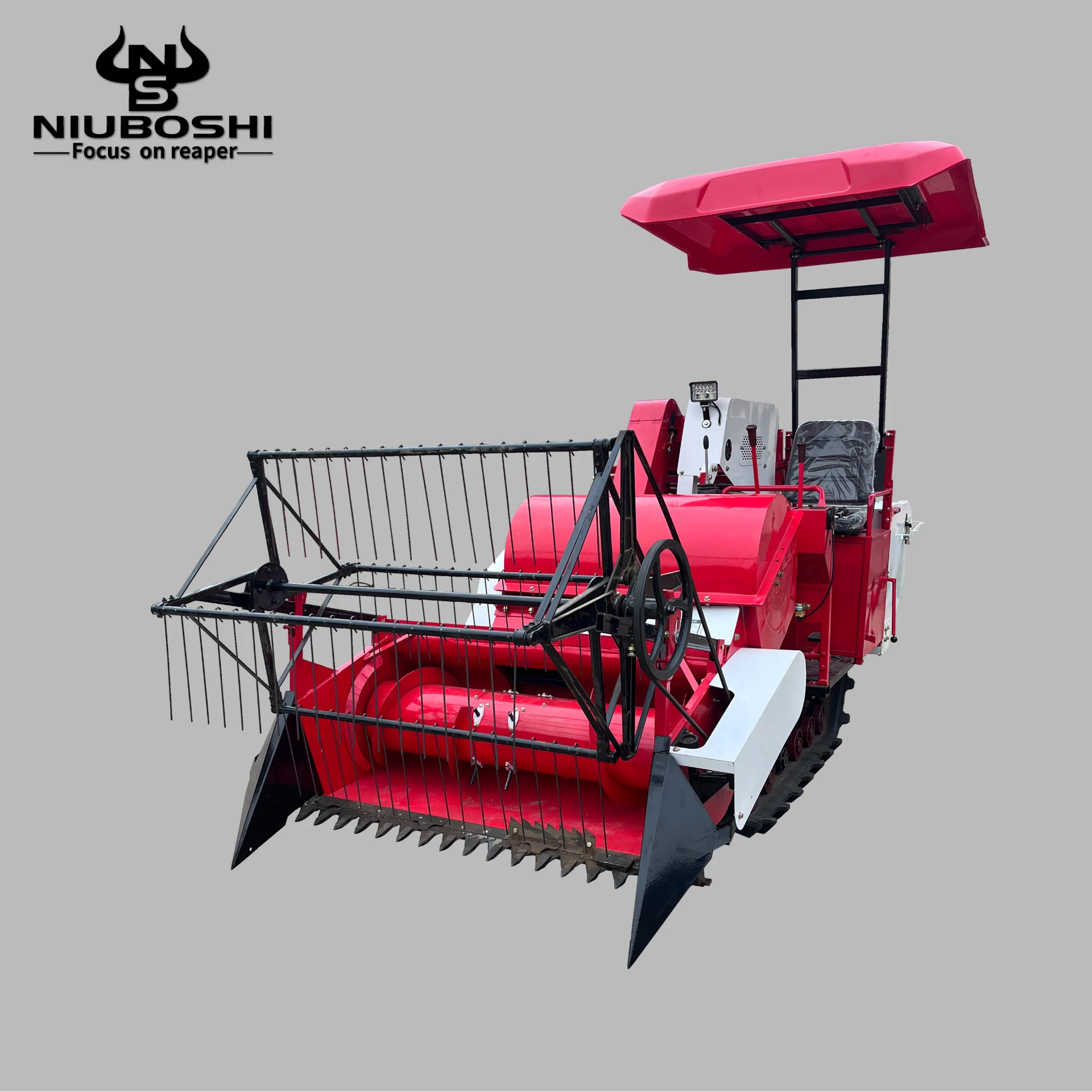
What’s neat about these mini harvesters is how they balance power and versatility. Unlike traditional harvesters that demand a ton of fuel and space, these compact machines integrate easily with existing tractors, making them a boon for operators who want efficiency without investing in entirely new equipment. I remember visiting a logging site where a crew was testing one out — it was impressive how such a compact unit could maneuver through dense patches without much fuss.
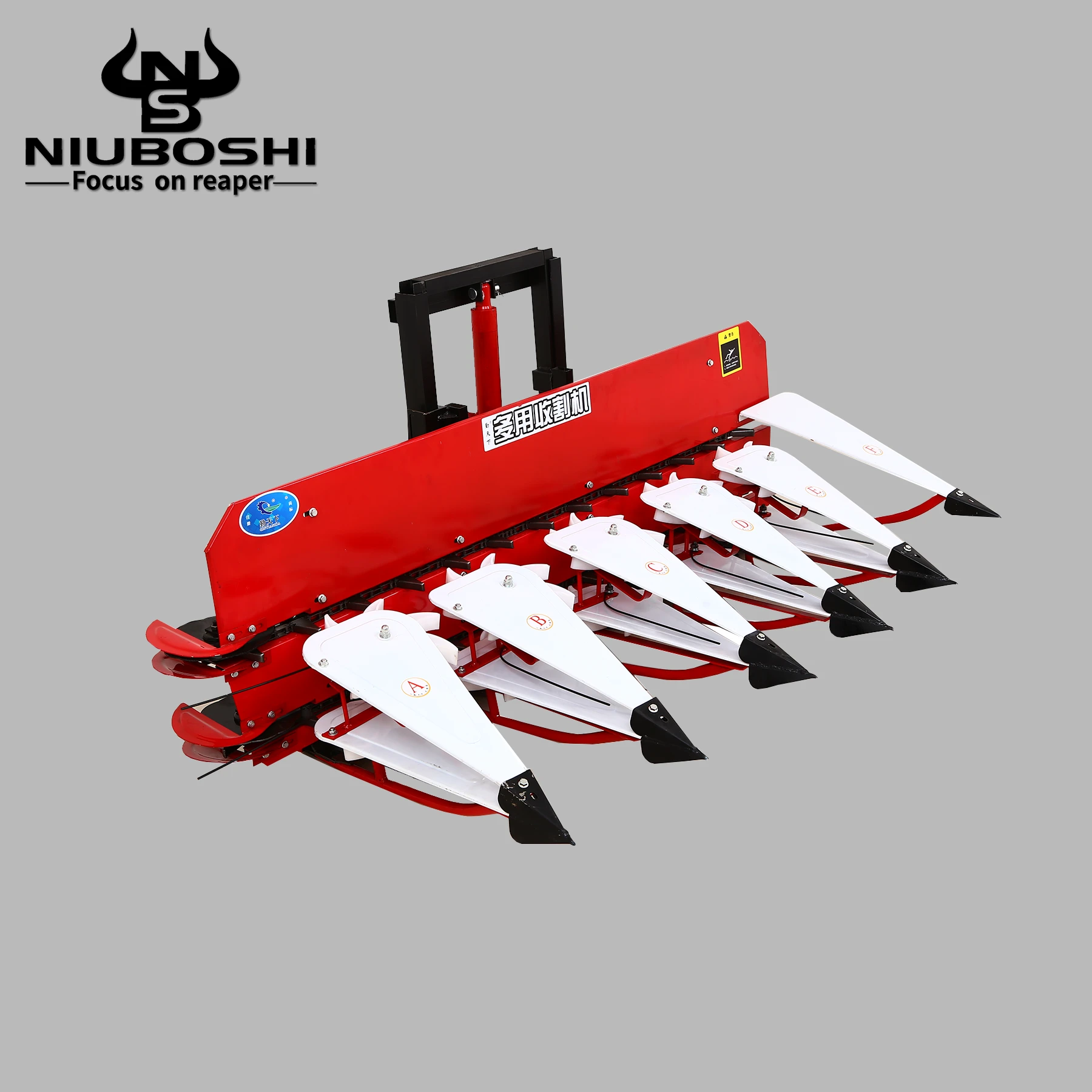
Frankly, the design approach here leans heavily on modularity and ruggedness. The typical tractor mounted mini harvester consists of a reinforced boom with hydraulic control, a multi-function harvester head for cutting and delimbing, and a sturdy chassis that mounts securely on the tractor. The quality of materials, especially in the hydraulic systems and metal components, really dictates longevity. Many engineers in the field I've spoken to swear by hardened steel for the cutting mechanisms — it’s just better for resisting the wear and tear.
Oddly enough, one of the biggest challenges in this sector isn’t just building them tough, but also ensuring the machines are easy to maintain. A mini harvester with complicated, proprietary parts can quickly become a headache. The models from vendors like the one at Niuboshi seem to hit a sweet spot here, offering straightforward serviceability without sacrificing any core functions.
| Feature | Specification |
|---|---|
| Compatible Tractor Power | 50 - 120 HP |
| Operating Weight | 600 - 900 kg |
| Harvester Head Width | 600 - 800 mm |
| Max Cutting Diameter | 320 mm |
| Boom Reach | 3.5 - 4.2 meters |
| Hydraulic System Pressure | 16 - 21 MPa |
In terms of market choices, I’ve encountered a handful of suppliers offering various models — each with subtle trade-offs in terms of price, durability, and after-sales support. For example, some focus on ultra-lightweight designs primarily for orchard harvesting, while others emphasize heavy-duty forestry tasks. Here’s a quick vendor comparison gleaned from my trade show visits and discussions with field operators:
| Vendor | Price Range | Durability | Service & Support | Customization Options |
|---|---|---|---|---|
| Niuboshi | $$$ | High (Hardened components) | Excellent (Global parts availability) | Standard + Custom Boom lengths |
| Competitor A | $$ | Moderate (Standard steel) | Good (Regional service) | Limited |
| Competitor B | $$$ | High (Premium materials) | Fair (Online support only) | Yes (Wide range) |
One interesting anecdote comes from a customer in New Zealand who adapted a tractor mounted mini harvester to handle harvesting in steep vineyard slopes. The flexibility of the boom reach and the reliable hydraulic system meant reduced manual labor and better productivity. That’s exactly the kind of real-world advantage that reminds me why these machines matter.
In real terms, the best tractor mounted mini harvester isn’t necessarily the flashiest or most expensive — it’s the one that fits your tractor’s specs, your terrain, and your maintenance capabilities. And personally, I’d say it’s worth investing a little extra to get a solid vendor with good support. Nobody likes downtime, especially in harvesting season.
So in conclusion, if you're involved in forestry or even specialized agriculture with smaller-scale needs, the tractor mounted mini harvester is definitely something to consider. It brings power where you need it, without forcing a complete overhaul of your existing tractor fleet — and that practical balance feels just right in today’s operational landscape.
References:
- Field experiences from forestry equipment expos and workshops, 2022-2023.
- Technical data sheets and service manuals from Niuboshi and peer brands.
- Interviews with small-scale forestry operators across Europe and Oceania.
Latest news
-
Maximize Harvest Efficiency with the Agro Reaper Binder MachineNewsApr.16,2026
-
Boost Harvest Efficiency with the Best Agriculture Reaper MachineNewsApr.09,2026
-
Revolutionizing Agriculture with the Efficient Agriculture Power ReaperNewsApr.07,2026
-
Comprehensive Guide to the 4 Wheel Reaper Binder for Efficient HarvestingNewsApr.04,2026
-
Comprehensive Guide to Reaperbinder Technology for Efficient Hay and Crop HarvestingNewsMar.31,2026
-
Mastering the Art of Reaper Cutting for Enhanced Agricultural EfficiencyNewsMar.28,2026