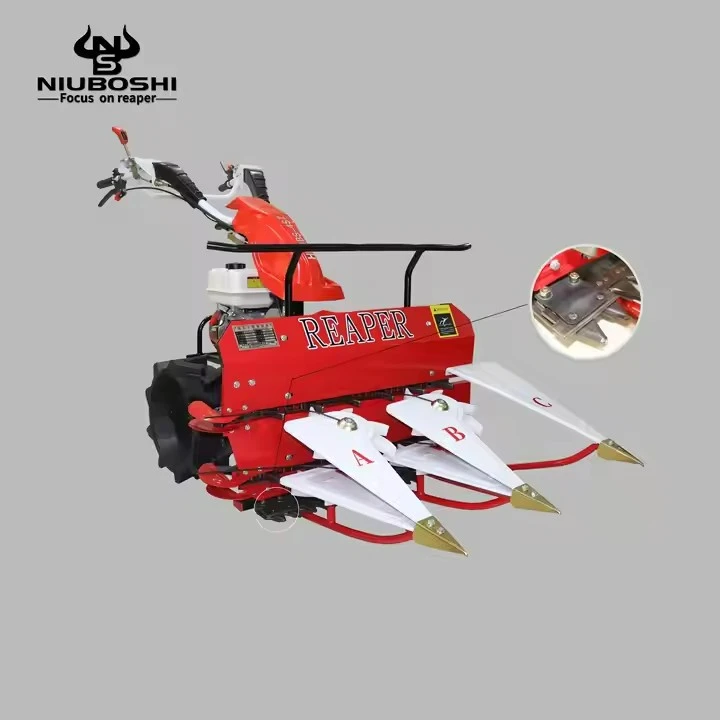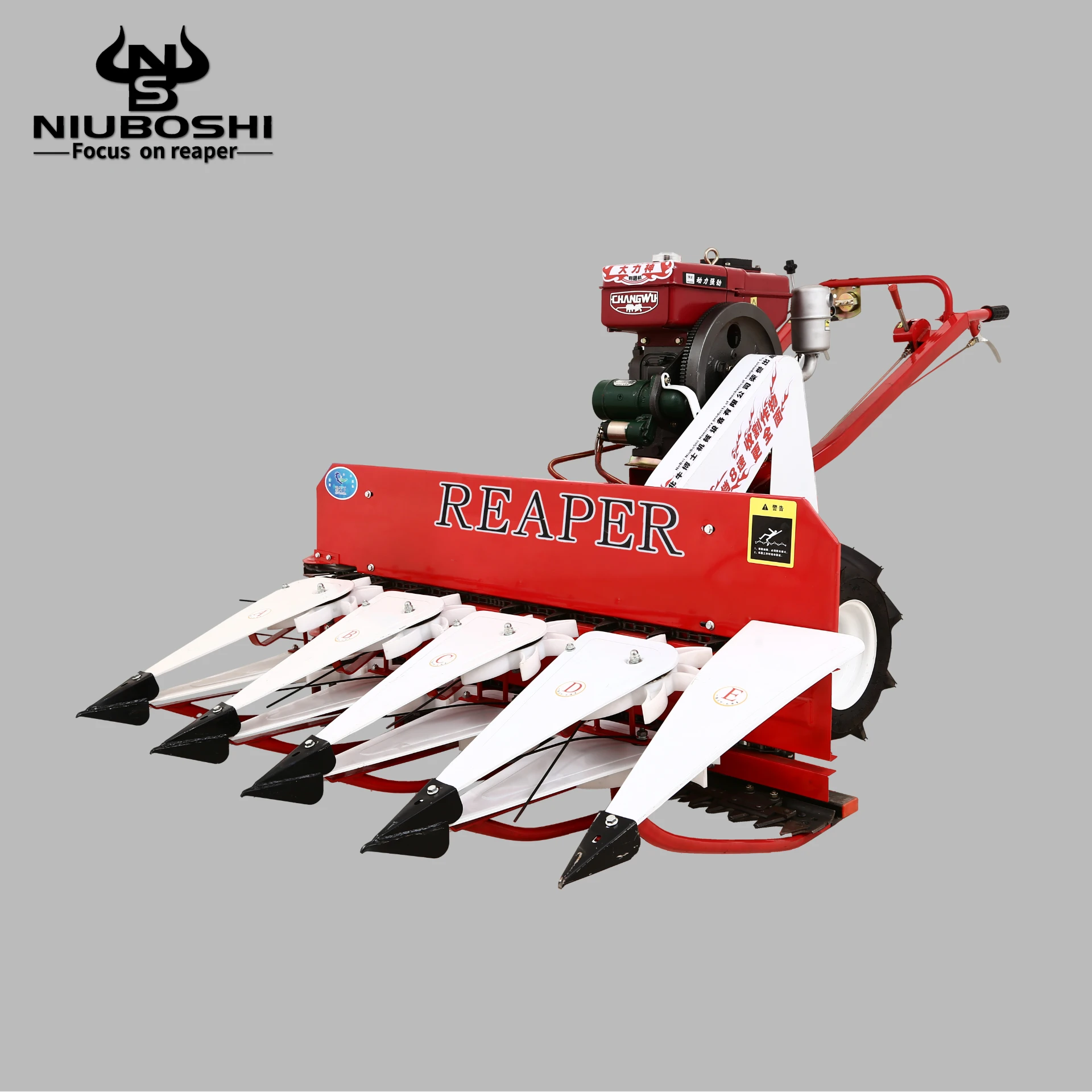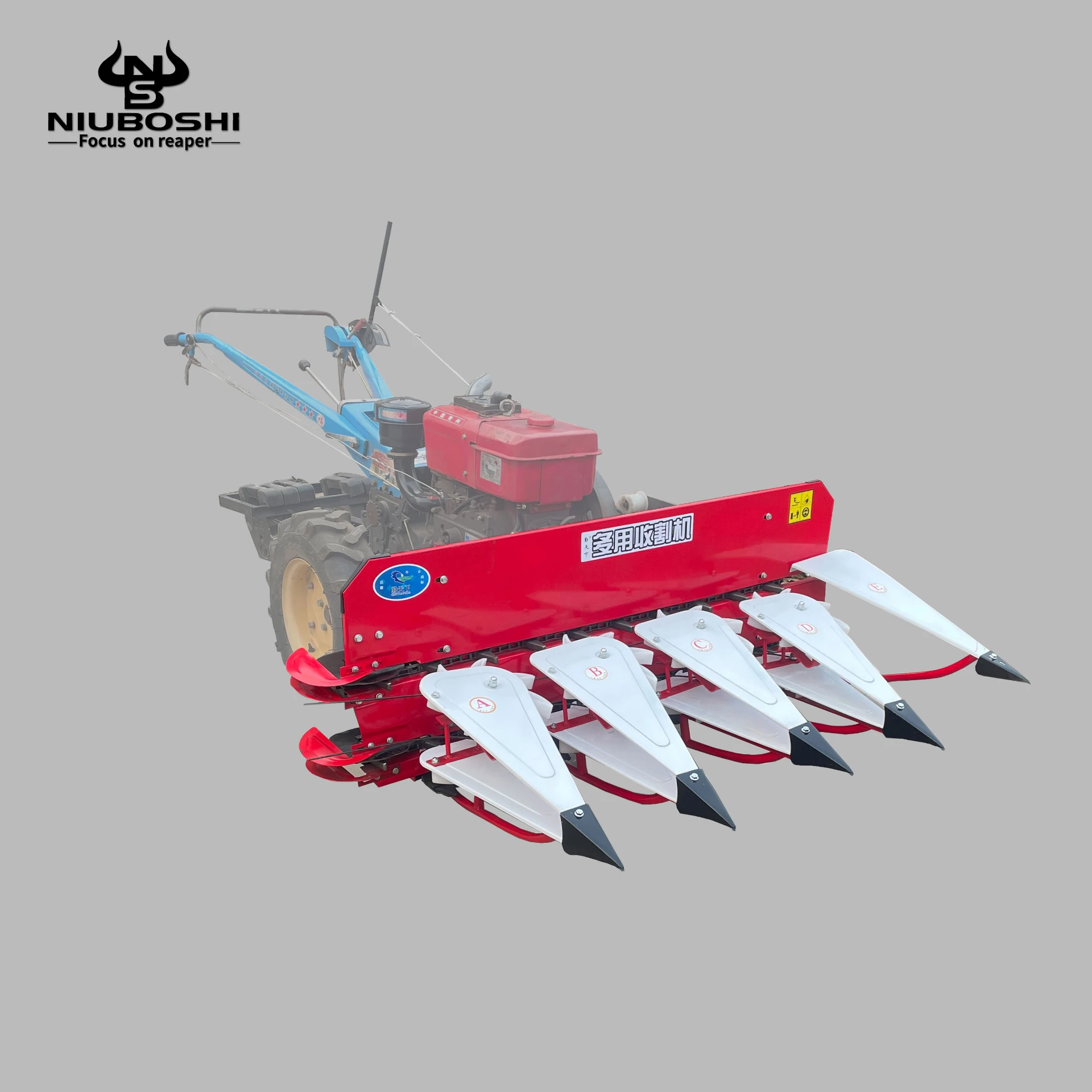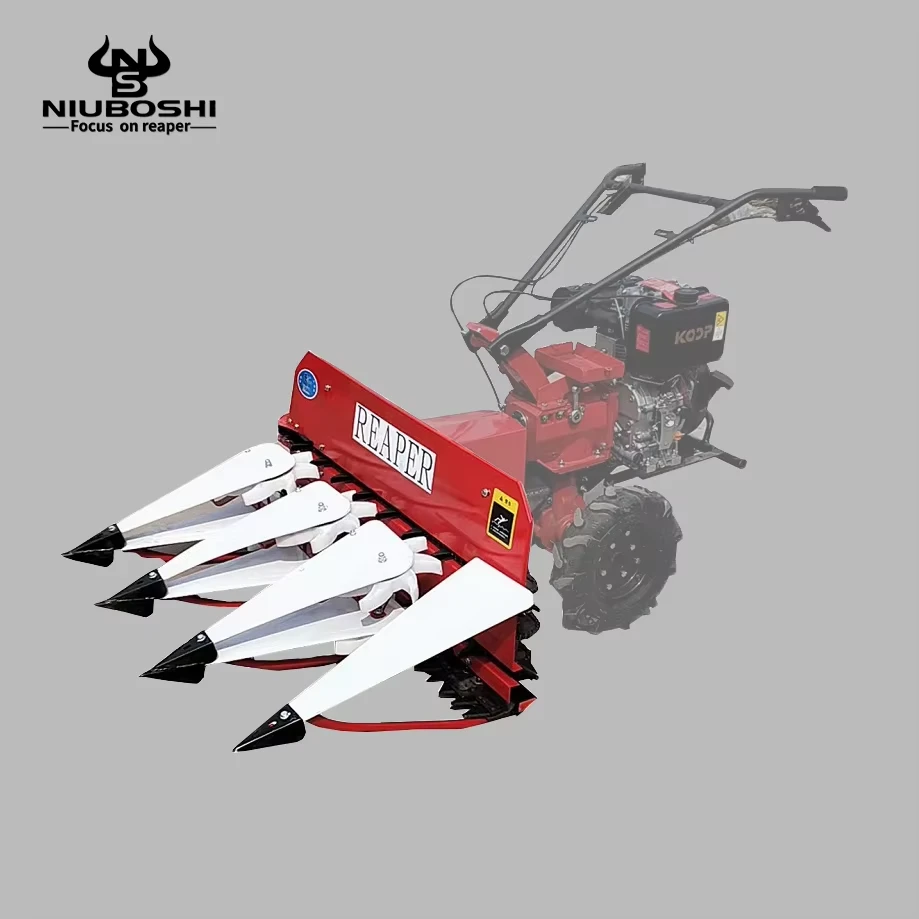
Small Paddy Harvester Machines: Compact Solutions for Efficient Rice Harvesting
The Growing Importance of Small Paddy Harvester Machines
When we talk about rice—the staple food for nearly half the world's population—the way it's harvested plays a surprisingly huge role in global food security. Enter the small paddy harvester: a compact, nimble machine designed to streamline harvest in smaller, fragmented farms or hard-to-reach fields. Why does it matter? Because as smallholder farmers form the backbone of rice production in many developing countries, affordable and efficient harvesting technology can make or break their livelihood.
Understanding small paddy harvesters means diving into a mix of agricultural engineering, sustainability, and economic empowerment. Frankly, they’re a neat example of how thoughtful technology, adapted to scale, can make farming less backbreaking and more productive—especially where resources and space are tight.
Global Context: How Small Paddy Harvesters Address Worldwide Challenges
Rice accounts for roughly 20% of the calories consumed by humanity, according to the FAO. And yet, traditional harvesting methods often involve intense labor, slow yields, and substantial post-harvest losses, especially in Asia and parts of Africa. The World Bank reports that mechanized harvesting can increase efficiency by up to 30% while reducing grain losses by nearly 15%. But not all farmers have access to large, expensive combine harvesters—that’s where small paddy harvesters come into play:
- They fit the scale of small farms, typically under 1 hectare
- Can be operated in tight or uneven fields where heavy machines falter
- Reduce drudgery and speed up harvest windows, essential in climates with variable weather
The result is a boost in productivity with relatively low investment—key to sustainable development goals like eradicating hunger.
Mini takeaway: Small paddy harvesters are more than mere machines; they’re an answer to localized farming challenges in a world hungry for efficient food production.
What Exactly Is a Small Paddy Harvester?
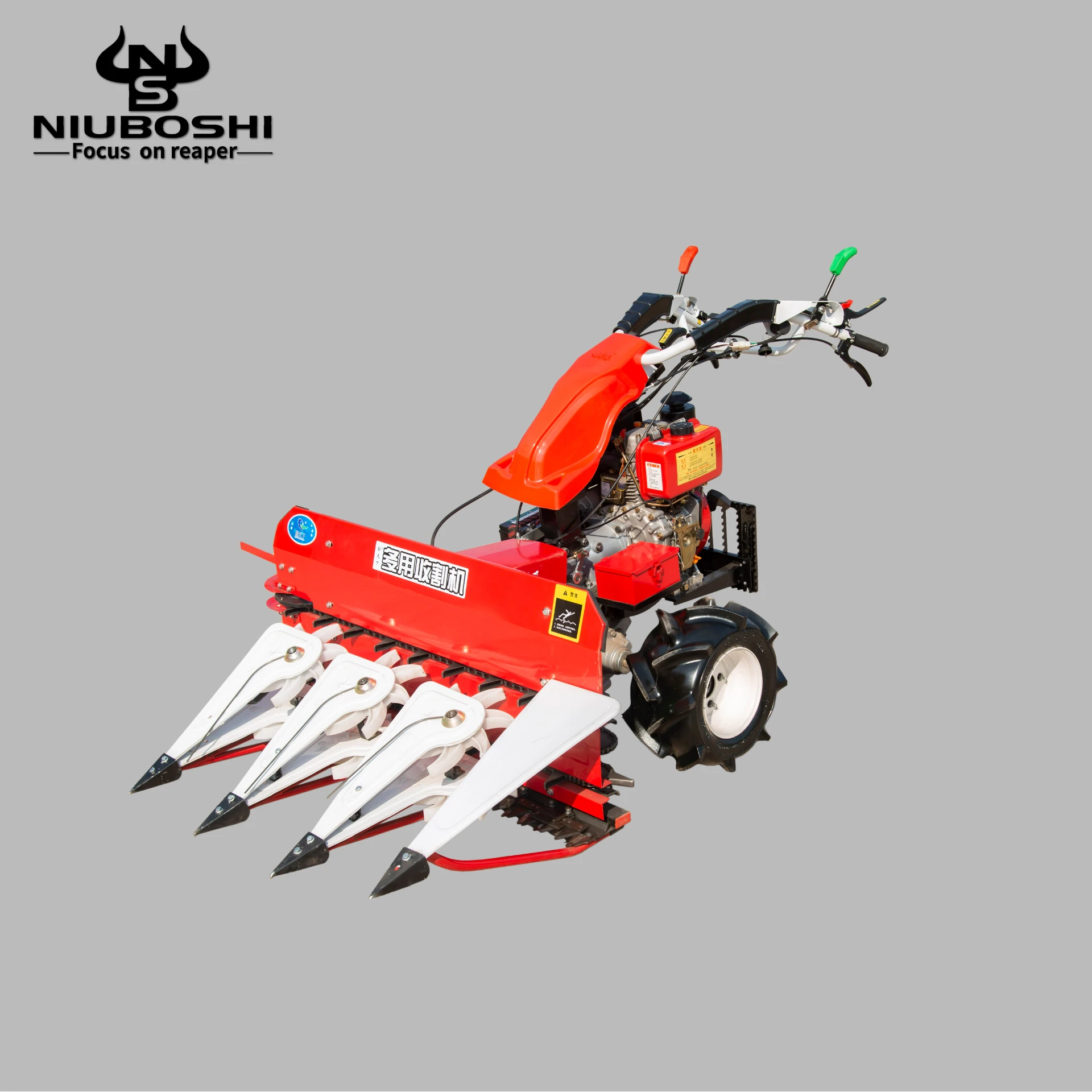
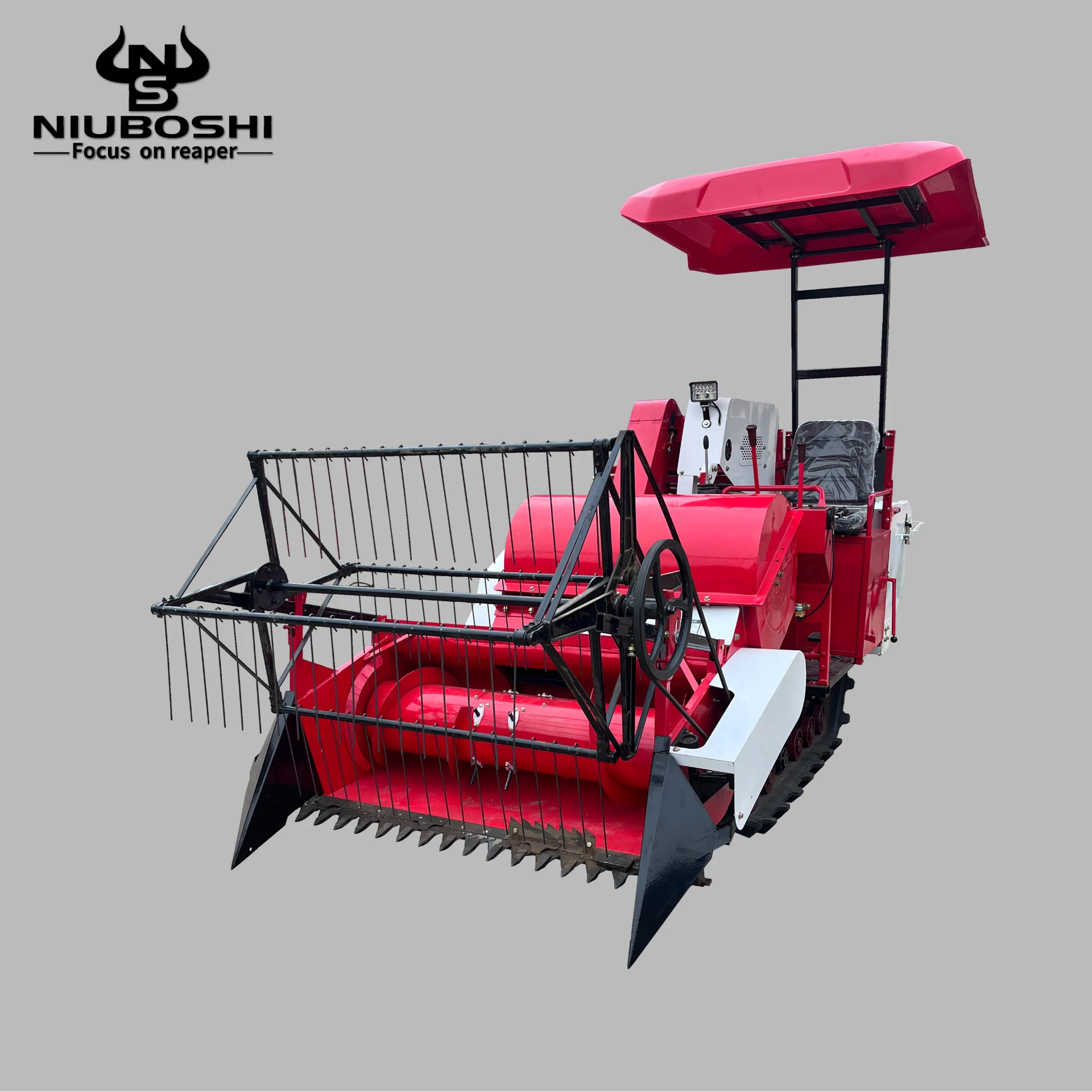
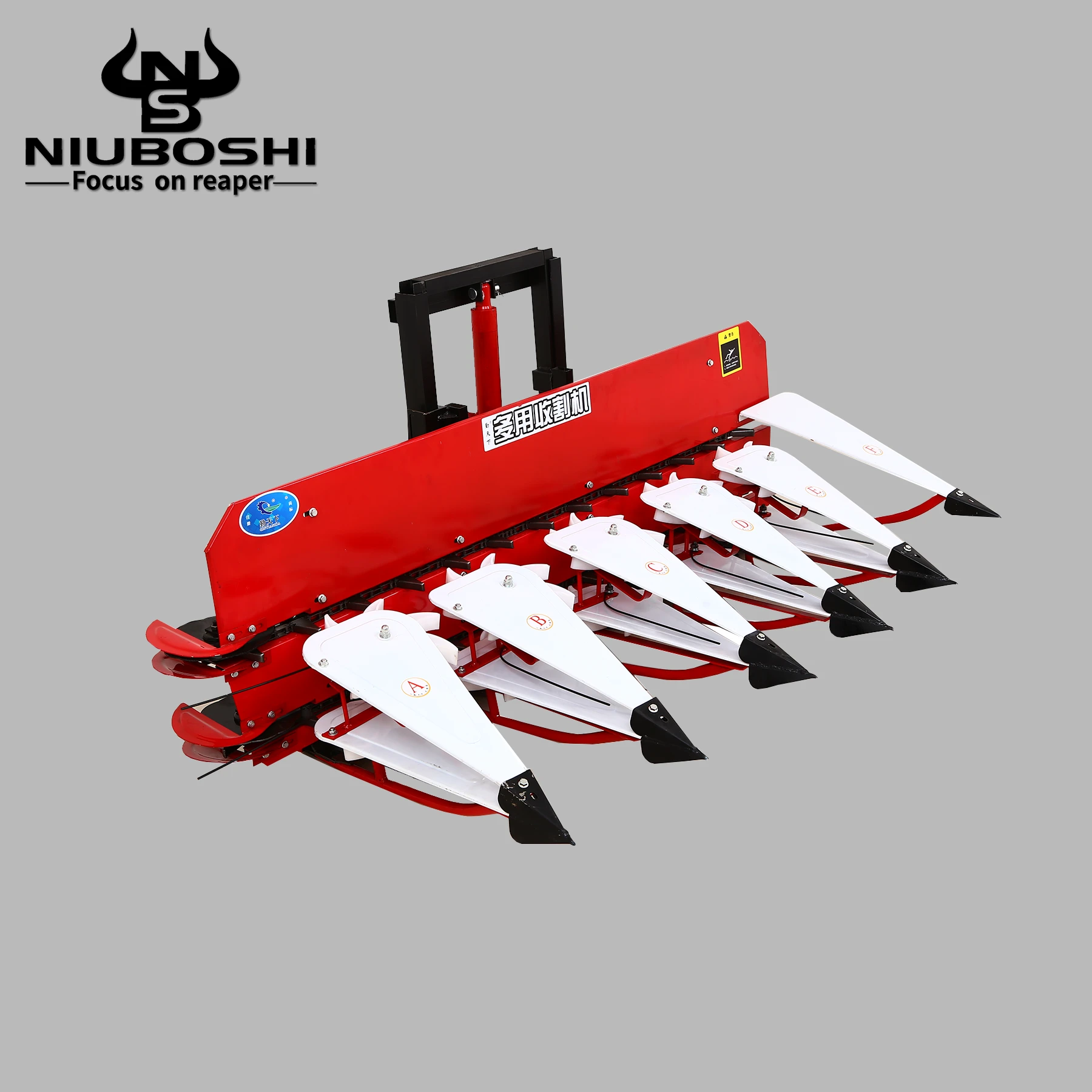
At its core, a small paddy harvester is a lightweight, compact agricultural machine designed specifically to harvest rice crops (paddy fields) on a smaller, more manageable scale. Unlike large combines that may require extensive infrastructure and training, these machines are simple yet effective, often resembling mini combines or reaper-binders.
They gently cut and gather rice stalks while minimizing damage to the grains. Many models are ride-on, but some push-type variants exist, especially for very small plots or terraced fields.
In humanitarian and development circles, these harvesters help reduce labor dependency, improve food security, and create a pathway for smallholders to modernize without losing their traditional practices.
Key Features of Small Paddy Harvesters
1. Compact Size & Maneuverability
The defining quality is size. These harvesters can operate in narrow fields or terraces where larger combines can’t fit. Their maneuverability means less damage to the crop and easier transport between plots.
2. Durability & Maintenance
Given rural settings, these machines are built tough for uneven terrain, mud, and waterlogged fields. Simplicity in parts also means easier maintenance versus big industrial combines.
3. Cost Efficiency
Small paddy harvesters are significantly cheaper—not just in purchase price but in fuel consumption and spare parts too. For small farmers, this cost-efficiency can be the dealbreaker.
4. Ease of Operation
Most come with intuitive controls to accommodate operators with little prior experience. This lowers training costs and accelerates adoption.
5. Grain Quality and Reduced Losses
Modern designs focus on reducing threshing damage, leaving more intact grains ready for milling and sale.
Mini takeaway: In sum, small paddy harvesters balance performance and practicality, making them perfect tools for small-scale rice producers.
Real-World Uses: Where Small Paddy Harvesters Shine Globally
In countries like Vietnam, Bangladesh, and the Philippines, rice farming is often segmented into small plots, half a hectare or less. Large machinery is either too costly or unwieldy.
Field NGOs and development programs have embraced small paddy harvesters to:
- Help farmers during tight harvest windows, avoiding losses from rain
- Boost yields by improving harvest speed and grain cleanliness
- Empower farming women and youth by reducing manual labor load
For example, after the 2015 flood crisis in Myanmar, relief groups deployed small paddy harvesters as part of rehabilitation efforts to restore rice production swiftly. In remote industrial zones cultivating rice for worker communities, these machines also saw use — keeping things moving smoothly when manpower was limited.
Advantages & Long-term Payoff of Small Paddy Harvesters
The appeal goes beyond just the price tag. Among benefits:
- Economic: Lower input cost means healthier margins for farmers, a big deal when cash flow is tight.
- Environmental: Reduced fuel use and smaller soil compaction compared to heavy harvesters
- Social: Less back-breaking labor means improved safety and dignity for the often aging rural workforce.
- Reliability: Tried and tested in muddy, humid paddy fields, these machines rarely quit on you mid-season.
It kind of feels like these devices carry a quiet promise: a better harvest tomorrow without the usual struggle or heavy investment.
Technology Trends Shaping the Future of Small Paddy Harvesters
The world’s going green, digital, and smart—and harvesters are no exception. Innovations emerging include:
- Electric small harvesters: Reducing emissions and operating costs
- IoT sensors: Tracking machine health remotely for preventive maintenance
- Improved cutting heads: Cutting grain damage further, even in ultra-short paddies
- Modular designs: Allowing easy switching between harvesting rice and other small grains
Green energy-powered models and smart automation, while still early-stage, hint at a future where smallholders enjoy the convenience and sustainability of next-gen tech without the big-ticket entry barriers.
Common Challenges and Practical Solutions
Of course, nothing is perfect. Small paddy harvesters sometimes face:
- Limited capacity, requiring multiple passes on larger farms
- Maintenance hurdles where spare parts are scarce
- Operator skill gaps, especially in isolated areas
Innovative approaches include local production hubs for parts, training cooperatives to share machinery and skills, and manufacturers designing ultra-simplified models. Governments and NGOs play a huge role here in financing, education, and infrastructure.
Small Paddy Harvester Product Specs: Typical Model Overview
| Specification | Typical Value/Range |
|---|---|
| Engine Type | Diesel, 7-12 HP |
| Harvest Width | 800-1200 mm |
| Weight | 150-250 kg |
| Fuel Consumption | 1.5-2.5 L/hour |
| Operating Speed | 1.5-3 km/h |
| Threshing Loss | |
| Suitable Field Size | Up to 1 hectare |
How Do Leading Vendors Compare?
| Vendor | Price Range (USD) | After-Sales Support | Warranty | Export Regions |
|---|---|---|---|---|
| Niuboshi Agriculture | $1,800 - $2,400 | Extensive training + remote support | 2 years | Asia, Africa, South America |
| HarvestPro Equip. | $2,200 - $2,800 | Limited phone support | 1.5 years | Asia |
| GreenField Machines | $1,900 - $2,500 | On-site service + remote diagnostics | 2 years | Global |
FAQs About Small Paddy Harvester
Q1: What size of farm is best suited for a small paddy harvester?
A1: Small paddy harvesters are typically designed for farms up to one hectare. They’re perfect for smallholder farmers or fragmented fields where large combines aren’t practical.
Q2: How hard is it to maintain a small paddy harvester in rural settings?
A2: Maintenance is generally low if you stick to recommended schedules. These machines use fewer and simpler parts than bigger combines, making spare parts easier to source locally or via vendor networks.
Q3: Are small paddy harvesters cost-effective compared to manual labor?
A3: Absolutely. While the initial investment is higher than manual labor costs, the harvested volume, speed, and reduced grain loss make it cost-effective within a few harvest cycles.
Q4: Can we use the same machine for other crops?
A4: Some models offer modular components allowing harvesting of small grains like wheat or barley but check vendor specs carefully.
Q5: How can smallholder farmers access financing for these machines?
A5: Many NGOs and microfinance providers offer leasing or installment plans tailored for agricultural machinery—tapping into these can make acquisition feasible.
Wrapping Up: Why Small Paddy Harvesters Matter
It’s clear that small paddy harvesters stand at a fascinating crossroads of tradition and innovation. They’re helping millions move beyond backbreaking manual harvests toward a more productive, reliable future. If you’re curious about getting hands-on with this tech or want to explore quality options, do check out small paddy harvester manufacturers like Niuboshi Agriculture. Their blend of rugged design, affordability, and global reach makes them a solid choice.
In the end, these machines are small but mighty tools in the global quest for sustainable food security. Sometimes, the best innovations come in compact packages—just like these harvesters.
References
Latest news
-
Maximize Harvest Efficiency with the Agro Reaper Binder MachineNewsApr.16,2026
-
Boost Harvest Efficiency with the Best Agriculture Reaper MachineNewsApr.09,2026
-
Revolutionizing Agriculture with the Efficient Agriculture Power ReaperNewsApr.07,2026
-
Comprehensive Guide to the 4 Wheel Reaper Binder for Efficient HarvestingNewsApr.04,2026
-
Comprehensive Guide to Reaperbinder Technology for Efficient Hay and Crop HarvestingNewsMar.31,2026
-
Mastering the Art of Reaper Cutting for Enhanced Agricultural EfficiencyNewsMar.28,2026