Portable Rice Harvester: Efficient, Affordable Rice Production Solutions Worldwide
Portable Rice Harvester: A Global Game-Changer in Agriculture
If you’ve ever taken a moment to think about the sheer scale of rice production around the world, it’s almost staggering. Rice feeds over half the global population, especially in Asia and parts of Africa and Latin America, making efficient harvesting technologies a matter of food security — and sometimes, survival. The portable rice harvester has emerged as a vital tool in this context, one that’s not just about speed or cost but about enabling communities to sustainably and quickly bring in their crops even in challenging conditions.
This article dives into why the portable rice harvester stands out as such an important innovation, what exactly it is, how it works, who benefits, and where the future of this niche technology is headed.
Why Portable Rice Harvesters Matter in Today’s Global Agriculture
Rice, the staple food for nearly 3.5 billion people, is produced mostly by smallholder farmers. According to the United Nations Food and Agriculture Organization (FAO), around 90% of rice production comes from Asia, where mechanized farming tools like large combines often can’t operate efficiently in smaller or fragmented fields. That's where portable rice harvesters come to the rescue.
In many rural and developing regions, these machines provide:
- Faster harvesting to reduce losses during peak seasons.
- Mobility to reach remote or uneven terrains not suited for heavy machinery.
- Lower investment cost compared to full-sized combines.
According to World Bank data, mechanizing rice harvests correlates strongly with increased productivity and reduced labor shortages — a serious issue in aging rural populations. Still, challenges like terrain, crop variety, and availability of power sources persist, making portable rice harvesters a niche yet vital innovation.
Mini takeaway: Portable rice harvesters offer a practical, scalable solution to harvesting challenges that global agriculture faces — especially in small-scale farming environments where traditional combines just don’t fit.
What Exactly Is a Portable Rice Harvester?
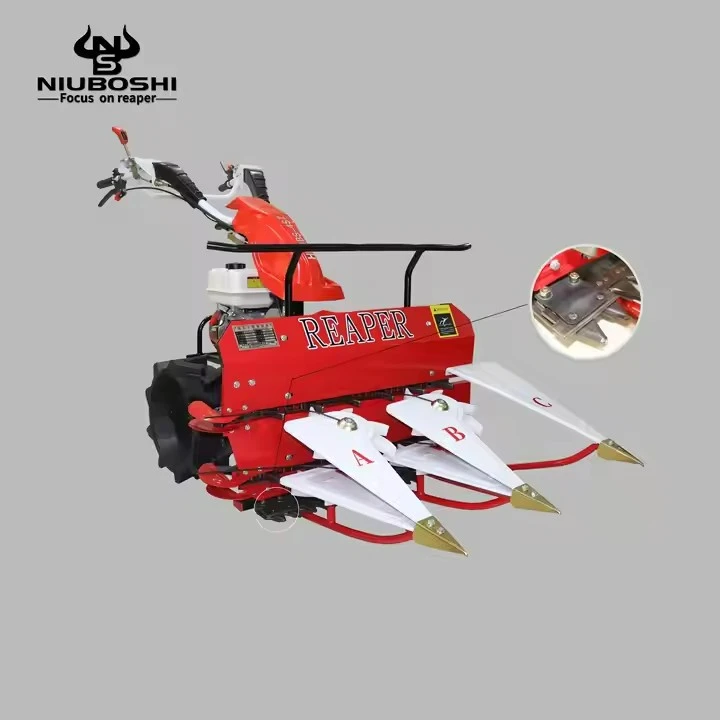
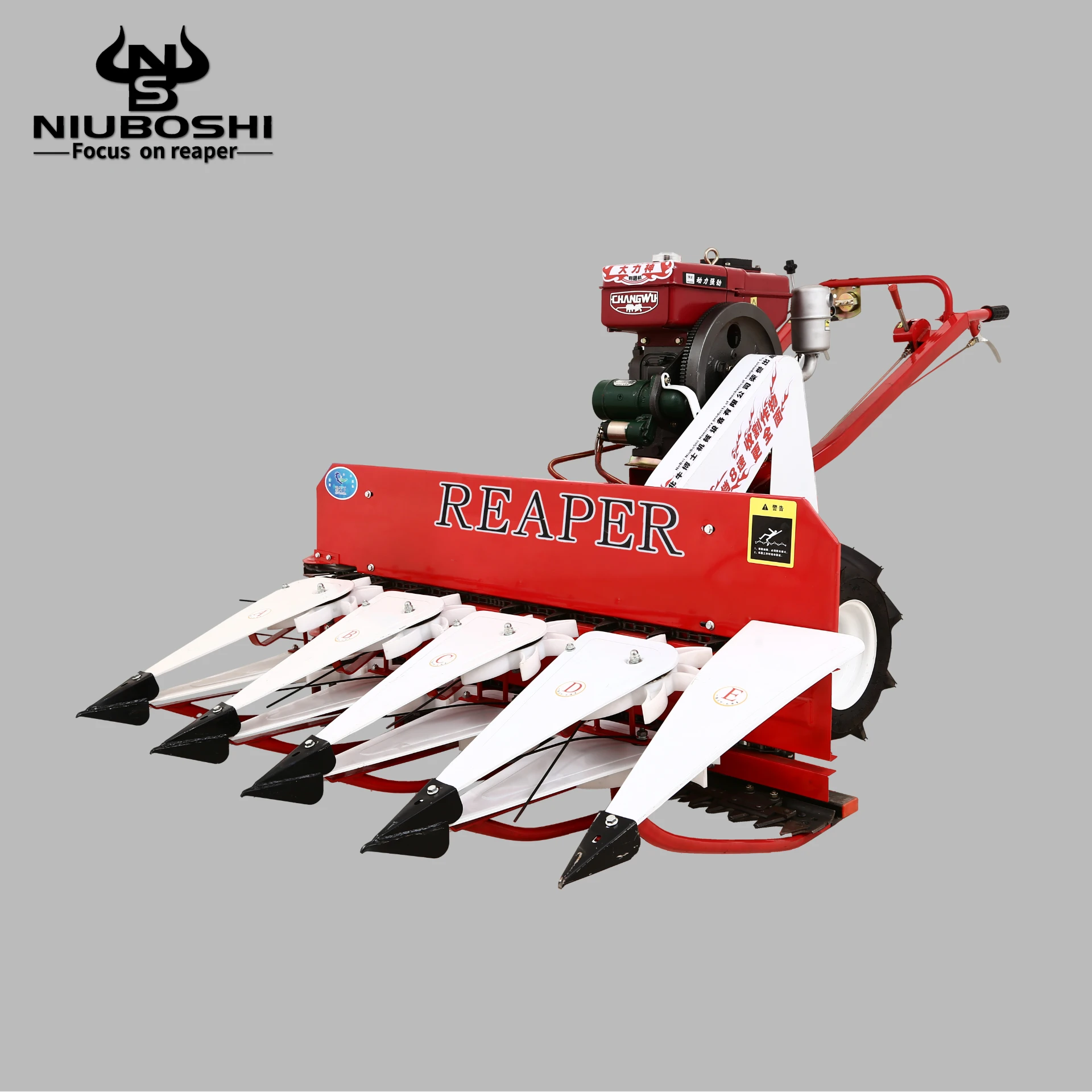
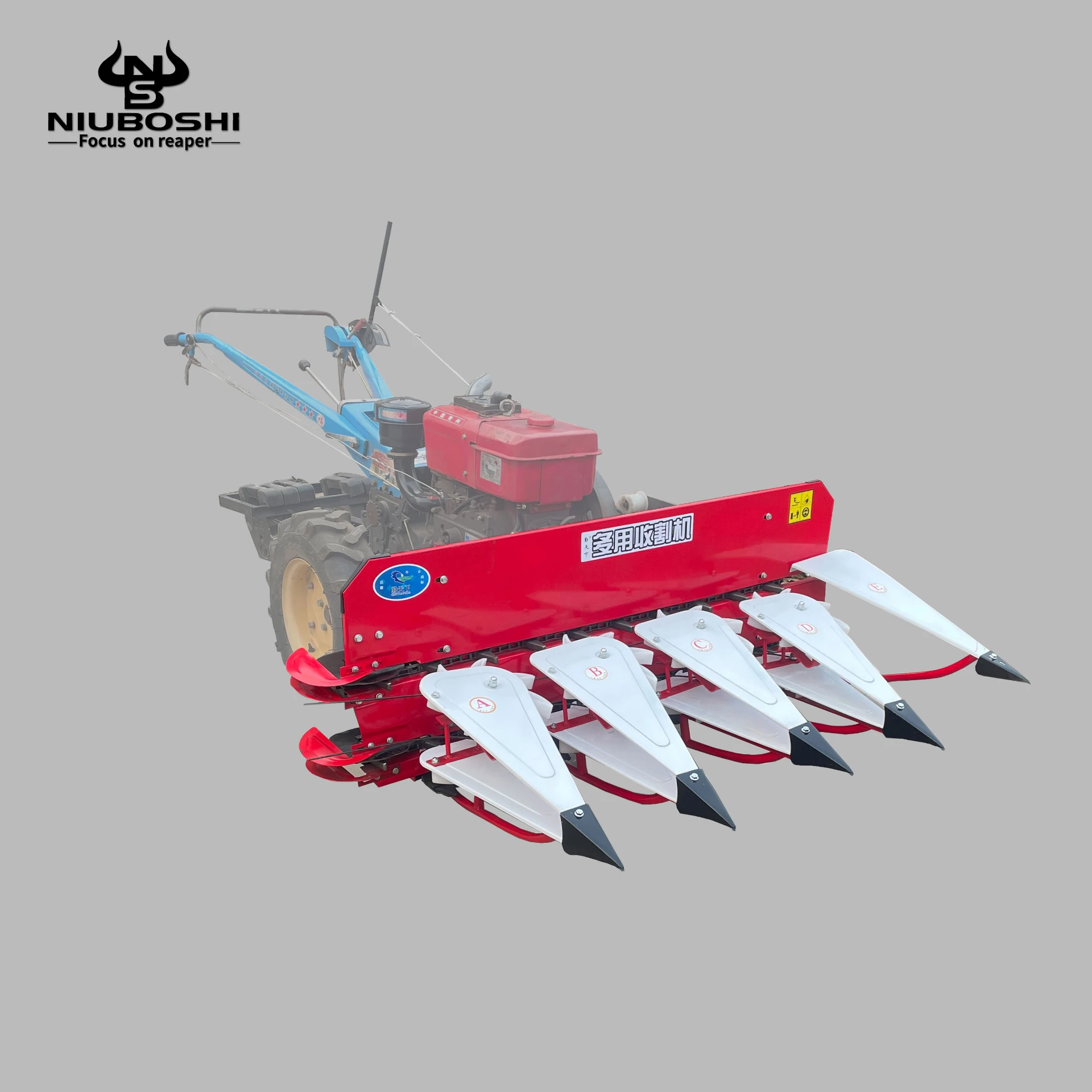
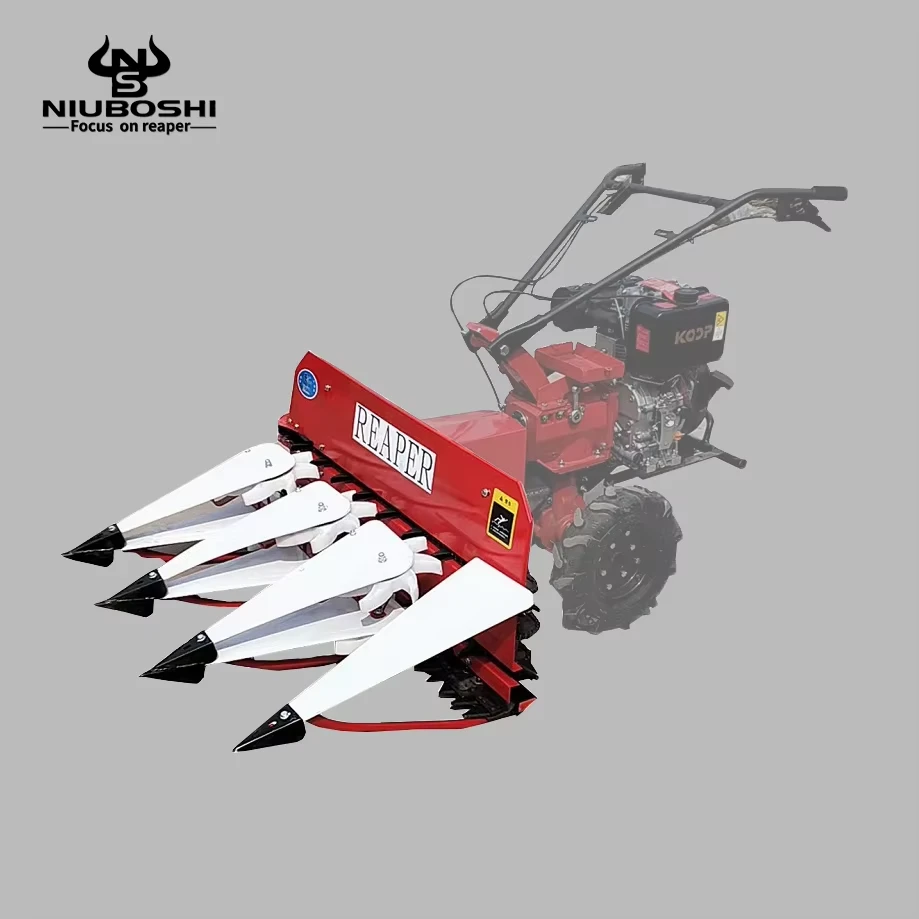
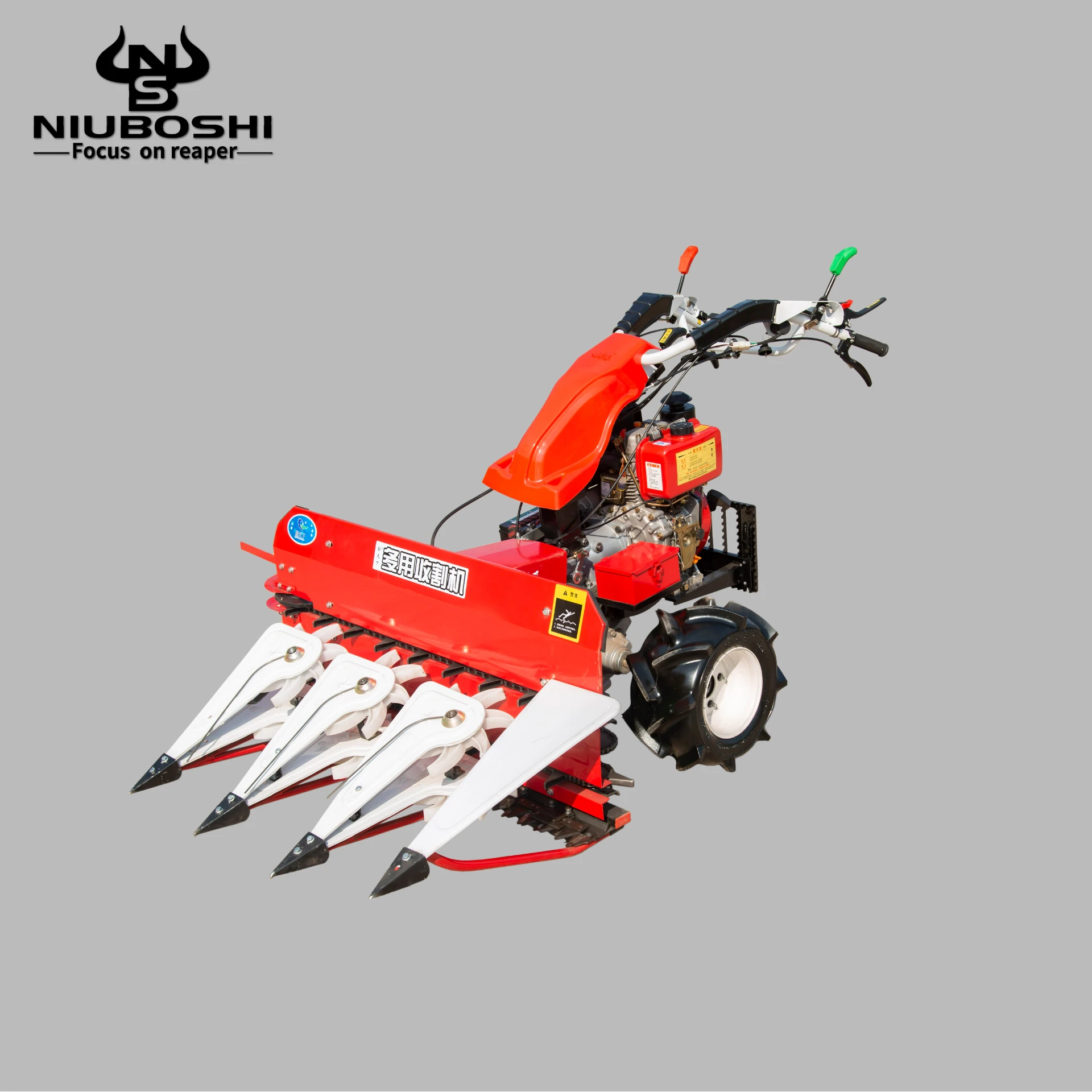
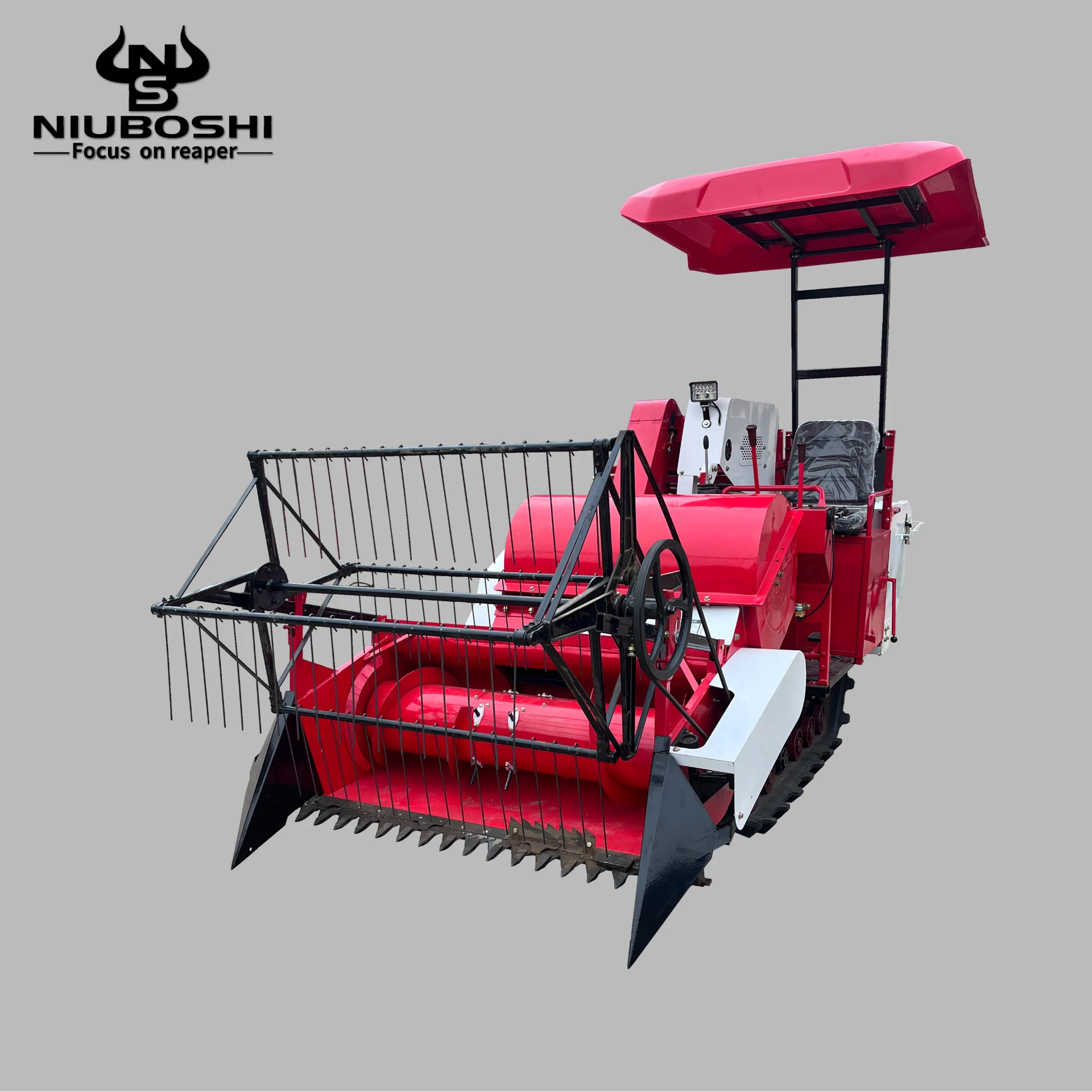
In straightforward terms, a portable rice harvester is a compact, lightweight machine designed to cut and collect rice plants efficiently, all while being small enough to transport from field to field without hassle. Unlike traditional bulky combines that require trucks or tractors, these harvesters can often be moved manually or on small carts and powered by manageable engines.
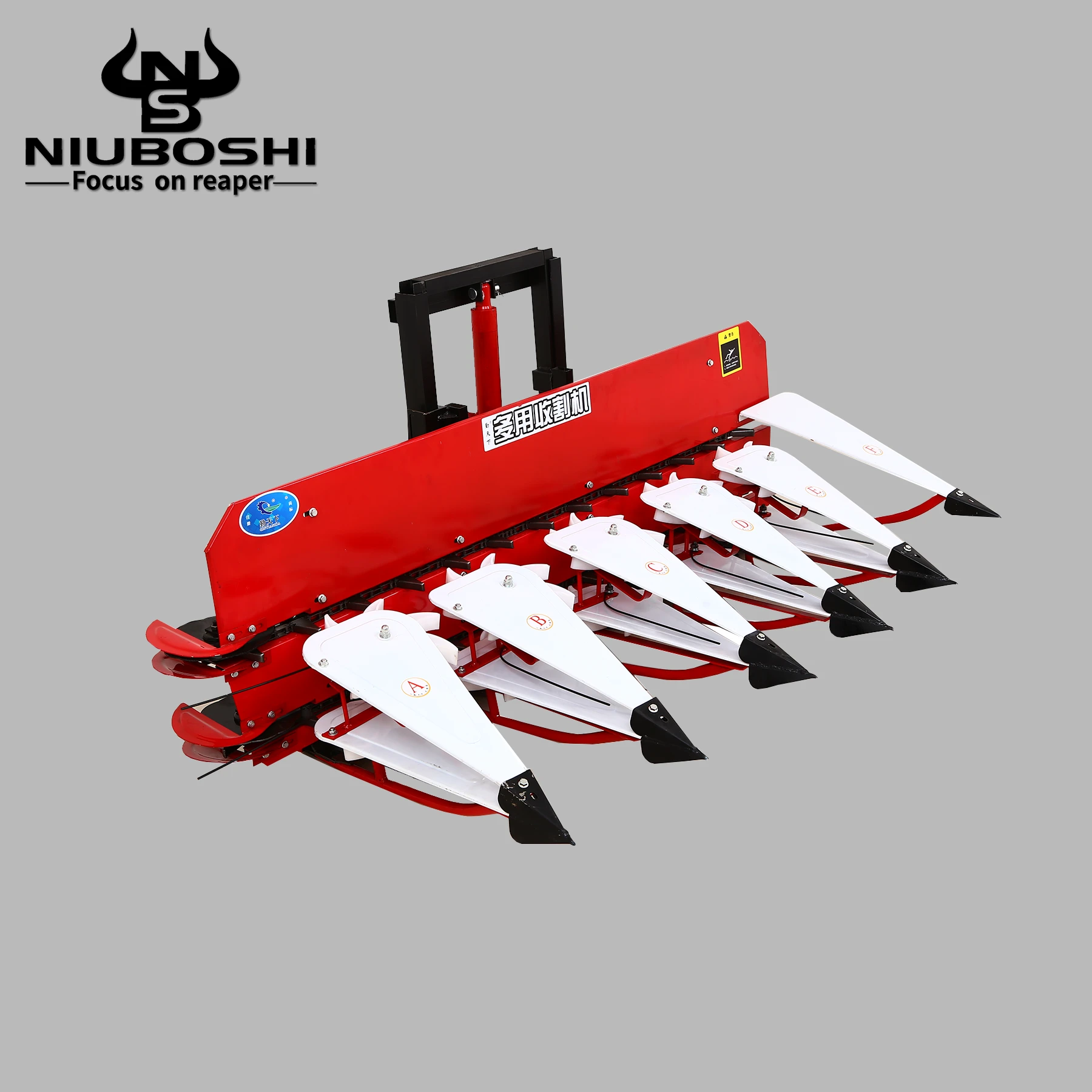
Think of it as the “handy multi-tool” of rice harvesting — fitted with blades, conveyors, threshers, or separators, all in one package you can literally carry or quickly wheeled around smaller plots.
Modern portable rice harvesters are the intersection of mechanical engineering and practical farming needs. In humanitarian contexts—like post-flood recovery zones or remote mountain villages—these machines literally bring dignity and stability by enabling timely harvests when manpower and access are limited.
Core Features Making Portable Rice Harvesters Practical
1. Durability in Real-world Fields
Rice fields are often muddy, uneven, or water-logged. The machinery needs robust materials and design to withstand abrasion and corrosion. Many models use rust-resistant steel components and sealed bearings to survive these tough conditions year after year.
2. Scalability and Adaptability
From tiny terraced farms in Nepal to flat, flood-irrigated fields in Vietnam, portable harvesters come in different sizes and power settings. Some run on petrol engines, while others use electric motors — useful in areas with growing solar infrastructure.
3. Cost Efficiency
Affordability is key here. For many farmers, purchasing a full-fledged combine is out of reach, but a portable rice harvester can fit budgets—often under $3,000—and be shared within cooperatives or communities.
4. Ease of Use and Maintenance
Simple mechanical parts and straightforward controls mean farmers can maintain their harvesters without having to rely on distant service centers. This independence fosters better uptime and lower overall costs.
5. Harvest Quality and Speed
Though smaller, these machines can harvest efficiently and minimize grain loss if tuned properly, which makes a huge difference in farmers' income and food availability.
Mini takeaway:
Portable rice harvesters blend durability, cost-effectiveness, and practical design elements, which explains their growing role in smallholder and difficult terrain farming.
Use Cases: Who Benefits from Portable Rice Harvesters?
Interestingly, while Asia remains the epicenter of portable rice harvester usage, there are growing applications worldwide:
- Southeast Asia: Vietnam, Thailand, and Cambodia use these machines widely in patchwork fields where combine harvesters are impractical.
- South Asia: Nepal and Bangladesh rely on lightweight harvesters to cope with terraced farms and monsoon-related challenges.
- Sub-Saharan Africa: Improved access to mechanized harvesting is part of initiatives led by organizations like the UN’s Food and Agriculture Organization to boost yields and reduce labor intensity.
- Disaster Relief Operations: After flooding or other calamities, portable harvesters can help communities salvage crops quickly before rot or spoilage sets in.
It’s also worth noting the role these machines play in organic or small-scale specialty rice production, where heavy machinery might damage delicate plants or soil structure.
Product Specification Table
| Specification | Model A | Model B | Model C |
|---|---|---|---|
| Weight (kg) | 35 | 40 | 33 |
| Engine Type | Petrol 4-stroke | Electric motor (battery) | Petrol 2-stroke |
| Cutting Width (cm) | 70 | 60 | 65 |
| Fuel/Energy Capacity | 3.5 L Petrol | 5 kWh Battery | 2 L Petrol |
| Average Field Productivity (ha/day) | 0.5 | 0.4 | 0.45 |
Advantages of Portable Rice Harvesters: Beyond the Field
When I spoke with some farmers last season, one point they kept coming back to was—not just how these machines speed up work, but that they also keep farming profitable and sustainable. Here’s why portable rice harvesters really matter:
- Lower upfront and operational costs: No need for heavy tractors or transport, just push/drive and harvest.
- Sustainability: Smaller fuel consumption and less soil compaction than heavy combines.
- Increased safety: Designed with simple controls and less operator fatigue.
- Community impact: Often owned and shared by farming cooperatives, boosting local economies.
- Preserving dignity: In regions where manual harvesting meant grueling, long hours, mechanization brings relief and pride.
Logical or emotional, these machines have become trusted allies in fields where options were scarce just a decade ago.
Comparing Leading Portable Rice Harvester Vendors
| Vendor | Price Range (USD) | Delivery Time | Warranty | Special Features |
|---|---|---|---|---|
| AgriTech Solutions | $2,500 - $3,200 | 2-3 weeks | 1 year | Electric model, solar compatible |
| HarvestPro Co. | $2,700 - $3,500 | 1-2 weeks | 2 years | Lightweight frame, quick assemble |
| NuFarm Manufacturing | $2,200 - $2,900 | 3-4 weeks | 1.5 years | Petrol models with easy parts access |
Looking Ahead: Innovations in Portable Rice Harvesting
The future of portable rice harvesters feels quite promising. Here are some trends to watch:
- Electric and hybrid powertrains: Reducing emissions and dependence on fossil fuels, combined with solar charging in rural areas.
- Smart sensors and IoT integration: Real-time performance tracking and predictive maintenance to reduce downtime.
- Lightweight composite materials: Allowing even easier transportation without sacrificing durability.
- Customization: Modular attachments for other grains or dual-use farming tools.
Public policies, especially in countries prioritizing sustainable agriculture, are also fostering faster adoption through subsidies and technical support, which is great news for farmers everywhere.
Challenges and Pathways Forward
No technology is perfect, and portable rice harvesters have their own challenges:
- Power limitations: Smaller engines can struggle with heavy, wet crops or thick stalks.
- Maintenance access: Remote areas may lack spare parts or expertise even for “simple” machines.
- Training: Operators need some basic understanding to avoid damaging crops or the machine itself.
- Cost barriers: Though cheaper than combines, upfront investment is still a hurdle for some.
Experts often promote community ownership models and partnerships with NGOs to tackle these challenges, along with developing training programs and mobile servicing units.
FAQ: Portable Rice Harvester Essentials
Q1: How portable is a portable rice harvester really?
A: Portable rice harvesters are designed to be lightweight (usually under 40kg), easy to move by hand or carry on small carts. Unlike bulky combines, you can transport them by motorcycle or pick-up trucks, especially useful in hilly or fragmented fields.
Q2: Can these harvesters work on different rice varieties?
A: Most portable models have adjustable cutting heights and speeds, making them compatible with a wide range of rice types, from short-stemmed to tall varieties. However, very dense or wet crops may require specialized harvesters.
Q3: Are electric portable rice harvesters practical in rural settings?
A: Yes, particularly where solar-powered charging or grid availability exists. They reduce noise, fuel costs, and emissions. Battery life can vary but usually covers several hours of operation before recharging.
Q4: How do you maintain portable rice harvesters?
A: Regular cleaning after use, lubricating moving parts, and keeping blades sharp are key. Since many models have simple mechanical designs, local service centers or trained community members can usually handle most repairs.
Q5: Where can I find reliable suppliers?
A: There are multiple manufacturers globally, but working with vendors offering warranty and training—like those listed in this article—and reviewing portable rice harvester options online helps ensure quality purchases.
Wrapping It Up: Why You Should Consider Portable Rice Harvesters
In real terms, portable rice harvesters bridge the gap between labor-intensive hand harvesting and large-scale mechanized agriculture — a sweet spot where affordability, reliability, and scale meet. They empower smallholder farmers, improve food security, and provide a practical way to sustainably manage rice crops in diverse environments.
If you want to see what the latest models look like and how they could revolutionize your farming practices, why not visit our website and explore the options?
It’s one more step toward smarter, fairer food production for a growing world.
References:
1. FAO Rice Market Monitor, United Nations, 2023.
2. World Bank Agriculture Data Portal, 2022.
3. ISO 5674–2017: Agricultural machinery — Mechanical rice harvesters — Vocabulary and definitions.
Latest news
-
Maximize Harvest Efficiency with the Agro Reaper Binder MachineNewsApr.16,2026
-
Boost Harvest Efficiency with the Best Agriculture Reaper MachineNewsApr.09,2026
-
Revolutionizing Agriculture with the Efficient Agriculture Power ReaperNewsApr.07,2026
-
Comprehensive Guide to the 4 Wheel Reaper Binder for Efficient HarvestingNewsApr.04,2026
-
Comprehensive Guide to Reaperbinder Technology for Efficient Hay and Crop HarvestingNewsMar.31,2026
-
Mastering the Art of Reaper Cutting for Enhanced Agricultural EfficiencyNewsMar.28,2026