Mini Rice Harvester Price: Affordable Solutions for Modern Small-Scale Farming
Understanding Mini Rice Harvester Price: What It Means for Modern Agriculture
Rice harvesting, once a backbreaking task largely done by hand, has evolved dramatically over recent decades. The introduction of mini rice harvesters has been a game changer for farmers worldwide, especially in small to medium-sized farms. Understanding the mini rice harvester price is crucial—not just for budgeting but also for appreciating the broader impacts these machines have on agricultural productivity and rural livelihoods.
Why Focus on Mini Rice Harvester Price? A Global Perspective
Rice is a staple for more than half of the world’s population, making efficient harvesting essential for food security. According to the Food and Agriculture Organization (FAO), Asia alone produces around 90% of global rice output. Small farms dominate this landscape, and it’s the affordability of equipment like mini rice harvesters that determines whether farmers can harness mechanization benefits.
Sadly, the disparity in access to affordable harvesting technology leads to post-harvest losses reaching up to 15-20% in some regions (UN reports). This inefficiency not only hurts farmers economically but amplifies food insecurity. Understanding mini rice harvester prices can help policymakers, NGOs, and farmers make informed decisions to improve yield quality and reduce losses.
What Is the Mini Rice Harvester Price?
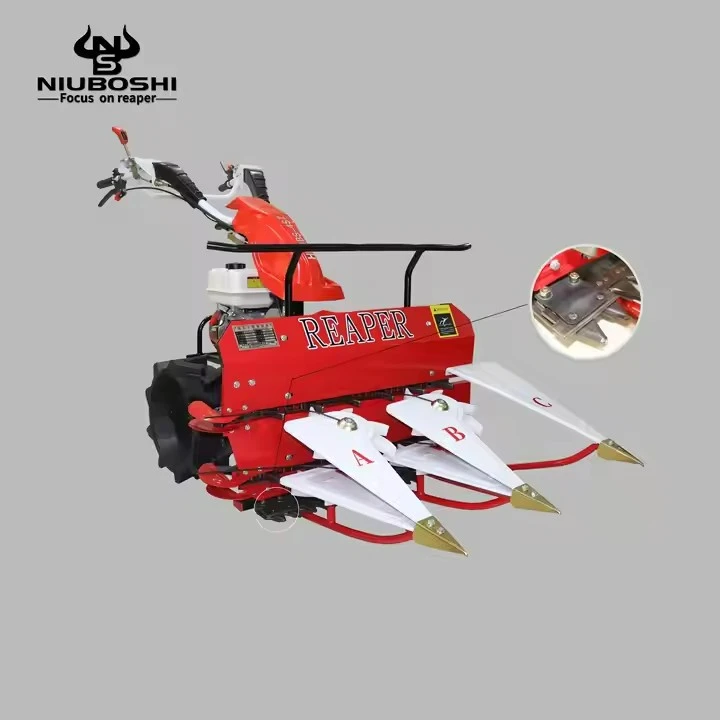
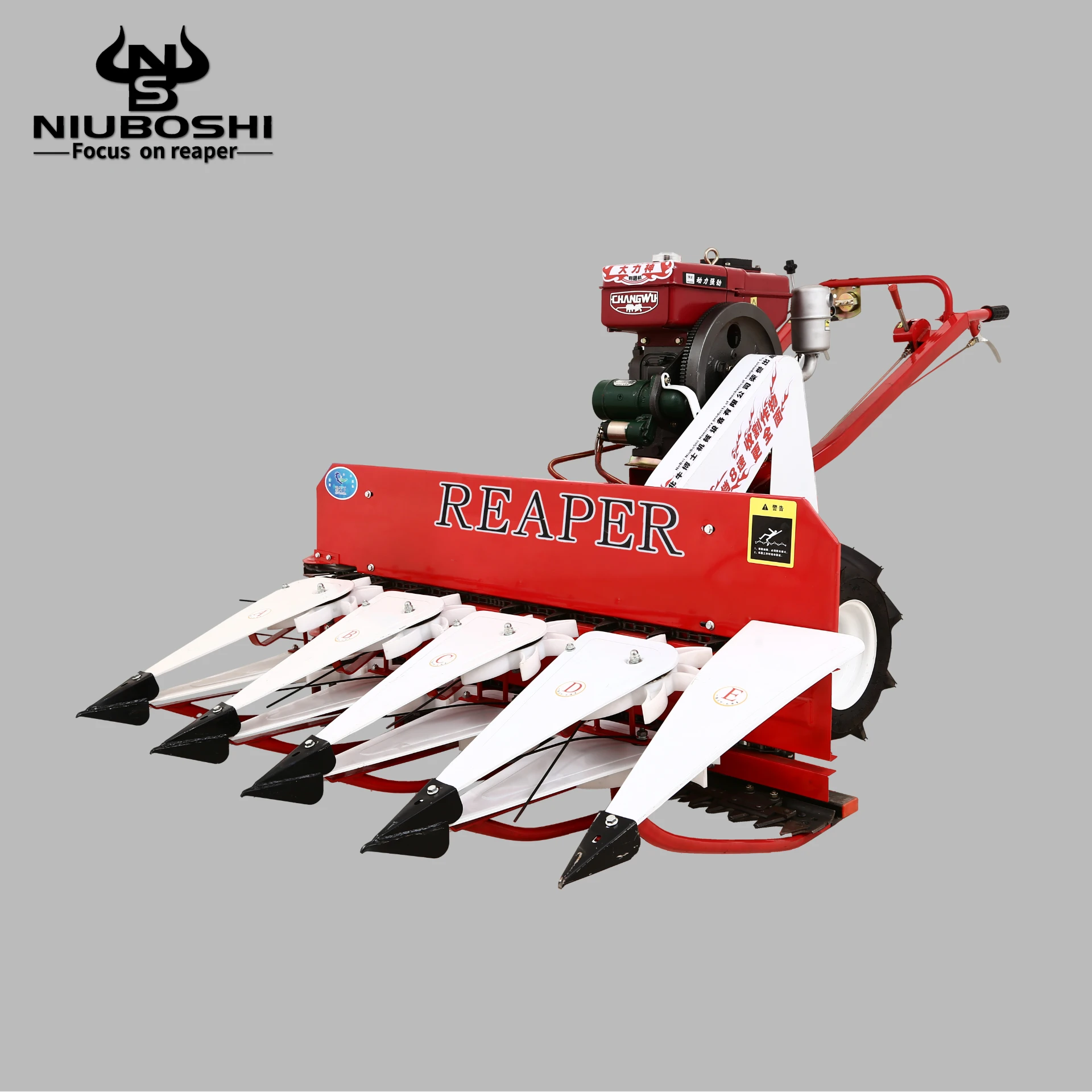
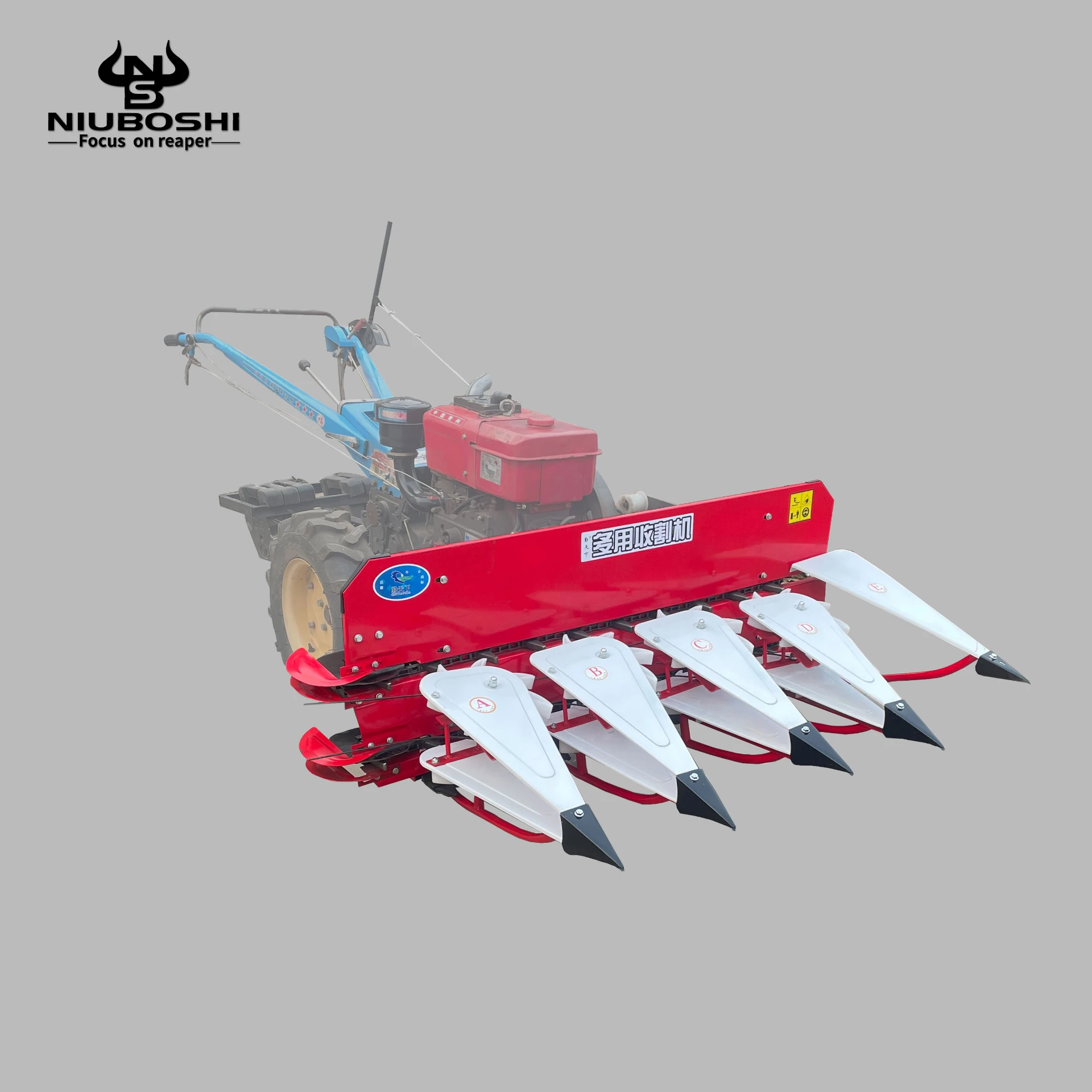
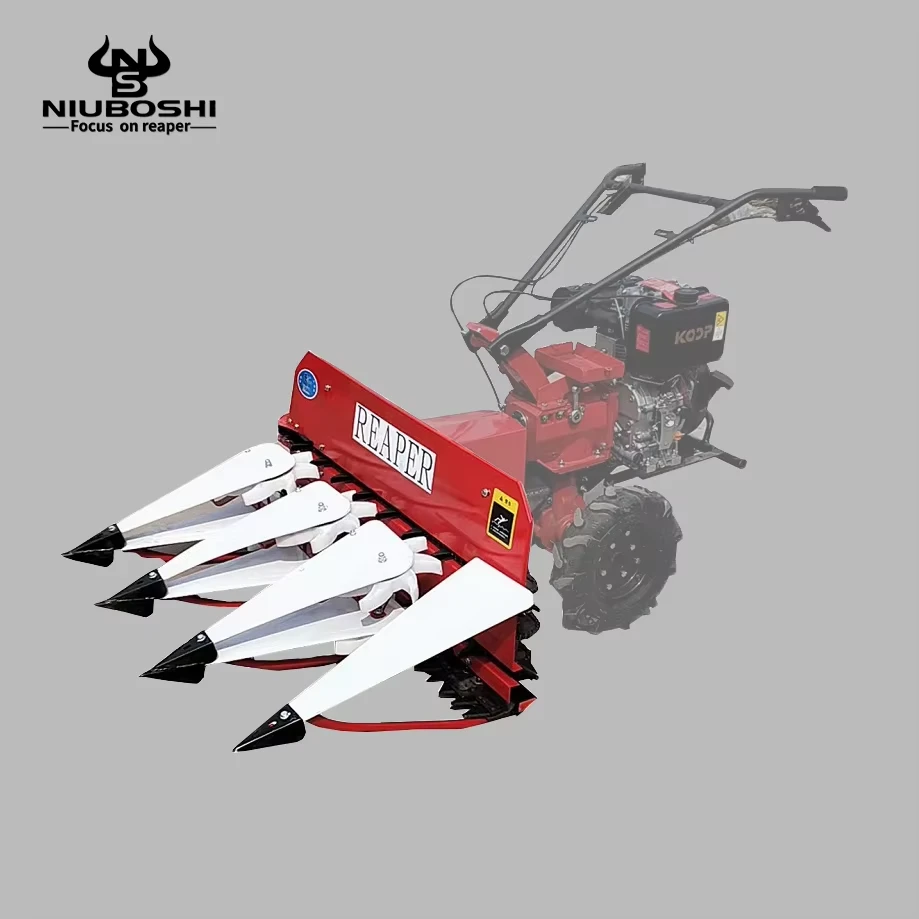
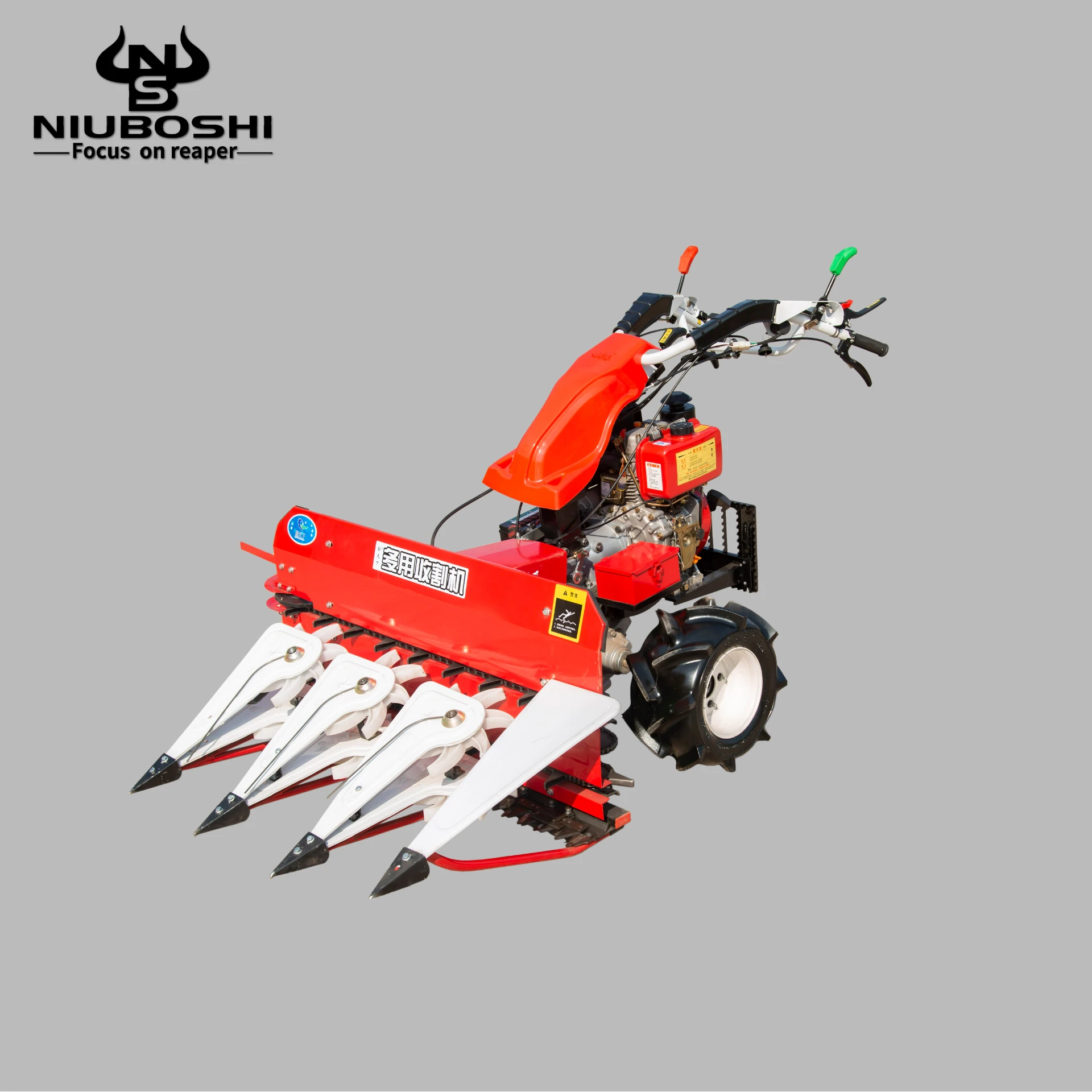
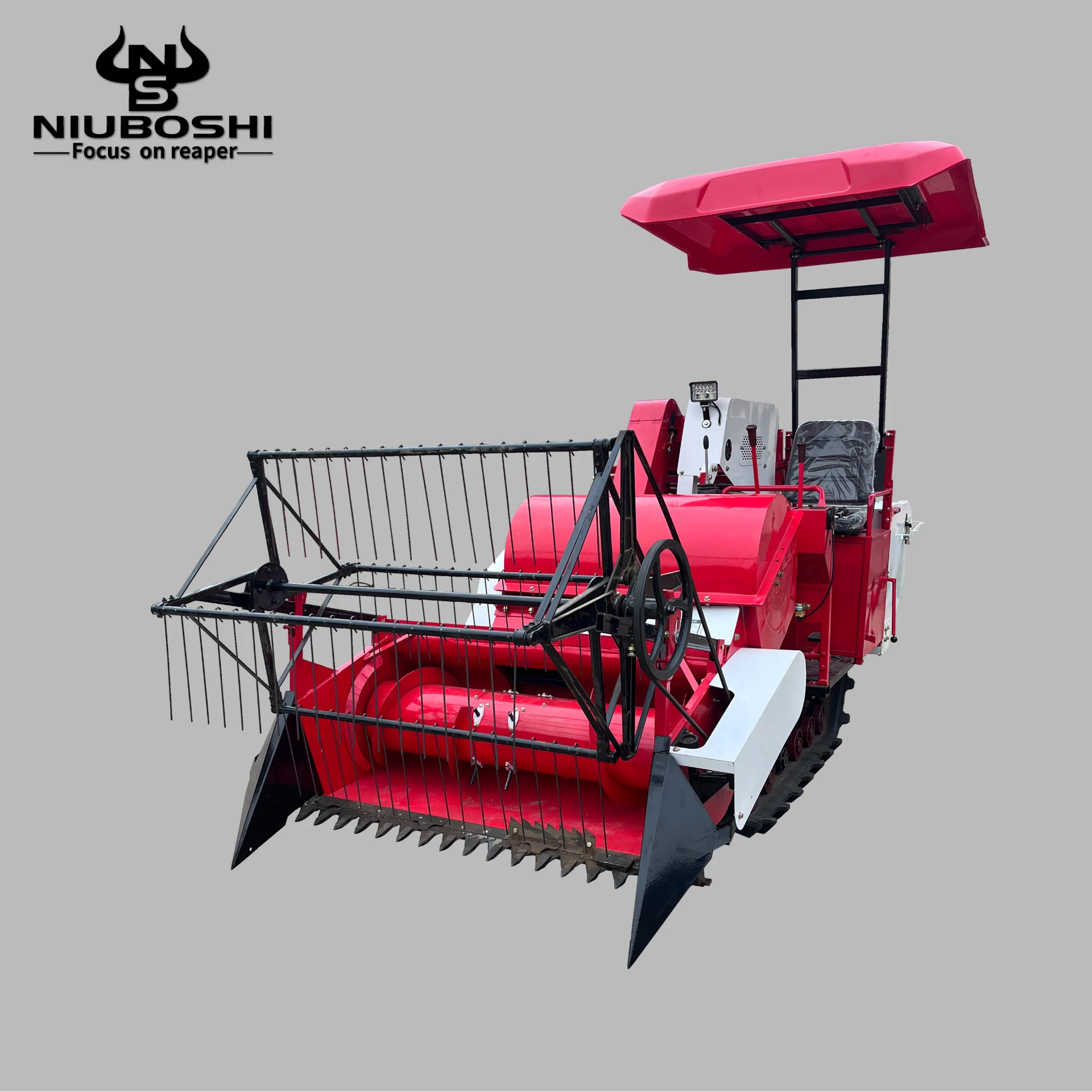
Simply put, the mini rice harvester price refers to the market cost of compact mechanical machines designed to harvest rice efficiently on small- to medium-sized plots—typically less than 5 hectares. These harvesters combine cutting, threshing, and cleaning functions, all tailored to the scale of small farms where large combines are impractical or unaffordable.
As mechanization is part of the wider modernization of agriculture, price points reflect materials, engineering sophistication, brand reputation, and additional functionalities. In humanitarian contexts, for example, affordable mini harvesters can quickly boost local food production post-crisis, underscoring their cross-sector importance.
Core Factors Influencing Mini Rice Harvester Price
1. Durability and Build Quality
Durability is a big deal. Farmers need machines that can withstand tough field conditions—mud, moisture, and uneven terrain. Higher-grade metals and precision engineering typically push up price, but they often pay off in lower maintenance costs.
2. Engine Type and Power Output
Mini rice harvesters might run on petrol, diesel, or even electric power. Those with more horsepower handle larger loads faster but cost more upfront. Electric options are emerging but usually come with a price premium due to battery technology.
3. Cutting and Threshing Width
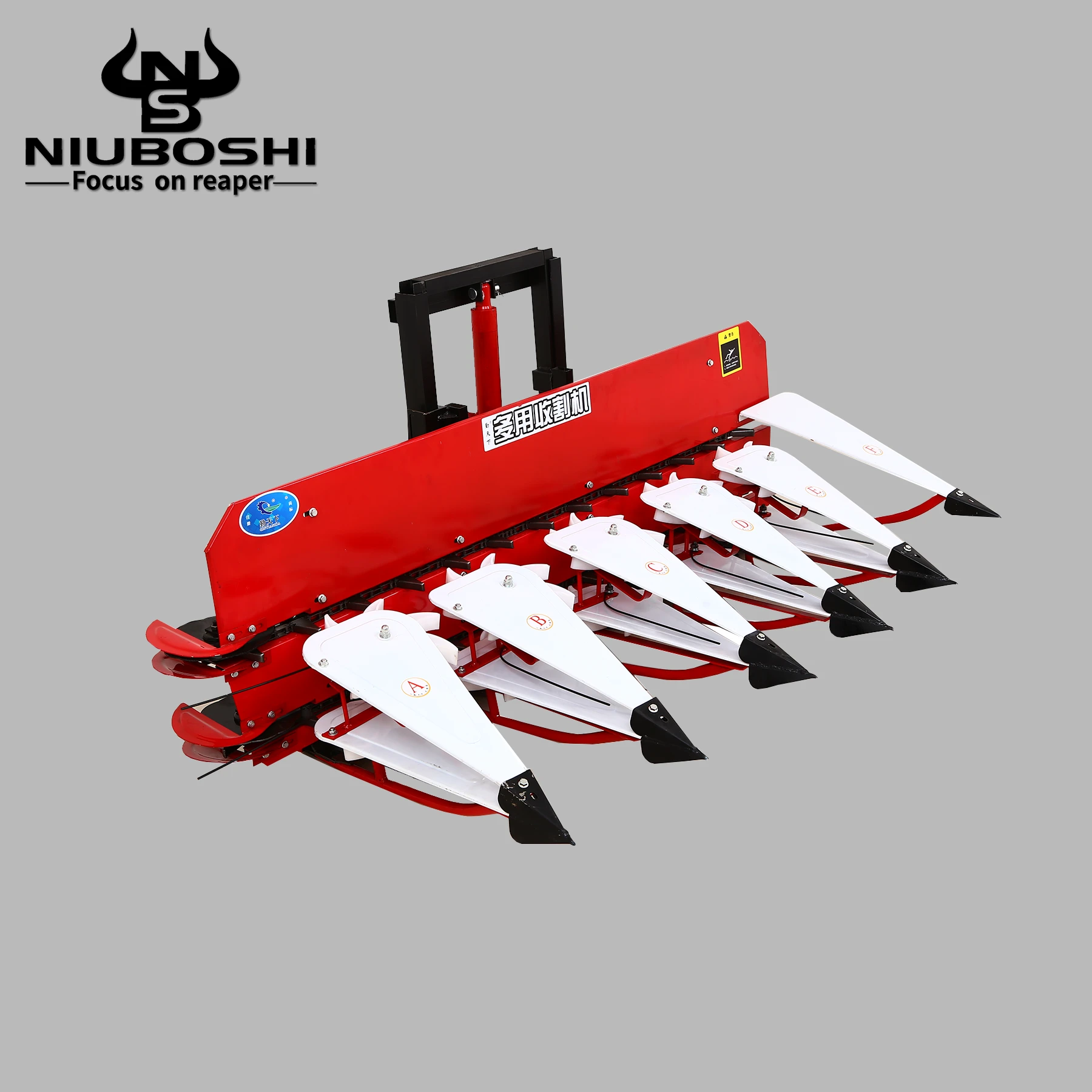
Wider cutting heads mean faster harvesting but also heavier machines—balancing size and power affects the price point. A 0.8m cutting width is typical for mini models, but some extend to 1.2m for increased efficiency.
4. Additional Features and Technology
Modern mini harvesters might include automated grain collection, vibration reduction, and even GPS tracking. Each incremental upgrade nudges the price higher but sometimes justifies itself in labor savings.
5. Brand and After-Sales Support
Trusted vendors with reliable after-sales service and spare parts availability usually command a higher price, which can be invaluable for long-term usability.
Mini Rice Harvester Typical Specifications
| Specification | Details |
|---|---|
| Engine Type | Single Cylinder Diesel / Petrol |
| Power Output | 8-12 HP |
| Cutting Width | 0.8 - 1.2 meters |
| Weight | 100 - 200 kg |
| Average Price Range | $1,000 - $3,500 USD |
Mini takeaway: Price is tightly linked to functionality and durability. It’s worth investing a bit more for machines that hold up over multiple seasons.
Applying Mini Rice Harvesters Around the Globe
Mini rice harvesters are hugely popular across Southeast Asia—where fragmented landholdings are common—as well as in parts of Africa and Latin America. For instance, in Vietnam and Thailand, mini harvesters have reduced labor costs by up to 50%, letting farmers harvest on their own schedules rather than relying on scarce migrant labor during peak times.
NGOs have also found these devices indispensable in rural development projects. In post-disaster relief operations in Bangladesh, mini harvesters were deployed to help farmers salvage their crops after flooding, accelerating recovery times.
Companies focusing on mini rice harvester price also tailor models appropriate for different terrains, highlighting a growing sophistication in design that fits diverse farming conditions.
Comparing Popular Mini Rice Harvester Vendors
| Vendor | Price Range | Warranty | Key Feature | Service Network |
|---|---|---|---|---|
| Niuboshi | $1,200 - $2,800 | 12 months | Lightweight & Fuel Efficient | Strong in Asia & Africa |
| Kubota | $2,500 - $3,500 | 24 months | Advanced Engine Tech | Global |
| Yanmar | $2,000 - $3,200 | 18 months | Strong Threshing Performance | Asia, Africa |
Mini takeaway: Deciding on a vendor is a balance—price, warranty, and local support are all critical.
Advantages and Long-Term Value of Mini Rice Harvesters
- Cost Efficiency: Saves labor costs and reduces time, with faster harvesting.
- Sustainability: Efficient fuel usage and reduced crop waste lower environmental impact.
- Food Security: Cuts post-harvest losses, increasing available food supply.
- Empowerment: Enhances the dignity and independence of smallholder farmers.
- Reliability: Sturdy design minimizes downtime in critical harvesting windows.
It’s more than just money saved—it’s about building resilience and community stability.
Emerging Trends and Innovations Affecting Mini Rice Harvester Price
Engineers are busy incorporating green energy solutions, like electric or hybrid engines, to make mini rice harvesters even more eco-friendly. The rise of digital agriculture also means integration of GPS and IoT sensors for better field data management.
Automated steering and AI-powered optimization might still feel futuristic, but early trials hint at future pricing shifts reflecting these innovations.
Challenges and Practical Solutions
Despite progress, small farmers often struggle with upfront costs and maintenance skills. Solution-oriented initiatives involve micro-financing, training programs, and establishing local service hubs to make machinery ownership viable and sustainable.
Frequently Asked Questions About Mini Rice Harvester Price
1. How does mini rice harvester price vary across regions?
Prices typically reflect regional import tariffs, labor costs for assembly, and after-sales service. For example, mini harvesters in Asia tend to be cheaper than those imported into Africa due to logistics and local manufacturing.
2. What factors should a farmer consider besides price?
Key elements include engine power, adaptability to terrain, fuel type, and vendor reliability. Sometimes spending a bit more upfront saves maintenance headaches later.
3. Are there eco-friendly mini rice harvester options?
Yes, electric and hybrid models are emerging, though these currently come with a premium price tag and may require better charging infrastructure.
4. How can NGOs source affordable mini rice harvesters for communities?
Working directly with manufacturers like Niuboshi and tapping into bulk purchase or grant-supported programs often lowers prices and ensures after-sales support.
5. Can mini rice harvesters be used in terrains other than flat paddy fields?
Certain models are designed with adjustable features to manage uneven or hilly terrains, but this can affect price. It's important to match the machine to the farm’s geography.
Conclusion: Why Understanding Mini Rice Harvester Price Matters
Getting familiar with the mini rice harvester price is more than just a budgeting exercise. It gives insights into the evolving agricultural landscape and how mechanization empowers countless farmers. This knowledge helps stakeholders—from individual farmers to international NGOs—make smart investments that improve efficiency, sustainability, and livelihoods.
Interested in exploring affordable, reliable mini rice harvesters? Visit our website at https://www.hbniuboshi.com to learn more about pricing, specifications, and customization options.
Mini takeaway: When it comes to mini rice harvesters, price is an entry point to a wider conversation about innovation, access, and global food security.
References
Latest news
-
Maximize Harvest Efficiency with the Agro Reaper Binder MachineNewsApr.16,2026
-
Boost Harvest Efficiency with the Best Agriculture Reaper MachineNewsApr.09,2026
-
Revolutionizing Agriculture with the Efficient Agriculture Power ReaperNewsApr.07,2026
-
Comprehensive Guide to the 4 Wheel Reaper Binder for Efficient HarvestingNewsApr.04,2026
-
Comprehensive Guide to Reaperbinder Technology for Efficient Hay and Crop HarvestingNewsMar.31,2026
-
Mastering the Art of Reaper Cutting for Enhanced Agricultural EfficiencyNewsMar.28,2026