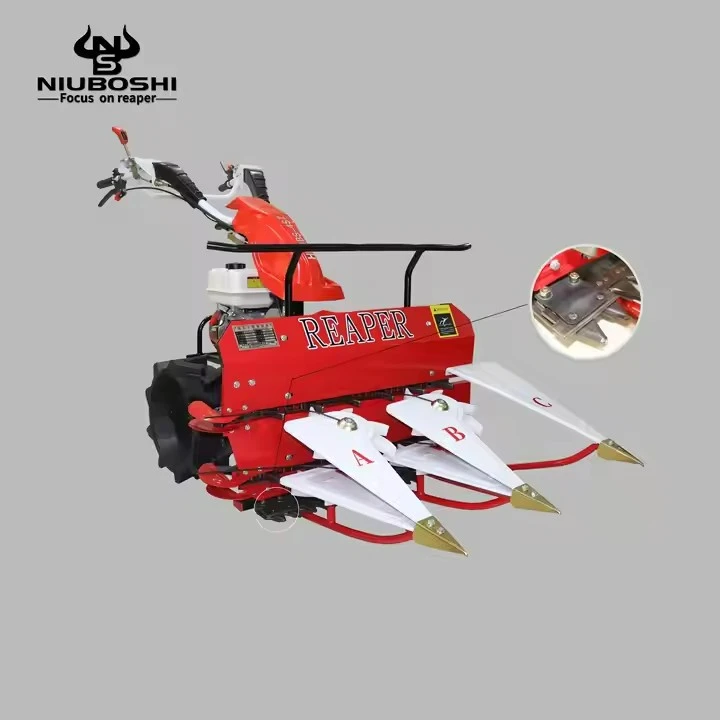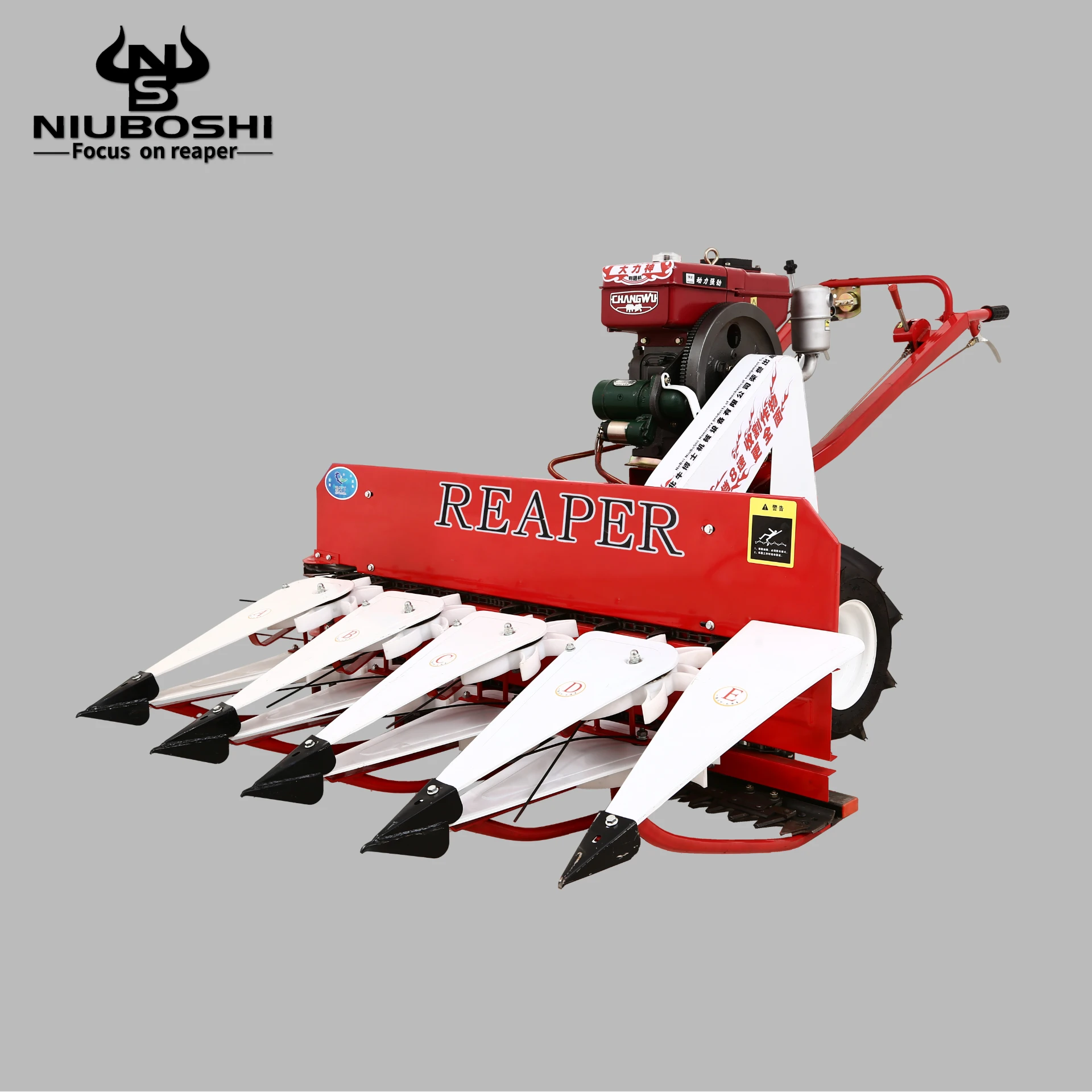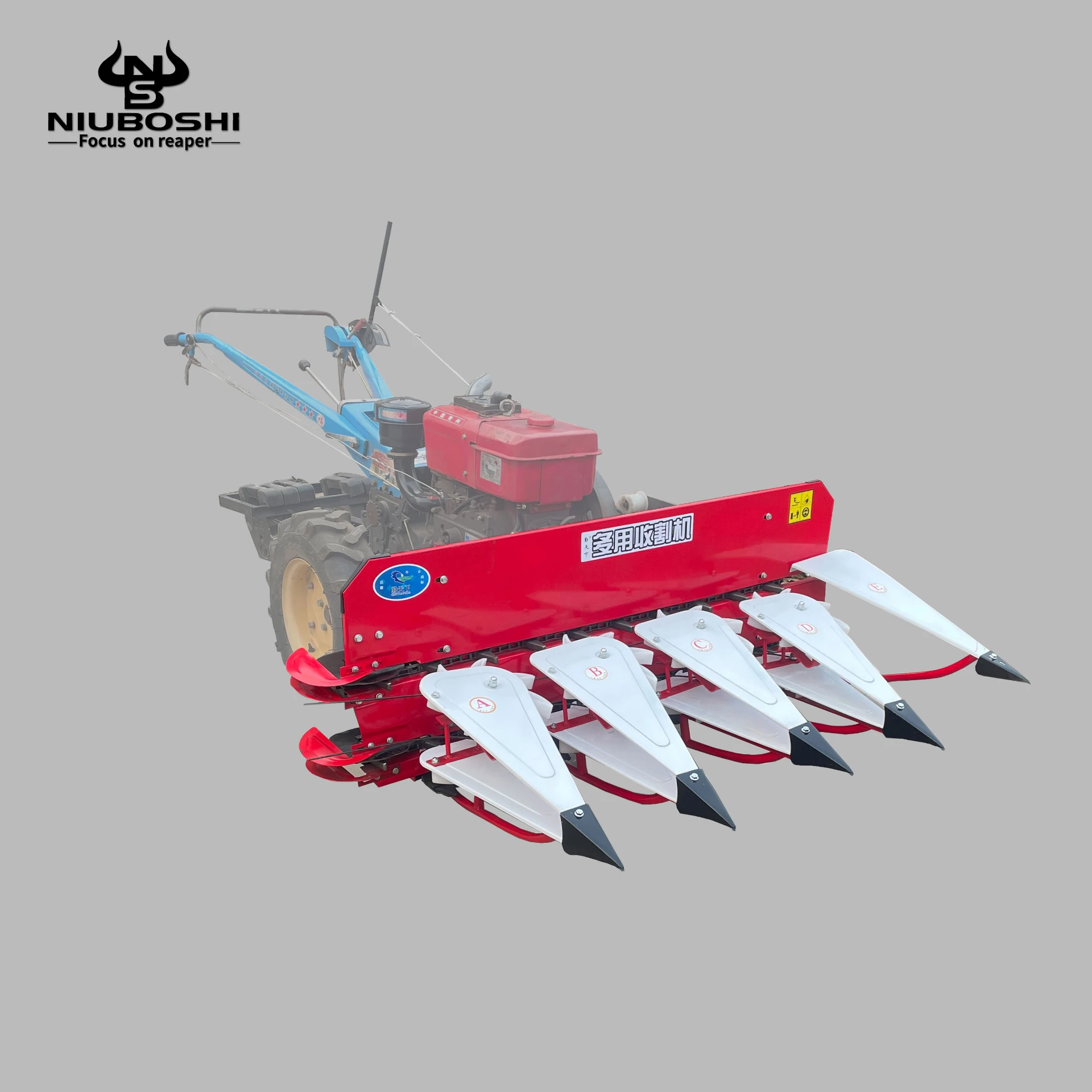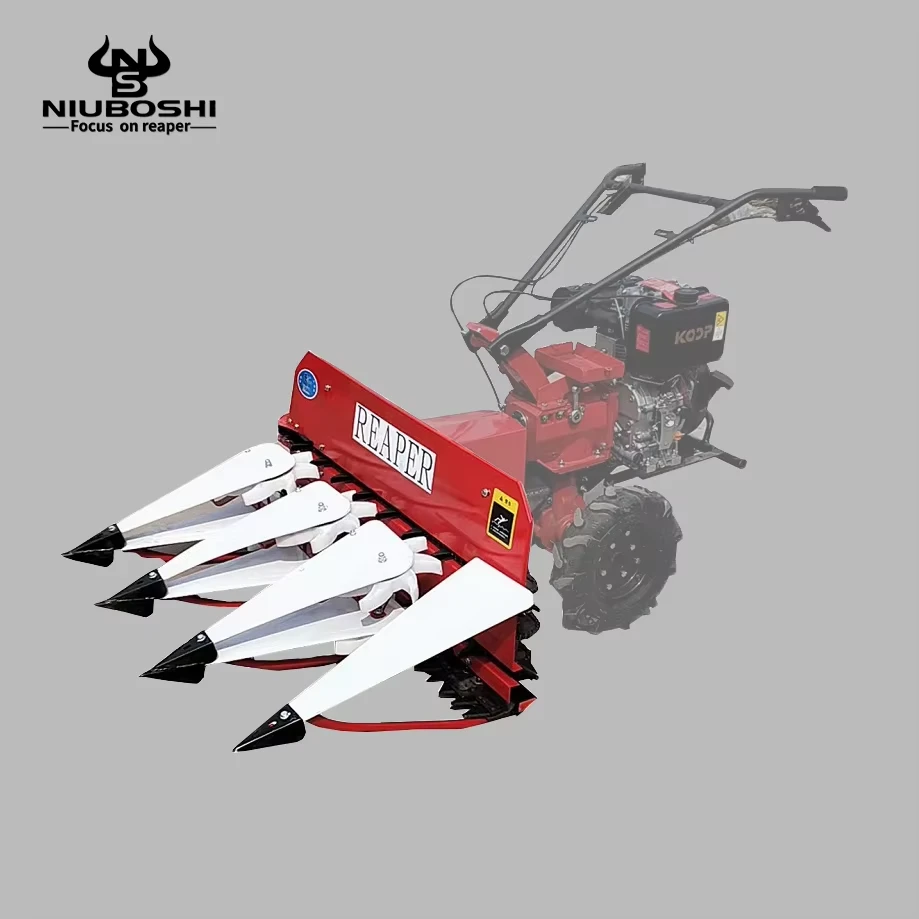
Efficient Mini Grain Harvester Solutions for Smallholders & Agriculture
The Mini Grain Harvester: Small Machine, Big Impact
In a world where food security and efficient agricultural practices are more critical than ever, the mini grain harvester quietly plays a massive role. It’s easy to overlook these small yet robust machines, but their influence spans continents and communities, from densely packed farmlands in Southeast Asia to the vast fields of Eastern Europe. Understanding this compact harvesting marvel means appreciating the blend of technology, sustainability, and practicality that is reshaping agriculture globally.
Why the Mini Grain Harvester Matters on a Global Scale
Global agriculture has been under immense pressure, with the United Nations projecting that the world’s population will hit nearly 10 billion by 2050 (1). Feeding this many people requires innovation at every level, especially tools that can boost productivity and reduce waste. Enter the mini grain harvester: a nimble, cost-effective solution designed for small to medium-scale farmers who can't access or afford the gargantuan harvesters preferred on industrial farms. According to FAO data, over 40% of the world’s agricultural production involves smallholders, many of whom benefit from machines they can transport easily or even operate with minimal training.
Yet the challenge remains: how to harvest efficiently without exorbitant costs or heavy machinery that’s hard to maintain? Mini grain harvesters address this squarely.
What Exactly is a Mini Grain Harvester?
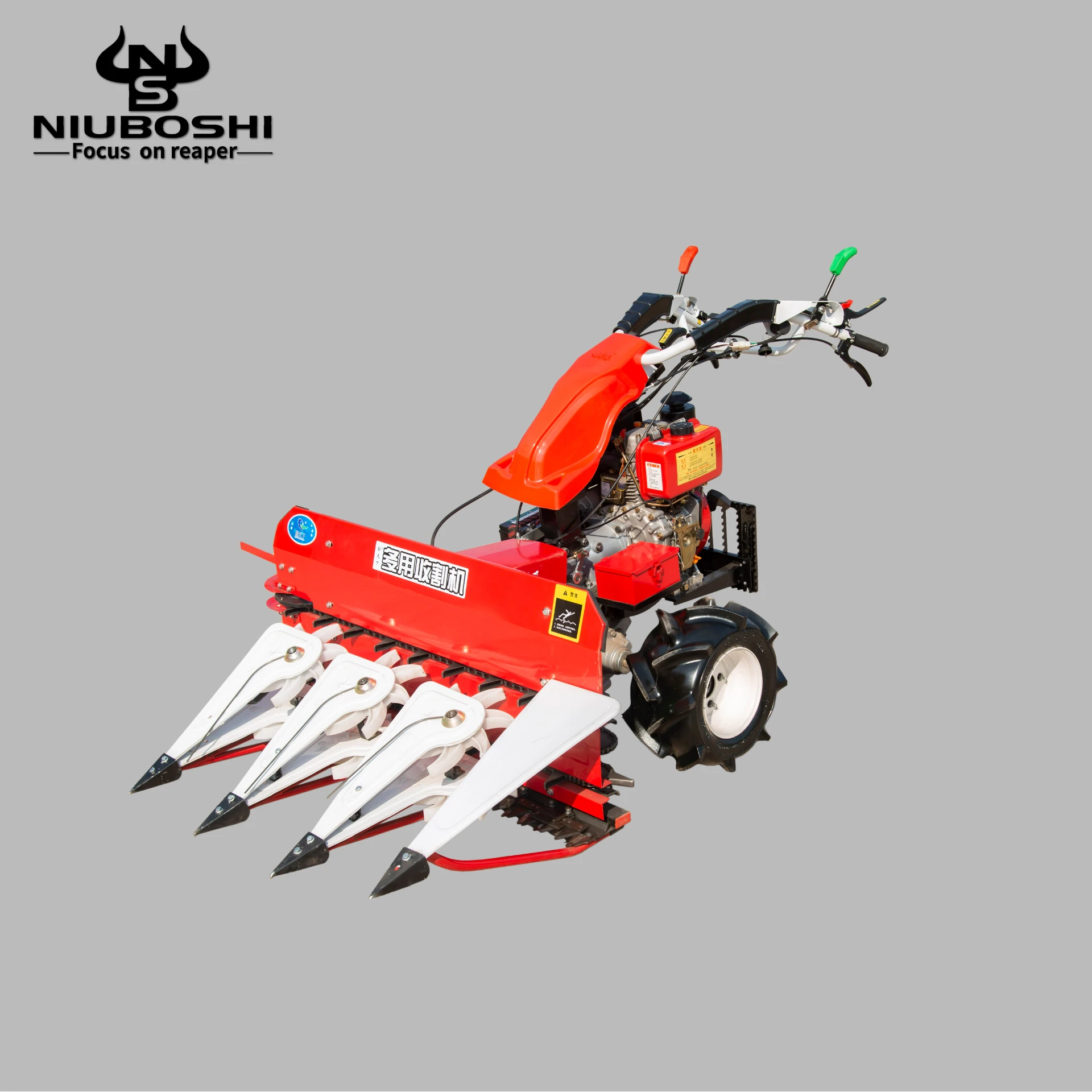
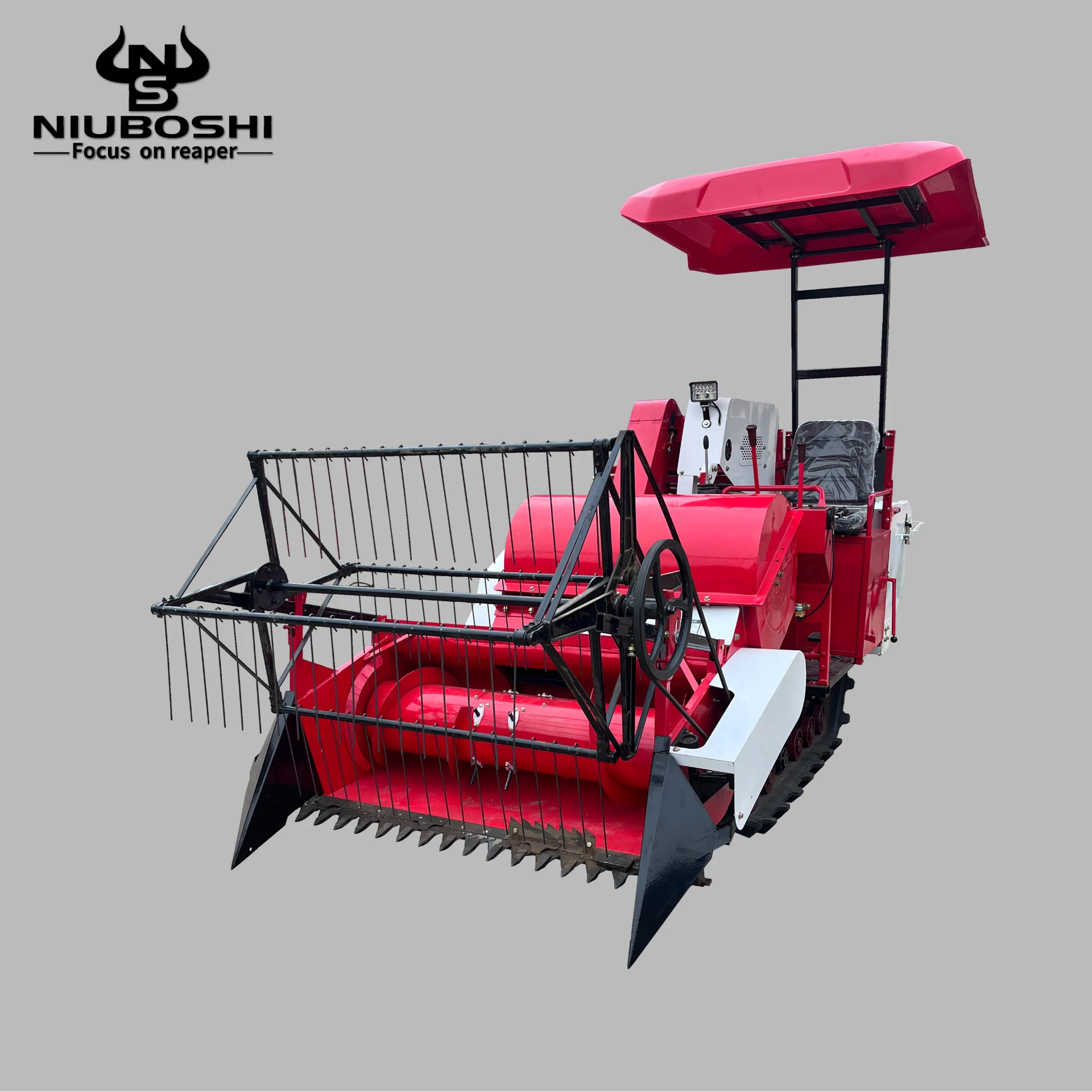
Put simply, a mini grain harvester is a small, often two-wheel or compact four-wheel machine crafted to cut, thresh, and collect grains — such as wheat, rice, barley, or millet — in a single pass. Think of it as a scaled-down, handy cousin to the massive combines you see in big farms but much more approachable for small plots and challenging terrains.
Unlike bulky machines, these harvesters often prioritize fuel efficiency, maneuverability, and affordability, bringing mechanization to parts of the world where manual harvesting persists due to cost or infrastructure. Their role extends beyond agriculture; in humanitarian contexts, these machines help disaster-hit areas resume food production faster.
Key Features That Make Mini Grain Harvesters Tick
1. Compact Size & Maneuverability
These harvesters fit comfortably in smaller fields and uneven land. Oddly enough, their small frames offer access to terrains where larger machines simply can’t go — tight terraces, hilly slopes, or fragmented plots.
2. Fuel and Cost Efficiency
Running on diesel or petrol engines tailored for light consumption, they reduce operating costs considerably. For farmers juggling budget constraints, this means a quicker ROI.
3. Ease of Operation and Maintenance
Many manufacturers design these machines with simplicity in mind. Farmers with little technical background can maintain them without expensive service calls. Spare parts are often standardized locally, which cuts downtime.
4. Versatility in Crop Types
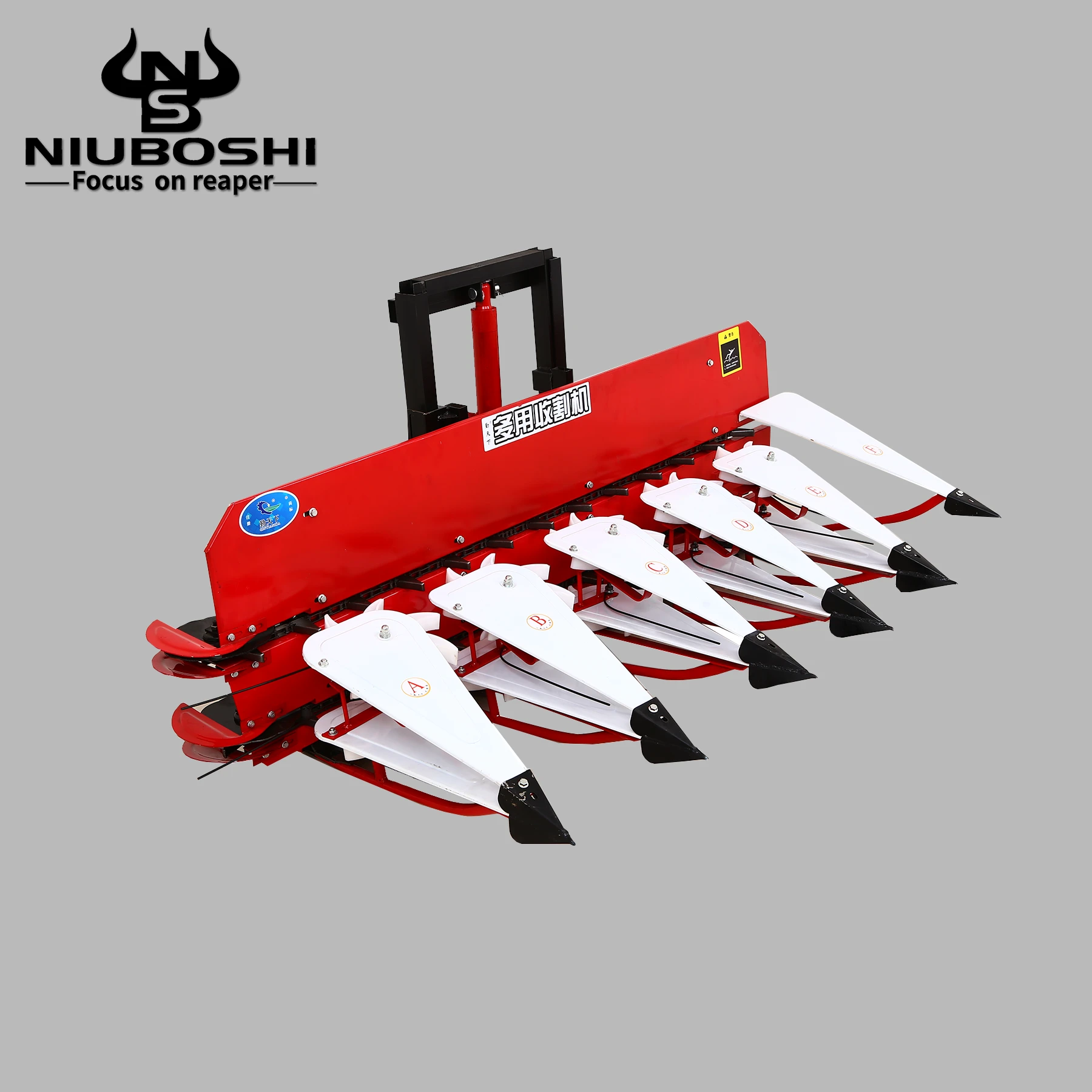
While mainly for cereals like wheat and rice, many mini grain harvesters come with adjustable settings or interchangeable parts to handle crops like barley, oats, or millet. This adaptability is a real advantage in mixed-crop farming regions.
5. Durability & Longevity
Robust steel frames and easily replaceable blades ensure these machines last multiple seasons, with many users reporting 5–7 years of reliable service with basic upkeep.
6. Environmental Benefits
Lower fuel consumption and smaller soil compaction footprints compared to large combines mean a gentler impact on the land—an increasingly important factor for sustainable agriculture.
In summary, the mini grain harvester’s design strikes a smart balance between power, portability, and cost. It’s this combination that makes it so essential for modern smallholder farmers.
Where and How Mini Grain Harvesters Are Making a Difference
On the global stage, these machines shine in regions with fragmented land ownership or where mechanization is just beginning to take root:
- Asia: In countries like India and Vietnam, mini grain harvesters help millions increase yield while reducing labor effort during the intense harvesting season.
- Africa: In East African countries such as Kenya and Ethiopia, NGO-supported programs distribute these harvesters to smallholders, dramatically improving post-harvest efficiency.
- Eastern Europe: Small-scale farmers in Ukraine and Romania rely on mini combine harvesters to fill the gap between manual harvesting and large-scale industrial farming.
In emergency scenarios, rapid deployment of these machines helps communities restore food production almost immediately after crises — this peace of mind is priceless.
If you’re curious, you might check out some fine examples of mini grain harvesters at mini grain harvester, where efficiency meets versatility.
Mini Grain Harvester Specifications at a Glance
| Specification | Typical Range |
|---|---|
| Engine Power | 8–15 HP petrol/diesel |
| Harvesting Width | 0.8 – 1.2 meters |
| Fuel Consumption | 1.2 – 1.8 L/hour |
| Weight | 200 – 350 kg |
| Grain Tank Capacity | 50 – 120 kg |
| Operational Speed | Around 3 km/h |
Comparing Leading Mini Grain Harvester Vendors
| Brand | Price Range (USD) | Power Source | Terrains Suitable | Additional Features |
|---|---|---|---|---|
| Niuboshi Mini Harvester | $1,800–2,500 | Diesel | Flat and gently sloped fields | Adjustable cutting width, easy maintenance |
| Agronova Compact Combine | $2,000–3,000 | Petrol | Multi-terrain – terraces & uneven lands | Modular blades, digital monitoring |
| HarvMate Mini Series | $1,500–2,200 | Diesel | Mostly flatlands and semi-mountainous | High grain-cleaning efficiency |
The Long-Term Benefits of Mini Grain Harvesters
Cost savings and improved yields often come top of mind, but the advantages go deeper. Using a mini grain harvester reduces the physical strain on farmers — something hard to quantify but deeply felt every harvest. There’s the dignity of owning one’s machinery, reducing dependence on expensive contractors or seasonal labor. Plus, by promoting mechanization at a small scale, communities encourage younger generations to remain in agriculture, bridging the age gap in farm labor.
Environmental sustainability also factors in, as these machines' lower fuel consumption and reduced soil compaction help maintain soil health over the years.
Emerging Trends Shaping the Future of Mini Grain Harvesters
- Electric and hybrid engines: With emissions regulation tightening, manufacturers are experimenting with battery or hybrid powered mini harvesters.
- Smart controls & IoT integration: Some models now feature sensors to monitor crop yield, equipment health, and fuel usage in real time.
- Modular designs: To streamline repairs and upgrades, modular components are becoming standard.
- Improved materials: Light alloys and corrosion-resistant coatings promise longer lifespans.
Challenges and How They’re Addressed
Despite their advantages, mini grain harvesters face hurdles: limited grain tank capacity means more frequent unloading, and smaller engines sometimes struggle with very dense crops or wet fields. Training remains crucial — even the simplest machines require a basic understanding to maximize output and safety.
Solutions emerging include easy-to-understand training modules (both in person and digital), auxiliary grain bins for quick swapping, and more powerful but fuel-efficient engines. Some communities pool resources to share machinery responsibly — a practical answer to individual cost barriers.
Frequently Asked Questions About Mini Grain Harvesters
Q1: How suitable is a mini grain harvester for a small family farm?
A1: Perfectly suited. These machines are designed for small-scale farming operations, offering a balance of power and ease of use that helps families increase efficiency without large capital expense.
Q2: Can mini grain harvesters handle different types of grains?
A2: Yes, most models come with adjustable features or attachments catering to various grain crops like wheat, rice, barley, and millet, making them versatile tools in diverse agricultural settings.
Q3: What maintenance is typically required?
A3: Regular cleaning, blade sharpening or replacement, oil changes, and fuel system checks are common. Many manufacturers also provide local support and parts for affordable upkeep.
Q4: How do mini grain harvesters impact soil health?
A4: Because of their lightweight design compared to large combines, they cause less soil compaction, preserving soil structure and promoting long-term land productivity.
Q5: Is it easy to transport a mini grain harvester between fields?
A5: Generally yes; many models are trailer-friendly or light enough to be moved on small trucks or tractors, allowing flexibility in multi-plot farms.
Wrapping Up: Why Mini Grain Harvesters Deserve More Spotlight
It’s funny how the smallest machines can solve some of the largest problems. The mini grain harvester encapsulates that spirit — a straightforward answer to the complex question of feeding a growing planet sustainably. From smallholder farmers boosting productivity to NGOs helping disaster-affected regions, these machines quietly power progress.
If you want to dig deeper into how mini grain harvesters can revolutionize your agricultural practices, visit our website to explore current models, innovations, and support options.
References
Latest news
-
Maximize Harvest Efficiency with the Agro Reaper Binder MachineNewsApr.16,2026
-
Boost Harvest Efficiency with the Best Agriculture Reaper MachineNewsApr.09,2026
-
Revolutionizing Agriculture with the Efficient Agriculture Power ReaperNewsApr.07,2026
-
Comprehensive Guide to the 4 Wheel Reaper Binder for Efficient HarvestingNewsApr.04,2026
-
Comprehensive Guide to Reaperbinder Technology for Efficient Hay and Crop HarvestingNewsMar.31,2026
-
Mastering the Art of Reaper Cutting for Enhanced Agricultural EfficiencyNewsMar.28,2026