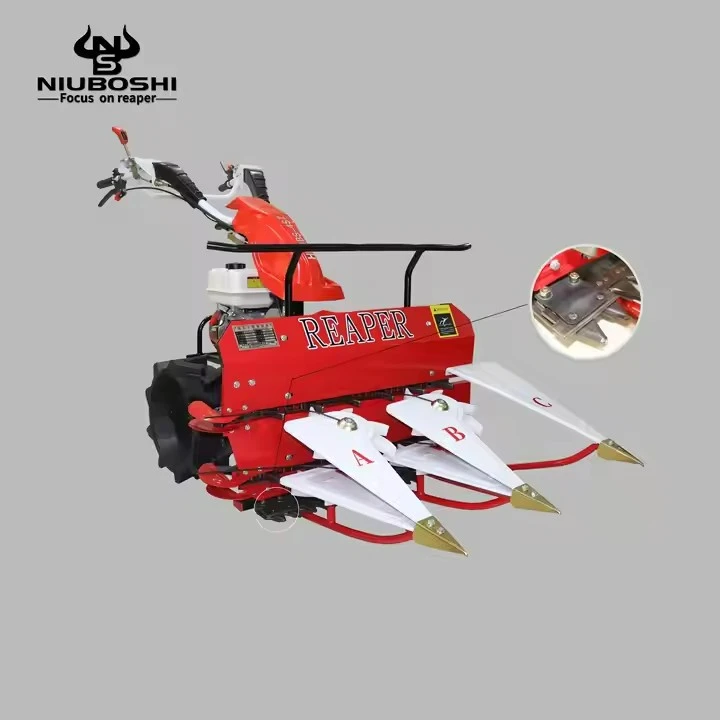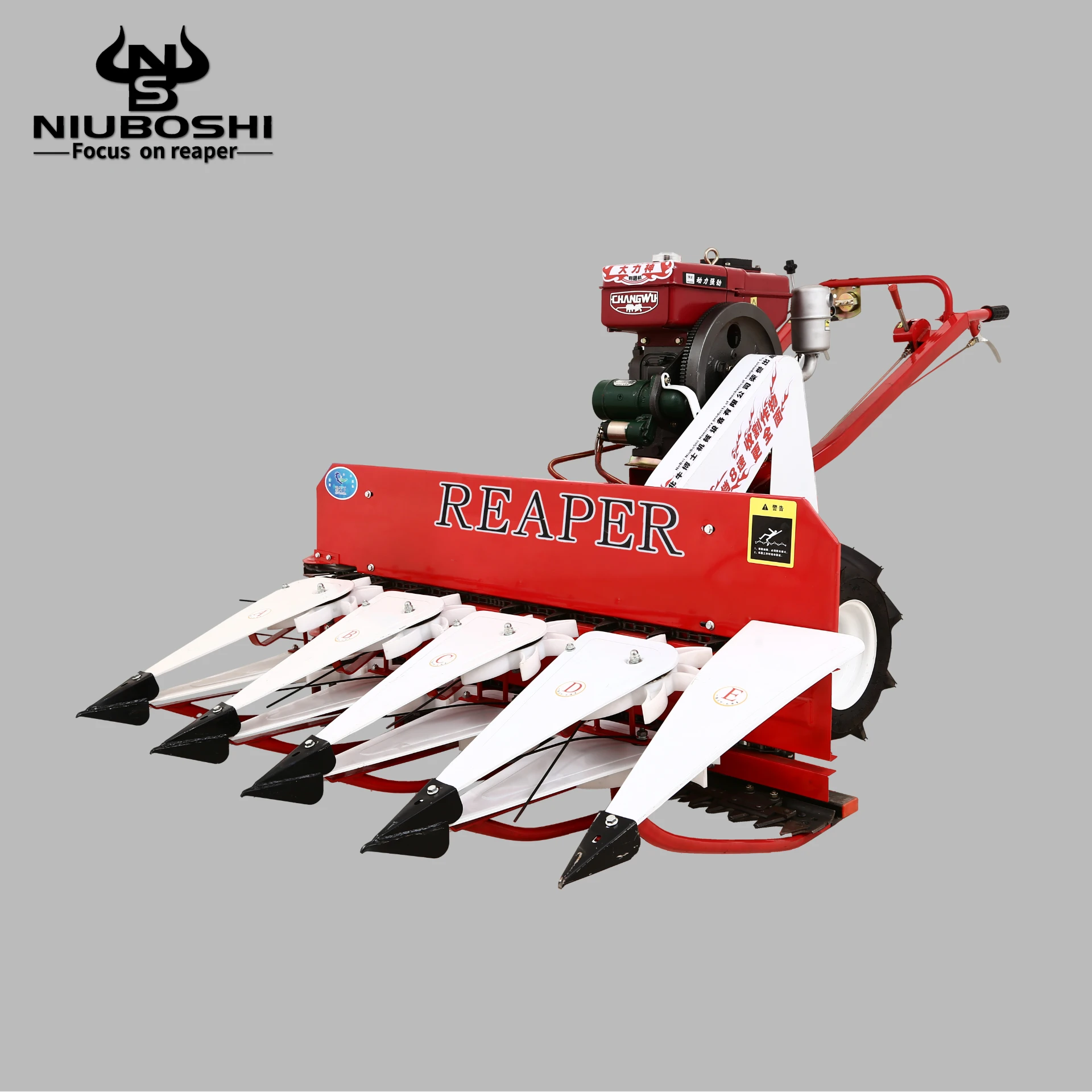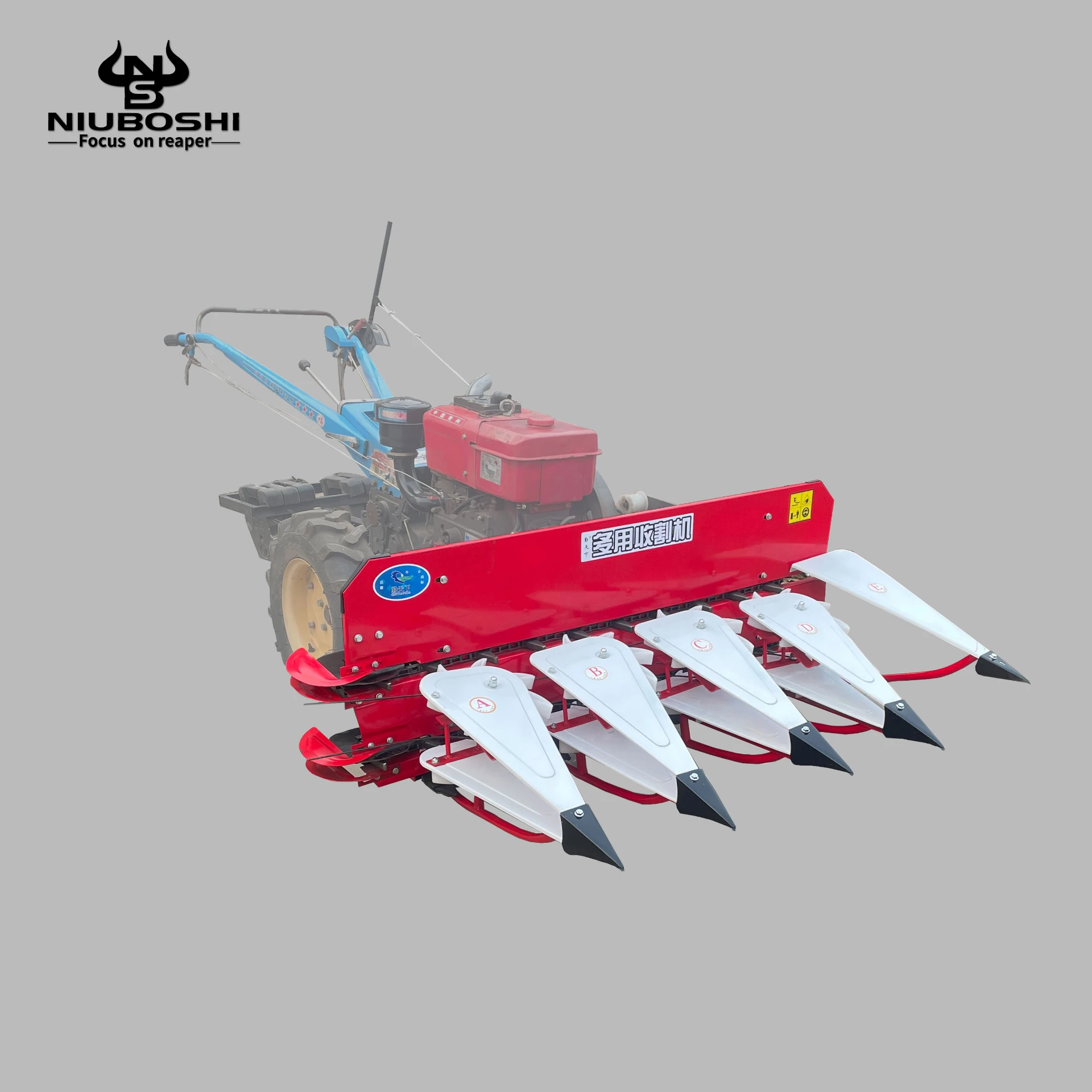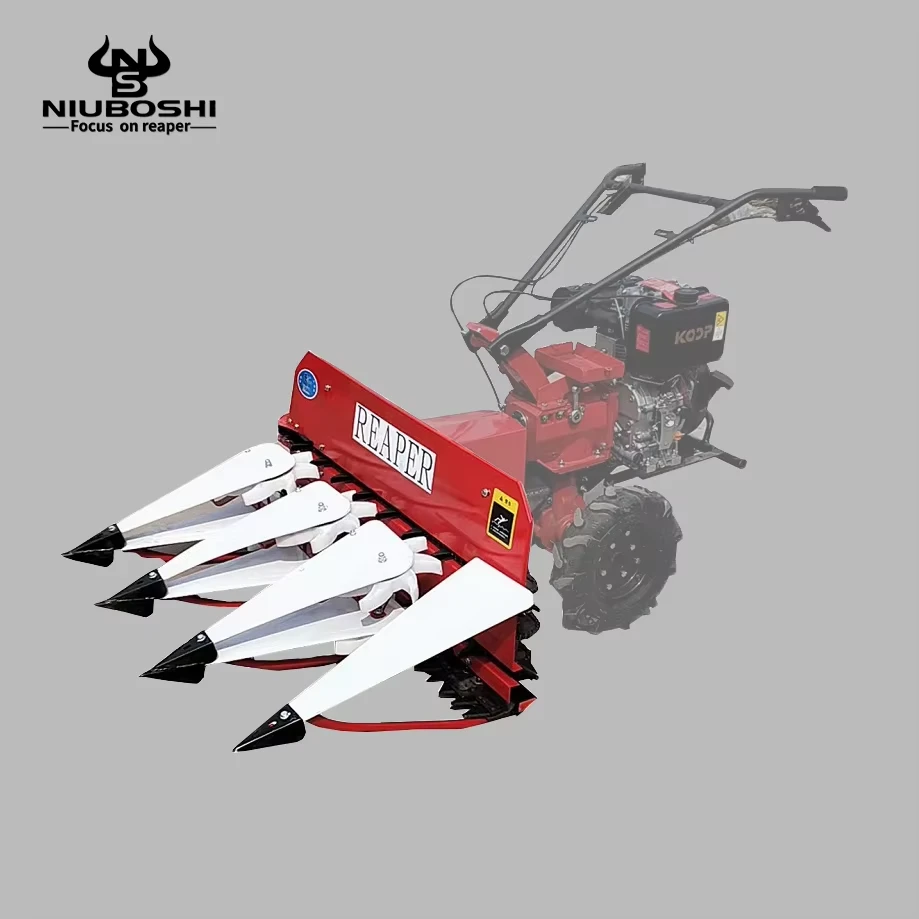
Mini Wheat Combine: Small-Scale Harvest Efficiency for Global Farmers
Why Mini Wheat Combine Matters in Today’s Global Agriculture
When you first hear mini wheat combine, it might sound like a tiny machine with a big job, and that’s not far off. These compact harvesting machines are quietly reshaping how small- to medium-sized farms, especially in developing regions, handle wheat harvesting. Globally, wheat remains a staple crop for over 35% of the world population’s calories (FAO data), so making harvesting more efficient isn't just an agronomic side note—it’s fundamental to global food security.
Mini wheat combines bring precision, affordability, and flexibility to farmlands where large, industrial combines simply don’t fit. Considering that small farms produce roughly 70% of the world’s food supply (World Bank), the impact of these machines ripples far beyond their size.
mini wheat combine models tackle locals’ prevalent issues — from tight field spaces and rough terrains to limited capital budgets. It's a subtle revolution with big promises.
The Global Challenge: Farming Efficiency Meets Accessibility
Wheat harvesting has often been dominated by bulky combines that demand deep pockets and vast plots. However, in many countries across Asia, Africa, and Eastern Europe, farm plots average less than 5 hectares—too small for expensive equipment that often sits idle. According to the UN’s Food and Agriculture Organization (FAO), post-harvest losses account for up to 15% of cereal crops in low-income countries, a problem often worsened by inefficient tools.
Here’s where the mini wheat combine steps in, bridging the gap by offering scalable, efficient harvesters tailored to smaller farms. Plus, their smaller fuel consumption and ease of maneuverability align with sustainable farming goals endorsed by the ISO 14001 environmental standards.
What Exactly Is a Mini Wheat Combine?
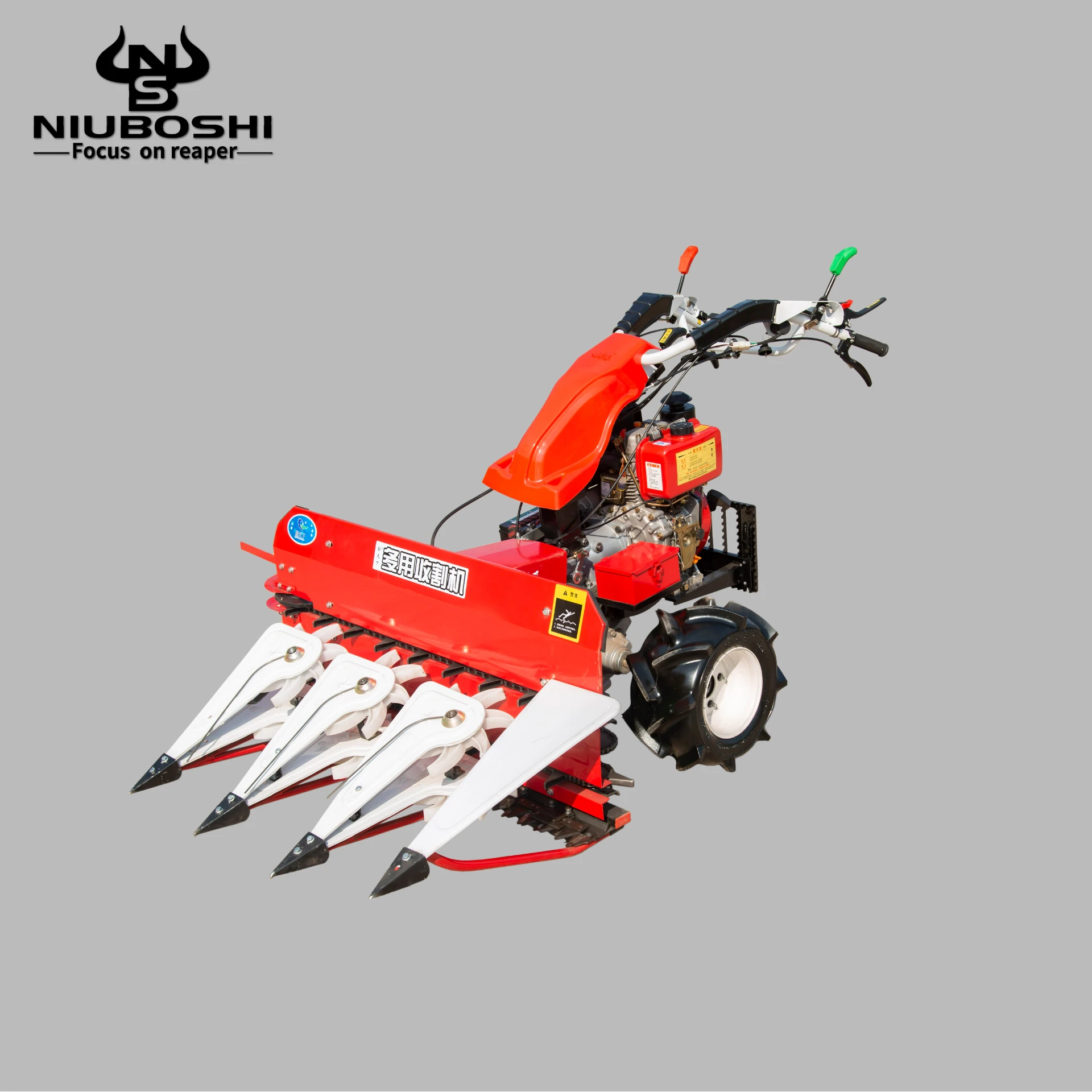
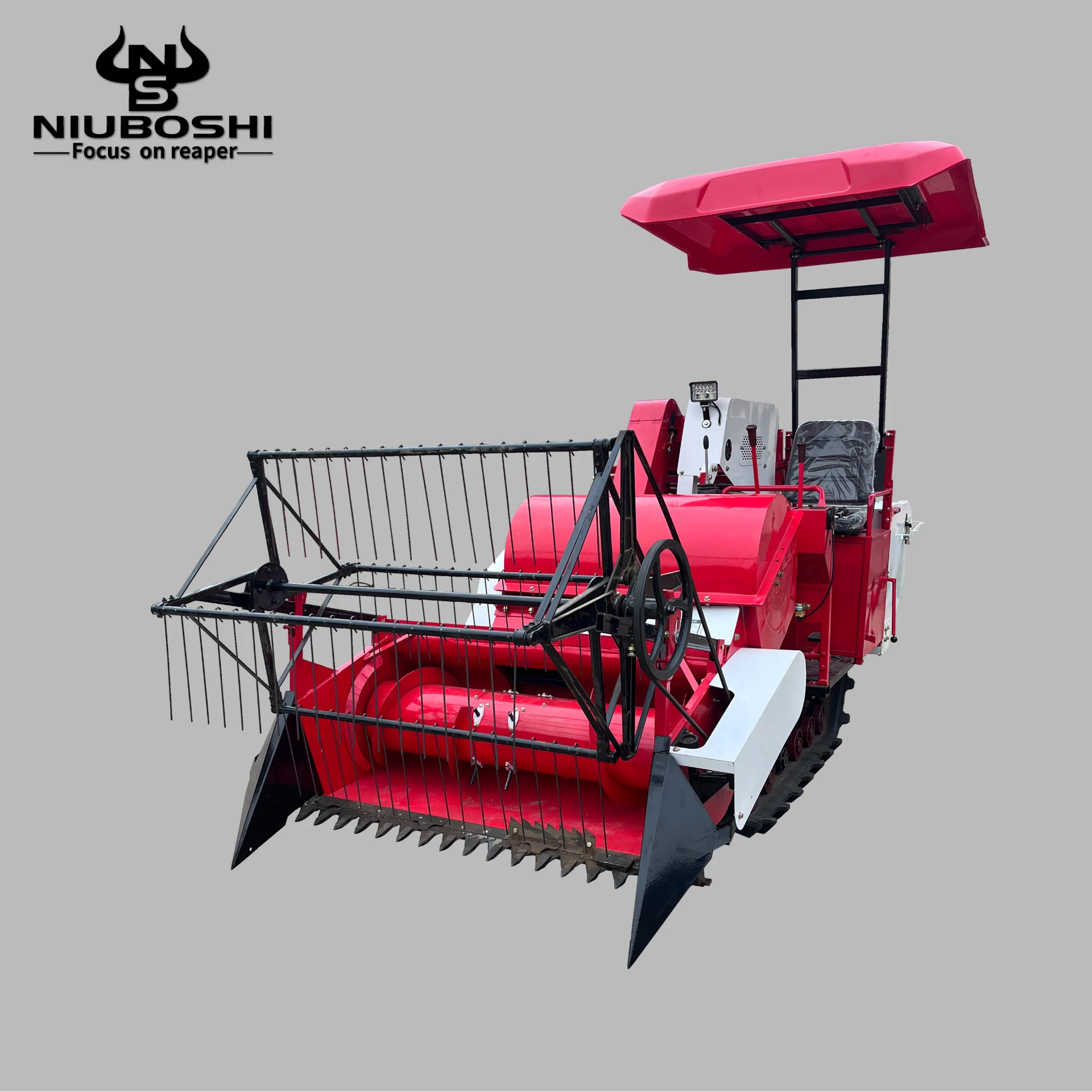
Simply put, a mini wheat combine is a smaller version of the classic combine harvester specifically designed for wheat and similar grains. It cuts, threshes, separates, and cleans the grain all in one go, but on a scale suitable for tighter, often uneven fields.
Think of it as a compact, nimble workhorse that puts modern harvesting capabilities in reach for smallholder farmers or cooperatives who can't justify a full-sized machine’s cost or size.
Key Features That Make Mini Wheat Combines Stand Out
1. Durability
These machines are known to endure rough field conditions—rocky soil, uneven plots, even humid or arid climates—without breaking down easily. Robust engineering materials like reinforced steel and corrosion-resistant alloys prolong lifespan.
2. Cost Efficiency
Mini combines usually cost a fraction of large harvesters, not just in buying but operational expenses. Fuel efficiency is a major factor; these smaller engines sip fuel compared to their bulky cousins, turning operational costs into manageable monthly budgets.
3. Ease of Operation and Maintenance
Designed with simplicity in mind, many models come with user-friendly controls and straightforward maintenance. Farmers can often perform repairs or routine servicing without specialized technicians, cutting downtime significantly.
4. Scalability and Flexibility
From footpaths in Nepal to the terraced fields of Bolivia, mini wheat combines fit fields where tractors may struggle. Many models offer modular parts or attachments, so operators can customize based on needs.
5. Productivity
Though smaller, they rival larger machines in productivity on small acreage because they reduce human labor drastically and speed up harvest windows—a critical factor in avoiding losses.
6. Environmental Impact
Lower fuel consumption not only cuts costs but also reduces greenhouse emissions. Some vendors already offer electric or hybrid models, pushing sustainability forward.
Mini Wheat Combine in Action: How Different Regions Benefit
Frankly, you see these machines performing miracles in often overlooked pockets of the world. In India, cooperatives use mini combines in fragmented plots where wheat farming is family-sized and involves multi-generational hands. Farmers report harvesting times cut by up to 60%, freeing energy for planting or post-harvest tasks.
In Eastern Europe, the affordability and ease of transport means small farmers avoid renting or pooling expensive machines. Meanwhile, in some African countries, NGOs incorporate them into relief programs to improve food availability after climate shocks.
They’re also popular in organic farming sectors from Australia to Canada, where larger machines might damage delicate soils. These combines’ light footprint minimizes compaction.
Mini Wheat Combine Specifications at a Glance
| Specification | Typical Values |
|---|---|
| Engine Power | 30 - 60 HP |
| Working Width | 1.5 - 2.5 meters |
| Threshing Rate | 0.5 - 1.0 tons/hour |
| Fuel Consumption | 3 - 6 L/hour |
| Weight | 800 - 1200 kg |
| Typical Price Range | $7,000 - $15,000 |
Comparing Popular Mini Wheat Combine Vendors
| Vendor | Price Range | Key Features | Warranty & Support |
|---|---|---|---|
| AgriMini | $8,000 - $13,000 | Fuel-efficient, modular attachments | 2 years, local service centers |
| FieldHarvest | $7,500 - $12,000 | Lightweight, easy maintenance design | 1.5 years, remote support |
| CropSwift | $10,000 - $15,000 | High threshing capacity, hybrid engine options | 3 years, worldwide support |
The Long-Term Benefits: Why It’s More Than Just a Machine
Mini wheat combines represent more than cost savings; they bring dignity back to the farmer by reducing grueling manual work and increasing yields. The environmental footprint shrinks markedly, and that emotional boost—knowing you have reliable equipment—often sparks innovation at the grassroots.
For communities, the impact accumulates: less post-harvest loss means more food on tables, higher incomes, and less pressure to abandon farming for uncertain urban jobs. It’s a chain reaction starting with a relatively simple machine.
Future-Proofing: Innovations on the Horizon
Here's something cool—the newest mini combines blend digital tech with mechanization. Integrations like GPS-guided navigation, IoT-enabled performance tracking, and AI-assisted maintenance prediction are turning these humble machines into smart harvesters. Solar panels and hybrid engines promise greener operations, responding to farmer demands and climate policies alike.
Looking ahead, modular designs allowing easy upgrades or swapping parts mean mini combines will last longer and stay effective amid changing crops and terrains.
Challenges and How the Industry Is Tackling Them
Of course, mini wheat combines aren’t perfect. Limited capacity means they can’t fully replace large machines for commercial-scale operations. Parts availability and local technical support can be spotty in remote areas, leading to frustrating downtimes. Some models sacrifice comfort or advanced features to keep prices low.
Innovations in local manufacturing, international partnerships for spare parts, and digital troubleshooting guides are some promising solutions. Training initiatives led by NGOs and community cooperatives help too—educated operators drastically reduce breakdowns and improve harvest quality.
FAQs About Mini Wheat Combine
- Q: How much land can a mini wheat combine effectively harvest daily?
- A: Generally, mini wheat combines can manage 1-2 hectares per day, depending on field conditions and operator skill. They’re designed primarily for smaller farms where maneuverability is crucial.
- Q: Is a mini wheat combine suitable for rocky or uneven fields?
- A: Yes, many models feature adjustable clearance and sturdy frames to work in rough terrain. However, extreme conditions might require additional care or reinforced equipment.
- Q: What maintenance is required and how often?
- A: Regular cleaning of threshing components, lubrication of moving parts, and engine checks every 50-100 hours of operation are standard. Many farmers learn to perform routine tasks themselves, aided by user manuals.
- Q: Can NGOs or cooperatives import and operate these machines easily?
- A: Most vendors assist with export documentation and training; local customs can vary significantly, so early planning is key. Groups often find bulk purchases increase affordability.
Conclusion: Harvesting the Future with Mini Wheat Combines
Mini wheat combines aren’t just machines—they’re enablers of progress in an often overlooked but vital segment of agriculture. Their blend of cost efficiency, adaptability, and innovative potential makes them indispensable for smallholder farmers aiming to boost productivity sustainably.
If you’ve been curious about how small-scale mechanization can drive big change, it’s time to explore the options. Visit our website: mini wheat combine to see how technology is meeting the world where it grows its wheat.
Sometimes, the smallest tools carry the largest hopes.
References
Latest news
-
Maximize Harvest Efficiency with the Agro Reaper Binder MachineNewsApr.16,2026
-
Boost Harvest Efficiency with the Best Agriculture Reaper MachineNewsApr.09,2026
-
Revolutionizing Agriculture with the Efficient Agriculture Power ReaperNewsApr.07,2026
-
Comprehensive Guide to the 4 Wheel Reaper Binder for Efficient HarvestingNewsApr.04,2026
-
Comprehensive Guide to Reaperbinder Technology for Efficient Hay and Crop HarvestingNewsMar.31,2026
-
Mastering the Art of Reaper Cutting for Enhanced Agricultural EfficiencyNewsMar.28,2026