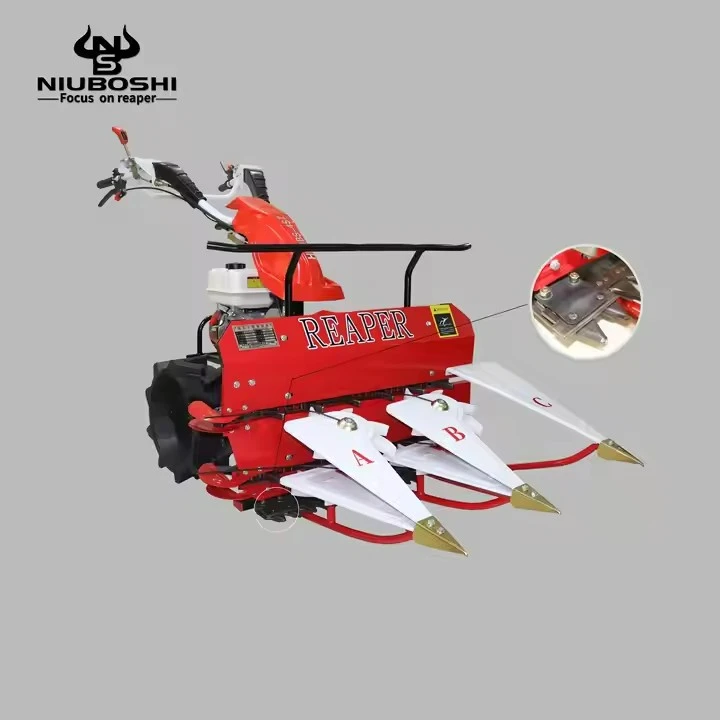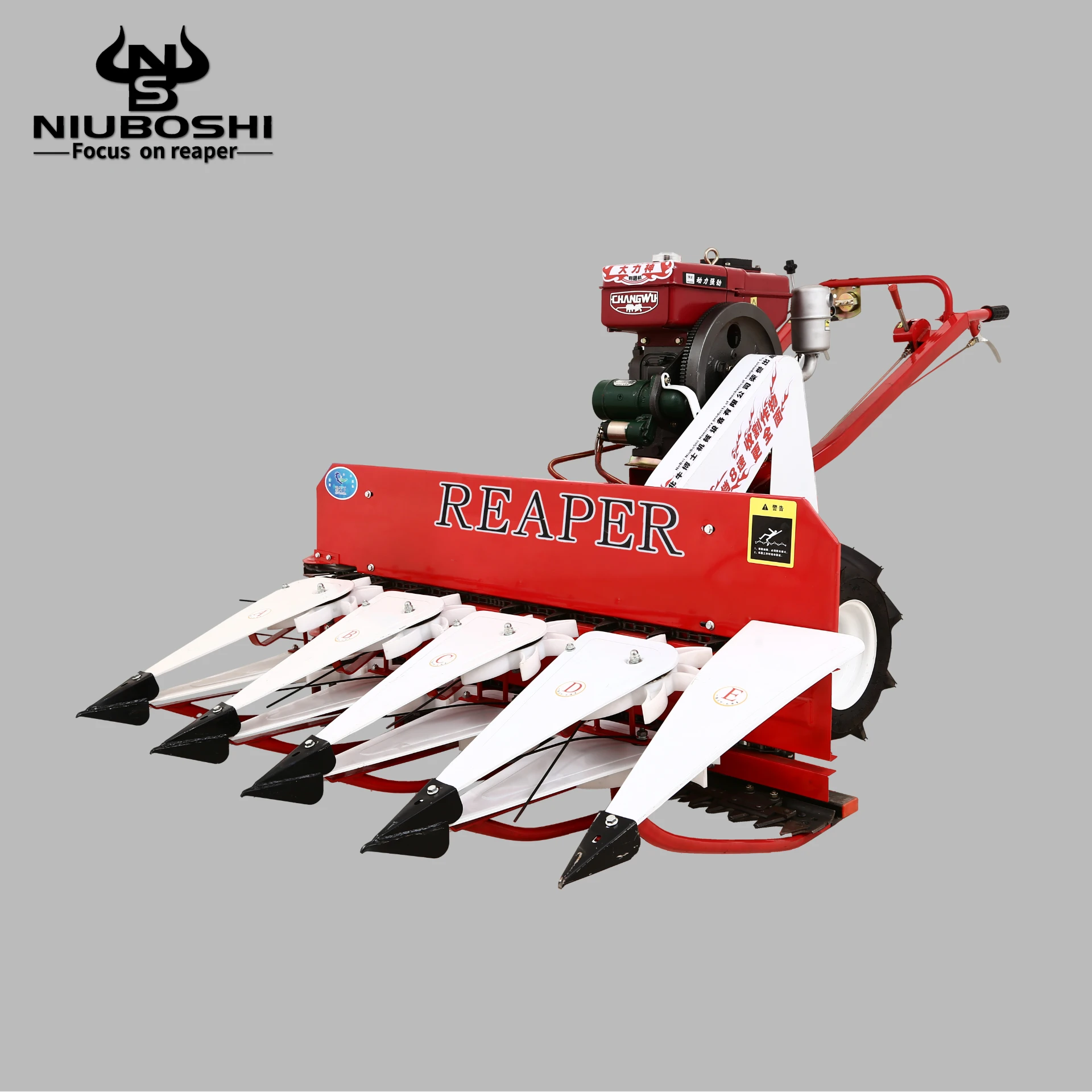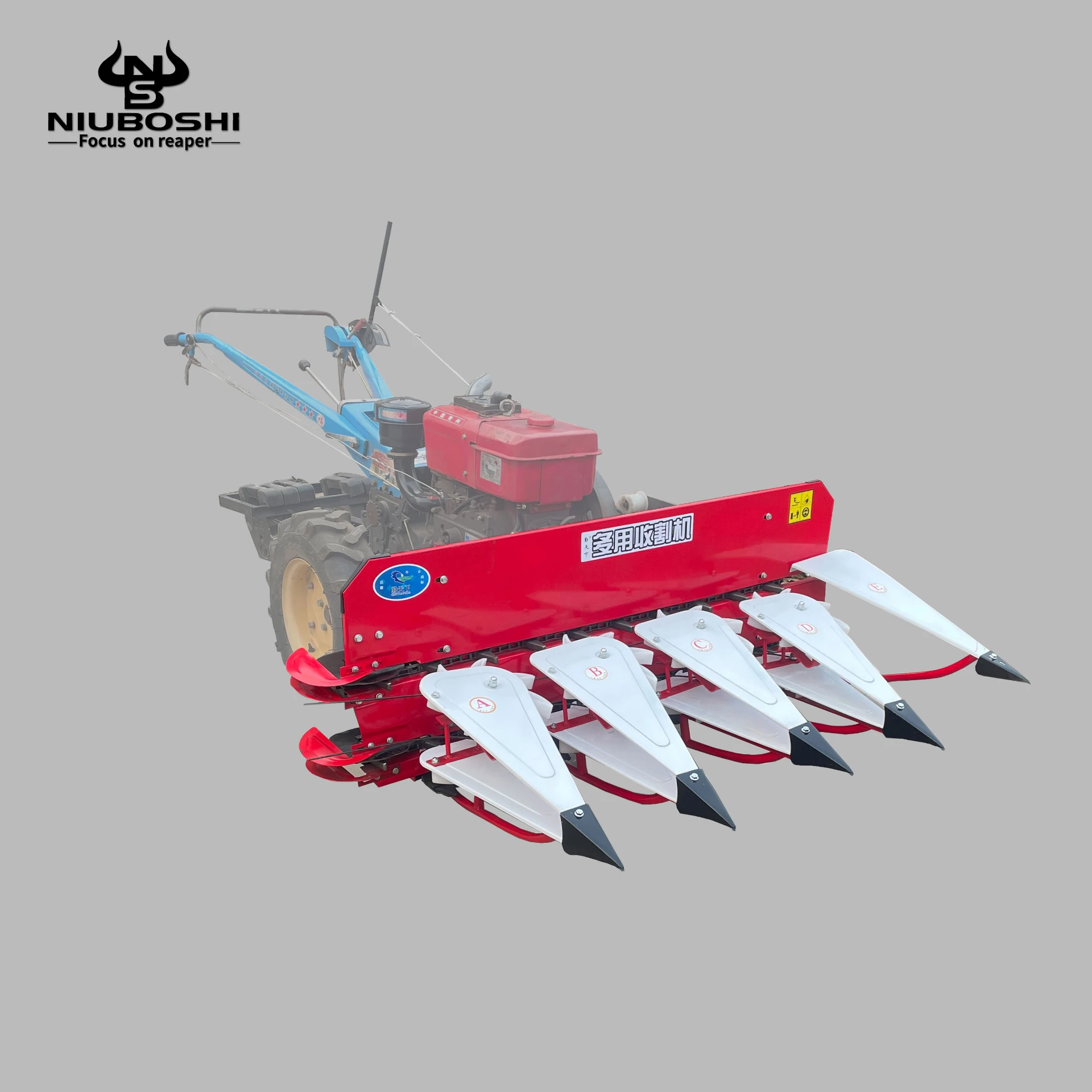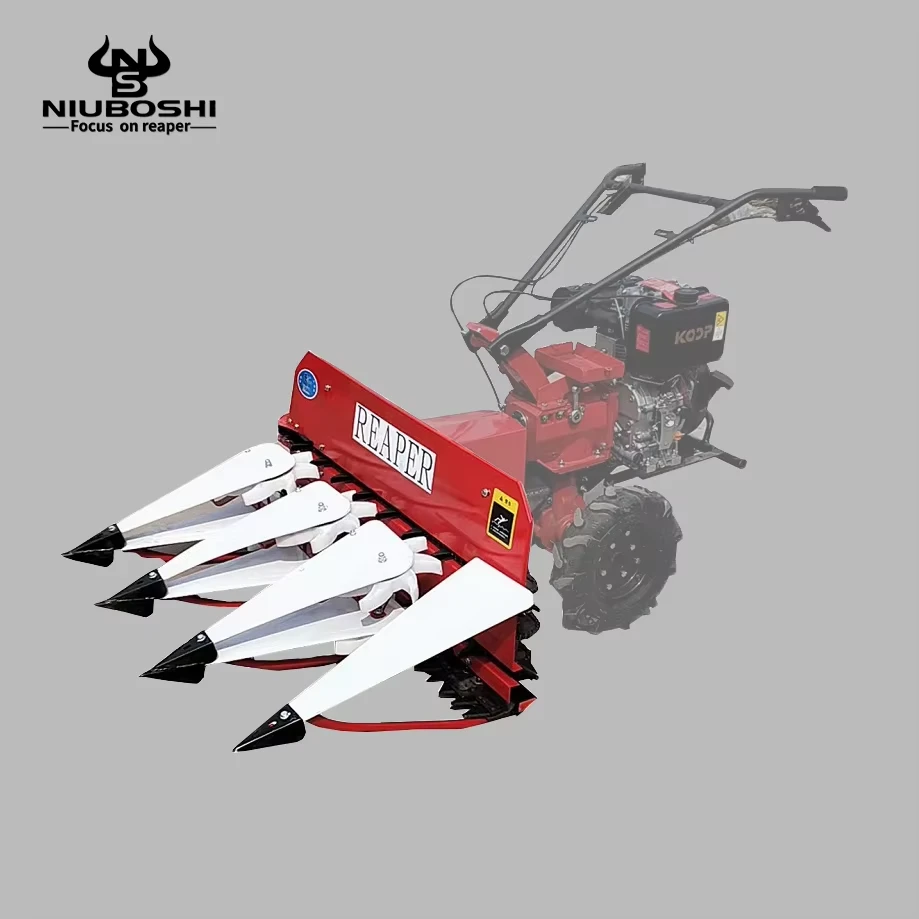
Mini Silage Harvester – Compact, Efficient Solutions for Modern Agriculture
Understanding the Mini Silage Harvester: Why It Matters Worldwide
If you’re someone who’s been around agriculture, you’ve probably encountered the term “silage harvester” — those sturdy machines that cut and chop crops to be ensiled, preserving animal feed for leaner months. Now, toss a “mini” in front, and suddenly you’ve got a compact powerhouse that’s making waves beyond just big farms. The mini silage harvester fits a vital niche: small to medium-scale operations, remote or rugged terrain, and places where bigger equipment just won’t cut it. Frankly, it’s a game changer for efficient feed storage, sustainability, and even emergency agricultural recovery.
This article dives into why these nifty harvesters are becoming essential in modern farming and other fields globally, highlighting key benefits, challenges, and the future of this under-the-radar technology.
Mini Silage Harvester in the Global Context: Small Machines, Big Impact
Globally, agriculture accounts for roughly 27% of employment and sustains billions of livelihoods (World Bank, 2023). Yet, across continents from Sub-Saharan Africa to Southeast Asia, many farms operate on smaller plots where conventional large silage harvesters are either inefficient or inaccessible. The mini silage harvester emerges as an answer to this, helping farmers optimize forage quality while reducing costs.
ISO estimates that food loss in smallholder farms can be cut by up to 30% with appropriate mechanization(1). The mini silage harvester, with its compact design and efficiency, tackles this by enhancing forage preservation, reducing spoilage, and cutting labor intensity — that’s a triple win in real terms.
But beyond farms, emergency relief agencies have started to appreciate these machines, especially in post-disaster zones where restoring animal feed quickly is vital for community resilience. It’s a neat interface of machinery meeting humanitarian needs.
What Exactly Is a Mini Silage Harvester?
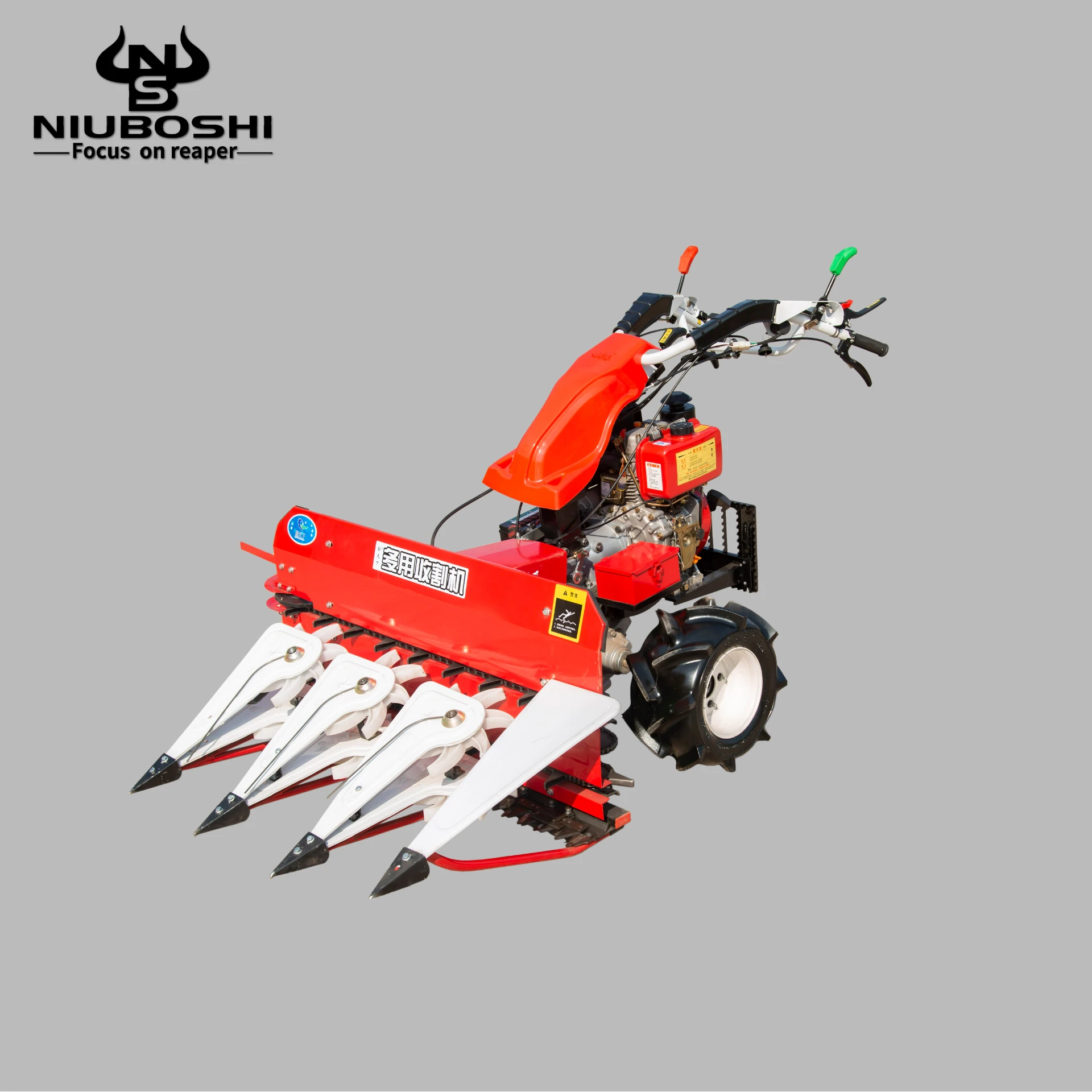
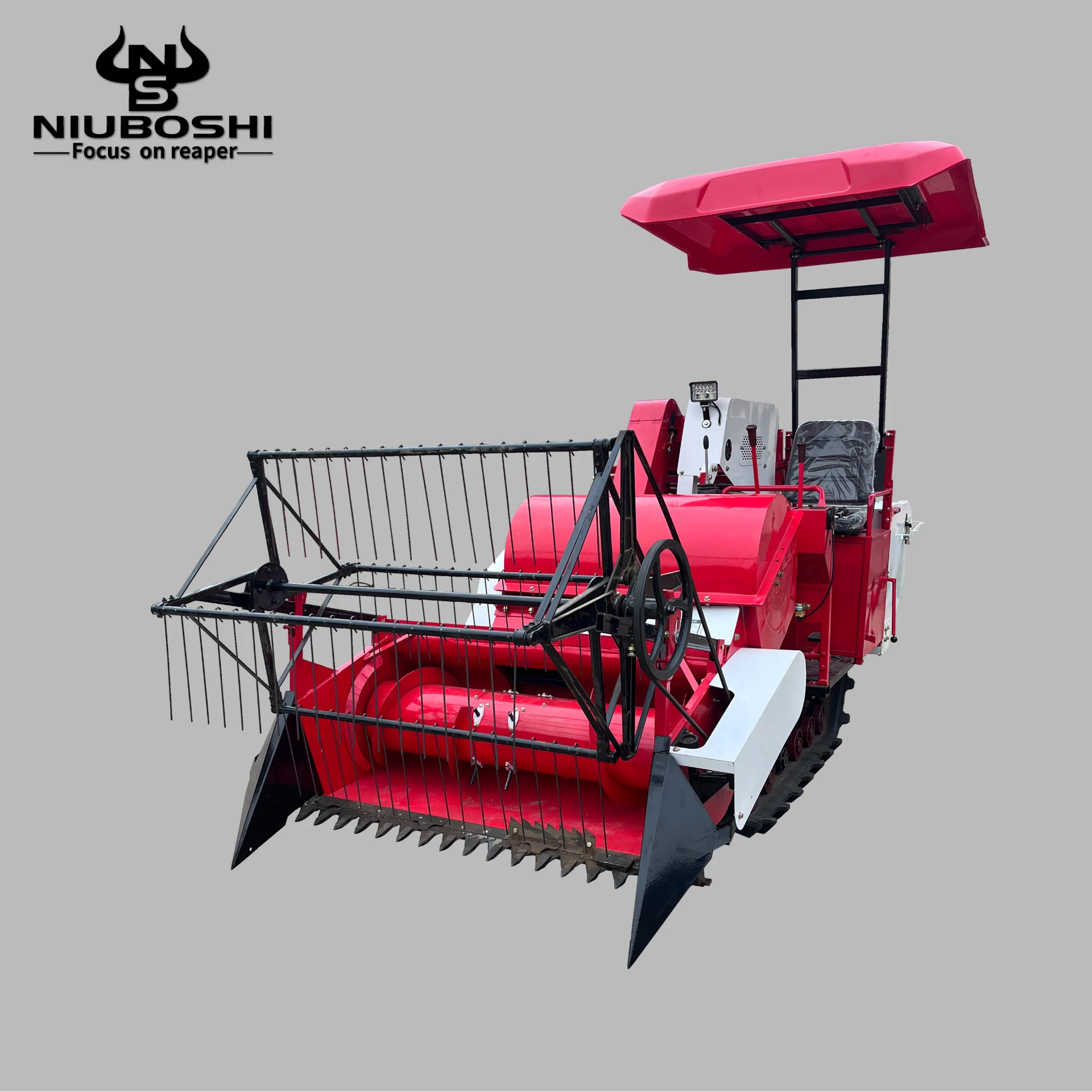
Imagine a silage harvester shrunk down but still packing the essentials: cutting, chopping, and blowing chopped forage into trailers or storage facilities. That’s your mini silage harvester — a smaller, lightweight machine designed to work efficiently on acreage too tight or irregular for bulky harvesters.
These machines have cropped up as essential tools in modern sustainable farming — helping preserve nutrients and maintain a balanced feed supply. Oddly enough, they also serve humanitarian efforts by enabling quick recovery of livestock feed after shocks like floods or droughts.
Key Components and Features Defining Mini Silage Harvesters
1. Compact Design & Maneuverability
The main selling point has to be its size. It’s small enough to navigate tight spots, terraced fields, and uneven terrain but still versatile. Many models boast four-wheel drive and articulated steering — crucial for those muddy slopes or cramped farmyards.
2. Efficient Chopping Technology
Cutting quality silage isn’t just about brute force; it’s about precision. Mini harvesters often feature rotary knives or drum headers tailored for clean cuts that preserve crop nutrition and texture. Some even have adjustable chop lengths, ideal for different feed types — maize, grass, or sorghum.
3. Engine Power & Fuel Efficiency
Smaller machines typically run on engines between 20–60 HP. The trick is balancing enough power for tough harvests with fuel economy, since many smallholders operate on tight budgets. Modern engines incorporate fuel-saving tech and lower emissions, ticking sustainability and operating cost boxes.
4. Hopper Capacity & Output Speed
Obviously, being mini comes with limits. Cargo hoppers are smaller, so frequent emptying is part and parcel of the workflow. But many harvesters now feature optimized blowers that maintain constant throughput without clogging, ensuring clean, steady silage loading onto trailers.
5. Durability & Easy Maintenance
Some of the most endearing features are how user-friendly these machines are in remote areas. Simple maintenance kits and rugged construction make sure downtime is minimal. Many engineers say this reliability is what really sells the machine — no one wants a fancy gadget stuck in the field on harvest day.
Mini Takeaway:
The mini silage harvester blends compactness, precision cutting, fuel-wise engines, and durability — a tailored toolbox for modern, small-scale, or difficult-terrain farming.
Real World Applications: Where Mini Silage Harvesters Shine
From the lush fields of Europe to smallholder farms in India, these mini harvesters are popping up in unexpected places. Here are a few spots worth noting:
- Small-Scale Dairy Farms: In tightly packed family farms, especially in regions like Eastern Europe and Latin America, mini harvesters replace manual chopping — saving time and improving feed quality.
- Mountainous & Terrace Farming: In the hilly zones of Nepal or Vietnam, big harvesters can’t go. Mini silage harvesters, however, are nimble enough to work slopes and help farmers maintain livestock productivity.
- Disaster Relief & Recovery: NGOs and UN agencies have piloted these units in post-flood zones in Sub-Saharan Africa, speeding livestock feed replenishment to protect vulnerable herds.
- Organic & Specialty Crop Producers: Mini harvesters adapt well to specialty crops with delicate handling, like alfalfa or clover, ensuring ingredients stay nutritious and palatable.
Mini Takeaway:
It’s fascinating how a machine this size can fit into so many scenarios — driven by necessity, terrain, or specialized farming needs.
Product Specifications: Example Mini Silage Harvester Model
| Specification | Value |
|---|---|
| Engine Power | 45 HP Diesel |
| Cutting Width | 1.2 meters |
| Chop Length | Adjustable 5-15 mm |
| Fuel Tank Capacity | 50 liters |
| Hopper Capacity | 600 kg |
| Weight | 2,300 kg |
| Drive System | 4WD with Articulated Steering |
Vendor Comparison: Choosing the Right Mini Silage Harvester
| Feature | Brand A | Brand B | Brand C |
|---|---|---|---|
| Engine Power | 40 HP | 50 HP | 45 HP |
| Fuel Efficiency | Good | Excellent | Moderate |
| Chop Length Control | Manual | Automatic | Manual |
| Price Range | $15,000-$18,000 | $20,000-$22,000 | $14,000-$16,000 |
| After-Sales Support | Regional Dealers | Global Network | Online Support |
The Lasting Benefits of Mini Silage Harvesters
So, why go small? The advantages really stack up:
- Cost Savings: Smaller fuel consumption and upkeep make it wallet-friendly, especially for family farms.
- Environmental Impact: More efficient engines and less soil compaction mean greener work.
- Social Uplift: In regions with labor shortages, mechanized chopping boosts productivity and income security.
- Reliability: Trusted durability means fewer breakdowns and easier trouble-shooting — a relief when timing is everything.
And from a softer angle, there’s a sense of dignity and innovation at play. Farmers feel empowered rather than overwhelmed, and the community benefits from steady feed supply, translating to stable livelihoods.
Emerging Trends and the Road Ahead
The future looks bright (and green). Engineers are working on electric and hybrid mini silage harvesters, which promise zero emissions and quieter operation. Automation technologies like GPS guidance and IoT sensors are creeping in, allowing operators to optimize chopping with data insights.
Policies supporting sustainable agriculture machinery acquisition are popping up worldwide, pushing for lower carbon footprints in farming operations. This tech shift isn’t just hype; it’s responding to real climate challenges facing farmers everywhere.
What’s Holding It Back? Challenges & Clever Fixes
No machine is perfect, right? For mini harvesters, limited hopper capacity can slow operations on bigger plots. Then there’s cost barriers upfront — despite lower running costs, the initial investment still feels steep for many smallholders.
Thankfully, manufacturers and NGOs collaborate on rental schemes, subsidies, or microfinancing to bridge this gap. Also, modular design ideas mean parts can be swapped quickly — a clever way to reduce downtime in tricky harvest seasons.
Frequently Asked Questions About Mini Silage Harvesters
1. What types of crops can a mini silage harvester handle?
Generally, these harvesters work well with common silage crops like maize, grass, alfalfa, sorghum, and clover. Their adjustable chopping lengths mean they’re versatile across different feed types.
2. How does the fuel consumption of a mini silage harvester compare to larger models?
Mini harvesters typically consume 30-50% less fuel than full-size counterparts, thanks to smaller engines and efficient designs, making them more cost-effective especially for small farms.
3. Can mini silage harvesters be used in mountainous regions?
Yes, their compact size and 4WD capability make them suitable for hilly terrains and terraced fields, where larger machines simply cannot operate effectively.
4. Are spare parts and maintenance services readily available?
Most leading vendors provide regional dealer networks or online support to ensure timely parts availability. Additionally, their straightforward designs make basic upkeep manageable on-site.
5. How is a mini silage harvester relevant for disaster relief operations?
In emergencies, these machines help rapidly restore animal feed supply, which is crucial for livelihoods and food security when larger equipment logistics are challenging.
Wrapping It Up: Your Next Step with Mini Silage Harvesters
We’ve dipped into the compact yet powerful world of mini silage harvesters — a quiet revolution helping small farmers feed their herds smarter, greener, and more reliably across the globe. From rugged hillsides to emergency zones, these machines pack a punch far beyond their size.
Ready to explore high-quality, robust options tailored exactly for your needs? Visit our website and check out mini silage harvester offerings that balance performance, affordability, and global expertise.
Quick Takeaway:
The mini silage harvester isn’t just a piece of machinery; it’s a strategic partner in sustainable agriculture and resilient communities.
References:
Latest news
-
Maximize Harvest Efficiency with the Agro Reaper Binder MachineNewsApr.16,2026
-
Boost Harvest Efficiency with the Best Agriculture Reaper MachineNewsApr.09,2026
-
Revolutionizing Agriculture with the Efficient Agriculture Power ReaperNewsApr.07,2026
-
Comprehensive Guide to the 4 Wheel Reaper Binder for Efficient HarvestingNewsApr.04,2026
-
Comprehensive Guide to Reaperbinder Technology for Efficient Hay and Crop HarvestingNewsMar.31,2026
-
Mastering the Art of Reaper Cutting for Enhanced Agricultural EfficiencyNewsMar.28,2026