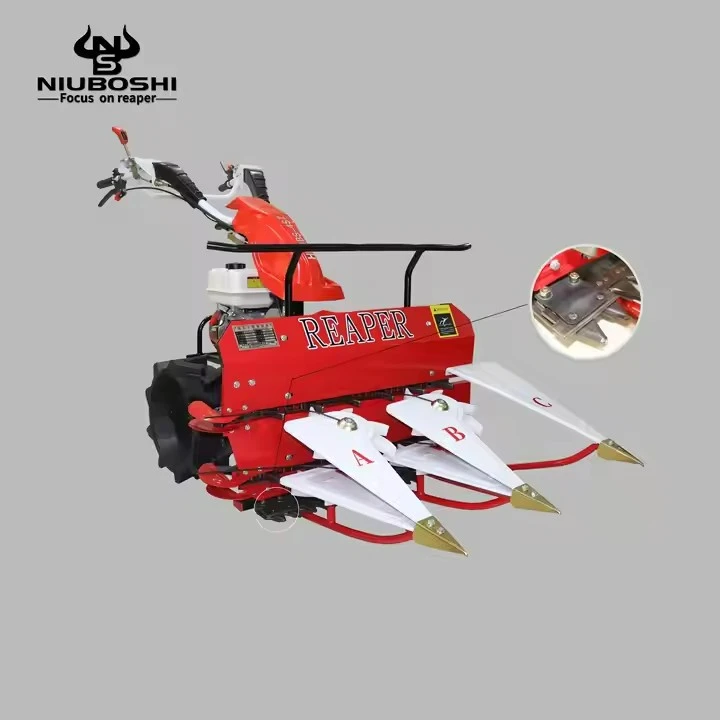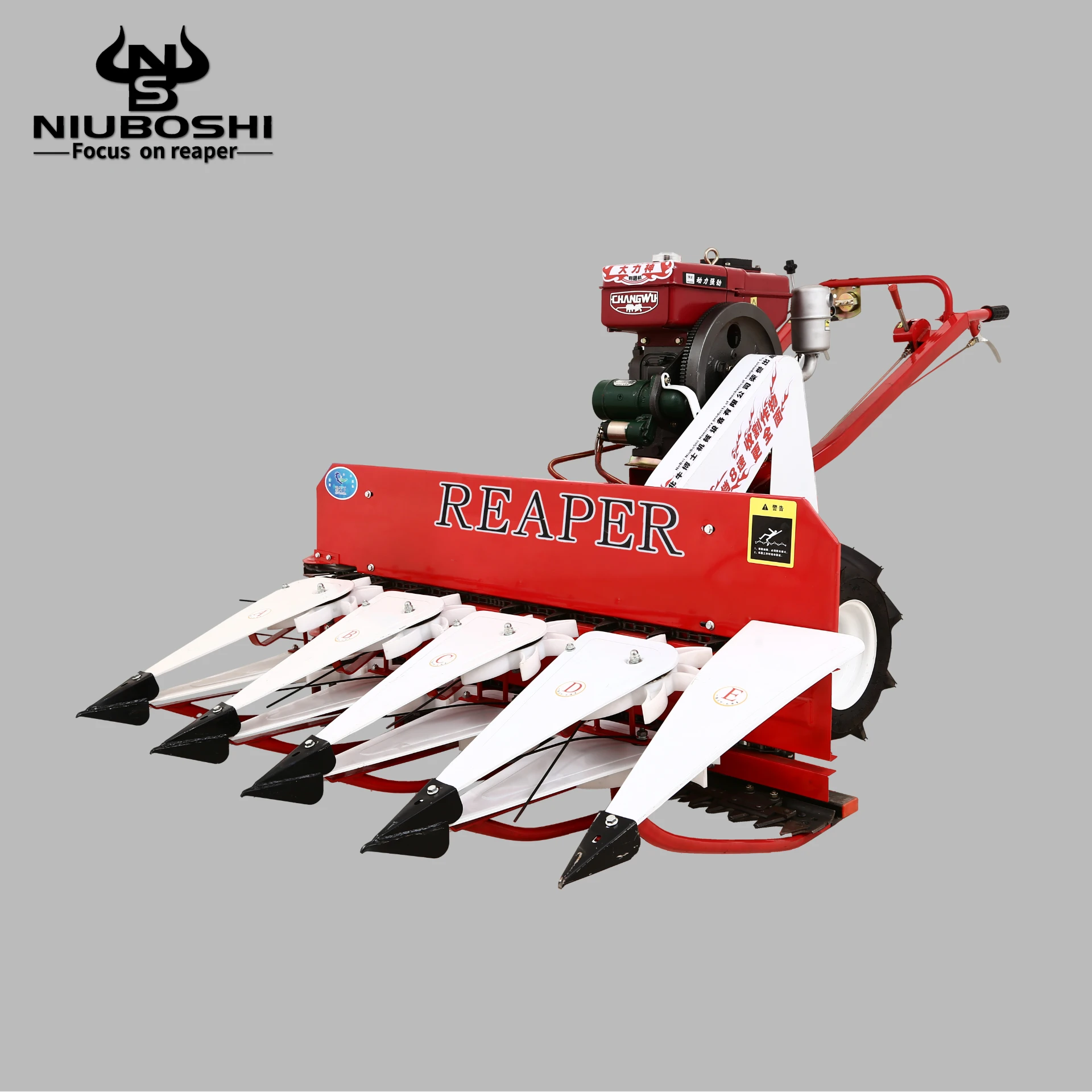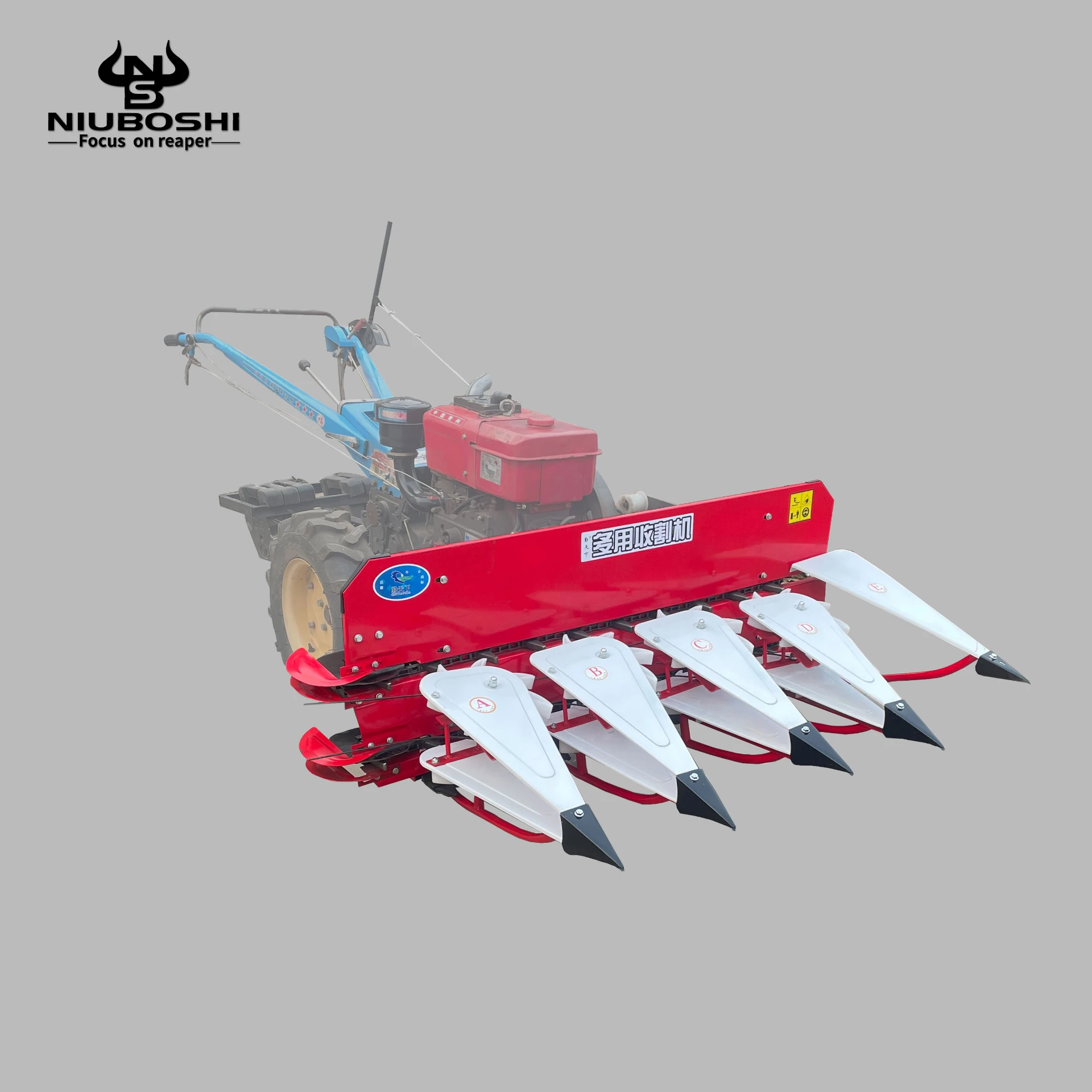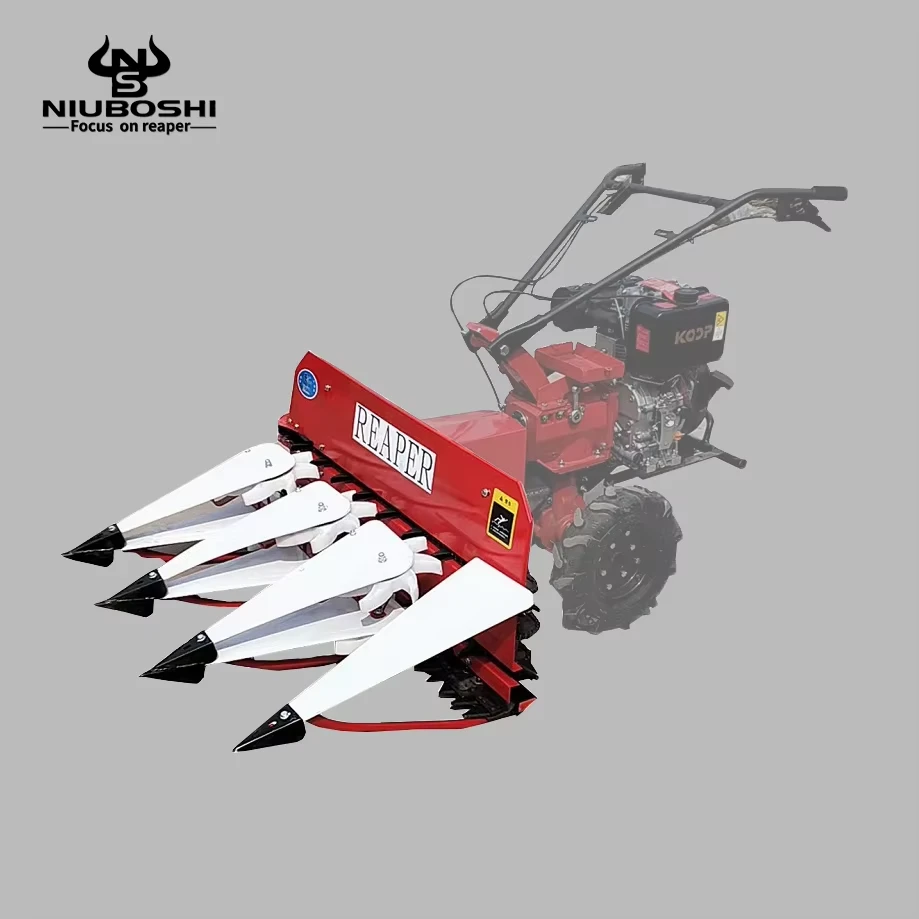
Mini Paddy Harvester Machine - Compact & Efficient Rice Harvesting Solutions
Understanding the Mini Paddy Harvester Machine: A Small Tool with Global Impact
Rice is a staple for over half the world’s population, fueling economies and sustaining rural livelihoods. But what happens when harvesting this vital crop still relies heavily on manual labor or large, expensive machines that don't quite fit every field or farmer’s budget? Enter the mini paddy harvester machine, a game-changer bridging the gap between tradition and modern efficiency. This compact agricultural marvel promises better yields, less time in the sun, and a smart solution to the global challenge of food security.
Why Mini Paddy Harvester Machines Matter Across the Globe
Did you know that around 90% of the world's rice is grown and consumed in Asia? According to the Food and Agriculture Organization (FAO), smallholder farmers cultivate most of this, often with limited mechanization. That’s a big reason why mini paddy harvesters are increasingly important: they fit small-scale farms perfectly, allowing farmers to swiftly and efficiently reap their crops without the cost or complexity of giant machines.
Harvesting is often the most labor-intensive and critical stage in rice cultivation. Delays or inefficiencies can cause crop losses up to 20%, according to some agricultural studies. This inefficiency drives the need for mechanized solutions that are affordable and easy to use, especially in developing countries where labor shortages and rising wages push farmers to seek alternatives.
What Exactly Is a Mini Paddy Harvester Machine?
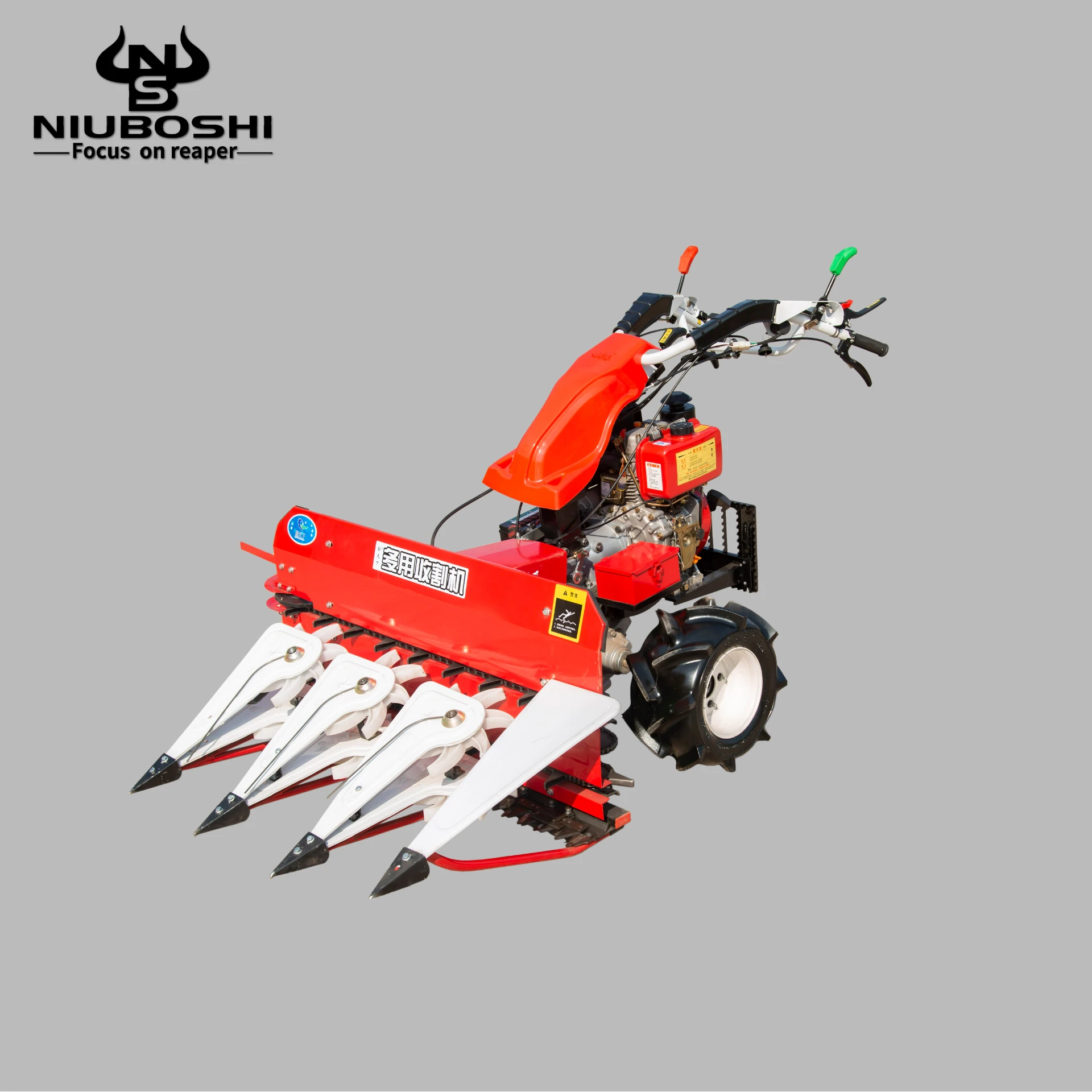
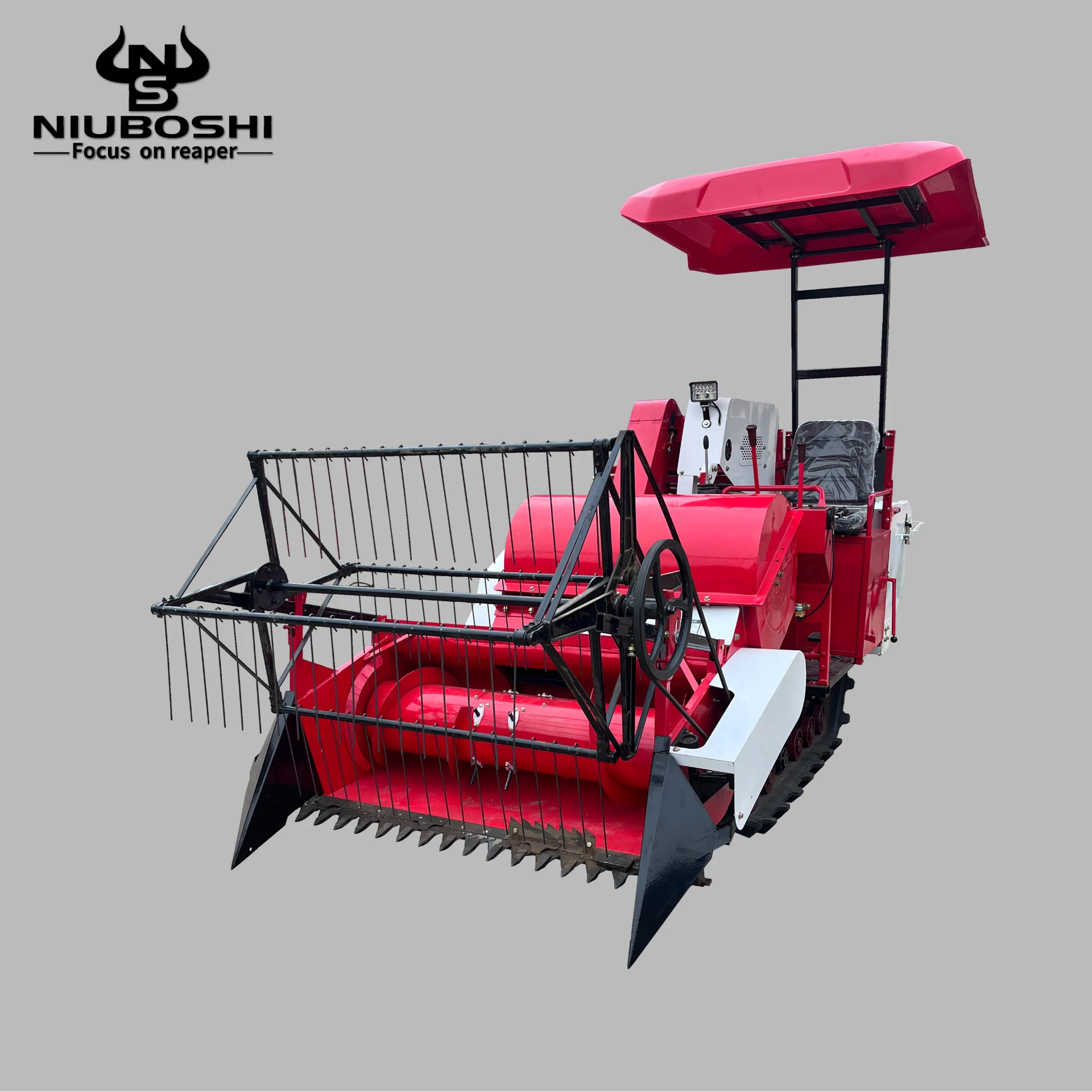
In simple terms, a mini paddy harvester machine is a compact, lightweight mechanical device designed to cut and thresh rice crops in one operation. Unlike large-scale harvesters, these machines are tailored for small to medium plots, often less than 2 hectares. They’re powered by small engines—usually diesel or petrol—and can sometimes be operated manually or via a simple tractor hitch.
These harvesters fit neatly into the wider context of modern agriculture where efficiency, sustainability, and accessibility reign supreme. By employing mini machines, farmers can accelerate the harvest process, reduce physical strain, and improve the overall quality of yield—all vital considerations where food security intertwines with humanitarian needs.
Key Factors That Make Mini Paddy Harvesters Tick
Durability and Build Quality
Many engineers emphasize rugged build materials like high-grade steel and corrosion-resistant coatings. Mini paddy harvesters must handle humid paddy fields and rough terrains – not to mention frequent exposure to dirt and crop residues. I noticed several models boasting rust-proof blades and reinforced joints, which can mean the difference between a season of work and an unexpected breakdown.
Cost Efficiency
The cute irony is how cost-effective mini harvesters are compared to their full-size relatives. They usually consume less fuel and need fewer repairs. For smallholder farmers with limited capital, this is a godsend. That said, the initial cost can vary widely depending on capacity and features—more on that shortly.
Operational Ease and Portability
Portability is often a top-selling point. Mini harvesters typically weigh under 250 kg, allowing farmers to maneuver them easily between fields or even transport on a bike or small truck. The learning curve is generally shallow, making them accessible to users who aren't mechanically savvy. This, honestly, is one of their best traits.
Scalability & Versatility
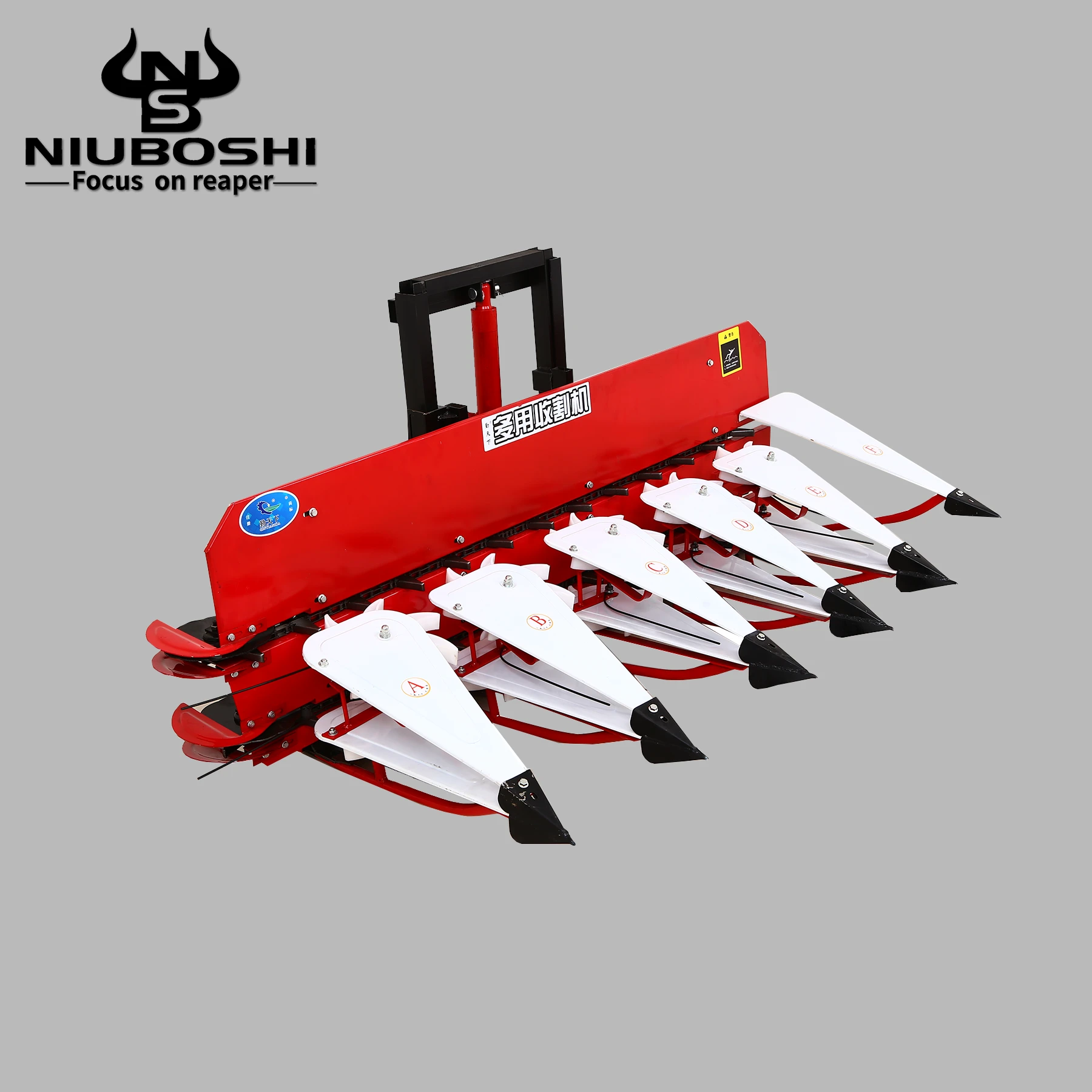
While they’re designed for small to medium plots, some mini models can be adapted or combined with other attachments for tasks like cutting other grains or mowing grass. This flexibility extends their value, especially where farm activities are diverse across seasons.
Environmental Considerations
Many modern mini harvesters now come with eco-friendly engines designed to reduce emissions and fuel consumption. This aligns perfectly with sustainable agriculture trends and government mandates aimed at reducing carbon footprints in farming.
Mini Paddy Harvesters in Action: Real-World Applications
The utility of these machines spans continents and climates. In Southeast Asia—think Vietnam, Indonesia, and the Philippines—fields are often too small or irregularly shaped for large harvesters. Here, mini paddy harvester machine models have empowered countless smallholder farmers to reduce harvesting time dramatically.
Post-disaster recovery efforts often face the challenge of food production rebuilding. NGOs in Bangladesh have introduced mini harvesters to help farmers regain productivity quickly after floods destroyed larger mechanical equipment or their livestock. Their portability and ease of repair make these machines indispensable in such crises.
Even in advanced agricultural economies like Japan, mini harvesters serve niche markets—such as hilly terrain farms where large machinery cannot safely operate.
The Advantages and Long-Term Value of Mini Paddy Harvesters
- Economic Efficiency: Less fuel, fewer workers, and shorter harvest periods translate into meaningful cost reductions.
- Social Impact: Decreased manual labor has a positive effect on farmer health and can help younger generations see farming as less backbreaking.
- Crop Quality and Yield: Faster harvest reduces crop loss and spoilage risks from bad weather or pests.
- Environmental Sustainability: Smaller engines and smarter power usage reduce emissions compared to large, outdated machines.
Future Trends and Innovations in Mini Paddy Harvester Machines
It feels like the future’s pretty bright here. One trend is electrification. Manufacturers are experimenting with electric-powered mini harvesters, which promise near-silent operation and zero direct emissions. Additionally, integration with GPS and IoT systems is coming—to track machine health, optimize routes, and connect farmers to service networks remotely.
Material science is also making an impact—lighter, stronger composites reduce weight without sacrificing durability. This helps with portability while increasing lifespan.
Common Challenges and How Experts Are Overcoming Them
Despite all their promise, mini paddy harvesters are not a silver bullet. A few recurring problems crop up: difficulty in maintenance due to poor service networks, occasional breakdown in muddy or tough-field conditions, and in some regions, an initial cost still seen as prohibitive. However, innovative solutions like modular design (for easy part replacements), mobile repair clinics, and microloan financing are starting to tackle these issues effectively.
Product Specification Table: Typical Mini Paddy Harvester Machine
| Specification | Detail |
|---|---|
| Engine Type | 4-stroke petrol/diesel |
| Cutting Width | 800 - 1200 mm |
| Weight | 140 - 230 kg |
| Harvesting Capacity | 0.5 - 1.0 hectare/hour |
| Fuel Consumption | 1.5 - 2.0 liters/hour |
| Price Range | $900 - $2500 (varies by model/features) |
Vendor Comparison: Popular Mini Paddy Harvester Manufacturers
| Vendor | Country | Key Feature | Price Range | After-Sales Support |
|---|---|---|---|---|
| Niuboshi | China | Fuel-efficient engines, compact design | $1200 - $1800 | Global parts network, online support |
| Kubota | Japan | Highly durable, advanced blades | $1800 - $2500 | Extensive dealer network, training |
| Yanmar | Japan | Compact & lightweight, user-friendly | $1500 - $2200 | 24/7 customer helpline, parts readily available |
Frequently Asked Questions About Mini Paddy Harvester Machines
How much land can a mini paddy harvester handle in a day?
Most mini paddy harvesters can cover between 0.5 to 1 hectare per hour under optimal conditions, translating to roughly 4 to 8 hectares daily depending on field size, terrain, and operator skill.
Are mini harvesters suitable for all types of paddy fields?
While ideal for small, uneven, or terraced fields, their performance may reduce on extremely muddy or waterlogged plots. Choosing a model with adjustable settings can help adapt to different field conditions.
What maintenance is required to keep a mini paddy harvester running?
Regular tasks include cleaning the cutting blades, checking engine oil, fuel levels, and greasing movable parts. Annual servicing by trained technicians is recommended for longevity.
Can mini paddy harvesters reduce labor costs significantly?
Yes, they streamline harvesting, minimizing the number of workers needed and reducing time spent, which cuts overall labor costs substantially on small to medium farms.
Where can I purchase reliable mini paddy harvester machines?
Manufacturers like Niuboshi offer quality mini harvesters with after-sales support. It’s best to buy from vendors who provide parts availability and training services.
Wrapping Up: Why Mini Paddy Harvesters Could Be Your Farm’s Best Friend
The humble mini paddy harvester machine is more than just a nifty gadget. It’s an emblem of accessible technology empowering small farmers worldwide to take control of their harvests with less labor and more efficiency. In regions where rice feeds millions, these machines decisively tilt the balance between subsistence and surplus.
If you or someone you know is looking for a cost-effective, durable, and easy-to-operate solution to paddy harvest challenges, consider exploring available models at Niuboshi’s website. Sometimes, small is exactly what you need.
Mini Takeaway:
Mini paddy harvesters uniquely blend affordability, portability, and operational efficiency, making them indispensable tools for small-scale rice farmers worldwide.
References
Latest news
-
Maximize Harvest Efficiency with the Agro Reaper Binder MachineNewsApr.16,2026
-
Boost Harvest Efficiency with the Best Agriculture Reaper MachineNewsApr.09,2026
-
Revolutionizing Agriculture with the Efficient Agriculture Power ReaperNewsApr.07,2026
-
Comprehensive Guide to the 4 Wheel Reaper Binder for Efficient HarvestingNewsApr.04,2026
-
Comprehensive Guide to Reaperbinder Technology for Efficient Hay and Crop HarvestingNewsMar.31,2026
-
Mastering the Art of Reaper Cutting for Enhanced Agricultural EfficiencyNewsMar.28,2026