Tractor Mini Combine Harvester – Efficient Small-Scale Harvesting Solutions
Tractor Mini Combine Harvester: Revolutionizing Small-Scale Agriculture
At first glance, the term tractor mini combine harvester might just seem like a mouthful of jargon to some. But dig a little deeper, and you'll realize it’s a fascinating piece of equipment that’s quietly transforming farming, especially in small to medium-sized farms worldwide.
Why does this matter globally? Well, agriculture feeds billions, and efficient harvesting can literally mean the difference between famine and plenty in vulnerable regions. Plus, in an era where sustainability and mechanization dance a tricky tango, the tractor mini combine harvester stands out as a compact, versatile game-changer.
Why Tractor Mini Combine Harvesters Matter Globally
According to the United Nations Food and Agriculture Organization (FAO), over 60% of the world's farms are less than 2 hectares in size. That’s a lot of small farms needing affordable, adaptable machinery. Traditional large combine harvesters, while powerful, often aren’t viable for these plots because of cost, size, or terrain challenges. This is where the tractor mini combine harvester enters the scene.
These machines address a thorny problem: how to mechanize harvesting efficiently and economically for smaller-scale farmers without sacrificing quality or reliability. Post-harvest losses are a major headache globally – estimates suggest as much as 20-30% of grain yields are lost during harvesting and storage. Smaller machinery tailored to smallholder farmers can slash these losses, improve food security, and boost income in rural communities.
What Exactly Is a Tractor Mini Combine Harvester?
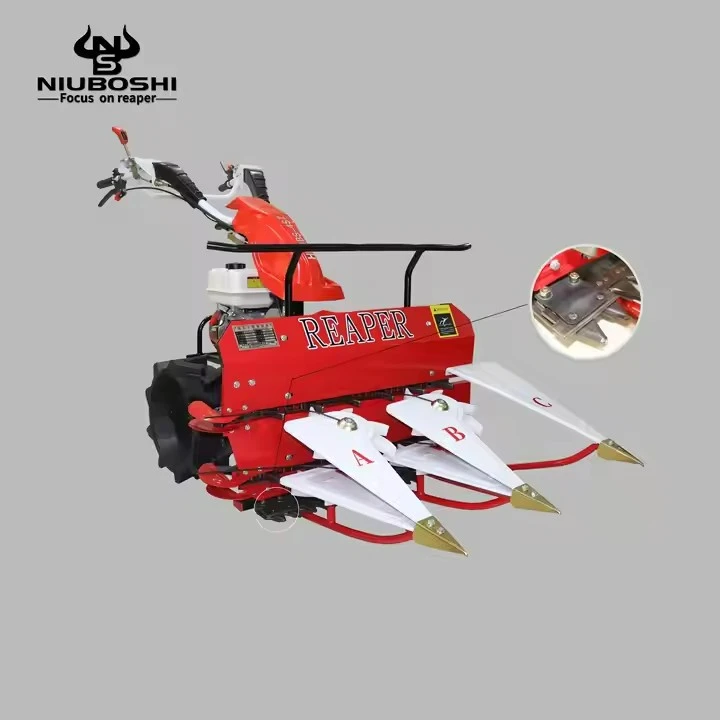
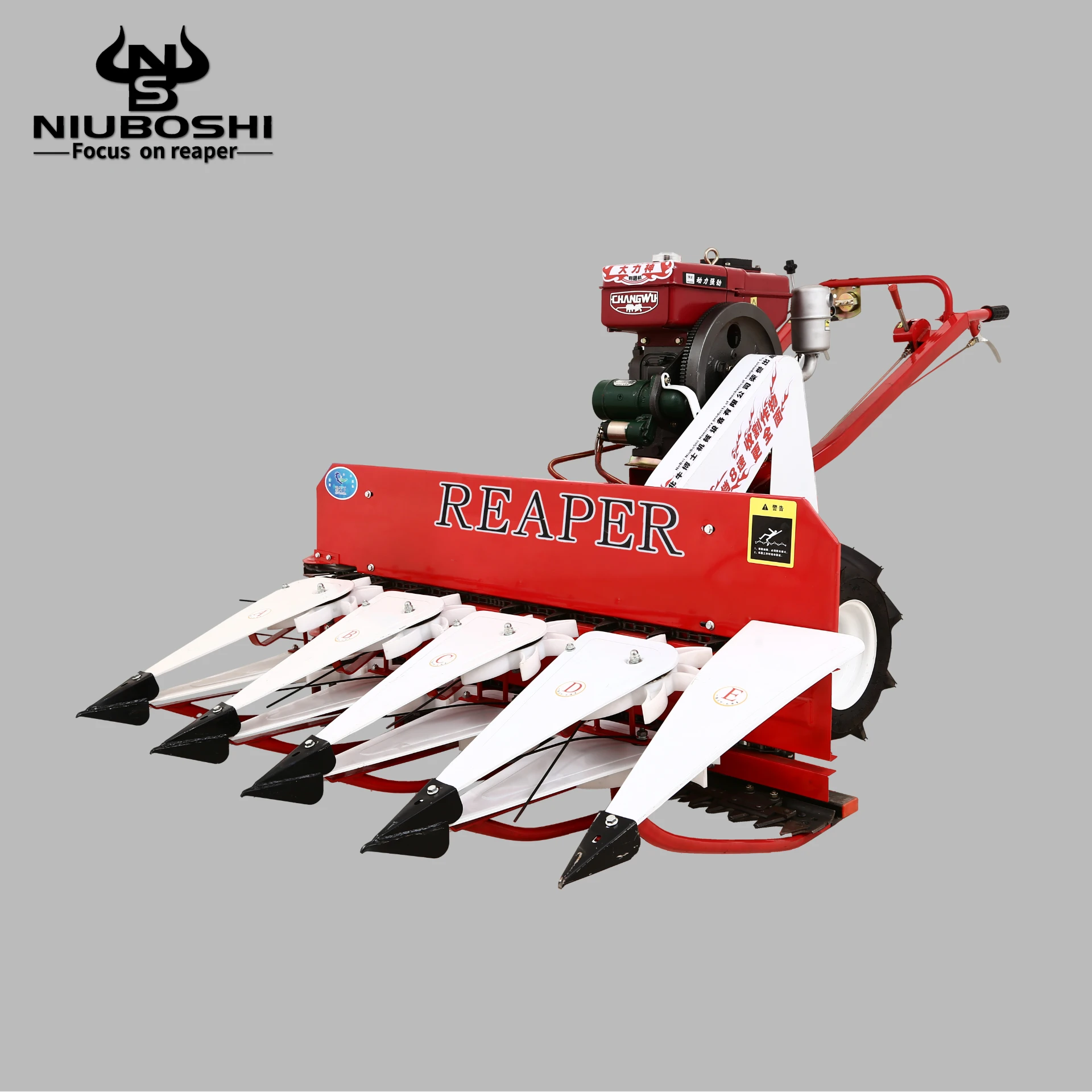
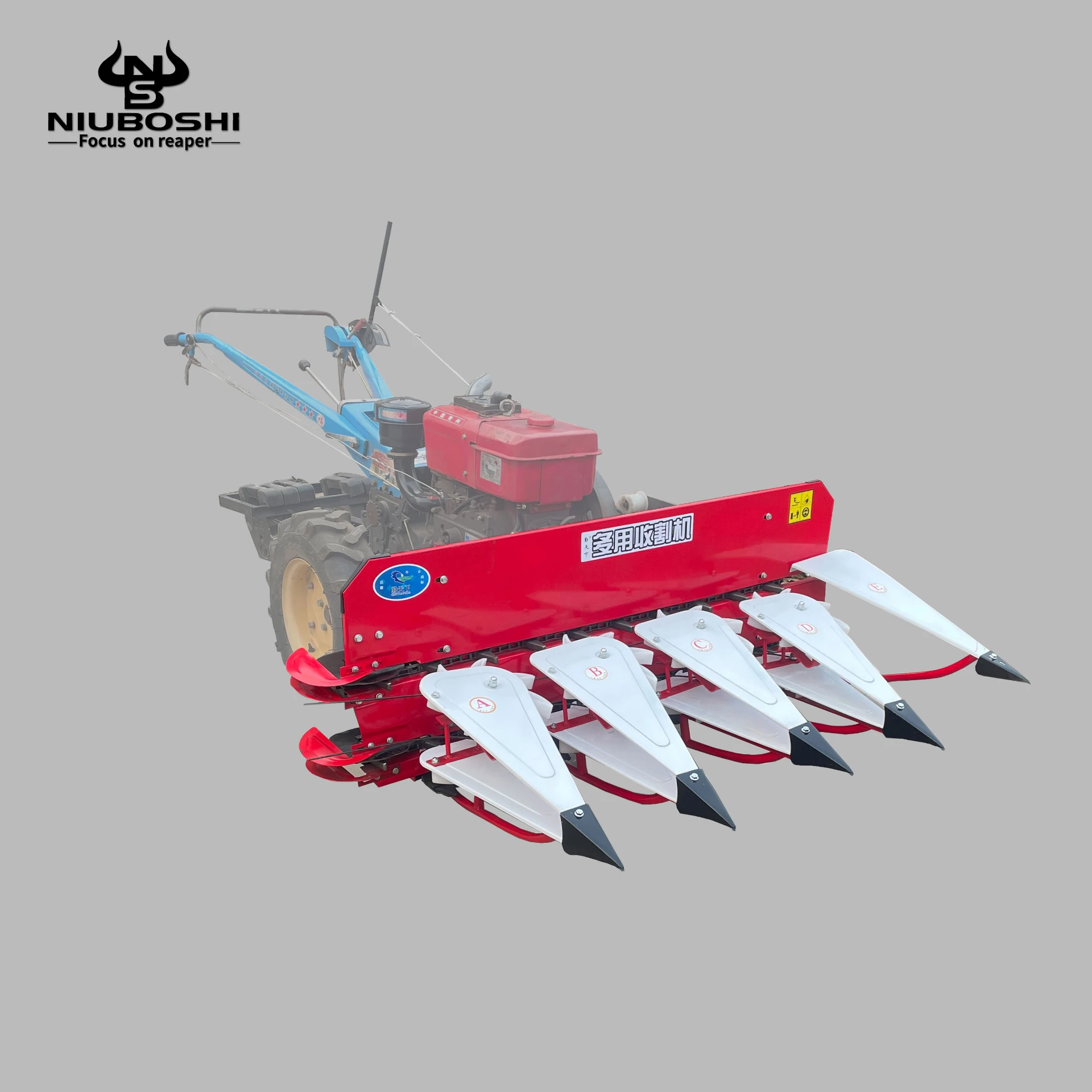
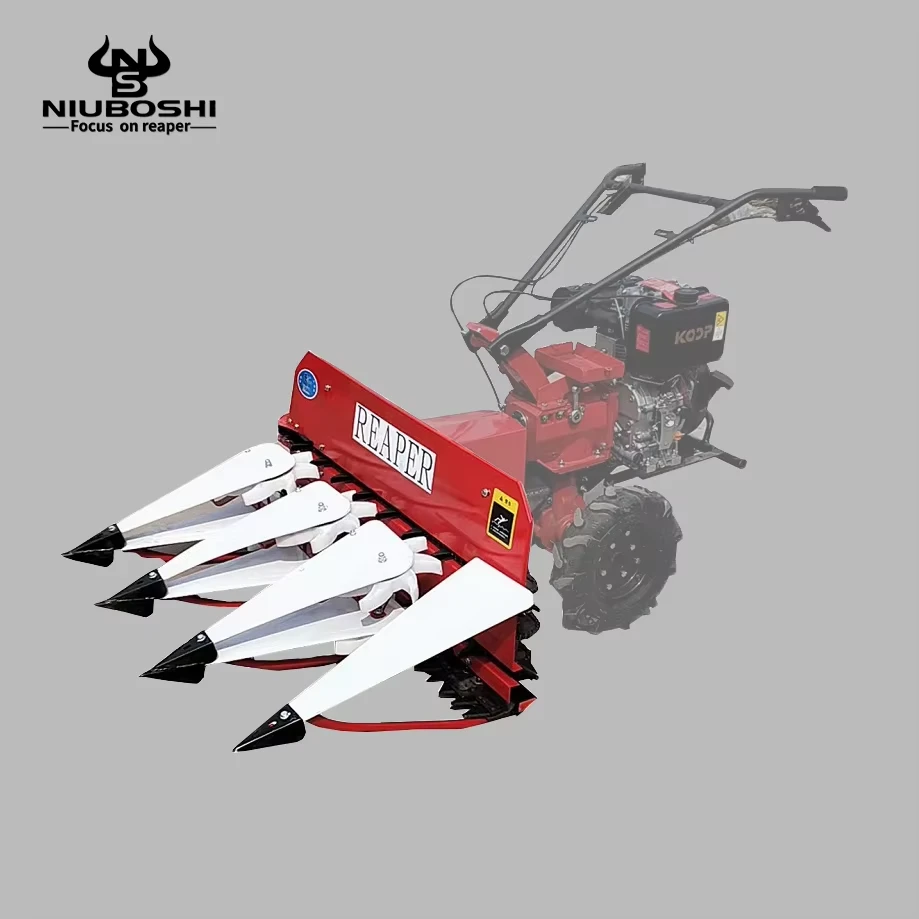
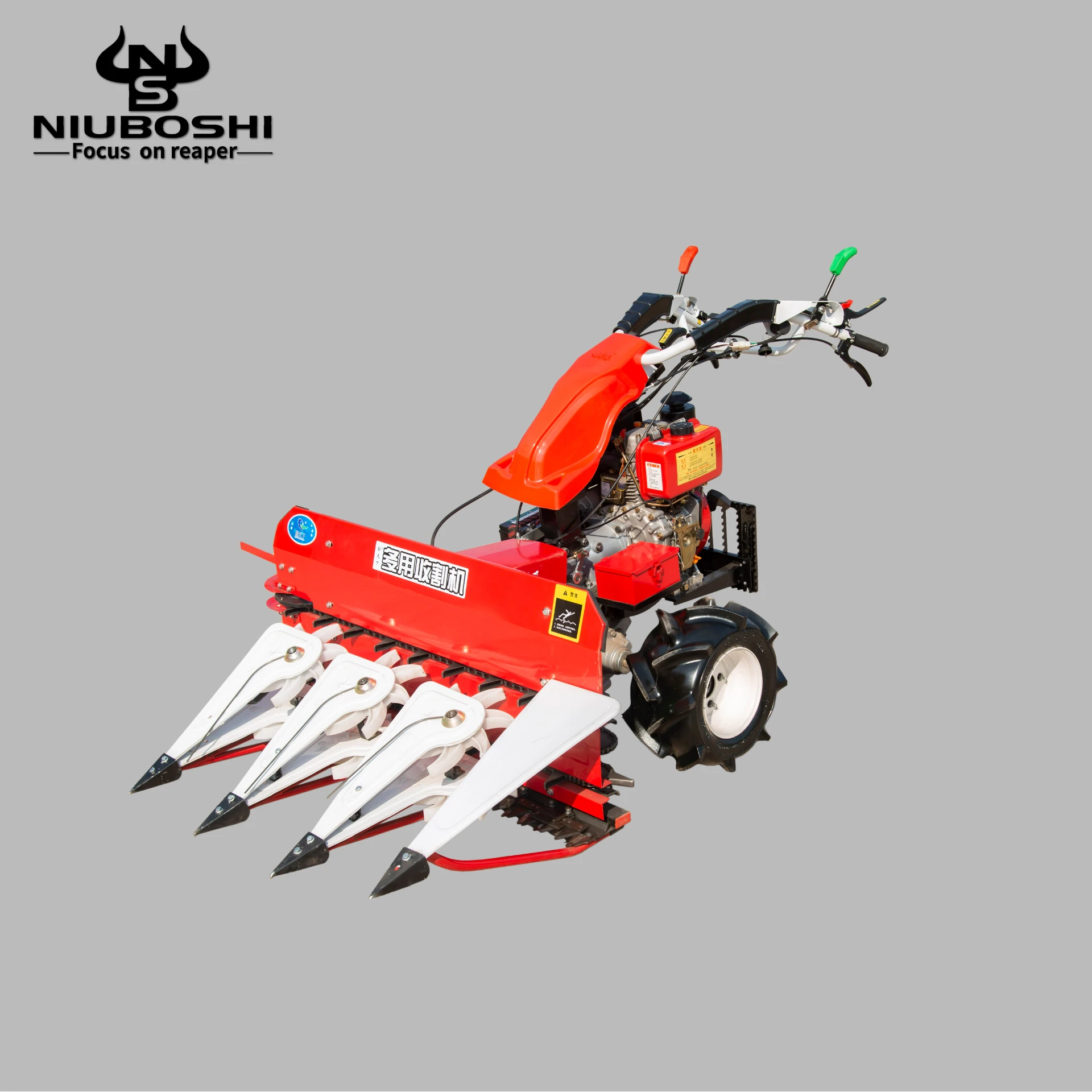
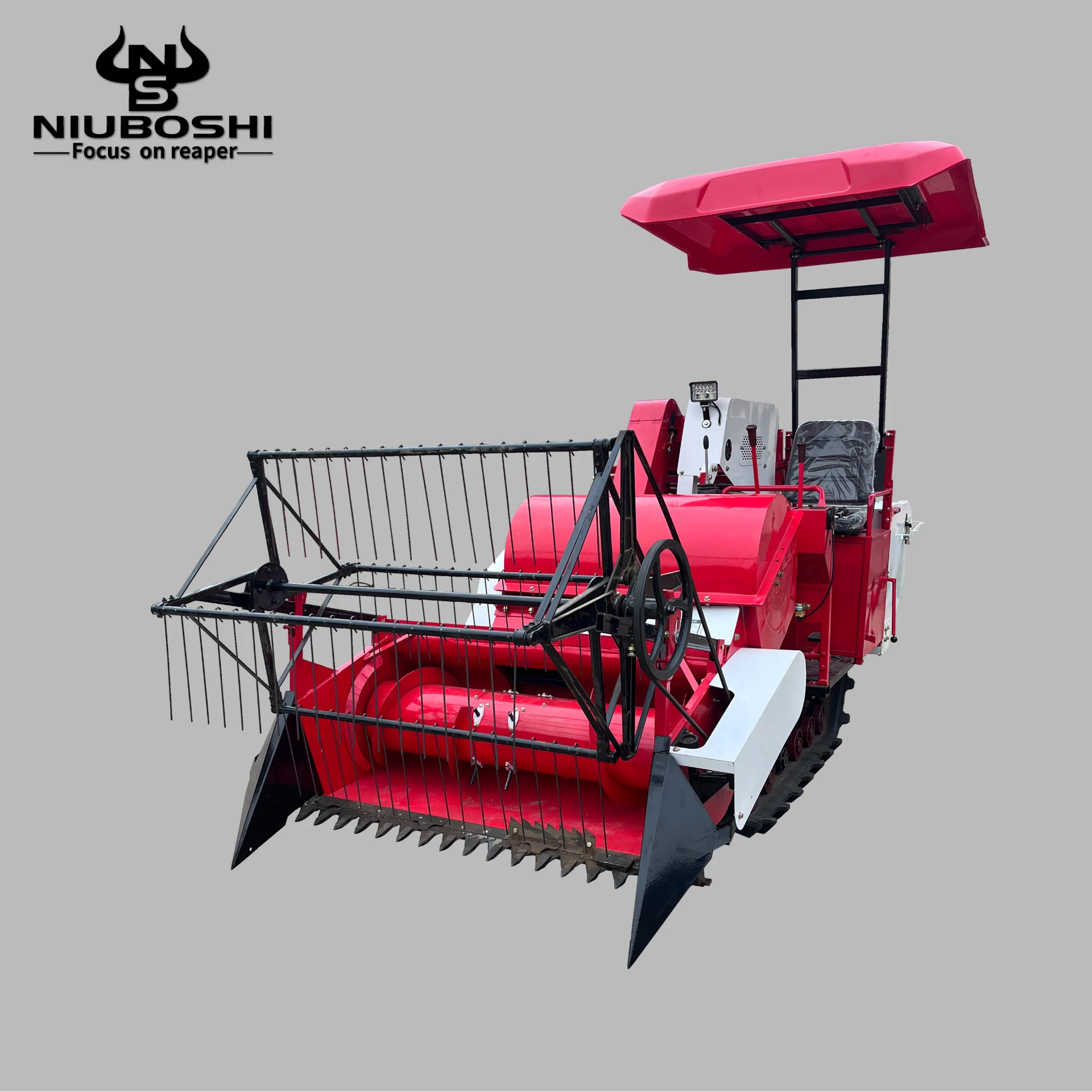
In simple terms, a tractor mini combine harvester is a compact, tractor-pulled machine designed for harvesting crops like wheat, rice, barley, and maize. Unlike oversized combines dominating vast commercial farms, these mini harvesters blend power, mobility, and efficiency specifically for smaller plots or tighter spaces.
They combine the actions of reaping, threshing, and winnowing in one pass, significantly speeding up harvest time. And in the modern industry, they play a crucial role in bridging the gap between labor-intensive traditional methods and high-tech mechanized farming, especially in developing countries.
Core Components That Make Them Functional
1. Compact Tractor Compatibility
Unlike self-propelled combines, these units are mostly attachments or tow-behind harvesters designed to work with small tractors. This compatibility means they’re accessible to farmers who already own or can afford compact tractors without investing in fully integrated harvesters.
2. Efficient Threshing Mechanism
The threshing drum and concave systems are miniaturized but engineered to maximize grain separation and minimize damage. Many models boast adjustable settings to handle different crop types and moistures, boosting versatility.
3. Grain Collection and Cleaning Systems
Despite their size, these combines include grain cleaning sieves and storage bins. This reduces the need for manual labor post-harvest and enables cleaner grain outputs, critical for market prices.
4. Durability and Terrain Adaptability
Small-scale farms are often located on uneven or hilly terrain. These harvesters typically have enhanced chassis strength and ground clearance to operate efficiently and safely beyond flat fields.
5. Cost Efficiency
Lower initial investment costs and reduced fuel consumption compared to large machines make these mini combines attractive options especially for farmers stretching every dollar.
Quick Takeaway:
Essentially, these are purpose-built machines designed to balance power and portability—tailored for the realities of smaller farms where flexibility and affordability reign.
Real-World Applications and Global Impact
The real beauty of tractor mini combine harvesters is their versatility across varying geographies and sectors:
- Southeast Asia – Farmers cultivating small rice paddies rely heavily on these for timely harvesting pre-monsoon.
- Sub-Saharan Africa – NGOs and government agencies promote mini combines to improve yields and reduce labor bottlenecks in rural communities.
- South America – Smallholder grain producers employ them for uneven upland fields unsuitable for big machinery.
- Post-Disaster Agriculture – In areas recovering from floods or droughts, these machines facilitate rapid harvests, preventing crop losses.
In real terms, a farmer in Cambodia boosted harvest speed by nearly 40% using a tractor mini combine harvester, simultaneously gaining cleaner grain and reducing their physical toil. Stories like this are multiplying worldwide.
Advantages and Long-Term Benefits
Why invest in a tractor mini combine harvester? Let's break it down:
- Cost Savings: Lower fuel use, maintenance costs, and more affordable upfront investment compared to full-scale combines.
- Sustainability: Smaller machines consume less fuel and produce fewer emissions, supporting green agriculture initiatives.
- Social Impact: By easing physical labor, they improve farmworker safety and help keep families on their land instead of migrating.
- Innovation: Advanced features like adjustable threshing speed and modular parts allow farmers to tailor their machine, extending longevity.
- Trust & Reliability: Proven durability in tough field conditions builds confidence, especially where repair shops are sparse.
Oddly enough, despite being “mini,” these machines often unlock macroeconomic benefits that ripple through rural areas – from increased food availability to income stability.
Product Specification Table: Typical Tractor Mini Combine Harvester
| Specification | Details |
|---|---|
| Compatible Tractor Power | 20 - 45 HP |
| Working Width | 1.2 - 1.6 meters |
| Threshing Capacity | 0.5 - 1.2 tons/hour |
| Grain Tank Capacity | 100 - 200 kg |
| Weight | 500 - 800 kg |
| Fuel Consumption | 3 - 5 L/hour (tractor dependent) |
Vendor Comparison: Popular Tractor Mini Combine Harvester Brands
| Brand | Country | Price Range (USD) | Key Features | Warranty |
|---|---|---|---|---|
| NiuBoshi MiniHarv | China | $3,500 - $5,000 | Adjustable drum speed, lightweight frame, multi-crop use | 2 years |
| Kubota Compact Harvest | Japan | $4,000 - $6,000 | Easy attachment, reliable engine, wide dealer network | 3 years |
| CLAAS Orbis Mini | Germany | $5,000 - $7,000 | Advanced cleaning system, durable build, digital monitoring | 2 years |
Looking Ahead: Future Trends in Tractor Mini Combine Harvesters
The future of mini combine technology is bright and full of promise. Here’s what many engineers and farm technicians are buzzing about:
- Green Energy Integration: Battery-electric or hybrid tractors paired with mini harvesters are slowly becoming more viable, reducing carbon footprints.
- IoT & Smart Systems: Sensors monitoring moisture, crop yield, and machine health help farmers make data-driven decisions on the go.
- Automation: Semi-autonomous harvesting is on the horizon, potentially overcoming labor shortages in rural areas.
- Material Innovation: Lightweight composite materials improve durability without bulk, increasing maneuverability.
Challenges & How They're Being Tackled
Not everything is peachy though. Challenges include:
- Maintenance & Repair Infrastructure: Many small farms are remote, with limited access to skilled technicians or parts.
- Initial Cost Barrier: Though cheaper than large combines, the price is still a hurdle for very smallholder farmers.
- Crop-Specific Adjustments: Not all mini harvesters handle every grain type equally well, requiring ongoing R&D.
To overcome these, companies are partnering with local cooperatives to provide on-site training, developing modular designs to ease repairs, and collaborating with governments for subsidized loans or grants.
FAQ: What You Might Be Asking About Tractor Mini Combine Harvesters
- What types of crops can a tractor mini combine harvester handle?
- These machines are versatile enough for commonly grown cereals like wheat, rice, barley, oats, and maize. Some models offer adjustable settings to accommodate crop differences such as moisture content and stalk size.
- How does the cost of mini combine harvesters compare to traditional combines?
- They usually cost 50-70% less than full-sized combines, making them accessible for small farms. Plus, operational costs like fuel and maintenance are significantly lower.
- Are tractor mini combine harvesters suitable for hilly or uneven terrain?
- Yes, many models feature reinforced frames and enhanced ground clearance designed specifically for small-scale farms in varied landscapes.
- How easy is it to maintain these machines?
- Maintenance is generally straightforward, thanks to simpler mechanics and modular parts. However, access to local repair services can vary, so partnering with vendors who offer training is advised.
- Can these machines improve post-harvest grain quality?
- Definitely. Integrated cleaning and threshing systems reduce grain damage and impurities, raising quality and market value.
Final Thoughts: Why the Mini Combine Matters More Than Ever
In wrapping this up, it feels like the humble tractor mini combine harvester deserves more spotlight than it usually gets. By empowering smaller farms with efficient, affordable mechanization, these machines don't just harvest crops — they harvest possibility, dignity, and economic stability for millions.
If you’re interested in learning more or sourcing a high-quality mini combine harvester, make sure to visit https://www.hbniuboshi.com. Sometimes, the smallest innovations make the biggest differences.
References
Latest news
-
Maximize Harvest Efficiency with the Agro Reaper Binder MachineNewsApr.16,2026
-
Boost Harvest Efficiency with the Best Agriculture Reaper MachineNewsApr.09,2026
-
Revolutionizing Agriculture with the Efficient Agriculture Power ReaperNewsApr.07,2026
-
Comprehensive Guide to the 4 Wheel Reaper Binder for Efficient HarvestingNewsApr.04,2026
-
Comprehensive Guide to Reaperbinder Technology for Efficient Hay and Crop HarvestingNewsMar.31,2026
-
Mastering the Art of Reaper Cutting for Enhanced Agricultural EfficiencyNewsMar.28,2026